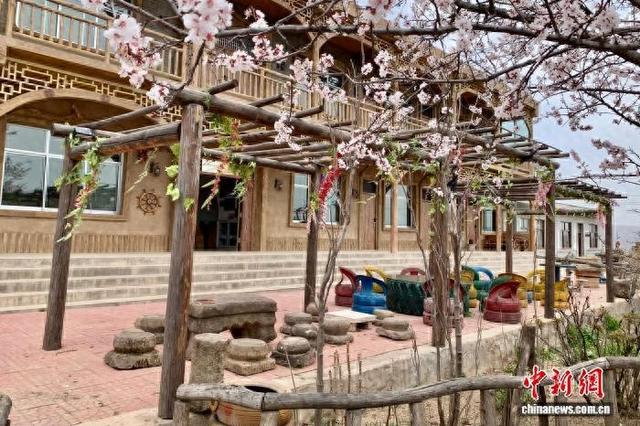
乡村旅游

Search documents
一颗桃串起富民产业链(高质量发展在一线·小城宝藏)
Ren Min Wang· 2026-01-05 22:46
Group 1 - The core value of the "Feicheng peach" brand has reached 4.112 billion yuan, attributed to improved cultivation techniques and diversified product offerings [1] - The Feicheng peach industry has expanded from a single variety to over 100 cultivars, allowing for year-round availability and breaking seasonal limitations [1][2] - The introduction of new agricultural technologies, such as integrated water and fertilizer systems and IoT applications, has enhanced production efficiency and fruit quality [2] Group 2 - Local farmers have successfully integrated e-commerce strategies, including live streaming and community group buying, to address market access challenges [2] - The development of agritourism has created a positive feedback loop, increasing visitor numbers and boosting peach sales, thereby enhancing local incomes [2] - The peach wood carving industry has expanded significantly, generating annual sales of 2.6 billion yuan and creating over 67,000 jobs, showcasing the potential for rural economic revitalization [3]
深耕乡村沃土 广聚振兴人才
Xin Lang Cai Jing· 2026-01-05 18:44
Core Viewpoint - The article highlights the efforts of Bohang Township in Huangyuan County, Xining City, to enhance local talent development and support the construction of a livable environment through various initiatives and training programs [1] Group 1: Talent Development Initiatives - Since February 2024, Bohang Township has adhered to the principle of party management of talent, focusing on "cultivating and gathering talent" to provide talent assurance and intellectual support for local development [1] - As of January 4, the township has reported 5 local talents under the county-level "Dan City Talent" program and established 1 city-level intangible cultural heritage workshop [1] Group 2: Skills Training and Community Engagement - The township organized 4 training sessions in skills such as forklift operation, maternity care, electric welding, and farmer entrepreneurship, benefiting 163 local residents [1] - Experts and industry leaders were invited to discuss rural tourism development, leveraging local tourism resources and promoting regional specialties like the "Ten Bowls of Huangyuan" and other traditional foods [1] Group 3: Economic Development and Employment - A new model for intangible cultural heritage was created, allowing over 30 local operators and culinary experts to compete, providing a platform for skill exchange and enhancing the regional food brand [1] - Local talents have played a significant role in community development, with initiatives like the establishment of a 150 square meter workshop in Nanchai Village, which has created jobs for 7 residents, increasing their monthly income by 3,000 yuan [1]
简阳市侨联开展国际消费新场景建设情况专题调研
Sou Hu Cai Jing· 2026-01-05 11:02
Core Viewpoint - The article discusses the efforts of the Jianyang Municipal Committee to enhance international consumption and high-quality openness by leveraging the resources of the Taiwanese and overseas Chinese community, focusing on the development of new consumption scenarios and the integration of tourism and commerce. Group 1: Research Activities - On January 5, the Jianyang Municipal Committee organized a special research activity involving Taiwanese and overseas Chinese members to explore the creation of international consumption scenarios and support high-quality openness [1]. - The committee visited two key locations: Donglai Impression and Qianfeng Village in Shizhong Town, aiming to gather insights for consumption upgrades and open development in Jianyang [1]. Group 2: Key Findings from Visits - At Donglai Impression, the committee evaluated the integration of cultural, commercial, and tourism consumption scenarios, noting the effective use of the Tianfu International Airport's location to create a one-stop consumption chain, attracting over 25,000 cross-city visitors annually [3]. - In Qianfeng Village, the committee experienced new rural tourism consumption models, visiting various unique areas such as the "Village Sugar Meeting" exhibition area and farmer markets, and acknowledged the village's successful collaboration model of "village collective + enterprises + farmers" for creating suburban consumption scenarios [5]. Group 3: Recommendations and Future Directions - During a discussion session, committee members emphasized the need for innovation in scenarios, brand building, and open empowerment, suggesting the enhancement of the "Jianzhou Rhythm + International Style" positioning and the integration of local IP with cross-border consumption [7]. - The Jianyang Municipal Committee plans to compile the suggestions from the members into proposals to guide future development, aiming to align Taiwanese and overseas Chinese resources with Jianyang's development needs and accelerate the establishment of "Tianfu Portal, Airport Jianyang" [7].

【省人力资源社会保障厅】陕西发布重点产业链人才需求目录
Shan Xi Ri Bao· 2026-01-05 00:41
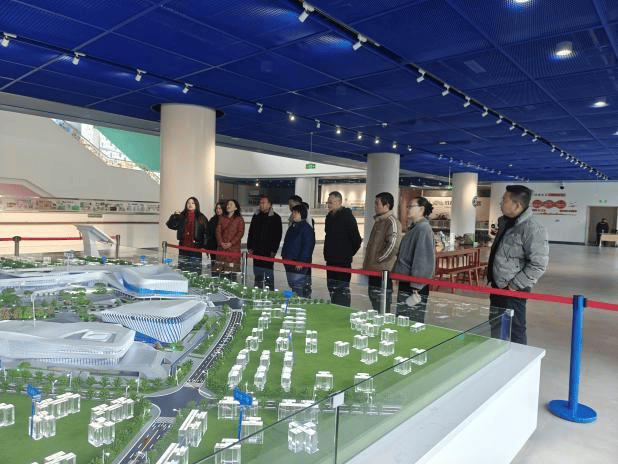
Group 1: Talent Demand in Key Industries - The Shaanxi Provincial Human Resources and Social Security Department has released a directory of talent demand for key industrial, agricultural, cultural tourism, and health care sectors, identifying 696 critical job types [1] - The industrial talent demand is primarily concentrated in semiconductor and integrated circuits, new power industries, and modern chemical industries, with Xi'an and Xianyang having the highest demand for critical positions [1] - Over 60% of the urgently needed positions require a bachelor's degree, with a significant demand for innovation and research roles [1] Group 2: Agricultural Sector Talent Needs - In agriculture, the demand for talent is mainly in the dairy, apple, and poultry meat industries, with notable shortages in specialized sectors like kiwi and traditional Chinese medicine [1] - The current workforce is predominantly in marketing roles, but there is a clear shift towards a demand for research, technical, and skilled positions, with research roles being the most sought after [1] Group 3: Cultural Tourism Sector Talent Needs - The cultural tourism sector shows a high demand for talent in cultural creativity, entertainment performances, and tourism scenic routes, while rural tourism and sports event economies lag behind [2] - Marketing roles are particularly in demand, followed by innovation and research positions, with a lower demand for skilled roles [2] Group 4: Health Care and Elderly Care Sector Talent Needs - The health care sector has the highest demand for talent, with a shortage of 47,500 positions, while the elderly care sector has a shortfall of 23,100 positions, the highest among all sectors [2] - The health care sector's critical roles include highly needed positions such as elderly capability assessors and health care providers, with a range of roles classified by urgency from high to low [2]
六合打造环境敏感型产业高地
Xin Hua Ri Bao· 2026-01-04 23:30
Core Insights - The article highlights the successful development of the "Moli·Jianshan" homestay in Nanjing's Liuhe District, which has become highly sought after during holidays and weekends, showcasing the area's commitment to ecological preservation and the implementation of the "Two Mountains" theory [1] Group 1: Ecological and Economic Development - Liuhe District is a significant ecological node in the Yangtze River Economic Belt, with a forest coverage rate of 25.68% and a wetland area of 153,800 acres, reflecting its rich ecological resources [1] - The Gross Ecosystem Product (GEP) of Liuhe District was calculated at 73.12 billion yuan in 2021, projected to grow to 76.29 billion yuan by 2024, marking a 4.33% increase, with a GEP per unit area of 51.86 million yuan per square kilometer, which is 5.4 times the national average [1] - The green gold index (GEP/GDP) in Liuhe District stands at 1.11, significantly higher than the provincial average, indicating a strong ecological capital advantage [1] Group 2: Environmental Sensitive Industry Development - The Liuhe District is developing environmentally sensitive industries, with the Jin Niu Lake Experimental Zone being included in Jiangsu Province's "Ecological Island" project library and recognized as a national EOD model pilot [2] - The experimental zone will implement 12 key projects from 2023 to 2025, focusing on biodiversity monitoring, species protection, and habitat improvement [2] - The district is exploring the "ecology + tourism + health" model, transforming historical mining sites into eco-tourism landmarks through ecological restoration and water environment governance [2] Group 3: Health and Wellness Industry Initiatives - The experimental zone has initiated "forest health + agricultural experience" services, allowing visitors to engage in activities like grape picking and tea garden labor, marking the initial transformation of ecological resources into health services [3] - The zone is also cultivating fish populations in Jin Niu Lake, with an annual release of approximately 500,000 pounds of organic fish fry and a focus on creating a geographic indication brand for "Jin Niu Lake Fish" [3] - Future plans include developing a health integration zone around Jin Niu Lake, creating a comprehensive wellness complex, and establishing a bird therapy zone at Chi Shan Lake [3] Group 4: Agricultural and Tourism Integration - Liuhe District is building a complete industrial chain integrating primary, secondary, and tertiary industries through green agriculture, promoting rural tourism to support rural revitalization [5] - The district's Zhimaling Forest Park, with over 98% forest coverage, is advancing the integration of agriculture, forestry, culture, and tourism, attracting visitors with its clean air [5] - The district aims to transition from "ecological enrichment" to "value realization," establishing a closed-loop system for ecological industrialization and industrial ecology, thereby transforming ecological protection into a sustainable economic model [5]
农房变工坊,风景变“钱”景
Xin Lang Cai Jing· 2026-01-04 23:12
Core Insights - The "Ten-Mile Peach Source · Rural Common Prosperity" tourism route in Fengqiao Town, Jiaxing City, has been selected as part of Zhejiang Province's second batch of cultural rural tourism routes, showcasing the integration of rural charm and common prosperity [1][2] Group 1: Route Overview - The route spans 6.8 kilometers and connects key villages such as Sanxing, Lianfeng, and Yonghong, highlighting the beauty and vitality of Jiangnan villages [1] - Sanxing Village serves as a core node, leveraging its 2,500 acres of water honey peach cultivation to enhance its common prosperity brand, achieving an average benefit of over 20,000 yuan per acre [1][2] Group 2: Economic Development - Lianfeng Village has transformed its landscape through housing renovations and river management, creating 30 "common prosperity workshops" that are expected to attract 150,000 tourists and generate over 20 million yuan in revenue in 2024 [2] - Yonghong Village has developed a unique "all-age research study" model, integrating resources like the Tianxu Aviation Flying Camp to create immersive educational experiences [2] Group 3: Tourism Experience - The route offers various sub-routes catering to different tourist interests, including cultural experiences, culinary delights, and educational activities, promoting a diverse rural revitalization experience [2][3] - The initiative aims to transform the tourism route into a community development model that promotes industrial synergy, resource sharing, and collaborative governance [3]
以“乡土密码”激活乡村旅游的安顺实践
Xin Lang Cai Jing· 2026-01-04 23:11
Core Viewpoint - Rural tourism in China is experiencing explosive growth, driven by urban residents' desire for a return to nature, but it faces challenges such as homogenization, insufficient experiential offerings, and outdated service facilities. The article explores high-quality development paths for rural tourism using Anshun, Guizhou as a case study, focusing on six dimensions: positioning, empowerment, infrastructure, talent, ecology, and marketing [1]. Group 1: Positioning - Precise positioning is essential to create differentiated brands for rural tourism, leveraging unique local resources such as ecological, cultural, and industrial aspects. Anshun has identified 8,059 tourism resources, with 701 classified as high-quality, focusing on the deep development of traditional villages and ethnic communities [1]. Group 2: Cultural Empowerment - Cultural empowerment involves uncovering the diverse cultural heritage of rural areas and creating immersive experiences. Anshun is developing cultural IPs and immersive performances to engage visitors with local traditions, while also enhancing creative product development based on local handicrafts and non-material cultural heritage [2]. Group 3: Infrastructure Upgrade - Upgrading infrastructure is crucial for enhancing the quality of tourist experiences. This includes improving transportation access, developing unique accommodations, and promoting local cuisine. Anshun is focusing on building eco-parking lots, scenic viewpoints, and enhancing public services, including the introduction of smart tourism platforms [3]. Group 4: Talent Development - Talent cultivation is vital for supporting rural tourism. Anshun is attracting external talent and nurturing local professionals through partnerships with educational institutions. The city is implementing policies to enhance tourism talent development, ensuring a skilled workforce for the industry [4]. Group 5: Ecological Protection - Sustainable development is emphasized through strict adherence to ecological regulations and promoting low-carbon tourism practices. Anshun is establishing a collaborative ecological protection mechanism involving government, enterprises, villagers, and tourists to ensure responsible tourism development [5]. Group 6: Marketing Innovation - Innovative marketing strategies are being employed to expand market reach, including leveraging social media and hosting themed events to attract younger tourists. Anshun is utilizing big data for targeted marketing, offering customized tourism packages to meet diverse visitor needs [6]. Group 7: Overall Impact - Anshun's tourism development practices have transformed it from a transient stop for tourists to a destination for deeper engagement, with a reported 13.07% increase in visitors from January to November 2025. The city is evolving its branding from a summer retreat to a comprehensive travel destination, showcasing the potential of rural tourism as a sustainable driver for rural revitalization [6].
于家务乡叠加“四个图层”,“种业之乡 花果飘香”绽放花海经济
Xin Lang Cai Jing· 2026-01-04 11:42
Core Viewpoint - The article discusses the development strategy of Yujiawu Hui Autonomous Township, focusing on integrating agricultural innovation and ecological tourism to create a high-quality rural tourism model that combines "seed industry technology research + flower and fruit ecological leisure + cultural experience" [1] Group 1: Spatial Foundation Layer - Yujiawu Township plans to revitalize 31 idle plots totaling approximately 38.87 hectares (583 acres) to optimize spatial layout and expand ecological landscape capacity [7] - The revitalization will involve systematic land preparation, including clearing debris and constructing drainage facilities, to transform idle land into usable space for future projects [8] Group 2: Environmental Improvement Layer - The township aims to enhance the overall environmental quality by addressing issues in neglected areas such as village edges, roadsides, and waterways, promoting cleanliness and beautification [9] - Infrastructure improvements will include road repairs, standardized parking management, and riverbank enhancements to support tourism development [10][11] Group 3: Landscape Color Layer - The strategy includes large-scale planting of native flowers along major roads and ecological corridors to create visually appealing landscapes [13] - Specific flower varieties will be cultivated in different areas to ensure seasonal visual interest, with plans for themed walking paths and educational facilities [14][15] Group 4: Cultural and Tourism Transformation Layer - Three themed tourism routes will be developed: a "Seed Industry Technology Study Tour," a "Countryside Flower Sea Seasonal Tour," and a "Leisure Sports Experience Line," catering to diverse visitor needs [16] - The integration of local agricultural resources with cultural elements aims to enhance the value of rural tourism and create a vibrant community that offers educational and recreational experiences [17][18]
推动文旅融合、调整农业结构、强化配套支撑 阿坝乡村搭建全域旅游大舞台
Si Chuan Ri Bao· 2026-01-04 03:58
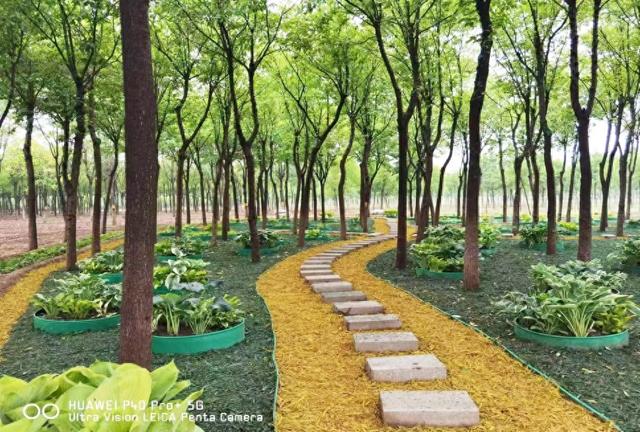
Core Viewpoint - The recent cultural and tourism festivals in Aba Prefecture, Sichuan Province, highlight the region's rich natural beauty and cultural heritage, attracting a significant number of tourists and promoting rural revitalization through integrated tourism and agriculture [2][3][4][5]. Group 1: Cultural and Tourism Events - The 12th Autumn Rural Cultural Tourism Festival was held in Heishui County, showcasing local ethnic music and cultural heritage, which enhances the region's appeal to visitors [3][4]. - Aba Prefecture has become a national model for comprehensive tourism development, achieving full coverage of A-level scenic spots and hosting various cultural events that attract tourists from all over [2][4]. Group 2: Agricultural and Tourism Integration - The establishment of the International Mountain Agriculture Technology Innovation Alliance in Jiuzhaigou indicates the potential for agricultural development in the region, with a focus on integrating agriculture and tourism [5][6]. - Aba has seen the emergence of specialized agricultural clusters, including highland vegetables and unique livestock products, which are popular among tourists, contributing to the high-quality development of rural tourism [6]. Group 3: Regional Cooperation and Development - Collaborative efforts between Zhejiang Province and Aba Prefecture aim to enhance tourism through strategic partnerships, including the establishment of tourism routes and support for local tourism initiatives [7][8]. - The introduction of wellness tourism initiatives, such as the establishment of a health retreat base in the Four Girls Mountain Scenic Area, reflects the growing focus on tourism development in the region [8].

(走进中国乡村)宁夏泾源:六盘山下“绿”变“富” 村民吃上生态饭
Xin Lang Cai Jing· 2026-01-03 04:51
Core Viewpoint - The transformation of Yejia Village in Ningxia's Jingyuan County from a "hollow village" to a thriving tourist destination showcases the successful integration of ecological protection and economic development, leading to increased income for local farmers through tourism and agricultural products [8]. Group 1: Village Development - Yejia Village has upgraded its homestays and facilities to attract more tourists, with a monthly income of nearly 30,000 RMB during peak seasons from accommodation and dining [2]. - The village's tourism development was initiated after the construction of a road in the early 2000s, which connected it to external markets and facilitated the establishment of agritourism [5]. - Currently, there are 135 agritourism businesses in Yejia Village, capable of accommodating 3,000 guests and serving 4,000 meals daily, making it the largest homestay village in Guyuan City [7]. Group 2: Ecological and Economic Integration - Jingyuan County has adopted a development strategy that emphasizes ecological foundations, cultural elements, and tourism integration, resulting in a year-round tourism product system [7]. - The county has achieved a forest coverage rate of 48.65% and over 93% of days with good air quality, demonstrating a commitment to ecological preservation [8]. - The "Green and Rich Win-Win" poverty alleviation case from Jingyuan County has been recognized as a global best practice, highlighting the successful collaboration between government, enterprises, and farmers [8]. Group 3: Economic Impact - The local brands "Jingyuan Yellow Cattle" and "Jingyuan Honey" have values of 3.519 billion RMB and 144 million RMB, respectively, indicating the significant economic impact of local agricultural products [8]. - The tourism industry has become the leading sector for rural revitalization in Jingyuan County, benefiting around 40,000 farmers through various income-generating activities [8].