家政服务

Search documents
15万名“河北福嫂”服务京津市场
Xin Lang Cai Jing· 2025-12-20 23:09
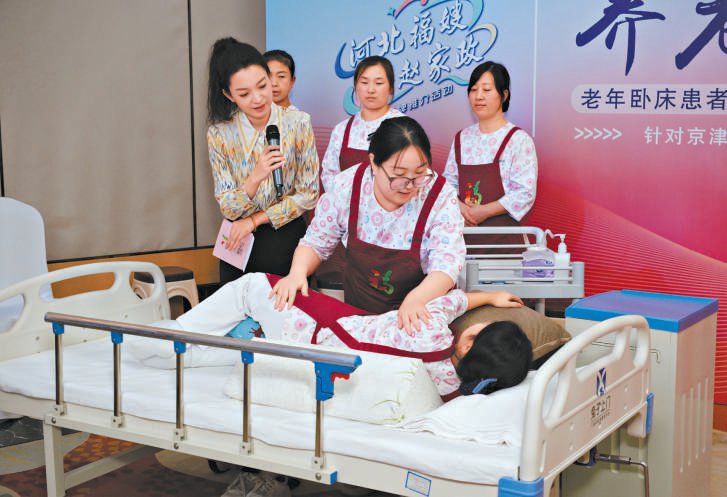
现场的工作人员正在演示养老照护。 陈颖齐摄 本报记者 李如意 实习生 陈颖齐 长期卧床的老人如何照料?新生儿吃奶后如何正确拍嗝?针对"一老一小"的照护需求,在12月19日举办 的"河北福嫂·燕赵家政"品牌推介会上,"福嫂"们向大家展示了专业的技能技巧。会上,多家家政服务 机构与北京、天津的机构签约,将定期输送专业"福嫂"。 "河北福嫂·燕赵家政"工作已连续5年被纳入河北省委、省政府20项民生工程。多年来,河北省妇联带动 23万名妇女就业,为100多万家庭提供了优质服务。目前,约15.3万名"河北福嫂"活跃在京津市场,其 中北京12.3万人、天津3万人,在北京、天津家政服务人员中占比分别达到39.6%和22.7%,成为服务京 津市民生活、保障城市运行的一支重要力量。 家政服务更加专业综合 "当时我的工作是照顾宝妈和一个三斤六两的早产儿诺诺。"提到此前一次在北京入户服务的经历,"河 北福嫂"赵玉静记忆犹新。赵玉静是河北定州人,2021年进入家政服务行业,积累了丰富的母婴护理经 验。面对这个年幼的小生命,赵玉静比平时更加认真、细心,为诺诺做好抚触,使用早产儿奶瓶喂奶, 尽心尽力为诺诺增重,同时每天记录体温、吃奶量、 ...

重庆稳步扩大新就业形态人员职业伤害保障试点范围 织密保障网 让奋斗脚步更稳当(贯彻四中全会精神一线见闻)
Ren Min Ri Bao· 2025-12-20 22:19
Core Points - The article discusses the implementation and expansion of a new occupational injury insurance program in China, specifically targeting gig economy workers such as delivery personnel [2][3] - The program, referred to as "new occupational injury," allows workers to receive compensation without needing a formal employment contract, with payments made directly by platform companies [2] - The initiative has seen significant growth, with over 22 million participants across 17 provinces as of now, following its pilot launch in July 2022 [2] Group 1 - The "new occupational injury" insurance program was initiated to enhance the rights and protections of flexible and gig economy workers, aligning with national goals for improved social security [2][3] - The program has expanded from 7 pilot provinces to 17, indicating a growing recognition of the need for such protections in the labor market [2] - Feedback from stakeholders, including workers and platform representatives, is being actively sought to improve the program's efficiency and coverage [4] Group 2 - Future plans include integrating more industries into the occupational injury insurance program, with a focus on sectors with higher risks and labor intensity by 2026 and 2027 [4] - The initiative aims to create a more reliable social security system that enhances the sense of security and well-being among workers [4]
技能之光照亮职业前程(编辑手记)
Ren Min Ri Bao· 2025-12-20 22:09
Core Viewpoint - The article emphasizes the importance of practical and effective skills training in enhancing employment quality and supporting career aspirations in the service industry [1] Group 1: Market Demand - The service industry is experiencing a trend towards high-quality and diversified development, which raises the skill requirements for the workforce [1] - Skills training is precise and closely aligned with market demands, enabling workers to acquire stronger competencies and secure more complex job opportunities [1] Group 2: Personal Development - Workers are not only seeking higher wages but also pursuing long-term career development and broader professional prospects [1] - Skills training provides depth, facilitating a pathway for workers from entry-level positions to advanced roles, allowing them to explore more possibilities [1] Group 3: Employment Significance - Employment is a critical aspect of people's livelihoods and is closely linked to economic and social development [1] - There is an expectation for the precision and depth of skills training to continuously expand, illuminating career paths for more individuals [1]
涨停复盘:今日全市场共70股涨停,连板股总数15只,海南板块午后快速拉升,商业航天、可控核聚变延续强势
Jin Rong Jie· 2025-12-19 11:27
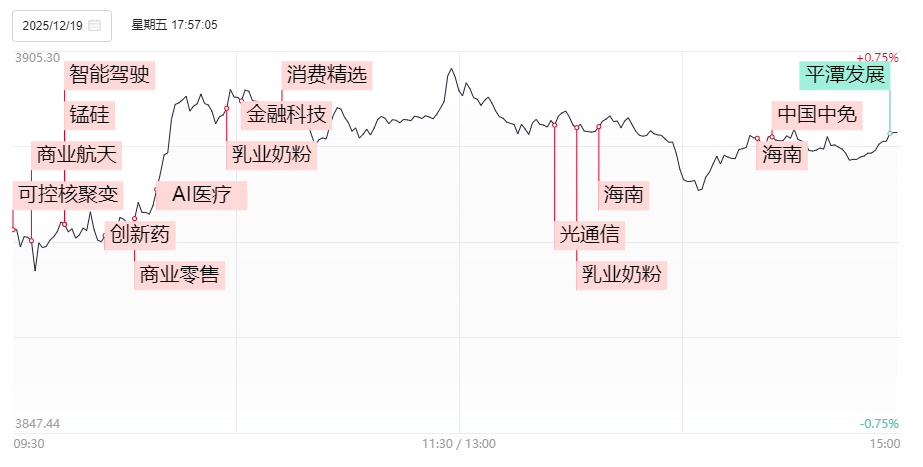
Market Overview - On December 19, the Shanghai Composite Index rose by 0.36% to close at 3890.45 points, while the Shenzhen Component Index increased by 0.66% to 13140.21 points. The ChiNext Index gained 0.49%, closing at 3122.24 points, and the Sci-Tech 50 Index rose by 0.2% to 1308.59 points. The total trading volume in the Shanghai and Shenzhen markets reached 1.7259 trillion yuan [1]. Sector Performance - The Hainan sector saw a rapid surge in the afternoon, with Hainan Haiyao and Hainan Airlines both hitting the daily limit. The consumer sector performed strongly throughout the day, led by retail and dairy industries, with stocks like Shanghai Jiubai and Zhuangyuan Pasture also hitting the daily limit [1]. - The commercial aerospace concept continued its strong performance, with Huati Technology and Western Materials achieving consecutive gains. The intelligent driving concept also showed strength, with Zhejiang Shibao achieving four consecutive gains [1]. - The controllable nuclear fusion concept performed robustly, with Wangzi New Materials achieving two consecutive gains over three days [1]. Stock Limit Performance - A total of 70 stocks hit the daily limit, with 15 stocks achieving consecutive gains. The limit sealing rate was 76% (excluding ST and delisted stocks) [1]. Notable Stocks and Their Reasons for Performance - **Consumer Sector**: - Zhuangyuan Pasture (002910) - 3 consecutive gains due to dairy products [7] - Shanghai Jiubai (600838) - 2 consecutive gains due to high-end commercial trends [7] - **Commercial Aerospace**: - Huati Technology (603679) - 2 consecutive gains due to satellite communication [7] - Western Materials (002149) - 2 consecutive gains over 11 days, linked to SpaceX alloy supply rumors [7] - **Intelligent Driving**: - Zhejiang Shibao (002703) - 4 consecutive gains due to automatic driving [8] - **Controllable Nuclear Fusion**: - Wangzi New Materials (002735) - 2 consecutive gains due to winning fusion energy orders [8] Related News - SpaceX is advancing its IPO plan for 2026, notifying employees to enter a quiet period before the IPO, with an internal valuation reaching $800 billion, potentially surpassing OpenAI and setting a record for the largest IPO in history [8].



优必选与天鹅到家签署战略合作协议
Mei Ri Jing Ji Xin Wen· 2025-12-19 01:20
每经AI快讯,据优必选科技微信公众号,近日,优必选科技与家政服务平台"天鹅到家"在深圳正式签署 战略合作协议。双方将整合各自在"人形机器人全栈技术、家庭场景服务经验、标准化运营方面"的核心 优势,共同推动人形机器人与"家庭"场景深度融合,促进应用落地。 ...
罗志恒:提振消费需要政府企业和居民共同推进,消费是目的而非手段
Zhong Guo Xin Wen Wang· 2025-12-16 15:44
Core Viewpoint - The increase in consumer spending in China is a collective effort involving the government, enterprises, and residents, rather than just a result of individual behavior [1][3]. Group 1: Consumer Spending Insights - The gap in consumer spending rates between China and other developed countries is primarily due to underutilized service consumption, including high-end healthcare, elder care, cultural tourism, and domestic services [1][3]. - The current urbanization level of the floating population in China is insufficient, and issues such as inadequate supply of high-quality service products and long working hours limit the potential for service consumption [1][3]. Group 2: Strategies for Increasing Consumer Spending - To enhance consumer spending capacity, it is essential to create an environment that encourages residents to consume, which includes reforming local government assessment and fiscal incentive systems [3][4]. - Enterprises should focus on providing higher quality goods and services to better meet consumer demand, and market access should be relaxed to foster healthy competition among businesses [3][4]. Group 3: Income Distribution and Social Security Reforms - The core of increasing consumer spending rates lies in reforms of income distribution and social security systems, aiming to raise the proportion of residents' income in national income distribution [4]. - Strategies to improve income distribution include stabilizing the real estate and stock markets, increasing minimum wages, and enhancing the property tax system to ensure fair income and wealth distribution [4]. - Social security reforms should involve linking state-owned assets to fiscal policies for social security funding and transitioning to a universal minimum pension system supported by central and local finances [4].

OK家政×美林物业深度携手 双强联合打造便民服务新标杆
Sou Hu Wang· 2025-12-16 08:29
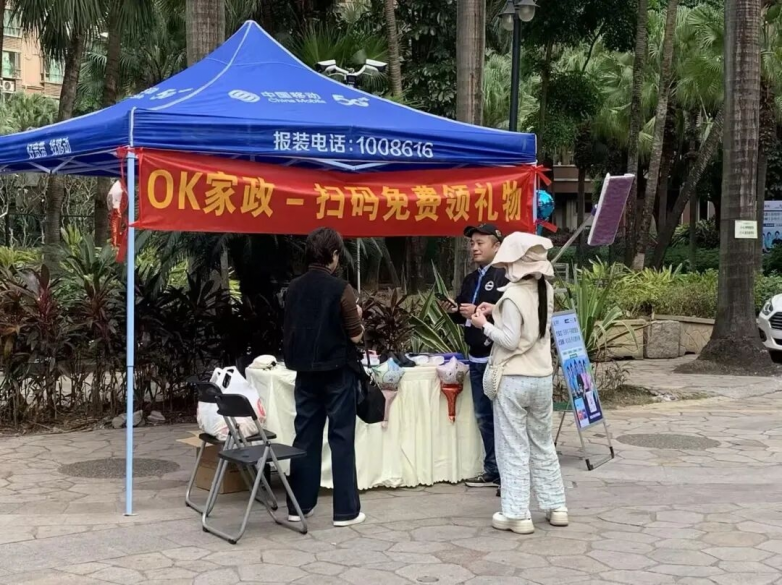
近日,广州家政服务领域品牌 OK 家政与知名物业机构美林物业正式达成深度合作。OK 家政以 "便民 惠民、品质服务" 为核心,通过在美林海岸、美林湖畔投放广告、开展系列便民活动等多重举措,将 OK 家政的高品质服务精准触达美林海岸、美林湖畔业主,构建 "场景 + 服务" 的便民生态,共同打造 社区服务新标杆。 一、双强实力背书,共筑合作基石 作为本次合作的双方,OK 家政与美林物业均在各自领域拥有深厚的行业积淀与强劲的资源优势,为合 作的深度落地提供了坚实保障。 OK家政凭借标准化服务体系、多元化服务产品与前沿科技革新,为用户带来全新家政服务体验。OK家 政构建了涵盖OK保洁、OK保姆、OK育婴、OK月嫂、OK养老等全场景的服务矩阵,满足不同用户的 多样化需求。在科技赋能方面,OK家政自主研发智能服务平台,革新传统找保姆模式 —— 不管是找保 姆、用保姆,都可以通过系统管理阿姨:阿姨资源多,服务有计划,买菜有账单,工资自动算,让雇主 生活从容,游刃有余!同时,OK保洁坚持无预存模式,从根源上杜绝资金风险;更以 "不满意重做" 的 承诺,彰显对服务质量的绝对自信。此外,OK 家政建立严格的服务人员筛选与培训体系 ...
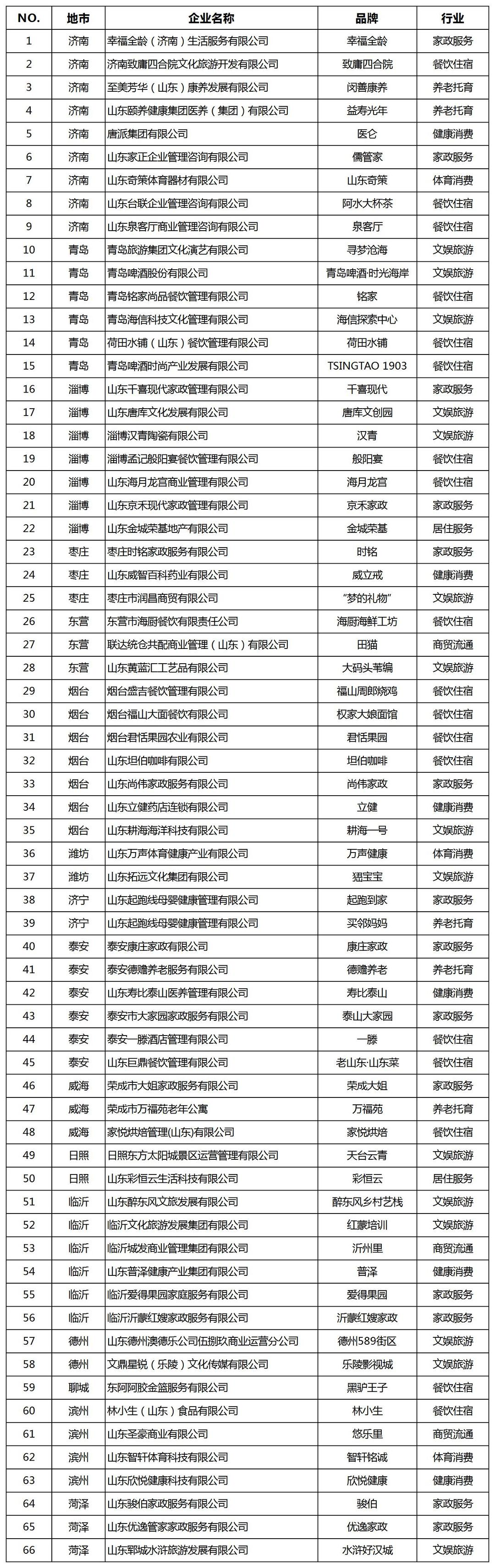
淄博7家入围!山东首批“服务消费新品牌”名单公布
Qi Lu Wan Bao· 2025-12-16 05:44
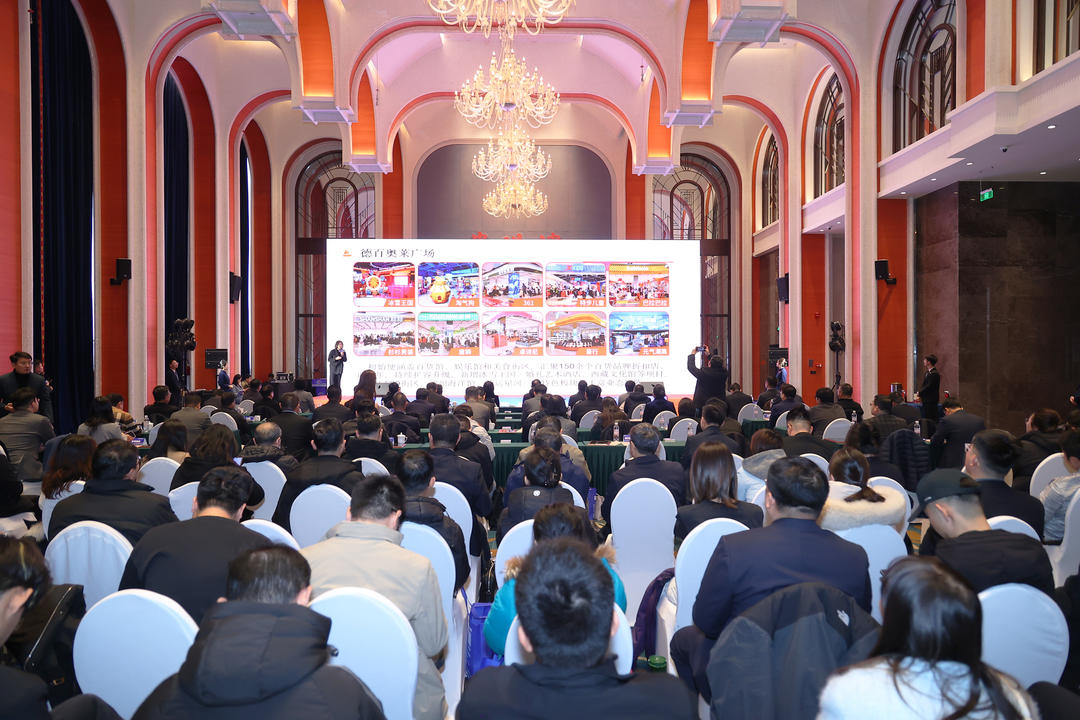
Group 1 - The "New Service Consumption Brands" launch event in Shandong Province witnessed the recognition of 66 new brands, supported by the Shandong Provincial Department of Commerce and organized by Shandong Digital Culture Group [1] - Shandong Province has shown significant growth in service consumption, with a 6.3% increase in accommodation and a 10.6% increase in catering revenues from January to October this year [1] - The province received 739 million domestic and international tourists in the first three quarters, generating a total tourism revenue of 941.81 billion yuan [1] - The expected market size for health and wellness consumption is projected to exceed 2 trillion yuan, while the sports industry is anticipated to surpass 300 billion yuan [1] Group 2 - The newly launched brands exhibit three distinct characteristics: broad coverage, high recognition, and strong innovation [2] - The brands span multiple key sectors, including catering and accommodation, cultural and entertainment tourism, housekeeping services, elderly care, and sports consumption, reflecting the high-quality development of service consumption in Shandong [2] - These brands not only inherit the cultural heritage of Qilu but also align with modern consumer demands, promising enhanced, diverse, and convenient service experiences for consumers [2] Group 3 - A total of 66 companies were selected from 239 applicants to form the first batch of "New Service Consumption Brands" through a structured evaluation process [1] - Notable companies from Zibo include Shandong Qianxi Modern Housekeeping Management Co., Ltd., Shandong Tangku Cultural Development Co., Ltd., and Zibo Hanqing Ceramics Co., Ltd. [2] - The list of recognized brands includes various sectors, such as health consumption, elderly care, and cultural tourism, showcasing the diversity of service offerings in Shandong [3][4][5]
时空观察丨稳定重点群体就业 明年怎么干?
Yang Shi Xin Wen· 2025-12-15 21:55
Group 1 - The central economic work conference emphasizes the implementation of actions to stabilize and expand employment for key groups, including college graduates and migrant workers [1] - Policies will adopt a categorized and precise support approach, enhancing job creation and skills training for graduates while focusing on labor matching and rights protection for migrant workers [1][6] - The modern service industry shows significant demand for labor, particularly in sectors like elderly care, pet services, and new energy vehicle maintenance, with job openings in these areas experiencing substantial growth [4][5] Group 2 - Over 2,300 labor brands have emerged nationwide, creating nearly 60 million jobs, with specific brands like "Nanyue Home Economics" and "Lanzhou Noodle Master" contributing to over a million job opportunities [3] - The demand for positions such as caregivers and rehabilitation therapists has seen year-on-year growth rates of 36.1% and 25.7%, respectively, indicating a strong need for skilled labor in these areas [4] - The government aims to create more job opportunities through high-quality economic development while stabilizing existing jobs, particularly for college graduates and migrant workers, which are crucial for improving overall employment conditions [6]
引领服务消费升级新风尚 山东首批“服务消费新品牌”重磅发布
Qi Lu Wan Bao· 2025-12-15 12:42
Core Viewpoint - The event in Shandong Province aimed to promote new service consumption brands, highlighting the importance of innovation in service consumption to boost economic growth and consumer confidence [2][3]. Group 1: Event Overview - The "New Service New Momentum New Future" event was organized to focus on service consumption innovation and empower industrial upgrades [3]. - A total of 66 new service consumption brands were launched, showcasing the collaborative efforts of various stakeholders in the industry [2]. Group 2: Economic Impact - Shandong Province has shown significant growth in service consumption, with accommodation and catering revenues increasing by 6.3% and 10.6% year-on-year, respectively, from January to October [5]. - The province received 739 million domestic and international tourists in the first three quarters, generating a total tourism revenue of 941.81 billion yuan [5]. - The health and wellness consumption market is expected to exceed 2 trillion yuan, while the sports industry is projected to surpass 300 billion yuan [5]. Group 3: Brand Characteristics - The new brands exhibit three main characteristics: wide coverage, high recognition, and strong innovation [7]. - The brands span various sectors, including catering, entertainment, tourism, domestic services, elderly care, and sports consumption, reflecting the high-quality development of service consumption in Shandong [7]. Group 4: Industry Insights - Industry leaders shared innovative practices, such as the "Air Reception Room" concept by Qian Keting and the operational model of "589 Street" by Dezhou Aodeli, providing valuable insights for attendees [9]. - The establishment of the Shandong Service Consumption New Brand Alliance aims to break down industry barriers and promote resource sharing and collaboration among brands [11]. Group 5: Future Directions - The Shandong Provincial Department of Commerce plans to enhance brand promotion efforts and create platforms to support market expansion for these new brands [11].