动力电池

Search documents
跃马山河 共绘春图
Xin Lang Cai Jing· 2026-01-01 19:47
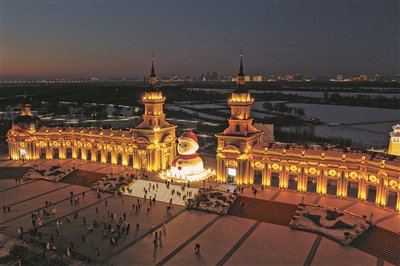
Core Viewpoint - The selection of four cities as sub-venues for the 2026 Spring Festival Gala reflects China's diverse modernization and development across various dimensions, showcasing the "ice and snow economy," "world supermarket," "innovation city," and "green capital" [2][3][4][5][6][7] Group 1: Harbin - Harbin, known as the "Oriental Moscow," symbolizes the revitalization of Northeast China, showcasing its industrial heritage and transformation potential [3] - The city represents a blend of cultural richness and industrial strength, highlighting the determination for regional revitalization [3] Group 2: Yiwu - Yiwu, recognized as a "world supermarket," epitomizes China's reform and opening-up, serving as a crucial node in domestic and international dual circulation [4] - The establishment of Yiwu as a sub-venue sends a strong signal of China's commitment to openness and shared opportunities on the global stage [4] Group 3: Hefei - Hefei has emerged as a "dark horse" city, leading in technological innovation, particularly in quantum technology and new displays, contributing to national self-reliance in science and technology [5] - The city represents a fusion of traditional culture and modern innovation, emphasizing the importance of innovation in urban development [5] Group 4: Yibin - Yibin, known as the first city along the Yangtze River, showcases the rise of green industries such as power batteries and photovoltaic technology, embodying the principle of ecological protection over extensive development [6] - The city illustrates the high-quality development of the Yangtze River Economic Belt, emphasizing ecological civilization [6] Group 5: Cultural Significance - The 2026 Spring Festival Gala, with Beijing at its center, integrates the resilience of Harbin, the openness of Yiwu, the innovation of Hefei, and the green initiatives of Yibin, creating a cohesive narrative of contemporary China [7] - The stories of these cities resonate with the experiences of every individual striving for progress, symbolizing the unstoppable new momentum of the upcoming Year of the Horse [7]

从边缘到基石:2025年海湾资本与中国合作回顾
Zheng Quan Shi Bao Wang· 2026-01-01 13:33
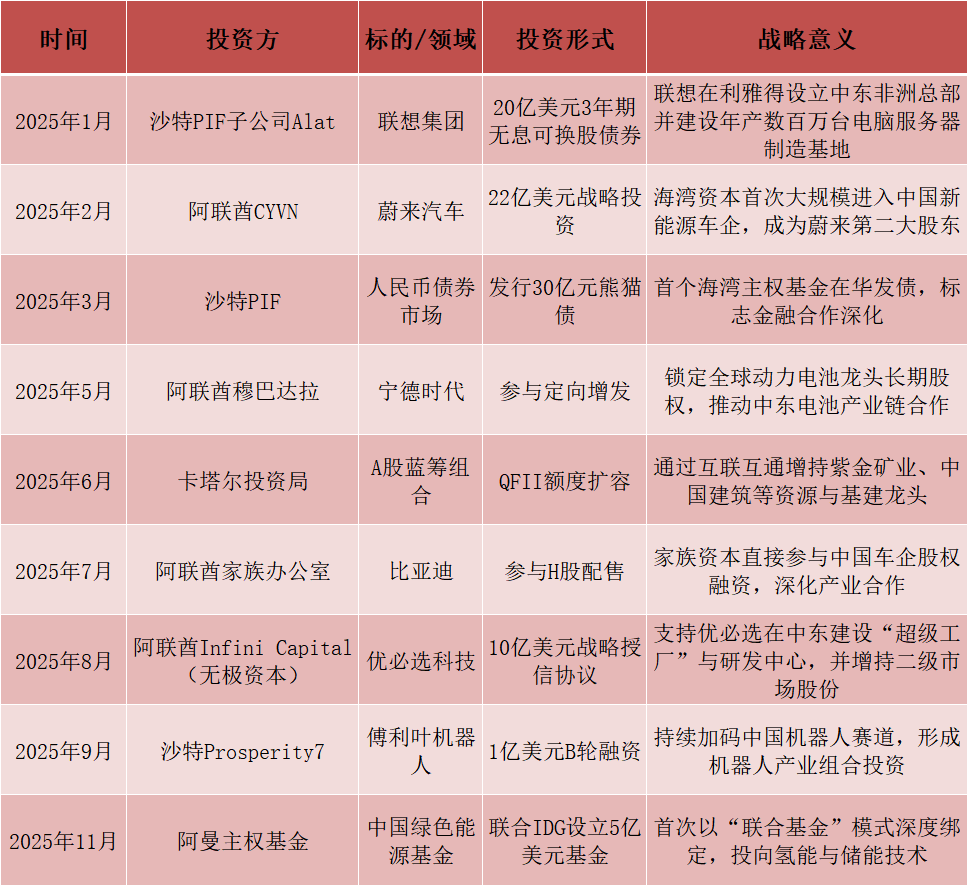
2025年,海湾资本对中国资本市场的态度发生了结构性转变。这一年,阿联酋、沙特、卡塔尔等国的主权财富基金不再满足于通过国际指数 被动配置中国资产,而是以基石投资人、战略股东、产业合伙人的身份,直接参与中国头部企业的股权融资、定向增发与长期持股。与此同 时,中国企业在海湾的投资也从传统的工程承包转向制造、能源、物流等产业链深度嵌入。双向资本流动的规模、频率与战略性,均达到历 史新高。 海湾主权基金成为A股"新基石",双向投资进入战略绑定期。 这是在全球资本版图重构的背景下,两个具有高度互补性的经济体系之间的战略性绑定。对于中国资本市场而言,海湾资本正在成为继北向 资金之后,又一股不可忽视的长期增量资金来源;对于海湾国家而言,中国则是其"后石油时代"转型中,技术获取、产业升级与资产多元化 配置的核心目标市场。 一、2025年海湾资本对华投资:规模跃升与结构性意义 根据对公开披露项目、主权财富基金动态以及市场机构统计的综合测算,2025年海湾合作委员会(海合会)六国对华投资总规模达到200亿— 250亿美元(六国2025年对外投资总额约2000亿美元,即对华投资约占到10%),较2024年实现显著增长。这一规模的构 ...
从边缘到基石:2025年海湾资本与中国合作回顾
证券时报· 2026-01-01 13:14
海湾主权基金成为A股"新基石",双向投资进入战略绑定期。 2025年,海湾资本对中国资本市场的态度发生了结构性转变。这一年,阿联酋、沙特、卡塔尔等国的主权财富基金不再满足于通 过国际指数被动配置中国资产,而是以基石投资人、战略股东、产业合伙人的身份,直接参与中国头部企业的股权融资、定向增 发与长期持股。与此同时,中国企业在海湾的投资也从传统的工程承包转向制造、能源、物流等产业链深度嵌入。双向资本流动 的规模、频率与战略性,均达到历史新高。 这是在全球资本版图重构的背景下,两个具有高度互补性的经济体系之间的战略性绑定。对于中国资本市场而言,海湾资本正在 成为继北向资金之后,又一股不可忽视的长期增量资金来源;对于海湾国家而言,中国则是其"后石油时代"转型中,技术获取、 产业升级与资产多元化配置的核心目标市场。 一、2025年海湾资本对华投资:规模跃升与结构性意义 根据对公开披露项目、主权财富基金动态以及市场机构统计的综合测算,2025年海湾合作委员会(海合会)六国对华投资总规模 达到200亿—250亿美元(六国2025年对外投资总额约2000亿美元,即对华投资约占到10%),较2024年实现显著增长。这一 规模的 ...

胡润:一张财富排行榜里的二十五年|我们的四分之一世纪
经济观察报· 2025-12-31 09:34
Core Viewpoint - The article reflects on the evolution of wealth in China over the past 25 years, highlighting the transformation of the "rich list" from a curiosity to a significant indicator of the vitality of the private economy in China [6][26]. Group 1: Historical Context - In 1999, the first Chinese rich list was created by Hu Run, initially featuring 50 individuals, with the first being Rong Yiren of CITIC Group [5][6]. - The list has grown significantly, with the 2025 edition featuring 1,434 individuals, and the entry threshold rising to 5 billion RMB [6][27]. - The early years of the list were marked by a lack of transparency regarding wealth, with many entrepreneurs being sensitive about their financial status and personal information [19][22]. Group 2: Changes in Wealth Accumulation - The past 25 years have seen the fastest and largest accumulation of wealth in Chinese history, shifting from land appreciation to wealth generated through technological breakthroughs and global markets [8][36]. - The composition of the rich list has changed, with a significant decline in the number of real estate moguls, from 50% in the first list to only one in the top 100 by 2025 [30][32]. Group 3: New Wealth Dynamics - The current wealthy individuals are often referred to as "super wealth creators" or "super entrepreneurs," reflecting their contributions beyond mere financial accumulation [36]. - The rise of technology-driven entrepreneurs like Lei Jun and the growth of sectors such as biomedicine and renewable energy indicate a shift in the sources of wealth [36][37]. - The new generation of entrepreneurs is characterized by a global perspective, with many targeting international markets from the outset [43][44]. Group 4: Cultural and Behavioral Shifts - There is a notable cultural shift among Chinese entrepreneurs, who are increasingly embracing transparency and public discussion of wealth, contrasting with the previous generation's tendency to remain low-profile [25][26]. - The new generation of entrepreneurs often pursue further education to enhance their knowledge and networks, reflecting a commitment to continuous learning [38]. Group 5: Future Outlook - The article suggests optimism regarding the next generation of business leaders, who have been exposed to their parents' struggles and are likely to uphold the values of their family businesses [46]. - The ongoing transition in wealth dynamics and the emergence of new industries indicate a robust future for China's economy, with capital moving away from real estate towards innovation-driven sectors [37].

宁德时代“全域增量”战略落子船舶,三年内或实现远洋纯电航行
Tai Mei Ti A P P· 2025-12-31 09:20
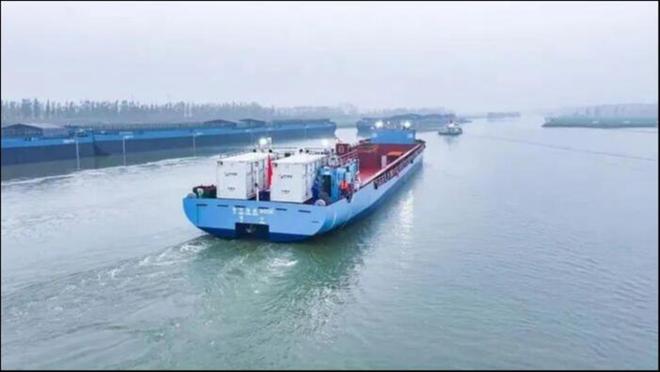
Core Insights - The shipping industry is undergoing a transformation driven by new technologies such as AI, 5G, IoT, big data, and autonomous driving, leading to the development of autonomous, energy-efficient vessels [2] - The electric shipping market in China is projected to reach a scale of 36.75 billion yuan by 2026, indicating significant growth potential [2] - CATL's "ship-shore-cloud" integrated solution aims to address key industry concerns regarding energy replenishment, cost efficiency, and safety [3] Group 1: Industry Trends - Electric vessels are at a pivotal point, transitioning from policy-driven to market-driven growth, with challenges similar to those faced by early electric vehicles [3] - The demand for decarbonization in global shipping is driving the electric vessel sector, with the International Maritime Organization (IMO) targeting net-zero greenhouse gas emissions by around 2050 [4] - By the end of 2024, the number of pure electric battery-powered vessels in China is expected to reach 485, more than tripling since 2021 [4] Group 2: Company Developments - CATL has developed a ship battery pack with an energy density exceeding 140Wh/kg and a design life of 15 years, contributing to lower total cost of ownership (TCO) compared to traditional fuel vessels [3][4] - The "ship-shore-cloud" solution can reduce TCO for tugboats by over 50% and for cargo ships by 33% [4] - CATL's expansion into the shipping sector is part of its "full-domain incremental" strategy, which aims to leverage its core capabilities in battery technology across various transportation modes [5]

工信部:将系统研究制定碳管理政策 统筹做好同汽车节能管理、碳排放权交易等政策的有机衔接
智通财经网· 2025-12-31 07:47
问题1:《通知》的出台背景是什么? 工业和信息化部装备工业一司负责人就《关于开展汽车动力电池碳足迹申报工作的通知》答记者问 2025年12月30日,工业和信息化部印发《关于开展汽车动力电池碳足迹申报工作的通知》(工信厅通装 函〔2025〕551号)(以下简称《通知》),工业和信息化部装备工业一司相关负责人就《通知》有关问题 回答了记者提问。 智通财经APP获悉,工信部装备工业一司负责人就《关于开展汽车动力电池碳足迹申报工作的通知》答 记者问。工信部在问答中提到,将贯彻落实党中央、国务院"双碳"战略决策部署,坚持系统观念,会同 市场监管总局等部门加强工作联动,协同推进碳足迹管理体系建设其中,将结合申报核算工作情况,系 统研究制定碳管理政策,统筹做好同汽车节能管理、碳排放权交易等政策的有机衔接。 原文如下: 答:实现碳达峰、碳中和,是以习近平同志为核心的党中央统筹国内国际两个大局作出的重大战略决 策,是我国在新发展阶段推动高质量发展的必由之路。产品碳足迹是衡量某一产品全生命周期碳排放总 量水平的关键指标,实施重点产品碳足迹管理是落实国家"双碳"战略目标的必要举措。2024年7月,国 务院办公厅印发《加快构建碳排放 ...
全球产业链供应链重塑期的中国企业:能力提升!| 跨越山海
Di Yi Cai Jing· 2025-12-31 05:09
Core Insights - The article discusses the evolving landscape of globalization in 2025, highlighting the rise of trade protectionism and the emphasis on national economic policies, which create uncertainties for Chinese enterprises in their global expansion efforts [2][4]. Group 1: Globalization Trends - The global trade environment is increasingly characterized by protectionism, with countries favoring regional trade agreements over multilateral cooperation, leading to a fragmented trade landscape [6]. - Major economies are tightening foreign economic policies under the guise of national security, particularly the U.S. and EU, which are implementing measures aimed at reducing reliance on Chinese technology and supply chains [6][7]. - The EU is establishing new compliance barriers through regulations that impose environmental and labor standards, creating additional challenges for Chinese products entering the European market [7][11]. Group 2: Market-Specific Challenges - In the U.S. market, Chinese companies face stringent export controls and investment scrutiny, particularly in high-tech sectors, which complicates their operational landscape [9][10]. - The EU has introduced a unified foreign direct investment review mechanism, increasing barriers for Chinese investments in critical sectors, alongside new environmental regulations that impose additional costs on Chinese exports [11][12]. - India has adopted a cautious approach towards Chinese enterprises, implementing strict market entry barriers and local compliance requirements, which complicates the operational environment for Chinese firms [14][15]. Group 3: Regional Dynamics - The RCEP agreement offers both opportunities and challenges for Chinese companies, facilitating trade with ASEAN nations while also intensifying competition from regional players [17][18]. - In Latin America, political changes and regional trade agreements introduce uncertainties for Chinese investments, necessitating a flexible approach to navigate the evolving landscape [19][20]. - The Middle East presents a mixed opportunity for Chinese enterprises, with potential for collaboration in infrastructure and technology, but also challenges related to geopolitical tensions and compliance with local regulations [21][22]. Group 4: Case Studies - DHgate has successfully navigated the U.S. market by leveraging a flexible supply chain and innovative marketing strategies, despite facing significant regulatory challenges [28][29]. - Xiaohongshu has capitalized on the migration of users from TikTok, rapidly expanding its user base internationally, but must address content regulation and data security concerns [34][35]. - BYD has adopted a localization strategy in Europe to mitigate the impact of anti-subsidy investigations, while facing significant barriers in the U.S. market due to high tariffs and restrictive policies [39][40][42].

2025:25个关键词里的中国与世界
第一财经· 2025-12-31 04:11
Core Insights - The article summarizes key developments in China and the world in 2025, focusing on economic policies, market trends, and significant events that shaped various industries. Group 1: Economic Policies and Reforms - The main theme of 2025's economic work is the comprehensive rectification of "involution" in competition, with government reports emphasizing the need to regulate low-price competition and improve product quality [4] - The year marks the conclusion of the deepening reform of state-owned enterprises, with significant progress in strategic restructuring and improved governance [6] - The implementation of the "Private Economy Promotion Law" aims to create a fair business environment and protect the rights of private enterprises [7] Group 2: Debt Management and Fiscal Policies - A plan to replace 10 trillion yuan of hidden local government debt over five years was launched, with nearly 6 trillion yuan replaced by the end of 2025, significantly reducing debt risks [8] - The issuance of ultra-long special government bonds reached 1.3 trillion yuan, supporting major projects and expanding policies to boost consumption [9] Group 3: Consumer and Market Trends - A special action plan to boost consumption was introduced, focusing on increasing residents' income and improving consumer confidence [10] - The A-share market saw the Shanghai Composite Index reach 4,000 points for the first time in ten years, with total trading volume exceeding 400 trillion yuan [13] Group 4: Industry Developments - The gold market experienced a historic surge, with prices rising from $2,625 to a peak of $4,550 per ounce, driven by macroeconomic factors and central bank purchases [14] - The introduction of the "Science and Technology Innovation Growth Layer" on the STAR Market accelerated the IPO process for unprofitable companies, marking a significant shift in capital market dynamics [19] Group 5: Corporate Events and Challenges - The external delivery market saw increased competition with new entrants like JD and Taobao, reshaping the landscape and enhancing consumer choices [22] - The controversy surrounding Wahaha highlighted family disputes and governance issues within the company, affecting its market position [23] - The restaurant industry faced challenges as the crisis at Xibei over pre-made dishes prompted a reevaluation of consumer trust and operational practices [29]



2025:25个关键词里的中国与世界
Di Yi Cai Jing· 2025-12-30 13:27
Group 1 - The core focus of China's economic work in 2025 is to comprehensively rectify "involution" and disorderly competition, with policies aimed at improving product quality and stabilizing market prices [2] - The reform of state-owned enterprises is nearing completion, with significant progress in strategic functions, governance, and regulatory efficiency [4] - The introduction of the Private Economy Promotion Law marks a significant legal framework for promoting fair competition and protecting the rights of private enterprises [5] Group 2 - The resolution of local government debt risks is progressing rapidly, with a plan to replace 10 trillion yuan of hidden debts, achieving over half of the target by the end of 2025 [6] - The issuance of ultra-long special government bonds reached 1.3 trillion yuan in 2025, with a focus on supporting major projects and expanding consumption [6][7] - A special action plan to boost consumption was launched, emphasizing income growth and improving consumer confidence [8] Group 3 - The A-share market saw the Shanghai Composite Index reach 4000 points for the first time in ten years, driven by a recovery in technology stocks and supportive government policies [10] - Gold prices experienced a historic surge, with spot prices rising from $2625 to a peak of $4550 per ounce, driven by macroeconomic factors and central bank purchases [11] - The introduction of the "Science and Technology Innovation Growth Layer" on the STAR Market accelerated the IPO process for unprofitable companies, marking a significant shift in capital market dynamics [12] Group 4 - The deposit interest rates in China underwent a comprehensive decline, with significant adjustments across various banks, impacting personal investment behaviors [12] - The external environment, including the U.S.-China trade tensions and geopolitical factors, influenced the Federal Reserve's monetary policy, leading to interest rate cuts [14] - The rise of DeepSeek as a key player in the AI sector reshaped global competition, emphasizing open-source strategies and high cost-performance [15] Group 5 - The external delivery market saw significant changes with the entry of new players like JD.com and the upgrade of Ele.me, leading to increased competition and consumer choice [18] - The family disputes within Wahaha highlighted the complexities of family governance in business, affecting brand perception and market dynamics [19] - The success of "Nezha 2" at the box office marked a significant milestone for Chinese animation, reflecting the industry's growth and potential for global recognition [21]
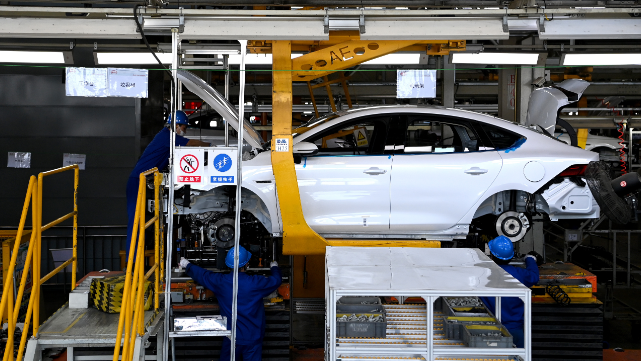
欣旺达突遭天价索赔,市值蒸发47亿元,涉极氪001 WE 86车型
Hua Xia Shi Bao· 2025-12-30 12:53
Core Viewpoint - XINWANGDA (300207.SZ) experienced a significant stock price drop of 11.39% on December 29, following a lawsuit from its former partner, Weirui Electric Vehicle Technology (Ningbo) Co., Ltd., claiming damages of approximately 2.314 billion yuan due to alleged quality issues with battery cells supplied by XINWANGDA [2][3][4]. Group 1: Company Background and Financial Impact - XINWANGDA was selected as a designated supplier for Weirui's PMA platform project in April 2021, providing battery cells for various electric vehicle brands under Geely, including Zeekr and smart [4][5]. - In 2021, XINWANGDA's revenue from power batteries reached 2.933 billion yuan, a 584.67% increase from 2020's 428 million yuan [4]. - Following the lawsuit announcement, XINWANGDA's market capitalization dropped by over 60 billion yuan, reducing its total market value to 487 billion yuan [3][4]. Group 2: Legal and Market Reactions - The lawsuit claims that battery cells delivered by XINWANGDA from June 2021 to 2023 had quality issues, leading to significant losses for Weirui [5][10]. - Legal experts noted that while lawsuits over battery quality are not uncommon, claims involving such high amounts are rare, indicating potential for increased disputes as electric vehicle sales rise [2][6]. - On December 30, XINWANGDA's stock price showed a slight recovery, closing at 27.19 yuan per share, with a market capitalization of 502 billion yuan [2][4]. Group 3: Industry Context and Implications - The lawsuit highlights a growing trend of quality disputes between automakers and battery suppliers, although high-value claims remain infrequent [6][10]. - The impact of the lawsuit extends beyond financial implications, potentially affecting customer trust, supply qualifications, and brand reputation in the competitive electric vehicle market [10].