航天

Search documents
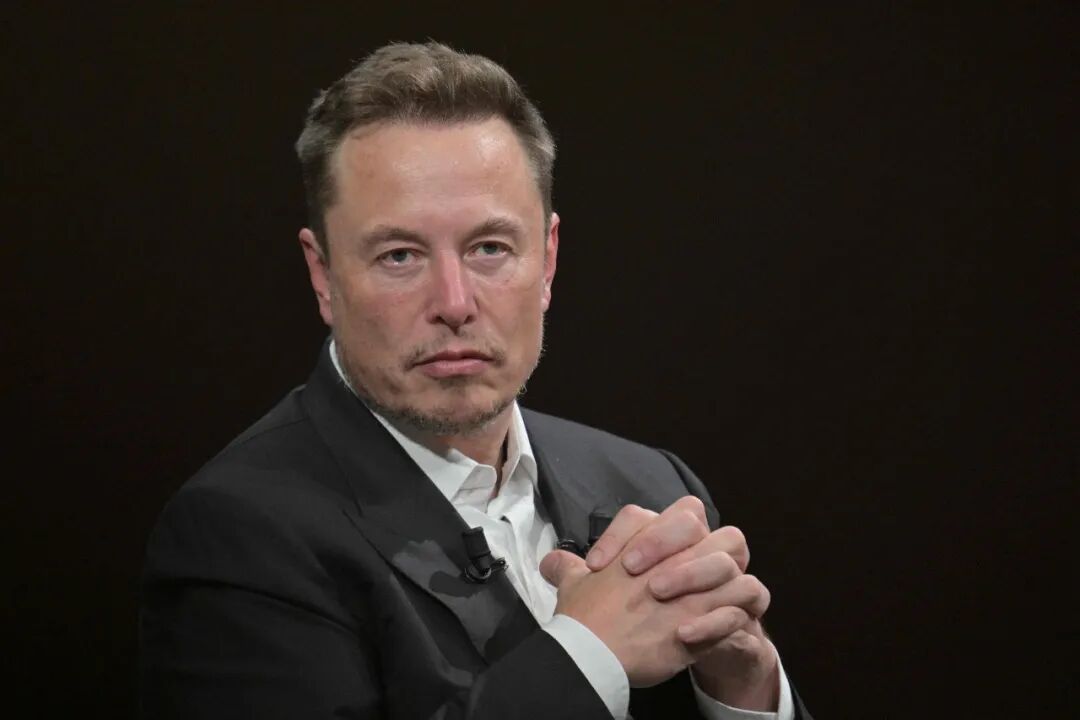
马斯克究竟想干什么?
Guan Cha Zhe Wang· 2026-02-06 00:13
Core Viewpoint - The article discusses Elon Musk's ambitious plans to revolutionize energy and computing through space-based solar power and AI, suggesting a shift towards a new civilization operating system beyond Earth's physical limitations [2][4][12]. Group 1: Space Solar Power and AI Integration - Musk's SpaceX plans to deploy solar-powered AI data centers in low Earth orbit, aiming for a target of 200 gigawatts of solar capacity in the U.S. within three years, which is ten times the current solar capacity [2][9]. - The near-Earth solar intensity is over 1.4 times that of the ground, allowing for nearly continuous power generation without interruptions from clouds or day-night cycles [5][21]. - The integration of xAI into SpaceX's framework is strategic, as it requires vast, stable computing power that can only be achieved in space, avoiding the limitations of terrestrial power grids [8][21]. Group 2: Challenges and Solutions - Current energy demands for AI are projected to reach 100 terawatts in the next decade, while global power generation capacity is only 3 terawatts, indicating a potential energy crisis [3][4]. - Traditional solutions focus on optimizing ground systems, which are insufficient due to Earth's resource limitations and geopolitical issues [4][10]. - Musk's approach bypasses the most challenging aspects of energy transmission by utilizing power directly in space, thus avoiding efficiency losses associated with ground transmission [11][12]. Group 3: Economic and Engineering Considerations - The cost of launching payloads to orbit is targeted to be below $10 per kilogram with the Starship, making it economically viable to deploy large-scale infrastructure in space [8][10]. - The current efficiency of energy transmission from geostationary orbit to Earth is below 15%, presenting significant challenges for the proposed solar power systems [10][11]. - Musk's strategy emphasizes a "good enough and fast" approach, focusing on creating a self-sustaining orbital ecosystem rather than achieving immediate profitability [11][12]. Group 4: Broader Implications and Future Vision - The shift of high-energy computing tasks to space is seen as a way to "liberate Earth" from the burdens of energy-intensive data centers, allowing for a more sustainable environment [14][15]. - This transition is compared to historical shifts in industrial practices, suggesting a significant reorganization of how civilization interacts with energy and technology [16][18]. - Musk's long-term vision aligns with the concept of a Kardashev Type II civilization, aiming to harness energy from the sun on a massive scale, which could redefine humanity's future [20][21].


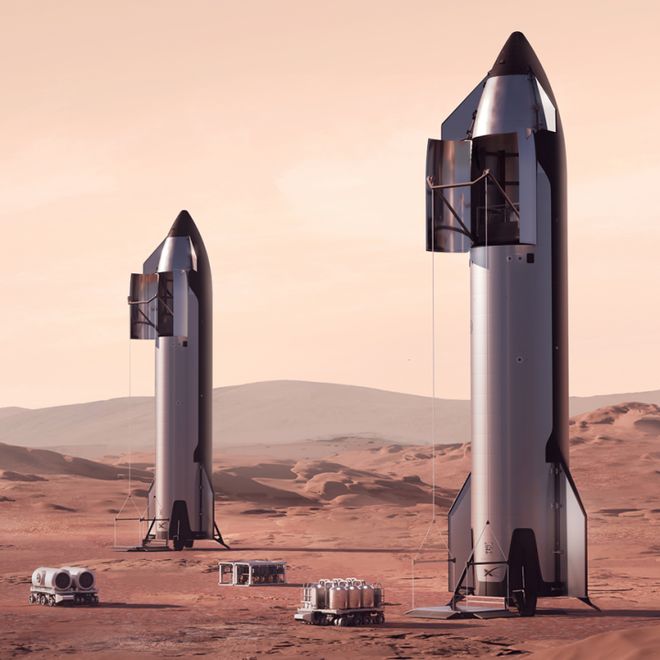
“教育围着科技转,人才跟着产业走”
Zhong Guo Qing Nian Bao· 2026-02-05 21:03
Core Viewpoint - The integration of education, technology, and talent in Beijing is being rapidly advanced through innovative institutions and reforms, exemplified by the establishment of the Zhongguancun Academy and the Zhongguancun Artificial Intelligence Research Institute, which aim to foster a new model of education and research collaboration [1][2]. Group 1: Institutional Developments - The Zhongguancun Academy and the Zhongguancun Artificial Intelligence Research Institute were established in a short time frame, recruiting over 300 doctoral students and launching more than 80 organized research projects [1]. - Beijing is set to establish a leadership group for education, technology, and talent integration by April 2025, aiming to create a seamless connection between the education chain, technology chain, and talent chain [2]. Group 2: Academic Innovations - The establishment of the first interstellar navigation academy in China marks a significant step in academic innovation, focusing on space exploration and technology [4][5]. - Beijing's universities are rapidly adjusting their academic programs to align with national strategic needs, with 220 new programs in artificial intelligence and quantum technology introduced by September 2025 [6]. Group 3: Research and Development - The Zhongguancun institutions have initiated groundbreaking projects, including a "super software intelligence project" and a "global AI social simulator," which are expected to have significant impacts on both academia and industry [9][10]. - Over 100 innovation and entrepreneurship projects have been incubated, with total financing nearing 200 million yuan and post-investment valuations approaching 1 billion yuan [11]. Group 4: Talent Development - The integration of education and industry is emphasized, with new educational models being developed that allow students to engage directly with real-world projects and challenges [15][16]. - The establishment of a new type of college focused on artificial intelligence aims to break traditional educational molds and enhance creativity among students [11][12]. Group 5: Policy and Economic Impact - Beijing's government is implementing measures to enhance the efficiency of technology transfer from universities, including granting researchers ownership rights to their innovations [21][23]. - The city's GDP reached 52,073.4 billion yuan in 2025, marking a 5.4% increase from the previous year, positioning Beijing as a major economic hub in China [24][25].
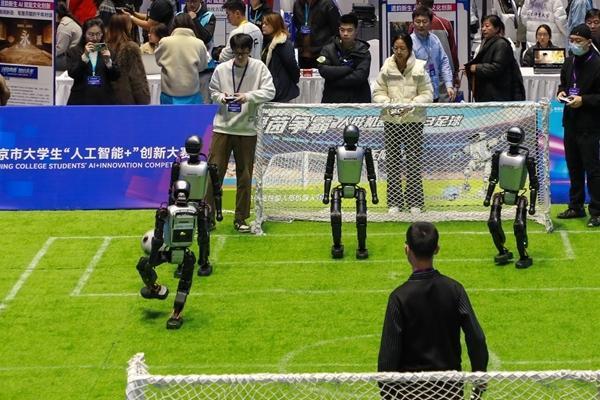
Neuralink会被马斯克整合进大X集团吗?
Sou Hu Cai Jing· 2026-02-05 16:40
Group 1 - The core idea of the news is that Elon Musk's business empire is accelerating vertical integration, with SpaceX acquiring xAI, which previously merged with social platform X, creating a super entity focused on space data centers and AI computing energy breakthroughs [2] - The "Big X Group" is a loose alliance centered around SpaceX, integrating xAI and X, with a valuation exceeding $1.25 trillion, and includes Tesla, The Boring Company, and Neuralink [2] - Musk's acquisition history shows a preference for centralized control, as seen with Tesla's $2 billion investment in xAI, indicating a potential for Neuralink to be integrated into the "Big X Group" to enhance overall valuation and support SpaceX's IPO plans [6] Group 2 - Neuralink, founded in 2016, focuses on invasive brain-machine interfaces, with plans for human implantation in 2024 and expansion into text translation and thought control by 2025 [5] - The synergy potential between Neuralink and xAI is significant, as xAI's Grok relies on real-time data, while Neuralink provides a direct interface for human thought, enabling a closed-loop brain-machine ecosystem [5][6] - Regulatory barriers are high for Neuralink due to its medical device nature, which may lead to data privacy and ethical concerns if integrated into a commercial entity like SpaceX or xAI [6] Group 3 - The probability of integration between Neuralink and the "Big X Group" is high, potentially occurring by late 2026 or early 2027, as Neuralink is seen as a key component in Musk's vision of understanding the universe [7] - If integration occurs, it would signify a leap towards a "super entity" that merges AI, space, and human intelligence, while if it does not happen, Neuralink may remain independent or align more closely with Tesla [7]
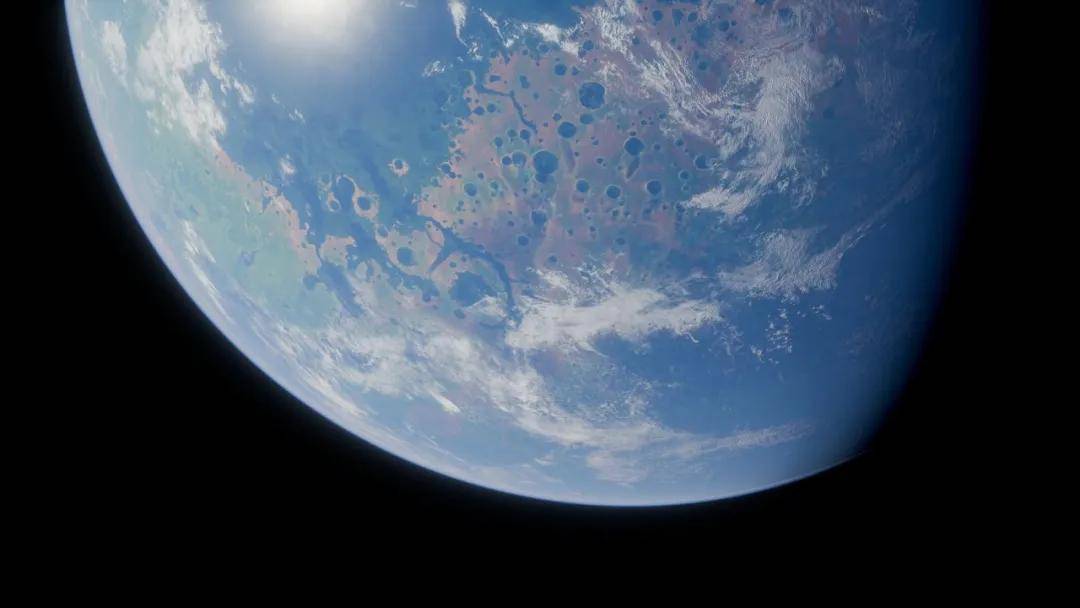
探索“航天+” MOLLY成首个往返太空潮玩IP
Bei Jing Shang Bao· 2026-02-05 16:18
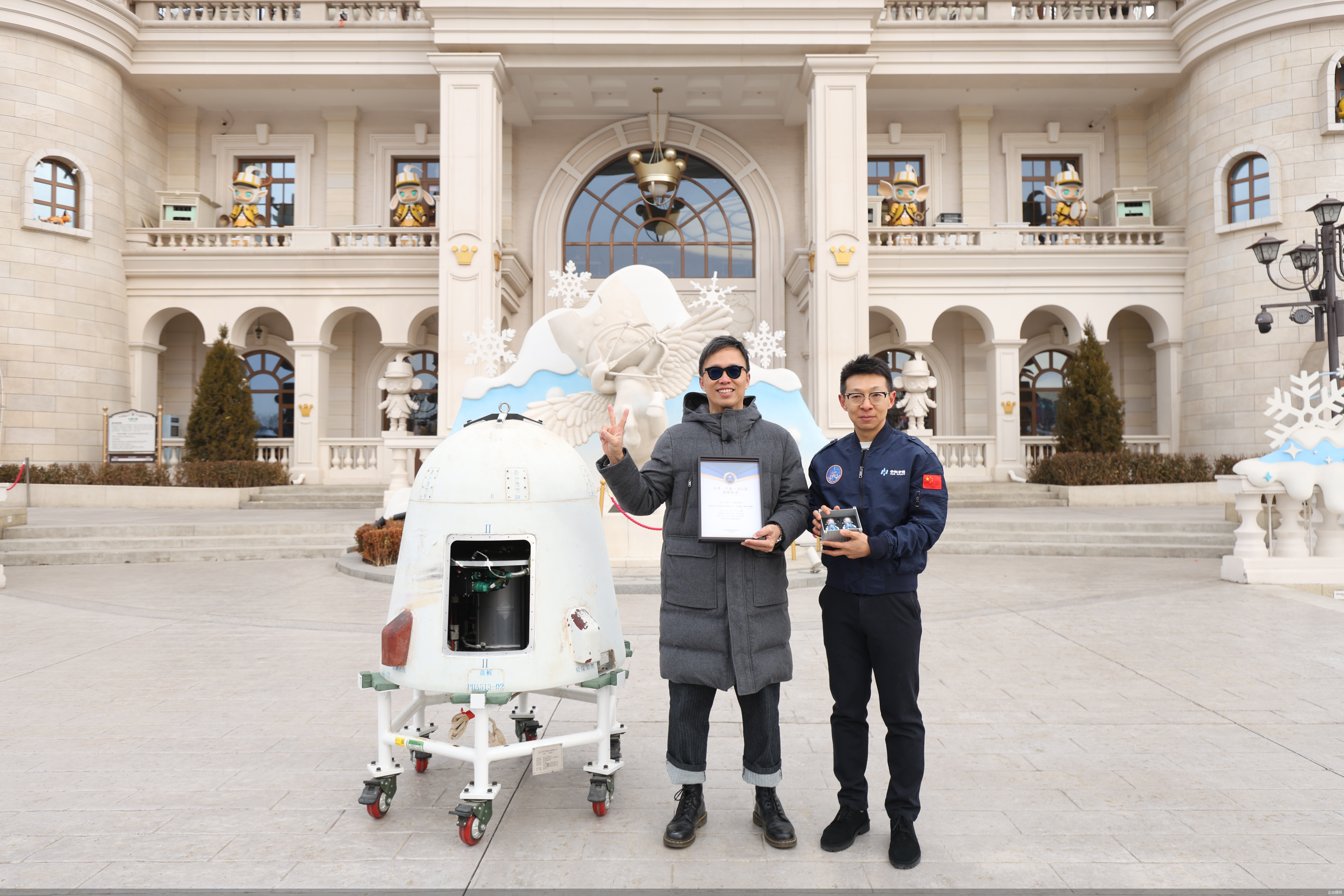
Core Viewpoint - The successful return of the SPACE MOLLY toy from space marks a significant milestone for the brand, establishing it as the first trendy toy IP to complete a round trip to space, showcasing the intersection of cultural creativity and aerospace technology [1][5]. Group 1: Event Highlights - On February 5, the return capsule of the Zhongke Aerospace Lihong-1 successfully arrived at the Pop Mart City Park, where the SPACE MOLLY toy was retrieved by artist Kenny Wong [1]. - The Lihong-1 spacecraft was launched on January 12 from the Jiuquan Satellite Launch Center, featuring branding from Pop Mart and the SPACE MOLLY collaboration [5]. Group 2: Cultural and Industry Impact - The chief designer of Lihong-1 emphasized the importance of cultural integration in the aerospace industry, highlighting the SPACE MOLLY toy as a classic example of the fusion between trendy culture and aerospace technology [5]. - Future plans for the Pop Mart City Park include creating diverse IP experiences centered around MOLLY, which has evolved into various forms since its inception in 2006 [5][6].

马斯克合并SpaceX和xAI在太空建设数据中心计划引发质疑
Sou Hu Cai Jing· 2026-02-05 15:10
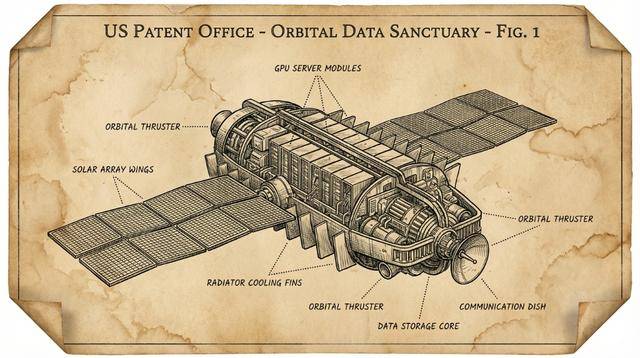
Core Viewpoint - Elon Musk announced the merger of SpaceX and xAI, valued at $1.25 trillion, claiming that AI development requires entering the space sector to build data centers in orbit [2]. Group 1: Merger Details - The merger aims to address the environmental burden of large ground-based data centers, which require significant power and cooling systems [2]. - Musk believes that space-based AI is the only long-term solution for expansion, as it can utilize solar energy without occupying terrestrial space [2]. - Other companies, including Google and entities in China and Europe, are also exploring space data centers, indicating a trend among major tech firms [2]. Group 2: Financial Performance - SpaceX is profitable, generating approximately $8 billion in profit from an estimated $16 billion in revenue last year, primarily driven by its Starlink service [3]. - In contrast, xAI is not profitable and reportedly burns through about $1 billion monthly due to heavy investments in data centers and talent acquisition [3]. - SpaceX has launched over 9,500 satellites and has around 9 million broadband users, while also being a major government contractor with over $20 billion in contracts since 2008 [3]. Group 3: Investor Concerns - Investors are uncertain about the implications of merging a profitable company with a loss-making one, recalling Musk's previous merger of SolarCity with Tesla, which faced legal challenges [4]. - Tesla shareholders have filed lawsuits against Musk, alleging that the creation of xAI violates his fiduciary duties to Tesla, raising concerns about the potential diversion of resources [4][5]. - The merger complicates the situation for Tesla, as it has invested $2 billion in xAI to enhance its AI capabilities, while xAI's chatbot Grok faces scrutiny for generating inappropriate content [5]. Group 4: Technical Challenges - The feasibility of space data centers is questioned due to significant technical challenges, including the high power consumption of GPUs and the need for extensive solar arrays [6]. - Communication costs between space and Earth could also pose substantial financial burdens, complicating the operational viability of such data centers [6].
目标浩瀚星空的SpaceX盯上智能手机! “星链直连终端”或将通信推向卫星纪元
智通财经网· 2026-02-05 14:09
Core Insights - Starlink, a subsidiary of SpaceX, is planning to enter the smartphone market and global consumer communication services, offering direct-to-device internet services and a space tracking service [1] - The initiative includes developing a high-performance mobile device that connects to Starlink's satellite internet constellation, potentially competing with existing smartphones [1][3] - Starlink is a significant revenue generator for SpaceX, contributing approximately 50% to 80% of the company's revenue, with last year's revenue estimated between $15 billion and $16 billion and profits around $8 billion [2][3] Group 1: Business Strategy - Starlink aims to transition from a satellite broadband service to a global communication platform for mobile devices, targeting both B2B and B2C markets [3] - The potential launch of a "Starlink smartphone" is seen as a way to enhance consumer satellite communication experiences and integrate AI services [1][3] - The strategy may involve partnerships with telecom operators to provide satellite communication as a supplementary service [1][3] Group 2: Financial Implications - The move into the mobile device market is expected to enhance SpaceX's valuation ahead of its planned IPO, which could raise up to $50 billion and achieve a valuation of $1.5 trillion [6] - The combination of subscription cash flow, a large total addressable market (TAM), and high-margin data services is aimed at boosting the company's overall valuation [3][5] - Analysts suggest that the merger of Tesla, SpaceX, and xAI could create a "super commercial empire," further influencing market perceptions and valuations of these companies [2][6] Group 3: Market Positioning - The integration of Starlink smartphones with cloud and network platforms is expected to attract higher long-term cash flow multiples from investors [5] - The narrative of combining AI, communication, aerospace, energy, and robotics into a unified infrastructure platform is seen as beneficial for pricing and investor engagement during the IPO process [7] - SpaceX's advancements in satellite communication and AI capabilities are likely to enhance the long-term valuation of Tesla and create new catalysts for growth [6][7]
航天电器:是蓝箭航天的供应商,当前有小批量供货
Ge Long Hui· 2026-02-05 12:39
Core Viewpoint - The company, Aerospace Electric (002025.SZ), is currently a supplier for Blue Arrow Aerospace, providing small batch deliveries but has not signed any supporting orders exceeding 500 million yuan [1] Group 1 - The company is identified as a supplier for Blue Arrow Aerospace [1] - Current supply status involves small batch deliveries [1] - No contracts exceeding 500 million yuan have been signed with Blue Arrow Aerospace [1]

航天电器(002025.SZ):是蓝箭航天的供应商,当前有小批量供货
Ge Long Hui· 2026-02-05 12:35
Core Viewpoint - The company, Aerospace Electric (002025.SZ), is currently a supplier for Blue Arrow Aerospace, providing small batch deliveries but has not signed any supporting orders exceeding 500 million yuan [1] Group 1 - The company is identified as a supplier for Blue Arrow Aerospace [1] - Current supply status involves small batch deliveries [1] - No contracts exceeding 500 million yuan have been signed with Blue Arrow Aerospace [1]
上市后,SpaceX想走“快速通道”
Sou Hu Cai Jing· 2026-02-05 12:27
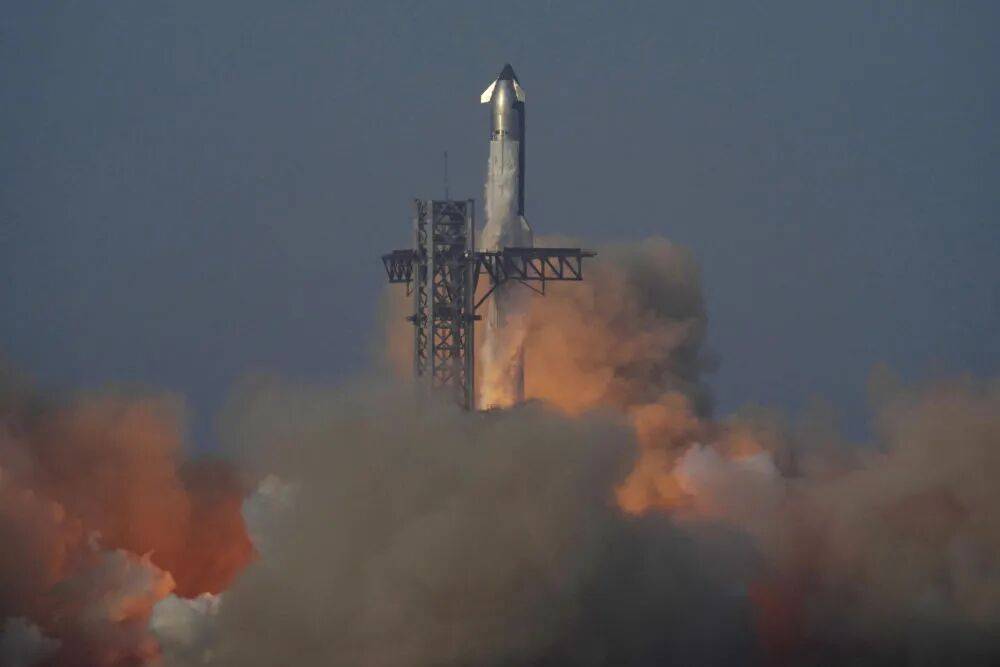
2025年5月27日,美国太空探索技术公司新一代重型运载火箭"星舰"在得克萨斯州实施第九次试飞。新华社/美联 SpaceX寻求上市后加速纳入指数 纳入指数前的传统等待期,旨在证明公司具备足够的稳定性和流动性,以应对指数基金大规模买入。作为IPO计划一部分,太空探索技术公司 希望缩短等待时间,尽早为股东带来流动性。该公司顾问一直在寻求改变指数编制政策,以便自身及其他高估值企业能快速进入主要指数。 美国企业家埃隆·马斯克名下的太空探索技术公司(SpaceX)正寻求在今年上市后,推动其股票加速纳入主要市场指数。 美国《华尔街日报》4日援引知情人士的话报道,太空探索技术公司顾问已联系包括纳斯达克在内的主要指数编制机构,讨论该公司如何能更 快地纳入关键指数。 美国彭博新闻社先前报道,太空探索技术公司考虑6月首次公开募股(IPO),募资规模高达500亿美元。据《华尔街日报》报道,太空探索技 术公司的目标估值超过1万亿美元,有望成为美国股市有史以来规模最大的IPO。 该公司2日声明,已收购同属马斯克名下的人工智能(AI)初创企业xAI公司。 通常情况下,企业在IPO后需等待数月或一年才可能被纳入标普500或纳斯达克100等 ...
马斯克掀起“风浪”搅动A股市场!他的故事很“贵”,中国光伏真正底气是产业化能力
Mei Ri Jing Ji Xin Wen· 2026-02-05 11:02
每经编辑|段炼 埃隆·马斯克每开一次"脑洞",似乎都能在资本市场激起层层涟漪。 2026年伊始,SpaceX以2500亿美元估值并购AI(人工智能)公司xAI的消息刚刚出炉,紧接着就是马斯克旗下SpaceX团队走访中国光伏企业的消息不胫而 走。 图片来源:视觉中国(资料图) 然而,在理性地观察后,我们须分清"理论上限"与"工程下限"的区别。一方面是散热的难题,要在太空维持GPU(图形处理器)集群的高负荷运转,卫星 可能需要拖曳着面积惊人的散热阵列;另一方面是环境的残酷,太空中的高能粒子辐射、超过200摄氏度的极致温差,对光伏组件和芯片的稳定性提出了 极为严苛的要求。这意味着,目前的技术储备距离马斯克所描绘的"每年100GW(吉瓦)太空算力"的商业化落地,可能还有5年、10年甚至更长的路要 走。 第二,中国光伏产业之所以能引起马斯克的注意,恰恰不是因为我们善于讲故事,而是因为我们在泥泞中练就了极致的"落地能力"。 马斯克团队为何在这个时间点考察中国光伏?答案很简单:他的故事太贵了,只有中国制造能让它变得便宜。 中国光伏产业的崛起从来不是靠PPT画出来的,而是在残酷的市场竞争中杀出来的。在过去二十年里,中国企业在 ...