军工制造

Search documents
不到48小时,印度再得一大强援,面对美方,莫迪其实留了后手
Sou Hu Cai Jing· 2025-08-24 00:49
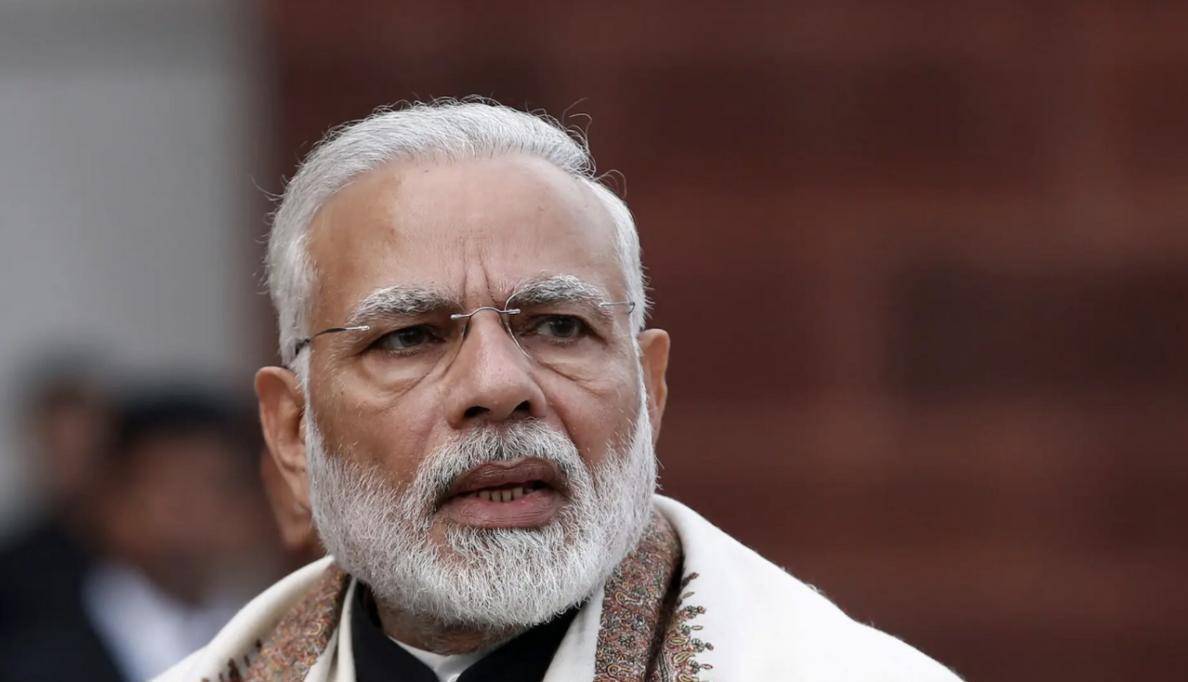
Core Viewpoint - The article discusses India's strategic response to the U.S. tariffs imposed by the Trump administration, highlighting the multifaceted approach taken by the Modi government to mitigate economic impacts and explore alternative partnerships [1][12]. Group 1: Economic Impact - The U.S. imposed punitive tariffs of up to 50%, significantly affecting Indian exports, particularly in the diamond industry, where orders from the Surat diamond processing center plummeted by 40% [1][3]. - Signet Jewelers, a major U.S. jewelry company, faced severe supply chain disruptions, impacting 30% of U.S. jewelry businesses reliant on Indian supplies [1]. Group 2: Military and Energy Responses - India froze military purchases worth $3.6 billion, indefinitely suspending the Boeing P-8I deal, leading to unexpected losses for the U.S. defense industry [3]. - Russia emerged as a key ally for India in the energy sector, with India importing an average of 2.1 million barrels of oil per day from Russia, far exceeding imports from Saudi Arabia and Iraq [5]. Group 3: Trade Diversification and Currency Strategies - India accelerated its "de-dollarization" efforts, simplifying cross-border payment processes and adopting a rupee-ruble mechanism for trade with Russia, saving over $5 billion [6]. - The Indian business community initiated a "replacement market" strategy, focusing on ASEAN, the Middle East, and Africa, while negotiating significant trade agreements with the UK and other regions [6]. Group 4: Agricultural Stance and Geopolitical Dynamics - The Modi government remains firm on agricultural issues, rejecting U.S. demands to open markets for genetically modified products, which could threaten the livelihoods of 600 million farmers [7]. - Geopolitically, while China criticized U.S. tariff policies, India's recent comments on Taiwan indicate ongoing tensions in U.S.-India relations, which complicate potential cooperation with China [7]. Group 5: Future Outlook - Goldman Sachs downgraded India's economic growth forecast to 6.1%, with the pharmaceutical, smartphone, and textile sectors being the most affected [13]. - Despite the challenges, India is exploring resource joint ventures with Russia, which could reshape traditional energy trade dynamics and enhance bargaining power for emerging Asian economies [13].

撞船坠机,美军事故连环上演
Xin Lang Cai Jing· 2025-08-22 03:44
Group 1 - The U.S. Navy is facing multiple incidents, including a fire on the "New Orleans" amphibious dock landing ship and two recent collisions involving unmanned vessels, raising concerns about the future of its unmanned fleet [1][2] - A recent crash of an F/A-18E Super Hornet during routine training marks the fourth loss of this aircraft type in the past year for the U.S. Navy [1] - The U.S. military is experiencing setbacks in developing autonomous unmanned vessels, with recent incidents attributed to software failures and human errors during testing [2] Group 2 - The U.S. Navy's procurement processes are being affected by personnel changes, including the dismissal of the head of the unmanned and small combat vessels program office [3] - Following the recent testing accidents, the Department of Defense has indefinitely suspended a $20 million contract with L3 Harris Technologies, a provider of unmanned vessel control software [3]
华商新趋势优选近十年回报超456%领跑权益类基金,今年来仍涨25%!二季度减持吉祥航空、紫金矿业
Xin Lang Cai Jing· 2025-08-21 10:35
Core Insights - The A-share market has reached a ten-year high, drawing attention to equity funds, particularly the Huashang New Trend Preferred Fund, which has achieved a total return of 456.21% over the past decade [1] - The fund, managed by Tong Li since its inception on May 14, 2015, has demonstrated strong long-term investment value with a total return of 435.29% and an annualized return of 17.73% as of August 2025, ranking second among peers [1] - The fund has shown resilience in various market conditions, achieving returns of 77.42% and 69.60% in 2020 and 2019 respectively, and a positive return of 13.60% in 2022 despite overall market declines [1] Fund Management and Performance - The fund has been managed by three different managers, with the current manager, Tong Li, achieving a total return of 14.30%, surpassing the benchmark by 8.38% since taking over [1] - Previous manager Zhou Haidong managed the fund from May 2015 to March 2025, achieving a total return of 368.34% [1] Portfolio Composition - As of June 30, 2025, the fund's top ten holdings are concentrated in the mining, military, and technology sectors, with significant investments in Zijin Mining (31.2 million), AVIC Shenyang Aircraft (15.2 million), and Industrial Bank (11.9 million) [1] Market Outlook - The fund manager anticipates a continuation of growth style in the third quarter, influenced by the ongoing subdued state of consumer sectors and the strengthening narrative around AI due to improved modeling capabilities [1] - The fund will maintain its focus on two main investment directions: growth-oriented technology sectors with low market expectations and stable, low-valuation industries such as wind energy and non-ferrous metals [1] Investment Strategy - Huashang New Trend Preferred Fund has successfully capitalized on opportunities through flexible asset allocation and sector rotation, achieving significant long-term excess returns [1] - The fund's success is attributed to the manager's excellent stock-picking ability and the strategic positioning of Huashang Asset Management [1]

俄罗斯发动大规模袭击:能源危机加剧?欧盟紧急援助解析
Sou Hu Cai Jing· 2025-08-20 02:52
Group 1: Military Tactics and Technology - The recent Russian drone and missile attacks on Ukraine represent a tactical upgrade from "precision strikes" to "systematic destruction," targeting critical energy infrastructure [1][3] - The use of "tunnel infiltration" tactics by Russian forces in Donetsk has led to significant Ukrainian casualties, with daily losses exceeding 800 soldiers [4] - Russia's new "three-wave strike" model using drones has reduced Ukraine's interception rate from 60% to 38%, showcasing a technological arms race in drone warfare [6] Group 2: Energy Crisis and Economic Impact - The International Energy Agency (IEA) predicts that if the disruption of Ukrainian gas supplies continues until October, European gas storage levels could fall below 65%, leading to soaring energy prices [8] - The blockade of Odessa port has resulted in 2 million tons of grain being stranded, causing protests in countries reliant on Ukrainian grain [12] - The financial markets are reacting to the crisis, with Chicago wheat futures surging by 18%, marking the highest increase since the onset of the conflict [12] Group 3: International Relations and Strategic Responses - The European Union is facing strategic dilemmas as it initiates an "energy security emergency plan" amid conflicting interests among member states [7] - The U.S. is experiencing strategic shifts, with a mix of pressure on Ukraine and concessions to Russia, indicating a complex geopolitical landscape [11] - China's proposal for a UN-led energy facility protection zone reflects a neutral stance that could facilitate future negotiations [14]

中国手握三大“王炸”反击,美元霸权面临崩塌时刻
Sou Hu Cai Jing· 2025-08-20 02:17
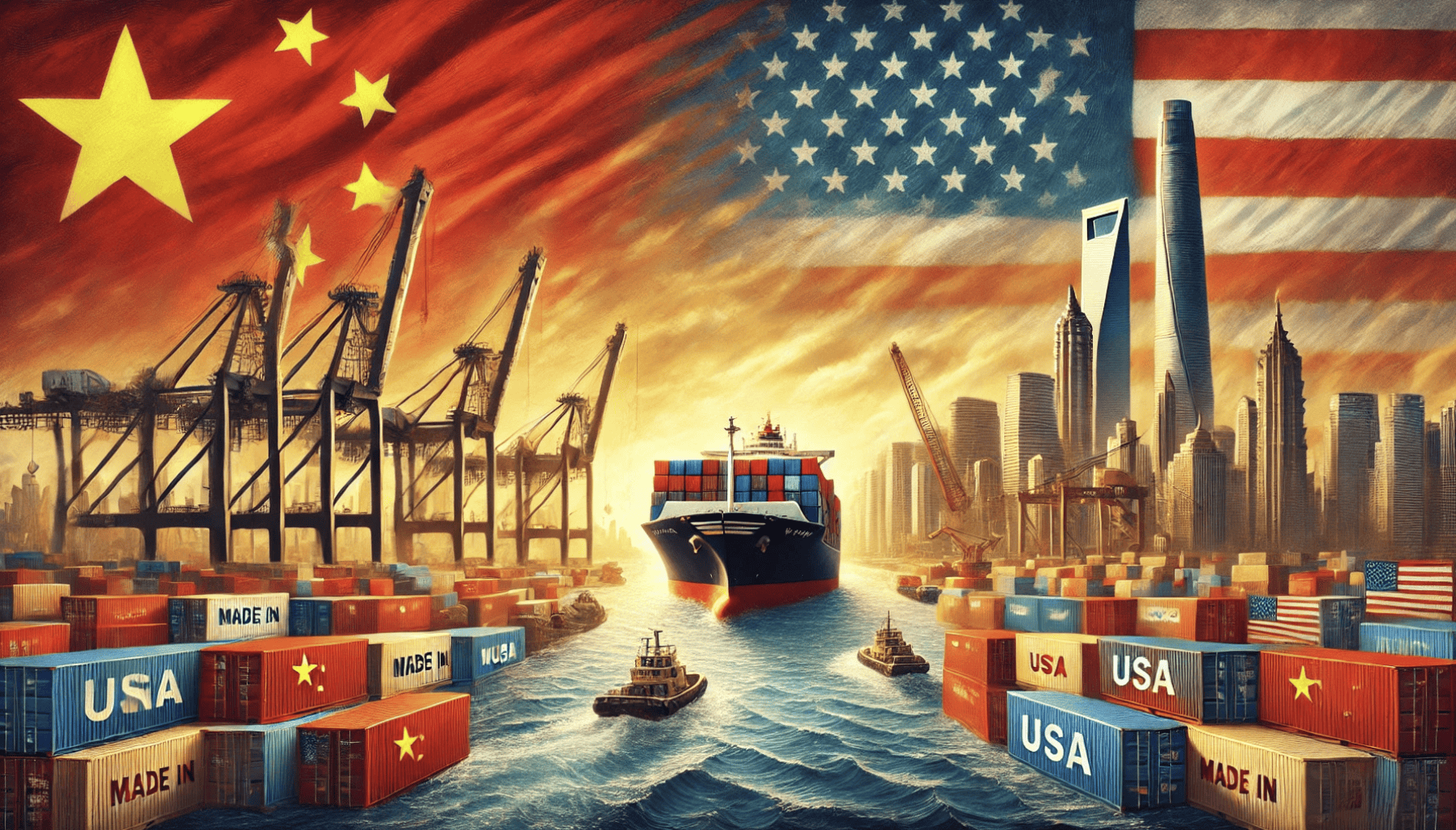
Core Viewpoint - The potential freezing of China's $3.4 trillion overseas assets by the West in the event of a Taiwan Strait conflict could have severe economic repercussions for both China and the United States, with the latter facing a GDP decline of 8%-15% while China could manage a recession of less than 5% [1][3]. Group 1: Economic Impact - The freezing of Chinese assets could lead to a 30% depreciation of the Renminbi, skyrocketing import costs, and a potential global recession, with the WTO estimating a $3 trillion contraction in global trade due to US-China tensions [3]. - The total foreign assets in China amount to $5.8 trillion, which includes significant investments from major companies like Apple and Tesla, indicating a potential vulnerability for Western firms if China retaliates [4]. Group 2: Retaliatory Measures - China has the capability to implement reciprocal asset freezes, which could severely impact Western companies operating in China, such as Starbucks and Apple, leading to substantial revenue losses [4][5]. - The export controls on gallium and germanium have already demonstrated China's ability to influence global supply chains, with significant price increases and production cuts in the US military sector [6]. Group 3: Financial Leverage - China's reduction of US Treasury holdings from $1.3 trillion to approximately $800 billion poses a threat to US fiscal stability, with potential increases in bond yields and interest payments if China were to sell off its remaining holdings [7]. - The rise of the Renminbi as a trade financing currency, surpassing the Euro, and the establishment of the CIPS payment system indicate a shift away from dollar dependency, which could destabilize the US dollar's dominance [7][9]. Group 4: Mutual Dependence - The interdependence between the US and China means that any economic sanctions or asset freezes could lead to significant price increases in the US, affecting consumer goods and agricultural products [9]. - China's strategic preparations, including increasing gold reserves and diversifying foreign exchange holdings, are aimed at mitigating risks associated with potential US sanctions [9][11]. Group 5: Conclusion of the Analysis - The analysis suggests that freezing Chinese assets could trigger a global economic crisis, with both nations holding significant leverage over each other, indicating that neither side would emerge as a clear winner in this financial standoff [11].
深夜大跌!英伟达重挫!OpenAI首席执行官奥尔特曼:AI板块正处于泡沫中
Zhong Guo Ji Jin Bao· 2025-08-20 00:58
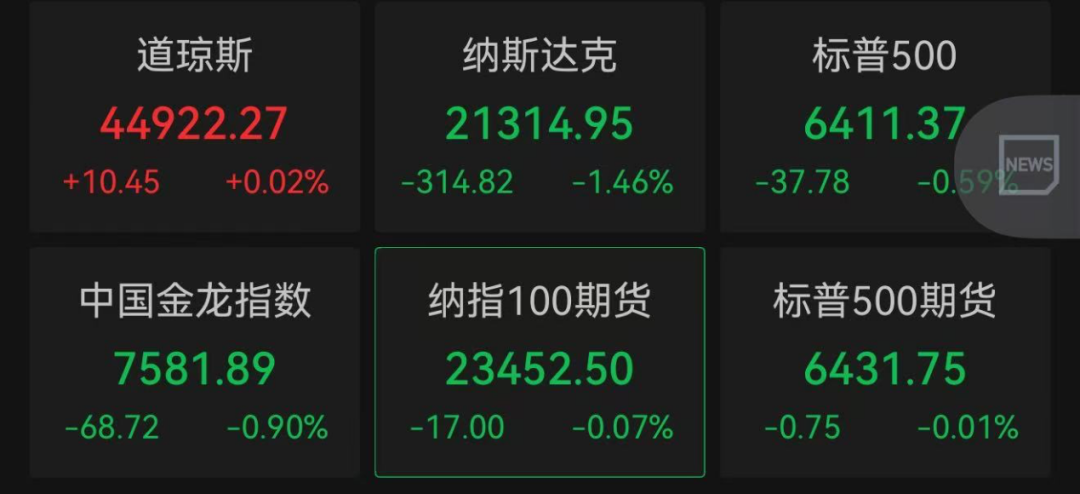
(原标题:深夜大跌!英伟达重挫!OpenAI首席执行官奥尔特曼:AI板块正处于泡沫中) 【导读】美股三大指数涨跌不一,大型科技股普跌拖累指数表现,英特尔逆市涨近7% 截至收盘,三大指数涨跌不一,大型科技股普跌拖累指数表现。原油与黄金齐跌,欧洲军工股重挫。美 国将407类钢铁和铝衍生产品纳入关税清单。 美股三大指数涨跌不一,大型科技股普跌拖累指数表现 美东时间8月19日(周二),美股因缺乏明确方向,盘前横盘震荡。截至收盘,三大指数收盘涨跌不 一,道琼斯工业指数上涨0.02%,报收于44922.27点;纳斯达克指数下跌1.46%,报收于21314.95点;标 普500指数下跌0.59%,报收于6411.37点。 Harris Financial Group管理合伙人James Cox表示,投资者似乎在为杰克逊霍尔会议提前避险,担心鲍威 尔的表态会比目前市场预期更为鹰派。 利率期货信息显示,美联储今年料将降息两次、每次25个基点,首次降息窗口锁定9月。 大型科技股普跌,拖累纳指表现。英伟达下跌近3.50%,Meta下跌逾2%,特斯拉、亚马逊、微软等均下 跌。 Interactive Brokers首席策略师Stev ...

深夜,大跌!英伟达重挫!
Zhong Guo Ji Jin Bao· 2025-08-20 00:36
Market Performance - The three major US stock indices closed mixed, with the Dow Jones Industrial Average up 0.02% at 44,922.27 points, while the Nasdaq fell 1.46% to 21,314.95 points, and the S&P 500 dropped 0.59% to 6,411.37 points [1][3] - Large-cap tech stocks experienced a broad decline, contributing to the Nasdaq's poor performance, with Nvidia down nearly 3.50%, Meta down over 2%, and other major companies like Tesla, Amazon, and Microsoft also seeing declines [3][4] Company-Specific Developments - Intel's stock rose nearly 7% after announcing a $2 billion investment from SoftBank, which will acquire common stock at $23 per share, making SoftBank Intel's fifth-largest shareholder [5] - Home Depot reported disappointing earnings for the quarter ending August 3, with revenue of $45.28 billion and net income of $4.55 billion, marking the first time since May 2014 that both profit and revenue fell short of expectations. Despite this, the stock rose over 1% in pre-market trading and closed up 3.17% [7][6] Sector Trends - Concerns about the AI sector being in a bubble were raised by OpenAI's CEO, Sam Altman, indicating skepticism among investors regarding AI stocks [5] - The Nasdaq China Golden Dragon Index fell by 0.9%, with notable declines in popular Chinese stocks such as Xunlei, which dropped over 10%, and Agora, which fell by 7.54% [8][9] Commodity Market - Both oil and gold prices declined, with NYMEX WTI crude oil falling by 1.12% [13] - The gold price on COMEX decreased by 0.57%, settling at $3,358.90 per ounce [13] Regulatory Changes - The US Department of Commerce announced the inclusion of 407 product categories in the steel and aluminum tariff list, with a tax rate of 50%, affecting a wide range of products including wind turbines and railway vehicles [16][17][18]




帮主郑重:上午行情看似热闹,这几个门道得拎清!
Sou Hu Cai Jing· 2025-08-19 05:13
Group 1 - The market showed mixed performance with slight gains in major indices, indicating underlying complexities despite a lively trading atmosphere [1][3] - The pharmaceutical sector experienced significant momentum, with companies like Jimin Health and Shunlian Bio seeing strong stock performance due to favorable policies and advancements in innovative drug development [3] - The CPO concept stocks remained popular, driven by sustained demand for AI computing power, with Cambridge Technology hitting the daily limit and Tianfu Communication rising over 10% [3] Group 2 - The diesel generator concept stocks surged, with companies like Quan Chai Power and Taihao Technology reaching their daily limits, attributed to power supply tensions in certain regions [3] - The Hongmeng concept stocks also saw a rally, with Chengmai Technology and Huasheng Tiancai hitting the daily limit, reflecting the growing trend of domestic operating system development [3] - Military stocks showed signs of fatigue, with Guangqi Technology dropping over 5%, highlighting their sensitivity to news and market fluctuations [4] Group 3 - The trading volume reached 1.68 trillion, indicating a significant increase in market activity, with over 3,200 stocks in the green, suggesting overall positive market sentiment [5] - The experience suggests that after a broad market rally, differentiation among stocks is likely, emphasizing the importance of identifying fundamentally strong companies [5] - The focus for the afternoon session will be on whether the trading volume can be sustained and if new market hotspots will emerge [5]
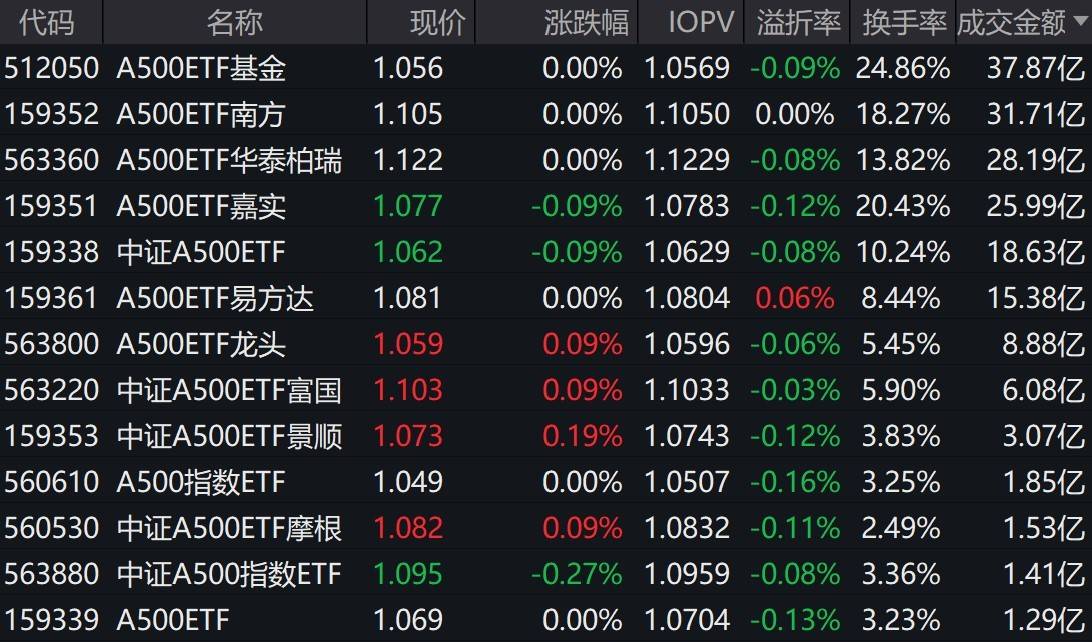
市场早盘震荡走强,中证A500指数上涨0.16%,4只中证A500相关ETF成交额超25亿元
Sou Hu Cai Jing· 2025-08-19 03:57
Market Overview - The market showed a strong upward trend in the early session, with the three major indices slightly rising and the CSI A500 index increasing by 0.16% [1] - Among sectors, computing power hardware stocks like CPO maintained strength, while consumer stocks such as liquor began to rebound. Conversely, military stocks underwent adjustments [1] ETF Performance - As of the morning close, 39 ETFs tracking the CSI A500 index exhibited mixed performance. Notably, 13 of these ETFs had transaction volumes exceeding 100 million yuan, with 4 surpassing 2.5 billion yuan [1] - The transaction amounts for A500 ETFs were as follows: A500 ETF Fund at 3.787 billion yuan, A500 ETF Southern at 3.171 billion yuan, and A500 ETF Huatai-PB at 2.819 billion yuan [1][2] Earnings Forecast - A brokerage firm indicated that the overall profit growth forecast for A-share listed companies is expected to turn positive by 2025, ending a four-year decline. The technology innovation sector is anticipated to show the most significant profit elasticity [1] - The expectation of a rate cut by the Federal Reserve in September is likely to weaken the dollar, which may facilitate foreign capital inflow into A-shares [1] Market Dynamics - The medium to long-term outlook remains stable, supported by three main drivers: the transfer of household savings, the release of policy dividends, and the recovery of the profit cycle [1] - The short-term market is expected to primarily exhibit steady upward fluctuations, with close attention needed on policy, capital flow, and external market changes [1]
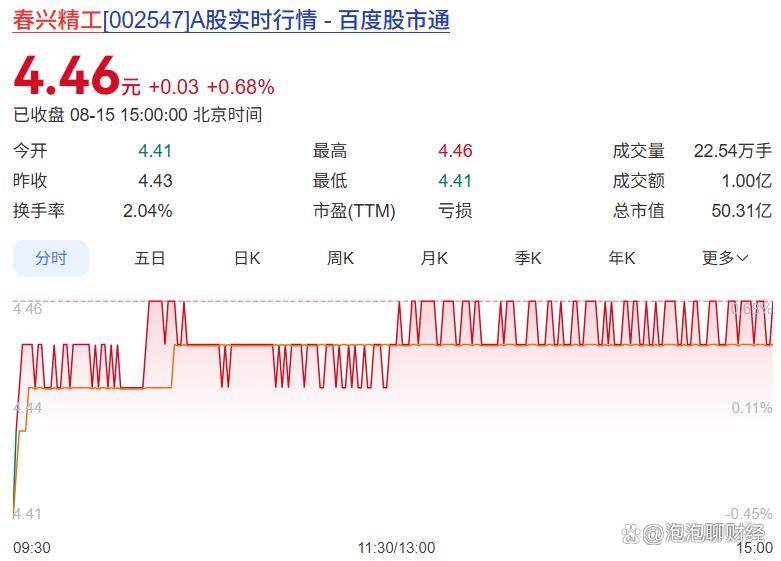
仅剩3家!高盛、汇金重仓的5元军工股,两家已被套,是机会还是陷阱
Sou Hu Cai Jing· 2025-08-18 05:46
Core Viewpoint - The article discusses the investment landscape of low-priced military stocks in the A-share market, questioning whether they represent a value opportunity or an investment trap, especially in light of significant upcoming military events and the performance of specific companies in the sector [1]. Group 1: Company Analysis - China Shipbuilding Industry Corporation (中国重工) has leading R&D capabilities in naval weaponry and has achieved significant profit growth, with a Q1 net profit of 519.2 million yuan, up 280% year-on-year, and a mid-year net profit of 1.8 billion yuan, an increase of 237% [1]. - Tianqiao Crane (天桥起重) specializes in metallurgical cranes but is expanding into military applications, reporting a mid-year net profit of 46 million yuan, a 79% increase, and is the only company among the three that has not reported a loss in the past decade [2]. - Spring兴精工 has faced continuous losses over the past five years but holds military certifications through its subsidiary, which is involved in a key project for heavy equipment. However, its financial instability raises concerns about its short-term performance [2]. Group 2: Market Trends and Institutional Interest - Institutional investors are shifting focus from merely low-priced stocks to those with core technologies and high growth potential, as evidenced by investments in companies like Dayfa Precision (日发精机) and Yuanda Intelligent (远大智能) [3]. - Historical context is provided, noting that low-priced military stocks do not guarantee safety, as seen in the case of ST Shipbuilding, which faced delisting risks despite being a low-priced stock [3].