
核能

Search documents
国泰海通|可控核聚变:国家能源局启动“人工智能”能源试点,中法持续推进和平利用核能领域合作
国泰海通证券研究· 2025-12-07 15:37
以上内容节选自国泰海通证券已发布的证券研究报告。 报告名称: 国家能源局启动"人工智能"能源试点,中法持续推进和平利用核能领域合作 ;报告日期: 2025.12.06 报告作者: 肖群稀(分析师),登记编号:S0880522120001 黄龙(分析师),登记编号:S0880525070027 报告导读: 上周(2025/12/1-2025/12/5)可控核聚变领域动态:1)国家能源局启 动"人工智能+"能源试点工作,聚变智能控制迎来政策东风;2)中法持续推进和平利用核 能领域合作;3)韩国启动创新聚变偏滤器研发中心,英美联手合作开发中性束技术。 投资建议: 重点关注磁体、电源、偏滤器等在内的可控核聚变关键环节核心厂商:1)磁体;2)电源;3)堆内外结构件及其他分系统。 国家能源局启动"人工智能+"能源试点工作,聚变智能控制迎来政策东风。 近日,国家能源局综合司发布《关于组织开展"人工智能+"能源试点工作的通知》 (国能综通科技〔2025〕168号),标志着我国在"人工智能+"与聚变交叉领域迈出重要步伐。此次试点工作聚焦2025年9月发布的《关于推进"人工智能+"能 源高质量发展的实施意见》中提出的八大类场景与 ...

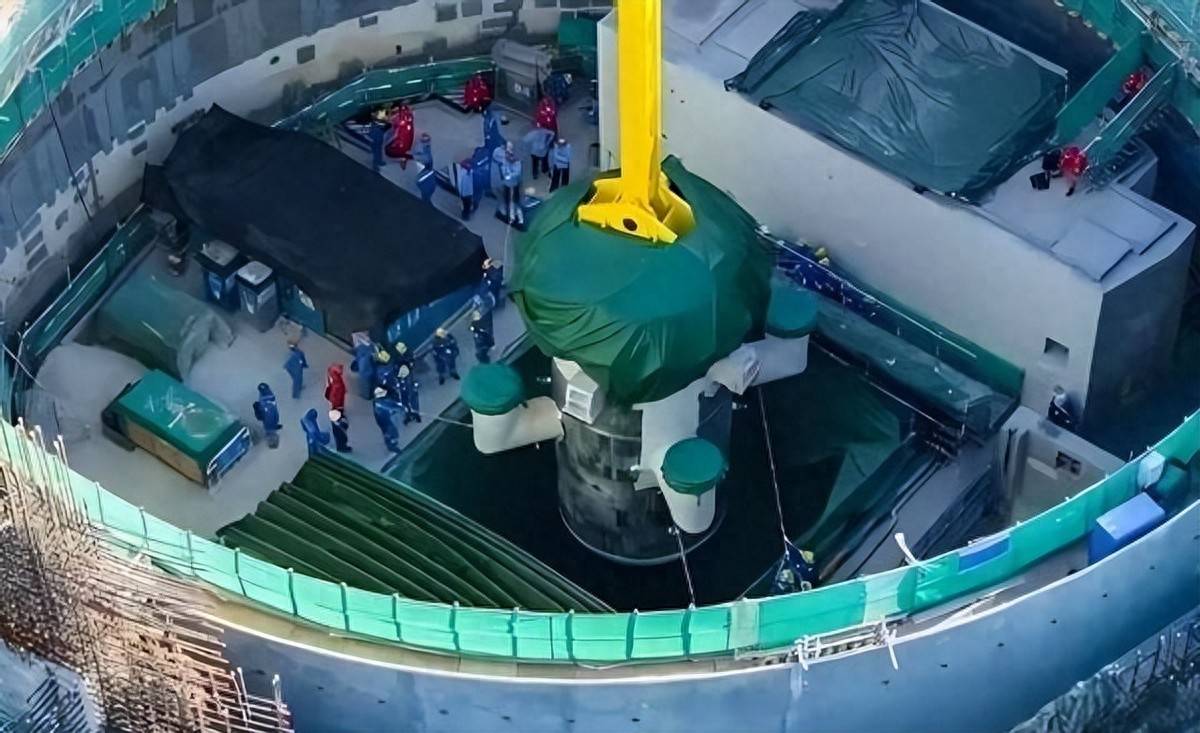
真是天佑中华!中美博弈最激烈的关键时刻,内蒙发现超级核矿
Sou Hu Cai Jing· 2025-12-07 11:55
Group 1 - The article discusses the impact of tariffs imposed by the U.S. on Chinese exports, totaling $600 billion, which has led to increased inflation in the U.S. and a 5% decrease in Chinese exports [1][3] - The trade conflict is not only an economic issue but also concerns technological and energy dominance, with both countries taking strong stances [3][10] - The discovery of significant thorium resources in the Baiyun Obo mine, which holds 41% of the world's proven reserves, is highlighted as a strategic asset for China [3][5] Group 2 - Thorium, a radioactive metal with potential for energy generation, has been confirmed in the Baiyun Obo mine, with reserves exceeding one million tons, sufficient to meet China's energy needs for thousands of years [5][7] - China's interest in thorium dates back to the 1970s, with significant advancements in research and development leading to the construction of a thorium reactor expected to operate by 2023 [8][12] - The thorium-based molten salt reactor technology is designed to be safe and efficient, with plans for commercialization by 2035, positioning China as a leader in clean nuclear energy [8][14] Group 3 - The U.S. has historically attempted to control energy dominance through military and economic means, but China's thorium resources may shift the balance of power in energy negotiations [10][12] - Despite challenges in thorium mining and environmental regulations, the advancements in technology present a significant opportunity for China [12][14] - The Baiyun Obo mine is seen as a strategic asset that could contribute to global sustainable development, reinforcing China's position in the energy sector amid increasing U.S.-China competition [14]
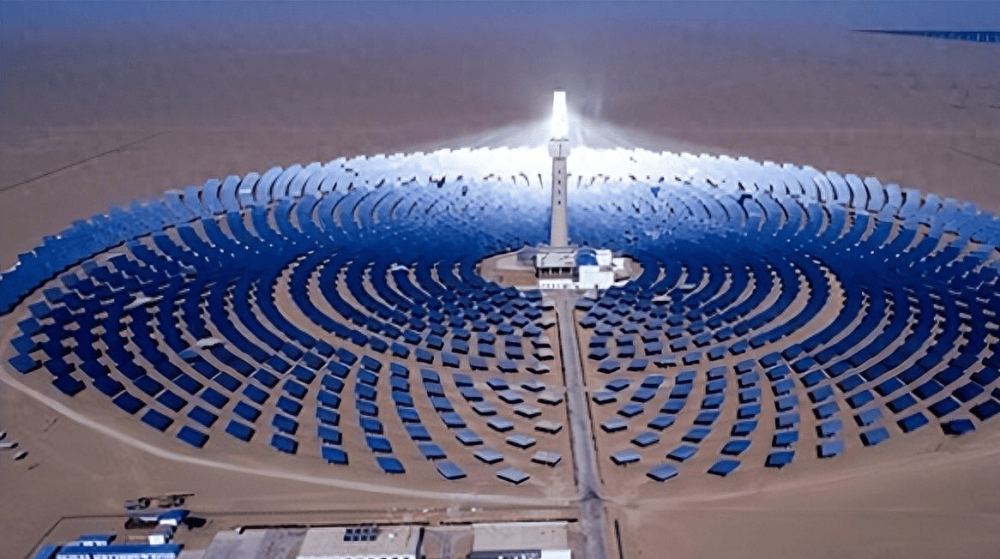
俄罗斯宣布全方位保障印度能源供应,千亿贸易目标剑指2030
Sou Hu Cai Jing· 2025-12-07 07:09
当地时间12月5日(周五),俄罗斯总统弗拉基米尔·普京在印度新德里举行的高峰会议中,与印度总理 纳伦德拉·莫迪展开了深入的会谈,双方就多个领域的合作达成了重要协议,涵盖了能源、防务和经贸 等方面。据法新社和半岛电视台的报道,普京在峰会上明确表示:俄罗斯是印度能源领域的可靠供应 方,俄罗斯能够为印度提供石油、天然气、煤炭及其他各类能源产品,完全能够满足印度发展需求。他 特别强调,俄罗斯已为印度经济的快速增长做好了充足准备,并将继续为印度提供稳定的能源支持。 普京在会后表示,他已向莫迪详细透露了乌克兰局势的多个细节,并与包括美国在内的一些合作伙伴共 同推动可能的和平解决方案。莫迪则表示,印度一直主张保持与乌克兰的和平关系。 在前一天(12月4日),莫迪亲自前往机场迎接普京,以拥抱和握手的方式表达了对普京的热烈欢迎, 并在当晚为普京举办了私人晚宴,进一步展示了两国领导人的紧密关系。半岛电视台驻新德里的记者内 哈·普尼亚表示,这次访问的仪式感十足,频繁的拥抱与握手传递出俄印关系的紧密性。他还分析认 为,俄罗斯和印度通过此次峰会向外界传递了明确的信息:即便面对西方的压力,印度等国家仍愿意与 俄罗斯保持正常交往,而俄罗斯 ...

Better Energy Stock: Oklo vs. Centrus Energy
The Motley Fool· 2025-12-06 16:00
Industry Overview - Nuclear energy is regaining favor globally due to its efficiency, reliability, and zero emissions, with a focus on recommissioning old plants and developing new technologies like small modular reactors (SMRs) [1] - The U.S. Department of Energy estimates a need for 200 gigawatts (GW) of new nuclear capacity to meet future power demands and net-zero emission goals, planning to add 35 GW by 2035 and 15 GW per year through 2040 [6] Company Profiles Oklo - Founded in 2013, Oklo is developing advanced fission power plants using metal-fueled fast-reactor technology, with its core product being the Aurora powerhouse [7] - The Aurora powerhouses are designed to produce electricity in compact sizes, initially targeting 15 MWe and 75 MWe, with potential expansion to 100 MWe and higher [7] - Oklo aims to have its first Aurora powerhouse operational by late 2027 or early 2028, but has not yet built any operational units or secured binding customer agreements [9] Centrus Energy - Centrus Energy, operational since 1998 and restructured in 2014, provides nuclear fuel components and enrichment services, primarily generating revenue from selling low-enriched uranium (LEU) [10] - The company currently relies on outside sources for LEU, including an agreement with a Russian entity, but faces a need to replace about 25% of enriched uranium imports from Russia due to an expected import ban by 2028 [11] - Centrus aims to produce LEU and high-assay, low-enriched uranium (HALEU) in-house using advanced centrifuge technology, with plans to expand its enrichment capacity contingent on funding and customer commitments [13] Investment Considerations - Both Oklo and Centrus Energy are positioned to benefit from favorable tailwinds in the nuclear energy sector, but Oklo lacks a commercial product and will take two to three years before its reactor comes online [15] - Centrus Energy is established as a provider of key components used in nuclear plants, generating revenue currently, which gives it an edge in investment considerations [15]


够中国用2万年!我国攻克世界级难题,抢先美国建造“无限能源”,中国能源底气悄然形成
Sou Hu Cai Jing· 2025-12-06 09:42
Core Viewpoint - The article highlights China's significant advancements in thorium-based molten salt reactor technology, which could reshape the country's energy security and independence, contrasting with other nations' reliance on external energy sources and short-term strategies [1][10]. Group 1: Technological Breakthroughs - China has developed the world's only stable thorium-based molten salt experimental reactor, overcoming challenges that have hindered other countries for decades [1][3]. - The research team has created a new nickel-based alloy that significantly reduces corrosion in molten salt environments, achieving only one-tenth of the corrosion seen in international counterparts [3][6]. - The thorium-based molten salt reactor not only generates electricity but also produces fresh water and hydrogen, showcasing its versatility in energy supply [3][6]. Group 2: Resource Advantages - China possesses over 1.4 million tons of thorium resources, accounting for more than three-quarters of the global supply, providing a solid foundation for the operation of the experimental reactor [5]. - The extraction of thorium as a byproduct of rare earth mining allows for low-cost utilization, further enhancing the economic viability of the technology [5]. Group 3: Strategic Implications - The molten salt reactor's design includes passive safety features that eliminate the risk of core meltdown, making it a safer alternative to traditional nuclear power plants [6]. - The reactor can be deployed in arid regions and remote locations, expanding energy access and security [6][8]. - China's energy strategy emphasizes long-term planning and security, contrasting with other nations that may focus on short-term gains [8][10]. Group 4: Future Prospects - The successful operation of the molten salt reactor in Wuwei positions China ahead of other countries, such as the U.S., which has only recently announced plans to restart similar projects [8][11]. - The integration of thorium-based molten salt reactors with renewable energy sources like solar and wind can create a stable energy supply, supporting China's energy transition [8][11]. - The advancements in this technology not only enhance energy independence but also contribute to national security and public welfare [10][11].
国家能源局主要负责人会见法国电力集团董事长兼首席执行官
国家能源局· 2025-12-05 12:38
Core Viewpoint - The meeting between China's National Energy Administration and the CEO of EDF highlights the ongoing collaboration between China and France in the energy sector, focusing on mutual benefits and future cooperation in nuclear and renewable energy [2][3]. Group 1: Meeting Overview - The meeting took place on December 4, 2025, where China's National Energy Administration Director Wang Hongzhi met with EDF Chairman and CEO Fontaine to discuss business cooperation in China [1]. - Both parties exchanged views on the prospects of collaboration, emphasizing the importance of mutual respect and win-win principles in their longstanding relationship [3]. Group 2: Areas of Cooperation - Wang expressed hope for expanding the breadth and depth of energy cooperation, aiming to inject new momentum into the comprehensive strategic partnership between China and France [3]. - Fontaine praised China's achievements in energy transition and expressed willingness to strengthen cooperation with Chinese enterprises in nuclear energy, renewable energy, and third-party markets [3].
重磅!中法核能领域合作联合声明
Yang Shi Xin Wen Ke Hu Duan· 2025-12-05 09:45
Group 1 - Both China and France recognize the unique importance of nuclear energy as a clean, low-carbon, stable, and reliable baseload energy source in addressing global challenges such as climate change and energy security [1] - The two countries will continue to cooperate under the framework of the intergovernmental agreement on peaceful nuclear energy cooperation signed in 1997 and the protocol signed in 1982, focusing on industrial and technological collaboration [1] - Nuclear cooperation is considered a vital component of the comprehensive strategic partnership between China and France, with ongoing collaboration in areas such as third-generation pressurized water reactor construction, operation management, and radioactive waste management [1] Group 2 - Both parties acknowledge the importance of coordinated cooperation in nuclear fuel supply, nuclear equipment manufacturing, and uranium resource security to ensure the stability of the nuclear energy supply chain [2] - The two countries are committed to ensuring safe, reliable, and sustainable handling of spent fuel and radioactive waste, emphasizing the need for collaboration in nuclear energy safety development [2] - The recognition of nuclear fusion energy as a significant development direction for peaceful nuclear energy utilization, with a commitment to participate in the International Thermonuclear Experimental Reactor (ITER) project [2] Group 3 - Both countries reaffirm their commitment to the international nuclear non-proliferation regime, particularly the Treaty on the Non-Proliferation of Nuclear Weapons, and emphasize the role of the International Atomic Energy Agency in ensuring nuclear safety and security [3] - The two nations will provide necessary resources to achieve these goals, subject to funding availability and compliance with domestic legal requirements [3] Group 4 - Both parties commit to supporting international nuclear energy development while adhering to international obligations regarding nuclear safety, security, and non-proliferation [4] - The recognition of the ambition to develop global nuclear energy, with China supporting France's declaration to triple global nuclear energy from 2020 to 2050 as part of carbon neutrality commitments [4]
全文丨中法两国关于持续推进和平利用核能领域合作的联合声明
Xin Hua She· 2025-12-05 09:13
Group 1 - The core viewpoint of the joint statement emphasizes the importance of nuclear energy as a clean, low-carbon, stable baseload energy source in addressing global challenges such as climate change and energy security [2] - Both parties reaffirm their commitment to the international non-proliferation regime, particularly the Treaty on the Non-Proliferation of Nuclear Weapons, and recognize the role of the International Atomic Energy Agency in ensuring nuclear safety and security [4] - The joint statement supports the goal of tripling global nuclear power capacity by 2050 as part of efforts to achieve carbon neutrality [5] Group 2 - The two countries will continue to cooperate in areas such as the construction and operation management of third-generation pressurized water reactor nuclear power units, extending the life of existing nuclear power plants, and the decommissioning of permanently closed nuclear power plants [2] - There is a mutual recognition of the need for coordinated cooperation in nuclear fuel supply, nuclear equipment manufacturing, and uranium resource security to ensure the stability of the nuclear energy supply chain [3] - Both parties emphasize the importance of technical innovation in enhancing the safety and economic viability of nuclear energy, exploring new cooperation projects in areas such as small modular reactor development and the application of artificial intelligence [2][3] Group 3 - The joint statement highlights the significance of training skilled professionals in nuclear science and engineering, with a commitment to continue cooperation in education and training for nuclear reactor construction and operation personnel [3] - Both parties express their willingness to deepen participation in the International Thermonuclear Experimental Reactor (ITER) project, recognizing nuclear fusion energy as a vital development direction for peaceful nuclear energy utilization [3] - The commitment to support international nuclear energy development aligns with the obligations of nuclear safety, security, and non-proliferation [5]
关于核能,中法发布联合声明
Wind万得· 2025-12-05 06:20
Core Viewpoint - The joint statement emphasizes the importance of nuclear energy as a clean, low-carbon, and stable energy source in addressing global challenges such as climate change and energy security [2][3]. Group 1: Cooperation Framework - Both parties recognize that nuclear energy cooperation is a vital part of the comprehensive strategic partnership between China and France, building on existing successful collaborations [3]. - The cooperation will focus on areas such as the construction and operation management of third-generation pressurized water reactor nuclear power plants, extending the life of existing nuclear power plants, decommissioning permanently closed plants, and managing radioactive waste [3]. Group 2: Technological Innovation - Both parties agree that technological innovation is crucial for enhancing the safety and economic viability of nuclear energy, and they will continue to leverage existing projects for innovation and research collaboration [3]. - New potential cooperation projects will be explored in areas such as small modular reactor development, application of artificial intelligence (especially through digitalization and automation in manufacturing), and peaceful uses beyond electricity production, such as thermal energy and medical radioactive isotopes [3]. Group 3: Supply Chain Coordination - The parties acknowledge the importance of coordinated cooperation in nuclear fuel supply, nuclear equipment manufacturing, and uranium resource security to ensure the stability of the nuclear industry supply chain [3]. - They commit to ensuring safe, reliable, and sustainable management of spent fuel and radioactive waste, while also enhancing collaboration in the nuclear energy industry chain [3]. Group 4: Nuclear Fusion and Safety - Both parties recognize nuclear fusion energy as a significant development direction for peaceful nuclear energy use and a future option for abundant zero-carbon energy, committing to deep participation in the International Thermonuclear Experimental Reactor (ITER) project [4]. - They emphasize the need to maintain and strengthen nuclear safety and security efforts, enhancing experience exchange and technical cooperation between government departments, regulatory agencies, and relevant technical support units [5]. Group 5: Education and Training - The development of nuclear science and industry requires sustainable and sufficient professional skills training, and both parties will continue to collaborate in education and training for nuclear science and engineering [5]. - This collaboration aims to solidify the talent foundation necessary for the sustainable development of nuclear energy in both countries [5]. Group 6: Commitment to Non-Proliferation - Both parties reaffirm their commitment to the international nuclear non-proliferation regime, particularly the Treaty on the Non-Proliferation of Nuclear Weapons, and recognize the role of the International Atomic Energy Agency in establishing a robust global framework for nuclear safety and security [5]. - They will provide necessary resources to achieve these goals, within the limits of available funding and domestic legal requirements [5]. Group 7: Global Nuclear Energy Development - Both parties support the development of international nuclear energy, aiming for a low-carbon energy structure in accordance with international obligations on nuclear safety, security, and non-proliferation [5]. - They recognize the aspiration to develop global nuclear energy and support France's declaration to triple global nuclear energy from 2020 to 2050 as part of accelerating carbon neutrality commitments [5].

关于气候、核能、农业,中法发布联合声明
Guan Cha Zhe Wang· 2025-12-05 06:18
Group 1: Climate and Environmental Cooperation - China and France reaffirm their commitment to effectively implement the 2019 Beijing Initiative on Biodiversity Conservation and Climate Change, the 2024 Joint Statement on Strengthening Cooperation on Biodiversity and Oceans, and the 2025 Joint Statement on Climate Change marking the 10th anniversary of the Paris Agreement [1][2] - Both countries emphasize the importance of multilateralism in addressing global challenges, particularly through the frameworks of the Rio Conventions, the Kyoto Protocol, the Paris Agreement, and the Kunming-Montreal Global Biodiversity Framework [1][2] Group 2: Scientific Integrity and International Commitments - China and France stress the necessity of maintaining scientific integrity as the basis for actions, supporting the work of various intergovernmental scientific policy platforms related to climate change and biodiversity [2] - The two nations call for adherence to the principles established by the UN Framework Convention on Climate Change and the Paris Agreement, including equity and common but differentiated responsibilities [2] Group 3: Renewable Energy and Emission Reduction - Both countries welcome Brazil's efforts as the COP30 presidency and reaffirm the Paris Agreement's temperature control goals, aiming to limit global temperature rise to below 2°C and striving for 1.5°C [3] - China and France commit to accelerating global renewable energy deployment and transitioning away from fossil fuels in a just and orderly manner, while also enhancing cooperation in carbon pricing and climate finance [3] Group 4: Biodiversity and Ecosystem Management - The two nations recognize the interconnections between climate change, biodiversity loss, and pollution, reaffirming commitments made at COP26 to halt and reverse deforestation and land degradation by 2030 [4] - They emphasize the need for integrated water resource management at local, regional, and global levels, and support efforts for a common vision at the upcoming UN Water Conference in 2026 [4] Group 5: Marine Governance and Plastic Pollution - China and France commit to strengthening global marine governance and welcome the upcoming effectiveness of the agreement on the conservation and sustainable use of marine biodiversity in areas beyond national jurisdiction [4] - They support negotiations for a legally binding international instrument to end plastic pollution and encourage research into sustainable plastic alternatives [4] Group 6: Support for Developing Countries - Both countries express willingness to support developing nations in achieving sustainable development and enhancing their access to climate and environmental funding by 2035 [5] - They welcome the Kunming Biodiversity Fund and reaffirm support for the financing goals of the Kunming-Montreal Global Biodiversity Framework [5] Group 7: Nuclear Energy Cooperation - China and France agree to enhance cooperation in nuclear energy, emphasizing its importance in their comprehensive strategic partnership and focusing on safety, innovation, and sustainable development [6][7] - They recognize the significance of coordinating efforts in nuclear fuel supply and waste management to ensure the stability of the nuclear energy supply chain [7] Group 8: Agricultural Collaboration - Both nations reaffirm their commitment to deepen agricultural cooperation, focusing on climate adaptation, technology application, and enhancing food security [9][10] - They express satisfaction with recent agreements on health and safety standards for agricultural products and emphasize the importance of fair competition in the agricultural sector [10][11]