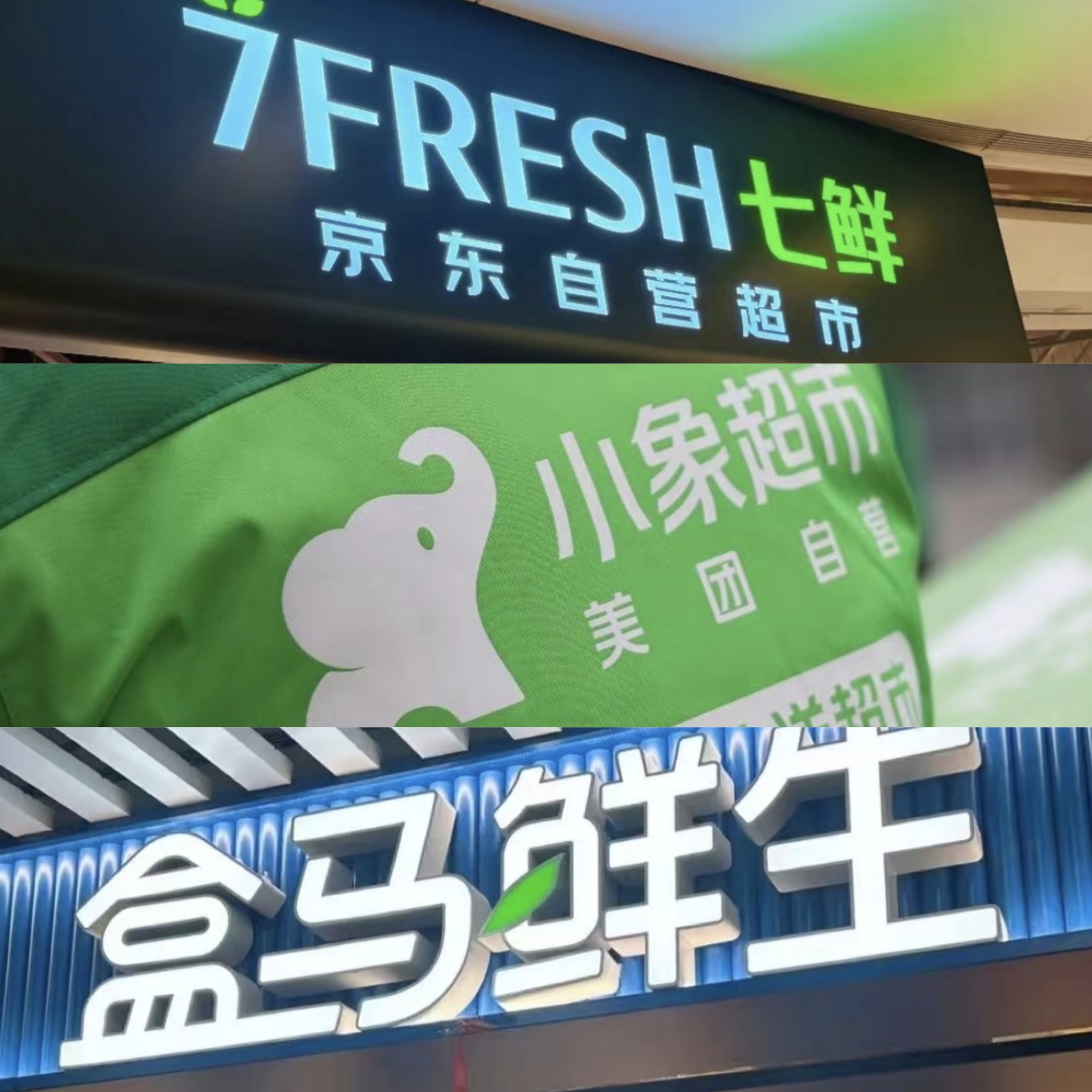
生鲜零售

Search documents
被“搁置”的盒马,出路在哪儿?
3 6 Ke· 2025-07-24 05:14
Core Insights - Hema, as a pioneer of Alibaba's new retail strategy, initially showed strong momentum in business innovation but struggled to achieve profitability before the departure of its founder, Hou Yi [1][2] - After the leadership change to Yan Xiaolei, Hema shifted its focus to profitability by closing most stores and concentrating on Hema Fresh, leading to a significant turnaround with adjusted EBITA turning positive for the first time in FY2025 [2][5] - Hema's sales reached 75 billion yuan, surpassing Yonghui's 73.2 billion yuan, positioning it as the third-largest supermarket in China [2][5] Business Strategy - Hema's initial strategy involved a multi-format approach with up to 12 different business models, including Hema Fresh and Hema X membership stores, but this led to high costs and unclear business models [4][5] - The high-end positioning of Hema X membership stores conflicted with the company's low-price rapid expansion strategy, resulting in a limited number of openings and eventual discounting measures [3][4] - The company has now adopted a dual strategy focusing on high-end market penetration and down-market expansion through Hema Fresh and Hema NB community stores [5][8] Market Position and Competition - Hema's growth comes amid a decline in traditional supermarkets, with a reported 28.6% drop in average foot traffic for large supermarkets since 2019, while community supermarkets and convenience stores have seen growth [5][8] - Hema plans to open 100 new Hema Fresh stores by 2025, targeting first and second-tier cities, and aims to expand its Hema NB stores to over 1,000 locations [8][9] - The company is leveraging its supply chain advantages, with over 60% of Hema NB's products being private label, although this has resulted in lower profit margins compared to Hema Fresh [9][10] Future Outlook - Hema's future hinges on its ability to integrate into Alibaba's instant retail ecosystem, as the company has not yet fully aligned with Alibaba's strategic focus on instant retail [6][7] - The competitive landscape is intensifying, with major players like Alibaba, JD, and Meituan focusing on instant retail, which poses challenges for Hema's growth strategy [5][6] - Hema's current business model aims to balance profitability in the high-end market while aggressively expanding in the lower-end market, creating a complete commercial loop [9][10]

叮咚买菜CFO王松:积极拥抱即时零售 但要客观理性看待
Zheng Quan Shi Bao Wang· 2025-07-23 08:11
Core Viewpoint - The company emphasizes a rational approach to the "burn money" subsidy model in the instant retail sector, focusing on sustainable growth and quality rather than just rapid user acquisition through subsidies [1][3] Group 1: Company Strategy - The company aims to differentiate itself from competitors by avoiding the mainstream price and subsidy-driven strategies, instead focusing on unique competition to escape industry homogenization [1] - The company has adopted a product and ecosystem mindset, prioritizing fresh food quality and supply chain development over mere traffic and platform thinking [1][2] Group 2: Supply Chain and Product Quality - The company has established partnerships to create black pig breeding bases and digital fishing warehouses, enhancing control over the fresh food supply chain and improving product quality certainty [2] - The company is actively exploring regional and overseas differentiated products with sales potential, leveraging its supply chain capabilities [2] Group 3: Performance Metrics - The company focuses on metrics such as GMV (Gross Merchandise Volume) and customer retention rates rather than just order volume [3] - As of Q1 2025, the company has achieved ten consecutive quarters of non-GAAP profitability and five consecutive quarters of GAAP profitability [3] - The average order volume has increased from 600 orders per day at startup to 1,500 orders per day currently, with a customer price rising from over 50 yuan to around 70 yuan nationally [3] Group 4: Market Competition - The company acknowledges that competition is an eternal topic in the retail industry, emphasizing the importance of product strength and operational efficiency for success [4] - Traditional retailers are increasingly focusing on product development and enhancing product strength to provide cost-effective goods to consumers [4]

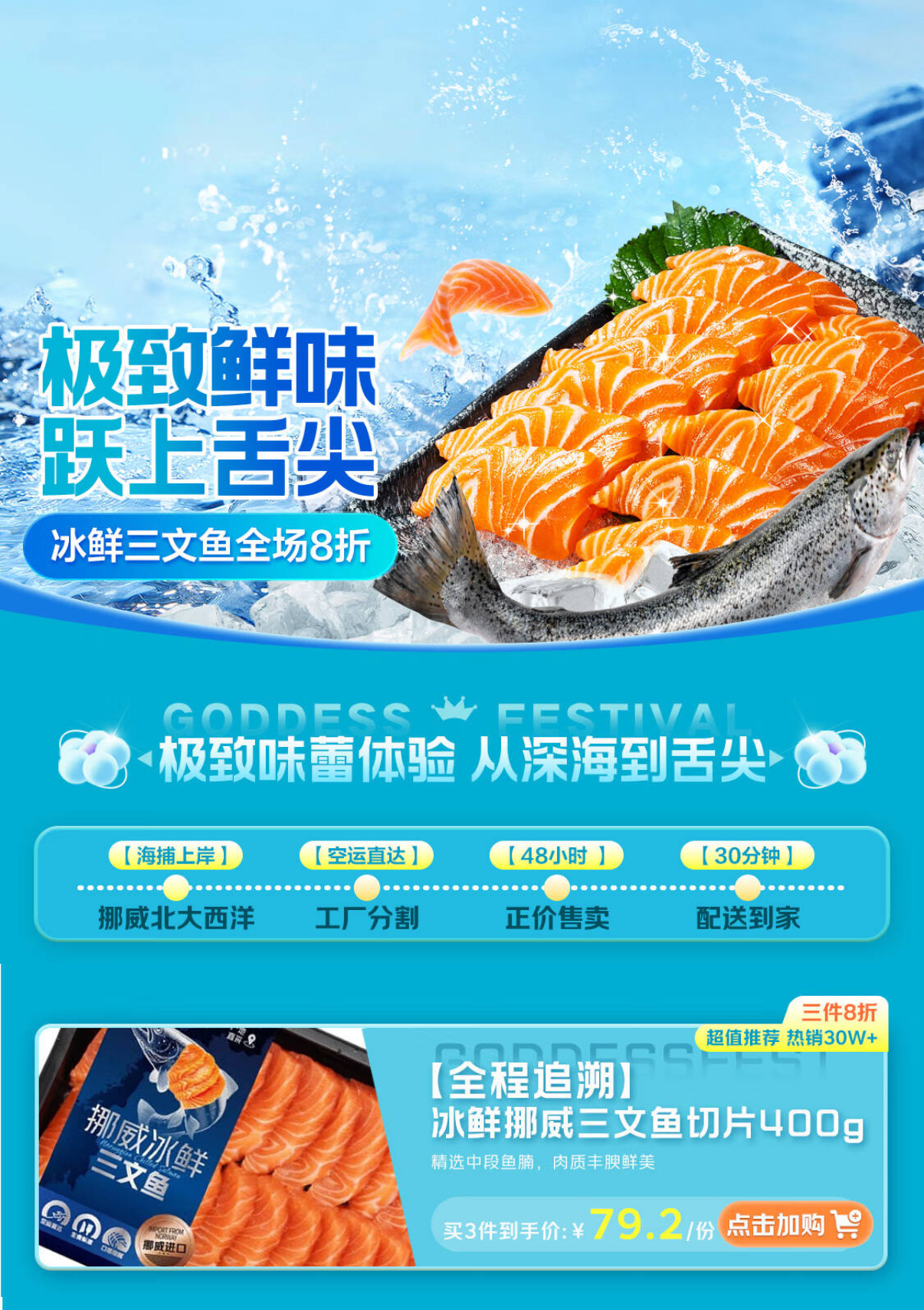
30 万份销量只是开始!京东七鲜让高品质三文鱼进入“平价时代”
Zhong Jin Zai Xian· 2025-07-23 05:25
Core Insights - The rising trend of healthy and refreshing diets during the hot summer months has led to the popularity of salmon, which is being referred to as "edible air conditioning" due to its cooling properties [1][3] - JD Seven Fresh has launched a "Salmon Fresh Eating Festival" with various promotions, including discounts on multiple fresh salmon products, making high-quality seafood more accessible to consumers [1][5] Group 1: Salmon Characteristics - Salmon is known for its cold nature, which helps alleviate heat and discomfort during summer, making it an ideal food choice in hot weather [3] - Nutritional experts highlight three main features of salmon: its cooling properties, high nutritional value with 20g of protein per 100g and only about 180 calories, and its richness in Omega-3 fatty acids that provide anti-inflammatory and cardiovascular protection [3] Group 2: Market Trends and Consumer Behavior - The peak season for salmon fishing in Norway is from July to September, during which the oil content is at its highest, enhancing the flavor [5] - Salmon consumption has expanded beyond traditional Japanese cuisine to include breakfast, camping, and baby food, aligning with the fast-paced urban lifestyle and becoming a "social currency" among younger consumers [7] - The trend towards instant retail and increased health consciousness is driving high-quality seafood like salmon from premium markets to mainstream dining, with expectations of a consumption peak this summer [7]


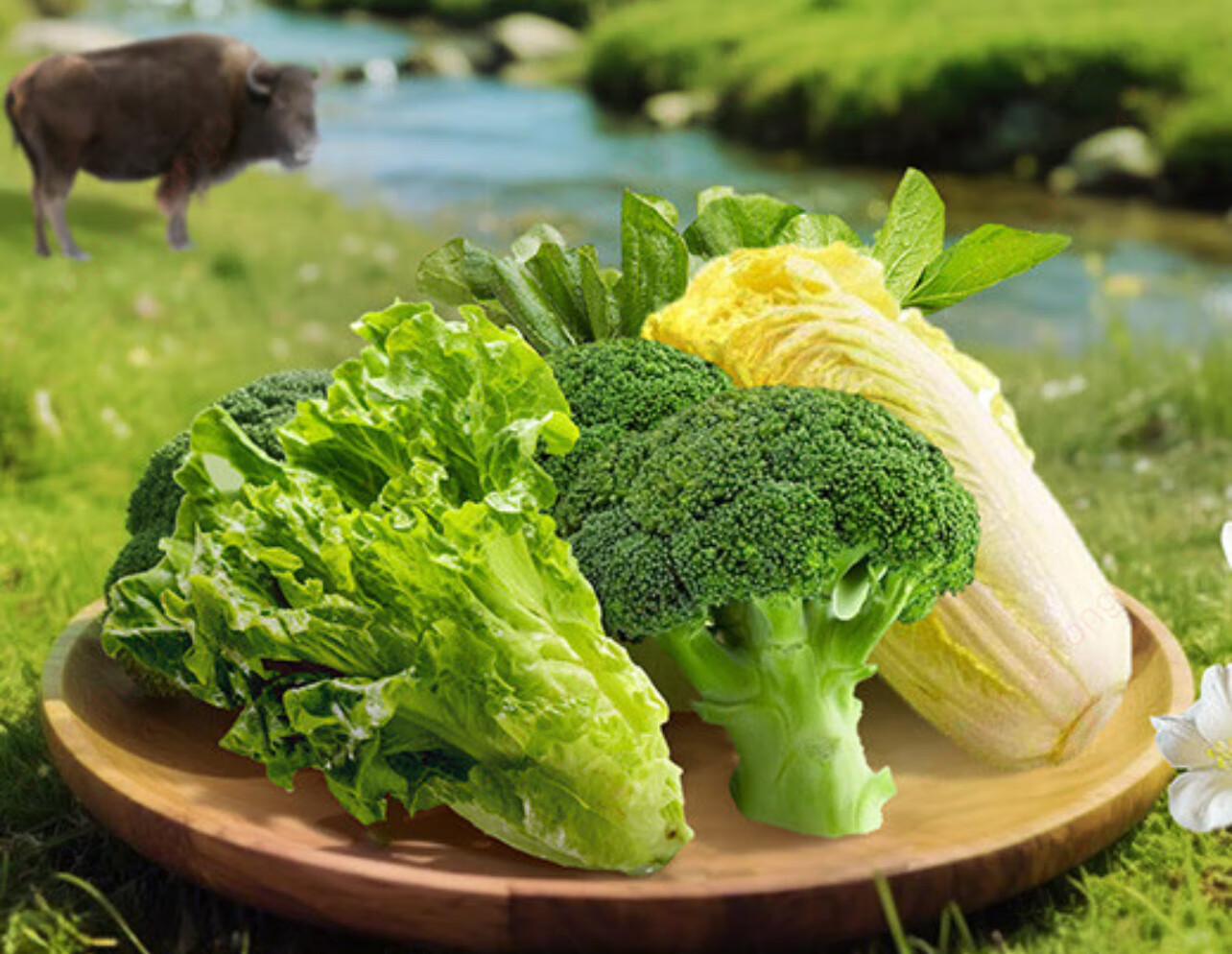
京东七鲜有机蔬菜“出圈” 上半年有机商品购买用户激增300%
Zhong Jin Zai Xian· 2025-07-23 05:25
Core Insights - Organic vegetables have seen a significant surge in consumer demand on JD's 7Fresh platform, with user numbers for private label organic products increasing over threefold in the first half of the year [1] - The sales of organic vegetables have experienced a remarkable year-on-year growth of 123% in the last quarter [1] Group 1: Product Performance - Top-selling organic vegetables this summer include organic carrots, organic mung bean sprouts, organic tomatoes, organic bitter cucumbers, and organic broccoli [3] - The demand for organic fruits suitable for salads, such as organic cucumbers, organic cabbages, and organic sweet corn, has also seen significant growth [3] Group 2: Product Expansion - Since the 618 shopping festival, JD's 7Fresh has launched over 200 new organic products across various categories, including fruits, grains, cooking oils, and dairy [3] Group 3: Quality Assurance - JD's 7Fresh has implemented a strict supply chain management system to ensure the authenticity of organic products, including rigorous supplier standards and organic certification checks [5] - The platform guarantees traceability of organic products through organic traceability codes and certification reports, along with regular third-party testing of safety indicators [5] Group 4: Pricing Strategy - JD's 7Fresh has addressed the high price perception of organic vegetables by optimizing supply chain logistics, significantly reducing distribution costs [7] - Competitive pricing examples include organic mung bean sprouts at under 3 yuan for 200g, organic carrots and onions at around 5 yuan for 400g, and organic milk priced at only 29.9 yuan for a 10-pack [7] Group 5: Consumer Experience - The integration of organic products into daily diets reflects a growing consumer pursuit of quality and healthy living [9] - JD's 7Fresh offers convenient delivery services, including free shipping for orders over 39 yuan within five kilometers and rapid delivery within 30 minutes for nearby customers [9]
叮咚买菜梁昌霖:不参与行业“内卷”,聚焦生鲜食品即时零售差异化竞争
Zheng Quan Shi Bao Wang· 2025-07-22 12:55
Core Insights - The company announced a new "4G" strategy focusing on "good users, good products, good services, and good mindset" to differentiate itself from competitors relying on price and subsidies [1] - The CEO emphasized the increasing consumer demand for high-quality food products, indicating a shift in consumer awareness and preferences [1] Group 1: Strategic Adjustments - The company aims to move away from the mainstream approach of competing on price and subsidies, opting for a differentiated competition strategy [1] - The new strategy involves replacing the mainstream focus on traffic and platform thinking with a product and ecosystem mindset, concentrating on the fresh food sector and enhancing the entire supply chain [1] Group 2: Product Development and Supply Chain - The internal product development department has been tasked with higher standards, resulting in the replacement of over 4,000 products in the past six months, with quality products now making up 40% of the SKU [2] - The company has been actively establishing upstream supply chain initiatives, including partnerships to create black pig breeding bases and digital fishing warehouses, enhancing control over fresh food quality [2] Group 3: Health-Oriented Market Expansion - There is a significant consumer demand for healthy eating, prompting the company to accelerate its focus on low glycemic index (GI) products [2] - Sales of health-labeled products exceeded 500 million yuan in the first half of the year, while low GI product sales surged from under 1 million yuan to nearly 60 million yuan in the same period [2]
刘强东的外卖店爆单了:挤满外卖员,有人忍痛取消8单
2 1 Shi Ji Jing Ji Bao Dao· 2025-07-22 11:38
Core Insights - The competition in the food delivery market remains intense, with both JD.com and Meituan launching physical collective stores to enhance their service offerings [1][3] - JD.com's first offline delivery store, Qixian Xiaochu, has experienced overwhelming demand, leading to operational adjustments such as limiting delivery areas [1][2] - JD.com plans to invest 10 billion yuan to recruit "dish partners" and aims to establish 10,000 Qixian Xiaochu stores nationwide within three years [3] Company Developments - JD.com has opened its first offline delivery store, Qixian Xiaochu, which focuses on freshly cooked meals and utilizes JD's supply chain for fresh ingredients [1][3] - The store has seen a surge in orders, with delivery numbers exceeding 400 while the kitchen struggles to keep up, resulting in significant delays for delivery personnel [2] - JD.com is implementing a new business model for its food delivery service, which is expected to differ significantly from Meituan's approach [3] Industry Trends - Meituan has announced its own initiative, "Raccoon Kitchen," which plans to establish 1,200 locations over the next three years, focusing on centralized kitchen operations for various food vendors [3] - Both companies are investing heavily in infrastructure and supply chain improvements to enhance their competitive edge in the food delivery market [3]

别逼自己扮“大厂”了,真的会出事
混沌学园· 2025-07-21 09:48
Core Viewpoint - The article discusses the contrasting fortunes of large internet companies and smaller, more agile firms, suggesting that the latter are thriving by focusing on core competencies and maintaining strong cash flow, while large companies are struggling with internal issues and fierce competition in the market [1][5][36] Group 1: Large Companies' Challenges - The competition among major internet companies has intensified, leading to aggressive price wars and significant financial losses, with a projected total investment of 25 billion yuan in the food delivery sector by major players in Q2 alone [3][4] - Internal issues within large companies are highlighted, including employee dissatisfaction and strategic misalignment, as evidenced by a viral resignation letter from an Alibaba employee criticizing the company's management and innovation challenges [4][6] - The concept of "diseases of large companies" is introduced, indicating that as companies grow, they face coordination problems and inefficiencies that hinder their ability to innovate and adapt [8][9][10] Group 2: The Rise of Mid-Sized Companies - Mid-sized companies, defined as those between startups and large enterprises, are finding success by focusing on their core business areas rather than trying to compete directly with larger firms [20][21] - Examples of successful mid-sized companies like Ctrip demonstrate that maintaining a strong focus on core competencies and efficient cash flow management can lead to sustainable growth, with Ctrip reporting a 16% growth in Q1 2025 and a net profit of 4.3 billion yuan [21][26] - Mid-sized companies are adopting strategies that prioritize business model innovation over technological advancements, allowing them to leverage AI effectively while ensuring profitability [27][28] Group 3: Lessons for Companies - The article emphasizes that mid-sized companies are not merely smaller versions of large firms but are instead following a more pragmatic approach to business, focusing on profitability and manageable organizational structures [31][36] - Companies are advised to avoid blindly mimicking large firms' strategies and instead focus on their unique value propositions and customer needs, promoting a long-term, sustainable growth mindset [34][35] - The need for regular self-assessment is highlighted, encouraging companies to evaluate their management practices and avoid the pitfalls associated with large company dynamics [36]

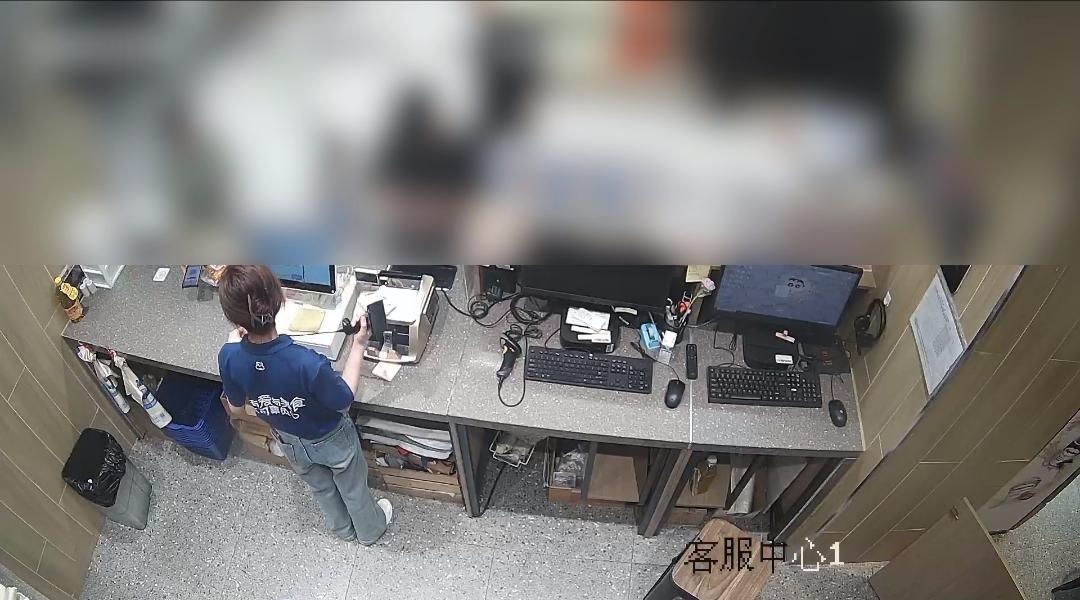
男子买1.5万盒马礼品卡被骗走卡密!门店联合警方追回资金
Nan Fang Du Shi Bao· 2025-07-18 12:53
Core Points - The incident involved a customer, Liu Sheng, who fell victim to a "刷单返利" scam, leading to a loss of 15,000 yuan in gift cards [1][3] - Thanks to the quick response from the Hema store staff and police, Liu was able to recover 13,000 yuan of the lost amount [1][4] Group 1 - The scam involved Liu being lured by advertisements promising cash back, which led him to invest thousands of yuan before being tricked into purchasing 15 gift cards worth 1,000 yuan each [3] - Hema staff are trained to verify customer information when multiple gift cards are purchased, which played a crucial role in identifying the scam [4] - After the police notified the Hema store, the staff acted swiftly to freeze the unused balance of Liu's gift cards within approximately two minutes [4]
即时零售大战,盒马呢?
3 6 Ke· 2025-07-16 01:25
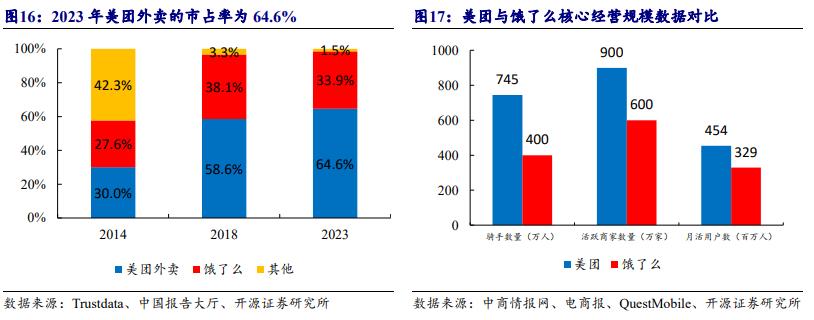
Core Insights - Hema X membership stores in Beijing will cease operations starting July 31, marking the complete closure of Hema X stores in the city [1][2] - Hema X, which aimed to compete with Sam's Club by offering high-quality products and bulk purchasing, has seen over half of its stores shut down nationwide since early last year [2] - Despite achieving profitability for nine consecutive months and a customer growth of over 50%, Hema's strategic value within Alibaba has diminished, leading to a need for self-sufficiency [2][3] Financial Performance - Hema reported overall profitability for nine months, with a customer base increase exceeding 50% [2] - The closure of Hema X stores reflects a broader trend of strategic shifts within Alibaba, where Hema has been required to be self-sustaining since 2021 [3][12] Strategic Positioning - Hema's decline in strategic importance within Alibaba contrasts with the continued support for Ele.me, which is seen as having high strategic value due to its logistics infrastructure [3][10] - The competitive landscape has intensified with Alibaba's entry into the instant retail market, where Ele.me has been actively engaged against rivals like JD and Meituan [4][5][6] Market Dynamics - Meituan maintains a dominant position in the food delivery market, with a market share of 64.6% in 2023, projected to rise to 65% in 2024 [9] - Hema's inability to effectively participate in the instant retail battle has led to its strategic sidelining, as it lacks the logistics capabilities that Ele.me possesses [11][12] Historical Context - Hema was established to capture the grocery market, but its various business models have struggled to achieve sustainable profitability [20][24] - The shift in Alibaba's strategy in 2021, which emphasized independent profit and loss responsibility for its business units, has left Hema in a precarious position [12][14][17] Competitive Landscape - Hema's attempts to innovate and capture market share have been met with challenges, as evidenced by the struggles of similar models like Meituan's "Little Elephant" fresh food stores [23][24] - The high costs associated with fresh food logistics and the need for a robust supply chain have made the grocery business particularly difficult [23][24] Leadership and Future Outlook - The retirement of former CEO Hou Yi and the subsequent lack of strategic direction have contributed to Hema's decline [30][36] - The relationship between Hou Yi and Alibaba's leadership has been pivotal in Hema's history, but the current environment suggests a shift away from its original innovative spirit [36][37]
京东、美团加码,新零售巷战再起
Hua Er Jie Jian Wen· 2025-07-07 06:13
Core Viewpoint - The competition in the fresh food retail market is intensifying as major players like JD and Meituan accelerate their offline store openings, indicating a resurgence of the "new retail" concept that integrates online and offline shopping experiences [3][11][15]. Group 1: Market Dynamics - JD and Meituan are focusing on the fresh food segment as a high-frequency necessity, with JD's 7Fresh and Meituan's Little Elephant Supermarket both expanding their offline presence [4][9]. - The shift towards offline stores is supported by a change in consumer behavior, where online purchasing of fresh food has become more accepted [3][14]. - The success of Hema, which achieved profitability after nine years, has instilled confidence in other players to invest in the fresh food retail space [3][15]. Group 2: JD's Strategy - JD plans to achieve full coverage of the 7Fresh stores in the Beijing-Tianjin-Hebei region by the end of the year, with a focus on core business districts [5][6]. - The "1+N" model is being implemented, where the central store serves as both an experience hub and a supply chain node, while smaller satellite stores enhance delivery efficiency [6][7]. - JD's integration of 7Fresh with its food delivery services aims to create a seamless shopping experience for consumers [7][8]. Group 3: Meituan's Approach - Meituan's Little Elephant Supermarket is also ramping up its offline expansion, targeting all first- and second-tier cities [9][10]. - The recruitment of over 200 positions for Little Elephant Supermarket indicates a significant commitment to expanding its physical presence [10]. - Meituan's strategy includes leveraging its strong delivery capabilities to enhance the efficiency of its new store openings [20]. Group 4: Industry Trends - The shift back to offline retail is part of a broader trend where companies are reassessing the value of physical stores in light of rising online customer acquisition costs [19]. - The role of offline stores is evolving from mere sales points to multifunctional efficiency nodes that support both customer experience and logistics [21][22]. - The integration of online and offline channels is seen as essential for driving growth in the fresh food sector, with companies investing heavily in infrastructure to support this transition [23].