
电动车

Search documents
深夜美股跳水,热门中概股普跌,小牛电动跌超4%,叮咚买菜飙涨10%,美国公布重大数据
2 1 Shi Ji Jing Ji Bao Dao· 2025-12-16 15:59
Market Overview - The three major U.S. stock indices opened lower on December 16, with the Dow Jones down 0.39%, the S&P 500 down 0.18%, and the Nasdaq Composite down 0.36% [1] - Major tech stocks mostly declined, with Facebook up 0.34% and Nvidia up 0.18%, while Apple fell 0.39% and Tesla dropped 0.21% [1] Cryptocurrency and Stablecoins - Circle (CRCL), a stablecoin issuer, saw its stock rise over 8% following Visa's announcement of USDC settlement services in the U.S., marking significant progress in the integration of stablecoins into mainstream financial services [1] - In the cryptocurrency market, Bitcoin fell over 1% to $87,175.9, briefly dipping below $86,000, while Ethereum dropped over 3% [2] - A significant liquidation event occurred in the cryptocurrency market, with over $500 million in contracts liquidated and 160,000 traders affected [2] Commodities - Gold prices increased by 0.64%, surpassing $4,330, while palladium rose 1.7%, reaching over $1,600 per ounce [1] - International oil prices experienced a sharp decline, with WTI crude oil down 2.55% to $55.37 per barrel and ICE Brent crude falling over 2% to $59.11 per barrel, marking the first time it fell below $60 since May [2] Employment Data - The U.S. non-farm payroll data for November showed an increase of 64,000 jobs, exceeding market expectations, while the unemployment rate rose to 4.6%, the highest since September 2021 [3] - The U.S. Labor Department revised down the non-farm employment figures for August and September, with a total reduction of 33,000 jobs [3] Stock Market Developments - Nasdaq has formally submitted a proposal to the SEC to extend stock trading hours to nearly 23 hours on weekdays, aiming to enhance trading accessibility [3]
深夜,黄金爆发!降息,大消息!
Sou Hu Cai Jing· 2025-12-16 15:44
最新数据显示,美国就业数据喜忧参半:美国11月非农就业人口增长6.4万人,预期5万人;美国11月失 业率4.6%,预期4.5%。与此同时,10月就业人数大幅减少10.5万人,降幅明显超过此前市场预期的减少 2.5万人。 另外,美国最新公布的经济数据全面不及预期: 在美国非农数据公布后,黄金爆发。 美股方面,三大指数在短线拉升后跳水,截至发稿已悉数转跌。 中概股方面,纳斯达克中国金龙指数下跌0.79%。新东方跌超3%,小牛电动、霸王茶姬、网易跌超 2%。 黄金直线拉升。截至发稿,现货黄金报4322美元/盎司,报涨0.41%。 美国财长贝森特称:预计美国2026年前六个月通胀将大幅下降,美联储主席人选或将于1月初公布。 责编:陈丽湘 校对:祝甜婷 美国12月标普全球服务业PMI初值52.9,创6月份以来新低,预期54,前值54.1。 12月标普全球综合PMI初值53,创6月以来新低,预期53.9,前值54.2;新订单分项指数初值降低 至50.8,创2024年4月份以来新低。 12月标普全球制造业PMI初值51.8,创7月份以来新低,预期52.1,前值52.2;新订单分项指数初 值降低至49.6,结束之前的扩张趋势 ...
让企业招得来留得住发展好
Jing Ji Ri Bao· 2025-12-16 05:26
Core Viewpoint - The construction of the Pinglu Canal, part of the Western Land-Sea New Corridor, is enhancing the connectivity of Guigang City, creating new advantages for inland ports and transforming its development landscape [1] Group 1: Investment and Economic Development - Guigang has successfully attracted seven projects with investments exceeding 10 billion yuan each, including Heart-to-Heart Green Chemical and Zhihua Yuan Chuang Paper Industry, leveraging its port advantages and efficient service [1][2] - The city has implemented a "one project, one leader, one special team" follow-up service mechanism to accelerate the construction of major projects, resulting in a total investment of 87.5 billion yuan from seven projects [3] - Since the beginning of the 14th Five-Year Plan, Guigang has launched 82 major industrial projects, completing investments exceeding 30 billion yuan [3] Group 2: Service and Support for Enterprises - Guigang provides group-style services for large projects, establishing a collaborative mechanism among various departments to ensure smooth project construction [2][3] - The city has initiated a "thousand enterprises and ten thousand households" campaign to address financing difficulties for small and micro enterprises, resulting in 35,800 small enterprises receiving loans totaling 39.7 billion yuan [6] - The establishment of a project tracking and evaluation mechanism ensures effective follow-up on investment projects, with 188 projects started and 141 completed from January to September this year [9] Group 3: Agricultural Development and Small Projects - The cultivation of chrysanthemums in Guigang's rural areas exemplifies the city's "precise drip irrigation" service for small projects, contributing to rural revitalization and creating job opportunities [4][5] - The city has supported over 20 enterprises in transitioning from producing construction templates to eco-friendly boards, enhancing competitiveness in the wood industry [5] Group 4: Industrial Clusters and Competitive Strategies - Guigang has formed a cluster of 17 complete vehicle enterprises and over 100 supporting enterprises, ranking among the top 10 in the industry nationwide, with an annual production capacity of 5.5 million vehicles [8] - The city is adopting a business-to-business and industry chain investment strategy, with Heart-to-Heart Green Chemical actively attracting upstream and downstream enterprises, planning a total investment of approximately 8.49 billion yuan [8]
雅迪产品生态重构:新新国标时代下的电动车行业高质量增长路径
Jin Rong Jie· 2025-12-16 04:24
Core Insights - The electric two-wheeler industry in China is undergoing a significant transformation following the implementation of the new national standards on December 1, impacting over a billion users and a trillion-yuan market [1] - Yadea's 2026 Global "New" New Retail and "New" Consumption Integration Summit emphasizes a shift from expansive growth to a focus on precision and quality in product offerings, marking the beginning of a "refined era" in electric vehicle competition [3] Policy and Market Dynamics - The new national standards reshape the foundational logic of industry development, making compliance essential for survival and growth, while also necessitating a balance between safety, convenience, and intelligent experiences in products [4] - Two clear market trends are emerging: the segmentation of usage scenarios beyond traditional commuting, and the increasing demand from younger consumers (Generation Z) for products that offer aesthetic design, smart features, and emotional connection [4] Yadea's Strategic Response - Yadea proactively leads the industry transformation with a strategy based on compliance, product focus, and "New" New Retail as a driving force, aiming to create a comprehensive product ecosystem that covers all scenarios and categories [6] - The "three axes" of product evolution are designed to support high-quality growth, focusing on high-performance breakthroughs, resonance with younger consumers, and compliance with new standards [7] Product Innovations - The launch of the "Titan Cool" series targets high-frequency, high-intensity professional use, featuring advanced technology to create a competitive edge in the market [8][10] - The "Crown" and "Modern" flagship series cater to the younger demographic, with the Crown series emphasizing smart technology and long battery life, while the Modern series focuses on aesthetic design and safety features [11][15] Compliance and Technological Advancements - Yadea has established a comprehensive product system compliant with the new national standards, having ceased production of old standard models and launched 71 compliant models [16][18] - The company has implemented innovative technologies to prevent illegal modifications and enhance user experience, ensuring that compliant products maintain high performance and safety [18] Future Outlook - Yadea's growth blueprint includes a focus on compliance, high-performance products, and a youthful product matrix, aiming for a comprehensive ecosystem that supports sustainable growth [19] - The company's commitment to a user-centered approach and product-centric philosophy remains unchanged, positioning it to lead the industry through the transition to high-quality development [21]


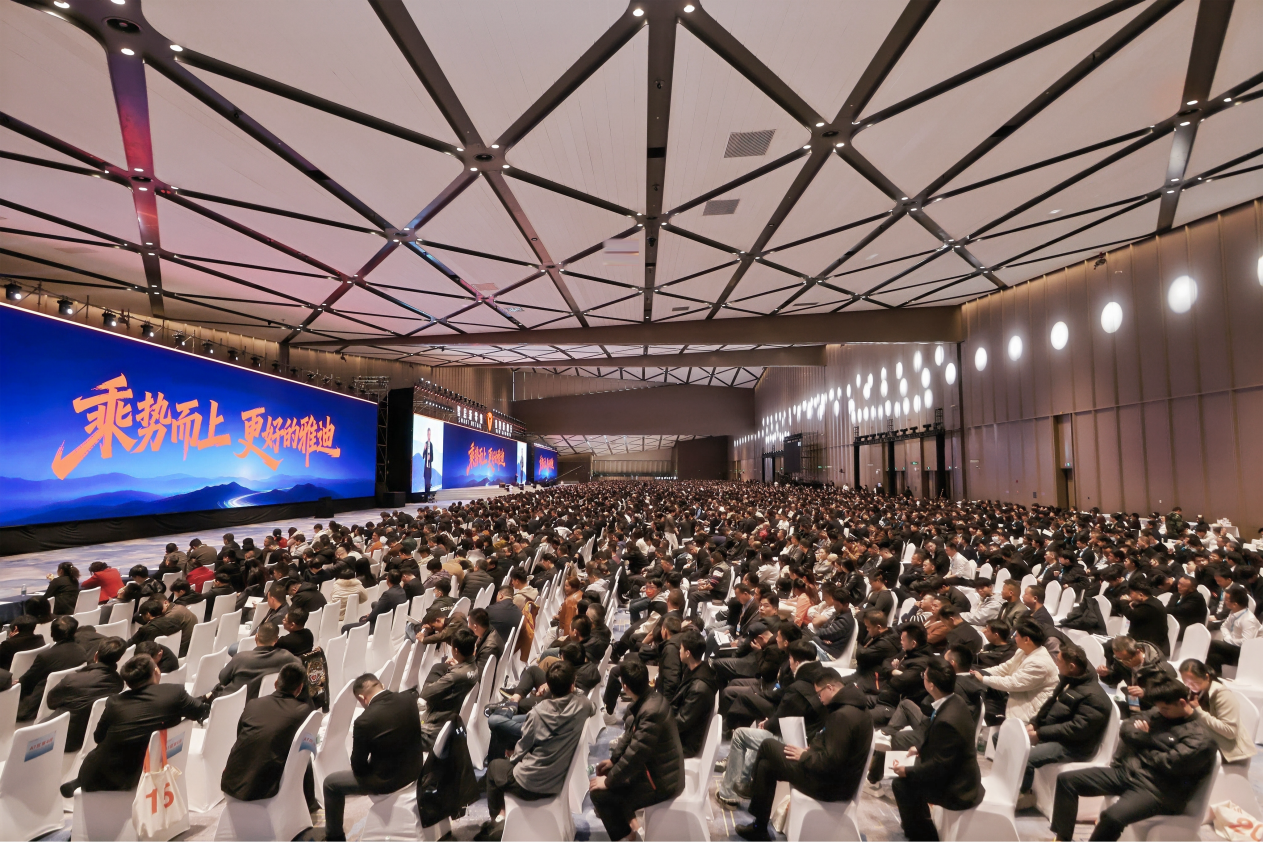
大摩闭门会:邢自强、Laura Wang:2025终盘宏观策略谈
2025-12-16 03:26
各位投资者朋友大家上午好欢迎来到2025年收官的年终的宏观策略谈我们今天关注对26年中国宏观政策的定调 对产业竞争格局和出口的前景还有就是经历了美联储的降息会议和中国的经济工作会议之后现在对于美股欧股和亚洲的股票的资产配置的博弈 今天像往常一样我会来抛砖引玉紧接着我们的首席策略师Laura会讲中美重量级会议之后对全球股市配置的最新看法我的同事郑林会讲刚刚出炉的经济数据对接下来经济工作会议也已经结束了12月到一季度之间几个政策抓手的时间顺序的想法 刚刚公布的数据反映出来的四季度的一些倾向可能让这种前置有了迫切感但这个前置更多的还是投向了基建比如说城市更新地下管网改造绿色转型的储能电网以及一些跟AI算力中心相关的公共开支领域 那么当然到了一年之中的六到九月份之间如果上半年的形势演绎从地产到物价到就业有进一步的情况的出现像刚才我们讲到的形势比人强也可能会追加相当于GDP0.5个点的新增的裁定空间我觉得现在国务院以及决策层是有这方面的灵活性进行相继抉择的 同样我们也考虑到当前整个中国经济打破通缩到足且长但是产业竞争的亮点是不乏的所以我们的亚洲经济学家Derek会来汇报一下我们刚刚出炉的一份深度报告对于中国的产业竞争格 ...
哈啰双线翻车:电动车大规模断服 Robotaxi当街撞人
Xin Lang Ke Ji· 2025-12-15 15:34
Core Viewpoint - The article highlights the issues faced by users of Hello's electric bikes due to the discontinuation of 2G networks, leading to the loss of smart features and raising concerns about consumer rights and company practices [1][8][9]. Group 1: User Experience and Issues - Many users reported their Hello electric bikes experienced "lockout" and "power loss" while riding, which posed safety risks [1][3]. - Hello attributed these issues to the nationwide 2G network shutdown, affecting models using 2G communication chips, and offered limited solutions such as Bluetooth unlocking or paid upgrades to 4G chips [3][5]. - Users expressed frustration over the loss of features that were marketed as part of the "permanent membership," which now only provides basic functionalities [5][6]. Group 2: Company Practices and Consumer Rights - The company continued to release electric bike models using 2G technology despite prior warnings from the Ministry of Industry and Information Technology about phasing out 2G/3G networks [8][9]. - Legal experts indicated that Hello's actions may violate consumer rights, including the right to be informed about the implications of purchasing 2G-based products [9][10]. - The company’s failure to disclose the potential impact of the 2G shutdown on the smart features of their bikes raises questions about transparency and consumer trust [9][10]. Group 3: Robotaxi Business and Safety Concerns - Hello's Robotaxi service recently faced a serious incident where a vehicle struck pedestrians, raising alarms about the safety of its autonomous driving technology [11][13]. - The CEO had previously claimed that the AI and hardware for Robotaxi were mature, but the accident contradicted this assertion, leading to concerns about the company's operational readiness [11][13]. - The incident marks a significant safety breach in the Robotaxi sector, which has strict safety standards, further complicating Hello's reputation in both the electric bike and autonomous vehicle markets [13].
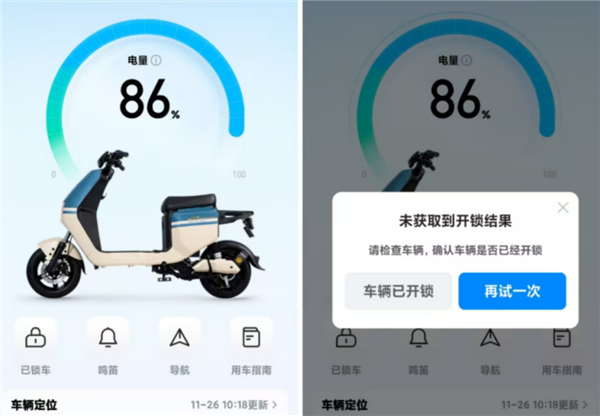
哈啰电动车因“2G网络退网”出现断服 报道称建议用户自费换芯升级
Xi Niu Cai Jing· 2025-12-15 09:33
Core Viewpoint - Users of Hello's electric bikes have reported the loss of features such as remote location tracking and battery monitoring, with incidents of sudden power loss while riding, raising safety concerns [2] Group 1: User Feedback and Issues - A significant number of Hello electric bike users have experienced the disappearance of "permanent member" features, including remote location and battery status [2] - Users have reported incidents of the bikes suddenly "locking up" during rides, which nearly led to accidents [2] - Affected users were not informed at the time of purchase that the bikes operated on 2G communication, and now face the need to pay for upgrades after owning the bikes for over a year [2] Group 2: Company Response and Solutions - Hello attributes the service disruption to the shutdown of 2G networks, affecting models with EB11 and EB20 smart chips, which may lead to issues with locking and unlocking the bikes [2] - The company has proposed two solutions: using Bluetooth to start the lock or purchasing a "4G smart chip" at their own expense [2] - Hello has only committed to refunding the portion of membership fees that does not include the permanent membership for affected users [2] Group 3: Regulatory Context - In August 2020, the Ministry of Industry and Information Technology issued a notice aimed at promoting the migration of 2G/3G IoT services, indicating a shift away from 2G technology [2] - Despite this regulatory push, Hello, which began its electric bike business in July 2020, still has models that rely on 2G networks [2]

特朗普带美国重走“大清老路”,给14亿中国人看了出好戏
Sou Hu Cai Jing· 2025-12-15 08:55
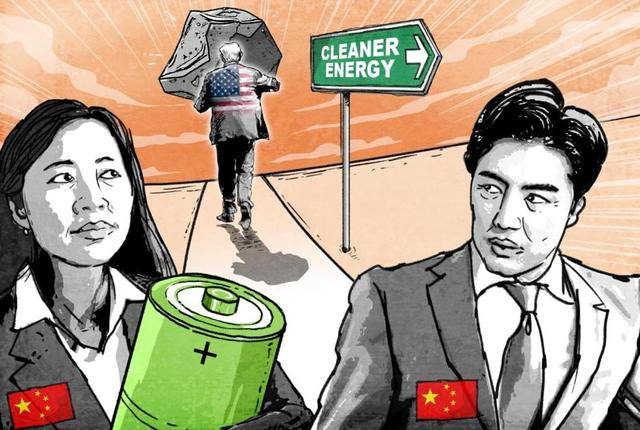
Core Viewpoint - The article critiques the U.S. government's shift away from clean energy policies under the Trump administration, likening it to a historical regression that could jeopardize the country's energy future and global standing in clean technology [1][3][20]. Energy Policy Shift - The Trump administration has publicly reversed the previous encouragement of clean energy, announcing a significant investment in coal and terminating tax incentives for electric vehicles and renewable energy sources [3][5]. - The approval process for wind and solar projects has been centralized at the federal level, leading to delays and increased bureaucratic hurdles for new projects [5][12]. Stability and Supply Concerns - The shift in energy policy raises concerns about the stability of electricity supply, with reports indicating potential severe shortages and increased frequency of power outages in extreme weather conditions [7][9]. - The administration attributes rising electricity prices to renewable energy sources, despite evidence suggesting that clean energy could enhance supply capacity [7][9]. Industry and Global Position - U.S. clean energy companies face challenges due to increased tariffs and barriers, which hinder their competitiveness and long-term planning [9][11]. - The U.S. withdrawal from the green transition could diminish its influence in global energy markets, allowing countries like China to fill the void and advance their own clean energy initiatives [11][20]. Internal Resistance and State-Level Actions - Despite federal policy changes, several states, particularly those leading in energy transition, continue to pursue their own clean energy projects, indicating a disconnect between federal and state-level policies [12][14]. - There is notable dissent within the Republican Party regarding the energy policy, with some members advocating for the continuation of wind energy projects due to their economic benefits [14][16]. Market Dynamics and Future Implications - The declining costs of wind and solar energy mean that many projects can remain profitable without government subsidies, suggesting that market forces may continue to drive clean energy development despite federal opposition [14][16]. - The article emphasizes that the U.S. is at risk of falling behind in the global energy transition, as its policy reversals create uncertainty for businesses and investors [18][20].
首驱科技将在柳州建设华南总部与生产制造基地,总投资15.21亿元
Xin Lang Cai Jing· 2025-12-15 04:20
Core Viewpoint - The company Shouqu Technology is establishing its South China headquarters and manufacturing base in Liudong New District, with a total investment of 1.521 billion yuan, aiming to create a leading benchmark production base for automotive-grade smart two-wheeled electric vehicles [1][1]. Group 1 - Shouqu Technology's project will have an annual production capacity of 1.5 million units [1]. - The investment of 1.521 billion yuan reflects the company's commitment to the smart two-wheeled vehicle sector [1]. - The initiative aims to position Shouqu Technology as a leader in the domestic market for smart two-wheeled electric vehicles [1].
FXSuperOne再获2000台付费预订单
Cai Jing Wang· 2025-12-15 02:37
贾跃亭表示,至此,FX首阶段八大州已攻破六个,提前完成了今年的拓展目标,同时也标志着FX的共 创生态线上直销模式成功拓展到了高端豪华民宿行业,这是FX在B2B2C体系继汽车租赁、FX Par、房 产经纪、MCN、汽车点对点分时共享之后的又一次跨界化反。 12月15日消息,法法创始人、合伙人、首席产品及用户生态官,LeEco乐视创始人贾跃亭发布周报,宣 布FX与佛罗里达州豪华民宿投资运营公司Golden Hill Investment LLC签署2000台FX Super One付费预订 单合同,已收到全部不可退定金,成功打入美国电动车消费大州之一的佛州。 ...