
农产品贸易

Search documents
中美经贸磋商取得积极成果,给世界经济吃下“定心丸”
Di Yi Cai Jing· 2025-10-30 13:39
Group 1: Core Views - The meeting between the leaders of China and the United States in Busan, South Korea, aims to enhance cooperation in economic and trade relations, providing more certainty and stability to bilateral relations and the global economy [1][2] - Both sides' economic teams reached a consensus on key trade issues, emphasizing the importance of maintaining and implementing the agreements made during the leaders' meetings [1][2] Group 2: Achievements from Negotiations - The U.S. will cancel the 10% "fentanyl tariff" on Chinese goods and extend the suspension of the 24% reciprocal tariffs for one year, while China will adjust its countermeasures accordingly [2][3] - The U.S. will suspend the implementation of its 50% export control rule for one year, and China will also pause its related export control measures for the same duration [2][3] - Both sides agreed to suspend the U.S. investigation into maritime, logistics, and shipbuilding industries for one year, with corresponding suspensions of China's countermeasures [2][3] Group 3: Broader Economic Context - The trade relationship between China and the U.S. is viewed as mutually beneficial, with both sides emphasizing the importance of cooperation and dialogue to resolve trade issues [3][4] - China's current account surplus as a percentage of GDP has decreased from 9.9% in 2007 to an estimated 2.2% in 2024, indicating a shift in trade dynamics [4] - China's imports are increasingly aligned with domestic demand, with significant growth in imports from Africa and a focus on diversifying import sources [5][6] Group 4: Future Trade Initiatives - The Chinese government is committed to expanding imports and enhancing trade facilitation, with plans for various trade exhibitions and initiatives to promote exports [6][7] - China's foreign direct investment flow reached $192.2 billion in 2024, marking an 8.4% increase from the previous year, maintaining a strong global investment presence [7][8] - The establishment of a comprehensive overseas service system aims to support Chinese enterprises in their international expansion, addressing the growing demand for high-quality overseas services [8]
中美会晤前,特朗普暗示对华降税,中国企业突然下订,买了三船美国大豆,约18万吨
Sou Hu Cai Jing· 2025-10-30 03:31
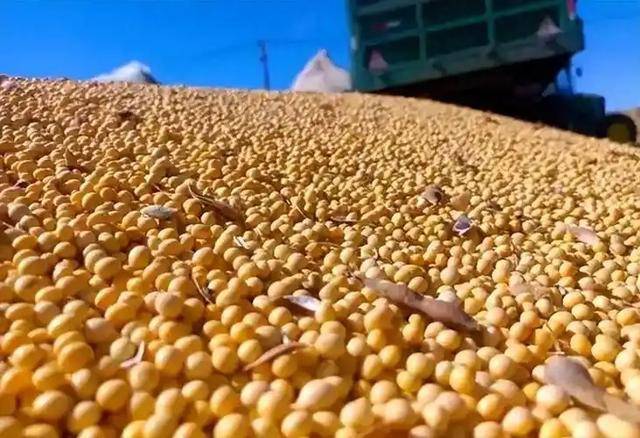
最近,中国企业以约18万吨的大豆订单成功从美国采购了三艘货船,这一行动在全球期货市场引发了巨大波澜。看似 只是一次普通的商业交易,但放在当前中美关系的背景下,这笔订单的背后却藏着深刻的战略意图。 这笔大豆采购并非偶然,而是中美博弈的一部分。美国总统特朗普近期在日韩行程间表示了希望与中国展开更为友好 的合作,甚至涉及到降低对华施加的一些关税。这一信号,无疑是为了在即将到来的高峰会谈中寻求更多的谈判筹 码。而对于中国来说,此次大豆采购不仅能缓解国内供需问题,也是一种强有力的市场信号,向外界展示出中国在贸 易中的主动权。 根据路透社的报道,这笔订单标志着中国自贸战以来再次对美国农业进行了一定程度的支持。这不仅为中西部农民带 来了希望,也为特朗普提供了一个积极的经济故事,以改善其选票基础。美国农民历来是特朗普的重要支持群体,任 何回暖的迹象都能直接转化为政治资本。 中美领导人的会晤及其伴随而来的政策松动,让我们看到中美关系正在缓慢恢复轨道。在这样的背景下,中国的订单 不仅仅是为了满足市场需求,更像是一种战略布局。通过显著的大豆进口,中国用实际行动向美国释放了"我们在乎合 作"的信号。 然而我们不能忽略这笔采购可能代表 ...

“银行+期货+订单”模式助力生猪产业风险管理
Qi Huo Ri Bao Wang· 2025-10-30 00:49
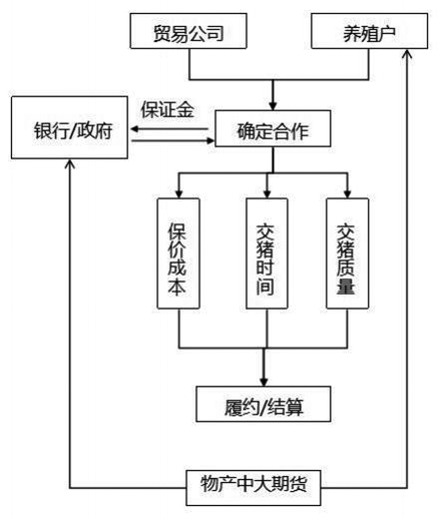
Group 1: Project Background - Wuchan Zhongda Futures Co., Ltd. was established in September 1993 in Hangzhou and is a core member of the Fortune Global 500 Wuchan Zhongda Group, with a registered capital of 600 million yuan [1] - Jiayue Wuchan Group Co., Ltd. was founded in 2017 with a registered capital of 10.5 million yuan, focusing on creating value in the bulk commodity industry, including energy chemicals and agricultural products [1] - Guangfa Bank, established in 1988 with a registered capital of approximately 21.79 billion yuan, is one of the first national joint-stock commercial banks in China and ranked 59th in the Banker’s Global 1000 Banks in 2023 [1] Group 2: Market Context and Challenges - The volatility of prices for bulk commodities, such as agricultural products, poses significant risks to producers and related enterprises [2] - The pig farming industry is a crucial part of China's agriculture, facing severe price fluctuations that impact farmers' income stability and production motivation [2][3] Group 3: Service Model and Implementation - The "Bank + Futures + Orders" service model integrates bank credit, futures risk hedging, and bulk commodity trading to provide comprehensive risk management for pig farmers [4] - This model includes direct contracts with farmers to stabilize pricing and mitigate risks associated with market price fluctuations [4] - Guangfa Bank provides credit support to help farmers address funding issues, while futures companies offer market analysis and tailored hedging strategies [4] Group 4: Project Outcomes - The "Bank + Futures + Orders" model has successfully stabilized income for participating farmers, ensuring a minimum income of 100,000 yuan, which has restored their confidence in farming [8] - Jiayue Wuchan has gained significant profits through structured income and basis trading, enhancing its control over the supply chain [8] - Guangfa Bank has successfully launched agricultural loans, optimizing its credit structure and enhancing its brand image and social influence [9] Group 5: Innovation and Replicability - The model represents an innovative approach in agricultural finance, creating a closed-loop operation that integrates bank financing, futures hedging, and order stabilization [9] - It has strong replicability potential for other agricultural products and bulk commodity industries, allowing for localized adaptations based on regional characteristics and financial ecosystems [9][10] Group 6: Industry Insights - The project emphasizes the need for deep integration among financial institutions, futures companies, and enterprises to build a risk-sharing and benefit-sharing ecosystem [10] - It highlights the importance of leveraging the core functions of the futures market for price discovery and risk management, supported by financial technology [10]
中美高层会晤前,中国被曝给了美国想要的,特朗普也宣布对华降税
Sou Hu Cai Jing· 2025-10-30 00:48
在最近的国际贸易舞台上,大豆这一看似不起眼的作物,却以其独特的"温度计"角色,反映出中美两国之间日益复杂的经济关系。10月28日报道,中 国中粮集团宣布购买了约18万吨美国大豆,尽管这一数字并不算庞大,但它背后所传递的信号却十分重要。这一采购发生在即将举行的中美领导人峰 会前夕,市场反应热烈,芝加哥大豆期货价格瞬间飙升至15个月来的高点。这种现象不仅显示了大豆作为全球贸易一部分的重要性,也揭示了中美之 间深厚的经济联系及其潜在的发展方向。 在这场博弈中,中方的策略极具深意。通过适时的采购,展示出中国愿意进行建设性对话的态度,并希望以此换取更多的利益。在特朗普急需政治成 果以稳固其基础的情况下,大豆成为了一种有效的谈判工具。在10月29日,特朗普公开表示预计会下调关税,并提到与中国在芬太尼问题上的合作, 这一言论的背后,显然映射出当前中美贸易谈判的复杂局面。 大豆作为一种战略性商品,其背后隐藏着更为复杂的政治经济关系。中美建交46年来,双边贸易额从1979年的不足25亿美元,迅速增长至2024年的近 6883亿美元,证明了两国经济的高度互补性。然而,经济互补性并不意味着双方没有矛盾,实际上,贸易摩擦的存在就是这 ...
中经评论:我国大豆供应链韧性持续增强
Jing Ji Ri Bao· 2025-10-30 00:08
Core Viewpoint - China maintains strategic stability in the face of international market fluctuations, ensuring food security and a solid foundation for economic and social development [1] Group 1: Domestic Soybean Supply and Demand - China's soybean consumption exceeds 100 million tons annually, with a low self-sufficiency rate and imports consistently above 80 million tons, primarily from Brazil, the U.S., and Argentina [1] - The country is actively diversifying import channels and enhancing domestic production to mitigate structural risks associated with soybean supply [2][3] Group 2: Strategic Initiatives - China has expanded its soybean import sources to include emerging markets like Russia and Ethiopia, reducing reliance on single suppliers and enhancing market resilience [2] - The establishment of sufficient soybean reserves acts as a stabilizing force in the market, allowing for strategic responses to price fluctuations and supply disruptions [2] Group 3: Domestic Production Enhancement - China's soybean production has exceeded 20 million tons for three consecutive years, with a projected increase in self-sufficiency by 4 percentage points by 2024 compared to 2020 [3] - The increase in domestic production is expected to alter international market expectations regarding China's soybean import demand, potentially leading to downward pressure on international prices [3] Group 4: Feed and Protein Supply Chain - The demand for soybean meal, a key protein source for livestock, is rising due to expanding farming scales, making it a significant factor in soybean imports [4] - China is implementing measures to reduce reliance on imported soybeans by promoting low-protein diets and exploring alternative protein sources, thereby enhancing the resilience of the protein supply chain [4]
特朗普扛不住了?美国豆农迎来“救命单”!中国一出手就是18万吨
Sou Hu Cai Jing· 2025-10-29 22:06
Core Viewpoint - The recent order of 180,000 tons of U.S. soybeans by China highlights the ongoing trade dynamics between the two countries, prompting the Trump administration to consider lowering tariffs on Chinese products in response to the needs of American farmers [1][9]. Group 1: U.S. Agricultural Sector Challenges - U.S. farmers are facing significant challenges with a surplus of soybeans due to reduced purchases from China, which has been the largest buyer [3][8]. - The U.S. Department of Agriculture reported a sharp decline in soybean exports to China in Q3 2023, exacerbated by the trade tensions [3]. - Farmers are pressuring the White House to engage more effectively with China to alleviate their financial burdens [6]. Group 2: Trade Policy Adjustments - Following the soybean order, Trump indicated a potential reduction in the 20% tariff on Chinese fentanyl products, reflecting a reactive trade policy [9]. - Analysts suggest that Trump's decision is influenced by commitments made during recent trade talks, domestic inflation concerns, and the need to secure votes from agricultural states ahead of the 2024 elections [11]. Group 3: China's Strategic Positioning - China's soybean procurement is driven by market logic, as U.S. soybean prices have become more competitive compared to Brazilian soybeans due to inventory pressures [14]. - The strategy of diversifying soybean sources has allowed China to maintain leverage in trade negotiations [16]. - Over the past decade, China has developed a diversified soybean supply chain, with imports from Brazil rising to 65% in the first three quarters of 2023 [18]. Group 4: Global Trade Dynamics - The recent developments in soybean trade signal a shift in global agricultural trade from a U.S.-dominated model to a more diversified approach [21][23]. - The trade war has prompted China to explore multiple sourcing options, leading to Brazil becoming the largest soybean exporter globally [21]. - The transition towards a multi-polar trade system is reshaping international trade rules, with China actively building a global supply network [23]. Conclusion - The 180,000-ton soybean order serves as a reflection of the shifting balance of power between China and the U.S., with China gaining strategic advantages through long-term planning while the U.S. faces short-term political pressures [25].
对抗态度发生转变,加征关税有望取消,美国推动对巴西贸易新战略
Huan Qiu Shi Bao· 2025-10-28 22:32
Core Points - The meeting between Brazil and the U.S. representatives in Malaysia focused on the issue of tariffs imposed by the U.S. on Brazilian products, following a meeting between Presidents Lula and Trump [1][2] - The U.S. has recently imposed a 40% tariff on Brazilian imports, with many products facing a total tariff rate of 50% [1] - Both leaders expressed optimism about reaching a new trade agreement, with discussions on various sectors and key minerals [2][4] Summary by Sections Tariff Discussions - The U.S. has implemented a 40% tariff on Brazilian imports, with a significant portion facing a 50% tariff rate [1] - Trump and Lula's meeting has led to speculation about a potential reduction or elimination of these tariffs [1][2] Political Context - Trump's previous demands for Lula to halt judicial investigations into former President Bolsonaro were seen as a factor in the tariff imposition [1] - Lula has maintained that Brazil's judicial independence is non-negotiable [1] Future Negotiations - Brazilian Foreign Minister Vieira expressed hope for completing bilateral negotiations within weeks, discussing all sectors and key minerals [2] - Lula's priority includes negotiating the lifting of U.S. sanctions on Brazilian officials [2] Economic Interests - The U.S. is particularly interested in Brazil's mineral resources, especially in light of recent supply chain disruptions from China [3][4] - The high prices of Brazilian meat and coffee due to tariffs have influenced Trump's shift in attitude towards Brazil [3]
偷鸡不成蚀把米!巴西大豆坐地起价想卡中国脖子,今库存堆成山
Sou Hu Cai Jing· 2025-10-28 11:24
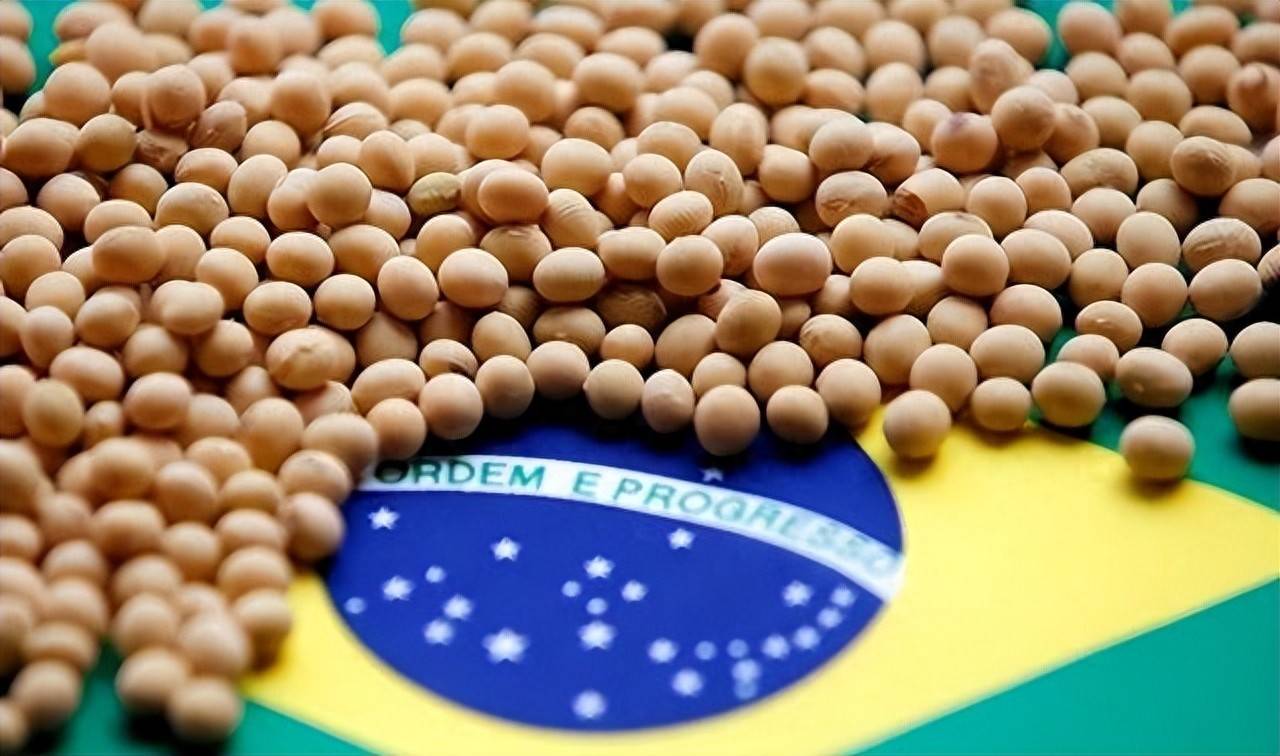
就在中美贸易争端最激烈的时候,巴西就趁着这波市场格局变动的机会,巴西大豆开始疯狂涨价,想要借此 卡中国的脖子,没想到我们早就预料到了这一点! 巴西大豆疯狂涨价 之前美国一直都是中国最大的大豆卖家,我们每年都会从美国进口大量的大豆,但是随着中美爆发了贸易摩 擦之后,我国就暂停了从美国进口大豆。 而这无疑给了巴西大豆市场一个绝佳的机会,慢慢的,中国将进口的重心转向了巴西,2025年前九个月,中 国一共进口了8619万吨大豆,其中有6370万吨大豆都来自巴西,占比高达74%。 中国作为世界上最大的大豆消费国和进口国,不知道有多少国家想要和中国做大豆生意,而我国也确实常年 需要进口大豆来满足国内食用油以及饲料的生产需求。 自从中美贸易关系出现裂痕之后,我国就不再从美国购买大豆,反而将目光转向了巴西,我国将很多份额都 分给了巴西,可是巴西似乎没有抓住这波机会。 可以说,如果巴西抓住这个机会,不说赚的盆满钵满,但是绝对可以给巴西带来不菲的经济利益,但是偏偏 巴西没有抓住这个机会。 在巴西人看来,中国每年的大豆缺口这么大,现在又不愿意从美国进口大豆,那么他们将是中国不可或缺的 大豆进口国。 这种"不可替代性"让巴西大豆出口 ...
后悔都来不及,涨价挑衅遭反杀!中国一夜弃巴西改签130万吨大单
Sou Hu Cai Jing· 2025-10-28 08:08
Core Insights - Brazilian soybean exporters raised prices from $565 to $650 per ton, a 22% increase within three weeks, leading to a significant shift in China's purchasing strategy [2][4] - China suspended an 8 million ton procurement plan from Brazil, which accounted for 70% of Brazil's monthly exports to China, and quickly turned to Argentina for 1.3 million tons of soybeans [2][4] - Argentina's cancellation of soybean export taxes and competitive pricing led to a rapid increase in orders from China, filling the gap left by Brazil [2][6] Group 1: Price Dynamics and Market Reactions - Brazilian soybean prices reached a four-year high in October, prompting Chinese buyers to halt purchases due to unprofitability [8] - In September, China imported 5.21 million tons of soybeans from Brazil, a 2.4% year-on-year increase, but quietly reduced procurement by 40% [4][6] - Brazilian exporters faced a dilemma of either lowering prices, which would indicate a misjudgment, or accumulating inventory and risking financial strain [8][12] Group 2: Supply Chain and Strategic Shifts - China's soybean import strategy has diversified, now sourcing from 16 countries, including Argentina and Russia, reducing reliance on Brazil [6][10] - The shift in procurement to Argentina is attributed to better pricing, with Argentine soybeans being $30 to $40 cheaper per ton than Brazilian soybeans [2][6] - China's proactive measures, such as releasing 1.5 million tons of domestic reserves, have stabilized the market amid rising soybean prices [6][10] Group 3: Long-term Implications - The Brazilian Grain Exporters Association has revised its export forecasts downward due to lost orders, indicating a significant impact on Brazil's economy [4][12] - China's strategic partnerships and procurement flexibility highlight a shift towards a more resilient supply chain, reducing vulnerability to price fluctuations [10][12] - The current situation reflects a historical pattern where Brazil's pricing strategies have led to a loss of market share to other suppliers, emphasizing the need for competitive pricing [8][10]
中美经贸谈判追踪:战术性缓和,结构性博弈难改
Guoxin Securities· 2025-10-28 05:12
Group 1: Negotiation Overview - The fifth round of US-China trade talks took place in Kuala Lumpur on October 25-26, focusing on tariffs, export controls, rare earths, and digital economy, with preliminary consensus reached[2] - US Treasury Secretary Mnuchin indicated that the threat of 100% tariffs on Chinese products has diminished, and China is expected to resume soybean purchases and delay rare earth export controls for one year[3] Group 2: Strategic Implications - The negotiations signal a pragmatic approach from both sides, aiming for a balance between core interests and external stability, indicating a potential turning point in US-China trade relations[3] - China’s potential resumption of soybean purchases aligns with seasonal import peaks, with current purchases at only one-third of last year's levels as of September[7] - The US is showing a willingness to ease tensions by delaying extreme measures and extending the tariff suspension period, with a focus on a "fentanyl tariff for soybean purchases" as a negotiation balance point[10] Group 3: Long-term Outlook - Despite short-term improvements, the long-term structural conflicts in US-China relations remain unchanged, with technology continuing to be a core issue[14] - The recent negotiations may boost market risk appetite and support exports, providing a buffer for China's economic transition amid ongoing trade tensions[14]