
制鞋业

Search documents
84岁“鞋王”被儿孙围堵逼宫?一封流传控诉信揭秘家族权斗细节
阿尔法工场研究院· 2025-05-11 10:12
Core Viewpoint - The recent controversy surrounding the leadership of Qindao Double Star, particularly the alleged power struggle involving Wang Hai and his family, has brought the company back into the public eye, raising questions about its governance and future direction [2][3][4]. Group 1: Leadership and Governance Issues - Wang Hai, the 84-year-old president of Qindao Double Star, claims he has been threatened and physically restrained by his son and daughter-in-law in an attempt to seize control of the company [4][6]. - The authenticity of Wang Hai's public letter, which details these allegations, is disputed, with company representatives stating it may be fake [3][4]. - Wang Hai remains a significant figure in the company, despite his family members holding a majority of shares, with his daughter-in-law Xu Ying owning approximately 45.569% [7][15]. Group 2: Company History and Market Position - Qindao Double Star, originally established in 1921, has a rich history in the footwear industry, once dominating the market with thousands of retail outlets [13][14]. - The company has faced challenges in recent years, including a decline in brand relevance and market share, particularly as it caters primarily to older demographics [18]. - The brand's value is reported at 49.2 billion, but specific financial data has not been disclosed, raising concerns about transparency [18]. Group 3: Financial Performance and Challenges - Qingdao Double Star has been struggling financially, with reported losses of approximately 1.76 billion over the past six years, and a cumulative loss exceeding 3 billion in net profit [19]. - The company attributes its financial difficulties to external market competition and ongoing construction of its factory in Cambodia, while competitors have managed to remain profitable [19]. - The company is attempting to alleviate its financial strain through acquisitions, such as the proposed purchase of South Korea's Kumho Tire, which may increase its debt burden [19][20].


84岁“鞋王”疑遭子孙逼宫,百年“双星”不安宁
商业洞察· 2025-05-09 10:55
Core Viewpoint - The article discusses the recent turmoil within Qindao Double Star's management, particularly focusing on the public letter from Wang Hai, the company's president, alleging attempts by his family members to seize control of the company [2][4][8]. Group 1: Power Struggle - Wang Hai, aged 84, claims he was physically threatened and restricted by his son and daughter-in-law in an attempt to force him to relinquish control of the company [2][4][7]. - The authenticity of Wang Hai's letter is disputed, with company representatives stating it may be fake, while his daughter-in-law, Xu Ying, claims they cannot locate him [2][8][9]. - Xu Ying and Wang Jun, Wang Hai's son, have gained significant control over the company, with Xu holding approximately 45.569% of shares, making her the largest shareholder [8][9]. Group 2: Wang Hai's Legacy - Wang Hai is credited with transforming Double Star into a leading brand in the Chinese sports shoe industry, earning the title "Shoe King" [2][15]. - The company has a rich history dating back to 1921, with significant milestones achieved under Wang Hai's leadership, including innovative marketing strategies that propelled the brand to national prominence [15][18]. - Despite his advanced age, Wang Hai remains a central figure in the company, actively participating in its operations and public image [9][19]. Group 3: Challenges Facing Double Star - Double Star's brand value is reported at 49.2 billion, but the company has struggled to maintain its market presence, facing competition from younger brands and a decline in store numbers [22][24]. - The company has also faced operational challenges, including a lack of transparency regarding its financial data and the performance of its real estate ventures [24]. - Qingdao Double Star, the tire business, has reported continuous losses since 2019, with a cumulative loss of approximately 1.76 billion, raising concerns about its future viability [24][25].

红蜻蜓: 2024年年度股东大会资料
Zheng Quan Zhi Xing· 2025-05-09 08:28
Core Viewpoint - The company is preparing for its annual shareholder meeting on May 19, 2025, where various proposals will be discussed, including the appointment of an auditing firm and the review of financial reports for 2024 and 2025 [1][3][4]. Group 1: Meeting Procedures - The meeting will include a registration process for shareholders and a structured agenda to ensure orderly proceedings [1][2]. - Shareholders wishing to speak must register in advance and adhere to time limits during their remarks [2][3]. - Voting will be conducted both in-person and online, with specific guidelines on how to cast votes [2][3]. Group 2: Financial Performance - In 2024, the company reported a revenue of approximately 2.14 billion yuan, a decrease of 13.25% compared to the previous year [8][27]. - The net profit attributable to shareholders was a loss of approximately 70.34 million yuan [8][27]. - The decline in revenue is attributed to changing consumer preferences and external economic conditions [27]. Group 3: Industry Trends - The footwear industry is experiencing a shift towards casual and comfortable styles, driven by consumer demand for functionality and fashion [6][7]. - The rise of direct-to-consumer (DTC) models is enabling brands to engage more effectively with consumers, enhancing brand loyalty and reducing costs [5][6]. - The company aims to leverage technology and cultural elements in product design to meet evolving consumer preferences [7][9]. Group 4: Future Plans - The company plans to implement a flexible supply chain model to adapt to rapid changes in consumer demand and preferences [12][13]. - A focus on enhancing online and offline retail strategies is essential for future growth, with an emphasis on integrating both channels [14][15]. - The company aims to expand its brand portfolio and enhance its market presence by targeting younger consumers and diversifying product offerings [15][16]. Group 5: Governance and Compliance - The board of directors has been actively overseeing company operations, ensuring compliance with relevant laws and regulations [18][19]. - The company has established a robust internal control system to safeguard shareholder interests and maintain operational integrity [24][25]. - The monitoring committee has conducted thorough reviews of financial practices and compliance with fundraising regulations [24][26].

终于明白,90天不是给别国缓冲,而是给美国续命,撕开最后遮羞布
Sou Hu Cai Jing· 2025-05-06 02:11
Group 1 - The U.S. government's tariff policies are causing significant harm to its own economy, with analysts suggesting that these measures are more detrimental than beneficial [1][3] - The U.S. national debt has reached an alarming $10.8 trillion, with interest payments consuming 24% of the federal budget, highlighting the financial strain on the government [3] - The recent tariff policies have led to retaliatory tariffs from other countries, adversely affecting U.S. industries and leading to job losses, particularly in the Midwest [3][7] Group 2 - The 90-day delay in tariff implementation is framed as a grace period for trade partners, but it is actually a desperate measure to buy time for the U.S. government amid a debt crisis [5] - Core inflation in the U.S. has surged to 6.2%, with food prices rising dramatically, indicating a growing cost-of-living crisis for American households [5] - The U.S. is pressuring other countries to increase investments in the U.S. as part of the tariff delay conditions, reflecting a sense of economic desperation [5] Group 3 - China's response to U.S. tariffs, such as halting soybean purchases from the U.S., is significantly impacting American farmers and industries reliant on Chinese imports [7][8] - The trade war has led to increased prices for consumer goods, with examples such as hair products and sports shoes seeing substantial price hikes due to tariffs [7][15] - The ongoing trade conflict is revealing the limitations of the "America First" policy, as the U.S. becomes increasingly dependent on global supply chains [8] Group 4 - The Federal Reserve's interest rate policies are creating tension between the Trump administration and the central bank, with potential implications for inflation and national debt management [9][11] - If interest rates are lowered as requested, inflation could exceed 9%, complicating the government's ability to manage its debt and social welfare programs [11] Group 5 - The impact of tariffs is being felt by ordinary Americans, with rising prices for essential goods leading to financial strain on households [13][15] - The narrative of American workers suffering due to trade policies is underscored by personal stories of increased costs and job losses in various sectors [13][15] Group 6 - The global response to U.S. tariffs includes countries forming new trade agreements and financial systems, indicating a shift towards a multipolar world economy [17][19] - The ongoing globalization trend is emphasized by the growth of cross-border e-commerce, demonstrating that trade is fundamentally about mutual benefit rather than zero-sum competition [19]
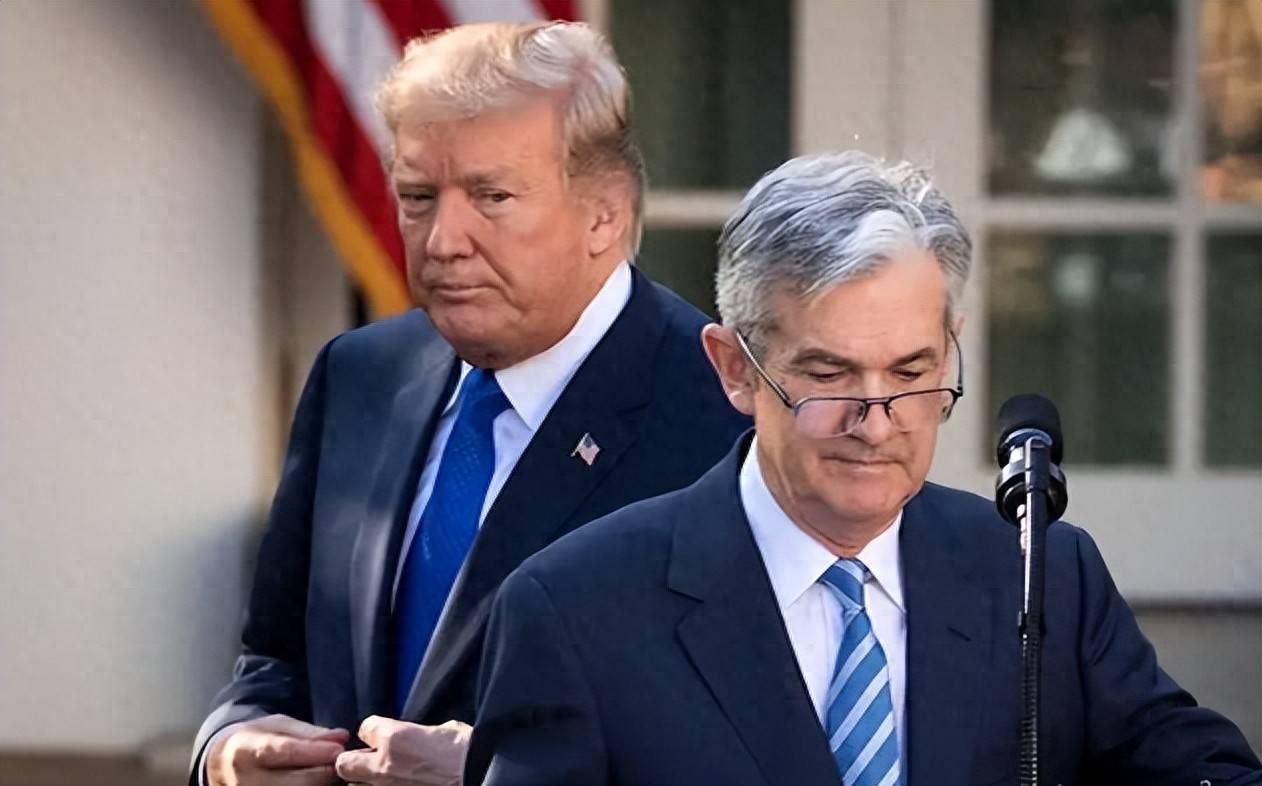
越南工厂恐慌加剧,“客户已开始撤单,再等90天有何用?”
Guan Cha Zhe Wang· 2025-05-04 11:18
Core Viewpoint - The unpredictable tariff policy of President Trump has significantly impacted Vietnam's export industry, creating uncertainty and fear among workers and factory owners [1][2][4]. Group 1: Economic Impact - Vietnam's manufacturing sector has experienced rapid growth over the past 15 years, but the uncertainty surrounding tariffs has weakened its reliance on exports to the U.S. [2][5]. - The average profit margin for factories in Vietnam is only 5%, making them vulnerable to changes in tariff policies [1][5]. - Vietnam's economy has seen an average annual growth rate of around 7% over the past decade, with exports to the U.S. accounting for 30% of total exports and 27% of nominal GDP [5][10]. Group 2: Factory Operations and Employment - Many factories are increasing production to fulfill orders before the end of the 90-day tariff suspension, but some U.S. clients are canceling or delaying orders [1][6]. - Workers are facing job insecurity, with some factories already laying off employees or freezing hiring due to the uncertainty [1][6]. - Companies like Mian Apparel, which employs 12,000 workers, are experiencing pressure from clients to expedite deliveries amid the tariff uncertainty [6][9]. Group 3: Client Relationships and Market Strategy - Clients are beginning to cancel orders, leading to anxiety among factory owners who rely heavily on U.S. customers [6][9]. - Factory owners are exploring alternative markets in the Middle East and Europe to mitigate the impact of U.S. tariffs [9][10]. - The high tariffs could lead to increased prices for American consumers, as factories may need to lower their net profits to remain competitive [11]. Group 4: Specific Industry Insights - Nike produces about 50% of its footwear and 28% of its apparel in Vietnam, while Adidas relies on Vietnam for 39% of its footwear and 18% of its apparel [10]. - The average tariff rate on Vietnamese footwear was previously 13.6%, and for apparel, it was 18.8%, but the new tariffs could increase these rates significantly [10]. - Vietnam is a major supplier for the furniture industry, with 26.5% of U.S. furniture imports coming from Vietnam in 2023 [10].
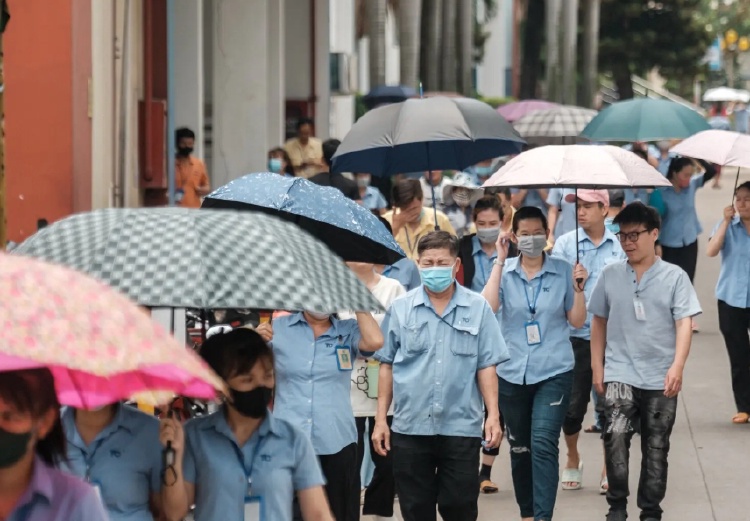
华利集团(300979):25Q1收入增幅亮眼 新厂效率爬坡致毛利率波动
Xin Lang Cai Jing· 2025-05-03 08:46
25Q1 收入增幅亮眼,利润率短暂波动 投资要点 新工厂密集投产,静待效率爬坡带动盈利逐季修复 基于客户订单增长趋势及应对贸易政策风险,2024 年公司在越南投产3 家新工厂、印尼投产1 家新工 厂,2025 年2 月中国新工厂及印尼第2 家新工厂也已开始投产。未来3-5 年,公司在越南、印尼还将新 建多个工厂,储备产能充足。 考虑到新厂通常需要1.5-2 年时间产能爬坡,密集投产可能对短期利润率产生一定影响(当前印尼新工 厂尚未实现盈利),但随着新厂工人熟练度、各部门配合度提升,盈利能力预计持续改善。 2025Q1 实现营业收入53.53 亿元(同比+12.3%),归母净利润7.62 亿元(同比-3.2%),扣非后归母净 利润7.51 亿元(同比-3.4%),净利率14.3%(同比-2.3pp)。收入增长亮眼,盈利能力波动系新工厂仍 处效率爬坡阶段所致。 量价齐增长,新客户订单量同比显著增长 25Q1 运动鞋销量0.49 亿双(同比+8.24%),根据测算,人民币ASP 为108.4 元/双(同比+3.8%)。我 们预计销量增长主要来自ON、Reebok、New Balance、Adidas 等新锐客户增长 ...
华利集团(300979) - 300979华利集团投资者关系管理信息20250430
2025-04-30 11:34
Financial Performance - In Q1 2025, the company achieved revenue of RMB 5.353 billion, a year-on-year increase of 12.34% [2] - Net profit attributable to shareholders was RMB 762 million, a decrease of 3.25% year-on-year [2] - The company sold 49 million pairs of sports shoes in Q1 2025, reflecting an 8.24% year-on-year growth [2] - Gross margin in Q1 2025 decreased by 1.19% compared to Q4 2024, primarily due to the ramp-up of new factory operations [2] - Net margin in Q1 2025 decreased by 1.02% compared to Q4 2024, mainly due to the decline in gross margin [2] Workforce and Production Capacity - As of March 2025, the employee count was approximately 184,000, a 17% increase from March 2024 [2] - The company accelerated the construction and production pace of new factories to meet rising capacity demands [2] - New factories are currently in the efficiency ramp-up phase, impacting overall gross margin [4] Customer and Market Dynamics - Some customers requested priority production and shipment for U.S. orders, but overall shipment schedules remained stable [2][3] - The company has not seen significant changes in customer order patterns compared to previous periods [8] - The average selling price increased due to changes in customer and product mix [9] Future Outlook - The sports shoe industry has significant growth potential, especially in developing countries [5] - The company maintains a multi-client model to adapt to market dynamics and meet diverse customer needs [5] - Future production capacity will expand with new factories in Vietnam and Indonesia, with the latter expected to produce over 60 million pairs annually [6][7] Dividend Policy - The company emphasizes shareholder returns, with cash dividends in 2021 accounting for approximately 89% of net profit [10] - The cash dividend ratio for 2024 is projected to be around 70% of net profit, balancing shareholder interests with capital expenditure needs [10]
华利集团(300979):产能爬坡扰动盈利 新客户放量显著
Xin Lang Cai Jing· 2025-04-30 04:50
Core Viewpoint - The company reported a revenue of 5.35 billion yuan in Q1 2025, reflecting a year-over-year increase of 12.3%, while the net profit attributable to shareholders was 760 million yuan, down 3.3% year-over-year, primarily due to the ramp-up of new factory capacity. The company is expected to benefit from capacity improvements in the future, with new customer acquisition and increased market share from existing clients continuing to strengthen its competitive advantage, maintaining a "buy" rating [1]. Group 1: Financial Performance - In Q1 2025, the company achieved a sales volume of 49 million pairs of sports shoes, up 8.24% year-over-year, with an average price of 109 yuan per pair, an increase of 3.8% year-over-year. The volume growth is attributed to strategic customer expansion with brands like Adidas, New Balance, and On, which is expected to contribute to further growth in Q2 2025 [2]. - The company's net profit margin decreased by 2.3 percentage points year-over-year to 14.2%, and the gross profit margin fell by 5.5 percentage points to 22.9%, mainly due to the initial efficiency ramp-up of the new factory. The workforce increased to 184,000 employees, a rise of 17.0% year-over-year [2]. - The company reported inventory of 3.67 billion yuan, up 12.5% year-over-year, and accounts receivable of 3.31 billion yuan, up 15.3% year-over-year, primarily due to inventory buildup related to factory capacity ramp-up and increased sales collections, resulting in a net cash inflow from operating activities of 1.21 billion yuan, up 12.9% year-over-year [2]. Group 2: Strategic Developments - To meet capacity demands, the company acquired 100% stakes in three Vietnamese footwear companies for 23.038 million yuan, 28.250 million yuan, and 16.113 million yuan, respectively, aimed at optimizing production resources for shoe uppers. These companies will be included in the company's consolidated financial statements starting from Q1 2025, and are expected to enhance production capacity synergy within 1-2 years, thereby increasing the company's market share in global footwear manufacturing [3]. Group 3: Profit Forecast and Valuation - The company maintains its profit forecast for 2025-2027 at 4.32 billion yuan, 4.95 billion yuan, and 5.61 billion yuan, respectively. Based on the average PE ratio of comparable companies at 12.7 times for 2025, and considering the potential for continued customer base expansion and solid industry leadership, a target PE of 21.8 times is assigned for 2025, resulting in a target price of 80.82 yuan, with a "buy" rating maintained [4].
华利集团(300979):第一季度收入增长12% 新厂爬坡拖累毛利率
Xin Lang Cai Jing· 2025-04-30 02:55
部分新客户表现优异销量增长带动收入增长双位数,新厂爬坡拖累毛利率。2025 年第一季度公司实现 营业收入53.53 亿元,同比增长12.3%,主要受阿迪达斯、昂跑、NB 等新客户订单销量增长驱动;归母 净利润7.62 亿元,同比下滑3.2%。毛利率同比下滑5.5 百分点至22.9%,主要受新投产工厂效率爬坡影 响,继2024 年上半年和下半年各投产2 家成品鞋工厂之后,2025年第一季度2 家成品鞋工厂已经投产。 期间费用率同比优化2.0 百分点,其中财务费用率同比下降0.6 百分点至-0.5%,主要受益于汇兑收益增 加,今年Q1 汇兑收益为900 万,去年同期损失1700 万;此外管理费用率同比-1.5百分点至3.7%。在毛 利率承压影响下,营业利润率同比-3.4 百分点至17.6%,归母净利率同比-2.3 百分点至14.2%。 销量保持高个位数快速增长,新老客户结构更加均衡。拆分量价来看,Q1 销售运动鞋0.49 亿双,同比 +8.2%,Asp 约108.4 元人民币,同比+3.8%(美元口径约+2.7%),单价提升预计主要源于高单价品牌 占比提升。分客户看,预计阿迪达斯、昂跑、NB 等新客户订单销量增速 ...