即时零售

Search documents
澳大利亚维多利亚州州长贾辛塔·艾伦议员阁下到访叮咚买菜,开启“澳洲维多利亚州美食节”
2 1 Shi Ji Jing Ji Bao Dao· 2025-09-19 08:04
Core Viewpoint - The visit of Jacinta Allan, the current Premier of Victoria, Australia, to China highlights the collaboration between Dingdong Maicai and the Victorian government to promote high-quality Australian products in the Chinese market [1][2]. Group 1: Company Initiatives - Dingdong Maicai has established an "Australia Direct" channel on its app to focus on sourcing unique Australian food and beverages, including fresh fruits, dairy products, meat, and seafood [2]. - The company has introduced over 200 high-quality Australian products on its app, with rapid sales growth, and plans to enhance direct sourcing and customized product development [3]. Group 2: Market Opportunities - The launch of the "Victoria Food Festival" on September 17 features over 40 products from Victoria, providing consumers with access to authentic Australian cuisine [2]. - Consumers in China can receive premium products such as Wagyu beef, Cara Cara oranges, and various ice creams within half an hour of ordering through the Dingdong Maicai app [2]. Group 3: Government Support - Premier Jacinta Allan praised Dingdong Maicai as an ideal platform for showcasing Victorian food products in China, emphasizing the mutual benefits for both Chinese consumers and Victorian farmers and producers [1].

开一家综合类闪电仓,需要投资多少钱?
3 6 Ke· 2025-09-19 05:54
Core Insights - The rapid growth of instant retail has made lightning warehouses a popular choice for entrepreneurs, with a focus on efficient delivery within 30 minutes to 1 hour [1] - A comprehensive cost structure for opening a lightning warehouse has been outlined to provide clear guidance for potential franchisees [1] Cost Structure - Initial fixed costs include franchise fees and deposits, with franchise fees typically ranging from 39,800 to 69,800 yuan, and annual fees between 12,000 to 15,000 yuan for some brands [2] - The first batch of inventory procurement represents the largest portion of the investment, with costs ranging from 200,000 to 450,000 yuan depending on the scale and type of inventory [3] - Rental and hardware costs are relatively controllable, with initial rental expenses typically between 40,000 to 100,000 yuan, and hardware costs around 50,000 to 100,000 yuan [4] - Labor and operational costs are stable initially but may adjust based on order volume, with initial personnel costs around 70,000 yuan for a typical setup [5] - Additional miscellaneous expenses and risk reserves are necessary, with miscellaneous costs estimated at 50,000 to 80,000 yuan and risk reserves suggested at 50,000 to 100,000 yuan [7] Investment Range and Payback Period - The total investment for a lightning warehouse varies: approximately 450,000 yuan for a basic version, 600,000 to 800,000 yuan for a standard version, and around 900,000 yuan for a premium version [9] - The average payback period is between 10 to 18 months, with some stores achieving payback in 7 to 8 months, while others may take up to 2 years [9]
中国互联网行业_即时零售月度报告_企稳迹象-China Internet Sector_ Quick commerce monthly_ Signs of stabilization
2025-09-18 13:09
Summary of Key Points from the Conference Call Industry Overview - **Industry**: China's Quick Commerce Sector, including food delivery and InstaShopping [2][3] Core Insights and Arguments - **Sector Volume Growth**: The sector has shown a steady year-over-year growth momentum, with total time spent on rider apps as a proxy for order volume. Growth accelerated from 18% in Q2 to 37% in early September [3][9]. - **Competition Dynamics**: - Meituan holds the largest market share at 65%, followed by Eleme at 25% and JD at 10% as of August. This trend shows signs of stabilization into early September [4][13]. - JD's weekly Daily Active Users (DAU) growth is the fastest at 34% YoY, while Meituan and Alibaba grew by 2% and 15% respectively [48]. - **Rider and Merchant Competition**: - The share of third-party (3P) riders has increased significantly, indicating a shift in rider dynamics. The proportion of 3P riders has risen from 80% to 91% [5][21]. - Eleme is catching up with Meituan in terms of first-party (1P) rider DAU, which has nearly doubled for Eleme while Meituan's has remained steady [5][31]. - Merchant overlap is increasing, with Eleme targeting to grow its merchant supply from 60% to 80% of Meituan's level by year-end [38]. Additional Important Insights - **Stock Recommendations**: - Preference for Alibaba (BABA) over JD and Meituan due to its strong core performance and potential for long-term value creation [6][54]. - JD is viewed as having an attractive near-term risk/reward profile, while Meituan is seen as relatively passive in competition [8][54]. - **Market Strategy**: - Platforms are expected to focus on improving efficiency and retaining users in preparation for the Double 11 shopping festival [12][53]. - The competitive landscape is evolving, with platforms likely to emphasize service differentiation and operational efficiency amid regulatory scrutiny [53]. Risks and Challenges - **Key Risks**: - The evolving competitive landscape, fast-moving technology trends, and regulatory changes pose significant risks to the sector [57][58][59][60]. - For Alibaba, risks include regulatory changes and competitive pressure from offline retailers [58]. - JD faces challenges related to profitability visibility and competition [59]. - Meituan's risks include heavy investment pressures and potential growth slowdowns [60]. This summary encapsulates the critical insights and trends discussed in the conference call, providing a comprehensive overview of the current state and future outlook of the quick commerce sector in China.
13元让打工人吃饱,朴朴想抢外卖生意
3 6 Ke· 2025-09-18 11:27
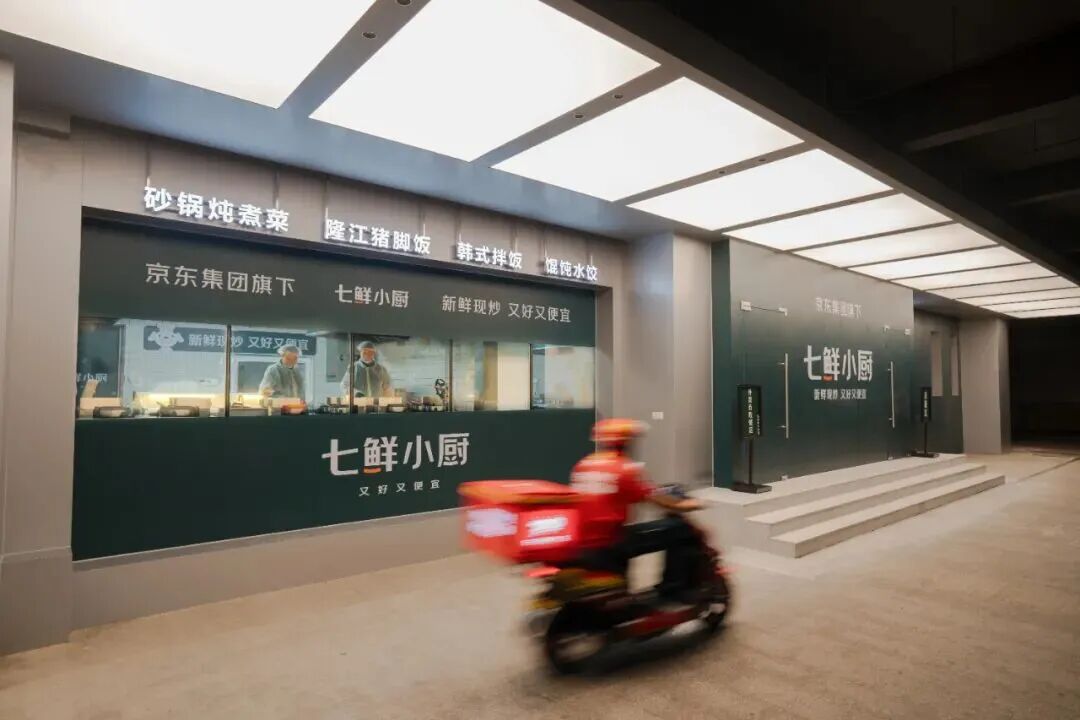
Core Insights - The takeaway from the article is that the food delivery industry is becoming increasingly competitive, with Pupu Supermarket quietly launching its delivery service "Pupu Kitchen" in Fuzhou, targeting young consumers' meal needs amidst a challenging restaurant environment [2][3][15]. Company Overview - Pupu Kitchen has launched its delivery service in a limited area around its headquarters in Fuzhou, focusing on a small-scale test [2][3]. - The service offers a variety of food options, including Chinese and Western fast food, coffee, and tea, with prices aimed at being affordable for young consumers [5][6]. - Pupu Kitchen emphasizes food safety and quality, promoting a "transparent kitchen" concept and using fresh ingredients [10][17]. Market Context - The food delivery market in China is growing, with online food delivery users expected to reach 592 million by December 2024, representing 53.4% of internet users [9]. - A significant portion of this market consists of young professionals aged 25-35, who prefer delivery for convenience [9][10]. - The rise of "ghost kitchens" and food safety concerns have created challenges for the industry, prompting new entrants like Pupu Kitchen to address these issues directly [9][10]. Competitive Landscape - Pupu Kitchen is entering a competitive space alongside established players like Meituan and JD, which have also launched their own delivery services targeting similar demographics [7][8][15]. - The competition is intensifying as major players invest heavily in expanding their delivery networks, with Meituan planning to open 1,200 "Raccoon Canteens" and JD aiming for over 10,000 "Seven Fresh Kitchens" [14][15]. - Pupu's strategy to enter the delivery market is seen as a way to maintain market share and leverage its existing supply chain and delivery resources [16][17]. Future Outlook - The article suggests that the food delivery sector will continue to evolve, with ongoing competition and the need for companies to innovate in order to capture consumer interest [15][19].

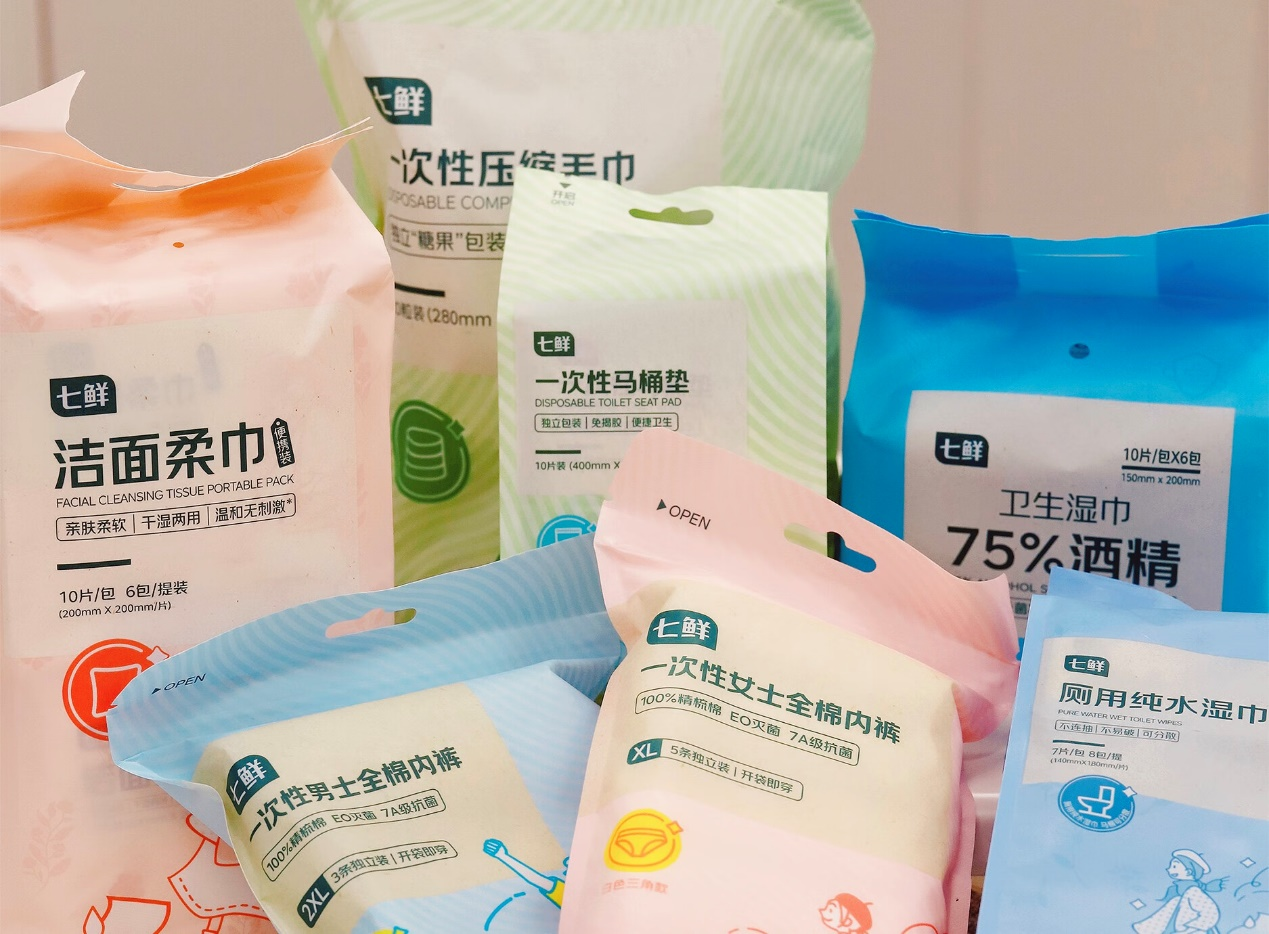
国庆出游宝藏清单来了! 京东七鲜自有品牌一次性好物给背包“减负”
Zhong Jin Zai Xian· 2025-09-17 09:16
Core Insights - JD Qixian is launching a series of high-cost performance private label daily necessities themed around travel, including disposable compressed towels, portable alcohol wipes, and toilet seat covers, to meet consumer demand for convenience and hygiene during the upcoming National Day holiday [1][3] Product Development and Strategy - JD Qixian has established the 17th of each month as "Qixian Brand Day" to regularly offer high-quality private label products and exclusive benefits to consumers [3] - The company has developed over 50 private label products in categories such as paper cleaning, clothing care, and kitchen supplies, reinforcing its commitment to providing "good quality at low prices" [3][5] - The production of these products involves strict control over raw materials and manufacturing processes, with partnerships with industry-standard-setting factories and the use of advanced sterilization techniques [3][5] Consumer Engagement and Market Performance - In August, over one-third of users who purchased JD Qixian's private label products opted for daily necessities, with paper cleaning products seeing a significant sales increase of 257% since January and a 30% rise in user numbers [5] - New food products introduced during the brand day include various health-oriented items, such as fermented milk with Madagascar vanilla and 100% non-concentrated pomegranate juice, reflecting the company's focus on clean ingredients and consumer health [5][7] Marketing and Promotion - On September 17, the brand day featured offline tasting events in multiple stores in Beijing and Tianjin, enhancing consumer engagement and experience [7] - The brand day initiative aims to deepen the connection between JD Qixian and consumers, promoting the idea of "good, fast, and cheap" products and services [9]
平台创新、品牌破局、小店逆袭 多元主体协同发力 效率与体验驱动 上海引领即时零售“下半场”
Jie Fang Ri Bao· 2025-09-17 01:45
Core Insights - The "delivery battle" in Shanghai is intensifying as various companies, from international brands to local supermarkets, compete in the "half-hour delivery" segment, focusing on the "last mile" of urban consumption [1] - With the decline of traffic bonuses and subsidies, industry players are shifting from user acquisition to enhancing internal capabilities, leading to a new phase of competition driven by efficiency and experience [1][8] Industry Dynamics - JD.com is systematically expanding its local life services in Shanghai, leveraging its partnership with Dada Group to create a comprehensive instant service system covering various consumer needs [2][3] - Dada Group has reported continuous profitability for six consecutive quarters, showcasing its ability to differentiate itself in a competitive market [2] - The collaboration between major platforms and local businesses has resulted in a diverse ecosystem, with companies like Dingdong Maicai and Hema innovating to meet consumer demands [3] Model Innovation - International brands are exploring new consumer scenarios through instant retail, with companies like Tmall and Nike integrating their physical stores with delivery platforms to enhance customer experience [4][5] - Philips has successfully integrated its products with festive gifting scenarios, achieving significant sales growth during special occasions [6] Market Growth - The instant retail sector in Shanghai is thriving due to the collaboration of various stakeholders, including international brands, retail giants, and small businesses, contributing to a vibrant industry ecosystem [7] - The Ministry of Commerce's report predicts that the instant retail market will exceed 2 trillion yuan by 2030, indicating robust growth potential [8]


美团-W(03690.HK)25Q2业绩点评:短期即时零售竞争压制利润 观察后续竞争节奏和新业务进展
Ge Long Hui· 2025-09-15 20:34
Core Viewpoint - The company reported a significant decline in adjusted net profit and gross margin due to intense competition in the instant retail sector, while new business revenues continue to grow but are impacted by overseas expansion losses [1][2][3] Financial Performance - In Q2 2025, the company achieved revenue of 91.84 billion yuan, a year-over-year increase of 11.7% and a quarter-over-quarter increase of 6.1% [1] - The gross margin was 33.1%, down from 41.2% in the same period last year [2] - Adjusted net profit was 1.49 billion yuan, representing a year-over-year decrease of 89.0% [1][2] - The adjusted profit margin was 1.6%, down 14.9 percentage points year-over-year and 11 percentage points quarter-over-quarter [1][2] Business Segments - Core local business revenue reached 65.35 billion yuan, up 7.7% year-over-year, with delivery revenue at 23.66 billion yuan (up 2.8% year-over-year) and commission revenue at 24.95 billion yuan (up 12.9% year-over-year) [1] - New business revenue was 26.49 billion yuan, a year-over-year increase of 22.8%, but incurred a loss of 1.88 billion yuan due to overseas expansion [1][3] Competitive Landscape - Intense competition in instant retail is squeezing the company's profits, with significant increases in delivery subsidies, rider costs, and user subsidies [2] - The company’s operating profit is under pressure due to the competitive landscape, which is influenced by competitors' strategies [2] Growth Prospects - The company is expanding its new business segments, with strong growth in instant retail and plans for further expansion in both domestic and international markets [3] - The company has established over 50,000 flash warehouses nationwide and is exploring new delivery models [3] Investment Outlook - Revenue forecasts for 2025-2027 have been adjusted to 374 billion, 427.7 billion, and 489.5 billion yuan respectively, with a projected net profit of -10.2 billion, 15.8 billion, and 38.5 billion yuan [3] - The target market capitalization for 2025 is set at 712.9 billion yuan, with a target price of 127.93 HKD [3]

必须终结“补贴内耗”回归比品质比服务|外卖大战,战而不休为哪般?
Xin Hua Wang· 2025-09-15 03:23
Core Insights - The article highlights the challenges faced by the food delivery industry, particularly the struggle between maintaining customer flow and achieving profitability, leading to a "loss-making for visibility" dilemma for many businesses [1] - It emphasizes the need for a fundamental shift in the competitive logic of the industry from "price competition" to "quality and service competition" to escape the cycle of low prices, low quality, and low profits [1][2] Industry Challenges - A restaurant in Yichang, Hubei, received 4,158 orders in June, generating over 160,000 yuan in revenue, but incurred losses exceeding 10,000 yuan after costs [1] - Consumers may enjoy low prices in the short term, but could face risks such as declining service quality and increased food safety concerns in the long run [1] - Delivery riders are experiencing increased workloads and safety risks due to a surge in orders, despite a rise in average daily income [1] Proposed Solutions - The article suggests that the industry must focus on creating value through quality and service rather than relying on subsidies [2] - Platforms should shift their focus from "subsidy competition" to technological innovation and service quality optimization [1] - Examples include Meituan using AI-driven solutions to enhance operational efficiency for restaurants and JD.com providing social insurance and professional training for delivery riders [1] Future Outlook - A transition towards a high-quality development model is necessary for the food delivery industry and the broader instant retail sector, promoting a sustainable and healthy future [2]
重回线下重回线下重回线下!零售行业再次站在了1999年 | 巴伦精选
Tai Mei Ti A P P· 2025-09-12 10:06
Core Insights - The recent financial reports from Alibaba, Meituan, and JD.com reveal a common trend of increased revenue without corresponding profit growth, primarily due to surging delivery subsidy costs [1][2] - The external environment, including the return of students to school and a shift in summer consumption patterns, has led to a decline in delivery order volumes from peak levels [1] - Regulatory bodies are taking steps to curb unfair competition and excessive subsidies in the food delivery sector, indicating a potential end to the current price war [1] Group 1: Market Dynamics - The food delivery market is largely a saturated market, where user order frequency has natural limits, making the competition more about reallocating existing market share rather than expanding it [2] - The global average net profit margin for the food delivery industry is only 2.2%, with Meituan projected to achieve 2.8% in 2024, highlighting the low profitability of the sector [2] - Companies are investing heavily in the food delivery market not for immediate profits but to leverage high-frequency demand as a traffic entry point for other services [2][3] Group 2: Competitive Strategies - Meituan's strategy focuses on broadening its service offerings to connect with users' daily lives, while JD.com emphasizes building a robust supply chain to support its food delivery services [6][7] - JD.com launched its self-operated brand "Qixian Xiaochu" to ensure quality control and aims to establish 10,000 locations within three years, indicating a long-term vision for its food delivery business [7][8] - Alibaba's approach is to integrate its various platforms, including Ele.me and Taobao, to create a comprehensive consumption ecosystem, thus defending its core e-commerce business while expanding into food delivery [8][9] Group 3: Key Battles - The three companies have engaged in significant battles over riders, subsidies, and product categories in the past six months, with each focusing on different aspects of the market [9][10] - The rider battle has intensified as companies seek to enhance their delivery infrastructure, which is crucial for competing effectively in a saturated market [10] - The subsidy war is driven by the need to cultivate user habits in a rapidly growing instant retail market, where the network effects are still forming [11][12] Group 4: Future Trends - The future of retail is shifting towards instant retail, with companies looking to leverage their delivery capabilities to connect users with a wide range of products [13][14] - The integration of offline and online retail is expected to reshape the competitive landscape, with companies like Alibaba and JD.com exploring synergies between their platforms [12][19] - Innovations such as AR technology and data analytics are anticipated to enhance the offline shopping experience, potentially marking a new era in retail [19][20]
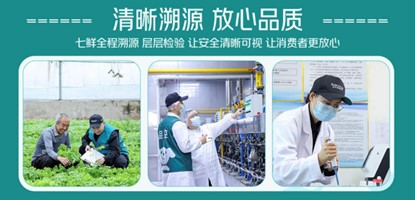
2025全国食品安全宣传周启动 京东七鲜上线“全程溯源”守护食品安全
Zhong Jin Zai Xian· 2025-09-12 00:56
Core Viewpoint - The launch of the "Food Safety Quality Full Traceability" system by JD Qixian aims to enhance food safety transparency and consumer trust by providing a comprehensive view of the supply chain from production to retail [1][5]. Group 1: System Features - The "Food Safety Quality Full Traceability" system allows consumers to easily access key food safety information, including supplier qualifications, product testing reports, logistics information, and store inspection results [1][3]. - The system covers six major circulation links, ensuring complete tracking from production to sales, thus providing an "end-to-end" safety guarantee [3][5]. Group 2: Product Offerings - JD Qixian has launched dozens of fresh products that support "full traceability," including various categories such as meat, seafood, vegetables, and fruits [3]. - The "Clean Ingredients" product line, introduced in 2024, has expanded from 193 to nearly 500 products, adhering to strict standards such as no artificial additives and no trans fats [5][7]. Group 3: Market Response - A significant 72% of consumers frequently check food ingredient labels, with younger consumers particularly focused on this aspect [7]. - The "Clean Ingredients" series has seen a 130% year-on-year increase in online sales over the past two months, prompting other players in the instant retail industry to follow suit [7]. Group 4: Industry Impact - JD Qixian's initiatives set a new benchmark for food safety management in the instant retail sector, providing reusable solutions that align with the goals of the 2025 Food Safety Publicity Week [7].