快餐

Search documents
快餐帝国发布中期业绩 股东应占亏损103.4万坡元 同比盈转亏
Zhi Tong Cai Jing· 2025-11-28 11:32
Group 1 - The company reported revenue of 16.179 million Singapore dollars for the six months ending September 30, 2025, representing a year-on-year increase of 11.47% [1] - The company recorded a loss attributable to equity holders of 1.034 million Singapore dollars, marking a shift from profit to loss compared to the previous year [1] - The basic loss per share was 0.12 Singapore cents [1]
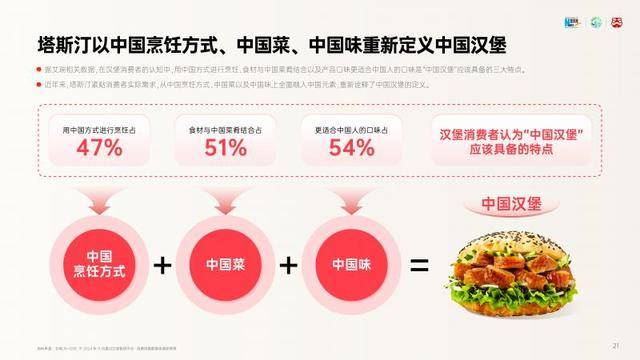
深耕中国味,讲好中国故事:塔斯汀的国民品牌崛起内核
Sou Hu Cai Jing· 2025-11-28 11:16
Core Insights - The domestic consumption market in China is evolving, with a growing preference for domestic brands that emphasize quality and cultural heritage, while foreign brands are losing their allure [1] - The new Chinese-style dining sector is emerging as a high-growth area, with market size expanding from 62.9 billion yuan in 2021 to 90.7 billion yuan in 2023, indicating strong development momentum [1] - The integration of traditional culture with modern dining habits is crucial for the sustained popularity of new Chinese-style dining [1] Group 1: Brand Strategy and Cultural Integration - Tastin, as a pioneer in hand-rolled Chinese hamburgers, has deeply integrated Chinese culture into its brand, emphasizing "Chinese flavor" and a mission to preserve historical cultural narratives [1] - Tastin's collaboration with the popular IP "National Treasure" aims to create a comprehensive traditional culture dissemination system centered around festivals, enhancing consumer understanding of Chinese cultural traditions [3] - The brand's 2024 campaign, themed "Gathering for the Chinese New Year," features a limited edition product inspired by a national treasure, reinforcing emotional connections to traditional Chinese New Year celebrations [5] Group 2: Seasonal and Cultural Marketing - Tastin effectively captures the significance of the 24 solar terms in Chinese culture, using them as a creative entry point for brand storytelling [7] - The brand has developed a series of creative posters that link the 24 solar terms with national treasures and its products, enhancing cultural appreciation among consumers [12] - Tastin's collaboration with the Yellow Crane Tower for a cultural food experience exemplifies the integration of culture and commerce, driving tourism and cultural dissemination [14] Group 3: Cross-Industry Collaborations - The partnership with Dunhuang Museum for a New Year campaign combines culinary offerings with cultural aesthetics, appealing to consumer desires for auspicious beginnings in the new year [14][15] - Tastin's innovative approach to cultural marketing not only promotes traditional customs but also revitalizes the tourism industry by creating unique cultural experiences [14]

华润怡宝饮料增资;开云拟成立投资部门;普拉达集团收购房地产
Sou Hu Cai Jing· 2025-11-28 04:36
Group 1: Chromologics Financing - Danish biotechnology company Chromologics has completed a financing round of €7 million (approximately ¥57.22 million) [3] - The funding will be used to obtain regulatory approvals for its natural red pigment product Natu.Red from the European Food Safety Authority (EFSA) and the U.S. Food and Drug Administration (FDA) [3] - Chromologics focuses on developing fermentation-based natural pigments that are heat-resistant and stable in pH, suitable for vegetarians and not limited by seasonal agricultural constraints [3] Group 2: China Beverage Industry - China Resources C'est Bon Beverage has increased its registered capital from approximately $83.29 million to about $253 million, a growth of approximately 204% [5] - This capital increase will significantly enhance the company's financial strength, providing a solid funding guarantee for business expansion and optimizing the supply chain [5] - The company aims to invest more in environmentally friendly packaging and smart production to adapt to changing market demands due to consumer upgrades [5] Group 3: Burger King China - Burger King China has increased its registered capital from approximately $460 million to about $475 million, an increase of over 3% [7] - This capital increase aligns with RBI's earlier plan to invest $150 million in Burger King China, reflecting confidence in the long-term development of the Chinese market [7] Group 4: Kering's New Investment Department - Kering's CEO Luca De Meo plans to establish a new department named "House of Dreams" to identify and invest in emerging brands with growth potential [9] - This initiative aims to create new revenue streams for Kering and reduce reliance on underperforming brands [9] Group 5: LVMH's Investment in Le Parisien - LVMH will inject €150 million into its struggling newspaper Le Parisien to improve its financial situation [11] - The group has requested a loss reduction plan from the management by the end of the year to restore financial balance [11] - While selling the newspaper is not currently on the agenda, it remains a possibility if consensus on the loss reduction strategy is not reached [11] Group 6: Prada's Real Estate Acquisition - Prada Group announced a significant real estate transaction worth €66.6 million to expand its headquarters in Milan [14] - The acquisition aims to consolidate offices and showrooms currently scattered across multiple buildings in Milan, enhancing operational efficiency [14] Group 7: EssilorLuxottica's Stake in Armani - EssilorLuxottica is reportedly interested in acquiring a 5%-10% stake in the Italian luxury brand Armani Group [17] - The acquisition would not involve operational participation or board seats for EssilorLuxottica [17] Group 8: Pronovias Sale Process - Bain Capital and MV Credit have initiated a sale process for the high-end bridal group Pronovias [20] - The sale follows multiple injections of capital to avoid bankruptcy since acquiring majority ownership in late 2022 [20] Group 9: lululemon Leadership Changes - lululemon's Americas President Celeste Burgoyne will resign after 19 years, remaining until the end of 2025 for a smooth transition [23] - André Maestrini has been appointed as President and Chief Commercial Officer, responsible for global business strategy and brand expansion [23] Group 10: Shake Shack CFO Departure - Shake Shack's CFO Katherine Fogertey will officially leave on March 4, 2026, transitioning to a senior advisor role [26] - The company has established a "CFO Office" to ensure financial functions continue smoothly during the transition [26]


(投资中国)多家外资企业期待持续深耕中国市场
Zhong Guo Xin Wen Wang· 2025-11-27 14:18
Group 1: Foreign Investment in China - Multiple foreign enterprises express confidence in the Chinese market, citing its large consumer base and innovative potential as reasons for continued investment [1][2][3] - The "Fujian Tour" organized by the China Council for the Promotion of International Trade involved over 60 foreign business leaders visiting local companies and engaging in dialogues with government officials [1] Group 2: Company-Specific Insights - Grundfos, a global water pump and technology solutions provider, has invested approximately $100 million in a new factory in Changshu, which adheres to green and sustainable design principles [1] - McDonald's has expanded its presence in China to 7,400 restaurants across nearly 300 cities, emphasizing the market's stability and growth potential [2] - Tesla views the Chinese market as essential to its global strategy, having established a research and development center in Shanghai and a subsidiary in Fujian to enhance local operations [3]

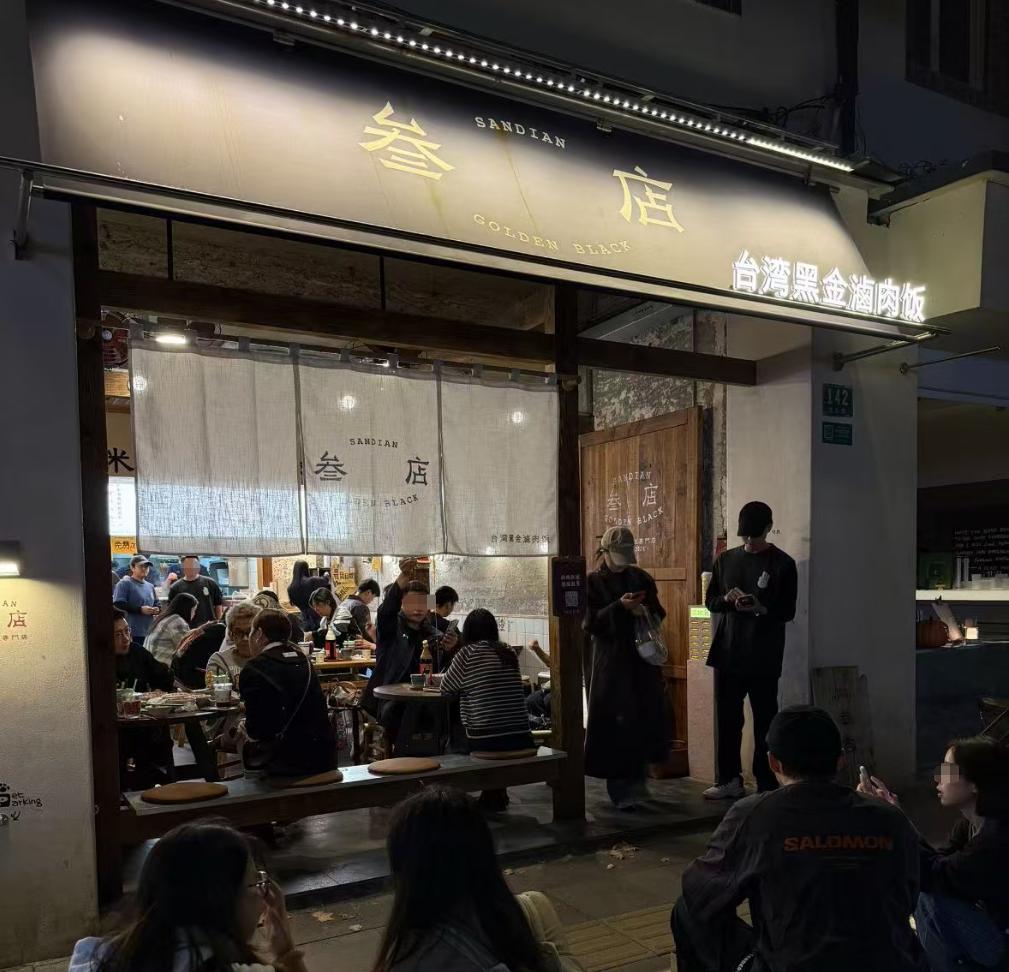
日翻台12轮、低至9.9元/碗,台湾卤肉饭又火了?
3 6 Ke· 2025-11-25 12:19
Core Insights - The Taiwanese braised pork rice has rapidly gained popularity in the dining market, particularly in Shanghai, with brands like "A Yuan Is Here" opening nearly 40 locations since January, over 70% of which were opened in the last three months [1][3] - The average table turnover rate for these restaurants has reached 12 times a day, making Taiwanese braised pork rice a new favorite among diners [1][3] Expansion and Popularity - "A Yuan Is Here" has opened nearly 40 stores across cities like Shanghai, Shenzhen, Beijing, Nanjing, and Ningbo, leading the popularity charts in various categories [3][4] - Other brands such as "Jian Jiao Taiwanese Eatery" and "Home Cooking" have also expanded rapidly, with Jian Jiao opening nearly 20 locations since its inception in 2022 [3][4] Pricing Strategy - The pricing for Taiwanese braised pork rice is kept low, often below 20 yuan, with some offerings as low as 9.9 yuan, appealing to young consumers seeking value [6][7] - Brands like "A Yuan Is Here" and "Long Lai Xia" emphasize high value through unlimited rice and soup refills, enhancing the overall dining experience [6][7] Menu and Dining Experience - These brands typically operate as "Taiwanese snack collective stores," offering a combination of braised pork rice, Taiwanese snacks, and beverages, catering to both individual diners and small gatherings [8][10] - The average customer spending ranges from 35 to 45 yuan, despite the low pricing of individual items, due to the combination of main dishes and snacks [10] Design and Atmosphere - The new brands focus on creating aesthetically pleasing dining environments, contrasting traditional fast-food outlets, which enhances perceived value [11] - Open kitchen designs and modern decor attract consumers, making the dining experience more enjoyable and justifying slightly higher prices compared to typical fast food [11] Market Trends and Challenges - The trend of Taiwanese braised pork rice is spreading nationwide, with new brands emerging in cities like Wuhan, Shenzhen, and Hangzhou [12] - The operational model of these new establishments is simplified, allowing for quick service and lower labor costs, which facilitates rapid expansion [13][17] - However, the low entry barriers and high demand may lead to market saturation and increased competition, resulting in challenges related to brand differentiation and product uniqueness [14][15][17]
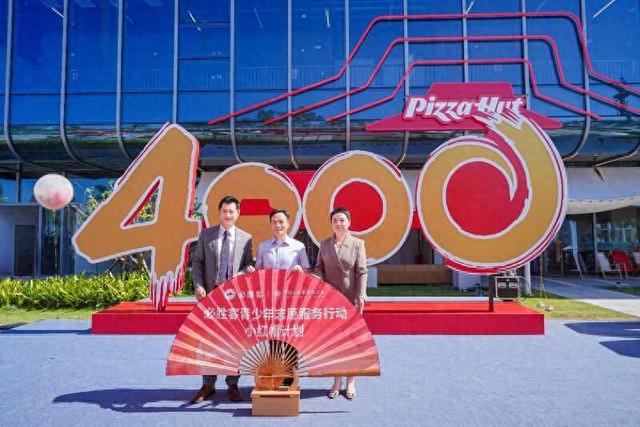
全国第4000家必胜客落子三亚湾 智慧餐饮新体验迎海启幕
Nan Fang Du Shi Bao· 2025-11-25 12:11
Core Insights - Pizza Hut has opened its 4000th store in China, located in Sanya Bay, marking a significant milestone in its development within the Chinese market [2] - The new store features a design concept of "White Sand and Waves" and introduces the AI assistant "Q-Rui" to enhance restaurant operations, reflecting a shift in the restaurant industry from "scale expansion" to "quality and efficiency upgrades" [2] Group 1: Technological Innovations - The introduction of the AI assistant "Q-Rui" aims to streamline management and enhance service, allowing staff to perform daily tasks through voice interaction, thus improving operational efficiency [3][4] - The implementation of a comprehensive intelligent restaurant management system has automated various processes, reducing the workload on frontline employees and significantly increasing efficiency [4] Group 2: Kitchen Automation - The kitchen has been equipped with automated devices, such as the "One Assistant" pizza ingredient dispenser and automatic frying machines, which enhance efficiency and maintain product quality [5][6] - The automatic beverage machine, known as the "9-second savior," can produce high-quality drinks quickly, improving customer satisfaction during peak times [6] Group 3: Financial Performance - Pizza Hut China has seen positive financial results, with Q3 2025 revenue increasing by 3% to $635 million, and system sales up by 4% [7] - The implementation of smart restaurant systems is expected to support Pizza Hut's strategic transformation by lowering operational costs and enhancing service quality, contributing to a recovery in performance and brand revitalization [7]
5年内再造一个必胜客”,“披萨专家”推进“中国加速度
Xin Jing Bao· 2025-11-25 03:25
Core Insights - The opening of the 4000th Pizza Hut store in Sanya marks a significant milestone, showcasing the brand's innovative approach combining nature, culture, and technology in the Chinese market [1] - Pizza Hut plans to add over 600 new stores annually for the next three years, aiming to exceed 6000 stores by 2028, reflecting a robust expansion strategy [1][10] Technological Advancements - The new Sanya store features an AI-driven kitchen system called "Q-Rui," which enhances operational efficiency through voice commands and automated processes, transforming the kitchen into a "food technology laboratory" [2][3] - The "Q-Rui" system addresses various operational challenges, including real-time monitoring of meal progress and proactive customer service, shifting from reactive to proactive management [3] Expansion Strategy - Pizza Hut has transitioned from a period of careful cultivation to rapid expansion, achieving remarkable growth from 3000 to 4000 stores in just two years, demonstrating a "China acceleration" [4] - The company is leveraging its mature supply chain and digital management capabilities to drive this expansion, with a focus on adapting to changing consumer trends and enhancing product value [4][9] Brand Evolution - Pizza Hut is rebranding itself from a "Western casual dining" establishment to a "pizza expert," utilizing strategic collaborations with popular IPs to engage younger consumers and enhance brand relevance [5][6] - The introduction of high-end brand PIZZERIA and the budget-friendly WOW store model illustrates Pizza Hut's dual strategy of targeting both premium and lower-tier markets [7][8] Future Goals - The company aims to achieve a total of 20,000 stores by next year and over 25,000 by 2028, with a long-term goal of surpassing 30,000 stores by 2030 [9][10] - A significant target is to double operating profits by 2029 compared to 2024, supported by a flexible store model and a focus on digitalization for efficient expansion [10]

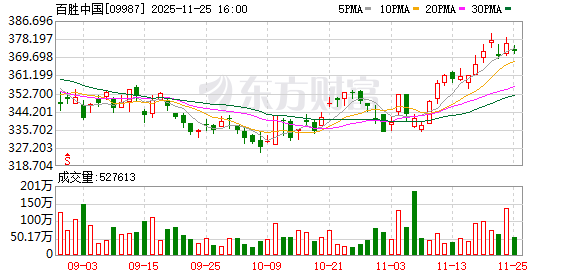
YUM CHINA(9987.HK):KEY TAKEAWAYS FROM YUMC 2025 INVESTOR DAY
Ge Long Hui· 2025-11-24 21:41
Core Viewpoint - Yum China has effectively navigated macroeconomic challenges, achieving a significant recovery in same-store sales (SSS) for KFC and Pizza Hut, with KFC and Pizza Hut's SSS recovery at 88% compared to 2019, outperforming the industry average of 70% [1] Group 1: Company Performance - The company anticipates a mid- to high-single-digit compound annual growth rate (CAGR) for system sales during FY26E-28E, with KFC targeting mid- to high-single-digit and Pizza Hut aiming for high single-digit growth [3] - Yum China expects restaurant operating margins to improve from 15.7% in FY24 to 16.2%-16.3% in FY25E, and to 16.7% or above in FY28E, with KFC's margin remaining stable at around 17.3% [3][7] - The company plans to maintain a capital expenditure of approximately US$ 600 million to 700 million annually during FY26E-28E, despite accelerating store expansion [3] Group 2: Shareholder Returns - Yum China is committed to returning at least US$ 1.5 billion in cash to shareholders in FY26E, with expectations of increasing dividends and distributing 100% of free cash flow from FY27E onwards [4] - The effective cash return for FY27E-28E is projected to be between US$ 1.65 billion and 1.89 billion, exceeding the guaranteed US$ 1.5 billion in FY26E [4] Group 3: Strategic Initiatives - The company will focus on enhancing value-for-money offerings and core products while executing the RGM 3.0 strategy to improve efficiency across various operational aspects [2] - KFC's growth strategy includes product innovation, enhancing value-for-money, and expanding store formats, targeting a store count of 20,000 by FY26E and 30,000 by FY30E [6][8] - Pizza Hut aims for a high-single-digit system sales CAGR and plans to increase its store count to approximately 6,000 by FY28E, with a focus on production innovation and improving value-for-money [7][8]
必胜客中国加速扩张 未来三年计划每年净新增门店超过600家
Zheng Quan Shi Bao Wang· 2025-11-24 09:54
Core Insights - Pizza Hut China celebrates the opening of its 4000th store and plans to accelerate store openings, targeting over 600 new stores annually for the next three years, aiming to exceed 6000 stores by 2028 [1][2] - The CEO of Yum China emphasizes the importance of a mature RGM strategy, which includes business resilience, growth, and strategic moat, as the core guiding principles for Pizza Hut's development [1] - As of Q3 2025, Pizza Hut has achieved a 17% year-on-year increase in same-store sales for the eleventh consecutive quarter, highlighting the brand's operational stability and market strategy maturity [1] Expansion Strategy - Pizza Hut's expansion is not limited to first-tier cities but also targets lower-tier cities with the WOW store model, which has established 250 stores in over 40 previously uncovered towns [2] - The brand manager states that the company respects local consumer habits while maintaining consistency in core products and experiences, focusing on enhancing the value proposition [2] - Membership has surpassed 200 million, with delivery services being a significant growth driver, contributing to increasing sales proportions and market share [2]

必胜客青少年志愿服务行动“小红帽计划”启动
Zhong Guo Qing Nian Bao· 2025-11-24 06:18
Core Insights - Pizza Hut China has opened its 4000th store in Sanya, Hainan, marking 35 years of operation in the Chinese market and demonstrating its commitment to growth in the region [1][3] - The company has launched the "Little Red Hat Program," a youth volunteer service initiative in collaboration with the China Volunteer Service Foundation, aimed at providing a platform for youth engagement in public welfare [1] - Pizza Hut plans to accelerate its store expansion, targeting the addition of over 600 new stores annually for the next three years, with a goal of exceeding 6000 stores by 2028 [1] Company Expansion - As of September 30, 2023, Pizza Hut has surpassed 4000 stores in China [1] - The company aims to open more than 600 new stores each year for the next three years, indicating a strong growth strategy [1] Community Engagement - The "Little Red Hat Program" will initially pilot in cities like Beijing and Shanghai, with plans for nationwide rollout [1] - The program will create volunteer service stations linked to community resources, focusing on environmental actions and community services tailored to youth [1]