
新茶饮

Search documents
喜茶上线拼好饭,连锁奶茶正被外卖裹挟
Xin Lang Cai Jing· 2025-08-26 00:05
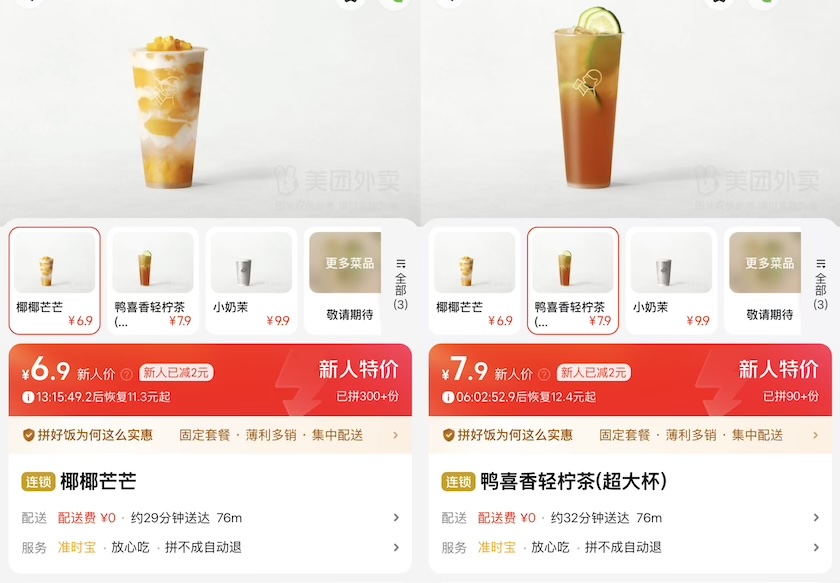
Core Viewpoint - HEYTEA has officially entered the Taobao Flash Purchase platform, marking a significant shift in its online channel distribution after seven years, with over 4,000 stores now fully operational on the platform [1][6]. Group 1: New Partnerships and Strategies - HEYTEA has launched its products on Meituan's "Pin Hao Fan" low-price delivery model, focusing on classic items at discounted prices, primarily targeting lower-tier cities [2][6]. - The collaboration with Taobao Flash Purchase and the introduction of "Pin Hao Fan" represent HEYTEA's strategy to diversify its online sales channels and adapt to the competitive landscape of food delivery [5][6]. Group 2: Market Trends and Growth - The takeaway market for fresh tea drinks in China has seen substantial growth, with GMV increasing from 11.8 billion RMB in 2018 to 95.2 billion RMB in 2023, reflecting a compound annual growth rate of 51.8% [8]. - The share of takeaway orders in the fresh tea drink sector has risen dramatically, from 16.8% in 2018 to 45.0% in 2023, indicating a growing reliance on delivery services [8]. Group 3: Competitive Landscape - The competition among delivery platforms has intensified, with Taobao Flash Purchase surpassing Meituan in daily order volume for the first time, highlighting a shift in market dynamics [6]. - New tea drink brands are increasingly dependent on delivery channels, with many brands experiencing operational disruptions due to the competitive environment [11]. Group 4: Financial Implications - The ongoing delivery war has led to significant subsidies and promotional activities, benefiting brands like HEYTEA, which are leveraging these incentives to drive growth [9]. - The overall growth rate of the new tea drink industry has slowed, with brands now focusing on refined operations rather than aggressive expansion [10].

茶咖日报|多个奶茶品牌被检出含反式脂肪酸
Guan Cha Zhe Wang· 2025-08-25 12:10
Group 1: Milk Tea Brands and Health Concerns - Multiple milk tea brands, including Heytea and Naixue Tea, were found to contain trans fats and high sugar levels, with Mixue Ice City’s pearl milk tea having 50.82 grams of sugar per 650ml, exceeding the recommended daily limit of 50 grams [1] - Heytea's roasted brown sugar bubble milk tea had a sodium content of 942mg/kg, translating to approximately 1.2 grams of salt per 500ml serving, marking it as the "salt champion" [1] - The presence of trans fats in products from several brands, including Heytea and Naixue Tea, raises health concerns, as long-term consumption is linked to increased cardiovascular disease risk [1] Group 2: Company Responses to Health Claims - Heytea responded to the health claims, stating that the detected trans fats are from natural sources in dairy products, and emphasized the use of high-quality ingredients [2] - Bawang Chaji also denied the claims, asserting that their product met national food safety standards regarding trans fat content [2] Group 3: Coca-Cola's Strategic Evaluation of Costa Coffee - Coca-Cola is considering selling its UK coffee brand, Costa Coffee, and has engaged Lazard to explore potential sale options, following its acquisition of the brand for £3.9 billion in 2018 [3] - Costa Coffee operates in 50 countries and includes a comprehensive business model with chain stores, ready-to-drink products, and coffee machines [3] - Initial bids from potential buyers may be submitted in early autumn, but the sale process remains uncertain [3] Group 4: Tea Yan Yue Se's Apology for Design Issues - Tea Yan Yue Se issued an apology for allegedly copying designs from four bloggers in their new product line, acknowledging unauthorized use of certain elements [4][5] - The company plans to establish a dedicated investigation team to address management and design oversight issues to prevent future occurrences [5] Group 5: Keurig Dr Pepper's Acquisition of JDE Peet's - Keurig Dr Pepper announced its acquisition of JDE Peet's for €15.7 billion, with plans to split into two independent companies focusing on North American beverages and global coffee [6] - The acquisition price of €31.85 per share represents a 33% premium over JDE Peet's average stock price [6] - This move is seen as a significant transformation in the beverage industry, with KDP aiming to establish itself as a global coffee leader [6] Group 6: Lucky Coffee's International Expansion - Lucky Coffee, a brand under Mixue Group, opened its first overseas store in Malaysia, selling nearly 2,000 cups on the opening day [7] - The store incorporates local cultural elements into its design and product offerings, including localized flavors like matcha lemon and strawberry iced tea [7] - Lucky Coffee has rapidly expanded in the domestic market, surpassing 7,000 signed stores by July, marking a new phase in its international growth [7]



覆盖全球超230个城市,门店数量近1800家,会员人数超1亿 奈雪10年:这张深圳名片,何以领跑新茶饮健康赛道?
Shen Zhen Shang Bao· 2025-08-25 08:05
Core Insights - Nayuki Tea is recognized as a pioneer in the new tea beverage sector, having expanded from Shenzhen to over 230 major cities globally, with nearly 1,800 stores and over 100 million members [1][3][6] - The brand's innovation-driven approach, rooted in Shenzhen's favorable business environment, has been crucial for its growth and market validation [2][3] Innovation and Market Strategy - Nayuki introduced a dual-category model of "tea beverages + soft European bread" in 2015, establishing itself as a leader in the new tea beverage market [3] - The opening of the "Nayuki Dream Factory" in 2019 generated nearly 1 million yuan in sales within three days, setting a new standard for consumer brand space value [3] - In 2023, Nayuki launched the "Nayuki Tea House" to explore new retail models, integrating traditional tea culture with modern lifestyles [3] Health Strategy and Performance - Nayuki has shifted its focus towards health-oriented products, launching several successful health drinks, including "Nayuki Small Green Bottle" and "Super Avocado Yogurt Smoothie" [4][5] - The company's health strategy has resulted in a 35% year-on-year increase in average orders per store and a 28% increase in same-store sales as of May 2025 [5] Global Expansion - Nayuki aims to become a global brand, with plans to enter Southeast Asian and European markets, having already established a presence in Thailand and preparing to open its first store in New York [6] - The brand's growth narrative reflects a successful partnership between the company and the city of Shenzhen, showcasing the synergy between innovative enterprises and vibrant urban environments [6]
与上海彩虹室内合唱团联名产品被指抄袭,茶颜悦色致歉
Bei Ke Cai Jing· 2025-08-25 07:21
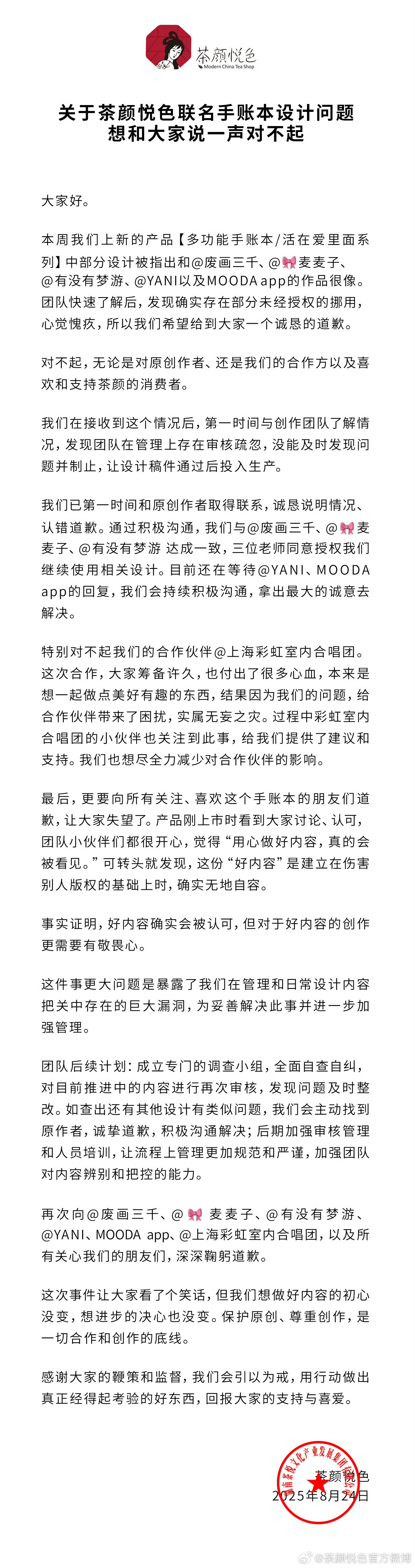
Core Viewpoint - The new product "Multi-functional Notebook / Live in Love Series" from the new tea beverage company Chayan Yuese has been accused of having designs that closely resemble the works of four bloggers, leading to an apology from the company for unauthorized use of certain designs [1][6]. Group 1: Company Response - Chayan Yuese acknowledged the issue and apologized after discovering unauthorized use of designs due to management oversight [3][6]. - The company has reached out to the original creators and has agreed to continue using the related designs after obtaining their consent [6][7]. - Chayan Yuese expressed regret for the inconvenience caused to its partner, Shanghai Rainbow Choir, due to this incident [7]. Group 2: Management and Future Plans - The incident highlighted significant management and oversight flaws within the company, prompting plans to establish a dedicated investigation team to review ongoing projects and ensure compliance [4][7]. - The company aims to enhance its design review processes and staff training to prevent similar issues in the future [4][7]. Group 3: Previous Incidents - Prior to the notebook controversy, Chayan Yuese faced criticism for the packaging of its product "Mountain Pepper Oil Flavor Spicy Strips," which was alleged to have similarities to the album cover of singer Fang Datong, leading to the product's removal from the market [6][7].
冲上热搜!茶颜悦色就抄袭致歉
Zhong Guo Ji Jin Bao· 2025-08-24 11:21
Core Viewpoint - The company Tea Yan Yue Se has publicly apologized for allegations of plagiarism related to its new collaboration product, which has sparked significant controversy on social media [1][4]. Group 1: Incident Overview - The controversy began on August 23, when multiple bloggers accused Tea Yan Yue Se of copying designs from the Shanghai Rainbow Indoor Choir's new collaboration notebook [3]. - The notebook, launched on August 22, sold out quickly due to its attractive price of 19.9 yuan, leading to resale at a premium on second-hand platforms [3]. - Following the plagiarism allegations, the product was removed from the company's mini-program [3]. Group 2: Company Response - On August 24, Tea Yan Yue Se acknowledged the unauthorized use of designs and expressed regret, stating that there were management oversights that allowed the issue to occur [7]. - The company plans to establish a dedicated investigation team to conduct a thorough review of its design processes and rectify any identified issues [7]. - This incident is not the first for Tea Yan Yue Se, as it faced similar accusations in July regarding the packaging of a new snack product [7]. Group 3: Business Background - Founded in 2013, Tea Yan Yue Se has gained popularity for its unique design and product concepts, but its expansion has been cautious, with only 792 stores currently operating across several provinces [8]. - The company has diversified its offerings by launching sub-brands and exploring various business models, including retail and overseas markets [8]. - Tea Yan Yue Se has undergone multiple rounds of financing, but recent reports indicate a significant shareholder exit and a reduction in registered capital [9]. Group 4: Future Prospects - There have been rumors about the company considering an IPO, with a potential shift from Hong Kong to the U.S. market, although no official timeline has been confirmed [11]. - The company reportedly achieved over 600 million yuan in net profit in 2023, with expectations for slight growth in 2024, although this information has been disputed by company representatives [11].
冲上热搜!茶颜悦色就抄袭致歉
中国基金报· 2025-08-24 11:16
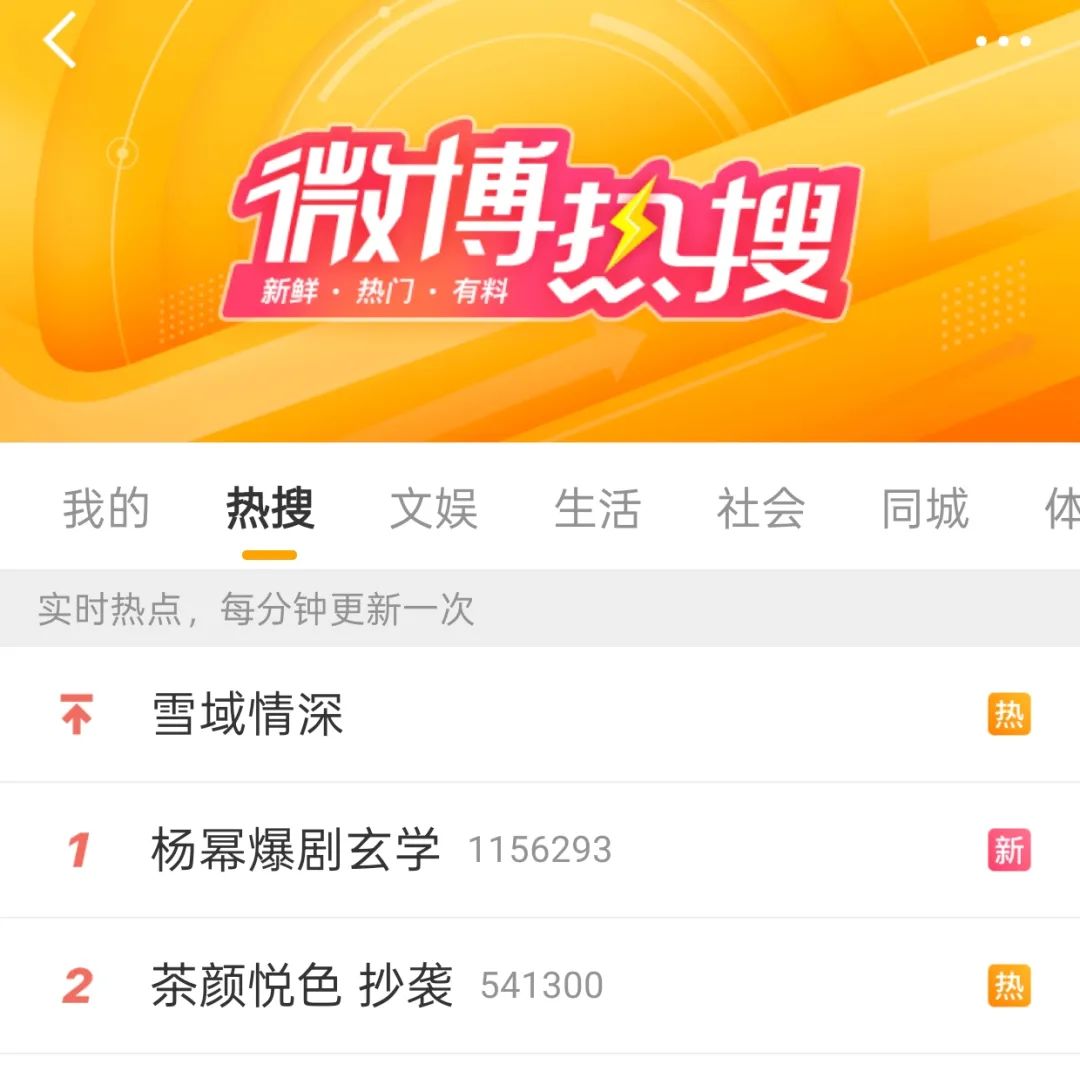
Core Viewpoint - The article discusses the recent plagiarism controversy involving the tea brand Cha Yan Yue Se, highlighting the company's apology and management issues related to unauthorized use of designs [8][6]. Group 1: Incident Overview - On August 23, multiple bloggers accused Cha Yan Yue Se of plagiarizing designs from the Shanghai Caihong Indoor Choir's new collaboration notebook [5]. - The controversial notebook was launched on August 22 and quickly sold out due to its attractive price of 19.9 yuan, leading to resale at a premium on second-hand platforms [6]. - Following the backlash, the product was removed from the Cha Yan Yue Se mini-program [6]. Group 2: Company Response - On August 24, Cha Yan Yue Se issued an apology via official Weibo, acknowledging the unauthorized use of designs and expressing regret for the oversight in their management processes [8]. - The company plans to establish a dedicated investigation team to conduct a thorough review of their design approval processes and rectify any issues found [8]. Group 3: Historical Context - This incident is not the first for Cha Yan Yue Se; in July, the company faced similar accusations regarding the packaging of a new snack product that resembled a music album cover [8]. - The brand, known for its cultural creativity, is now facing challenges that may indicate cracks in its previously strong creative reputation [8]. Group 4: Business Operations - Cha Yan Yue Se, founded in 2013, has been expanding cautiously, focusing on a direct sales model rather than franchising, resulting in a slower growth rate compared to competitors [10]. - As of now, the company operates 792 stores primarily in regions like Hunan, Hubei, Sichuan, Chongqing, and Jiangsu [11]. - The brand has diversified its offerings with sub-brands and over 200 snack products, also venturing into e-commerce for international markets [11]. Group 5: Financial and Structural Changes - Cha Yan Yue Se has undergone four rounds of financing, with notable investors including Tiantu Capital and Wuyuan Capital [11]. - In June 2024, several major investors exited their positions, reducing the company's registered capital from approximately 7.01 million yuan to about 5.067 million yuan [11]. - The company has also increased the registered capital of its affiliate, Hunan Chayue Cultural Industry Development Group, to approximately 25.067 million yuan [12]. Group 6: Future Prospects - There have been rumors about Cha Yan Yue Se's potential IPO, with reports suggesting a shift in focus from a Hong Kong listing to a possible U.S. listing, pending regulatory approval [14]. - The company reportedly achieved over 600 million yuan in net profit in 2023, with expectations for slight growth in 2024, although this information has been disputed by company representatives [14].
近身学习柠季、蜀海的供应链秘密
Hu Xiu· 2025-08-21 02:01
Core Insights - The article discusses the increasing anxiety among business leaders regarding the practical applications of AI in their operations, particularly in the supply chain sector [1][6] - The AI Landing Research Camp aims to help business owners identify actionable AI applications and learn how to implement them effectively [2] Group 1: AI Landing Research Camp Overview - The third session of the AI Landing Research Camp will focus on the supply chain, a critical aspect for retail and consumer enterprises [6][20] - Previous sessions have successfully engaged decision-makers from various companies, providing them with actionable insights [3][12] - The camp emphasizes real-world applications of AI, featuring industry leaders who are actively using AI to transform their supply chains [9][10] Group 2: Importance of Supply Chain - The supply chain is identified as a key determinant of a company's success, with significant differences in performance among businesses in the same market often attributed to supply chain management [7][8] - AI is seen as a tool to enhance flexibility and intelligence within the supply chain, which can lead to improved customer experience and reduced costs [8][9] Group 3: Learning and Networking Opportunities - The camp offers unique opportunities for participants to engage directly with industry experts and peers, fostering collaboration and knowledge sharing [13][14] - Participants will have access to a network of over 40 executives from leading and growth-stage companies, enhancing their learning experience [13][15] - The program is designed as a comprehensive learning journey, providing ongoing resources and methodologies for AI implementation [16][22] Group 4: Event Details - The third session is scheduled for September 17 in Shanghai, focusing on how AI can make supply chains more flexible and intelligent [21][23] - The camp is targeted at CEOs, founders, decision-makers from AI service providers, and industry solution leaders [21][22]


爷爷不泡茶成新茶饮“邪修”:狂套爆款公式、刷新行业跑速
Sou Hu Cai Jing· 2025-08-20 01:12
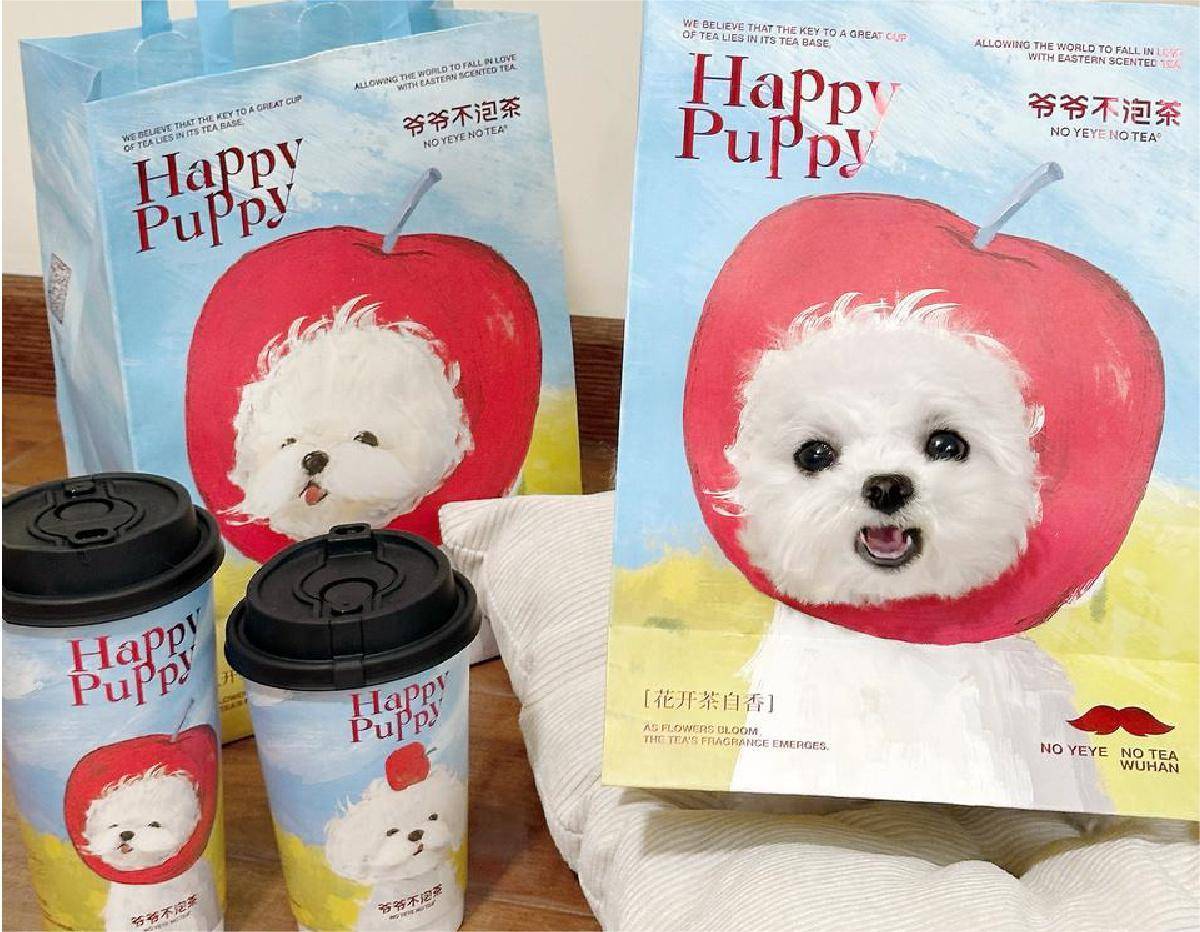
Core Insights - The article highlights the rapid growth and market recognition of the new tea brand "爷爷不泡茶" (Grandpa Doesn't Brew Tea), which has become a significant player in the new tea beverage sector since its inception in 2018 [2][4][10] - The brand's innovative product offerings and aggressive expansion strategy have positioned it as a leader in the industry, with a goal to increase its store count significantly by 2025 [2][9][10] Company Overview - "爷爷不泡茶" has achieved remarkable growth, with plans to expand its store count from 300 in 2023 to 2000 in 2024, and aiming for 5000 by 2025, marking an increase of over 400% in store numbers [10][8] - The brand's unique selling proposition includes its signature product "米酿" (Rice Brew), which has gained popularity, with the "荔枝冰酿" (Lychee Ice Brew) becoming the top-selling item in its category, selling over 38 million cups since its launch [4][6] Market Dynamics - The new tea beverage industry has seen various brands exploring different business models, including direct sales, franchising, and supply chain optimization, with "爷爷不泡茶" adopting a multi-chain franchise model to drive growth [3][9] - The competitive landscape is characterized by rapid expansion and the need for brands to differentiate themselves through unique products and effective marketing strategies [4][11] Challenges and Considerations - Despite the rapid growth, the industry faces challenges such as market saturation and the need for sustainable growth strategies, particularly for mid-tier brands that may struggle during market downturns [14][16] - The brand's ability to attract franchisees and maintain quality control during its aggressive expansion will be critical for its long-term success [15][14]
新茶饮出海发力美国市场 茶百道北美首店落地纽约
Xin Jing Bao· 2025-08-19 19:47
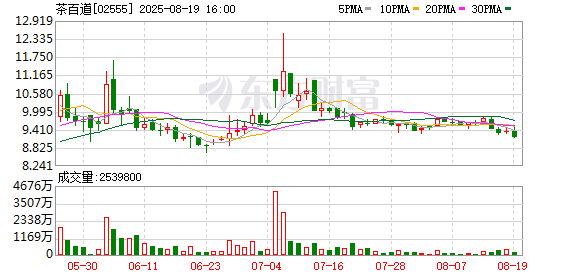
Group 1 - The new tea beverage company Cha Bai Dao is set to open its first store in North America in Flushing, Queens, New York, which is the largest Chinese community in the U.S. [2] - Cha Bai Dao has accelerated its international expansion this year, having entered the Singapore market in July with a successful launch of two stores, and opened its first store in Paris in May [2] - The CEO of Cha Bai Dao expressed the goal of introducing fresh, made-to-order tea products to global consumers and showcasing the potential of Chinese tea beverages [2] Group 2 - The new tea beverage industry is increasingly focusing on international markets, with the U.S. emerging as a key target after initial expansions in Southeast Asia [3] - The company Ning Ji has chosen the U.S. for its expansion due to favorable demographics, consumer spending power, and mature business environment, contrasting with the lower price levels and regulatory differences in Southeast Asia [3] - The company Heytea has rapidly expanded in the U.S., growing from 2 to over 30 stores within a year, making it the fastest-growing new tea brand in the country, with total overseas stores surpassing 100 and a growth rate of over 600% in the past year [3]
南农晨读 | 碧水青峦
Nan Fang Nong Cun Bao· 2025-08-19 04:05
Group 1 - The opening of Jianghong Fishing Port marks a new round of marine fishing activities in the Beibu Gulf, with fishing boats setting sail on August 16 [3][4][5] - The event signifies a significant moment for local fishermen and the fishing industry, as it revitalizes economic activities in the region [3][4] Group 2 - The establishment of a provincial-level flower industry park in Yunfu City aims to enhance the local economy through the integration of media and agriculture, promoting the "Beautiful Economy" [21][23][26] - The initiative is part of a broader strategy to implement the "Hundred Thousand Ten Thousand Project," focusing on improving agricultural product market systems and boosting local economic development [24][25][26] Group 3 - The 15th Xinjiang Kashgar Central Asia South Asia Commodity Fair showcases products from the Guangdong-Hong Kong-Macao Greater Bay Area, highlighting the region's role as a fashion bridge [30][31][32] - The event emphasizes the importance of cross-regional trade and collaboration, with a focus on promoting local products to a wider market [30][32][34] Group 4 - Yunfu City is leveraging its natural resources and industry foundation to develop traditional Chinese medicine and flower industries, aiming to enhance both collective and individual incomes [36][39] - The integration of agriculture and tourism is being promoted as a strategy for rural revitalization, creating a vibrant economic landscape [36][39]
