
传统手工艺

Search documents
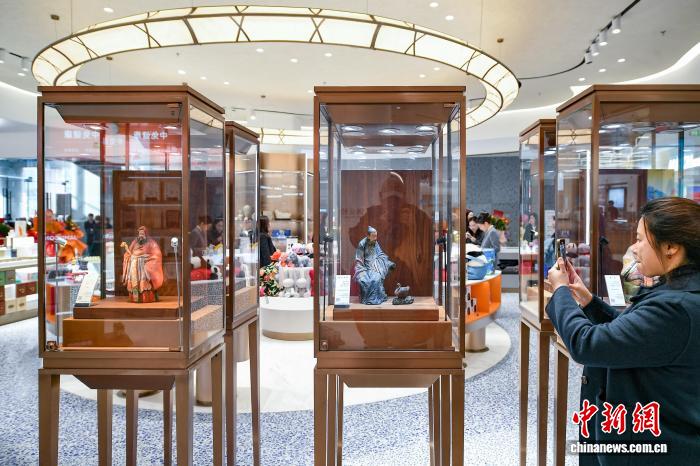
(寻味中华|非遗)天津“泥人张”:漕运码头旁的“东方潮玩鼻祖”
Zhong Guo Xin Wen Wang· 2025-12-17 01:37
Core Viewpoint - The article highlights the significance of "Mud Man Zhang," a traditional clay sculpture art from Tianjin, which has evolved into a cultural symbol and a precursor to modern collectible toys, showcasing its historical and artistic value while appealing to contemporary audiences [1][3]. Group 1: Historical Background - "Mud Man Zhang" originated in the Daoguang era, with its founder Zhang Mingshan mastering the art of creating lifelike figures, initially depicting street vendors and performers [3][4]. - The art form gained international recognition when Zhang Mingshan's work "Weaving Woman" won first prize at the Panama-Pacific International Exposition in 1915, marking its entry onto the global stage [4]. Group 2: Artistic Techniques - The clay used for "Mud Man Zhang" sculptures is sourced from the best red clay found underground in Tianjin, requiring extensive preparation to achieve the desired quality [4][6]. - The crafting process involves skilled techniques where artisans shape the figures, followed by drying, firing, and applying a delicate color finish, embodying the principle of "three parts shaping, seven parts coloring" [6]. Group 3: Contemporary Relevance - The art form has adapted to modern expressions, with recent exhibitions showcasing works that explore deeper philosophical themes and incorporate contemporary elements, such as film influences [6]. - "Mud Man Zhang" is set to feature at the 2025 Shanghai Cooperation Organization summit, where attendees will have the opportunity to engage with the art, further promoting its cultural significance [6].

简直乱套了,社会上冒出六大怪现象,让人无可奈何
Sou Hu Cai Jing· 2025-11-23 20:41
Group 1: Consumer Behavior Changes - The trend of downgraded consumption is becoming mainstream, with high-end brands facing a collective downturn as consumer traffic in premium malls in major cities like Beijing, Shanghai, Guangzhou, and Shenzhen has decreased by 18% year-on-year, while affordable brands like Miniso and NetEase Yanxuan have seen sales surge by 32.6% [1] - This shift is not merely a reaction to economic downturns but reflects a rational awakening among the middle class, as consumers prioritize practical value over symbolic value, leading to anxiety in the luxury goods sector [1] Group 2: Urban Migration Trends - There is a significant net outflow of population from first-tier cities, with 632,000 people leaving Beijing, Shanghai, Guangzhou, and Shenzhen in 2024, while new first-tier cities like Chengdu, Xi'an, and Changsha are experiencing population growth exceeding 500,000 [3] - The high cost of living in first-tier cities, exemplified by a housing price-to-income ratio exceeding 20:1, is driving this migration, as individuals seek more affordable living conditions in emerging cities [3] Group 3: Revival of Physical Bookstores - The number of physical bookstores in China has increased by 6,700 in 2024, with hybrid bookstores achieving a customer spending rate 1.85 times higher than traditional bookstores [3] - The social aspect of these bookstores, such as coffee areas and community events, is a key factor in their success, indicating a desire for real social interactions in a digital age [3] Group 4: Resurgence of Traditional Crafts - The revival of traditional crafts is being led by younger generations, with 67% of artisans on Douyin being post-95s, highlighting a shift towards valuing craftsmanship over fast consumption [5] - This trend suggests a changing societal definition of success, as young people are willing to pursue less lucrative but personally fulfilling careers in traditional crafts [5] Group 5: Digital Detox Movement - A digital detox movement is emerging among young people, with daily internet usage among the 18-25 age group decreasing from 6.2 hours to 5.6 hours in 2023, and sales of feature phones increasing by 85% [6] - This trend reflects a backlash against excessive digitalization, as individuals seek to improve their quality of life and work efficiency by reducing screen time [6] Group 6: Rise of Flexible Employment - The number of freelancers in China has reached 240 million, with 35% identifying as "slash youth," indicating a shift away from traditional career paths [8] - This flexible income model allows individuals to diversify their income sources, but it also raises concerns about social security coverage and job stability for this vulnerable group [8] Group 7: Interconnected Social Phenomena - The various trends observed, such as downgraded consumption, urban migration, bookstore revival, traditional craft resurgence, digital detox, and flexible employment, are interconnected and reflect a broader societal redefinition of what constitutes a good life [10] - These phenomena indicate a societal progression rather than mere anomalies, prompting a reevaluation of existing systems and policies to align with these changes [11][15]

苏扇作品《五行曜扇》惊艳佛罗伦萨双年展
Su Zhou Ri Bao· 2025-11-09 22:48
Core Insights - The 15th Florence Biennale showcased the Suzhou Wu Men Fan Art's work "Five Elements Fan," highlighting the unique blend of intangible cultural heritage and contemporary aesthetics [1][2] - The Biennale, established in 1997, is one of Europe's most influential contemporary art exhibitions, focusing on the theme "The Sublime Essence of Light and Darkness: Duality and Unity in Contemporary Art and Design" [1] - "Five Elements Fan" stands out as a rare Eastern intangible cultural heritage piece, embodying the theme of light and darkness through its craftsmanship and design [1][2] Company Overview - Wu Men Fan Art is the only Suzhou fan brand participating in the Biennale, emphasizing its commitment to preserving and innovating traditional fan-making techniques [1][3] - The company has established seven training centers across Suzhou, Wuxi, Singapore, and Malaysia, focusing on the transmission and development of traditional fan-making skills [3][4] Artistic Collaboration - The "Five Elements Fan" features five fans, each representing one of the five elements, crafted from aged ebony and incorporating cloisonné techniques, showcasing both solemnity and elegance [3] - The fan's design includes original patterns and traditional mythical creatures, with the back dyed using plant-based techniques similar to the water printing method popular in Florence [3] Future Plans - Following the exhibition, Wu Men Fan Art plans to conduct a tour and is actively engaging with local art museums in Suzhou [4] - The company is exploring cross-disciplinary collaborations, including research trips to Jingdezhen to learn about ceramic production [4]
陕西推进非遗专业合作社建设—— 农民手艺人 日子有奔头(文化中国行)
Ren Min Ri Bao· 2025-10-18 22:15
Core Insights - The revival of traditional crafts in Shaanxi Province is driven by collaboration among different generations, enhancing both cultural heritage and economic prosperity [1][5][10] Group 1: Non-material Cultural Heritage and Community Engagement - The establishment of professional cooperatives has united artisans of various ages, significantly increasing community participation and brand recognition for non-material cultural heritage products [1][2][4] - The Han Zhong area is recognized for its rich resources in bamboo, rattan, and other materials, with Han Zhong rattan weaving being listed as a national intangible cultural heritage project in 2021 [2][3] Group 2: Economic Impact and Employment Opportunities - The cooperative model has led to the creation of over 460 members in the Han Zhong rattan weaving cooperative, allowing artisans to work flexibly from home while ensuring quality control and product development [2][3][7] - The rattan industry has provided employment for over 3,500 individuals in Huangguan Town, with an average income increase of over 20,000 yuan per person [7][8] Group 3: Youth Involvement and Modernization - Younger generations, including those born in the 1990s and 2000s, are increasingly participating in traditional crafts, with many finding new career paths through training and cooperative work [5][6][9] - The integration of e-commerce has modernized the sales approach for traditional crafts, with online sales accounting for 70% of total sales in the rattan weaving sector [9][10] Group 4: Innovation and Product Development - The cooperatives are focusing on standardizing production processes and innovating product designs, leading to the development of new items that appeal to contemporary consumers [3][9] - Collaborations with educational institutions have fostered innovation in traditional crafts, blending modern design elements with cultural heritage [9][10]
连片保护激活古村动能(走进传统村落)
Ren Min Ri Bao· 2025-10-06 22:01
Core Insights - Yulong County in Yunnan Province is focusing on the protection and revitalization of traditional villages, with 24 villages listed in the national traditional village directory, aiming for a harmonious development of cultural heritage and rural revitalization [2][3][12] Group 1: Traditional Villages - Shitou City Village, a historical site for over 1300 years, showcases the local wisdom of using stone for construction, with its unique geography contributing to the preservation of its traditional architecture [4][5] - The village has been recognized as a provincial cultural heritage site and has seen an increase in tourist visits, with a focus on outdoor adventure and cultural experiences [4][12] - The local government is investing in infrastructure improvements and encouraging residents to maintain the traditional architectural style while also utilizing the space for tourism [5][12] Group 2: Cultural Heritage and Craftsmanship - Baisha Village is part of the UNESCO World Heritage site of Lijiang Ancient Town, known for its traditional Naxi copper craftsmanship, which is vital for local culture and trade [6][7] - The preservation of traditional crafts is supported by local policies, with initiatives to engage younger generations in these skills through experiential learning [8][12] Group 3: Rural Tourism Development - Nanyao Village is developing rural tourism by leveraging its traditional architecture and local customs, attracting visitors seeking authentic rural experiences [10][11] - The village is strategically positioned to benefit from surrounding attractions, enhancing its tourism potential through resource collaboration with nearby villages [11][12] - In 2024, Yulong County expects to receive 22.99 million tourists, a 73% increase from the previous year, with a projected tourism revenue of 23.7 billion yuan, reflecting a 62% growth [12]

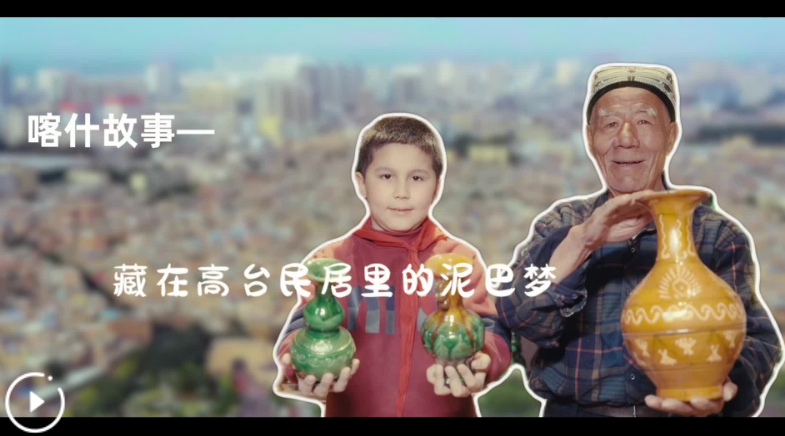
万人说新疆|藏在高台民居里的泥巴梦
Xin Hua Wang· 2025-09-26 09:42
Core Viewpoint - The revival of traditional earthenware craftsmanship in Kashgar, Xinjiang, highlights the intersection of cultural heritage and modern enthusiasm among the younger generation for artisanal skills [2] Group 1: Cultural Heritage - The high platform residences in Kashgar have been revitalized, contributing to the resurgence of traditional earthenware techniques [2] - The patterns etched in the clay not only reflect a long-standing history but also inspire a renewed interest in craftsmanship among youth [2] Group 2: Artisanal Skills - The continued operation of pottery workshops signifies a vibrant cultural scene where stories of Kashgar are preserved and passed down through generations [2]
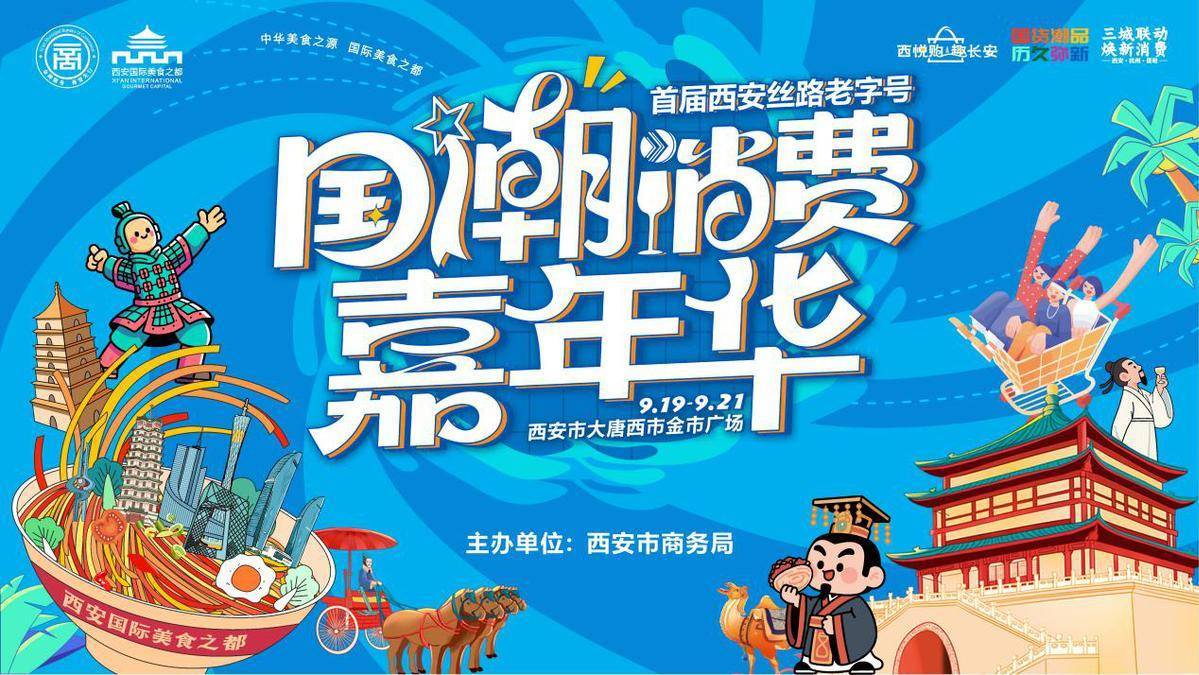
国货潮品聚长安 首届西安丝路老字号国潮消费嘉年华9.19启幕
Sou Hu Cai Jing· 2025-09-12 16:45
Core Perspective - The event "National Goods Trend · Everlasting New" is the first large-scale cultural festival in Xi'an, showcasing traditional brands and products from various provinces, aimed at revitalizing the old brand market and enhancing consumer enthusiasm [1][3]. Group 1: Event Overview - The event will take place from September 19 to 21 at the Xi'an Datang West Market, organized by the Xi'an Municipal Bureau of Commerce [1]. - It aims to integrate commercial exhibitions, cultural experiences, and tourism development, highlighting Xi'an's historical and cultural significance as a key city along the Belt and Road [3]. Group 2: Participating Brands and Products - The festival will feature over a dozen provinces' old brands and specialty products, covering various sectors such as food, traditional crafts, healthcare, and clothing [3]. - Notable brands include Beijing Daoxiangcun, Quanjude, Wuyutai, and regional specialties like Chongqing Qiaotou Hotpot and Henan Liu Laoweng Chicken Inner Gold Jiao Mo [3]. Group 3: Experience and Activities - The event will create four immersive experience scenarios centered around "eating, traveling, shopping, and entertainment," engaging multiple senses [4]. - Attendees can enjoy a blend of shopping, cultural experiences, and performances, transforming the commercial space into a cultural theater [4]. - Activities include hands-on experiences with intangible cultural heritage crafts, live music performances, and interactive cultural showcases [4].
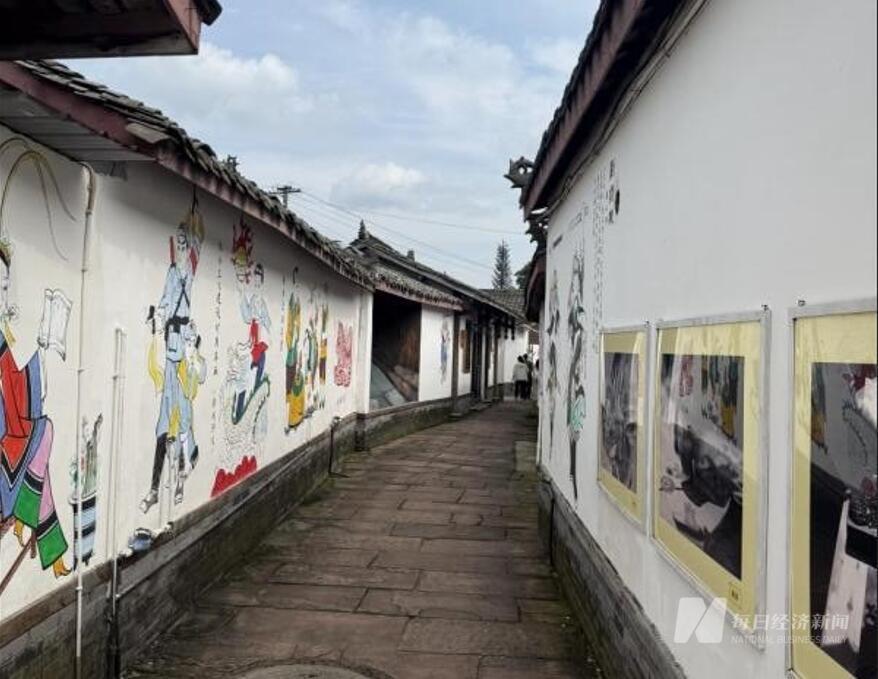
“非遗先要让人吃饱饭”,绵竹年画村如何用一门非遗技艺,让全村人一年平均多赚近3万元|活力中国调研行
Mei Ri Jing Ji Xin Wen· 2025-09-11 12:05
Core Viewpoint - The Mianzhu New Year Painting Village has successfully transformed into a vibrant cultural and tourism hub, leveraging its unique heritage to attract visitors and generate significant revenue, while facing challenges in mass production and market positioning of its traditional art [1][4][8]. Group 1: Industry Development - The Mianzhu New Year Painting Village is developing a comprehensive industry ecosystem that includes dining, homestays, specialty agricultural product picking, and educational tourism, with projected tourist numbers reaching 1.07 million and revenue exceeding 420 million yuan in 2024 [1][8]. - The village has established a workforce of over 500 individuals engaged in the New Year painting industry, supported by a legal framework aimed at promoting orderly development [8][12]. - The village's strategic location within the "Chengdu One-Hour Economic Circle" enhances its tourism appeal, drawing visitors from nearby attractions [8]. Group 2: Cultural Heritage and Challenges - The traditional craftsmanship of Mianzhu New Year paintings, characterized by hand-made techniques and the use of natural pigments, remains a key selling point but also a limitation in scaling production [10][12]. - The pricing of New Year paintings is significantly lower than contemporary cultural products, reflecting a struggle to position these traditional artworks as valuable items in the modern market [12][14]. - The industry faces challenges in attracting younger generations to continue the craft, with many artisans considering alternative employment due to financial pressures [13][15]. Group 3: Future Directions - Suggestions for the future include deepening the cultural narrative behind the paintings, utilizing modern storytelling methods, and establishing promotional platforms to enhance visibility [15]. - The industry could benefit from shared manufacturing resources to reduce costs and improve production efficiency, while also fostering innovation through collaborative design initiatives [14][15]. - There is a call for more diverse sales channels and government support to ensure the sustainability of artisans and the preservation of this cultural heritage [15].
方寸间“显山露水” 福州软木画簪起坊巷风雅
Zhong Guo Xin Wen Wang· 2025-08-17 02:13
Core Insights - The article highlights the resurgence of Fuzhou cork painting, a unique folk art from Fuzhou, China, which has gained popularity due to its association with contemporary fashion trends, particularly after being featured by actress Zhao Liying [1][2]. Industry Overview - Fuzhou cork painting, also known as soft cork painting, is a traditional craft that utilizes imported cork from countries like Spain and Portugal, crafted into intricate designs depicting nature and architecture [1][2]. - The craft was first created in 1914, inspired by a European Christmas card, and has evolved into a recognized art form with significant historical value [2]. - The peak period for cork painting was from the 1960s to the 1980s, during which it was highly regarded and even presented as a national gift [2]. Current Trends - The craft is currently facing challenges in terms of inheritance and market demand, with a significant decline in the number of practitioners, dropping to fewer than a hundred [3]. - Young artists and practitioners are beginning to integrate cork painting into modern products such as accessories and home decor, helping to revitalize interest in the craft [3][4]. - The establishment of workshops and educational programs by experienced artisans aims to attract new talent and ensure the continuation of this traditional art form [3]. Cultural Significance - Cork painting is recognized as a national intangible cultural heritage in China, emphasizing its importance in preserving cultural identity [2][3]. - The art form not only represents a unique craftsmanship but also serves as a medium for cultural transmission and community engagement [4].
决胜“十四五” 打好收官战丨探访大山里的“守”艺人——贵州努力推动非遗传承发展见闻
Xin Hua She· 2025-08-10 10:37
Group 1 - Guizhou is recognized for its rich intangible cultural heritage and is actively promoting the transformation of traditional skills into employment opportunities for local communities [1][2] - The province has established 40 provincial-level intangible cultural heritage workshop demonstration sites and recognized 519 workshops, benefiting 40,000 people with a total output value of 2.6 billion yuan [2] - The "Kaili Sour Soup Fish Making Technique" has been included in the national intangible cultural heritage list, with the sour soup industry in Qiandongnan Prefecture expected to achieve a total output value of 2.5 billion yuan in 2024, a 50% increase year-on-year [3] Group 2 - The "Village T" ethnic fashion show has attracted over 500,000 visitors and achieved over 12 billion views online, showcasing Guizhou's ethnic clothing culture on international platforms [6] - Companies are integrating modern textile embroidery technology with traditional Miao embroidery techniques, leading to rapid growth, with one company achieving an annual output value of 20 million yuan and exporting products to countries like the UK and Russia [6]