电视

Search documents
全球电视产业格局再洗牌
Jing Ji Ri Bao· 2026-02-02 22:07
Group 1 - Sony and TCL have signed a memorandum of understanding to explore strategic cooperation in the home entertainment sector, planning to establish a joint venture with Sony holding 49% and TCL holding 51% [1] - The joint venture is expected to commence operations globally by April 2027, focusing on integrated business operations including development, design, manufacturing, sales, and customer service for products like televisions and home audio systems [1] - This partnership signifies a restructuring of power in the consumer electronics market, with Sony divesting its television business to concentrate on core strengths in semiconductors and gaming, while TCL leverages its advanced display technology and global scale [1] Group 2 - Sony's television business has historically defined industry standards, but has faced losses as the market transitioned to a phase of stock competition and structural upgrades, with sales declining by 9.6% to 564.1 billion yen for the fiscal year ending March 2025 [2] - The global television industry is witnessing a significant shift, with major Japanese manufacturers like Sharp and Panasonic also reducing or divesting their television operations, indicating a broader trend of power transfer in the television market [3] - TCL is projected to ship 30.4 million televisions in 2025, a 5.4% increase from 2024, capturing a 13.8% global market share, while Sony's shipments are expected to decline by 14%, resulting in a market share of only 1.9% [3] Group 3 - Chinese home appliance companies are leveraging domestic production advantages and national industrial strategies to enhance their global market presence, transitioning from scale expansion to value output [4] - The collaboration between domestic and foreign enterprises in the home appliance sector highlights a shift in global industrial competition from zero-sum games to ecological collaboration [4]

为什么2026年值得买的电视是RGB-MiniLed?
Sou Hu Wang· 2026-02-02 07:19
Core Viewpoint - The television industry in China is undergoing a significant transformation, with the introduction of the Hisense E8S Pro marking a milestone in the commercialization of RGB-MiniLED technology, which addresses the limitations of traditional QD-MiniLED displays [1] Group 1: Technological Advancements - The Hisense E8S Pro features a "dual-chip" logic, incorporating RGB light-emitting chips and an AI picture quality chip (H7) that controls up to 9,360 zones, enabling "light and color co-control" [2] - The E8S Pro achieves a light and color control precision of 108 bits, offering 100% coverage of the BT.2020 color gamut, which allows for the accurate reproduction of all colors found in nature [4] Group 2: Environmental Adaptability - The E8S Pro is designed to perform well in various lighting conditions, with a black crystal screen that reduces reflectivity to 1.28%, significantly lower than that of standard televisions, enhancing viewing experience in bright environments [7] - The television's RGB-MiniLED technology provides a peak brightness of 6,200 nits, ensuring that images remain clear and vibrant even in challenging lighting conditions [7] Group 3: Energy Efficiency - The E8S Pro is marketed as a "new energy television," achieving a 40% improvement in energy efficiency compared to QD-OLED displays, while also reducing harmful blue light by 42% [8] - This approach balances high-quality visual performance with health and environmental considerations, reflecting a mature commercial responsibility [9]


《这里有光》获同意拍摄,备案单位为广东群星影业传媒集团有限公司
Sou Hu Cai Jing· 2026-01-30 07:23
来源:市场资讯 广东群星影业传媒集团有限公司,成立于2013年,位于广州市,是一家以从事广播、电视、电影和录音 制作业为主的企业。企业注册资本3000万人民币,实缴资本300万人民币。 主要股东信息显示,广东群星影业传媒集团有限公司由周喜林持股60%、张金芝持股40%。 国家电影局官网显示,国家电影局关于2025年12月下全国电影剧本(梗概)备案、立项公示的通知显 示,片名《这里有光》获同意拍摄备案,备案单位为广东群星影业传媒集团有限公司,备案立项号:影 剧备字〔2026〕第90号。 公示资料显示,《这里有光》编剧为段阳(段建华)。20年前,西北清泉村儿童们在周老师的关爱与彼 此陪伴中度过留守岁月;20年后,乡村振兴让家乡换新颜,当年的学生们建设家乡。 ...
TCL电子(01070.HK):与索尼达成战略合作 有望加速电视业务全球扩张
Ge Long Hui· 2026-01-28 21:49
Group 1 - The core point of the news is that TCL Electronics and Sony have signed a non-binding memorandum of understanding to establish a joint venture for the development, manufacturing, sales, and customer service of home entertainment products globally, with TCL holding 51% and Sony 49% [1] - The joint venture is expected to leverage Sony's advanced technology and brand value in the audio-visual field, combined with TCL's strengths in display technology, global scale, and efficient manufacturing, to optimize production costs and enhance operational quality for Sony TVs [1] - The collaboration is anticipated to accelerate the overseas market development for both Sony and TCL's television businesses, benefiting from their complementary brand positioning and channel advantages [1] Group 2 - TCL Electronics is a leading player in the Chinese television industry, with a projected global TV shipment ranking of second in 2024 and first in Mini LED TV shipments [2] - From 2016 to 2024, TCL's revenue is expected to grow at a compound annual growth rate (CAGR) of 14.5% to HKD 99.3 billion, with net profit growing at a CAGR of 32.7% to HKD 1.8 billion [2] - The company is expanding its presence in overseas markets, with an expected 58% of revenue coming from international sales in 2024 [2] Group 3 - TCL is focusing on new technology development, particularly in Mini LED, and has established a vertical supply chain from LED chips to panels and finished products, enhancing its competitive edge [3] - The company is implementing a global brand marketing strategy, including sports marketing and regional IP sponsorships, to boost its brand influence [3] - TCL is also diversifying its growth avenues by investing in solar energy, full-category marketing, AI glasses, and smart home products [3] Group 4 - Revenue forecasts for TCL Electronics from 2025 to 2027 are projected at HKD 112.51 billion, HKD 126.54 billion, and HKD 138.14 billion, with year-on-year growth rates of 13.3%, 12.5%, and 9.2% respectively [4] - The expected net profit for the same period is HKD 2.41 billion, HKD 2.82 billion, and HKD 3.25 billion, with growth rates of 37.2%, 16.8%, and 15.3% respectively [4] - The stock is estimated to have a reasonable valuation range of HKD 15.29 to HKD 17.64 per share, with a projected price-to-earnings (PE) ratio of 13.7 to 15.8 for 2026 [4]
深圳市深世影影业有限公司成立,注册资本200万人民币
Sou Hu Cai Jing· 2026-01-26 21:16
Core Viewpoint - Shenzhen Deep Vision Film Co., Ltd. has been established with a registered capital of 2 million RMB, focusing on various film and digital content services [1] Company Summary - The legal representative of Shenzhen Deep Vision Film Co., Ltd. is Gong Wenyu [1] - The company is primarily owned by Shenzhen Zuchuang Youxuan Digital Technology Co., Ltd. (67%) and Qingyan Animation (Shenzhen) Co., Ltd. (30%), with Gong Wenyu holding 3% [1] - The company operates in the cultural, sports, and entertainment industry, specifically in film and television production [1] Business Scope - The business scope includes film production services, video production, cultural and artistic exchange organization, digital content production, animation and game development, advertising services, and technology consulting [1] - The company is also involved in the sale of toys, animation products, and electronic products, as well as investment activities and copyright agency [1] - Licensed operations include network culture management and broadcasting program production, subject to approval by relevant authorities [1] Company Details - The company is located at No. 30 A Building 218-7, Sanwei Aviation Road, Sanwei Community, Bao'an District, Shenzhen [1] - The company is classified under the national standard industry of cultural, sports, and entertainment, specifically in film and television production [1] - The business term is set from January 26, 2026, with no fixed expiration date [1]
突发!又一日企巨头爆雷
商业洞察· 2026-01-23 09:35
Core Viewpoint - Sony's decision to divest its television business to TCL marks the end of an era for Japanese brands in the global TV market, highlighting the rise of Chinese brands and the challenges faced by traditional players [12][14][26]. Group 1: Sony's Business Restructuring - Sony announced a major restructuring on October 20, 2023, to divest its television business, transferring it to a joint venture with TCL, where TCL will hold a 51% stake [12][14]. - This move signifies the end of Japanese dominance in global TV hardware manufacturing, as Sony relinquishes control over a once-proud segment of its business [14][26]. - The joint venture will continue to use the Sony and BRAVIA brands, ensuring brand recognition and customer loyalty while allowing Sony to focus on higher-margin areas like gaming and content [15][18]. Group 2: Market Dynamics and Competition - Chinese brands have captured over 50% of the Japanese TV market, with TCL holding a 13.8% global market share, positioning it as the second-largest TV brand worldwide [7][26][40]. - By 2024, foreign brands, including Sony, will collectively hold less than 5% of the Chinese market, indicating a significant decline in their competitive position [27]. - The partnership between TCL and Sony is seen as a strategic move to enhance TCL's brand prestige and global influence while allowing Sony to reduce operational pressures in a highly competitive market [17][18][44]. Group 3: Challenges Faced by Sony - Sony's television division has seen its global market share drop to 1.9%, reflecting a broader trend of declining Japanese brands in the consumer electronics space [26][34]. - Issues such as poor software adaptation, service delays, and customer dissatisfaction have contributed to a loss of trust among consumers, leading to a significant decline in brand loyalty [30][33]. - The overall decline of Japanese TV brands is evident, with significant drops in OLED TV shipments and a general retreat from the high-end market [34][35]. Group 4: TCL's Growth and Future Prospects - TCL has experienced substantial growth, with a 14.8% increase in global TV shipments in 2024, and is projected to surpass 30 million units in 2025 [40][41]. - The acquisition of Sony's TV business is expected to enhance TCL's capabilities in high-end markets, leveraging Sony's technology and brand reputation [44]. - The competitive landscape in the TV industry is shifting, with TCL's partnership with Sony potentially creating a formidable entity that could reshape market dynamics [45].

索尼退场,日本电视全军覆没
芯世相· 2026-01-23 08:41
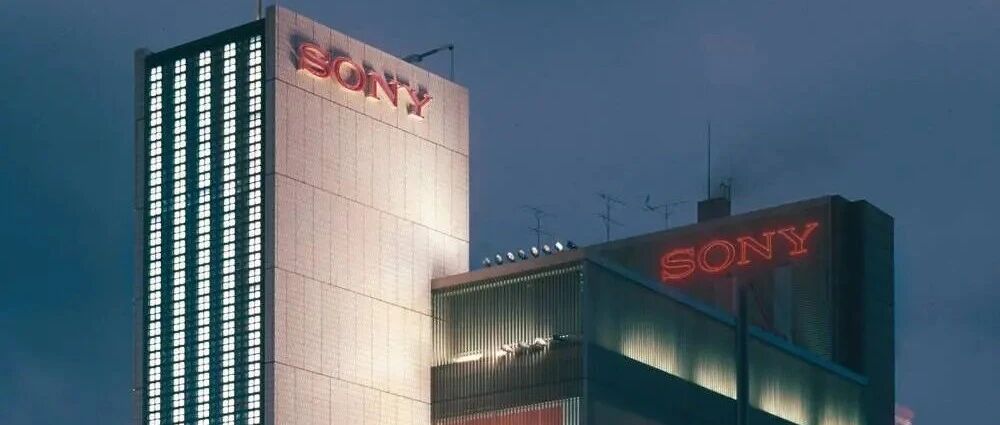
Core Viewpoint - Sony's decision to form a joint venture with TCL for its home entertainment business marks a significant shift in the global television market, indicating Japan's exit from the competitive landscape of television manufacturing [4][9]. Group 1: Sony's Strategic Move - Sony will transfer its television business and the BRAVIA brand to a joint venture with TCL, with TCL holding a 51% stake, effectively rebranding Sony's television operations [4]. - The move reflects Sony's lack of display panel production capabilities, which limits its profit margins in the television sector, relying instead on LG and TCL for panel supply [4][9]. - Sony's television market presence has been minimal, often categorized under "others" in market share rankings, and its television segment has historically underperformed compared to its other business units like CIS chips and gaming [4][9]. Group 2: Implications for the Japanese Market - The partnership signifies the end of Japan's independent television brands, as major players like Sharp, Toshiba, and Panasonic have either exited or significantly downsized their television operations [9][10]. - The historical context shows that since 2010, Japanese electronics companies have been selling off their consumer electronics divisions, with Sony's television business being the latest casualty [11][16]. - The decline of Japanese brands in the television market is attributed to their loss of panel production capabilities, which has led to a diminished ability to control pricing and market presence [20][26]. Group 3: The Rise of Chinese and Korean Competitors - TCL's acquisition of Sony's television business is positioned to enhance its competitive stance against Samsung, leveraging Sony's brand equity alongside its own manufacturing capabilities [9]. - The shift in market dynamics has seen Chinese and Korean companies dominate the display panel production, with significant investments leading to a loss of market share for Japanese firms [22][25]. - The transition from Japanese dominance in the television market to a landscape where Chinese and Korean manufacturers hold the majority of panel production capabilities illustrates a broader trend of technological and market leadership shifting eastward [20][29].
索尼委身TCL,日企时代终落幕了
阿尔法工场研究院· 2026-01-23 04:09
Core Viewpoint - The collaboration between Sony and TCL marks a significant shift in the consumer electronics industry, highlighting the transition from traditional Japanese brands to Chinese manufacturers as key players in the market [5][24]. Group 1: Sony and TCL Collaboration - TCL announced a memorandum of understanding with Sony to establish a joint venture for Sony's home entertainment business, with TCL holding 51% and Sony 49% of the shares [5][7]. - The joint venture will focus on an integrated model for operating television and home audio businesses globally, indicating a shift in control from Sony to TCL [7][22]. - This partnership aims to combine Sony's high-quality audio-visual technology and brand value with TCL's advanced display technology and cost efficiency [20][22]. Group 2: Historical Context of Sony - Sony was once a dominant player in the television market, with its Trinitron technology setting the standard for picture quality in the 1980s and 1990s [9][10]. - The company enjoyed a long period of brand loyalty in China, despite higher prices compared to local brands [12]. - However, the rise of Chinese brands like TCL and Hisense, which offered lower prices and competitive technology, began to erode Sony's market share starting in the early 2000s [12][17]. Group 3: Challenges Faced by Sony - Sony's television business has faced significant challenges, including complaints about product reliability and a decline in brand trust among consumers [17]. - By 2025, Sony's television shipments had dropped to 2.6 million units, ranking it tenth in the market, far behind Chinese competitors [22][24]. - The company has been shifting its focus away from hardware to more profitable sectors like gaming, music, and image sensors, indicating a strategic realignment [24]. Group 4: Rise of Chinese Brands - Chinese brands have transitioned from being price competitors to leaders in technological innovation, with TCL and Hisense achieving significant market shares globally [31][33]. - By 2025, TCL's global television shipments reached 20.8 million units, marking a 4.1% increase year-on-year, while Hisense led the Chinese market in shipments [31][33]. - The collaboration between Sony and TCL symbolizes a broader trend of power shifting in the consumer electronics industry, with Chinese companies increasingly defining market standards [22][24].
每周观察 | 预估2026年AI服务器出货量将年增超28%;2027年全球DRAM供给或将上调;存储器产业产值逐年创高;全球电视出货区域占比变化…
TrendForce集邦· 2026-01-23 04:05
Group 1 - The global AI server shipment is expected to grow by over 28% annually by 2026, driven by increased investments from North American cloud service providers [2] - The demand for AI inference services is leading to a replacement and expansion cycle for general servers, with an overall server shipment growth forecast of 12.8% in 2026 compared to 2025 [2] Group 2 - Micron Technology plans to acquire PSMC's factory in Tainan for $1.8 billion, which will enhance Micron's advanced DRAM production capacity and improve PSMC's mature process DRAM supply, potentially leading to an upward revision of global DRAM supply by 2027 [4] Group 3 - The storage market is projected to reach a new peak in 2027, with an expected annual growth rate exceeding 50%, driven by the structural changes brought by AI and the increasing demand for high-bandwidth, large-capacity, and low-latency DRAM products [6] - The overall storage industry value is anticipated to reach $551.6 billion in 2026 and $842.7 billion in 2027, reflecting a 53% year-on-year increase [6] Group 4 - TCL and Sony have signed a memorandum of cooperation to establish a joint venture, aiming to enhance their market share in the television sector, potentially approaching that of Samsung Electronics by 2027 [9]

占据90%RGB-Mini LED销量 海信加速抢占高端电视赛道
Zhong Guo Jing Ying Bao· 2026-01-22 16:23
Group 1 - The core viewpoint is that Hisense is accelerating its presence in the high-end television market with its RGB-Mini LED technology, which offers significant advantages over competing technologies like QD-Mini LED [2] - Hisense's RGB-Mini LED technology features independent R/G/B light-emitting chips in each LED, achieving 100% BT.2020 ultra-wide color gamut and providing over 40% energy savings compared to QD-Mini LED televisions [2] - The company has achieved a remarkable 95.67% market share in the RGB-Mini LED television segment as of the 2025 Double Eleven sales event, indicating strong consumer acceptance and market dominance [3] Group 2 - The integration of innovation by companies like Hisense signifies that the Chinese display industry has moved beyond merely following trends, leveraging its full industry chain advantages to build a sustainable and advanced display ecosystem [3]