老年用品

Search documents
提质扩容,发力新领域新赛道
Sou Hu Cai Jing· 2025-12-12 00:07
Core Viewpoint - The article discusses the recent implementation of a plan by the Ministry of Industry and Information Technology and five other departments to enhance the adaptability of supply and demand in consumer goods, aiming to stimulate consumption and economic growth. Group 1: Consumption Trends - The article highlights the emergence of new cultural and tourism products, such as ice and snow sports experiences, which are contributing to a "hot economy" from previously underutilized "cold resources" [2] - The release of the Beijing Winter Olympics mascot "Bing Dwen Dwen" has seen a significant consumer demand, indicating a robust market for cultural products [2] - The film "Zootopia 2" has outperformed expectations in the Chinese market, showcasing the potential of the domestic box office [2] Group 2: Supply and Demand Adaptation - The article emphasizes the shift in consumer demand from mere availability to quality, as outlined in the "14th Five-Year Plan," which calls for an expansion of high-quality consumer goods and services [2] - It discusses the structural mismatch in supply and demand, particularly in the elderly care market, where the market size is expected to grow from 2.6 trillion yuan to 5.4 trillion yuan from 2014 to 2024, yet there are challenges in meeting consumer needs [3] Group 3: Innovation and New Consumption Models - The article stresses the importance of innovation in driving consumption, highlighting the need for new products, services, and experiences to meet evolving consumer preferences [4] - It notes the role of technology and digitalization in enhancing production capabilities and developing high-quality consumer goods [4] - The article mentions the increasing international presence of Chinese brands, such as the expansion of "Mixue Ice City" with over 5,000 overseas stores, reflecting a growing global consumer market [4] Group 4: Market Opportunities - The article identifies potential in traditional consumption sectors, such as the success of a clothing company in producing yoga apparel, and the food industry’s shift towards low glycemic index products [5] - It highlights the emergence of new consumption hotspots, particularly in urban areas, where international brands are being integrated into local markets [5] - The article points out the opportunities in new technology sectors, such as wearable devices and elder care robots, which are benefiting from the "AI+" trend [6] Group 5: Economic Growth and Consumer Potential - The article concludes that consumption is a crucial driver of economic growth and that enhancing supply-demand adaptability will unleash consumer potential, contributing to the overall stability and growth of the Chinese economy [6]
提质扩容,发力新领域新赛道(评论员观察)
Ren Min Ri Bao· 2025-12-11 22:11
Core Viewpoint - The article discusses the recent implementation plan by the Ministry of Industry and Information Technology and five other departments to enhance the adaptability of supply and demand in consumer goods, aiming to stimulate consumption and economic growth. Group 1: Consumption Trends - The article highlights the emergence of new cultural and tourism products related to winter sports and heritage experiences, which are contributing to the "hot economy" from "cold resources" [2] - The release of the Beijing Winter Olympics mascot "Bing Dwen Dwen" has seen a significant consumer demand, indicating a robust market for cultural products [2] - The film "Zootopia 2" has outperformed expectations in the Chinese market, showcasing the potential of the large domestic market [2] Group 2: Supply and Demand Adaptation - The article emphasizes the shift in consumer demand from mere availability to quality, as outlined in the "14th Five-Year Plan," which calls for expanding the supply of quality consumer goods and services [2] - It points out the structural mismatch in supply and demand, particularly in the elderly products market, where the market size is expected to grow from 2.6 trillion yuan to 5.4 trillion yuan from 2014 to 2024 [3] - The need for businesses to align their production with consumer preferences is highlighted, suggesting that policies should focus on fostering high-end brands and innovative products [3] Group 3: Innovation and Quality - The article stresses the importance of innovation in driving consumption, with new products and services being essential for meeting consumer demands [4] - It mentions the role of technology and digitalization in enhancing production capabilities and developing high-quality consumer goods [4] - The expansion of international markets for Chinese brands, such as the significant growth of overseas stores for brands like Mixue Ice City, is noted as a way to elevate consumption levels [4] Group 4: Market Opportunities - The article identifies potential in traditional consumption sectors, suggesting that there are still opportunities for growth through innovative approaches [5] - New consumption hotspots are emerging, with cities like Shanghai integrating international brands and outdoor economies to boost local consumption [6] - The rise of health-focused brands and technology in sectors like wearable devices and elder care is highlighted as a response to changing consumer needs [6] Group 5: Economic Impact - The article concludes that consumption is a crucial engine for economic growth, and the current period of rapid consumption structure upgrade is vital for unleashing market potential [6] - It emphasizes that enhancing supply-demand adaptability will stimulate domestic demand and support sustainable economic development [6]
一图详解三大万亿消费领域 哪些行业将迎红利?
Zhong Guo Jing Ji Wang· 2025-12-05 03:48
Core Viewpoint - The implementation plan aims to enhance the adaptability of supply and demand in consumer goods, targeting the formation of three trillion-level consumption sectors and ten hundred-billion-level consumption hotspots by 2027, focusing on elderly products, smart connected vehicles, and consumer electronics [1] Group 1: Elderly Products - The plan emphasizes the development of age-friendly products, including elderly service robots, multifunctional nursing beds, and health monitoring devices [6][7] - It promotes the launch of comfortable, functional, and stylish clothing and footwear for the elderly, as well as food products that cater to their nutritional needs [9] - An initiative will be launched to support elderly products and services, encouraging home modifications for elderly care and promoting age-friendly product directories [11] Group 2: Smart Connected Vehicles - Significant breakthroughs have been made in key technologies for smart connected vehicles, establishing a complete industrial chain that includes smart cockpits, autonomous driving, and connected cloud control [12] - From January to October, retail sales of new energy passenger vehicles reached 10.15 million units, marking a year-on-year increase of 21.9% [12] - The production value of smart vehicle equipment manufacturing increased by 25.1% in the first three quarters, with new car sales of vehicles equipped with Level 2 driving assistance features growing by 21.2% [14] Group 3: Consumer Electronics - The definition of consumer electronics has evolved, now encompassing a wide range of products including personal computers, smartphones, and smart home devices, with a focus on integrating generative artificial intelligence technologies [17][18] - From January to October, the production of smartphones reached 1.02 billion units, with overall sales in the home appliance and communication equipment sectors also showing significant growth [19] - The plan encourages the development of smart home products, consumer electronics, and the establishment of a robust manufacturing base in the home appliance sector [23]


到2027年,我国将培育3个万亿级消费领域与10个千亿级消费热点
Sou Hu Cai Jing· 2025-12-03 11:44
Core Insights - The Chinese government has introduced an implementation plan to enhance the adaptability of consumer goods supply and demand, aiming for significant optimization of the supply structure by 2027, with the goal of creating three trillion-level consumption sectors and ten hundred-billion-level consumption hotspots [1][3]. Group 1: Consumption Trends and Market Potential - The development goals are based on a comprehensive assessment of current consumption trends, industrial foundations, and technological changes, focusing on both "stock optimization" and "incremental creation" [3]. - The elderly care market is projected to grow from 2.6 trillion yuan in 2014 to 5.4 trillion yuan by 2024, with a compound annual growth rate of 7.3%, highlighting its potential as a core driver of the silver economy [3][4]. Group 2: Key Consumption Sectors - The three trillion-level consumption sectors identified are elderly products, smart connected vehicles, and consumer electronics, which are seen as high-potential areas for growth [3][4]. - The ten hundred-billion-level consumption hotspots include diverse categories such as baby products, smart wearables, cosmetics, fitness equipment, outdoor products, pet supplies, civilian drones, trendy toys, jewelry, and national trend clothing, reflecting a vibrant and diversified market [4]. Group 3: Strategic Development Approach - The government plans to adopt a multi-faceted and layered approach to continuously cultivate and expand various consumption hotspots, enhancing the resilience and vitality of the domestic consumption market [4].
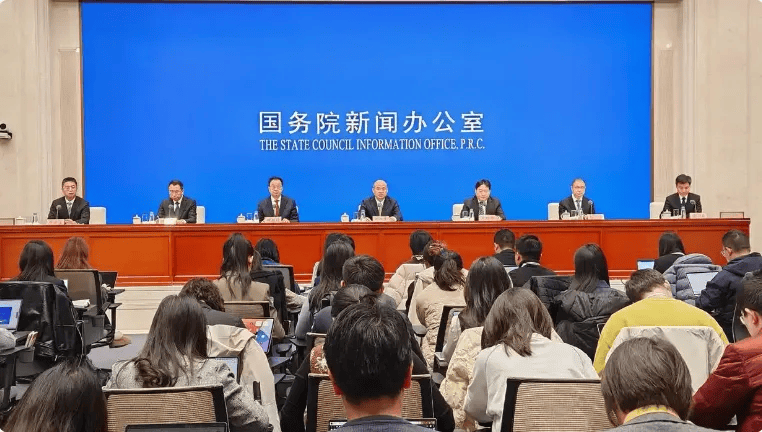
万亿消费领域做优做大做强①丨老年用品市场正迎来黄金发展期
Sou Hu Cai Jing· 2025-12-02 03:12
Core Insights - The Ministry of Industry and Information Technology and five other departments have jointly issued an implementation plan aimed at enhancing the adaptability of supply and demand for consumer goods, with a focus on three trillion-level consumption sectors, including elderly products, smart connected vehicles, and consumer electronics by 2027 [2][11] - The elderly products market in China is experiencing rapid growth, with the market size projected to increase from 2.4 trillion yuan in 2014 to 5.4 trillion yuan by 2024, indicating a significant growth potential [3][12] - The core of the new policy is to promote national health construction through consumption, focusing on meeting the health consumption needs of the elderly population, which is expected to create a win-win situation for families and society [3][12] Market Potential - The elderly products market is not yet mature, with high product homogeneity and limited market coverage, suggesting substantial room for growth and diversification in product types and functionalities [2][11] - The silver economy, which encompasses the consumption needs of the elderly, is projected to reach a scale of approximately 7 trillion yuan currently, with expectations to grow to 30 trillion yuan by 2035 [5][14] - The demand from the new elderly demographic has shifted from merely "having care" to "enjoying life," emphasizing the importance of belonging, safety, and value [5][14] Consumer Needs - The elderly population has diverse needs that extend beyond physical products to include emotional and spiritual support, indicating a growing market for services that cater to these aspects [4][5] - There is a significant market opportunity in providing services that address the emotional and cultural needs of the elderly, as many experience feelings of loneliness [4][5] - The integration of culture and health in service offerings can create new demand and enhance the overall well-being of the elderly [6][14] Challenges and Solutions - Urban low-income groups and rural elderly populations often lack disposable income for consumption, which poses a challenge to market growth [7][14] - Recommendations include improving pension systems, enhancing long-term care standards, and developing a multi-layered support system to boost elderly consumer confidence [7][8] - Companies are encouraged to innovate and adapt their offerings to meet the evolving needs of the elderly, focusing on practical and essential products that address real-life challenges [8][9] Strategic Recommendations - Establishing a three-tiered consumption scenario that includes inclusive, quality, and personalized consumption can help address the mismatch between supply and demand in the elderly products market [9][10] - Companies should focus on developing new consumption scenarios that leverage technology, such as AI and robotics, to meet the changing needs of elderly consumers [9][10] - Enhancing payment capabilities for the elderly through innovative funding models and government subsidies can facilitate greater market participation [9][10]

晶采观察丨六部门划定三大万亿级消费赛道 带来哪些利好?
Yang Guang Wang· 2025-12-02 01:29
Core Viewpoint - The implementation plan aims to enhance the adaptability of supply and demand in the consumer goods sector to address pain points in consumption [1][2] Group 1: Goals and Targets - The plan sets a target to cultivate three trillion-level consumption sectors and ten hundred-billion-level consumption hotspots by 2027 [2] - The three trillion-level sectors include elderly products, smart connected vehicles, and consumer electronics [2] - The ten hundred-billion-level hotspots focus on specific categories such as baby products, smart wearable devices, cosmetics, fitness equipment, outdoor products, pet food, civilian drones, trendy toys, jewelry, and national trend clothing [2] Group 2: Targeted Consumer Groups - For the young demographic, the plan emphasizes "individual expression" and "fashion leadership," supporting the development of culturally rich and fashionable products like national trend clothing and designer collaborations [2][3] - In addressing the needs of infants and students, the plan promotes the integration of traditional toys and stationery with smart technology, aiming for products that facilitate personalized interaction and learning [3] - For the elderly, the focus is on practical convenience and quality of life, with plans to enhance the development of products like elderly care robots, suitable clothing, and easy-to-swallow foods [3] Group 3: Market Dynamics - The plan anticipates the creation of a new consumption market worth trillions in key sectors by 2027, driven by both "stock optimization" and "incremental creation" [3] - Stock optimization refers to the growing popularity of culturally significant domestic products, while incremental creation involves developing new products and services for emerging demographics and scenarios [3] Group 4: Economic Impact - The multi-faceted approach is expected to significantly enhance the resilience and vitality of the domestic consumer market, providing solid support for the construction of a new development pattern [4] - The goal is to achieve a dynamic balance of supply and demand at a higher level within approximately five years, allowing consumers to enjoy higher quality products and services [4]
“供需适配”将释放多少消费潜力
Sou Hu Cai Jing· 2025-12-02 00:48
Core Viewpoint - The article discusses China's new implementation plan aimed at enhancing the adaptability of supply and demand in consumer goods, focusing on collaborative efforts between supply and demand sides to stimulate consumption potential and drive economic growth [3][5]. Group 1: Implementation Plan Overview - On November 26, six government departments released a plan with 19 key tasks to enhance supply-demand adaptability, focusing on expanding new markets, exploring existing markets, segmenting markets, empowering scenarios, and optimizing the environment [3][5]. - The plan emphasizes a shift from a one-sided consumption stimulation model to a collaborative approach, addressing structural contradictions in consumption and promoting high-quality economic development [3][5]. Group 2: Market Insights and Data - As of now, China has a total of 230 million consumer goods varieties, with over 100 categories like home appliances and furniture leading global production [5]. - The plan aims to create three trillion-yuan-level consumption sectors and ten hundred-billion-yuan-level consumption hotspots by 2027, focusing on areas such as elderly products, smart connected vehicles, and consumer electronics [8][9]. Group 3: Consumer Trends and Needs - The plan highlights the need for supply to match diverse consumer demands, particularly for different age groups and lifestyles, indicating a shift from quantity expansion to structural optimization in the consumer market [11][12]. - The elderly population in China is projected to reach 310 million by the end of 2024, with the elderly goods market expected to grow from 2.6 trillion yuan in 2014 to 5.4 trillion yuan by 2024, reflecting a compound annual growth rate of 7.3% [12]. Group 4: Technological Integration - The plan emphasizes the integration of artificial intelligence (AI) in consumer goods, aiming to enhance precision in supply and demand matching through AI applications across the industry [14][17]. - AI is expected to transform traditional supply methods into personalized manufacturing, allowing for rapid and flexible production that meets evolving consumer preferences [14][16].
——政策周观察第57期:\十五五\扩内需,如何部署?
Huachuang Securities· 2025-12-01 13:04
Group 1: Macroeconomic Strategy - The article emphasizes the need to boost domestic consumption, noting that China's consumption rate lags behind developed countries by 10-30 percentage points, particularly in service consumption[1] - Short-term measures include optimizing supply and reducing restrictions to enhance the availability of quality consumer goods and services[1] - Long-term strategies focus on increasing residents' income and improving the share of labor remuneration in national income distribution[1] Group 2: Investment Expansion - The report advocates for effective investment expansion, particularly in infrastructure, while maintaining a balance to avoid excessive investment[2] - Key investment areas include urban renewal, strategic transportation corridors, new energy systems, and major water conservancy projects[2] - The government plans to implement significant projects in consumer-related sectors, such as elderly care and health services, to support consumption[2] Group 3: Policy Developments - A recent plan aims to create three trillion-level consumption sectors and ten hundred-billion-level consumption hotspots by 2027, focusing on areas like elderly products and smart connected vehicles[2] - The government has allocated 700 billion yuan and 800 billion yuan in special bonds for "hard investment" projects in the past two years[2] - The report highlights the importance of enhancing the efficiency of investment returns and addressing the issues of "heavy investment, light returns" in certain sectors[2]
“十五五”扩内需,如何部署?——政策周观察第57期
一瑜中的· 2025-12-01 12:04
Core Viewpoint - The article emphasizes the importance of expanding domestic demand as a strategic foundation during the "14th Five-Year Plan" period, focusing on boosting consumer spending and effective investment to counter external uncertainties and enhance economic growth [2][13]. Summary by Sections 1. Boosting Consumer Spending - Current Situation: China's consumer spending rate lags behind developed countries by 10-30 percentage points, particularly in service consumption [2]. - Short-term Measures: Focus on optimizing supply, innovating consumption scenarios, and removing unreasonable restrictions in the consumption sector [2]. - Long-term Goals: Enhance residents' income and consumption capacity, ensuring that income growth aligns with economic growth and labor productivity [2][13]. 2. Expanding Effective Investment - Infrastructure Investment: Maintain a moderate growth in infrastructure investment while avoiding excessive expansion [3]. - Investment Focus: Target major projects in urban renewal, strategic transportation corridors, new energy systems, and significant water conservancy projects, as well as investments in consumer-related sectors [3][13]. - Support Measures: Reform the investment and financing system, utilize new policy financial tools, and improve the pricing mechanisms in transportation and energy sectors to enhance investment returns [3][13]. 3. Recent Policy Developments - Consumption Policy: The Ministry of Industry and Information Technology released a plan to enhance the adaptability of supply and demand in consumer goods, aiming to establish three trillion-level consumption sectors and ten hundred-billion-level consumption hotspots by 2027 [4][11]. - Industry Meetings: The People's Bank of China held a meeting to combat speculative trading in virtual currencies, and the Ministry of Industry and Information Technology discussed regulations in the battery industry [4][11]. 4. National Development Goals - The article outlines the goal of achieving a high-quality development pattern where supply and consumption interact positively by 2030, with a gradual increase in consumption's contribution to economic growth [11][12]. - Specific sectors identified for growth include elderly products, smart connected vehicles, and consumer electronics, with a focus on addressing the needs of an aging population [12][13].

银发经济活力涌动 “科技+服务”催生多样“智”享养老消费新场景
Yang Shi Wang· 2025-12-01 03:47
Core Insights - The recent implementation plan aims to enhance the adaptability of supply and demand in consumer goods, targeting the formation of three trillion-level consumption sectors and ten hundred-billion-level consumption hotspots by 2027, with the elderly products market being one of the trillion-level sectors [1] - The elderly products market in China has grown from 2.6 trillion yuan in 2014 to 5.4 trillion yuan in 2024, reflecting a compound annual growth rate of 7.3%, indicating a shift in consumption demand from basic needs to quality upgrades among the elderly [1] Group 1: Technological Innovations for the Elderly - The introduction of exoskeleton robots in parks allows elderly individuals to save approximately 30% of their physical energy while hiking, with over 30 units deployed for rental [3] - New AI products, such as intelligent wheelchairs and smart bathing machines, are being developed to meet the specific needs of the elderly, enhancing their quality of life and convenience [4][8] - The acceptance of technology among the elderly is rising, with 68.2% of individuals aged 60-75 using smart devices, indicating a transition from "aging with care" to "aging with enjoyment" [8] Group 2: Elderly Tourism Trends - The elderly tourism market has evolved from traditional sightseeing to a more personalized and quality-focused experience, with over 280 million elderly tourists expected in 2024 [8] - Customized travel products are increasingly being offered to meet the specific preferences of elderly travelers, with a 42% year-on-year growth in cross-province travel orders for the 55-70 age group [16] - Train services for elderly tourists are implementing personalized management and catering to dietary needs, enhancing the overall travel experience [14][16] Group 3: High-Quality Elderly Care Services - High-quality elderly care services are becoming a core support for the silver economy, driven by policy guidance and market demand, focusing on integrated medical and elderly care [17] - The integration of medical insurance across regions is facilitating easier access to healthcare for elderly individuals, with significant reductions in out-of-pocket expenses [20] - The development of elderly care centers is supported by government funding, with a notable increase in the number of facilities and beds available, promoting a higher quality of life for the elderly [24]