网约车

Search documents
曹操出行(02643)今日解禁 Robotaxi全要素生态成长期价值压舱石
智通财经网· 2025-12-29 03:01
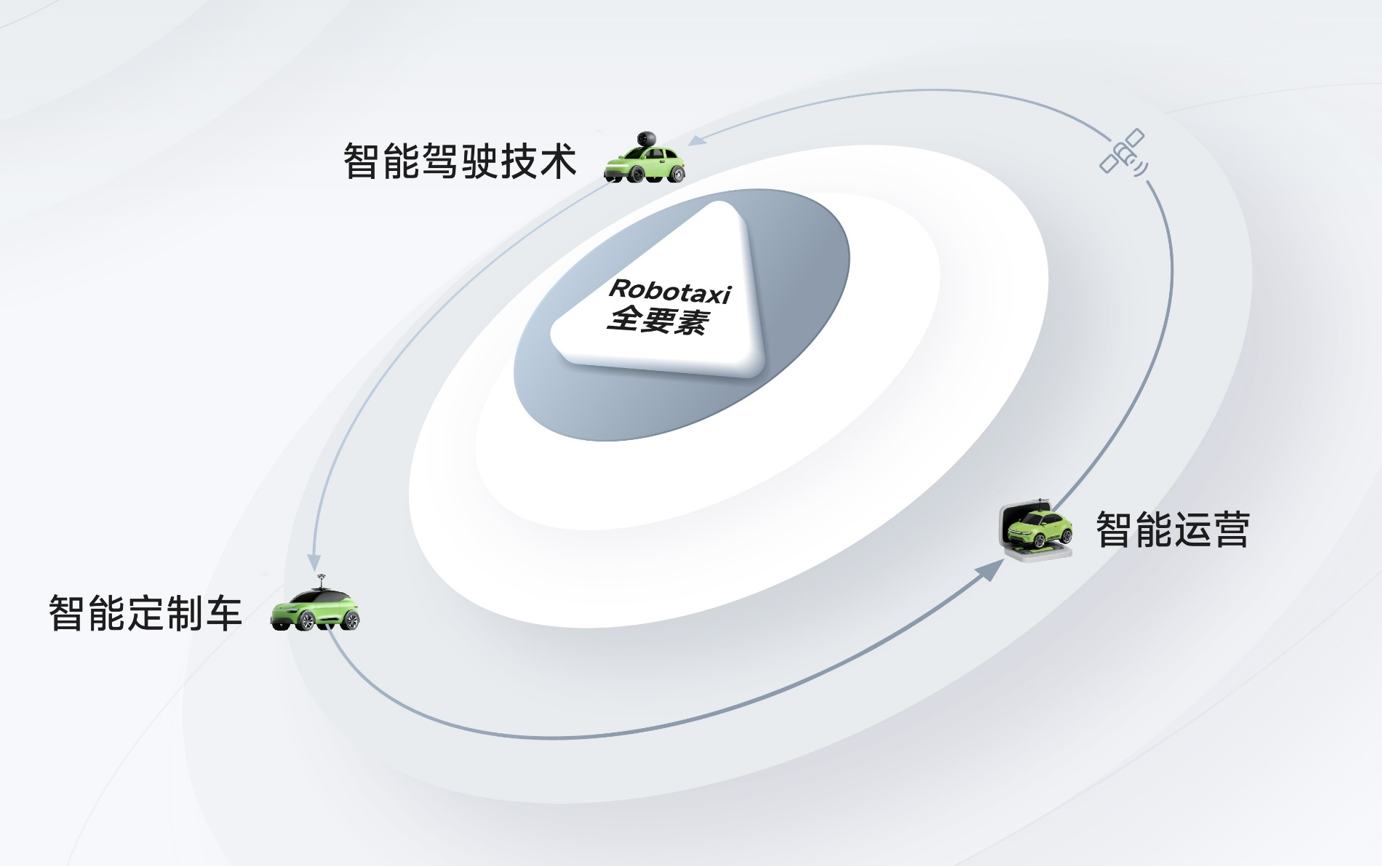
Core Viewpoint - The unlocking of shares for Cao Cao Mobility marks a significant moment, creating short-term pressure on stock prices but also providing an entry point for new investors who believe in the company's long-term ecological value and the Robotaxi sector [1] Group 1: Industry Trends - The Robotaxi industry is at a critical juncture for commercialization, with breakthroughs in autonomous driving technology and supportive policies driving growth [2] - Advances in algorithms, computing power, and hardware are leading to a cumulative effect that reduces the cost of autonomous driving systems by 10%-15% annually, with predictions that by 2027, Robotaxi costs per kilometer may match traditional ride-hailing services [2] - In the first quarter of this year, total financing in China's autonomous driving sector reached 36.24 billion yuan, reflecting a 38.5% year-on-year increase, indicating renewed investor interest in the sector [3] Group 2: Competitive Landscape - The Robotaxi industry features a diverse competitive ecosystem with various players, including ride-hailing platforms and technology firms collaborating to drive commercialization [4] - Cao Cao Mobility focuses on building a comprehensive operational system, leveraging its unique combination of smart custom vehicles, intelligent driving technology, and smart operations to create a closed-loop service model [4][6] Group 3: Cao Cao Mobility's Strategy - Cao Cao Mobility's Robotaxi strategy is supported by two core elements: Geely's technological ecosystem and a decade of operational experience [7] - Geely's ecosystem provides advantages in vehicle development, smart driving technology, and infrastructure, including 448 battery swap stations, which enhance operational efficiency [8] - The company has established a systematic operational capability that includes user service standards, efficient demand forecasting, and lifecycle management of vehicles, which supports cost control and commercial validation [10][11] Group 4: Industry Outlook - The Chinese Robotaxi market is projected to reach 1.2 trillion yuan by 2030, accounting for over 30% of the shared mobility market, with significant societal benefits anticipated [12] - Cao Cao Mobility's ambitious goal of "ten years, a hundred cities, and a hundred billion" aligns with industry growth expectations, and the company is preparing for rapid expansion [12] - As autonomous driving technology matures, Robotaxi services could reduce ride-hailing operational costs by over 50%, positioning players with comprehensive ecosystems for competitive advantage in a potentially trillion-dollar market [12]

我省为新就业形态劳动者系上“安全带”
Hai Nan Ri Bao· 2025-12-29 01:28
Core Insights - The Hainan province has successfully implemented a pilot program for occupational injury protection for new employment model workers, with over 1 billion orders processed and a total of approximately 24.3 million yuan in benefits paid out [2][3] Group 1: Program Overview - The pilot program for occupational injury protection began on July 1, 2022, with Hainan being one of seven trial provinces [2] - A total of 11 platform companies, including Meituan, Ele.me, and Didi, have been included in the pilot, covering various services such as delivery and transportation [2] - The program has provided coverage for approximately 396,800 new employment model workers [2] Group 2: Payment and Benefits - The payment for occupational injury protection is based on a variable fee structure, with companies contributing between 0.01 yuan to 0.25 yuan per order, calculated monthly [2] - Workers are eligible for benefits such as medical expenses, rehabilitation costs, disability allowances, and living care fees if they suffer injuries while performing platform services [3] - The review process for injury claims has been streamlined, with a standard confirmation time of 30 working days, and expedited processes for minor injuries [3] Group 3: Future Plans - During the 14th Five-Year Plan period, Hainan aims to expand the coverage of the occupational injury insurance system to include more categories of workers, such as delivery personnel and interns [3]
如何让“飞奔的人”无忧奔跑
Xin Lang Cai Jing· 2025-12-28 19:26
Core Viewpoint - The article highlights the challenges and needs of new employment groups in Jinan, focusing on their social security, legal rights, and integration into urban life, while exploring solutions to enhance their legal protections and overall well-being [3][4][8]. Group 1: Social Security and Legal Support - Jinan has established 21 legal service contact points to provide accessible legal assistance to new employment groups, addressing their unique needs due to high mobility and concentration [4]. - In 2023, these contact points have provided legal consultations and assistance 296 times, with 45.6% related to social security issues [4]. - The lack of formal labor contracts and social security coverage for gig workers, such as delivery riders, has led to significant concerns about their long-term welfare [4]. Group 2: Transparency in Platform Operations - Drivers in the ride-hailing sector express concerns over opaque commission structures, with platform fees ranging from 20% to 27%, impacting their earnings [6]. - The Ministry of Transport's initiative requires platforms to disclose commission rates, yet many drivers still find the rules unclear and inconsistent [6]. - The disparity in pricing between traditional taxis and ride-hailing services raises questions about fair competition and cost distribution among drivers [6]. Group 3: Community Integration and Support - Jinan has formed associations for various new employment groups, fostering a sense of belonging and providing a platform for addressing industry challenges [7]. - Community initiatives, such as summer care programs for children of gig workers, demonstrate a commitment to supporting the personal lives of these workers [7]. - The city has engaged 810 riders as community grid workers and 166 as food safety supervisors, promoting active participation in local governance and community service [7].

万顺瑞强集团(08427)附属拟3400万港元收购深圳万顺叫车云信息技术1%注册股本
Zhi Tong Cai Jing· 2025-12-28 14:01
Core Viewpoint - The company, Wanshun Ruqiang Group, has adjusted its acquisition strategy after terminating a previous deal, entering into a new agreement to acquire 1% of the registered capital of Shenzhen Wanshun Jiao Che Cloud Information Technology Co., Ltd for HKD 34 million, which will be settled through the issuance of promissory notes [1] Group 1 - The buyer, Gallant Empire Limited, is a wholly-owned subsidiary of the company [1] - The target company operates a ride-hailing platform in China [1] - The acquisition is seen as a strategic entry point into the high-growth ride-hailing industry, aligning with the company's long-term goals of diversification, innovation, and value creation [1]
万顺瑞强集团(08427.HK):附属公司拟3400万港元收购深圳万顺叫车云信息技术1%注册股本
Ge Long Hui· 2025-12-28 14:00
Core Viewpoint - Wanshun Ruqiang Group (08427.HK) has entered into a purchase agreement to acquire 1% of the registered capital of Shenzhen Wanshun Jiao Che Cloud Information Technology Co., Ltd. for a total consideration of HKD 34 million, marking a strategic entry into the high-growth ride-hailing industry [1] Group 1 - The agreement was reached after further negotiations with the seller following the termination of a previous acquisition [1] - The transaction will be settled through the issuance of acceptance notes [1] - The target company operates a ride-hailing platform in China, aligning with the company's long-term goals of diversification, innovation, and value creation [1]
万顺瑞强集团附属拟3400万港元收购深圳万顺叫车云信息技术1%注册股本
Zhi Tong Cai Jing· 2025-12-28 13:56
Core Viewpoint - Wanshun Ruqiang Group (08427) has announced a revised agreement to acquire a 1% stake in Shenzhen Wanshun Jiao Che Cloud Information Technology Co., Ltd. for HKD 34 million, following previous negotiations and adjustments to their collaboration strategy with the seller and target company [1] Group 1: Acquisition Details - The buyer, Gallant Empire Limited, which is wholly owned by the company, will settle the purchase through the issuance of promissory notes [1] - The target company operates a ride-hailing platform in China, indicating a strategic entry into the high-growth ride-hailing industry [1] Group 2: Strategic Implications - The acquisition aligns with the company's long-term goals of diversification, innovation, and value creation [1] - The board believes that the acquisition is in the overall interest of the company and its shareholders [1]
冬日暖洋洋!南宁网约车司机有了“身心补给站”
Xin Lang Cai Jing· 2025-12-28 07:02
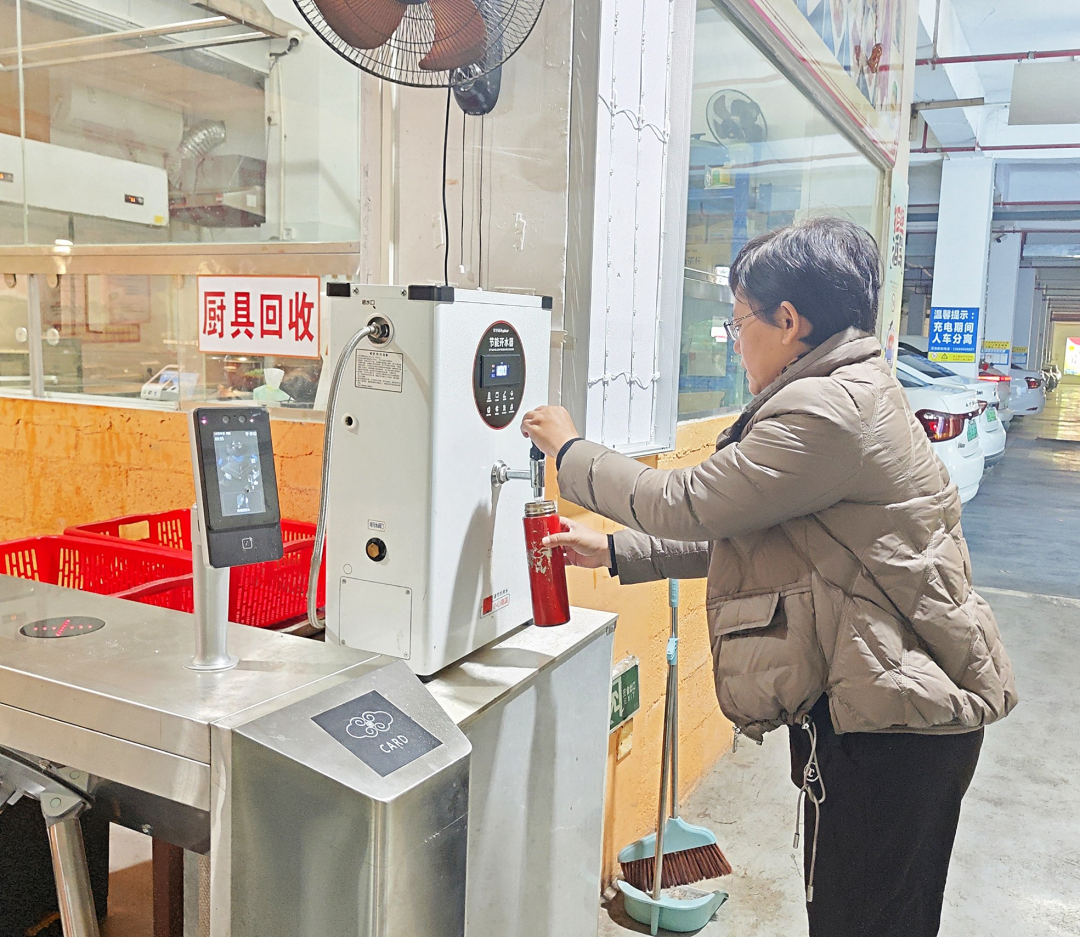
转自:南宁发布 12月25日,位于兴宁区长堽路189号绿园小区的南宁绿园出租汽车综合服务站内暖意融融,不少网约车司机前来充电、就餐、休息,安心享受一站式便民 服务。 "站点核心是为网约车司机提供24小时不间断服务,重点破解他们充电难、吃饭难、休息难的痛点。"绿园出租汽车综合服务站场站运营负责人杨炆翰介 绍,服务站食堂供应早中晚餐及夜宵,在寒冷的天气里提供热水服务,会员可享9.9元三菜一汤的优惠餐食;电价可在线查询,还有按摩服务、热水泡脚 等便民设施,让奔波在外的司机有个舒适的"补给站"。 "我开网约车已有两年半时间,服务站开始营业后,我基本上每天都来,这里就像是第二个家。"网约车司机韦薇说,以前跑车时常常在路边饮食店充饥, 充电时只能在车里坐着等,还得四处寻找公共卫生间,如今有了服务站这个暖心"家港"就安心许多,"干净整洁的卫生间、实惠可口的饭菜、安静舒适的 休息室,还有随时能充电的车位。在这里休整后,精神多了,开车也更安全。" 从事网约车行业8年的魏多金则对按摩服务和休息区赞不绝口:"长时间开车导致腰肩酸痛,现在等待车辆充电的间隙去按摩,歇一歇,减轻疲劳感,驾驶 时就能保持更好的状态,保障乘客和自己的安全。 ...
网约车这一年:司机谋求打破低价,平台押注Robotaxi和出海
Di Yi Cai Jing· 2025-12-28 03:50
年终盘点|网约车这一年:司机谋求打破低价,平台押注Robotaxi和出海 过去一年,网约车行业在持续发展与结构调整中,迎来了供需关系的新阶段。 随着市场逐步从增量步入存量,平台、司机与监管部门共同面对挑战,积极推动价格机制优化、司机权 益保障与服务模式创新。尽管部分司机感受到收入压力,但平台和监管层正在采取积极措施改变低价困 局。此外,出海也成为平台今年的重点。 供需有待平衡 司机端的挑战在于价格。广东网约车司机梁师傅对比了去年和今年的流水,发现有一定落差。"去年每 月还有8000元的流水,今年7000元不到。" 南京的网约车司机俞师傅对比了2025年和2022年的流水数据,她表示2022年每月流水约有15000元,类 似工作强度下2025年每月流水大概在9000元左右。 从整体行业来看,乘客叫车单量仍在保持增长态势,但由于运力供给的增长速度更快,司机竞争激烈, 这使得平均每车每日接单量和司机收入面临一定的分摊压力。当前阶段,网约车市场正从快速扩张期逐 步进入结构优化与效率提升的新阶段。 以部分城市为例,杭州交通数据显示,2025年第三季度日均订单总量为148.61万单(含巡网融合6.3万 单),日均运输总量 ...
年终盘点|网约车这一年:司机谋求打破低价,平台押注Robotaxi和出海
Di Yi Cai Jing· 2025-12-28 01:46
在国内网约车行业进入存量市场时,平台纷纷探索新的赛道,Robotaxi和出海成为重要方向。 过去一年,网约车行业在持续发展与结构调整中,迎来了供需关系的新阶段。 随着市场逐步从增量步入存量,平台、司机与监管部门共同面对挑战,积极推动价格机制优化、司机权 益保障与服务模式创新。尽管部分司机感受到收入压力,但平台和监管层正在采取积极措施改变低价困 局。此外,出海也成为平台今年的重点。 供需有待平衡 司机端的挑战在于价格。广东网约车司机梁师傅对比了去年和今年的流水,发现有一定落差。"去年每 月还有8000元的流水,今年7000元不到。" 他的在线时长并未缩短,这也使得车辆空驶的情况有所增多。同时他观察到低价单也不缺接单的司 机,"1公里1元的单都抢着做。"接下来,梁师傅表示自己有意愿尝试代驾来增加收入。 南京的网约车司机俞师傅对比了2025年和2022年的流水数据,她表示2022年每月流水约有15000元,类 似工作强度下2025年每月流水大概在9000元左右。 从整体行业来看,乘客叫车单量仍在保持增长态势,但由于运力供给的增长速度更快,司机竞争激烈, 这使得平均每车每日接单量和司机收入面临一定的分摊压力。当前阶段 ...

Lyft(LYFT.US)暴涨52%背后:深耕“低渗透率市场”奏效,能否在自动驾驶时代笑到最后?
Zhi Tong Cai Jing· 2025-12-27 06:18
Core Insights - Lyft is enhancing its competitive edge in the ride-hailing and autonomous driving sectors through strategic partnerships and targeting underpenetrated markets, achieving record highs in bookings, order counts, and active passenger numbers [1] - Lyft has experienced double-digit order growth for ten consecutive quarters, with high-margin order volume increasing by 50% year-over-year, revenue up by 11%, and active passenger count rising by 18%, significantly narrowing the gap with Uber in the shared mobility space [1] - By 2026, autonomous driving technology is expected to be a critical factor for success in the shared mobility industry, prompting Lyft to collaborate with companies like Baidu, May Mobility, and Waymo to reduce operational costs [1][2] Group 1 - Lyft is building a vertical integration model for autonomous vehicle fleet management, establishing a service center for the maintenance and charging of Waymo's autonomous vehicles [1] - The integration of Lyft's fleet management with Tensor's "Lyft Ready" program allows personal autonomous vehicles to connect to the platform, enabling vehicle owners to earn income from their cars immediately [2] - Lyft's strategic partnerships are aimed at lowering operational costs and enhancing profitability, although its position in the autonomous driving ecosystem may be challenged by first-party operators like Waymo and Tesla [2][3] Group 2 - Lyft is projected to have ample cash reserves for strategic investments, with estimated free cash flow exceeding $1 billion while maintaining double-digit revenue growth [2] - Year-to-date, Lyft's stock has risen by 52%, outperforming Uber's 34% increase and the S&P 500's 18% rise [4]