
玩具

Search documents
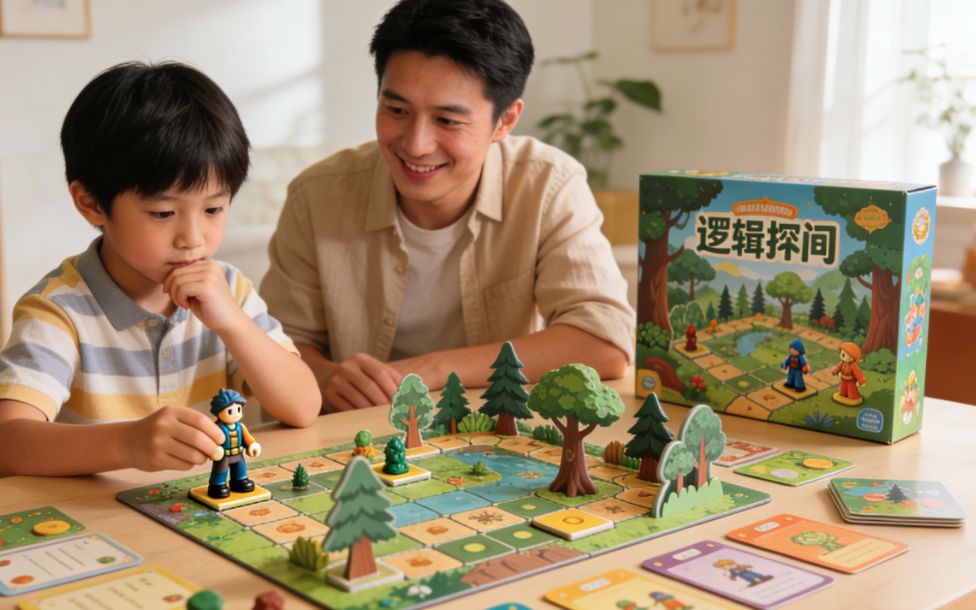
赫捷康这套「逻辑玩具」,让孩子边玩边思考
Xin Lang Cai Jing· 2025-12-23 06:40
Core Viewpoint - The newly launched "Logic Reasoning Adventure Set" by Hejie Kang has gained immense popularity among parents for its engaging design that enhances children's logical thinking through immersive gameplay and family collaboration [1][2]. Product Features - The set includes over 50 challenge cards, 3D scene props, character pieces, and reward badges, designed with a progressive difficulty level suitable for children aged 4 to 10 [1]. - The gameplay involves solving various logic puzzles, such as treasure location identification and password cracking, which develop spatial reasoning, numerical thinking, and strategic planning [1][2]. Developmental Benefits - The toy enhances children's core skills, including observation, concentration, logical reasoning, and problem-solving abilities, while also fostering resilience and patience [2]. - Parents have reported improvements in their children's patience and communication skills, as they actively engage in problem-solving and articulate their reasoning [2]. Family Engagement - The toy addresses the challenge of unstructured family time by allowing family members to take on different roles, analyze clues, and collaborate, thereby strengthening family bonds [2]. - Parents have expressed that they enjoy the game as much as their children, making family interactions more meaningful and enjoyable [2]. Safety and Quality - The game is designed with safety in mind, using eco-friendly materials, rounded edges, and non-toxic components, ensuring that children can play safely [2]. - The accompanying reward badges provide a sense of achievement, motivating children to continue engaging with the game [2]. Market Availability - The "Logic Reasoning Adventure Set" is available on major e-commerce platforms and physical stores, with promotional activities such as free expansion packs and a logic training manual for parents [6].

订单暴涨却不敢接!东南亚工厂的两难,撕开了美国的真面目
Sou Hu Cai Jing· 2025-12-23 06:15
Core Viewpoint - The Christmas season, typically a profitable time for Southeast Asian manufacturers, has turned into a crisis due to heavy reliance on Chinese supply chains and the imposition of up to 40% additional tariffs by the U.S. [1][3] Group 1: Impact of U.S. Tariffs - The U.S. has implemented a "China+1" penalty mechanism, requiring additional tariffs on products containing Chinese components, complicating the export process for Southeast Asian manufacturers [3][5] - Companies like Mattel, which relies on Indonesian factories for over one-third of local toy exports, face challenges in relocating production due to the high dependency on Chinese components [3][5] Group 2: Trade Agreements and Competition - Malaysia attempted to position itself as an alternative to China for textile exports but faced a 19% tariff from the Trump administration, leading to a need for trade agreements that ultimately resulted in fierce competition from U.S. manufacturers [5][6] - The surge in Malaysia's knitted goods exports from $39,000 to $148,000 in July was largely a preemptive measure before the implementation of tariffs, indicating a desperate attempt to maintain market share [5] Group 3: Regional Responses and Strategies - Many Southeast Asian companies are relocating assembly operations to countries like Vietnam and Thailand to mitigate tariff impacts, yet they still rely on Chinese imports for core components [6] - The refusal of Indonesia to sign "poison pill" clauses in trade agreements reflects a desire to maintain economic sovereignty and avoid being forced to choose sides in U.S.-China tensions [5][6] Group 4: Broader Implications - The increasing unilateral protectionism from the U.S. is seen as detrimental to Southeast Asian factories and global consumers, as it politicizes trade relationships that should be mutually beneficial [6] - The contrast between U.S. protectionism and China's commitment to open trade highlights the need for Southeast Asian countries to uphold independent principles and resist coercion in international trade [6]

越南2025年电商规模将达310亿美元;Temu跃居英国电商访问量第三;今年全球玩具与游戏销售额达2870亿美元|一周出海参考
Tai Mei Ti A P P· 2025-12-23 02:35
Group 1 - The Singapore-China Joint Cooperation Committee achieved a record 27 agreements during its 21st meeting, highlighting a comprehensive partnership across various sectors including finance, technology, and cultural exchanges [1] - Since 2015, the Singapore-China connectivity projects have signed 347 government and commercial cooperation projects totaling $26 billion, showcasing significant collaborative efforts [1] Group 2 - Vietnam's e-commerce sector is projected to reach $31 billion by 2025, with a growth rate exceeding 25%, making it one of the fastest-growing e-commerce markets globally [2] - The cross-border e-commerce market in Vietnam is expected to generate $4.1 billion in total online import and export value by 2024, with exports anticipated to grow by 18% to $2 billion by 2025 [2] Group 3 - Vietnam is set to reduce the special consumption tax on hybrid electric vehicles (HEVs) to 70% of the rate applied to gasoline and diesel vehicles starting January 1, 2026, which is expected to stimulate market growth [3] Group 4 - The Vietnamese government is enhancing regulations to combat plastic waste and promote sustainable packaging, with over 6,000 packaging companies transitioning to eco-friendly alternatives [4] Group 5 - Dubai has launched a new integrated R&D and Innovation ecosystem to accelerate innovation and strengthen global collaboration, managed by the Dubai Future Foundation [5] Group 6 - China's trade with Belt and Road Initiative countries exceeded 21 trillion yuan in the first 11 months of the year, accounting for over half of the country's total foreign trade [6] - Exports to Belt and Road countries grew by 11.3%, significantly outpacing overall export growth, driven by high-end manufacturing products like chips and electric vehicles [6] Group 7 - TikTok Shop has released a promotional calendar for Southeast Asia for 2026, following a record GMV increase of 2.7 times during the previous year's 12.12 sales event [7] Group 8 - ByteDance has signed agreements to establish a new entity in the U.S. for TikTok's operations, retaining a 19.9% stake while allowing Oracle and other investors to hold 50% [8] Group 9 - Shopee is launching a market expansion plan for Brunei starting January 2026, allowing Malaysian sellers to reach Bruneian customers without opening new stores [9] Group 10 - Shopee Philippines will adjust fees for certain activities starting January 1, 2026, increasing service fees for large coupon activities during promotional days [10] Group 11 - Temu has introduced its first official Shopify app, enabling merchants to manage products across over 30 markets, including the U.S. and Canada [11] Group 12 - Temu has become the third most visited e-commerce platform in the UK, with a monthly visit count of 28.4 million, significantly increasing its user base [12] Group 13 - Amazon has introduced a new "Prompts" feature in its advertising backend, designed to match relevant products to customer inquiries using AI [13] Group 14 - Lazada has fully launched its third-party fulfillment (3PF) logistics model in Vietnam, enhancing local delivery capabilities for cross-border sellers [14] Group 15 - The Russian e-commerce platform Megamarket reported that LEGO accounted for 85% of toy sales during the 2025 New Year gift season, indicating strong brand dominance [15] Group 16 - The global toy and game sales are projected to reach $287 billion by 2025, driven by nostalgia and high-value products, with Asia-Pacific being the largest market [16] Group 17 - The number of households in the UK using professional home security monitoring services is expected to grow by 31% by 2025, reflecting a shift towards smart technology for home safety [17] Group 18 - Guangzhou has successfully implemented a "tax refund upon departure" model for cross-border e-commerce, streamlining processes for businesses [18] Group 19 - SF International has signed a memorandum of cooperation with MSC Air Cargo to enhance international logistics services through multi-modal transport solutions [19] Group 20 - SF Middle East has signed a cooperation agreement with Asyad Group in Oman to strengthen cross-border transport and supply chain collaboration [20] Group 21 - Thailand will impose a 17% tax on all imported goods starting January 1, 2026, eliminating previous exemptions for low-value items [21] Group 22 - Malaysia will enforce new regulations on large social media platforms starting January 1, 2026, requiring them to register and comply with national security laws [22] Group 23 - Japan will implement significant changes to its cross-border market regulations in 2026, including the removal of tax exemptions for low-value imports and new compliance requirements for overseas platforms [23]



实丰文化:审议通过全资子公司增资扩股相关议案 国资助力“AI+IP玩具”布局
Zhong Guo Zheng Quan Bao· 2025-12-23 01:29
Group 1 - The core announcement is that Shifeng Culture's subsidiary, Shifeng Intelligent, will receive an investment of 44.7 million yuan from Guangdong Provincial Yuecai Industrial Technology Equity Investment Fund, increasing its registered capital from 50 million yuan to 58.7544 million yuan, while Shifeng Culture retains an 85.10% stake [1][2] - The investment aims to enhance Shifeng Intelligent's operational capacity and technological research and development, aligning with the company's strategic focus on "AI + IP toys" [1][2] - The successful passing of the capital increase plan at the shareholders' meeting reflects strong support from shareholders for the company's strategic planning and the introduction of state-owned capital is expected to strengthen Shifeng Intelligent's capital strength and market competitiveness [2] Group 2 - The controlling shareholder, Mr. Cai Junquan, has provided a joint liability guarantee for the equity buyback obligations related to this capital increase, ensuring no costs are incurred by the company, which demonstrates confidence in business development [2] - Currently, the overall guarantee risk for the company and its subsidiaries is manageable, with no overdue or litigation-related guarantees, indicating a solid compliance operation [2] - The company plans to continue leveraging Shifeng Intelligent's business layout to deepen the integration of AI technology and quality IP, aiming to create long-term stable value for shareholders while leading the development in the smart toy sector [2]

泡泡玛特没变,资本先变脸了
3 6 Ke· 2025-12-23 00:33
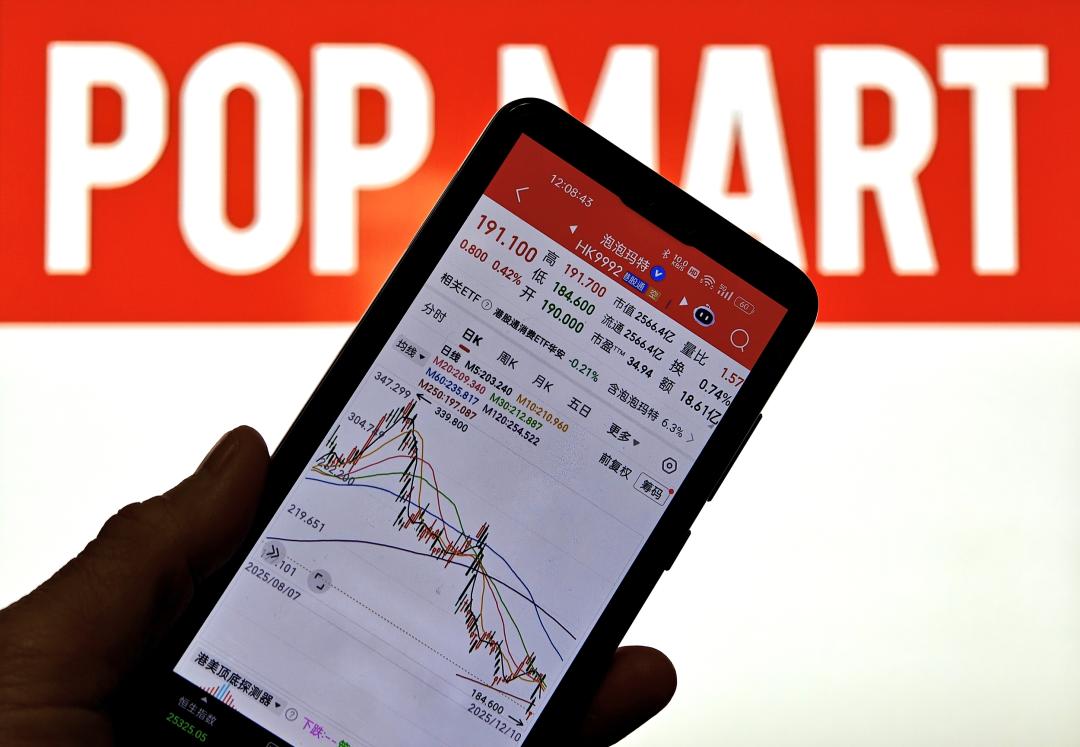
Core Viewpoint - The scarcity of Pop Mart has diminished significantly due to a substantial increase in production capacity, leading to a wave of short-selling by institutions and a collective sell-off by previously profitable investors, resulting in a market value loss of HKD 197.2 billion since the stock peaked in late August [1][4]. Group 1: Stock Performance - As of December 19, Pop Mart's stock closed at HKD 192.9, down 0.16%, with a cumulative decline of 43.23% from its historical high of HKD 339.8 four months prior, equating to a market value evaporation of HKD 197.2 billion [1][4]. - On December 22, the stock rebounded by 4.61%, reaching HKD 200, with a total market value of HKD 271 billion [1]. - The stock's volatility has been accompanied by heightened emotional and controversial discussions among investors, contrasting with the more stable declines of other companies in the same sector [1][2]. Group 2: Investor Sentiment - Following the stock's decline, discussions among investors have surged, with debates centering on whether Pop Mart represents a bubble or a rational market correction [2]. - Investors have been actively assessing foot traffic and restocking in physical stores to determine whether to buy more shares or cut losses [2]. Group 3: Company Actions - Despite the stock's downturn, Pop Mart has not issued any statements or conducted buybacks, focusing instead on operational strategies, including the appointment of LVMH's former president for Greater China to its board [4]. - On December 19, Pop Mart announced the launch of a new product series priced at 79 yuan each, marking its second price increase since 2021 [4]. Group 4: Fund Activity - Data shows that the number of public funds holding Pop Mart shares peaked at 311 in Q2, with a total of 72.3 million shares, but dropped to 197 funds and 51.7 million shares by Q3, indicating a significant sell-off of 2.06 million shares and a 28.52% decrease in holding ratio [5]. Group 5: Short Selling - As the stock price fell, short-selling activities intensified, with Pop Mart leading the home appliance and goods sector in short-selling amounts, reaching HKD 341 million and a short-selling ratio of 21.47% on December 19 [7]. Group 6: Market Dynamics - The recent stock decline is attributed to a combination of "overdrawn expectations" and "reality gaps," with analysts noting that the stock's rise was based on high expectations that are now being corrected [8]. - The stock experienced a 17.25% drop in September, with market confidence in the scarcity premium of Pop Mart's IP beginning to wane [10]. - Despite a strong Q3 earnings report, the stock continued to decline by 16.94% in October, as the market adjusted its expectations [10]. Group 7: Future Outlook - Analysts predict a slowdown in sales growth for Pop Mart, with expectations for Q4 sales growth in the U.S. to drop below 500%, down from over 1200% in Q3 [11]. - Concerns have been raised about the sustainability of Pop Mart's business model as it transitions from explosive growth to a phase of sustainable growth, with warnings about the diminishing scarcity of its products [11][12]. - The company is taking steps to address these challenges by ceasing point redemption for discounts and focusing on content production to enhance its IP [16].

海南封关,打造巨无霸,未来机会你抓住了吗
Sou Hu Cai Jing· 2025-12-22 19:03
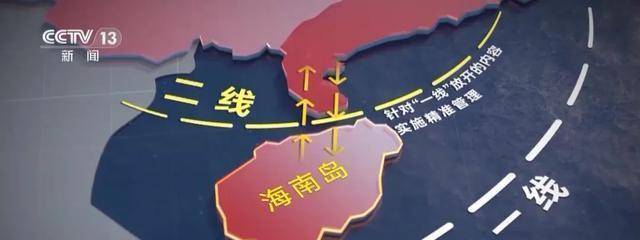
过去几百年里,哪个国家产业升级了,哪个国家的中低端产业就往外转移,美国把产线搬给日本,日本又把产线转到东 南亚和中国,这轮流走,最终造成工业空心化,这事儿放在中国也发生了,服装、玩具、电子这类靠低价取胜的工厂在 往外搬,带走了就业和税收。 再看跨国公司,它们在中国和东南亚之间反复试探,苹果这几年就是那样,一会儿说扩大印度投资,一会儿又把订单拉 回中国代工厂,这种无解的左右为难,就是因为离不开中国的供应链和市场。 海南封关给出一个第三条路大脑放海南,手脚去东南亚,市场留中国,这就是所谓的"总部在海南 生产在东南亚 市场在 中国"的三角模式,企业把最值钱的研发、设计、财务、品牌运营等放在海南,拿税收优惠和更开放的金融、数据便利来 吸引这些核心部门。 为什么放海南,税优是硬道理,企业所得税、个人高端人才税率都有优惠,跨境资金流动和数据通道也更便利,这意味 着企业能用较低成本管理亚太区业务,同时把管理效率和对中国市场的敏捷度保住。 手脚去东南亚并不冲突,越南、印尼这样的国家劳动力便宜,适合把组装、缝制、重复性高的生产环节放过去,企业能 省成本,我们也不阻止,反而提供区域统筹,借助海南的地理位置优势,实现近岸但成本更低 ...
2026掘金指南:全球全品类20大消费趋势报告
Sou Hu Cai Jing· 2025-12-22 15:12
Core Insights - The report titled "2026 Gold Mining Guide: Global All-Category 20 Major Consumer Trends" highlights the dynamic changes in the global consumer market, emphasizing the integration of technology, health orientation, sustainability, and personalized experiences as key trends [1] Group 1: Technology Integration - Artificial intelligence is deeply embedded across the consumer value chain, enhancing efficiency from product development to user service [1] - The market for smart hardware, such as sports headphones, is expanding due to diverse scenario demands, showing steady growth [1] Group 2: Health-Oriented Consumption - There is a comprehensive upgrade in health consumption needs, with consumers increasingly focused on health attributes and safety standards of products, driving the evolution of related categories towards refinement and functionality [1][11] - In North America, over 40% of the sleep technology product market is held, while in Europe, 86% of consumers prioritize sustainability, leading to a 12.8% growth in sustainable mattress development [11] Group 3: Sustainability and Green Consumption - Sustainable consumption has become a mainstream consensus, with consumers favoring products made from eco-friendly materials and low-carbon production methods [1] - The European Union's regulations require the use of digital passports for mattresses by 2027, documenting their components and recyclability [11] Group 4: Personalized and Experiential Consumption - Consumers are increasingly seeking customized, scenario-based, and emotionally engaging products and services, leading to a rise in niche brands and exclusive collaborations [1] - The toy market is experiencing a structural shift, with educational toys becoming the fastest-growing category, expanding at a 7.5% annual growth rate [24] Group 5: Cross-Channel Integration - The global consumer market is characterized by cross-channel integration, with online and offline interactions and cross-border consumption facilitating the expansion of category boundaries [1] - Emerging markets continue to show significant potential, with differentiated demand across various regional markets [1]

全球上新!“百亿”英德红茶、喜茶联名泡泡玛特又出新爆品
Nan Fang Nong Cun Bao· 2025-12-22 05:31
Core Viewpoint - The collaboration between Heytea and Pop Mart has led to the launch of a new winter beverage, "Tiramisu Yinghong," which utilizes Yingde black tea as its base, marking a significant milestone as Yingde black tea's industry value surpasses 10 billion yuan [3][24]. Group 1: Product Launch and Market Response - Heytea and Pop Mart's collaboration features the new product "Tiramisu Yinghong," which combines traditional coffee elements with specially crafted milk tea and cocoa, creating a unique flavor profile [9][10]. - The product was sold out shortly after its launch in Guangzhou and surrounding areas, indicating strong market demand [5][6]. - The new beverage aims to provide a rich tasting experience with a blend of salty cheese flavor and cocoa powder topping, enhancing the overall sensory experience [10][11]. Group 2: Industry Impact and Achievements - Yingde black tea has achieved a total industry value of 10.2 billion yuan, with a significant increase in tea garden area to 186,500 acres and a dry tea production of 18,000 tons [24][25]. - The collaboration with Heytea is not the first; previous partnerships have also resulted in high sales, with over 800,000 cups sold on the first day of a prior launch, boosting brand visibility by 217% [14][15]. - Yingde black tea has been recognized as a leading brand in the national red tea category, with a brand value of 5.178 billion yuan [21].

国金证券:小米集团-W(01810)AI+消费构筑新空间 泡泡玛特(09992)二三曲线快速发展
智通财经网· 2025-12-22 02:16
Group 1: Xiaomi Group - Xiaomi Group has launched the MiMo-V2-Flash model, optimizing inference costs and speed, and accelerating the implementation of AI in the physical world across various scenarios including mobile, IoT, and automotive [1][2] - The MiMo model serves as an AI ecosystem entry point, with Xiaomi being the only company to establish a comprehensive ecosystem integrating mobile, automotive, and home [2] - The performance and cost-effectiveness of the MiMo-V2-Flash model are highlighted, with innovations in structure and post-training paradigms enhancing model inference and agent capabilities [2] Group 2: Bubble Mart - The Crybaby exhibition by Bubble Mart will take place in Shanghai from December 20, 2025, to January 25, 2026, with ticket prices set at 109 yuan for regular and 258 yuan for VIP [3] - The exhibition aims to extend the IP lifecycle through ticket sales and social media engagement, enhancing brand presence and increasing touchpoints [3] Group 3: Industry Trends - The pet food and supplies sector is seeing growth, with Petty's New Zealand factory products expected to launch in Q1 2026, potentially improving performance after previous capacity constraints [4] - The silver economy is being supported by a new action plan from various health authorities aimed at enhancing elderly care services [4] - The AI and 3D printing sector is experiencing significant growth, with exports increasing by 89% in quantity and 136% in value year-on-year, indicating a robust industry outlook [4]


国金证券:维持布鲁可(00325)“买入”评级 目标价80.74港元
Zhi Tong Cai Jing· 2025-12-22 01:53
Core Viewpoint - Guojin Securities projects that Blukoo (00325) will achieve net profits attributable to shareholders of 678 million, 916 million, and 1.154 billion yuan for 2025-2027, representing year-on-year growth of 270%, 35%, and 26% respectively. The current stock price corresponds to a 2026 PE of 17 times, with a target price of 80.74 HKD based on a 22 times PE, maintaining a "Buy" rating [1] Group 1: Long-term Growth Foundation - The competition in licensed IP products is fundamentally about product strength, channel strength, and user strength. Blukoo has established a positive cycle in these three areas, laying a solid foundation for long-term brand momentum and growth [2] - The company has 72 licensed IPs and 925 SKUs for sale, providing a rich product matrix with a strong cost-performance advantage across various price segments, which solidifies brand reputation and sales [2] - Blukoo is expanding its offline channel density, focusing on lower-tier markets to effectively reach core users, replacing high-cost advertising with efficient brand experience entry points [2] Group 2: Mid-term Growth Drivers - The company currently derives about 80% of its revenue from male customers aged 6-16. It is expanding into female and adult customer segments through targeted product lines and community engagement strategies [3] - For the female segment, products like the Tadu series are designed to be visually appealing and socially engaging, while for adults, diverse IPs like EVA and Saint Seiya are being utilized to cover different interest groups [3] - If Blukoo successfully increases penetration in female and adult demographics, it will not only consolidate existing IPs but also provide significant additional growth momentum [3] Group 3: International Expansion - The company leverages China's supply chain for standardized production and cost control while maintaining product freshness through a rich IP reserve and frequent SKU launches [4] - Blukoo's overseas revenue for 2024 and the first half of 2025 is projected to be 64 million and 111 million yuan, respectively, with year-on-year growth of 518.2% and 898.6%, validating the feasibility of its products and model in international markets [4] - Successful overseas market expansion, particularly in North America and Asia-Pacific, is expected to become a significant growth driver, with existing IPs like "Transformers" likely to benefit [4]