咖啡

Search documents
张兴朝一条广告百万?30+品牌撒钱喜人谁输谁赢?
3 6 Ke· 2025-12-15 07:38
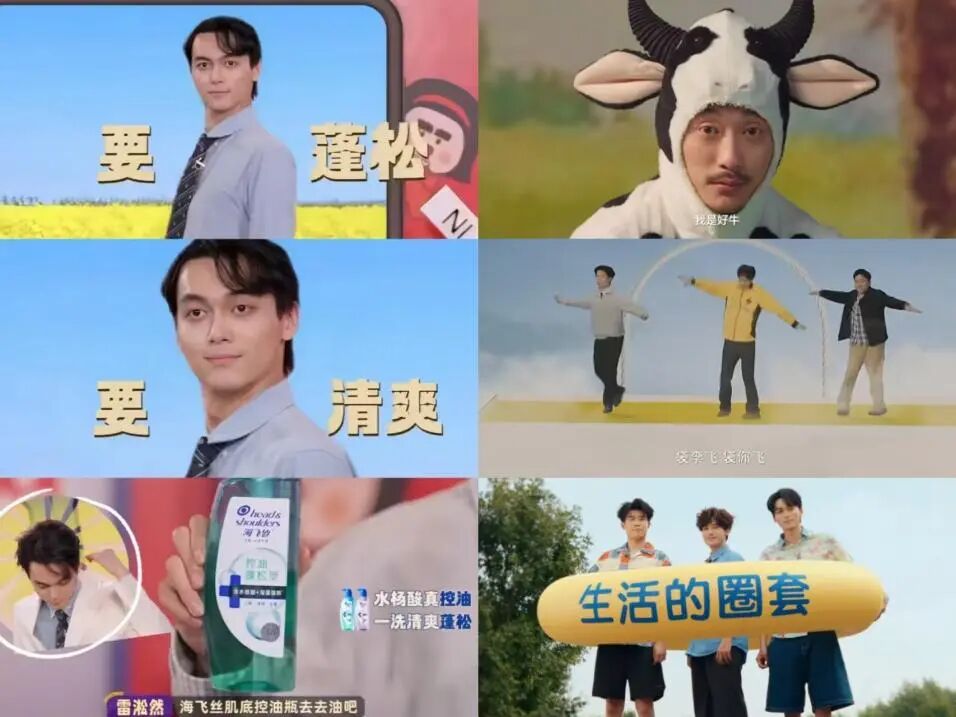
Group 1 - The article discusses the recent trend of brands collaborating with popular figures from the show "喜人2" to create advertisements that leverage "meme culture" and "abstract culture" [1][3][4] - Over 30 brands have partnered with "喜人2" artists, with a significant focus on internet and fast-moving consumer goods (FMCG) sectors, targeting a young audience [5][9] - The collaborations are primarily short-term endorsements aimed at brand promotion, with some artists reportedly earning over a million for their advertising roles [3][4] Group 2 - The effectiveness of these "meme" advertisements varies, with some audiences finding them entertaining while others struggle to understand the references, indicating a divide in market reception [4][9] - Brands that successfully integrate "meme" culture with their messaging tend to perform better, as seen with companies like 伊利 and 安慕希, which have created engaging and relatable content [17][21] - The article highlights the importance of understanding the target audience and the cultural context to create effective marketing strategies, emphasizing that not all brands can successfully leverage the "喜人2" phenomenon [9][53] Group 3 - Early adopters of the "喜人2" trend, such as 安慕希 and 瑞幸, have gained significant advantages in terms of brand visibility and audience engagement [11][13] - The article notes that brands that can effectively combine humor with product messaging are more likely to resonate with younger consumers, who seek both entertainment and relatable content [19][21] - The rise of CP (couple pairing) fandoms from "喜人2" has opened new marketing avenues, allowing brands to tap into the emotional connections fans have with these pairings [24][26][36] Group 4 - The article emphasizes the role of social media in amplifying the reach of these advertisements, with brands utilizing platforms to create a sense of community and engagement around their campaigns [39][41] - Brands that fail to connect their messaging with the cultural context of "喜人2" risk being perceived as out of touch, highlighting the need for strategic alignment between brand identity and audience expectations [45][48] - Overall, the success of brand collaborations with "喜人2" hinges on their ability to understand and engage with the cultural zeitgeist, making timely and relevant marketing decisions [53]


财信证券晨会纪要-20251215
Caixin Securities· 2025-12-14 23:30
Group 1: Market Overview - The market is gradually warming up, presenting structural opportunities for investment [5][7] - The overall A-share market saw an increase of 0.77%, with the Shanghai Composite Index rising by 0.41% to 3889.35 points [7] - The ChiNext Index increased by 0.97%, while the Sci-Tech 50 Index rose by 1.74%, indicating strong performance in the hard technology sector [7] Group 2: Economic Insights - The Chinese Economic Annual Conference emphasized the need to explore economic potential and enhance policy support alongside reform innovation [15][17] - A notification was released to strengthen the collaboration between commerce and finance to boost consumption [18][19] - Financial data for November showed a total social financing scale increase of 33.39 trillion yuan, with a notable rise in RMB loans to the real economy [20] Group 3: Industry Dynamics - Tims China reported a revenue of 358 million yuan in Q3, a slight decline of 0.4% year-on-year, while system sales increased by 12.8% [24] - The first fully autonomous humanoid robot tour guide solution was launched, enhancing the application of humanoid robots in various sectors [27][28] - YouTube introduced a new payment option for creators using stablecoins, indicating a shift towards integrating traditional finance with cryptocurrency [31][32] Group 4: Company Developments - Tianyuan Co., Ltd. announced an investment of 180 million yuan to upgrade its titanium dioxide production facilities, focusing on digital transformation [45][46] - Qibin Group plans to establish a wholly-owned subsidiary to enhance its R&D capabilities and promote innovation in the high-end glass sector [47][48] - Broadcom reported a net profit of 9.71 billion USD for Q4, a 39% increase year-on-year, with expectations for continued revenue growth in the upcoming fiscal year [41][42]
Netflix计划收购华纳兄弟;迪士尼投资OpenAI;星巴克联名哈利波特...| 刀法周报
Sou Hu Cai Jing· 2025-12-14 04:37
Group 1 - Netflix plans to acquire Warner Bros. for $72 billion, including HBO and HBO Max [3] - Paramount quickly proposed a $108.4 billion cash offer to join the bidding war [3] - Concerns about market concentration and antitrust issues have been raised, with concentration estimates between 28% and 45% [4] Group 2 - Disney announced a $1 billion investment in OpenAI, allowing users to create videos using Disney characters on the Sora platform [6] - This partnership signifies a shift towards AI-driven content creation in the entertainment industry [6] - Disney's CEO emphasized the importance of responsible AI use while collaborating with top IPs [6] Group 3 - Starbucks launched a Harry Potter-themed winter celebration series in China, featuring three limited-edition drinks [9] - The collaboration aims to create an immersive cultural experience and enhance consumer engagement [10] - This partnership reflects Starbucks' strategy of leveraging popular IPs for brand marketing [10] Group 4 - The Dream Ice Cream Company announced its listing in Amsterdam, London, and New York, with a market value of 64 billion yuan on its first day [12] - This marks the company's independence from Unilever, allowing for more agile market responses [13] - The listing is expected to lead to adjustments in product strategy and supply chain in China [14] Group 5 - ChatGPT released version 5.2, focusing on creating more economic value for users [16] - The update reflects OpenAI's ambition in the vertical application field for businesses [16] - The new version is seen as a strong model but is now more aligned with competitors like Google and Microsoft [17] Group 6 - The Chinese snack retailer "Mingming Hen Mang" received approval for its overseas listing, achieving retail sales of 41.1 billion yuan in the first half of the year [20] - The company operates in 28 provinces and 1,327 counties across China [20] - Its business model emphasizes low margins and high sales volume [22] Group 7 - "Kids King" submitted its listing application to the Hong Kong Stock Exchange, aiming for a dual capital platform [24] - The company has shown steady revenue growth, with projected revenues of 85.2 billion yuan in 2022 and 93.37 billion yuan in 2024 [25] - The expansion strategy includes entering the hair care market through acquisitions [25] Group 8 - Nova Coffee announced its global store count surpassed 10,000, with rapid expansion in China and overseas [28] - The coffee market is growing as more consumers adopt coffee-drinking habits [29] - Nova's early focus on low-sugar products aligns with rising health-conscious consumer trends [30] Group 9 - Coca-Cola announced a management change, with Henrique Braun set to become CEO in March 2026 [32] - The transition is seen as a strategic continuation rather than a crisis response [33] - The new CEO's experience in the Chinese market is expected to enhance Coca-Cola's growth in that region [33] Group 10 - Wu Yue from LVMH joined the board of Pop Mart, aiming to enhance the brand's international expansion and marketing strategies [36] - His experience in luxury brand management is expected to benefit Pop Mart's brand positioning [37] - The appointment reflects Pop Mart's ambition to diversify its IP and elevate its brand [37]



上海精品咖啡三巨头,有一家创始人已被限高
Sou Hu Cai Jing· 2025-12-13 06:45
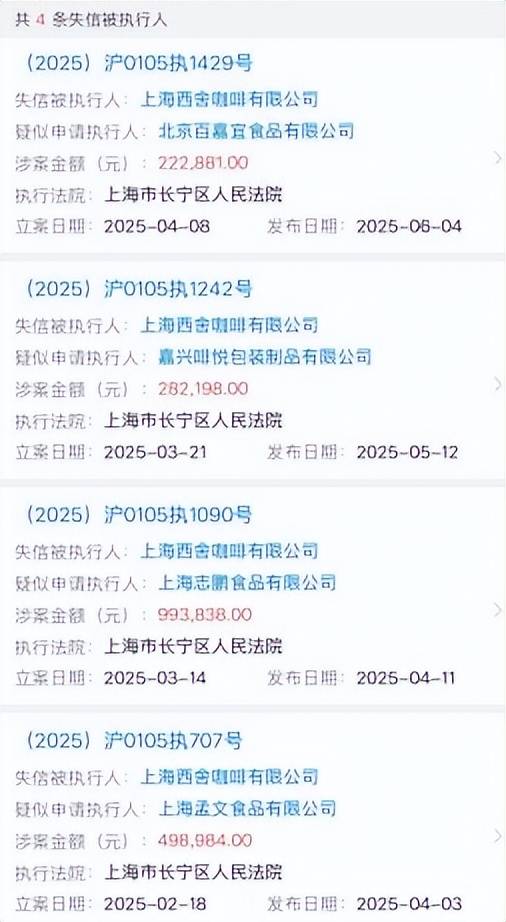
Core Viewpoint - The article discusses the decline of Seesaw, once a leading brand in the Shanghai coffee market, highlighting its struggles with store closures, a shrinking customer base, and the founder facing restrictions on high consumption, contrasting its past prestige with its current challenges [1][5][12]. Group 1: Market Dynamics - Seesaw was once a prominent player in the specialty coffee market with over 100 stores and more than 2 million members, but by April 2025, it is projected to have only about 60 stores remaining, nearly halving its presence [5][10]. - Competitors like Luckin Coffee and Manner have adopted aggressive pricing strategies, with Luckin normalizing a price point around 10 yuan, leading to significant expansions, including nearly 7,000 new stores for Luckin in 2024 and a 51% increase in Manner's store count [7][10]. - The coffee market is shifting towards a focus on affordability and convenience, with consumer preferences moving from brand prestige to price sensitivity and proximity [9][19]. Group 2: Seesaw's Challenges - Seesaw's brand identity has wavered, attempting to appeal to both high-end consumers and the mass market without successfully adjusting its pricing strategy, leading to a loss of appeal among both demographics [12][13]. - The company expanded aggressively from 7 stores in 2017 to over 160 by the end of 2022, but this rapid growth has resulted in operational difficulties and a failure to maintain profitability, leading to a significant number of store closures [15][16]. - Management challenges have increased as Seesaw expanded across multiple cities, resulting in operational inefficiencies and financial disputes, including wage arrears and supplier payment issues [16][17]. Group 3: Future of Specialty Coffee - The article suggests that the future of specialty coffee brands lies in redefining their business models to focus on smaller, more sustainable operations rather than aggressive expansion [21]. - It emphasizes the need for specialty coffee brands to target a niche market with higher quality expectations, maintain a manageable number of stores, and create a compelling value proposition that resonates with core customers [21][23]. - The experience of Seesaw serves as a cautionary tale for emerging brands, highlighting the importance of understanding customer boundaries, controlling growth impulses, and establishing a viable business model over mere expansion ambitions [23].
2025年第49周:食品饮料行业周度市场观察
艾瑞咨询· 2025-12-13 00:07
Group 1 - The pre-prepared food market is experiencing a paradox of consumer trust issues and capital enthusiasm, driven by urbanization and the demand for convenient dining [3][4]. - The "zero additives" concept is being phased out in favor of "clean label" standards, emphasizing ingredient transparency and natural prioritization [5][6]. - The energy drink industry is undergoing rapid transformation with ingredient innovation and scene segmentation, focusing on health trends and diverse flavors [7][8]. Group 2 - The nut import market in China is projected to reach $2.386 billion in 2024, with a significant increase in demand for high-end varieties like pistachios [10]. - The beverage market is facing a downturn, with sales declining due to the rise of on-demand drink services and aggressive pricing strategies [14][15]. - The convenience food industry in China is shifting towards value creation, with a market size expected to grow from 673.6 billion yuan in 2023 to 960.3 billion yuan by 2026 [18]. Group 3 - The dairy industry is seeing a shift from ambient milk to fresh milk, with companies like Bright Dairy exploring new growth areas in the pet food market [20]. - Wangwang is facing challenges in the milk market, prompting the company to diversify into AD calcium milk to regain market share [21]. - The plant-based food sector is experiencing a downturn, with companies focusing on technological innovation and localization to meet market demands [17]. Group 4 - JD.com is enhancing its pre-prepared food strategy, aiming to strengthen its supply chain and align with the growing demand for ready-to-eat meals [31]. - China Resources Beverage is entering the ready-to-drink coffee market, competing against established brands like Nestlé and Starbucks [32]. - Wanglaoji is diversifying into the functional beverage market by acquiring distribution rights for Red Bull in southern China, aiming for significant sales growth [33].





中国咖啡崛起,云南咖啡和瑞幸的双向奔赴
Bei Ke Cai Jing· 2025-12-12 13:47
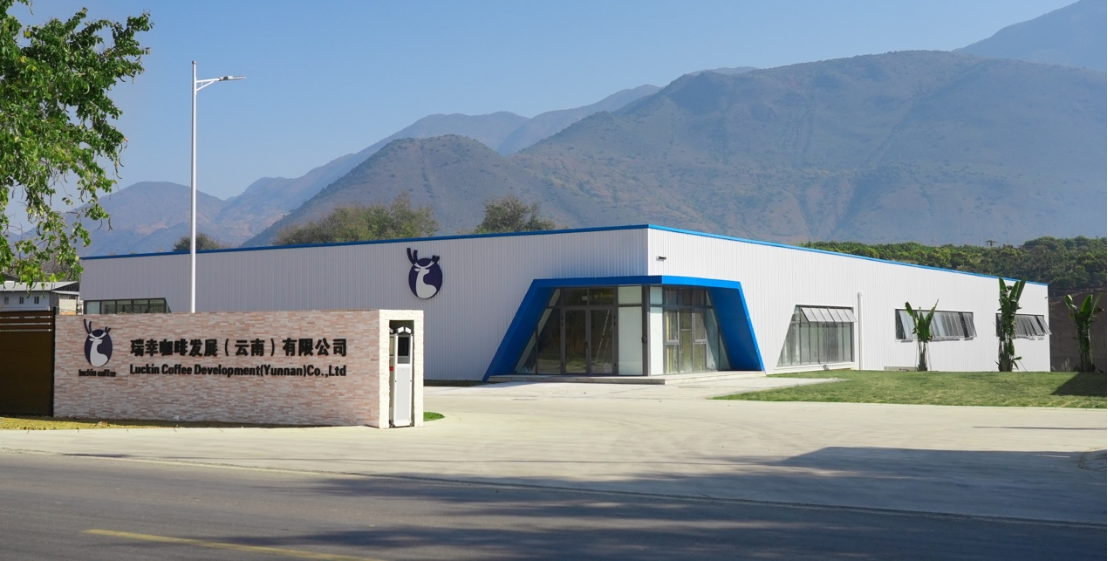
Core Insights - Coffee is one of the most popular beverages globally, with daily consumption exceeding 1.5 billion cups, supported by around 25 million farmers across over 80 countries, contributing to an annual production of over 10 million tons [1] - In China, coffee is becoming a daily beverage for consumers, with Yunnan province and brands like Luckin Coffee emerging as significant players in the market [1][2] Group 1: Yunnan Coffee Development - Yunnan coffee has undergone a transformation, moving from being viewed as a "cheap raw material" to a focus on high-quality production, with the export volume reaching 32,500 tons in 2024, a 358% increase year-on-year [2][11] - The quality of Yunnan coffee has improved significantly, with the proportion of specialty coffee rising from less than 8% in 2021 to 31.6% in 2024, reflecting a shift towards premium products [3][5] - The local government has implemented supportive policies, such as the "Six Coffee Policies," to promote the development of high-quality coffee and deep processing [5][11] Group 2: Role of Luckin Coffee - Luckin Coffee has played a crucial role in the rise of Yunnan coffee by integrating ecological protection, technological innovation, and collaborative value creation [2][5] - The company has introduced products like the Yunnan Red Honey SOE series and the "Little Black Cup" SOE, which have helped change public perceptions of Yunnan coffee from instant raw materials to premium offerings [5][11] - Luckin's processing facility in Baoshan employs micro-water treatment technology, achieving near-zero industrial wastewater discharge, setting a benchmark for green processing [7] Group 3: Collaborative Efforts and Sustainability - The transformation of Yunnan coffee is a result of collaboration among local government, farmers, coffee brands, and research institutions, creating a symbiotic network for development [10] - Luckin Coffee collaborates with the World Wildlife Fund (WWF) to implement ecological responsibility initiatives, enhancing the health of local ecosystems while improving coffee quality [7][10] - The introduction of intercropping techniques by Luckin's agronomists has helped farmers increase their income during the initial years of coffee cultivation, promoting sustainable agricultural practices [6][10] Group 4: International Recognition and Future Challenges - Yunnan's Baoshan small-grain coffee has been included in the Ministry of Foreign Affairs' gift catalog, symbolizing its representation of Chinese coffee on the global stage [12] - The CoE (Cup of Excellence) competition, known as the "Olympics of Coffee," will be held in Yunnan, marking the region's entry into international evaluation systems [13] - The Chinese coffee industry, represented by Yunnan and Luckin, faces challenges in brand recognition and competition in mature markets, necessitating continued collaboration and innovation [15]

中国本土第四个万店咖啡品牌诞生
Zhong Guo Ji Jin Bao· 2025-12-12 10:31
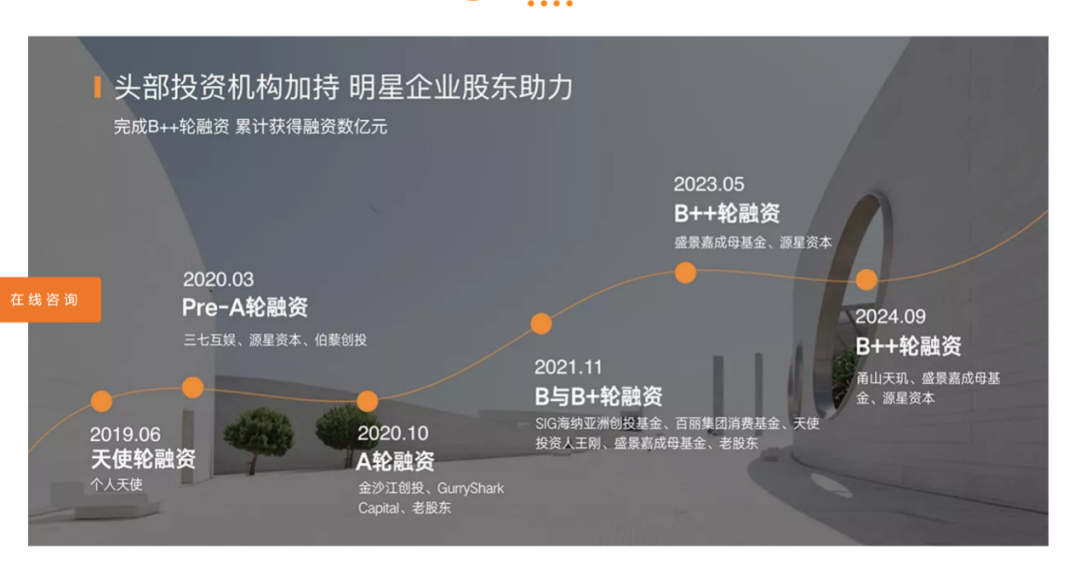
Core Insights - Nova Coffee has surpassed 10,000 stores, becoming the fourth domestic coffee brand in China to achieve this milestone, following Luckin Coffee, Kudi Coffee, and Lucky Coffee [1] Expansion Strategy - Nova Coffee employs a "parasitic store" model, embedding its coffee business within existing commercial entities like convenience stores and internet cafes, allowing for rapid expansion without the costs associated with independent store setups [2][3] - As of November 3, 2025, 7,235 of Nova Coffee's stores are parasitic, accounting for 91.9% of its total stores, with convenience stores being the primary venue, particularly through collaboration with major chains like Meiyijia [4] Brand Perception Challenges - The "parasitic store" model has led to a diluted brand image, as the brand's identity is heavily influenced by the host store, making it difficult to establish a distinct and high-quality brand perception [5][6] - Consumers often engage with Nova Coffee based on situational or price-driven factors rather than brand loyalty, resulting in low customer retention and minimal brand premium [8] Brand Building Efforts - In response to brand perception issues, Nova Coffee is implementing a dual strategy: maintaining its parasitic store model for expansion while gradually opening a limited number of delivery-focused and brand image stores to enhance brand recognition [8][9] - The company is also pursuing co-branding initiatives and product development to increase its visibility on social media and connect directly with end consumers [9] Financial Backing and Future Outlook - Nova Coffee has completed six rounds of financing since its inception in 2019, with significant investments from various firms, including a recent B++ round that raised several hundred million yuan [11][13] - The company aims to transition from a focus on store quantity to improving the profitability and long-term brand value of individual stores, which poses a significant challenge moving forward [13]
中国本土第四个万店咖啡品牌诞生
中国基金报· 2025-12-12 10:21
Core Viewpoint - Nova Coffee has surpassed 10,000 stores, becoming the fourth local coffee brand in China to achieve this milestone, following Luckin Coffee, Kudi Coffee, and Lucky Coffee. However, its brand presence among consumers is relatively weak compared to its competitors due to its "parasitic store" model [2][4]. Group 1: Business Model - Nova Coffee operates under a "parasitic store" model, embedding its coffee business into existing commercial entities like convenience stores and esports cafes, rather than establishing independent stores. This approach allows for rapid expansion with minimal costs [4][5]. - As of November 3, 2025, 7,235 of Nova Coffee's stores (91.9%) are parasitic stores, with convenience stores being the primary location type. Notably, 3,635 of these stores are embedded within the 40,000+ locations of the convenience store chain Meiyijia, accounting for 46.2% of Nova's total stores [5]. Group 2: Brand Image Challenges - The "parasitic store" model presents a dual-edged sword, creating rapid expansion while hindering brand identity. The brand's perception is heavily influenced by the host stores, making it difficult to establish a distinct and high-quality brand image [7][9]. - Consumer purchasing behavior is primarily driven by location or price rather than brand loyalty, resulting in low customer retention and minimal brand premium [10]. Group 3: Strategic Initiatives - In response to brand image challenges, Nova Coffee is implementing a "light store" strategy, maintaining a large number of parasitic stores while gradually opening a few delivery-focused and brand image stores to enhance brand recognition [10]. - The company has completed multiple rounds of financing since its establishment in 2019, with the latest B++ round in September 2024 raising several hundred million yuan, aimed at building a coffee industry base and dedicated factory in Ningbo [13][15]. Group 4: Future Outlook - As Nova Coffee achieves its store count goals, the focus is shifting from the number of stores to the profitability and long-term brand value of each location. The challenge lies in transforming its extensive network into a brand with strong consumer loyalty and mental connection [16].

库迪回应“禁带竞品入座”风波,门店激进行为折射增长压力
Xi Niu Cai Jing· 2025-12-12 09:55
Core Viewpoint - The controversy surrounding Kudi Coffee's recent signage reflects the intense competition in the coffee market and highlights the challenges the company faces amid its aggressive expansion strategy [5][6]. Group 1: Company Actions and Responses - A photo of a sign at Kudi Coffee's store, which prohibited customers from bringing in a competitor's coffee, sparked significant public discussion [2]. - Kudi Coffee's official response clarified that the company did not issue any such directive and would investigate the matter, labeling it as an isolated incident by a specific store [5]. Group 2: Market Position and Strategy - Since its establishment in 2022 by Lu Zhengyao, Kudi Coffee has rapidly expanded in the Chinese coffee market, aiming to open 50,000 stores by the end of 2025 through aggressive pricing and franchise policies [5][6]. - The company has adopted a "store-in-store" model to lower investment thresholds for franchisees, allowing them to set up mini-counters in various locations, which has led to issues with brand image and quality control [6]. Group 3: Financial and Operational Challenges - Kudi Coffee faces significant financial pressure as the cost of producing a cup of coffee approaches or exceeds its selling price, relying on subsidies from both headquarters and franchisees [6]. - As of November 2025, Kudi Coffee's total store count is approximately 15,000, falling short of its ambitious target of 50,000 stores [6]. Group 4: Competitive Landscape - Competitors like Luckin Coffee have nearly 30,000 stores and are achieving stable profitability, while other brands are also intensifying their presence in the market, eroding Kudi's initial price advantage [6]. - The recent controversy over the sign reflects the desperation of some stores to maintain customer traffic and sales amid fierce competition [6]. Group 5: Future Outlook - Kudi Coffee's future success may depend on its ability to shift from a rapid growth strategy to a more stable approach, focusing on supply chain management, franchisee support, product differentiation, and brand value [7].
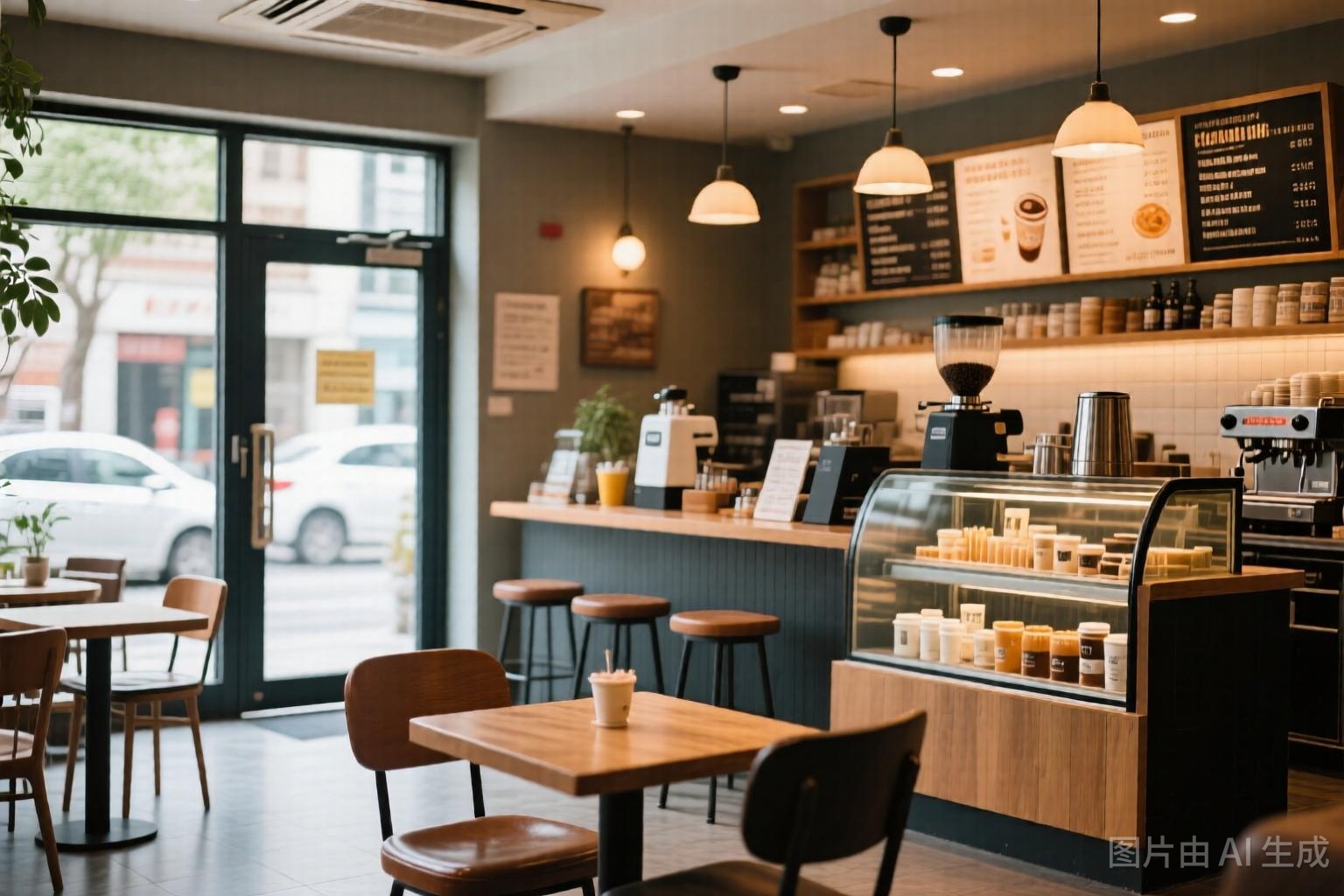
退市5年走上逆袭道路!瑞幸狂赚58亿,再次上市能成功么?
Sou Hu Cai Jing· 2025-12-12 09:41
Core Viewpoint - Luckin Coffee, which once collapsed due to financial fraud, is set to return to NASDAQ, showcasing a remarkable turnaround in just six years, surpassing Starbucks in China [1] Group 1: Financial Fraud and Initial Collapse - In April 2020, Luckin Coffee disclosed a financial fraud of 2.2 billion yuan, leading to an 80% drop in stock price and a market value loss of over 35 billion yuan, resulting in a forced delisting from NASDAQ and a hefty fine of 180 million USD from the SEC [3][4] - The company faced a severe financial crisis, with a reported sales revenue of 4 billion yuan in 2020 but a net loss of 2.59 billion yuan, marking its darkest year [5] Group 2: Recovery and Restructuring - The recovery journey can be divided into three phases: "survival" in 2020, "system rebuilding" from 2021 to 2022, and "full sprint" starting in 2023 [7][9] - In 2021, the company restructured 1.8 billion USD in debt and achieved operational breakeven, with a revenue of 7.97 billion yuan, a 97.5% increase year-on-year, and a reduced loss of 540 million yuan [13] - By the first quarter of 2022, Luckin achieved its first quarterly profit, with revenue of 2.4 billion yuan, an 89.5% year-on-year growth, and a net profit margin close to 30% [15] Group 3: Expansion and Market Position - By June 2023, Luckin had opened 8,034 new stores, reaching a total of 16,248 locations, with a revenue of 24.9 billion yuan, an 87.3% increase year-on-year, surpassing Starbucks in China [17] - The company plans to expand internationally, with its first overseas store in Singapore in March 2023 and plans to enter Malaysia and the U.S. by 2025 [19] Group 4: Challenges Ahead - Despite growth, the company faces challenges such as a price war initiated by competitors, leading to a 16.7% decline in same-store sales and a net loss of 83.2 million yuan in early 2024 [21] - The reliance on a single product, the "生椰拿铁" (Coconut Latte), raises concerns about sustainability, as no new blockbuster products have emerged since its launch [27] - The upcoming NASDAQ listing is seen as a means to secure funding for ongoing competition, but the company must overcome the stigma of past fraud and prove its financial integrity to investors [25][29]