
超市

Search documents
线上仅占1.4%,却实现三连增!日本超市为何坚守线下?
创业邦· 2025-11-11 03:48
Core Insights - The article discusses the contrasting trends in the retail sectors of China and Japan, highlighting the rapid online transformation in China versus Japan's slower adoption of digital sales in supermarkets [3][14]. Group 1: Sales Performance and Market Structure - Japan's supermarket industry is projected to reach approximately 1.2 trillion RMB in total sales by the end of 2024, reflecting a year-on-year growth of 3.9% [5]. - The total number of supermarkets in Japan is 23,039, with a net decrease of 35 stores compared to the previous year [7]. - The sales structure shows a slight decline in traditional fresh produce categories, while ready-to-eat and daily goods are gaining popularity, indicating a shift in consumer preferences [17][18]. Group 2: Workforce and Employment Trends - The average number of full-time employees per store is about 14, with a stable workforce structure and an increase in the proportion of female employees from 24.4% to 26.2% over the years [9][10]. - The industry has seen a moderate increase in wages, with average salary growth maintained between 1% to 3% annually, despite rising operational costs [10][11]. Group 3: Digital Transformation and Service Efficiency - The adoption of digital services in Japanese supermarkets is accelerating, with self-checkout rates increasing from 15.8% to 37.9% over the past few years [11][13]. - There is a noticeable reduction in non-core service functions, as supermarkets shift focus towards efficiency and customer experience [11][12]. Group 4: Private Brand (PB) Products - The penetration of private brand products in supermarkets has increased significantly, with the introduction rate rising from 70.6% to 81.9% [20][21]. - However, the sales share of PB products peaked at 10.3% in 2022 and has since declined to 8.9% in 2024, indicating challenges in maintaining growth amid competitive pressures [20][21]. Group 5: Consumer Behavior and Market Adaptation - Consumer shopping behavior is evolving, with weekday shopping emphasizing convenience and efficiency, while weekend shopping is more family-oriented and purpose-driven [29][31]. - The rise of food-focused drugstores is creating new competition for supermarkets, highlighting the need for supermarkets to leverage their strengths in quality and trust [29][31]. Group 6: Strategic Adjustments for Supermarkets - Supermarkets are encouraged to rethink their strategies in response to changing consumer demands, focusing on enhancing in-store communication and customer experience [32]. - The key to survival in the face of demographic changes and diverse consumer needs lies in understanding consumer behavior and innovating business models accordingly [32].


中百集团涨3.24%,成交额2.12亿元,主力资金净流出775.69万元
Xin Lang Cai Jing· 2025-11-11 02:04
Core Viewpoint - Zhongbai Group's stock has shown volatility with a year-to-date decline of 39.14%, but a recent recovery of 9.94% over the last five trading days indicates potential market interest [1][2]. Group 1: Stock Performance - As of November 11, Zhongbai Group's stock price increased by 3.24% to 7.96 CNY per share, with a trading volume of 2.12 billion CNY and a turnover rate of 4.08%, resulting in a total market capitalization of 52.74 billion CNY [1]. - The company has experienced significant fluctuations in stock performance, with a 39.14% decline year-to-date, but a recent uptick of 9.94% over the last five trading days [1]. - Zhongbai Group has appeared on the trading leaderboard 18 times this year, with the most recent appearance on April 14, where it recorded a net buy of 53.38 million CNY [1]. Group 2: Financial Performance - For the period from January to September 2025, Zhongbai Group reported a revenue of 6.552 billion CNY, reflecting a year-on-year decrease of 19.41%, and a net profit attributable to shareholders of -580 million CNY, down 74.83% year-on-year [2]. - The company has not distributed any dividends in the last three years, with a total payout of 919 million CNY since its A-share listing [3]. Group 3: Shareholder Information - As of October 31, Zhongbai Group had 90,600 shareholders, an increase of 0.25% from the previous period, with an average of 7,240 circulating shares per shareholder, a decrease of 0.25% [2]. - Hong Kong Central Clearing Limited is the sixth-largest circulating shareholder, holding 3.627 million shares as a new shareholder [3]. Group 4: Business Overview - Zhongbai Group operates primarily in the commercial retail sector, focusing on large chain supermarkets and comprehensive department stores, with additional involvement in pharmaceuticals, logistics, property management, and import-export trade [1]. - The main revenue sources for the company are product sales, accounting for 91.07% of total revenue, while other income contributes 8.93% [1].

国光连锁大涨5.41%,成交额3.58亿元,主力资金净流出658.60万元
Xin Lang Cai Jing· 2025-11-11 01:56
Core Viewpoint - Guoguang Chain's stock price has seen significant growth this year, with a year-to-date increase of 250.07%, indicating strong market performance and investor interest [1][2]. Company Overview - Guoguang Chain, established on November 9, 2005, and listed on July 28, 2020, operates primarily in the retail sector, focusing on chain supermarkets and department stores [1]. - The company's revenue composition is as follows: supermarkets account for 91.82%, other businesses contribute 6.79%, and department stores make up 1.39% of total revenue [1]. Financial Performance - For the period from January to September 2025, Guoguang Chain reported a revenue of 2.134 billion yuan, reflecting a year-on-year growth of 4.22% [2]. - The net profit attributable to the parent company was 11.4856 million yuan, showing a significant increase of 40.36% compared to the previous year [2]. Stock Market Activity - On November 11, Guoguang Chain's stock rose by 5.41%, reaching 26.71 yuan per share, with a trading volume of 358 million yuan and a turnover rate of 2.71% [1]. - The stock has appeared on the daily trading leaderboard 21 times this year, with the most recent appearance on October 22, where it recorded a net buy of -9.963 million yuan [1]. Shareholder Information - As of October 31, the number of shareholders for Guoguang Chain was 49,200, an increase of 34.68% from the previous period [2]. - The average number of circulating shares per shareholder decreased by 25.75% to 10,209 shares [2]. Dividend Distribution - Since its A-share listing, Guoguang Chain has distributed a total of 66.9033 million yuan in dividends, with 14.8674 million yuan distributed over the past three years [3].

于东来“刹车”失败!胖东来提前50多天完成200亿元目标
新浪财经· 2025-11-10 10:19
Core Viewpoint - The company, Pang Donglai, has exceeded its sales target for 2025 by achieving a total sales of 200.35 billion yuan, surpassing the previous year's sales by over 3 billion yuan [2][3]. Sales Performance - As of November 8, 2025, Pang Donglai's total sales reached 200.35 billion yuan, which is over 30 billion yuan higher than the total sales for 2024 [2]. - The supermarket segment leads in sales with over 109 billion yuan, followed by jewelry with over 21 billion yuan, and department stores with over 20 billion yuan [2]. - The top-performing store is the Times Square store with over 51 billion yuan in sales, followed by the Da Pang store with over 28 billion yuan [2]. Founder’s Perspective - Founder Yu Donglai's attempt to control the company's growth has not succeeded, as the sales target was achieved 50 days ahead of schedule [3]. - Yu Donglai has previously emphasized the importance of not blindly expanding and maintaining a net profit margin of 5%, with a sales target planned to be within 200 billion yuan for the year [4]. - He believes that rapid sales growth can lead to increased pressure on employees, which may compromise the company's core values [4]. Financial Health - As of October 2023, the company has no loans and holds 4.1 billion yuan in cash [6]. - Sales have shown a consistent upward trend, with 70 billion yuan in 2022, 107 billion yuan in 2023, and 169.64 billion yuan in 2024, alongside tax contributions exceeding 600 million yuan and profits over 800 million yuan [6]. Corporate Responsibility and Learning Initiatives - Pang Donglai has announced an "Open Day" initiative starting November 1, 2025, allowing corporate visits for a fee of 20,000 yuan per person [7]. - Yu Donglai is also planning to offer personal sharing sessions for entrepreneurs at a cost of 500,000 yuan per session, with all proceeds aimed at promoting positive values [7].

红旗连锁涨2.16%,成交额1.49亿元,主力资金净流入1664.60万元
Xin Lang Zheng Quan· 2025-11-10 05:51
Core Viewpoint - Hongqi Chain's stock price has shown fluctuations, with a recent increase of 2.16%, while the company faces a decline in revenue and profit year-on-year [1][2]. Group 1: Stock Performance - As of November 10, Hongqi Chain's stock price reached 5.67 CNY per share, with a trading volume of 1.49 billion CNY and a market capitalization of 77.11 billion CNY [1]. - The stock has decreased by 2.16% year-to-date, but has increased by 2.90% over the last five trading days [1]. - The stock's trading activity shows a net inflow of 16.64 million CNY from main funds, with significant buying and selling from large orders [1]. Group 2: Financial Performance - For the period from January to September 2025, Hongqi Chain reported a revenue of 7.108 billion CNY, a year-on-year decrease of 8.48%, and a net profit of 383 million CNY, down 1.89% year-on-year [2]. - Since its A-share listing, the company has distributed a total of 1.562 billion CNY in dividends, with 926 million CNY distributed in the last three years [3]. Group 3: Shareholder Information - As of October 20, 2025, the number of shareholders for Hongqi Chain is 64,400, a decrease of 1.58% from the previous period [2]. - The average number of circulating shares per shareholder is 17,786, an increase of 1.60% [2]. - The largest circulating shareholder, Hong Kong Central Clearing Limited, holds 35.2285 million shares, a decrease of 19.9774 million shares from the previous period [3].

门店细节管的好,小店也能干出好业绩!
Sou Hu Cai Jing· 2025-11-10 04:31
Group 1 - The article highlights common unreasonable situations in small supermarket stores, emphasizing the need for better management and layout to enhance customer experience [3][4][5] - It discusses the importance of space utilization, noting that stores can either be too empty or too crowded, which affects customer purchasing behavior [3] - The article points out the issue of improper product categorization, where items are not grouped logically, leading to customer discomfort and confusion [3][4] Group 2 - A good shopping environment is essential, which includes various elements such as lighting, signage, and overall store aesthetics to create a welcoming atmosphere for customers [4] - The article stresses the necessity of promotional activities in small stores, arguing that they should actively engage in seasonal promotions to attract customers and boost sales [5] - It mentions the severe differentiation in sales areas within small stores, where some areas are overemphasized while others are neglected, impacting overall sales performance [7]
伊藤洋华堂关闭成都华府大道店,中国仅剩7家
日经中文网· 2025-11-10 03:16
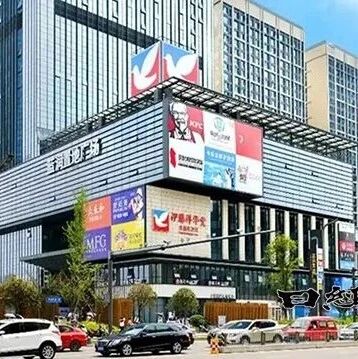
包括10日关闭的成都市华府大道店,2025年已关闭3家店。伊藤洋华堂在华门店将调整为成都(6家)和 北京(1家)共计7家店的布局。在北京运营的唯一门店"亚运村店"已于4月由综合超市转型为食品超 市…… 伊藤洋华堂将于11月10日关闭位于中国四川省成都市的"食品生活馆 华府大道店"。受个人消费停滞及 网上超市兴起等因素的影响,销售额持续低迷,因此决定关店。伊藤洋华堂正在调整中国业务,至此 2025年已关闭3家店。将通过缩减亏损门店,加紧改善中国业务的收益。 不过,近几年业绩持续低迷,2025年2月底关闭了"伊藤广场店",6月关闭了"食品生活馆 金融城店"。 华府大道店11月10日关店后,伊藤洋华堂的在华门店将调整为成都(6家)和北京(1家)共计7家店的 布局。在北京运营的唯一门店"亚运村店"已于4月由综合超市转型为食品超市。 在日本,伊藤洋华堂最近几年除了大规模关店和裁员外,还推进了从起家的综合超市向食品超市转型等 结构改革,中国业务也在以改善收益为目标进行调整。 日经中文网 https://cn.nikkei.com 视频号推荐内容: 华府大道店于2018年11月开业,是食品、日用品、服装等商品一应俱全的综合 ...
步步高涨2.14%,成交额2.62亿元,主力资金净流入764.09万元
Xin Lang Cai Jing· 2025-11-10 03:02
Core Viewpoint - The stock of Bubugao has shown a mixed performance in recent trading, with a year-to-date increase of 33.16% but a recent decline over the past 20 days [1][2] Financial Performance - For the period from January to September 2025, Bubugao achieved a revenue of 3.201 billion yuan, representing a year-on-year growth of 26.45%. However, the net profit attributable to shareholders decreased by 88.83% to 226 million yuan [2] - The company has cumulatively distributed 1.677 billion yuan in dividends since its A-share listing, with no dividends distributed in the past three years [3] Stock Market Activity - As of November 10, Bubugao's stock price was 5.26 yuan per share, with a market capitalization of 14.143 billion yuan. The stock experienced a net inflow of 7.6409 million yuan from main funds [1] - The company has appeared on the "龙虎榜" (a stock trading list) 10 times this year, with the most recent appearance on September 9, where it recorded a net buy of -51.1528 million yuan [1] Shareholder Information - As of September 30, 2025, the number of shareholders increased by 95% to 172,500, while the average circulating shares per person decreased by 27.06% to 12,476 shares [2] - The Hong Kong Central Clearing Limited has exited the list of the top ten circulating shareholders [3] Business Overview - Bubugao operates primarily in the retail sector, with its main business segments being supermarkets (64.34%), other retail (27.44%), department stores (6.01%), and logistics and advertising (2.21%) [1][2]

追溯高价山姆:价差、压价与中间人
经济观察报· 2025-11-07 13:58
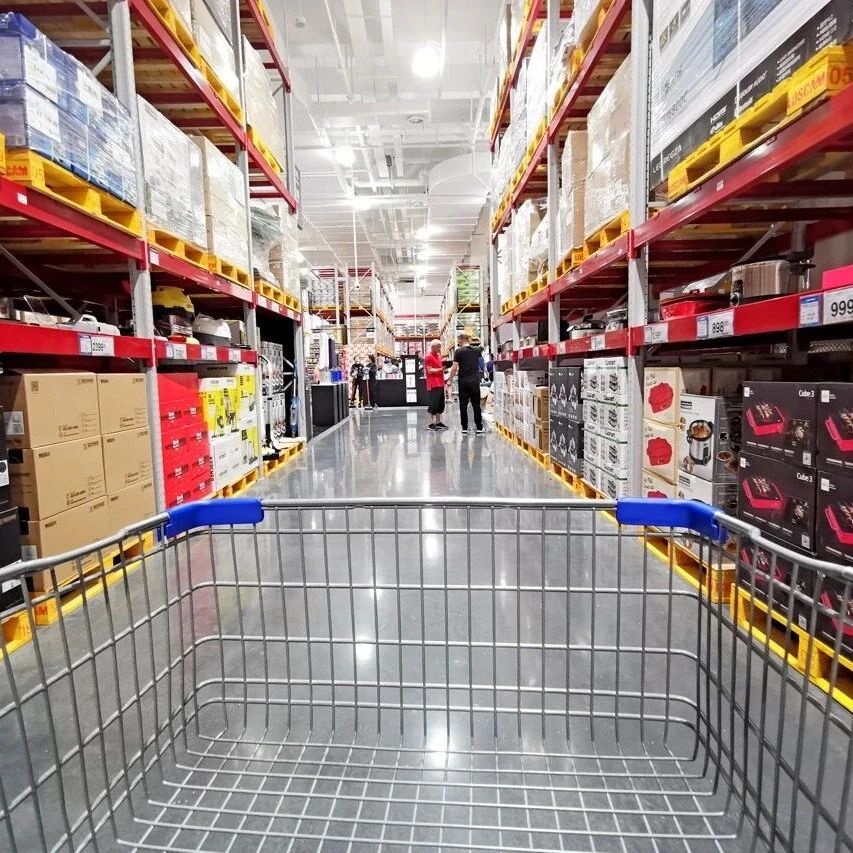
Core Viewpoint - The article discusses the challenges faced by Sam's Club in maintaining its reputation for "good products at low prices," as recent price discrepancies and changes in product offerings have led to member dissatisfaction and trust issues [2][3][4]. Pricing Discrepancies - A comparison of prices between Sam's Club and Walmart revealed that approximately 25% of the sampled products were priced higher at Sam's Club, with significant price differences noted for popular items [2][7]. - For instance, a Clarins Double Serum was priced at 699 yuan at Sam's Club, while it was available for 599.31 yuan on Walmart's platform, indicating a price gap of 99.69 yuan [6][7]. Supplier Selection and Pressure - Sam's Club has a stringent supplier selection process, where suppliers often enter the system through intermediaries or distributors, which can complicate the procurement landscape [4][15]. - Suppliers are under increasing pressure to provide lower prices, with reports indicating that Sam's Club is emphasizing lower pricing in its selection strategy, which has led some suppliers to withdraw from the partnership [12][10]. Membership and Trust - Membership fees at Sam's Club are set at 260 yuan or 680 yuan, and the trust of members is built on the promise of quality and competitive pricing [10]. - The shift in product offerings and pricing strategies has raised concerns among members, leading to a potential erosion of trust in the brand [3][4]. Expansion and Supply Chain Dynamics - Sam's Club has been rapidly expanding its store presence in China, with plans to open 8 to 10 new stores annually after 2025, which increases the demand on its supply chain [14]. - The expansion has led to a continuous adjustment of the supplier network, with some suppliers exiting due to capacity constraints or inability to meet pricing demands [14][12]. Internal Referral Systems - Many suppliers rely on "internal referral" systems to gain entry into Sam's Club, often facilitated by long-term trade partners who have established relationships with the procurement team [15][16]. - There are also service providers claiming to offer "internal entry channels" to Sam's Club, charging significant fees for their services, which raises questions about the transparency of the supplier selection process [17].
山姆APP更新遭吐槽;小鹏机器人“女性化”?
2 1 Shi Ji Jing Ji Bao Dao· 2025-11-07 00:09
Core Viewpoint - Consumer trust and preference are crucial market resources for consumer-facing companies, and the handling of public sentiment can reflect a company's brand management and operational characteristics [1] Group 1: Incident Overview - Sam's Club faced backlash after changing product display images in its app, leading to accusations of misleading representations and hidden information [2] - Users criticized the new high-saturation images and the lack of transparency regarding key product details, prompting calls for a return to clear, unedited images [2] Group 2: Company Response - Sam's Club's public response included reverting some product images back to original photos after the controversy erupted, although some edited images remained [3] - The company acknowledged that the changes began testing in late August, prior to the new president's appointment, indicating that the adjustments were part of routine updates [5] Group 3: Brand Impact and Membership - Despite the controversy, Sam's Club has over 9 million paying members, generating more than 2.3 billion yuan from membership fees annually [6] - The company plans to open 10 new stores in 2025, marking the highest number of new openings in its 30-year history in China, which raises concerns about maintaining quality and customer trust during expansion [7] Group 4: Additional Incident Overview - XPeng Motors introduced a humanoid robot, IRON, which sparked debate over its gendered design and authenticity, with some questioning if it was a human in disguise [8] - The robot features advanced technology and is positioned as a flagship product for XPeng's entry into the humanoid robot market, with plans for mass production by the end of 2026 [10] Group 5: Market Reaction - Following the clarification video from XPeng's chairman addressing the robot's design and capabilities, the company's stock price rose significantly, reflecting positive market sentiment [11]
