
国际贸易

Search documents
新疆自贸试验区挂牌两年来,贸易额实现快速增长 产业集聚,打造对外开放新高地
Ren Min Ri Bao· 2025-11-04 00:42
Core Points - The establishment of the China (Xinjiang) Pilot Free Trade Zone on November 1, 2023, marks a significant development in the region, covering Urumqi, Kashgar, and Horgos, and aims to enhance trade and economic activities [1] Group 1: Trade and Economic Growth - Since the establishment of the Xinjiang Free Trade Zone, the region's import and export trade volume has grown at an annual rate of 20% to 30%, consistently ranking among the top in the country [1] - In the first eight months of this year, the total foreign trade import and export value of Xinjiang reached 356.31 billion yuan, representing a year-on-year increase of 25.4% [3] Group 2: Business Environment and Opportunities - The Horgos area has implemented a "three-in-one" joint review mechanism for pharmaceutical companies, significantly reducing the time and costs associated with regulatory approvals by 60% [2] - In the first eight months of this year, 6,663 new enterprises were established in the region, a year-on-year increase of 10%, contributing to one-third of the new foreign-funded enterprises in Xinjiang [2] Group 3: Logistics and Infrastructure - The Horgos port has seen a significant increase in efficiency, with an 80% improvement in overall customs clearance efficiency due to the introduction of a rapid customs clearance model [3] - The local vehicle customs clearance time has been reduced from 6 hours to 1 hour, enhancing the logistics capabilities of the region [3] Group 4: Institutional Innovation - The Xinjiang Free Trade Zone has introduced 54 supportive policies and delegated 45 economic and social management powers to enhance operational efficiency and attract investment [5] - The establishment of the "two countries, double parks" model in the Kashgar Economic Development Zone aims to foster cross-border cooperation and mutual benefits in industrial development [4]
芜湖通际国际贸易有限公司成立 注册资本10万人民币
Sou Hu Cai Jing· 2025-11-03 23:13
Core Viewpoint - Wuhu Tongji International Trade Co., Ltd. has recently been established with a registered capital of 100,000 RMB, indicating a diversification into various sectors including import-export and automotive sales [1] Company Overview - The company is legally represented by He Dan and has a registered capital of 100,000 RMB [1] - The business scope includes general projects such as import-export agency, goods import-export, technology import-export, and sales of new energy vehicles [1] Business Activities - The company engages in manufacturing and research of automotive parts, wholesale of automotive components, and sales of coal and its products [1] - It also includes sales of construction materials, non-ferrous metal alloys, lubricating oil processing and manufacturing, and sales of petroleum products (excluding hazardous chemicals) [1] - Additional activities encompass the sale of pre-packaged food, plastic products, fertilizers, and retail of aquatic products [1] Licensing and Regulatory Compliance - The company is involved in licensed projects such as real estate development and food sales, which require approval from relevant authorities before operations can commence [1]
产业集聚,打造对外开放新高地
Ren Min Ri Bao· 2025-11-03 22:20
Core Insights - The establishment of the China (Xinjiang) Free Trade Zone on November 1, 2023, marks a significant development in the region, enhancing trade and economic activities [1][6] - Xinjiang's import and export trade volume has seen an annual growth rate of 20%-30%, positioning it among the top regions in the country [1] Group 1: Development Opportunities - The introduction of a "three-in-one" joint review mechanism for pharmaceutical companies in the Horgos area has reduced the approval process from two months to less than ten days, saving over one million yuan in costs [2] - In the first eight months of the year, 6,663 new enterprises were established in the region, a year-on-year increase of 10%, contributing to one-third of the new foreign-funded enterprises in Xinjiang [2] Group 2: Logistics and Trade Growth - The Horgos port has implemented a rapid customs clearance model, increasing overall clearance efficiency by 80%, with 258,000 vehicles exported in the first eight months, a growth of 8.5% [3] - Xinjiang's total foreign trade value reached 356.31 billion yuan in the first eight months, reflecting a year-on-year increase of 25.4% [3] Group 3: Institutional Innovation - The Kashgar Economic Development Zone has established a "two countries, double parks" model to foster cross-border cooperation and enhance industrial connectivity [4] - Since its establishment, the Xinjiang Free Trade Zone has introduced 54 supportive policies and delegated 45 economic and social management powers to enhance operational efficiency [6]
新疆自贸试验区挂牌两年来 贸易额实现快速增长 产业集聚 打造对外开放新高地
Ren Min Ri Bao· 2025-11-03 22:20
Core Viewpoint - The establishment of the China (Xinjiang) Free Trade Zone marks a significant development in enhancing trade and economic activities in the region, with a focus on efficient logistics, institutional innovation, and increased foreign investment. Group 1: Trade Growth - Since the establishment of the Xinjiang Free Trade Zone, the region's import and export trade volume has grown by an annual average of 20% to 30%, consistently ranking among the top in the country [1] - In the first eight months of this year, Xinjiang's total foreign trade import and export value reached 356.31 billion yuan, representing a year-on-year increase of 25.4% [3] Group 2: Business Development - The region has seen the establishment of 6,663 new enterprises in the first eight months of this year, a year-on-year increase of 10%, contributing to one-third of the new foreign-funded enterprises in Xinjiang [2] - Since its establishment, the Free Trade Zone has cumulatively set up over 17,000 new enterprises, accounting for nearly half of the contract foreign capital scale in the region [2] Group 3: Logistics Efficiency - The introduction of a "self-driving export goods vehicle rapid customs clearance model" has improved overall customs clearance efficiency at the Horgos port by 80% [3] - The time for local vehicles to clear customs has been reduced from 6 hours to 1 hour, significantly enhancing logistics efficiency [3] Group 4: Institutional Innovation - The establishment of the "two countries, double parks" model in the Kashgar Economic Development Zone promotes cross-border cooperation and mutual benefits in industrial development [4] - A total of 54 support policies have been introduced since the Free Trade Zone's establishment, along with the delegation of 45 economic and social management powers to the regional level [6]
早知道:基金业绩比较基准征求意见稿发布;多家车企交付量破纪录
Zheng Quan Shi Bao Wang· 2025-11-03 00:19
(原标题:早知道:基金业绩比较基准征求意见稿发布;多家车企交付量破纪录) 人民财讯11月3日电,国常会:研究深化重点领域改革扩大制度型开放工作;商务部:推动尽快恢复中 日韩自贸协定谈判;商务部回应安世半导体相关问题:将对符合条件的出口予以豁免;基金业绩比较基 准征求意见稿发布;国家知识产权局印发《知识产权促进民营经济发展实施办法》;黄金税收新规发 布,饰品消费直接影响较小;核心设备完全国产化,我国钍基熔盐实验堆建成并首次实现堆内钍铀转 化;新能源汽车"银十"热销,多家车企交付量破纪录。 ...
共绘高质量发展图景——写在第八届进博会即将召开之际
Zhong Guo Jing Ji Wang· 2025-11-02 23:06
Core Points - The eighth China International Import Expo (CIIE) is set to take place in Shanghai, marking an important economic diplomatic event following the Fourth Plenary Session of the 20th CPC Central Committee, showcasing the ongoing partnership between Shanghai and the CIIE [1] Group 1: Service and Logistics Support - Shanghai has implemented a "green channel" for customs clearance, ensuring zero wait time for vessels like the "New Shanghai" carrying Sri Lankan tea, enhancing the efficiency of the CIIE [2] - A total of 16 dedicated channels for exhibitors have been established at Hongqiao and Pudong airports, providing streamlined entry for qualified exhibitors [2] - The event will feature 10 parking lots with 900 large vehicle spaces and an additional 2,000 small vehicle spaces, totaling approximately 5,000 small vehicle parking spots [2] Group 2: Payment and Consumer Services - Shanghai has developed a diverse payment system for inbound consumption, supporting mobile payments, bank cards, and cash, with 66,000 merchants and 96,000 terminals accepting domestic and international card payments [3] Group 3: Open Economy and Trade - During the 14th Five-Year Plan period, Shanghai has leveraged the CIIE as a high-level open platform, enhancing its role as an international trade center and improving its connectivity in domestic and international dual circulation [4] - Shanghai's port trade volume exceeded 11 trillion yuan last year, a 26.5% increase from 2020, with a 5.4% growth in import and export volume in the first nine months of this year [4] Group 4: Regional Impact and Consumption - The CIIE has not only increased import volumes but also optimized the import structure, with the Shanghai trading group achieving a cumulative procurement transaction volume of $56.2 billion over the first seven expos [5] - The Yangtze River Delta region has seen significant collaboration, with nearly 40% of imported goods at Shanghai's port coming from other areas in the region [5] - Shanghai's retail sales of consumer goods have shown a quarterly growth rate exceeding 10% in the third quarter of this year [5] Group 5: Spillover Effects of the CIIE - The Qingpu trading sub-group will host multiple targeted matchmaking and investment promotion events, with 3,712 registered units participating in the eighth CIIE [6] - Shanghai aims to further enhance its role as an open platform during the 15th Five-Year Plan period, contributing to high-level foreign trade expansion [6]
中国APEC第三城!深圳早已与APEC深情相拥
Sou Hu Cai Jing· 2025-11-01 23:18
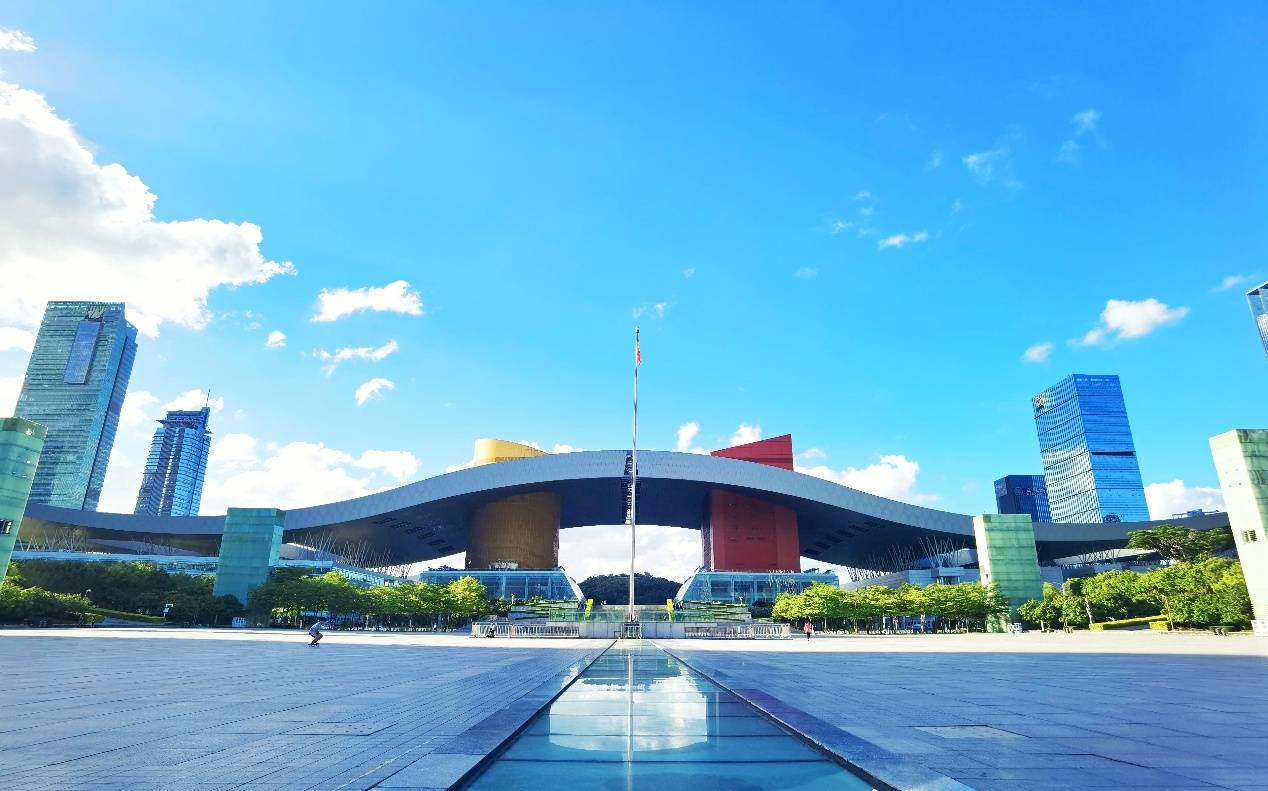
Group 1 - Shenzhen has been officially announced as the host city for the 2026 APEC meeting, becoming the third Chinese city to host after Beijing and Shanghai, highlighting its rapid transformation from a fishing village to a modern metropolis [1][18] - APEC, which stands for Asia-Pacific Economic Cooperation, is the highest-level and most influential economic cooperation mechanism in the Asia-Pacific region, consisting of 21 member economies [3][5] - Shenzhen is China's top foreign trade city, with significant trade relationships with APEC member countries, indicating strong economic ties and collaboration opportunities [4][6] Group 2 - The APEC SME Business Forum has been held in Shenzhen since 2018, focusing on policy dialogue and cooperation among APEC member economies, which has established Shenzhen as a key platform for SME development [8] - The RCEP (Regional Comprehensive Economic Partnership) is a significant outcome of APEC's efforts to promote a free trade area in the Asia-Pacific, with Shenzhen actively participating in its implementation [10][11] - Shenzhen is developing the RCEP National Pavilion, which will serve as a comprehensive platform for cultural display, technology exchange, and industry cooperation, further enhancing its role in APEC activities [13][18] Group 3 - Shenzhen has established friendly exchange relationships with 95 cities in 59 countries, many of which are APEC members, fostering international collaboration and networking [16] - Hosting the 2026 APEC meeting presents both an honor and a responsibility for Shenzhen, indicating its growing influence and commitment to international economic cooperation [18]

43万吨美国大豆将运往中国,贝森特放话:下周签协议,中国将买1200万吨大豆!
Sou Hu Cai Jing· 2025-11-01 17:05
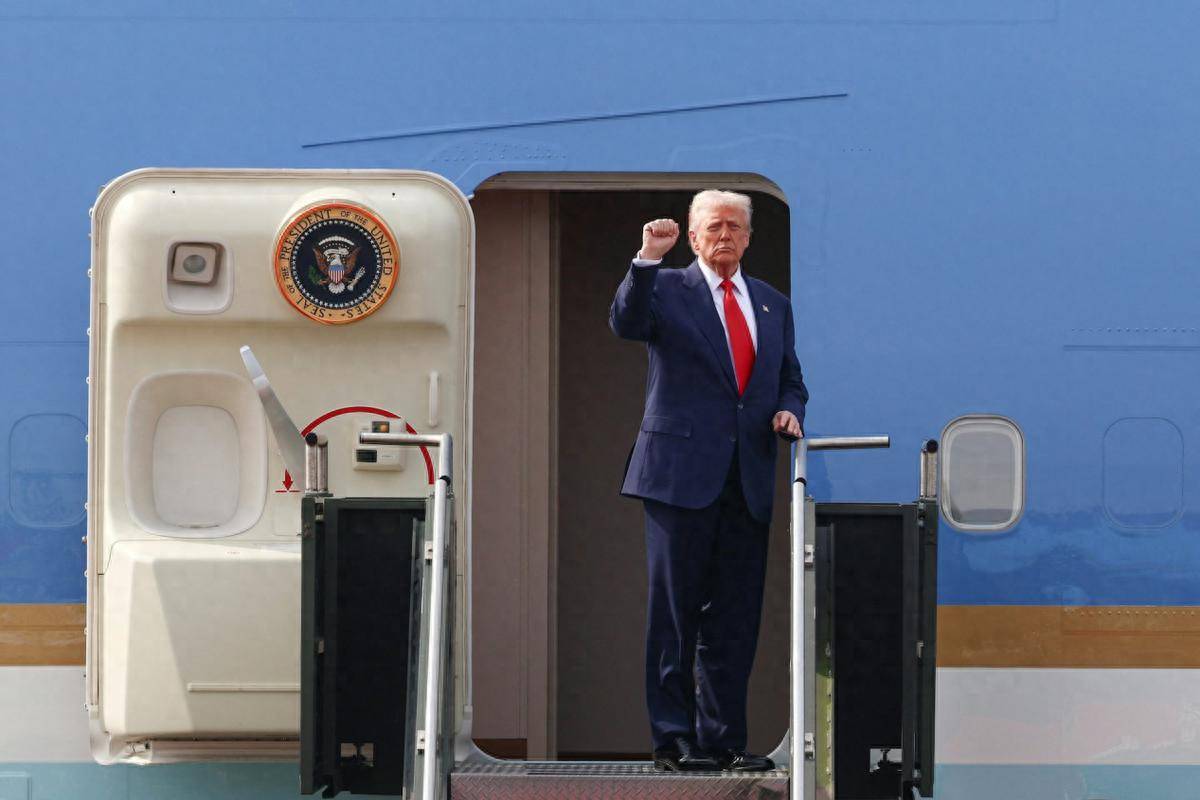
Group 1 - The meeting between the leaders of China and the United States in Busan resulted in China agreeing to purchase 12 million tons of U.S. soybeans this quarter and plans to buy 25 million tons annually over the next three years [1][3] - This soybean deal is seen as a significant political gesture for the U.S., particularly for President Trump, as it aims to support American farmers who have suffered economically due to previous trade tensions [1][3] - The agreement is expected to provide political backing for the upcoming midterm elections in the U.S., showcasing a form of "economic gift" to farmers [3] Group 2 - China's annual demand for soybeans exceeds 100 million tons, making U.S. soybeans a crucial option due to their quality and supply capabilities [3][5] - The meeting emphasized the importance of cooperation in U.S.-China relations, with both sides recognizing that confrontation would lead to mutual losses [5][7] - The outcomes of the meeting, including the suspension of retaliatory measures and tariff reductions, indicate a pragmatic approach to fostering a stable economic relationship [3][5] Group 3 - The strategic significance of the meeting lies in both countries' willingness to seek cooperation amidst a complex international environment, marking a potential shift in their relationship [7] - The commitment to mutual benefits and communication, even in sensitive areas like technology and agriculture, is essential for long-term market relationships [5][7] - The expectation is that, despite ongoing challenges, a comprehensive trade war is unlikely to resume, as both nations have vested interests in maintaining stable trade relations [5][7]
沈克华教授:深耕国际贸易规则与法律风险防范,助力企业稳健“出海”
Sou Hu Cai Jing· 2025-11-01 08:45
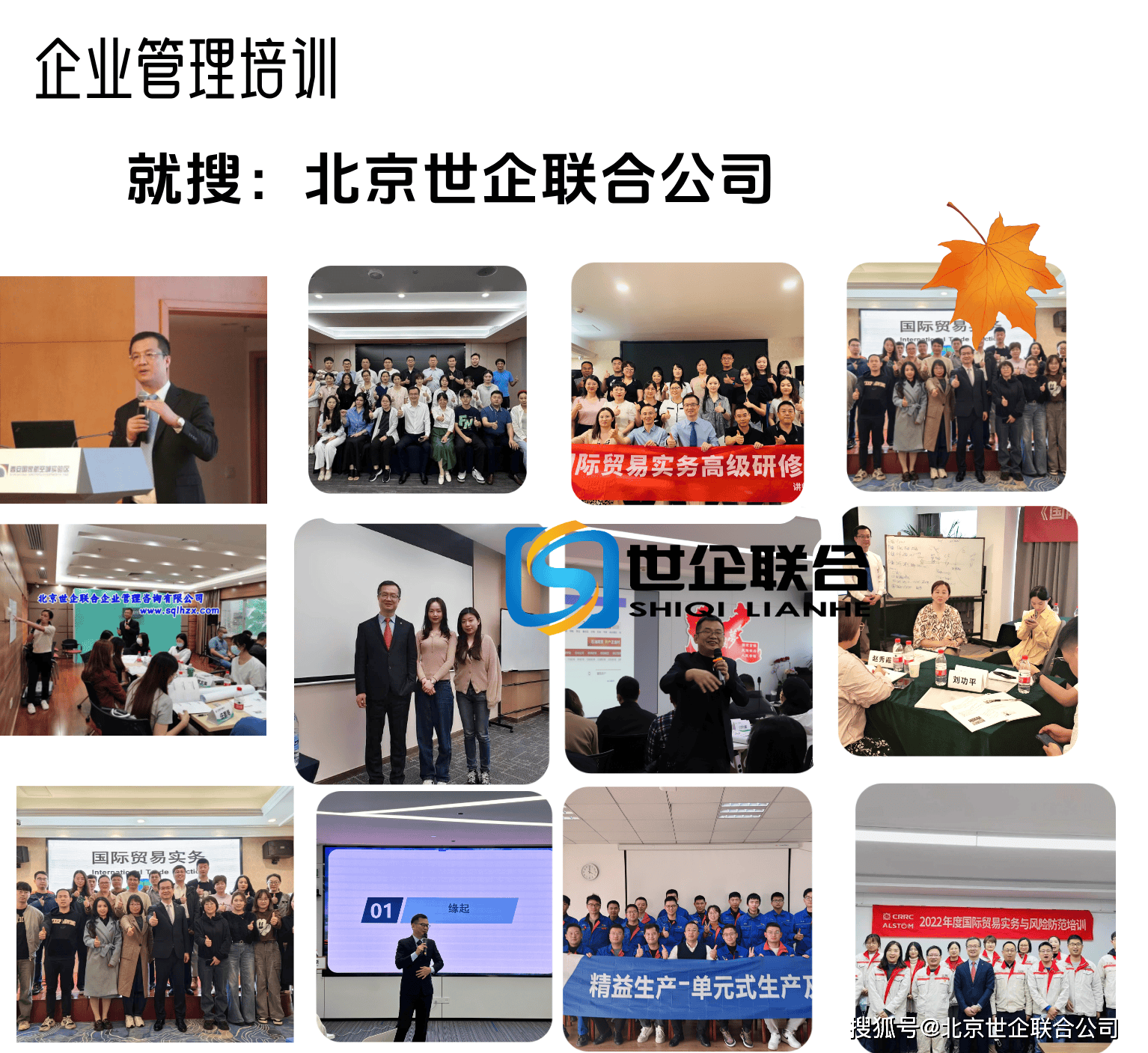
Core Viewpoint - International trade is increasingly vital for Chinese enterprises to expand markets and acquire resources, but it also brings challenges related to the application of international rules and legal risks [1] Group 1: Understanding and Application of International Trade Rules - The understanding of international trade rules by Professor Shen Kehua goes beyond mere textual interpretation, focusing on practical application and risk identification [12] - International trade rules serve as a foundational framework for cross-border business, with dynamic and region-specific applicability [12] - Key tools for enterprises include frameworks like Incoterms and UCP600, which help in delineating responsibilities, controlling risks, and safeguarding property rights [12] Group 2: Training Curriculum Overview - The training curriculum designed by Professor Shen covers critical aspects of international trade, emphasizing practical operations and risk prevention [13] - The first module focuses on the latest revisions of Incoterms®2020, addressing common misconceptions and the implications of term selection on costs and liability [13] - The second module analyzes the impact of geopolitical events on logistics, providing strategies for risk control and dispute resolution [14] - The third module delves into the operational and risk aspects of mainstream settlement methods like TT and L/C, highlighting the importance of due diligence [15] - The fourth module discusses insurance claims processes, particularly in unique transportation scenarios [16] - The fifth module offers interactive Q&A sessions to address typical disputes and emphasizes a comprehensive risk management approach [17] Group 3: Localization and Advantages of Shanghai International Trade Training - The training courses have distinct "Shanghai characteristics" and local advantages, addressing the urgent need for internationalized and specialized training among Shanghai enterprises [18] - The curriculum utilizes real case studies from Chinese enterprises to enhance relevance and engagement [18] - Timely policy interpretations help enterprises comply with changing regulations in import/export controls and foreign exchange [18] - The training is conducted primarily in Chinese, minimizing misunderstandings due to translation or cultural differences [18] Group 4: Importance of Legal Risk Prevention in International Trade - Legal risks in international trade can lead to severe consequences, including financial losses and reputational damage [20] - A systematic legal risk prevention mechanism is essential for enterprises to navigate the complexities of the international environment [20] - The training aims to help enterprises establish a comprehensive risk management system that includes risk anticipation, identification, control, and resolution [20] Conclusion - Professor Shen Kehua is recognized as an authority in the field of international trade training, providing essential knowledge and practical guidance for Chinese enterprises to thrive in global competition [20]
首个绿色贸易专项文件出台 多部门详解下阶段工作重点
Zheng Quan Ri Bao Wang· 2025-10-31 14:05
Core Viewpoint - The Ministry of Commerce has issued the "Implementation Opinions on Expanding Green Trade," marking the first specialized policy document in the field of green trade, focusing on innovation and addressing existing weaknesses in China's green trade development [1][2]. Group 1: Green Trade Development - The "Implementation Opinions" highlight the need to enhance the capacity for green low-carbon development among enterprises and to explore carbon reduction potential in logistics [1]. - The Ministry of Commerce aims to improve the "green content" of high-standard free trade zones and integrate trade and environmental considerations into existing free trade agreements [2]. Group 2: Financial Support for Green Services - The People's Bank of China plans to lower financing thresholds and costs for light-asset and green service trade enterprises through green credit, bonds, and equity funds [3]. - Future efforts will focus on applying green finance standards and encouraging financial institutions to support various production service sectors related to green trade [3]. Group 3: Green Factory Development - The Ministry of Industry and Information Technology has created 451 green design enterprises and 6,430 national green factories, with green factory output accounting for over 20% [4]. - The 2025 national green factory selection and cultivation work is ongoing, aiming to further promote green design and manufacturing [4]. Group 4: Green Product Certification - The State Administration for Market Regulation has established a green product certification and labeling system covering 122 product categories, issuing nearly 40,000 certification documents [5]. - Future initiatives will focus on enhancing the green product certification system to support the green development of foreign trade enterprises [6].