智能家电

Search documents
大疆首款扫地机“盲”了? 旗舰避障系统无法识别落地窗
Feng Huang Wang· 2025-08-25 14:10
凤凰网科技讯(作者/于雷)8月25日,近日,大疆刚刚发布的旗下首款扫地机器人系列DJI ROMO遭遇 用户"差评",有网友在社交平台分享视频,称扫地机器人在清扫时无法识别落地窗等透明障碍物,直 接"撞墙"而行。 据网友分享的视频显示,这款以大疆旗舰级无人机避障系统为卖点的扫地机器人,在行进至落地窗前 时,并未像宣传中那样及时减速或避开,而是径直撞上了窗户,引发了网络热议。 对此,大疆客服人员回应表示,这一现象是由于算法程序存在缺陷,导致机器在识别前方为透明或浅色 物体时,会误判为无障碍物。客服建议,用户可暂时将无法识别的区域设定为清扫禁区,或者在附近放 置醒目的遮挡物以供识别。客服同时透露,该问题已上报至工程部门,预计将在1到2个月内通过算法更 新来解决。 据悉,DJI ROMO系列扫地机器人搭载了双目鱼眼视觉传感器和三颗广视角固态激光雷达,官方宣称标 准模式下可识别直径2毫米以上的电线及15毫米高度以上的障碍物。其最大吸力可达25000Pa,并配备了 双滚刷设计。本次透明障碍物识别问题,对于以避障技术见长的大疆而言,无疑是一次技术上的挑战。 ...
珠海民企组建“产业共同体”,龙头企业领衔9个细分产业专委会
2 1 Shi Ji Jing Ji Bao Dao· 2025-08-25 12:01
Core Insights - Zhuhai's private enterprises are transitioning from "individual efforts" to "collective action" in response to global supply chain restructuring and industrial upgrades [1][3] - The establishment of the Zhuhai Municipal Federation of Industry and Commerce's Modern Industrial System Special Committee aims to create a collaborative development platform covering a "4+3" industrial system [1][2] Group 1: Establishment of Special Committees - Nine specialized committees have been formed, focusing on new generation information technology, new energy, new materials, electronic chemicals, intelligent manufacturing, biomedicine, medical devices, cross-border trade, low-altitude economy, and marine economy [1][2] - Leading companies like Gree Electric Appliances, Livzon Pharmaceutical Group, and SANY Marine Heavy Industry will play significant roles in their respective committees, driving innovation and collaboration within their industries [2] Group 2: Addressing Economic Challenges - The private economy in Zhuhai contributes 91% of the city's business entities and 85% of urban employment, yet faces pressures from global supply chain changes, technological upgrades, and talent shortages [3] - Companies like Guangdong Jianshi Lock have invested heavily in automation, reducing workforce from nearly 4,000 to about 700 while significantly increasing production [3] Group 3: Digital Transformation and Market Adaptation - SANY Marine has initiated a digital transformation strategy focusing on smart manufacturing and operations, which has improved production efficiency and quality [4] - Companies are adapting to international market challenges by establishing overseas production facilities to mitigate tariffs, as seen with Jianshi Lock's operations in Thailand and Peru [4]




创维展出智能视听与新能源光伏新品 技术创新助力雄安绿色发展
Yang Guang Wang· 2025-08-25 02:16
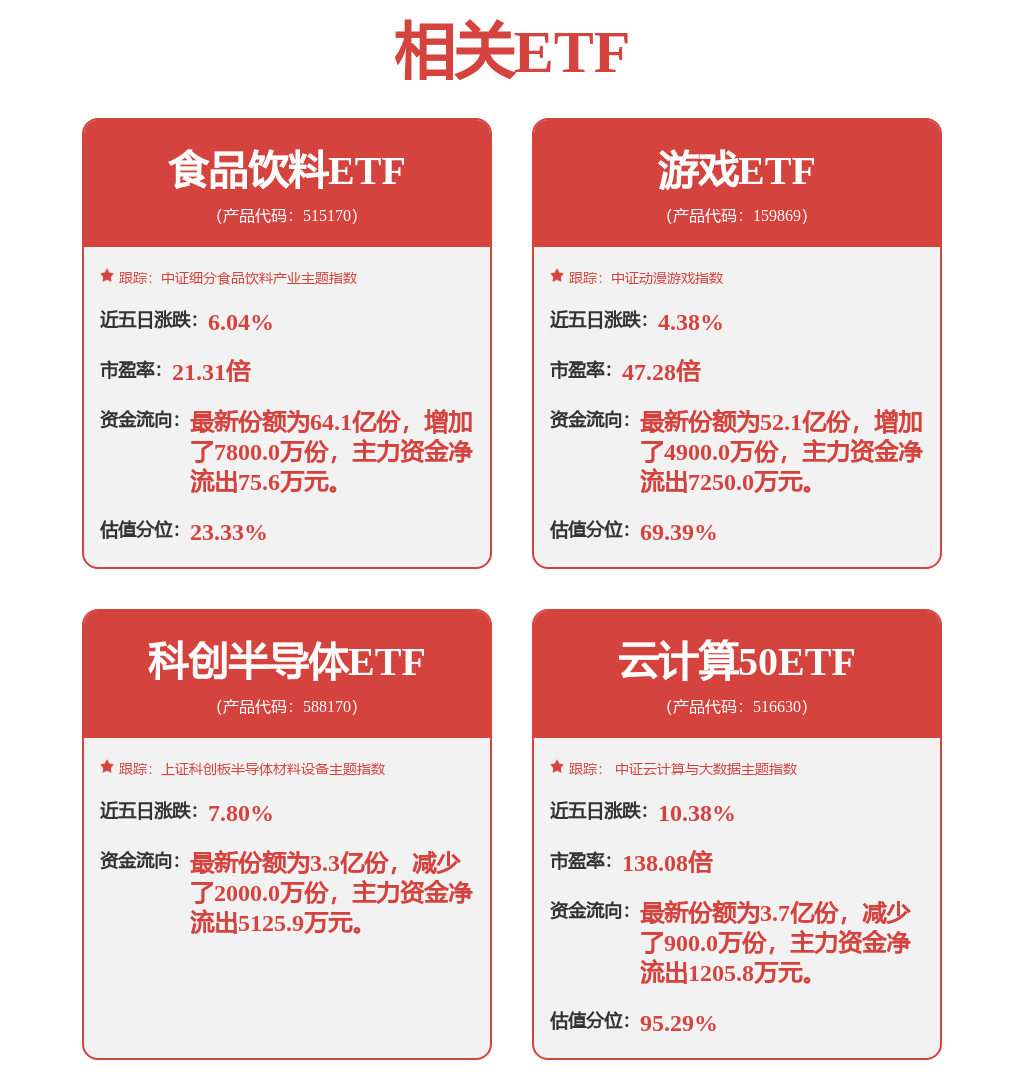
Core Viewpoint - Skyworth Group showcased its latest technological achievements in smart audio-visual and new energy photovoltaic fields during the "Skyworth Experience Center Xiong'an Media Open Day and Technology New Product Appreciation Meeting" held on August 21, announcing the establishment of a comprehensive "Smart Home Appliance Dual Carbon Ecological Experience Center" in Xiong'an [1][16]. Smart Audio-Visual - The A7F series wallpaper TV was prominently displayed, featuring industry-leading matte screen technology that achieves "0 reflection, 0 glare, and 0 fingerprints," providing a pure visual experience [3][5]. - Skyworth's pursuit of picture quality transcends mere parameter competition, focusing on "realism" through the "Chameleon Display Technology Platform," which aims to reconstruct picture quality standards based on three dimensions: TRUE VISION, TRUE SENSE, and TRUE CHOICE [6][8]. - The A7F Pro series boasts 2304-5184 zone backlight control and integrates five core technologies, including dual-core 16 chip technology and AI backlight control, achieving a display quality comparable to professional film industry standards [8][10]. New Energy Photovoltaic - Skyworth's photovoltaic segment is transitioning from household power stations to balcony-level products, aiming to integrate green energy into daily life [11]. - The newly launched "Energy Station" offers four standardized, easy-to-install photovoltaic products that are user-friendly and adaptable to various living situations, including outdoor camping [12][15]. - Each product follows the "Four Us" principle: adjustable, aesthetic, usable, and cost-saving, with a payback period of approximately 1.8 years based on Shenzhen's high electricity price of 1.4 yuan per kWh [15]. Brand Empowerment - The event exemplified Skyworth's commitment to innovation and its role in the development of Xiong'an as a national-level "future city," emphasizing the integration of technology into real user needs [16][17]. - The establishment of the "Smart Home Appliance Dual Carbon Ecological Experience Center" in Xiong'an marks a strategic move for Skyworth to participate in the region's high-tech industry development [16][17].
石头科技20250822
2025-08-24 14:47
Summary of Stone Technology Conference Call Company Overview - **Company**: Stone Technology - **Date**: August 22, 2025 Key Industry and Company Insights Market Growth - Domestic market growth exceeded 60% - European market growth surpassed 70% - Asia-Pacific region growth around 40% - North American market growth approximately 50% [2][4][12] Business Performance - Global revenue from robotic vacuum cleaners reached 6.4 billion yuan, a year-on-year increase of 60% - Second quarter revenue was 3.5 billion yuan, a year-on-year increase of 50% - Domestic and European markets each accounted for 30% of revenue, Asia-Pacific accounted for 25%, and North America accounted for 15% [4][12] Product Expansion - The floor washing machine business ranked second in the domestic market within three quarters and achieved breakeven in the second quarter - Overseas markets have begun contributing profits [2][4] Sales Strategy - The company effectively leveraged capabilities from the robotic vacuum cleaner sector to penetrate the floor washing machine market - Sales strategies and channel layouts have been optimized for steady expansion [2][5][6] Regional Market Adjustments - In Europe, the online-to-offline sales ratio stabilized at 60:40, with net profits improving since the second quarter - Plans to expand into Southern Europe and other emerging markets [2][6] North American Market Development - Offline sales in North America increased to over 20%, covering over 90% of Target stores and more than 100 Best Buy locations - Ongoing negotiations with Costco, Coco, and Walmart for partnerships [2][7][8] Supply Chain and Production - To mitigate North American tariff impacts, the company is stocking inventory in Vietnam to take advantage of lower tariffs - Dynamic allocation of production capacity between domestic and Vietnamese facilities [2][11][14] Challenges and Strategic Responses Domestic Market Challenges - Anticipated high base pressure and reduction in national subsidies in the second half of the year - The company plans to optimize internal management and enhance product competitiveness to address these challenges [3][12][13] Industry Competition - The company views the current competition in the robotic vacuum cleaner industry positively, with a penetration rate of about 6% in the domestic market compared to 20% in developed countries - The company is open to collaboration with major brands to drive industry growth [16] Future Outlook - The company expects to continue investing in product development and marketing to maintain market share and explore new markets - Anticipates gradual improvement in market penetration rates for robotic vacuum cleaners, similar to traditional appliances [12][16] Financial and Operational Insights Cost Management - Increased inventory is linked to the need for self-supply and direct sales, particularly in response to tariff impacts - The company is dynamically adjusting production strategies based on tariff changes [11][14] Investment Strategy - Significant investments in both domestic and overseas markets for new product development and supply chain optimization - Future investments will focus on maintaining a competitive edge and expanding brand influence globally [17][18] Organizational Development - Emphasis on enhancing organizational capabilities to support new product lines while maintaining efficient operations in existing categories [19]

小米集团-W(01810.HK)2025年半年报业绩点评:汽车业务量价齐升 经营亏损继续收窄
Ge Long Hui· 2025-08-23 02:40
Core Insights - The company reported a significant increase in revenue and net profit for the first half of 2025, with a revenue of 227.25 billion yuan, up 38.2% year-on-year, and a net profit of 21.51 billion yuan, up 69.8% year-on-year [1] - The automotive business achieved record revenue and sales, with Q2 revenue reaching 21.26 billion yuan, a year-on-year increase of 233.9%, and a narrowing operating loss [2] - The smartphone business showed strong performance in overseas markets despite a decline in domestic ASP, with Q2 revenue of 45.52 billion yuan, down 2.1% year-on-year [3] - The company maintained stable growth in R&D investment, with R&D expenses increasing by 35.8% year-on-year to 14.48 billion yuan in H1 2025 [4] Financial Performance - For H1 2025, the company achieved an operating profit of 26.56 billion yuan, up 177.5% year-on-year, and an EPS of 0.90 [1] - In Q2 2025, the company recorded an operating revenue of 115.96 billion yuan, a year-on-year increase of 30.5% and a quarter-on-quarter increase of 4.2% [1] Automotive Business - The automotive segment's Q2 revenue reached 21.26 billion yuan, with a record delivery of 81,300 vehicles, up 7.2% from Q1 [2] - The average selling price (ASP) of vehicles increased by 6.8% to 262,000 yuan, contributing to a Q2 automotive gross margin of 26.4%, up 11.0 percentage points year-on-year [2] - The company plans to enter the European market by 2027, leveraging high brand recognition to replicate its domestic success [2] Smartphone and IoT Business - The smartphone business saw a total shipment of 42.4 million units in Q2, with a 3.6% increase in domestic shipments [3] - The IoT and consumer products segment reported a revenue of 38.71 billion yuan, up 447% year-on-year, with major appliances achieving a 66.2% growth [3] R&D and Future Outlook - R&D expenses for H1 2025 were 14.48 billion yuan, with a focus on electric vehicles and AI technologies [4] - The company aims to achieve revenues of 497.73 billion yuan, 630.36 billion yuan, and 724.57 billion yuan from 2025 to 2027, with corresponding net profits projected at 41.72 billion yuan, 55.71 billion yuan, and 66.79 billion yuan [4]

研报掘金|国泰海通证券:上调小米目标价至77.5港元 维持“增持”评级
Ge Long Hui A P P· 2025-08-22 02:58
Core Viewpoint - Cathay Securities reports that Xiaomi's Q2 performance shows significantly better-than-expected automotive profitability, with future capacity ramp-up needing observation [1] Group 1: Smartphone Performance - The smartphone segment remains resilient, outperforming the market, with notable success in high-end product offerings, leading to a positive long-term outlook on gross margins [1] Group 2: Home Appliances and Internet Revenue - Smart home appliances continue to reach new highs in innovation, while internet services contribute stable revenue [1] Group 3: Financial Forecasts - The company has revised its revenue forecasts for fiscal years 2025-2027 to 489.1 billion, 641.8 billion, and 758.4 billion yuan, up from previous estimates of 486.1 billion, 631.1 billion, and 756.9 billion yuan [1] - Adjusted net profit forecasts have also been increased to 45.4 billion, 68.1 billion, and 83.6 billion yuan, compared to prior predictions of 44.1 billion, 58.4 billion, and 72.8 billion yuan [1] - Target price has been raised to 77.5 HKD, maintaining a "buy" rating [1]

千亿研发迎来收获期,小米的价值重估才刚开始
Xin Lang Ke Ji· 2025-08-22 02:27
Core Viewpoint - Xiaomi has demonstrated remarkable growth in the second quarter, achieving record highs in revenue and adjusted net profit despite a challenging smartphone market, indicating a significant transformation in the company's business model and strategy [1][2][4]. Financial Performance - In Q2, Xiaomi's total revenue reached 1160 billion, a year-on-year increase of 30.5%, while net profit was 119 billion, up 134.2%. Adjusted net profit was 108 billion, reflecting a 75.4% increase [5]. - Xiaomi has achieved three consecutive quarters of revenue exceeding 100 billion and five consecutive quarters of revenue growth over 30% [5][9]. Strategic Initiatives - The "Human-Vehicle-Home Ecosystem" strategy has enhanced Xiaomi's resilience and internal growth momentum, contributing to its strong financial performance [5][9]. - Xiaomi's smartphone business has solidified its position in the high-end market, with a 27.6% share of high-end smartphone sales in mainland China, an increase of 5.5 percentage points year-on-year [5][6]. Product Performance - The IoT and consumer products segment saw a 44.7% year-on-year revenue growth, driven by smart home appliances, with air conditioning sales exceeding 5.4 million units, a growth of over 60% [6][11]. - The automotive sector reported a staggering 230.3% year-on-year increase in revenue, reaching 206 billion, with a gross margin of 26.4%, surpassing leading brands like Tesla [6][9]. Future Outlook - Xiaomi aims to enter the "2 million club" within three to five years, positioning itself alongside Apple and Samsung [6]. - The company plans to invest 300 billion in R&D this year, with a total of 1020 billion invested over the past five years, focusing on core technologies [11][13]. - Xiaomi is preparing to expand its automotive business into overseas markets, with a target to enter Europe by 2027 [15]. Market Perception - Analysts view Xiaomi's explosive growth in the electric vehicle sector as a potential catalyst for stock price increases, with Morgan Stanley maintaining an "overweight" rating and a target price of 62 HKD, indicating significant upside potential [15].

追觅无人机官宣,跨界大家电后再“上天”,凭什么抗击大疆?
3 6 Ke· 2025-08-21 23:25
Core Insights - The article discusses the strategic expansion of Chasing Technology into the drone market, marking a significant cross-industry move for the company in 2025 [1][11] - Chasing Technology aims to leverage its existing technological expertise in high-speed motors and AI algorithms to develop industrial-grade drones, differentiating itself from competitors like DJI and Yingshi [17][19] Company Strategy - Chasing Technology is actively forming a specialized drone R&D team, with many members having backgrounds in aerospace from Tsinghua University, indicating a strong technical foundation [3][4] - The initial market entry strategy for Chasing's drones will focus on e-commerce and OEM (original equipment manufacturer) partnerships, with plans for future self-developed technology [3][14] - The company views its entry into the drone sector not merely as a cross-industry venture but as a return to its roots in aerospace technology [8][11] Market Context - The drone market is characterized by significant competition, particularly from established players like DJI, which holds a dominant market share of 70% to 85% globally [13][17] - Chasing Technology's decision to target the industrial drone segment allows it to avoid direct competition with consumer drone brands while addressing unmet needs in the market [13][16] - The industrial drone market presents various opportunities due to its diverse applications, including surveillance, photography, and logistics, which are less saturated compared to the consumer market [17][19] Technological Focus - Chasing Technology plans to utilize a combination of laser radar and visual technology in its drone products, aiming to create innovative solutions that address specific industry pain points [13][19] - The company emphasizes long-term technology development, aiming to create versatile technology modules that can be applied across different product categories, including drones [8][19] Competitive Landscape - The entry of Chasing Technology into the drone market is seen as a strategic move to capitalize on its technological strengths while navigating a competitive landscape dominated by established brands [16][19] - The company is expected to face challenges in building brand recognition and market presence in the drone sector, which requires a different approach compared to its success in the smart cleaning market [16][19]

新质生产力为日常消费添新彩
Xiao Fei Ri Bao Wang· 2025-08-21 03:19
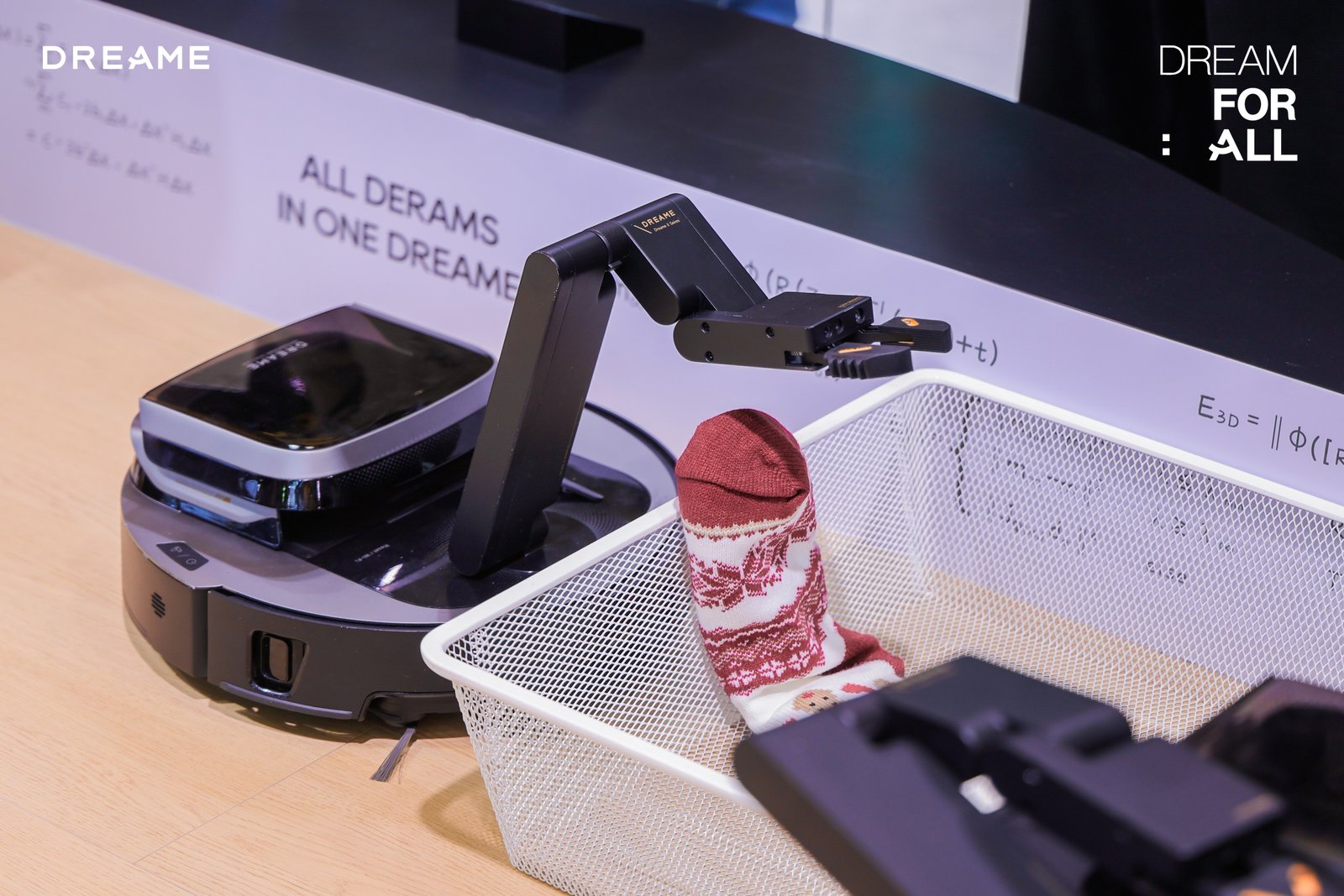
Core Insights - The development of new productive forces in China is steadily progressing, injecting continuous new momentum into high-quality development [1] - The integration of technology into daily consumer goods is becoming more pronounced, with innovations in smart appliances enhancing consumer convenience [1] - The growth of emerging industries is enriching the variety of daily consumer products available [1][2] Group 1: Technological Advancements - Smart home appliances, such as intelligent refrigerators and robotic vacuum cleaners, are improving household convenience through advanced features [1] - China's R&D expenditure is projected to exceed 3.6 trillion yuan in 2024, with an intensity of 2.68%, surpassing the average level of EU countries [1] - The manufacturing value added in the high-tech industry related to light industrial products increased by 21.7% year-on-year in July [1] Group 2: Digital Economy Impact - The manufacturing value added of digital products increased by 8.4% year-on-year in July, enhancing the efficiency of daily consumer goods [2] - Online shopping platforms are utilizing big data to analyze consumer preferences, making shopping more convenient [2] - Smart home products are leveraging IoT technology for remote control, improving user experience [2] Group 3: Green Development - The production of new energy products, such as electric vehicles and lithium-ion batteries, saw year-on-year increases of 17.1% and 29.4%, respectively [2] - The production of green materials, including carbon fiber and bio-based chemical fibers, increased by 43.8% and 19.8% in July [2] - The trend towards green consumer goods is becoming more prevalent, with environmentally friendly products gaining popularity among consumers [2] Group 4: Future Outlook - The steady development of new productive forces is expected to enhance the quality and experience of daily consumer goods [2] - Continuous technological advancements and industry upgrades will likely lead to more high-quality, intelligent, and green consumer products in the future [2]
科沃斯:关于使用可转换公司债券部分闲置募集资金进行现金管理到期赎回的公告
Zheng Quan Ri Bao· 2025-08-20 13:48
(文章来源:证券日报) 证券日报网讯 8月20日晚间,科沃斯发布公告称,公司于2025年2月17日以可转换公司债券部分闲置募 集资金购买理财产品10,000万元,2025年8月20日,公司赎回了理财产品10,000万元,收回理财本金 10,000万元,获得理财收益95.78万元。 ...