机器人制造

Search documents
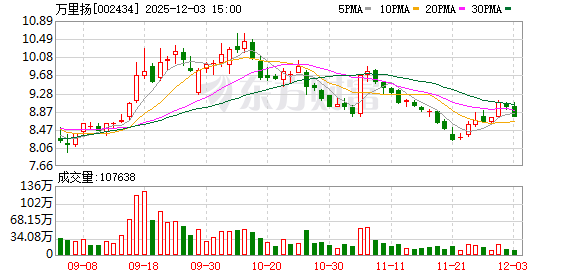
万里扬:公司正在为2个机器人整机客户的11个产品进行开发制造
Mei Ri Jing Ji Xin Wen· 2025-12-04 00:55
Core Viewpoint - The company is actively developing and manufacturing products for two robot system clients, focusing on industrialization capabilities for various components, including planetary gear reducers and harmonic reducers [2]. Group 1: Company Developments - The company has been involved in the acquisition of Chery's transmission for nine years, successfully supporting Chery's traditional transmission systems and generating significant profits [2]. - The company is collaborating with Yushu Robotics and has signed a supply agreement, indicating a strategic partnership in the robotics sector [2]. Group 2: Product Development - The company is currently developing 11 products for two robot system clients, which include individual components such as planetary reducers, harmonic reducers, and joint modules [2]. - There is a strong emphasis on expanding the business of robot joint modules, with efforts to attract additional robot system clients [2].


聚人才之力,强发展之势 山东近三年年均集聚青年人才超80万人
Feng Huang Wang Cai Jing· 2025-12-04 00:46
Core Insights - Shandong province is actively enhancing its talent attraction and development strategies, aiming to become a highland for talent aggregation by 2025, evidenced by the addition of 5 academicians and 3 foreign academicians [1][2] Group 1: Talent Development Strategies - The province has implemented a comprehensive talent work system based on four lists: work mechanisms, institutional arrangements, talent policies, and target tasks, promoting a new governance model for talent development [1][2] - Shandong has launched the "Party Secretary Talent Work Project," focusing on major talent policies and key talent engineering, with 1870 projects implemented across 16 cities and 136 counties [2] Group 2: Talent Attraction and Retention - Over 180 academicians and more than 9600 high-level talents have been attracted to Shandong, with an average annual influx of over 800,000 young talents in the past three years [2] - Shandong's cities, including Jinan and Qingdao, have been recognized as talent-friendly cities for 2025, enhancing their attractiveness and capacity to retain talent [3] Group 3: Infrastructure and Policy Support - The province is upgrading key talent platforms, including the establishment of new educational institutions and major scientific infrastructure, to support talent development [3][4] - Shandong has introduced various policies to facilitate talent recruitment and entrepreneurship, significantly benefiting high-level talents like those in the robotics sector [4][5] Group 4: Education and Innovation - The province is optimizing its education system to align with talent needs, adjusting 1458 academic programs and establishing 406 new emerging majors, with a focus on high-tech industries [4] - Shandong is promoting the integration of talent supply, education, and industry needs through a "four-chain" approach, enhancing the overall innovation ecosystem [4][6]
万里扬:公司正为2个机器人整机客户的11个产品进行开发制造
Zheng Quan Ri Bao Wang· 2025-12-03 13:15
Core Viewpoint - Wanliyang (002434) is actively developing and manufacturing 11 products for two robot system customers, focusing on planetary gear reducers, harmonic reducers, and joint modules [1] Group 1: Product Development - The company is engaged in the development and manufacturing of products including planetary reducers, harmonic reducers, and joint modules [1] - There is a strong emphasis on building industrial manufacturing capabilities for these products [1] Group 2: Market Expansion - The company is aggressively exploring opportunities with other robot system customers to enhance its joint module business [1] - Efforts are being made to continuously grow and strengthen the company's robot joint module business [1]
埃夫特智能机器人股份有限公司 关于全资子公司出售资产暨关联交易完成的进展公告
Zhong Guo Zheng Quan Bao - Zhong Zheng Wang· 2025-12-03 01:36
关于全资子公司出售资产暨关联交易完成的进展公告 本公司董事会及全体董事保证公告内容不存在任何虚假记载、误导性陈述或者重大遗漏,并对其内容的 真实性、准确性和完整性依法承担法律责任。 一、交易概述 证券代码:688165 证券简称:埃夫特 公告编号:2025-072 埃夫特智能机器人股份有限公司 二、本次交易的进展情况 截至本公告披露日,WFC已收到所有的股权转让款项。本次交易完成。 特此公告。 埃夫特智能机器人股份有限公司董事会 2025年12月3日 埃夫特智能机器人股份有限公司(以下简称"公司")全资子公司EFORT W.F.C. Holding S.p.A.(以下简 称"WFC")拟将其持有的GME Aerospace Indústria de Material Composto S.A.(以下简称"GME")22%股 权作价600万欧元出售给Spectre S.r.l.(以下简称"Spectre")。同时,Spectre拟以此前向GME提供的股东 贷款1,000万欧元对GME定向增资。本次交易完成后,WFC持有GME的股权比例将由48.99%下降为 19.76%。 具体内容详见公司分别于2025年7月1 ...

仅售18万元起!众擎机器人T800正式发布!重新定义全域动态效能人形机器人!
机器人大讲堂· 2025-12-02 09:26
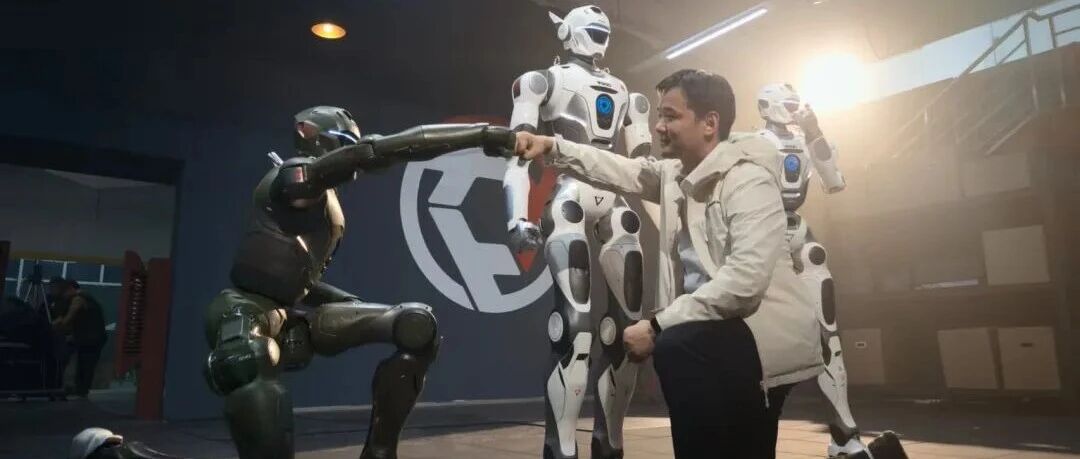
Core Viewpoint - The article highlights the launch of the T800 humanoid robot by Zhongqing Robotics, emphasizing its advanced features, design improvements, and production plans aimed at meeting increasing market demand. Group 1: Product Features - The T800 humanoid robot is available in four configurations: Basic, Ecological (Open Source), Sharp (Pro), and Flagship (Max), with a starting price of 180,000 yuan [1] - The T800 has undergone significant design changes, with its weight reduced from 85 kg to 75 kg and height from 1.85 m to 1.73 m, enhancing its adaptability for various industrial and commercial applications [3][4] - The robot features a lightweight body made from aerospace-grade aluminum alloy, ensuring durability and high performance in extreme conditions [4] - It incorporates a dynamic interaction light strip and a multi-mode lighting system for improved human-robot interaction [6] - The T800 is equipped with a self-developed integrated joint module capable of delivering a peak torque of 450 N·m, allowing for highly flexible movements [7][10] - The robot's advanced sensing capabilities enable it to navigate complex environments with precision, utilizing a 360° omnidirectional laser radar system [10] Group 2: Technological Innovations - The T800 features a fully self-developed multi-dimensional sensing dexterous hand, designed to replicate human hand movements and capable of performing both heavy-duty and precision tasks [12][14] - It is the first humanoid robot to utilize a solid-state battery, achieving a stable operational time of 4-5 hours, significantly improving upon traditional battery limitations [15] - The robot includes an active cooling system for its joints, ensuring stable performance during prolonged operations [17] Group 3: Production and Market Strategy - Zhongqing Robotics plans to establish manufacturing bases in Shenzhen and Henan, targeting an annual production capacity of 10,000 robots by 2025 [18][20] - The company aims to rapidly scale production in response to increasing orders, with plans for a 12,000 square meter manufacturing facility in Shenzhen [18] - A new subsidiary will be established in Zhengzhou to support the production of 5,000 robots annually, with a vision to create a global manufacturing center in the region [20]
21书评︱以人为本的“机器换人”
2 1 Shi Ji Jing Ji Bao Dao· 2025-12-02 05:01
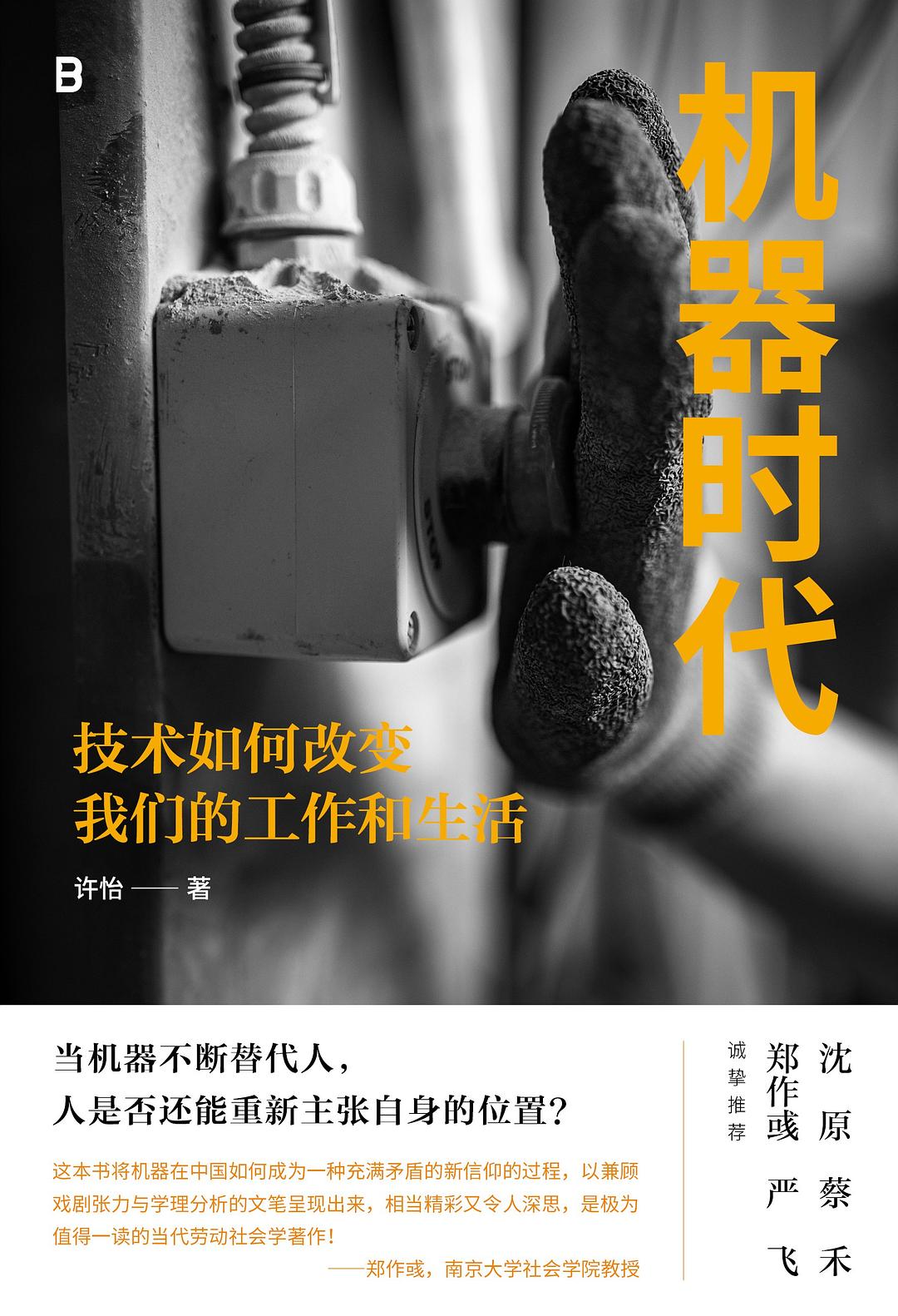
Core Insights - China has become the world's largest market for industrial robots since 2013, with a significant annual increase in installation volume, leading to a robot density of 392 units per 10,000 people by 2022, indicating a high level of automation in manufacturing [1] - The book by Professor Xu Yi explores the impact of automation on laborers, including the challenges they face and strategies to cope with technological encroachment [1][2] - The development of "appropriate technology" is suggested as a way to create diverse technologies that are tailored to local conditions, promoting labor-intensive solutions rather than capital-intensive ones [5][7] Summary by Sections Automation and Labor Market - The rise of automation, AI, and other technologies poses significant challenges to the labor market, prompting a need for reflection on the motivations behind the relentless pursuit of these technologies by capital [2] - The role of the state is emphasized in balancing the threats posed by technology to society and exploring diverse technological advancements that can enhance productivity while benefiting the public [2] Appropriate Technology - "Appropriate technology" is defined as technology designed to fit local environmental, cultural, and economic conditions, often favoring labor-intensive methods [5] - Examples include solar cooking devices in Africa that utilize locally available materials and a universal nut sheller that significantly increases efficiency for nut farmers, demonstrating the potential of low-cost, environmentally friendly solutions [6] Considerations for China's Technological Development - China, as a populous nation, is advised against fully adopting "unmanned" technologies, as the efficiency advantages of automation may diminish over time [7] - The diversity of China's geography and culture necessitates the development of varied technologies that respect local characteristics and prevent the homogenization of modernization [7] - The importance of incorporating laborers' wisdom and participation in technology development is highlighted, suggesting that their experiences can lead to innovative and sustainable solutions [8]
四川成都:新赛道跑出科创“加速度”
Ke Ji Ri Bao· 2025-12-01 07:57
Group 1: Project Cooperation and Industry Development - Chengdu's government signed a project cooperation agreement with Zhiyuan Innovation (Shanghai) Technology Co., Ltd. to establish a large-scale embodied intelligence robotics R&D and manufacturing base, marking the first of its kind in Chengdu [1] - Since the 14th Five-Year Plan, Chengdu has focused on key industries such as new-generation information technology, pharmaceutical health, equipment manufacturing, and advanced materials, implementing 64 key core technology projects in areas like artificial intelligence and low-altitude economy [1] Group 2: Technological Innovations and Breakthroughs - Chengdu has made significant advancements in quantum technology, including the release of the world's first gallium nitride quantum light source chip, which addresses technical challenges and enables more complex quantum algorithms [4] - The city has also seen the launch of the "Xingdong Q5" humanoid service robot, featuring 44 degrees of freedom and advanced language processing capabilities [4] - A total of 1,399 major technology innovation and application demonstration projects have been supported in over 30 cutting-edge technology fields since the 14th Five-Year Plan [4] Group 3: Future Industry Development - Chengdu's government has issued implementation opinions to proactively cultivate future industries, focusing on 24 sub-sectors such as humanoid robots and green hydrogen energy, aiming to master key core technologies with independent intellectual property rights [5][6] - The city aims to foster disruptive products and services with significant domestic and international industry influence [6] Group 4: Innovation Ecosystem and Enterprise Growth - Sichuan WoFei ChangKong Technology Development Co., Ltd. has developed the AE200-100, the first domestic electric vertical take-off and landing aircraft, showcasing Chengdu's potential in key technology innovation [7] - Chengdu is building an innovation ecosystem centered on enterprises, promoting collaborative industry and technology efforts [7] - The city has added 7,021 national high-tech enterprises since the 14th Five-Year Plan, surpassing a total of 14,500, with high-tech industry revenue exceeding 1.5 trillion yuan, a growth of over 40% compared to 2020 [8]

全球首台双臂协作巡操机器人"钧仪"上岗配电间
Ge Long Hui· 2025-12-01 03:13
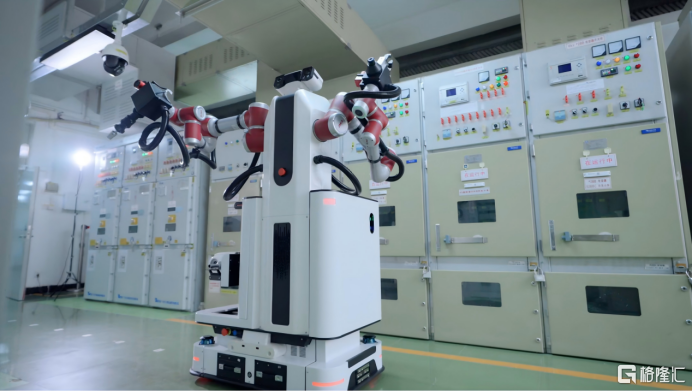
随着全球工业正迎来具身智能的黄金时代,兼具感知、交互、决策的移动操作机器人作为工业具身智能 的核心载体,正在汽车制造、3C电子、半导体、新能源等行业加速应用,成为推动产业升级的中坚力 量。 位于南方电网广东广州供电局的一座220千伏变电站高压室内,全球首台双臂协作巡操机器人"钧仪"正 在进行高危环境下的巡检操作,通过高精度的双臂协作多线程并行作业,完成开关柜巡检、按钮操作、 手柄切换等复杂任务,实现稳定高效的无人化巡检操作。 这台双臂协作的巡操机器人"钧仪",在十五运会和残特奥会赛前完成实际运维场景验证,正式投入运 维,肩负起守护电网安全的重任。作为优艾智合通用具身智能机器人矩阵"天演"系列的重要一员,"钧 仪"针对电力巡检操作环境复杂、人工效率低易失误、巡检数据离散、传统机器人线性操作/操作依靠预 制程序等痛点,不仅能通过自主学习等技术高效精准地完成配电间巡检操作任务,还通过行业垂直模型 打通电网管理平台、生产信息平台、智能五防等独立系统,实现企业运维数据联通,辅助企业科学管理 决策。 "钧仪"成功落地,源于国内工业具身智能头部玩家优艾智合在工业具身智能领域的深厚应用积淀, 在"一脑多态"工业具身智能架构下 ...

汽车产业加速驶入人形机器人“快车道” 长安汽车成立机器人子公司
Shang Hai Zheng Quan Bao· 2025-11-30 21:47
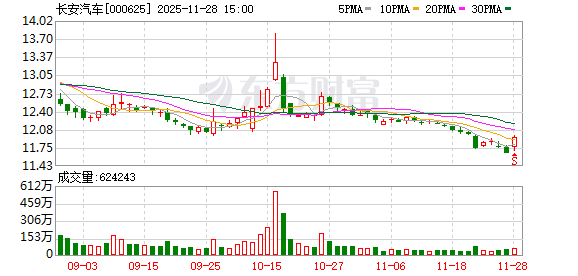
Core Viewpoint - The automotive industry is rapidly entering the humanoid robotics sector, with companies like Changan Automobile announcing significant investments in robot technology and development [2][3]. Group 1: Company Developments - Changan Automobile has established Changan Tian Shu Intelligent Robot Technology Co., Ltd. with an investment of 225 million yuan, positioning it as a strategic entity for the company's robotics initiatives [3]. - The company aims to leverage humanoid robot technology to create innovative products and solutions, enhancing both the automotive and robotics industries [3]. - Other automotive companies, such as XPeng Motors and Xiaomi, are also making strides in humanoid robotics, indicating a broader industry trend [2]. Group 2: Industry Trends - The automotive sector is seen as a key player in the humanoid robotics field due to overlapping supply chains and existing expertise in software development from autonomous driving technologies [6]. - Companies are exploring various applications for humanoid robots, including industrial and service roles, with plans for mass production of humanoid robots by 2028 [4][5]. - The establishment of dedicated robotics companies by various automakers, such as Chery and Great Wall Motors, highlights the growing interest and investment in this area [5]. Group 3: Challenges and Considerations - Despite the potential, challenges remain in the development of humanoid robots, particularly regarding the durability and cost-effectiveness of robotic components like dexterous hands [7]. - The complexity of creating a practical and versatile humanoid robot is underscored by the difficulties faced by companies like Tesla in achieving production goals [7].

美股五连涨:机器人和共封装光学上涨,英特尔涨10%,中概股普涨
Sou Hu Cai Jing· 2025-11-30 17:21
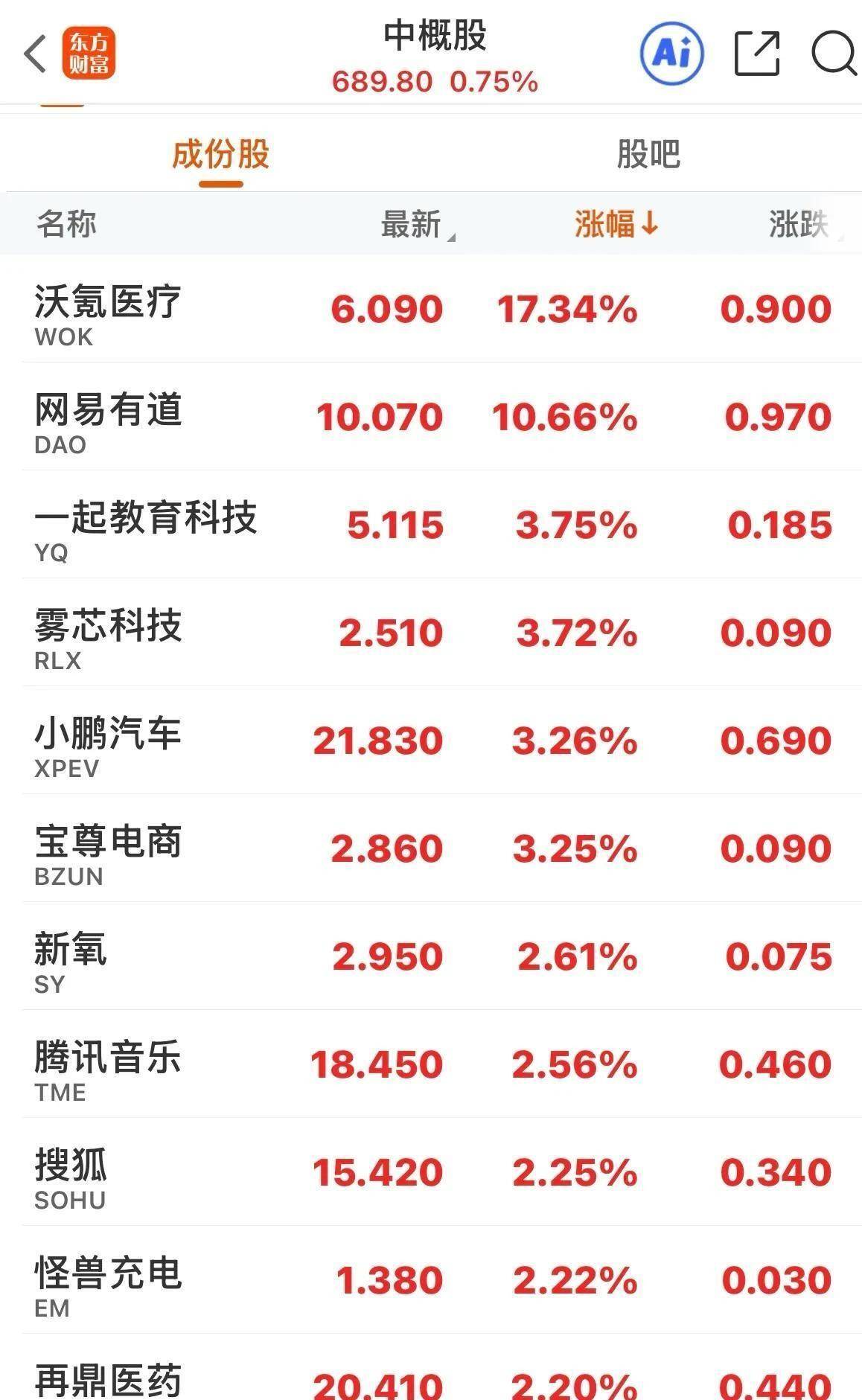
Market Overview - The U.S. stock market experienced an unexpected rebound, with the three major indices achieving a rare five-day winning streak, driven primarily by Intel rather than the anticipated AI giant Nvidia [1] - The Nasdaq index rose nearly 5% over the week, the S&P 500 increased by over 3.7%, and the Dow Jones Industrial Average climbed more than 3%, nearing historical highs [1] Federal Reserve Influence - The market sentiment shifted positively following dovish signals from Federal Reserve officials, particularly from Governor Christopher Waller, who indicated a lack of strong evidence for sustained inflation and supported pausing interest rate hikes in December [1] - The probability of a pause in rate hikes in December surged to over 80% according to the FedWatch tool [1] Technology Sector Performance - The technology sector saw a significant surge, with various tech concepts experiencing substantial gains; digital currency stocks rose over 5%, while mixed reality and co-packaged optics (CPO) concepts increased by over 4% [4] - Robotics stocks emerged as standout performers, with RBOT and LAZR soaring nearly 12% and 11%, respectively, driven by developments in Tesla's humanoid robot and IPOs from leading domestic robotics firms [4] Intel's Strategic Developments - Intel is positioned to potentially produce entry-level M-series processors for Apple starting in 2027, utilizing its advanced 18A process technology, which could lead to shipments of 15 to 20 million units [7][8] - The collaboration with Apple signifies a potential turnaround for Intel's foundry services, marking a significant milestone in regaining its competitive edge in the semiconductor industry [8] Broader Market Trends - Chinese concept stocks also saw a broad increase, with notable performances from companies like WoKe Medical and Xpeng Motors, reflecting a positive sentiment in the market [9] - European markets showed strength, with major indices like the FTSE 100 and DAX rising significantly over the past week, supported by expectations of stable interest rates from the European Central Bank [9] Conclusion - The year-end rally in the U.S. stock market was fueled by the Federal Reserve's interest rate outlook and Intel's potential recovery in its foundry business, alongside strong performances in robotics and CPO sectors [11]