
房地产业

Search documents
你有没发现一个奇怪的现象?现在贷款买房的人开始羡慕没买房的人
Sou Hu Cai Jing· 2025-10-09 04:30
Core Insights - The article highlights the shift in perception regarding homeownership, where owning a home, once seen as a symbol of success, is now viewed by many as a financial burden [6][25] - It discusses the increasing financial strain on homeowners, with many feeling envious of those who do not have mortgage obligations [6][25] Group 1: Financial Burden of Homeownership - Homeowners are facing significant financial pressure, with many struggling to meet monthly mortgage payments, which can exceed their disposable income [2][4] - The average household debt has reached alarming levels, with total liabilities surpassing 82.84 trillion yuan, equating to 67.4% of GDP, indicating that for every 100 yuan earned, 145 yuan is owed [8][10] - The article emphasizes that the financial strain is particularly acute for low-income families, who face a debt-to-income ratio significantly higher than the average [13][15] Group 2: Declining Property Values - Many homeowners are experiencing a decline in property values, with some properties reverting to prices seen several years ago, leading to feelings of regret among those who purchased at higher prices [10][12] - The article notes that in some cities, property values have dropped significantly, making it difficult for homeowners to sell their properties without incurring substantial losses [10][12] Group 3: Lifestyle Comparisons - The article contrasts the lifestyles of homeowners burdened by mortgages with those who rent or do not own property, highlighting the financial freedom enjoyed by non-homeowners [11][25] - It illustrates how homeowners often sacrifice personal enjoyment and financial flexibility due to their mortgage commitments, leading to a less fulfilling lifestyle [24][25] Group 4: Coping Strategies for Homeowners - The article suggests several strategies for homeowners to alleviate financial pressure, including reducing unnecessary expenses, seeking additional income sources, and negotiating with banks for more manageable repayment plans [17][21][23] - It emphasizes the importance of proactive financial management to avoid the severe consequences of mortgage default [22][23]

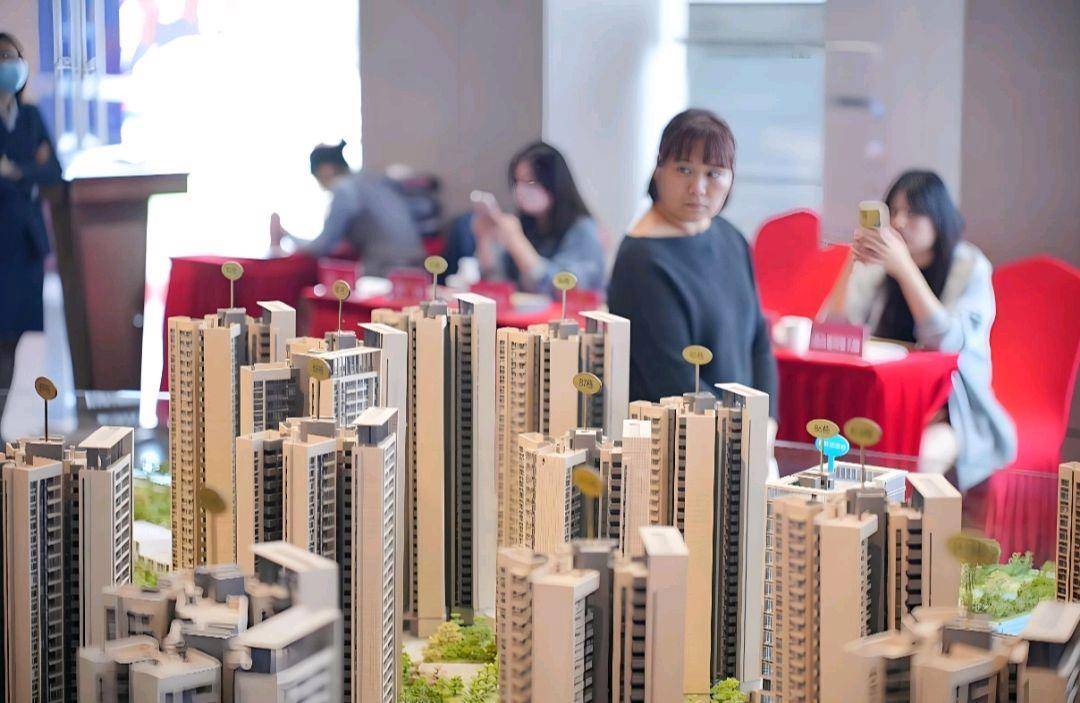
手握80万存款,这两年该买房还是存银行?曹德旺一番话说明白了
Sou Hu Cai Jing· 2025-10-07 22:24
楼市寒冬下的抉择:八十万存款,是"抄底"还是"卧倒"? 然而,持"观望"态度的人士则坚决反对,他们深信国内楼市仍存在难以消化的泡沫。将资金存入银行,至少能确保本金的安全和固定的微薄利息;而一旦贸 然投入房产,不仅要承受资产价值缩水的心理煎熬,更要面对未来房产可能"有价无市"的尴尬局面。 对于"买房"还是"存钱"的终极拷问,实业巨擘曹德旺先生多年前便给出了他的判断。他曾犀利地指出,当下的房产市场,已然异化成少数富人之间的"击鼓 传花"游戏——有闲置多套房产的人居高临下,而真正需要安居的人却望房兴叹。他预言,这场游戏终将有散场的一日,届时无人愿意接盘。更进一步,曹 德旺强调,房子终究是由钢筋水泥构筑的实体建筑,其价值必将随着时间的推移,逐步贬值为零。 显然,在曹德旺的洞察中,未来的楼市将呈现出长期、持续的贬值趋势,并最终走向"无人问津"的境地。因此,现在和未来一两年内出手购房,无疑是一项 欠妥的决策。我们的观点与曹德旺先生不谋而合,认为面对这80万元的存款,选择继续存放在银行,而非急于入市,是基于以下三个核心考量: 首先,安全边际的确定性对比。 尽管银行的"吸储"能力正在减弱,存款利率连年攀降,但资金置于银行所带 ...

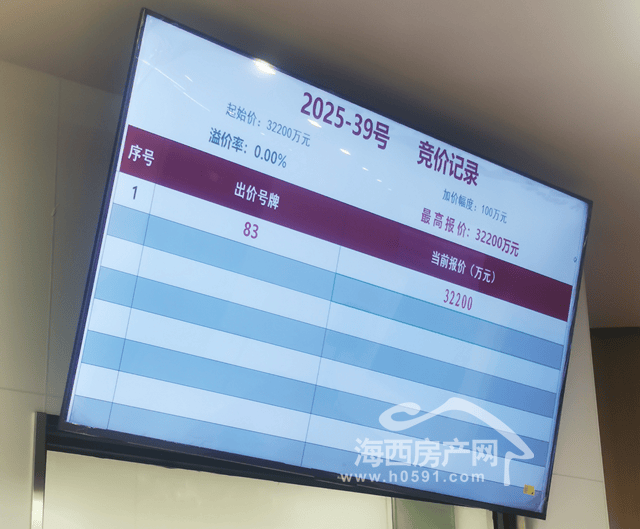
【关注】3.22亿拿下江南CBD25.85亩江景地块,起底福州兴景置业!
Sou Hu Cai Jing· 2025-10-04 10:49
Core Viewpoint - The recent land auction in Fuzhou saw Fuzhou Xingjing Real Estate Co., Ltd. winning a prime residential and commercial land parcel, indicating strategic moves in the local real estate market by major players like Longxiang Holdings Group [1][3][9]. Group 1: Land Auction Details - The land parcel 2025-39 was acquired by Fuzhou Xingjing Real Estate Co., Ltd. for 322 million yuan, translating to a floor price of 10,380.60 yuan per square meter [3]. - The land area is approximately 25.85 acres, designated for residential and commercial use, located in a prime area near the Minjiang River and the planned Metro Line 6 extension [3][5]. Group 2: Company Background - Fuzhou Xingjing Real Estate Co., Ltd. was established on June 19, 2025, with a registered capital of 10 million yuan, and operates in the real estate industry [6]. - The company is a wholly-owned subsidiary of Sanhe (Fujian) Construction Engineering Co., Ltd., indicating a strong backing in the construction sector [9]. Group 3: Longxiang Holdings Group - Longxiang Holdings Group, founded in 1998, is a comprehensive investment group involved in real estate development and other sectors such as engineering, mineral resources, and international trade [11][13]. - The group has expanded its operations across six provinces and 14 cities, with total assets exceeding 10 billion yuan and a significant portfolio of over 50 developed projects [13][16]. - The recent acquisition of the land in Fuzhou is seen as a strategic move to re-enter the local market, enhancing its presence in the Jiangnan CBD area [11].
2025年四季度还能实施哪些稳增长举措?|政策与监管
清华金融评论· 2025-10-01 09:05
Core Viewpoint - The article presents six policy recommendations aimed at promoting stable economic growth and addressing current economic challenges, including limited domestic demand, structural overcapacity, deflationary pressures, and unstable expectations [1][4][8]. Group 1: Policy Recommendations - Recommendation 1: Advance the government investment and financing quotas for the next year to utilize fiscal resources effectively, with an expected increase in local special bond quotas to over 4.5 trillion yuan, suggesting an early allocation of 1.5-2 trillion yuan [9][10]. - Recommendation 2: Continue to release positive signals through monetary policy, potentially lowering the reserve requirement ratio by 0.5% and interest rates by 0.2% in the fourth quarter, while considering the resumption of government bond purchases [11][12]. - Recommendation 3: Lower the operational thresholds for two monetary policy tools supporting the capital market and standardize the operations of the Central Huijin Investment Company [12][13]. - Recommendation 4: Further reduce mortgage rates and optimize personal housing tax policies, including a suggested 25 basis point reduction in long-term housing provident fund loan rates [14][15]. - Recommendation 5: Increase the consumption subsidy for replacing old goods by 100 billion yuan and expand the subsidy scope to include various consumer goods [16][17]. - Recommendation 6: Strengthen fiscal and financial support, optimize tax refund services, enhance trade facilitation, and provide assistance to foreign trade enterprises and unemployed individuals [18][19][20]. Group 2: Economic Challenges - Domestic demand remains limited, with fixed asset investment growth slowing to 0.5% year-on-year from January to August, and infrastructure investment declining by 2.0% [4][5]. - The real estate market continues to face challenges, with a year-on-year drop in national commercial housing sales area of 11% in August, and real estate investment down by 12.9% from January to August [5][6]. - Credit growth is notably weak, with a decrease in credit balance for the first time since 2005, and new credit issuance in August at 590 billion yuan, below last year's already low levels [6][7]. - Deflationary pressures persist, with the Consumer Price Index (CPI) falling to -0.4% year-on-year in August, and the Producer Price Index (PPI) at -2.9% [7].
东京股市日经股指四连跌
Xin Hua Wang· 2025-10-01 08:46
Core Points - The Tokyo stock market experienced declines on October 1, with the Nikkei 225 index falling by 0.85% and the Tokyo Stock Exchange index dropping by 1.37% [1][2] - Investor profit-taking activities were prevalent, leading to a downward trend in both major indices [1] - Expectations of a potential interest rate hike by the Bank of Japan in October contributed to market pressure [1] Market Performance - The Nikkei index closed down by 381.78 points at 44,550.85 points, while the Tokyo Stock Exchange index fell by 42.86 points to 3,094.74 points [2] - Almost all 33 industry sectors on the Tokyo Stock Exchange saw declines, with banking, real estate, and securities trading sectors experiencing the largest drops [2] - Only the pharmaceutical and other products sectors recorded gains during this trading session [2]
【环球财经】东京股市日经股指四连跌
Xin Hua Cai Jing· 2025-10-01 08:43
Market Overview - The Tokyo stock market experienced declines on October 1, with the Nikkei 225 index falling by 0.85%, marking its fourth consecutive day of losses [1] - The Tokyo Stock Exchange Price Index (TOPIX) dropped by 1.37% [1] Investor Behavior - Investor profit-taking activities continued to exert pressure on the market, leading to a lower opening for both major indices [1] - During the early trading session, both indices showed downward volatility, with major stocks like SoftBank Group and Tokyo Electron contributing to a decline of over 500 points in the Nikkei index [1] Market Sentiment - Analysts noted that the market was under pressure due to rising expectations that the Bank of Japan may raise interest rates in October [1] - Institutional investors often adjust their holdings at the beginning of the fiscal quarter, which also contributed to the market's downward trend [1] Sector Performance - At the close, the Nikkei index was down by 381.78 points, settling at 44,550.85 points, while the TOPIX fell by 42.86 points to 3,094.74 points [2] - Almost all 33 industry sectors on the Tokyo Stock Exchange experienced declines, with the banking, real estate, and securities and commodity futures trading sectors showing the largest drops; only the pharmaceuticals and other products sectors saw gains [2]
建业地产(00832) - 业务更新
2025-09-30 08:35
香港交易及結算所有限公司及香港聯合交易所有限公司對本公告的內容概不 負責,對其準確性或完整性亦不發表任何聲明,並明確表示,概不對因本公告 全部或任何部分內容而產生或因倚賴該等內容而引致的任何損失承擔任何責 任。 (股份代號:����) (i) 離岸債務: 有關離岸債務的整體解決方案、相關業務、財務、資產及法律 盡職審查,以及清盤分析報告的初稿已完成,而本公司目前制定初步重 組方案。於2025年8月,本公司向債權人提交更新的現金流模型及框架重 整計劃,並繼續與債權人積極溝通。 (ii) 更新或延長借款及所取得額外融資: 本公司已與現有貸款人就更新或延 長本集團借款進行進一步磋商,並積極尋求其他可用融資渠道(如援助貸 款)。截至2025年6月30日,本公司已與現有貸款人就延長本集團約人民幣 19.6億元的借款達成協議,並仍在積極就更新或延長到期借款進行磋商。 (iii) 加快預售及銷售物業的措施: 本公司已採取開支支援及僱員獎勵等措 施,以管理及加快其物業的預售及銷售。各城市的市場經理須報告銷售 業績,制定任務執行計劃並探討業務業績突破的機會,包括通過資源開 發、新媒體授權、服務升級及團隊管理。然而,由於家庭收入 ...
知名专家现惊人言论!房价下跌,最受伤的不是有钱人,而是普通老百姓?
Sou Hu Cai Jing· 2025-09-29 00:57
Core Viewpoint - The article discusses the critical state of China's real estate market and the implications for the macro economy, emphasizing the need for a shift in policy and perception regarding housing prices and land finance [2][4]. Group 1: Land Finance and Policy - Land finance is defined as the fiscal mechanism of local governments that possess land transfer and planning rights [4]. - To stabilize the real estate market, it is essential to abandon quantity targets and halt the influx of new land supply, focusing instead on redeeming excess properties [4]. - The current approach of relying on land sales for financing contradicts the central government's strategy of transitioning from incremental expansion to qualitative improvement [4]. Group 2: Impact of Housing Prices - The decline in housing prices primarily affects ordinary citizens rather than the wealthy, as housing constitutes a significant portion of household assets in China [4]. - The homeownership rates are notably high, with urban residents at 96.3% and rural residents at 94.8%, indicating that housing is a critical asset for the majority [4]. - The article argues that rising housing prices can help reduce wealth inequality, contrary to the belief that falling prices benefit the majority [4]. Group 3: Market Structure and Transformation - A dual-track system is proposed, distinguishing between market-driven housing and affordable housing, to ensure both price stability and housing accessibility [5]. - The article suggests that the best source of affordable housing is not new construction but rather the repurchase of excess market housing [5]. - The handling of unfinished projects should focus on rescuing banks rather than merely saving companies [5]. Group 4: Current Market Conditions - The real estate sector is currently in a downturn, with significant declines in new housing sales and investment [7][9]. - From January to August 2023, new housing sales dropped by 4.7% in area and 7.3% in value, while real estate development investment fell by 12.9% [7][9]. - The inventory of unsold properties has increased, with a notable rise in the waiting period for inventory clearance [10][13]. Group 5: Economic Contribution and Future Outlook - The real estate sector contributes approximately 20% to GDP and 40% to fiscal revenue, highlighting its importance to the economy [19][22]. - Despite its significance, the probability of housing prices continuing to rise is deemed low due to oversupply and demographic challenges [23][24]. - The article emphasizes that the real estate market must return to a supply-demand balance, as excessive price increases lead to unsustainable debt levels for developers [28][31].

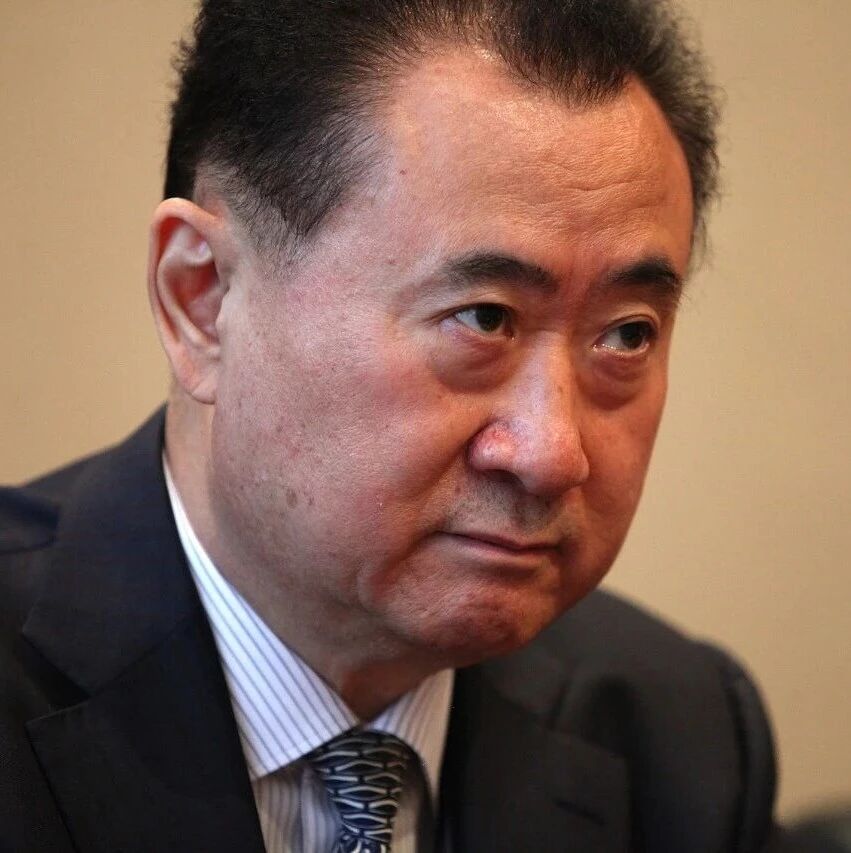
王健林被限制高消费
盐财经· 2025-09-28 09:48
Core Viewpoint - Dalian Wanda Group has recently faced restrictions on high consumption due to legal issues, including a new execution order involving over 400 million yuan [1][3]. Company Overview - Dalian Wanda Group was established in September 1992, with a registered capital of 1 billion yuan. The company is involved in various sectors, including import and export of goods and technology, and general domestic trade [3][4]. - The company is primarily owned by Dalian Hexing Investment Co., Ltd. and its legal representative, Wang Jianlin, who holds a minority stake [5]. Legal and Financial Issues - The company has multiple execution orders, with a total amount exceeding 5.3 billion yuan. Additionally, several of its equity holdings in other companies have been frozen [3][4]. - A recent execution order was issued by the Beijing Financial Court, indicating ongoing legal challenges for the company [3].
四季度还有戏!机构预测央行或单独下调5年期LPR 房贷利率有望再降?
Sou Hu Cai Jing· 2025-09-28 08:40
Core Viewpoint - The anticipated interest rate cuts in China have not materialized, with the Loan Prime Rate (LPR) remaining stable for four consecutive months, while the Federal Reserve has initiated a new easing cycle with a 25 basis point cut [1][2][5] Group 1: Monetary Policy Context - The People's Bank of China (PBOC) has maintained the 1-year and 5-year LPR at 3.0% and 3.5% respectively, reflecting a cautious approach amid various economic pressures [1][5] - The Fed's recent rate cut to a range of 4.00%-4.25% marks the beginning of a new easing cycle, with expectations of further cuts in the fourth quarter [1][2] Group 2: Economic Conditions - Domestic economic conditions, including weak inflation and pressures in the real estate market, have led to expectations for a follow-up rate cut in China to stabilize the RMB and stimulate economic recovery [2][5] - The banking sector is facing significant pressure on net interest margins, which have dropped to approximately 1.45%, limiting the scope for further rate reductions [5] Group 3: Real Estate Market Challenges - The stability of the real estate market is under threat, with 69 out of 70 major cities reporting a decline in second-hand housing prices, particularly in first-tier cities [6][9] - The core issues in the real estate market extend beyond financing costs, highlighting structural problems in supply and demand [7][9] Group 4: Policy Recommendations - To address the real estate market's challenges, a combination of fiscal policy and structural adjustments is recommended, including optimizing market supply and enhancing demand through employment and income stability [9][11] - The government is encouraged to pause new land auctions and repurchase undeveloped land to alleviate supply pressures, aligning with recent policy directions [9][11] Group 5: Future Outlook - The potential for new monetary policy actions, including further rate cuts, is anticipated as the Fed's easing opens up more operational space for the PBOC [9][11] - The overall expectation is that with the gradual release of policy effects and ongoing economic recovery, the real estate market may stabilize over time [11]
