数字经济

Search documents
美国最终服软,贸易战告一段落,5千亿外资涌入,中方成最大赢家
Sou Hu Cai Jing· 2025-10-28 08:43
Group 1 - The core point of the article is the significant easing of the US-China trade tensions, marked by the cancellation of the planned 100% tariffs on China by the US Treasury Secretary [1][3] - The global capital markets reacted positively to this policy shift, with stock markets rising and exchange rates stabilizing, indicating a sense of relief among investors [3] - The trade war, which has lasted nearly seven years, has shown signs of substantial de-escalation, with China emerging as a winner by maintaining its position in global supply chains [4][6] Group 2 - The US's decision to retreat from imposing higher tariffs is seen as a recognition of reality rather than a sign of weakness, as continued conflict could lead to faster economic deterioration for the US [7] - China's foreign investment data has improved significantly, with actual foreign investment exceeding 570 billion RMB in the first three quarters, and a year-on-year increase of over 11% in September [7][9] - Foreign investments are increasingly directed towards high-end manufacturing, new energy, and digital economy sectors, indicating a shift from low-end production to more advanced industries [7][9] Group 3 - Although the tariff issue has been postponed, other contentious topics such as technology and intellectual property rights remain unresolved, suggesting that future negotiations are likely [11] - China has evolved from a passive participant to a more assertive player in the global arena, actively addressing its technological shortcomings in areas like semiconductors and artificial intelligence [11][13] - The US's concessions are viewed as an indirect acknowledgment of China's strategic resilience, with the current situation reflecting a shift in power dynamics [13]


大连德泰控股集团:金融“活水”润泽实体经济 “耐心资本”伴新兴产业长跑
Zhong Zheng Wang· 2025-10-28 06:09
Core Viewpoint - The financial services provided by local state-owned enterprises are increasingly vital for the high-quality development of local economies, particularly in supporting emerging industries [1] Group 1: Financial Innovation and Services - Dalian Dete Holdings Group has successfully issued medium-term notes worth 1 billion yuan in the interbank bond market, marking the first application of digital yuan in the bond fundraising process [2] - This issuance set two financial innovation records in Northeast China: the first digital yuan bond and the first 7+3 year bond, achieving the lowest historical level for long-term bonds of 7 years or more from local state-owned enterprises [2][3] - The company aims to deepen financial innovation practices, focusing on green finance and technological innovation, while enhancing capital operation capabilities to increase industry influence [3] Group 2: Support for Emerging Industries - Dalian Dete Holdings Group is positioning itself as a "patient capital" provider, significantly contributing to the development of local emerging industries and economic transformation [4] - The group has made substantial investments in strategic emerging industries such as digital economy, low-carbon environmental protection, and marine economy, injecting strong momentum into local industrial upgrades [4][5] - The establishment of the "Dalian Data Valley" economic zone and the completion of high-level data centers demonstrate the company's commitment to advancing the digital economy and data asset financing [5] Group 3: Collaboration and Market Development - The company has effectively built a platform for government, banks, and enterprises to collaborate, facilitating innovative financing models and enhancing the efficiency of financial services for the real economy [3] - Dalian Dete Holdings Group has launched various investment funds to support the development of enterprises in renewable energy, new materials, and information technology sectors, showcasing its role as a "city service provider" [5]
世界城市日系列活动在沪启幕,镇江四企业参会共探沿沪宁科技产业协同
Yang Zi Wan Bao Wang· 2025-10-28 05:38
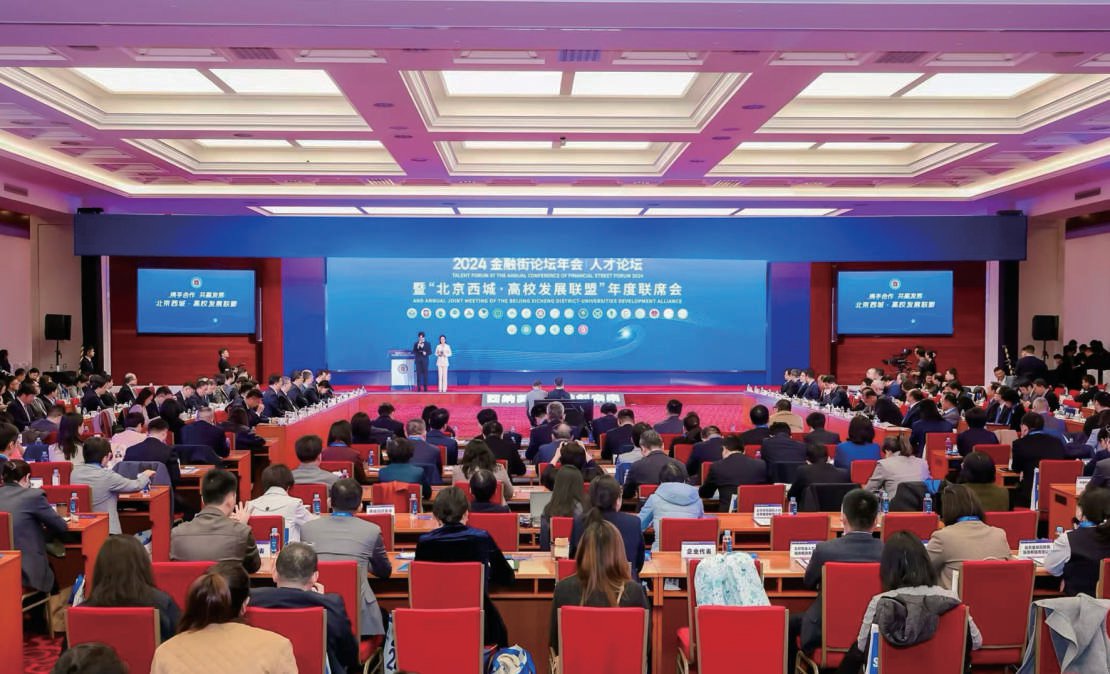
Core Insights - The event held on October 26 in Shanghai focused on "collaborative innovation" among cities along the Shanghai-Nanjing route, aligning with the global initiative for urban transformation and development [1] - The event featured representatives from four companies, including Hengshen Co., Jiangsu Tianhai, Hongwan Weipeng, and Changjiang Sanxing Energy, discussing innovation cooperation and industrial collaboration [1] Group 1: Collaborative Innovation Platform - The "Shanghai-Nanjing Collaborative Innovation Market" online platform was launched, featuring six core functions: policy information release, shared sci-tech resources, technology supply-demand matching, sci-tech finance connection, talent exchange, and cooperation results display [3] - This platform aims to facilitate the flow of innovation elements and inject digital momentum into industrial collaboration among cities along the Shanghai-Nanjing route [3] Group 2: Jiangsu Province's Industrial Strategy - Zhenjiang City has adopted an "industrial city, strong industry" strategy, aligning with Shanghai's "3+6" industrial system and focusing on developing "four clusters and eight chains" of leading industries [5] - The city has established three trillion-level industrial clusters in high-end equipment manufacturing, new materials, and digital economy, with rapid development in aerospace and marine engineering sectors [5] - Zhenjiang contributes significantly to the C919 aircraft, with approximately 90% of cabin interior components, 50% of aluminum materials, and 50% of composite structural parts sourced from the city [5] Group 3: Future Development Plans - The Zhenjiang Development and Reform Commission plans to deepen regional collaboration in the Yangtze River Delta, enhancing policy coordination and creating a better innovation ecosystem [7] - The city aims to foster industrial synergy and build a talent platform to attract skilled professionals, continuing to host events like the "Universities and Research Institutes Entering Zhenjiang" cooperation conference [7]

首善标准筑人才高地 协同之力绘发展新篇
Bei Jing Ri Bao Ke Hu Duan· 2025-10-27 22:09
Core Insights - The article emphasizes the importance of education, technology, and talent as foundational elements for building a modern socialist country, highlighting the role of talent in driving high-quality regional development in Xicheng District, Beijing [1] Talent Development Strategy - Xicheng District has surpassed a total talent pool of 1.05 million, with a significant focus on industries such as finance, technology, and culture, which collectively account for 520,000 professionals, showcasing a robust and well-structured talent base [1] - The district implements a comprehensive talent policy system characterized by competitive measures to attract and retain talent, focusing on a "classification guidance, institutional support, and solid guarantees" framework [6][7] Policy Initiatives - The district has introduced several key documents, including the "Implementation Opinions on Strengthening Talent Work" and the "Xirong Plan," which allocates 100 million yuan annually to enhance high-quality development through talent acquisition [7] - A new policy framework, termed "12+10," has been established to promote integrated development across education, technology, and talent, aiming to break down institutional barriers and enhance collaborative innovation [8] Collaborative Platforms - Xicheng District has formed the "Beijing Xicheng University Development Alliance," collaborating with 25 universities to enhance intellectual exchange, internships, and result transformation, resulting in over 150 cooperative achievements [10] - The district is actively engaging in "central-local cooperation" initiatives to create a new model for industry-talent integration, facilitating resource sharing and talent development through various collaborative projects [11] International Engagement - The district is enhancing its global talent pool by hosting international forums and establishing partnerships with overseas talent centers, aiming to attract high-end talent and innovation resources [12] Service Ecosystem - A comprehensive talent service system is being developed to provide a full lifecycle of support for talent, ensuring a conducive environment for professionals to thrive [13][14] - The district is implementing a "talent + industry" service model, establishing a three-tiered talent service mechanism to provide precise support for key enterprises and professionals [15][16] Future Outlook - Xicheng District aims to continuously optimize its talent policies and platforms, enhancing its attractiveness and competitiveness as a destination for top talent and innovative enterprises [17]
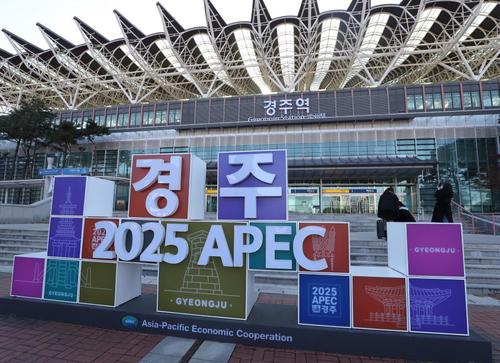
推动战略合作伙伴关系不断向前发展
Xin Hua She· 2025-10-27 17:08
Group 1 - Xi Jinping's visit to South Korea from October 30 to November 1 is expected to enhance political trust and deepen bilateral economic cooperation between China and South Korea [1][3] - The visit is seen as a significant opportunity to promote friendly relations and inject new momentum into regional peace and development [3][5] - The bilateral trade volume between China and South Korea reached $328.08 billion in 2024, marking a 5.6% increase, with China being South Korea's largest trading partner for 21 consecutive years [6][8] Group 2 - The visit is anticipated to strengthen cooperation in various sectors, including high-end manufacturing, logistics, and emerging fields like digital economy and artificial intelligence [8][10] - There is a strong belief among business leaders that the high-level exchanges will boost confidence and support local development for companies operating in both countries [8][10] - Cultural exchanges and mutual understanding are emphasized as essential for solidifying the foundation of bilateral relations, with increased tourism and people-to-people interactions noted since the implementation of a visa waiver policy [11][14]
星环科技龙虎榜数据(10月27日)
Zheng Quan Shi Bao Wang· 2025-10-27 13:53
Group 1 - The core point of the news is that Xinghuan Technology (688031) experienced a significant stock price increase of 16.47% on October 27, closing at 61.39 yuan, with a trading volume of 7.93 billion yuan and a turnover rate of 14.41% [1][2] - The stock was listed on the daily trading list due to its closing price increase of 15% [1] - The top five trading departments accounted for a total transaction of 262 million yuan, with a net buying amount of 140 million yuan [1][2] Group 2 - The main force of capital flow into the stock was 128 million yuan for the day [2] - The largest buying department was an institutional special seat, purchasing 119.78 million yuan, followed by the Shanghai-Hong Kong Stock Connect with 32.06 million yuan [2] - The largest selling department was Guosen Securities, with a selling amount of 18.08 million yuan [2]

以一域之稳服务全局之稳 山东较好发挥经济大省“挑大梁”作用
Zhong Guo Fa Zhan Wang· 2025-10-27 08:06
Core Viewpoint - The Shandong provincial government emphasizes its commitment to high-quality economic growth during the "14th Five-Year Plan" period, aiming for a GDP growth target of 5.5% and achieving better-than-average performance in key economic indicators compared to the national average [1] Group 1: Economic Growth and Industrial Performance - Shandong's industrial output value has an average annual growth rate of 7.5% during the "14th Five-Year Plan," with revenue from industrial enterprises increasing by 37% [2] - The province has completed over 3,000 projects annually, contributing approximately 500 billion yuan in output value, reinforcing the industrial sector's role as an economic stabilizer [2] Group 2: Domestic Demand Expansion - Shandong has a large demand potential with a population exceeding 200 million, implementing 15,000 key projects annually to enhance effective investment [3] - The average annual growth rate of retail sales of consumer goods is 7.6%, with significant contributions from sectors like new energy vehicles and tourism, which have seen substantial increases in consumption and infrastructure development [3] Group 3: Open Cooperation and Foreign Trade - Shandong is strategically located for international trade, with an average annual growth rate of 11.2% in foreign trade imports and exports during the "14th Five-Year Plan" [4] - Exports to emerging markets have increased by 16.1% annually, with machinery and electrical products seeing a 15.1% growth rate, indicating a shift towards higher-value exports [4]
从梯度转移到生态共建 全国统一大市场撬动产业“双向价值跃迁”
Zheng Quan Shi Bao· 2025-10-26 22:40
Core Viewpoint - The article discusses the ongoing trend of industrial transfer in China, highlighting the shift from a simple model of "Eastern R&D output and Western manufacturing" to a more integrated approach that combines regional characteristics with specialized industries [1][2][3]. Group 1: Industrial Transfer Activities - The Ministry of Industry and Information Technology (MIIT) has organized six industrial transfer matching activities this year, promoting orderly transfer of manufacturing industries to central and western regions [2][3]. - The recent event in Hainan resulted in the signing of 110 projects, including collaborations with state-owned enterprises and listed companies, showcasing a trend of "leading enterprises and collaborative chains" [3]. Group 2: Regional Advantages and Industry Characteristics - The article emphasizes the dual approach of aligning specialized industries with regional endowments, leading to a multi-faceted industrial transfer trend [3][4]. - Regions like Sichuan leverage natural resources such as vanadium, titanium, lithium, and rare earths to support the development of new energy and green industries [4]. Group 3: Economic and Structural Impacts - Industrial transfer is seen as a pathway to optimize national industrial structure, with regions like Jiangxi transitioning from agriculture to becoming a hub for electronic information industries [5]. - The MIIT stresses the importance of eliminating invisible barriers to factor flow, which will facilitate the construction of a unified national market [5].
信息量很大!最新解读来了
Zhong Guo Ji Jin Bao· 2025-10-26 13:00
Core Insights - The Fourth Plenary Session of the 20th Central Committee of the Communist Party of China emphasizes high-quality development and deepening reform and innovation as key signals for the future economic landscape [2][11][12] - The "15th Five-Year Plan" is expected to focus on maintaining reasonable growth while enhancing quality and efficiency, with technological development as the core driver of economic growth [2][17] Economic Development Signals - The session highlights the importance of focusing on the real economy, accelerating high-level technological self-reliance, and building a strong domestic market [11][12] - The principles of "effective market and proactive government" are reiterated, showcasing confidence in the long-term positive trajectory of the Chinese economy [11][12] Industry Opportunities - Key industries expected to thrive include advanced manufacturing, high-end equipment, smart robotics, new materials, energy storage, and rail transportation [24][25] - Strategic emerging industries such as new energy, aerospace, and quantum technology are anticipated to gain significant opportunities [33][34] Technological Innovation - Technological innovation is positioned as the core driver of economic growth, with a focus on original innovation and the integration of technology and industry [26][27] - Public funds are encouraged to engage in the technology innovation cycle, particularly in sectors like AI, semiconductors, and renewable energy equipment [26][27] Green Development - The session calls for a comprehensive green transition, shifting the energy structure from coal-dominated to clean and diversified sources, with significant investment opportunities in new energy, energy storage, and electric vehicles [29][30][31] - Green industries are expected to become investment hotspots, with related companies benefiting from expanded financing channels [31][32] Future Growth Pillars - The four pillars of future economic growth are identified as "technology, green development, manufacturing, and people's livelihood," which align with national strategies and market maturity [32][33] - Industries linked to technological self-reliance, digital economy, green economy, biomedicine, and modern services are projected to experience favorable growth opportunities [33][34]
信息量很大!最新解读来了
中国基金报· 2025-10-26 12:57
Core Viewpoint - The article emphasizes that the Fourth Plenary Session of the 20th Central Committee of the Communist Party of China outlines a blueprint for the "15th Five-Year Plan," focusing on "technology + green + manufacturing + livelihood" as new driving forces for China's economy [2][12][35]. Summary by Sections Positive Signals from the Plenary Session - The session highlights a commitment to high-quality development and deepening reform and innovation, indicating that the "15th Five-Year Plan" will focus on enhancing quality and efficiency while maintaining reasonable growth [4][12]. - Key themes include high-quality development, technological self-reliance, green transformation, and institutional openness, suggesting a shift from responding to uncertainties to shaping new certainties [12][20]. Economic Growth and Structural Opportunities - The "15th Five-Year Plan" is expected to prioritize the real economy, emphasizing the importance of advanced manufacturing, intelligent infrastructure, and energy system restructuring [24][35]. - Industries such as advanced manufacturing, high-end equipment, smart robotics, new materials, and energy storage are identified as key support sectors for economic growth [24][35]. Role of Technology in Economic Development - Technology is positioned as the primary driver of economic growth, with a focus on original innovation and the integration of technology and industry [27][28]. - Public funds are encouraged to engage in the technology innovation cycle, particularly in sectors like AI, semiconductors, and renewable energy equipment [27][28]. Green Transformation and Its Impact - The article discusses the transition to a green economy, with a shift in the energy structure from coal-dominated to clean and diversified sources, creating investment opportunities in renewable energy, energy storage, and electric vehicles [31][32]. - Green industries are expected to become investment hotspots, with significant growth in sectors like renewable energy, energy efficiency, and circular economy [32][33]. Key Industries for Future Growth - The "15th Five-Year Plan" identifies several industries with growth potential, including advanced manufacturing, renewable energy, digital infrastructure, green construction, and healthcare services [35][36]. - The focus on AI, solid-state batteries, and commercial aerospace indicates a strong interest in sectors that align with national strategies and market demands [35][36].