油气

Search documents
先进能源企业是能源强国建设重要依托
Zhong Guo Dian Li Bao· 2026-01-21 01:37
Core Viewpoint - The construction of an energy powerhouse in China is guided by the new energy security strategy of "Four Revolutions and One Cooperation," aiming to establish a clean, low-carbon, safe, and efficient energy system to meet the energy needs of economic and social development while becoming a leader in global energy governance [1] Group 1: Role of Advanced Energy Enterprises - Advanced energy enterprises are crucial for supporting the construction of an energy powerhouse, with state-owned enterprises accounting for approximately 80% of crude oil, 70% of natural gas, and 60% of electricity supply since the 14th Five-Year Plan [2] - By the end of 2024, major Chinese oil companies will have overseas investments exceeding 170 million tons of oil equivalent, dominating external oil and gas supply [2] - These enterprises possess a high level of technological talent, with R&D investment in major power companies reaching 198.32 billion yuan in 2024, and the proportion of PhD holders among researchers increasing from 2.95% in 2020 to 4.45% [2] Group 2: International Cooperation and Governance - Advanced energy enterprises serve as the main force and implementation vehicle for national energy international cooperation, reflecting China's interests in global energy governance [3] - China has established energy cooperation partnerships with over 30 countries under the Belt and Road Initiative, with state-owned enterprises leading large-scale energy cooperation projects [3] - These enterprises are pivotal in international energy technology innovation and standard-setting, with State Grid leading over 300 international standards projects [3] Group 3: Unique Role of Power Enterprises - Power enterprises are increasingly important in the context of global energy transition, with electricity infrastructure becoming a core support for national energy strength [4] - The demand for advanced technologies in energy transition has surged, with a focus on decarbonization, digitalization, and energy storage technologies [4] - The internationalization of power enterprises enhances geopolitical influence, as global electricity investment growth has outpaced that of fossil fuels [4] Group 4: Global Energy Governance - Power enterprises are becoming key players in global energy governance, with the lack of unified technical standards in clean energy presenting competitive advantages for early standard-setting nations [5] - The expansion of cross-border electricity trade integrates cross-border grid management into global energy governance [5] Group 5: Challenges and Strategic Recommendations - Despite significant achievements in the energy sector, challenges remain in establishing a new energy governance system and ensuring stable supply of critical minerals [6] - Advanced energy enterprises should enhance overseas business development, engage in energy diplomacy, and establish a global technology cooperation system [6] - Optimizing overseas investment and focusing on cooperation with the Global South will further support China's leadership in global energy governance [6]
安徽“十四五”能源工作取得新成效:外送电量达3000亿千瓦时以上
Zhong Guo Dian Li Bao· 2026-01-21 01:30
Core Viewpoint - Anhui Province has made significant progress in energy supply, green transformation, technological innovation, and market reform during the "14th Five-Year Plan" period, setting a strong foundation for high-quality economic development [1][2][3] Group 1: Energy Supply Achievements - During the "14th Five-Year Plan," Anhui has established new coal mines and formed a high-voltage transmission network, achieving an electricity export volume exceeding 300 billion kilowatt-hours [1] - By 2025, the province's raw coal production is expected to exceed 103 million tons, with installed power generation capacity reaching approximately 143 million kilowatts, a year-on-year increase of 15% [1] Group 2: Green Low-Carbon Transformation - The installed capacity of renewable energy in Anhui has surpassed 74.5 million kilowatts, three times that of the end of the "13th Five-Year Plan," with electricity accounting for about 32% of total energy consumption [1] - In 2025, approximately 13.5 million kilowatts of new renewable energy capacity will be added, representing 73% of the new installed capacity, raising the cumulative share of renewable energy in total power generation to 52.2% [1] Group 3: Technological Innovation - Since 2021, Anhui has developed leading-edge coal power units and the largest "coal power + molten salt storage" project in the country, along with the first inland LNG receiving station [1] - By 2025, 13 major technological equipment and demonstration projects will be included in the national list of first-of-its-kind major technological equipment in the energy sector [1] Group 4: Market Reform Progress - The long-term electricity market in Anhui has been continuously operating, with the market transaction volume reaching approximately 57.5% of total electricity traded in 2025 [2] - The province ranks among the top in the second batch of pilot provinces for the stable operation of the electricity spot market [2] Group 5: Future Energy Planning - The year 2026 marks the beginning of the "15th Five-Year Plan," where Anhui aims to enhance energy security, promote green transformation, and improve energy infrastructure [3] - The province will focus on deepening energy reform, enhancing the electricity market mechanism, and strengthening technological research and development [3]
能源企业筹措资源提前部署 力保能源供应安全稳定
Shang Hai Zheng Quan Bao· 2026-01-20 23:30
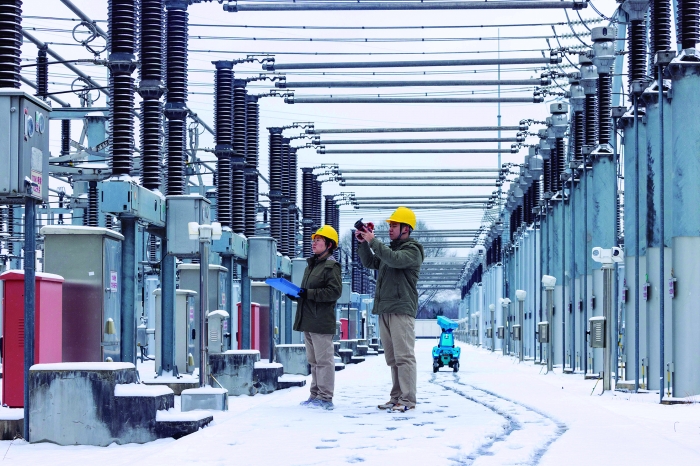
新华财经北京1月21日电(林玉莲 王文嫣)受寒潮影响,我国中东部地区正迎来今冬最冷的一周。面对 寒潮,记者从多家煤炭、电力、油气企业了解到,相关企业已密集部署投产保供工作,打出能源保供 的"组合拳"。 另有煤电企业人士对记者表示,随着新能源比例逐步增加,煤电机组除了发电,越来越多地承担电力兜 底调节作用。 多地用电负荷快速上升 能源供应安全稳定 新一轮寒潮带来大范围降温,多地用电负荷快速上升。 1月19日,江苏电网最高用电负荷达1.28亿千瓦,较前一日激增近2000万千瓦,增长18.5%。据国网江苏 省电力公司预测,今冬全省最高用电负荷预计将达1.38亿千瓦。 国网山东省电力公司透露,1月18日11时20分、1月19日11时25分,山东电网负荷分别达到1.1109亿千瓦 和1.15995亿千瓦,连续两天创冬季用电负荷历史新高。 受降雪降温天气影响,河北电网用电负荷也持续攀升。1月18日11时25分,河北电网最大负荷达到 5229.4万千瓦,创冬季历史新高。 为了保障电力供应充足稳定,电网公司加大对电网设施的巡检力度,加强抢修保障。可视化巡查和智能 运维也在保供工作中发挥了关键作用。 作为服务上海2400多万市 ...

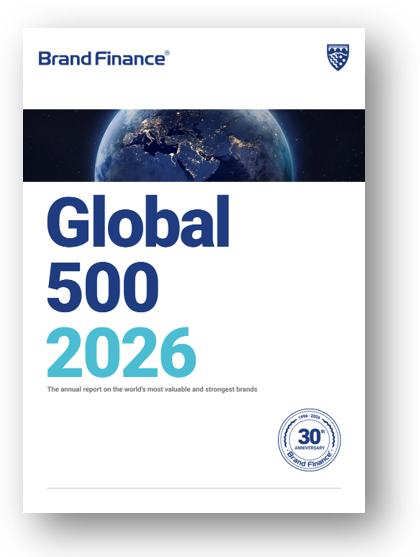
瑞士达沃斯:《Brand Finance 2026年全球品牌价值500强榜单报告》出炉
Feng Huang Wang Cai Jing· 2026-01-20 23:28
Core Insights - The Brand Finance 2026 Global Brand Value 500 report highlights Apple's continued dominance as the world's most valuable brand, with a brand value of $607.64 billion, reflecting a growth of 5.8% [5][6] - The report indicates that the United States leads with 192 brands contributing 53.4% of the total brand value, followed by China with 68 brands at 15.1% [3][5] - The banking sector remains the highest valued industry globally, contributing 12.5% of total brand value with 79 brands, while media and electronics follow [3][5] Company Highlights - Apple maintains its position as the top brand, with a brand value of $607.64 billion, driven by strong performance in services including advertising and cloud services [5][6] - Microsoft ranks second with a brand value of $565.25 billion, showing a significant growth of 22.6%, bolstering its leadership in AI and cloud services [5][6] - TikTok (Douyin) has seen a remarkable brand value increase of 45.1%, reaching $153.54 billion, making it the highest valued Chinese brand and sixth globally [7][19] - The State Grid of China ranks tenth globally with a brand value of $102.44 billion, leading the utilities sector and achieving a 19.6% growth [8][19] - China Petroleum and China Petrochemical also show positive growth in brand value, with China Petroleum at $35.74 billion and China Petrochemical at $30.42 billion [11][20] Industry Insights - The banking industry is highlighted as the strongest sector for Chinese brands, with a total brand value of $417 billion from 13 banks, marking a 1.4% increase [10] - The utilities sector, led by the State Grid, shows strong performance, with China Southern Power Grid achieving a 33.2% growth in brand value [9][10] - The food and beverage sector is represented by Yili, which ranks third globally in the food industry with a brand value of $14.5 billion, reflecting a 29.2% growth [13][21] - The insurance sector also performs well, with six out of seven Chinese brands on the list showing growth, particularly China People's Insurance with a 12% increase [15][21] - The engineering sector sees China holding nine out of twenty brands, with China National Building Material achieving a 1.3% growth in brand value [15][21]





扎实推动能源高质量发展迈上新台阶
Xin Lang Cai Jing· 2026-01-20 19:54
Core Viewpoint - The Inner Mongolia Autonomous Region's 11th Party Committee's 11th Plenary Session and Economic Work Conference has set a new direction and deployment for the region's energy work, emphasizing high-quality development and the implementation of the "1571" work deployment by 2026 [1] Group 1: Energy Planning and Development - The region will focus on high-quality preparation of the "14th Five-Year" energy plan, addressing the relationship between energy and economic, industrial, and ecological factors, and ensuring the stability of coal production at over 1.25 billion tons annually [2] - The energy supply security foundation will be strengthened, with coal production targets set to meet the national supply task of 780 million tons, and the total installed capacity of electricity to exceed 330 million kilowatts [2] Group 2: Renewable Energy and Infrastructure - The development of renewable energy will be prioritized, with an aim to add over 30 million kilowatts of new grid-connected renewable energy capacity, bringing the total installed capacity to over 200 million kilowatts [3] - The construction of a robust and efficient power grid will be advanced, with new energy storage technologies being developed and a target of 25 million kilowatts of new energy storage capacity by the end of the year [3] Group 3: Market Mechanism and Innovation - Continuous optimization of the electricity market mechanism will be pursued, encouraging long-term power purchase agreements and enhancing trading flexibility [4] - The region will focus on innovation in the energy sector, particularly in new power systems, energy storage, and green hydrogen production, aiming to lead the nation in green hydrogen industry development [4]
能源企业 筹措资源 提前部署 力保能源供应安全稳定
Shang Hai Zheng Quan Bao· 2026-01-20 18:53
Group 1: Energy Supply and Demand - A new cold wave has led to a significant increase in electricity load across multiple regions, with Jiangsu's peak load reaching 128 million kilowatts, an increase of 18.5% from the previous day [2] - Shandong's electricity load set a winter record, reaching 111.09 million kilowatts and 115.995 million kilowatts on consecutive days [2] - Hebei's maximum load also hit a winter high of 52.294 million kilowatts due to adverse weather conditions [2] Group 2: Energy Supply Measures - Energy companies are intensifying efforts to ensure stable power supply, including enhanced inspections and maintenance of grid facilities [2] - Shenergy Group has updated over 2400 kilometers of aging gas pipelines in Shanghai to ensure reliable gas supply [3] - The Zhejiang Anji Power Plant, with a total capacity of 1686 megawatts and an efficiency of 64.15%, has commenced full operation to support winter electricity demand [3] Group 3: Fuel Production and Supply - In December 2025, China's industrial raw coal production reached 4.83 billion tons, a year-on-year increase of 1.2%, indicating a relatively loose supply-demand relationship [4] - Major coal companies are ramping up coal production and transportation to ensure supply [4] Group 4: Natural Gas Supply - The natural gas demand for the current heating season is projected to be between 206.1 billion and 210.1 billion cubic meters, a year-on-year increase of 3.2% to 5.2% [5] - China Petroleum's Longqing Oilfield is supplying over 16 million cubic meters of natural gas daily to meet demand in over 50 cities [6] - Intelligent monitoring systems are being utilized to enhance the safety and efficiency of gas supply during extreme weather conditions [6]

保暖保供稳价 上市公司在行动
Shang Hai Zheng Quan Bao· 2026-01-20 18:53
Group 1 - The cold wave has led to a surge in demand for heating and supply guarantee products in the consumer market [1] - Companies in the apparel, home appliances, and home textiles sectors are focusing on technological innovation to enhance product functionality, safety, aesthetics, and adaptability to different scenarios [1] - Platform enterprises are concentrating on meeting basic living needs of residents, ensuring smooth supply and stable prices [1] Group 2 - Energy companies, including coal, electricity, and oil and gas sectors, are implementing a combination of strategies to ensure energy supply while stabilizing prices [1]

冬季达沃斯发布2026年全球品牌价值500强榜单:品牌总价值双位数跃升,中国品牌表现多维并进
Xin Lang Cai Jing· 2026-01-20 12:21
Group 1 - The Brand Finance 2026 Global Brand Value 500 report shows that Apple continues to lead the rankings, with the United States having 192 brands contributing 53.4% of the total brand value [34][36] - China ranks second with 68 brands, accounting for 15.1% of the total brand value, with TikTok having the highest brand value among them [34][40] - Germany follows with 26 brands contributing 5.6% of the total brand value, while Japan and France rank fourth and fifth, each with 33 brands contributing 4.7% and 4.1% respectively [3][36] Group 2 - The banking industry remains the highest contributing sector with 79 brands, accounting for 12.5% of the total brand value, followed by the media industry with 25 brands at 10.9% and the electronics industry with 17 brands at 8% [4][36] - In 2026, Apple's brand value increased by 5.8% to $607.6 billion, while Microsoft saw a 22.6% growth to $565.2 billion, solidifying its leadership in AI and cloud services [6][38] - TikTok's brand value surged by 45.1% to $153.5 billion, making it the sixth most valuable brand globally, reflecting its strong influence in the short video and social media sectors [8][40] Group 3 - The State Grid of China ranks first in the global utilities sector with a brand value of $102.4 billion, achieving a 19.6% increase [9][41] - China Southern Power Grid experienced a 33.2% growth in brand value, reaching $11.96 billion, becoming the fastest-growing brand in the global utilities sector [11][43] - The banking sector in China shows strong performance with 13 banks collectively valued at $417 billion, a 1.4% increase year-on-year, with the Industrial and Commercial Bank of China leading at $90.9 billion [13][45] Group 4 - The oil and gas sector also performed well, with China National Petroleum and Sinopec both achieving positive growth in brand value [17][49] - Moutai remains the top brand in the global spirits industry with a slight increase of 2.2% to $59.63 billion, while Wuliangye holds the second position with a brand value of $27.3 billion [21][53] - The insurance sector saw significant growth, with China People's Insurance increasing its brand value by 12% to $16.82 billion, moving up five places in the global rankings [25][57]

胡汉舟: 能源供应保障有力 绿色转型加速推进
Guo Jia Tong Ji Ju· 2026-01-20 11:26
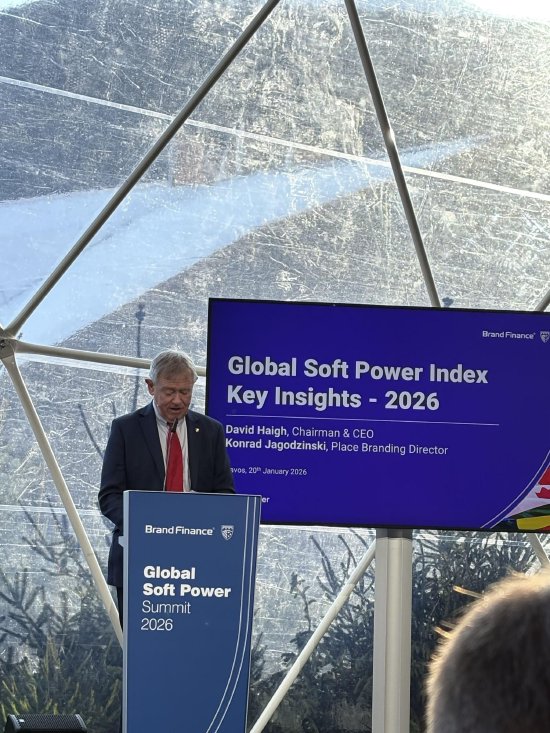
Group 1: Energy Production and Supply - In 2025, energy production in China continues to grow steadily, with major energy products such as coal, oil, gas, and electricity reaching historical highs, enhancing energy supply security [2] - The industrial raw coal production reached 4.83 billion tons, an increase of 1.2% compared to the previous year [2] - The industrial crude oil production was 21.6 million tons, marking a 1.5% increase year-on-year, while natural gas production reached 261.9 billion cubic meters, up 6.2% [2] Group 2: Clean Energy Development - The construction of clean energy is accelerating, with installed capacity for wind and solar power surpassing that of coal-fired power for the first time in 2025 [4] - The total clean energy generation reached 34,213 billion kilowatt-hours, an increase of 8.8%, accounting for 35.2% of total industrial power generation, up 2.1 percentage points from the previous year [4] - New energy storage capacity exceeded 100 million kilowatts, representing over 40% of the global total, maintaining the world's leading position [4] Group 3: Green Transition and Energy Efficiency - Under the "dual carbon" goals, the proportion of coal consumption continues to decline, while the share of clean energy consumption steadily increases, with non-fossil energy surpassing oil to become the second-largest energy type [5] - The total energy consumption in 2025 grew by 3.5% year-on-year, with a reduction of over 5% in energy consumption per unit of GDP compared to the previous year [5] - The energy consumption per unit of industrial added value has decreased for two consecutive years, indicating significant progress in industrial energy conservation [5]
四库联动的系统实践:中国石油将扩绿行动转化为可持续发展新动能
Sou Hu Cai Jing· 2026-01-20 09:36
Core Viewpoint - China National Petroleum Corporation (CNPC) is actively engaging in ecological initiatives, demonstrating a commitment to "expanding green, promoting green, and protecting green" as part of its systematic approach to ecological value realization [1][6]. Group 1: Expanding Green - CNPC's "expanding green" initiative showcases a comprehensive strategy across the entire industry chain, integrating greening efforts with oil and gas production and ecological restoration [3]. - Over 227 million trees have been planted around thousands of oil fields and stations, improving production environments and creating green barriers in fragile ecological areas [3]. - Aiming to plant over one million trees around key operational nodes like gas stations and storage facilities in the next three to five years, CNPC is working towards a harmonious green ecological landscape [3]. Group 2: Promoting Green - The "promoting green" initiative encourages public participation in ecological construction through innovative public welfare models, exemplified by the "I Plant a Tree for Carbon Neutrality" online campaign, which attracted 1.939 million participants [4]. - This initiative has led to the establishment of over 5,000 acres of carbon sink and carbon neutral forests in key areas, demonstrating a successful collaboration between the company and the public [4]. - The model broadens funding and manpower sources for land greening while enhancing public environmental awareness, fostering a collective effort to protect the environment [4]. Group 3: Protecting Green - CNPC's approach to "protecting green" goes beyond mere tree planting, focusing on maximizing ecological value through a systematic "four reservoirs" linkage strategy [5]. - New afforestation projects are designed to meet high standards for forestry carbon sinks, establishing a solid foundation for carbon reservoir functionality [5]. - By enhancing soil and water conservation capabilities in ecologically vulnerable areas, CNPC aims to strengthen the role of forests as natural water reservoirs, thereby improving the overall service functions of ecosystems [5]. Group 4: Overall Impact - CNPC's systematic green actions reflect its transformation from a traditional energy company to a comprehensive sustainable development enterprise, as evidenced by the significant increase in green land area and tree planting [6]. - The integration of governance, environmental, and social responsibilities in its ESG reports highlights CNPC's commitment to the national "dual carbon" goals and its role as a responsible corporate citizen in building a beautiful China [6].