
餐饮

Search documents
消费热起来 点燃天山脚下幸福年
Jin Rong Shi Bao· 2026-02-26 02:15
Core Insights - The article highlights the vibrant atmosphere and increased consumer activity in Changji, Xinjiang during the Spring Festival, showcasing local food, cultural experiences, and tourism initiatives that have attracted visitors [1][3]. Group 1: Local Business Performance - The local snack street in Changji has become a popular destination, featuring a variety of local delicacies and cultural performances, which has drawn significant crowds during the holiday season [1]. - A local store, Xiyu Zhen Guo Fang, offers over 8,000 types of Xinjiang specialties, with 2,000 on regular display, emphasizing the importance of quality and customer service in attracting repeat visitors [2]. - Despite being a low season for tourism, the store reported monthly revenues exceeding 80,000 yuan, with a notable increase of over 20% during promotional periods [3]. Group 2: Government Initiatives and Consumer Engagement - The Changji government has launched 81 cultural and tourism activities, 75 discount policies, and 49 promotional measures to stimulate consumer spending during the Spring Festival [3]. - The introduction of 3 million yuan in tourism consumption vouchers has significantly boosted visitor enthusiasm and spending, acting as a lever to activate the off-peak tourism market [3]. Group 3: Tourism and Entertainment Growth - Ski resorts in Changji experienced an average daily visitor count of around 600 during the holiday, with a significant increase in night-time visitors, leading to a nearly 30% year-on-year growth in sales at scenic spots [4]. - The local cinema, 103 Movie Park, saw long queues for tickets, with many families taking advantage of discounts from tourism vouchers, indicating a strong demand for entertainment options during the festive period [4]. Group 4: Overall Economic Impact - During the nine-day Spring Festival holiday, Changji's total retail sales of consumer goods reached 160 million yuan, reflecting a year-on-year growth of 3.3% [5]. - Local businesses reported substantial increases in daily revenues, with some stores experiencing multiple times their usual income, showcasing the resilience and potential of the consumer market [5].

中泰国际每日晨讯-20260226
ZHONGTAI INTERNATIONAL SECURITIES· 2026-02-26 02:08
Market Overview - On February 25, Hong Kong stocks initially rose due to a rebound in US stocks, with the Hang Seng Index closing up 175 points (0.7%) at 26,765 points[1] - The Hang Seng Tech Index slightly decreased by 10 points (0.2%) to close at 5,260 points, with total market turnover reaching HKD 236.8 billion[1] - Net outflow of southbound funds amounted to HKD 4.06 billion[1] Sector Performance - Real estate stocks surged following Shanghai's new housing policy, with Country Garden (2007 HK) and Xuhui Holdings (884 HK) rising by 5%-6.5%[1] - The consumer sector showed signs of recovery, with Anta (2020 HK) and others gaining between 1.6%-6.5%[1] Financial Results - HSBC Holdings (5 HK) reported Q4 revenues and pre-tax profits exceeding market expectations, with a projected shareholder return of 17% or more over the next three years, leading to a 5.5% increase in its stock price, reaching a one-year high[1] Industry Dynamics - In the consumer sector, Haidilao (6862 HK) reported over 14 million customers served during the Spring Festival, with a table turnover rate increase of over 5% year-on-year[3] - Xiaobai (520 HK) achieved total revenue exceeding RMB 70 million during the same period, with customer traffic surpassing one million[3] Pharmaceutical Developments - The Hang Seng Healthcare Index fell by 0.2%, but Federal Pharmaceuticals saw a 5.8% increase due to positive results from its innovative drug UBT251, which showed a weight loss of up to 19.7% in trial participants[4]
KTV、年夜饭频现“霸王条款”,这份节后维权指南请收好
Xin Lang Cai Jing· 2026-02-26 01:59
Core Insights - The article highlights the surge in consumer complaints following the Chinese New Year holiday, particularly in sectors such as dining, entertainment, and online shopping, indicating that post-holiday disputes are on the rise [1][7]. Consumer Complaints in Various Scenarios - Scenario 1: A consumer faced a price increase of over 30% for a pre-booked New Year's dinner, along with unexpected charges, illustrating deceptive practices in the restaurant industry [2][8]. - Scenario 2: Many consumers experienced issues with KTV and cinema vouchers, where businesses refused to honor them during the holiday period despite no prior notification, raising questions about consumer rights [2][8]. - Scenario 3: Online shopping complaints surged, with nearly 90% of complaints in cities like Shanghai and Guangzhou related to issues such as product quality, delayed shipping, and unfulfilled promotional promises [3][9]. Consumer Rights and Complaint Channels - Consumers are encouraged to utilize various complaint channels, including the official hotline 12315 and platforms like Black Cat Complaints, which provide a neutral space for addressing grievances [4][10]. - The Black Cat platform allows for easy online complaints, offering a user-friendly interface that reduces the time burden on busy consumers [5][12]. - The platform features a visual progress tracker for complaints, enhancing transparency and keeping consumers informed about the status of their issues [12][13]. - Public oversight through platforms like Black Cat can pressure businesses to respond promptly, as poor performance can affect their reputation [12][13]. - Collective complaints can be initiated for widespread issues, increasing visibility and urgency for businesses to address common grievances [6][12].
【宝鸡】42个劳务品牌持续擦亮“金名片”
Shan Xi Ri Bao· 2026-02-26 00:39
Core Viewpoint - The development of labor brands in Baoji City, particularly the "Qianyang Embroidery" and "Baoji Noodle" brands, has significantly contributed to local employment and economic growth, showcasing a successful model of integrating traditional crafts with modern market demands [2][5][6]. Group 1: Qianyang Embroidery Labor Brand - The "Qianyang Embroidery" labor brand has created flexible employment opportunities for over 10,000 local residents, particularly rural women, allowing them to earn more than 1,000 yuan per month while working from home or at the cultural industry park [2][3]. - The annual output value of the Qianyang embroidery industry exceeds 86 million yuan, reflecting its growth and market acceptance [3]. - The brand's development is part of a broader strategy by Baoji City to cultivate labor brands, with 42 unique labor brands established, generating employment for over 400,000 people [2][6]. Group 2: Baoji Noodle Labor Brand - The "Baoji Noodle" labor brand has evolved from a street food into a 6 billion yuan industry, with over 30,000 outlets nationwide, creating approximately 100,000 jobs [5][6]. - The brand emphasizes standardization in production and marketing, which has been crucial for its growth and market penetration, including exports to Southeast Asia, Europe, and America [5]. - Baoji City has developed a comprehensive policy framework to support labor brands, including financial incentives and expert guidance, enhancing their sustainability and effectiveness [6]. Group 3: Economic Impact and Future Prospects - The labor economy in Baoji City generated 32.3 billion yuan during the 14th Five-Year Plan period, with annual urban and rural employment growth rates of over 40,000 and 900,000, respectively [6]. - The city aims to enhance the quality and efficiency of labor brands, positioning them as key drivers for rural revitalization and economic stability [6].
老家消费大变样
吴晓波频道· 2026-02-26 00:29
Core Viewpoint - The article discusses the transformation of consumption patterns in China's county-level economies, highlighting the emergence of brands like KFC and Luckin Coffee as symbols of economic upgrading in these areas, driven by returning youth and changing consumer preferences [3][8][30]. Group 1: Economic Context - A small county in southeastern Jiangxi, with a population of over 300,000 and an annual GDP nearing 10 billion, recently opened its first KFC, marking a significant economic milestone [4][11]. - The county has transitioned from a "materially barren" environment to a vibrant consumer landscape, with KFC and Luckin Coffee becoming central to local social life during the Spring Festival [8][9]. Group 2: Brand Expansion - KFC has adopted a "town store" model, requiring only about 100 square meters and an investment of around 500,000, compared to over 5 million in first-tier cities, allowing for rapid expansion into previously untapped markets [9][11]. - As of October 2025, KFC has approximately 12,000 stores nationwide, with 3,600 located in third-tier cities, achieving over 60% penetration in county markets [11]. - Luckin Coffee has also expanded significantly, entering 1,550 counties and county-level cities, with over 7,400 stores in these areas [12]. Group 3: Consumer Trends - The article notes a shift in consumer demographics, with a focus on younger returnees and local entrepreneurs, leading to increased demand for quality over brand prestige [30][31]. - The rise of "home" consumption is evident, with brands like Miniso and Huawei also entering county markets, reflecting a broader trend of urban brands adapting to local preferences [13][22]. Group 4: Market Dynamics - The county market is characterized by low operating costs, with affordable rent and incentives for brands to establish a presence, fostering a diverse retail environment [31][33]. - The article highlights the integration of local culture and community in retail experiences, contrasting with the more aesthetic-focused urban shopping environments [31][33]. Group 5: Future Outlook - The potential for growth in county-level economies is significant, with projections indicating that by 2030, personal consumption in China could reach 65.3 trillion yuan, with over 66% of this growth coming from lower-tier markets [29][30]. - The article suggests that successful business models from first-tier cities are increasingly applicable in county markets, indicating a shift towards a more equitable consumption landscape [34][35].



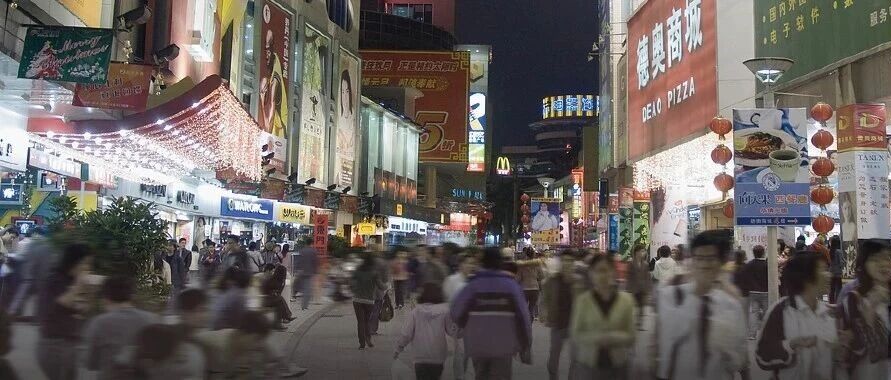
上海春节假期线上线下消费逾600亿元,机器人“大闹”豫园
Hua Xia Shi Bao· 2026-02-26 00:22
Core Insights - Shanghai's total consumption from February 15 to 22 reached 60.35 billion yuan, a year-on-year increase of 12.8% [1] - Offline consumption accounted for 36.55 billion yuan, growing by 15.4%, while online consumption was 23.8 billion yuan, up by 8.9% [1] - The tourism sector saw 21.67 million visitors during the Spring Festival, with total tourism spending of 25.614 billion yuan, marking a 20.9% increase [1] Consumption Trends - Major shopping districts in Shanghai integrated resources to create a festive atmosphere, with 19 city-level shopping areas generating 4.78 billion yuan, a 12% increase [3] - Daily foot traffic averaged 3.19 million, up by 15.8% [3] - Specific shopping areas like Nanjing East Road and Huaihai Middle Road saw sales increases of 30% and 23.7% respectively [3] Dining and Retail Performance - Restaurant consumption during the Spring Festival increased by 15.2%, with many merchants reporting significant sales growth [4] - The "old for new" policy led to 299 million yuan in sales for home appliances and digital products [4] - Car purchase subsidies attracted 13,000 participants, with individual subsidies ranging from 3,000 to 20,000 yuan [4] Consumer Voucher Impact - Over 110 million yuan in consumer vouchers were issued, generating over 500 million yuan in retail and dining sales [5] - The redemption rate exceeded 80%, with some districts achieving even higher leverage ratios [5] Travel and Tourism Dynamics - The trend of "reverse Spring Festival" saw many families visiting Shanghai, contributing to a 5.4% increase in spending from outside visitors [7] - Shanghai's international appeal was highlighted by a 1.5-fold increase in tax refund sales for foreign tourists [7] - The city launched over 130 themed travel routes, attracting tourists from various countries [7] Technological Integration in Tourism - AI technology was incorporated into traditional customs, enhancing the experience at events like the Yuyuan Garden Lantern Festival [9] - Robots participated in interactive activities, providing a unique blend of tradition and technology for visitors [9]

年入800亿,利润创10年新高,这头“巨无霸”要在中国开3万家店
3 6 Ke· 2026-02-26 00:01
Core Insights - The Chinese restaurant industry in 2025 shows a stark contrast between struggling major brands and emerging local players seeking capital market support [1] - Yum China reported a record revenue of $11.8 billion (approximately 81.9 billion RMB) for 2025, marking a ten-year high since its spin-off [1] - The company plans to expand its store count to 30,000 by 2030, effectively doubling its current footprint [1] Financial Performance - Yum China's operating profit reached $1.3 billion with an operating margin of 10.9%, also a ten-year peak [1] - The company opened 1,706 new stores, bringing the total to 18,000, while restaurant profit margins increased to 16.3% [1][9] Strategic Initiatives - Yum China employs a "dual strategy" with KFC maintaining stability and Pizza Hut focusing on affordability [3] - Pizza Hut's average transaction value decreased from nearly 120 RMB in 2019 to 69 RMB by the end of 2025, targeting a price range of 60-70 RMB [4] - KFC's same-store sales grew by 3% in Q4 2025, with a restaurant profit margin of 17.4% [5] Expansion Strategy - The company is redefining store openings by introducing smaller, lower-cost formats such as "small town stores" and "WOW stores" [10] - The investment for a small town KFC has been reduced from 1.8 million RMB to 500,000-700,000 RMB, with store sizes cut to one-third [10] - The "shoulder-to-shoulder" model allows KFC, coffee, and light meal brands to share resources, significantly increasing sales per store [11] Market Positioning - Yum China's innovative approach has allowed it to maintain same-store sales growth despite a significant increase in total store count [9] - The company has successfully attracted different customer segments through its pricing strategies and product offerings [3][4] Challenges and Competition - Despite its success, Yum China faces challenges from emerging competitors and must navigate the risks associated with large-scale expansion [20] - The company reported only a 1% increase in same-store sales for 2025, indicating potential market saturation [20] - Other brands under Yum, such as Lavazza and KPRO, contribute minimally to revenue, highlighting the need for continued focus on core brands [20]


老字号如何守“老”拓“新”
Xin Hua Ri Bao· 2026-02-25 23:15
Core Viewpoint - Traditional brands are experiencing a resurgence during the Spring Festival through innovative integration of cultural heritage and modern trends, yet they face significant challenges such as price competition and talent shortages that hinder sustainable growth [1][4]. Group 1: Innovations Attracting Young Consumers - Traditional brands are successfully attracting younger consumers by launching aesthetically pleasing and culturally rich products, such as the "Jinling Twelve Beauties" series from the brand "Little Suzhou," which saw a revenue increase of approximately 20% during the Spring Festival compared to the previous year [1]. - The collaboration between "Wanshili" silk and CCTV's Spring Festival Gala produced a scarf that combines traditional design elements with modern aesthetics, appealing to both individual and corporate buyers [2]. - Interactive experiences, such as the immersive activities at "Jinling Changlefang," are transforming consumer engagement from passive shopping to active participation, enhancing product sales [3]. Group 2: Challenges Facing Traditional Brands - Traditional brands are struggling with low-price competition and substandard products, which undermine quality and increase operational pressures for those adhering to higher standards [4]. - Many traditional brands face innovation stagnation, relying heavily on classic products without adapting to contemporary consumer preferences, making it difficult to resonate with younger audiences [4]. - A significant talent gap exists, as the aging of skilled artisans and the lack of new talent familiar with both traditional craftsmanship and modern market dynamics pose a serious challenge for these brands [4][5]. Group 3: Strategies for Breaking Through - Differentiating product offerings to reach diverse consumer groups is essential, as seen with "Green Willow" which maintains classic flavors while introducing health-conscious and trendy options [6]. - Enhancing consumer experience through store upgrades and cultural integration can transform traditional brands into cultural ambassadors rather than mere product sellers [7]. - Embracing digital technology, such as AI in product design, allows traditional brands to modernize and appeal to contemporary consumers, exemplified by "Wanshili" silk's personalized scarf designs [7].
“同发号”商标维权案达成一揽子和解
Xin Lang Cai Jing· 2026-02-25 22:06
案件进入二审程序后,承办法官在全面梳理案情后认为,简单下判只能解一时之困,无法从根本上平息 矛盾,甚至可能引发更多诉累。为此,二审合议庭秉持"实质性化解纠纷"的司法理念,将调解作为破解 矛盾的关键路径,围绕赔偿数额履行、被诉侵权行为彻底停止、商标异议处理、后续经营边界划定四大 核心问题,组织双方开展多轮"面对面"协商与"背靠背"疏导。针对原告,法官结合商标法、反不正当竞 争法规定及类案裁判标准,分析持续诉讼的时间与经济成本,引导其理性评估损失、合理调整赔偿预 期;面对被告的抵触情绪,法官摆证据、讲法律,明确其侵权行为及不当申请商标的法律后果,引导其 摒弃侥幸心理,树立合法经营、培育自有品牌的理念。 为彻底打消双方顾虑,合议庭将所有关联纠纷一并纳入调解范围,反复斟酌、几易其稿制定详实的和解 方案。方案不仅明确了赔偿数额与履行期限,还细化了停止侵权的具体要求,清晰划定双方经营边界, 从根源上杜绝后续争议;同时,合议庭结合餐饮行业特点,为双方提供商标合规专业建议,指导被告规 范商标注册与使用行为,助力原告完善品牌维权体系。在法院的不懈努力下,双方最终达成一致,签署 一揽子和解协议,握手言和。 (来源:天津日报) 转 ...
菜市场飘出咖啡香
Xin Lang Cai Jing· 2026-02-25 19:59
Core Insights - The article highlights the transformation of the Chenshi City Shihua Garden Agricultural Market into a vibrant cultural experience space during the Spring Festival, driven by the popularity of "Bian Dan Coffee" [1][2] Group 1: Market Dynamics - "Bian Dan Coffee" has become a popular spot in the market, with long queues and a wait time of up to one hour for orders, indicating strong consumer demand [1] - The coffee shop offers affordable prices, with an American coffee priced at 10 yuan, making it accessible to local residents [1] - The market has creatively restructured its space, featuring a unique experience area where visitors can enjoy coffee while grilling local tofu, enhancing the overall customer experience [1] Group 2: Cultural Integration - The market serves as a new cultural experience space, blending traditional agricultural market elements with modern lifestyle offerings [2] - The presence of community service stations adds a personal touch, fostering a sense of warmth and community during the festive season [2] - The market embodies the essence of local life in Yunnan, showcasing a mix of traditional and contemporary cultural expressions [2]