AI医疗

Search documents
为何市场开始关注AI医疗
Zheng Quan Zhi Xing· 2025-06-27 07:42
Group 1 - The core viewpoint of the articles highlights a transformative shift in the healthcare industry driven by AI, with companies like Tempus AI and Ant Group leading the charge in utilizing data to enhance medical services and patient care [1][4][6] - Tempus AI has built a comprehensive business model that spans drug development, clinical decision-making, and patient management, leveraging a vast database of 250 million patient genetic profiles and clinical data [1][4] - Ant Group's AI health assistant AQ aims to address the healthcare needs of 1.4 billion people in China, marking a significant advancement in the integration of AI into the healthcare system [1][2] Group 2 - The articles emphasize that AI is a pathway to achieving universal healthcare, addressing the deep-seated issues of resource scarcity and uneven distribution in China's medical system [2][4] - Ant Group's approach involves a "technology-scenario-clinical" model that connects 3,600 hospitals and aggregates resources from one million doctors, focusing on balancing data security and clinical effectiveness [5][6] - The global AI healthcare market is projected to grow at a compound annual growth rate of 43%, reaching a size of $491 billion, indicating a strong commercial potential for AI-driven healthcare solutions [5][6] Group 3 - The core contradiction in the AI healthcare industry is shifting from competition over large models and computing power to the deep exploration of data value [6][8] - Companies are now focusing on leveraging high-quality, multi-modal data assets to create competitive advantages, moving away from merely building technical barriers [6][8] - The application layer of AI in healthcare is evolving towards preventive services, online consultations, and rehabilitation management, creating a comprehensive health management ecosystem [6][8]

AI医疗革命中的技术定义者,讯飞医疗(2506.HK)大模型再迎新升级
Ge Long Hui· 2025-06-27 07:20
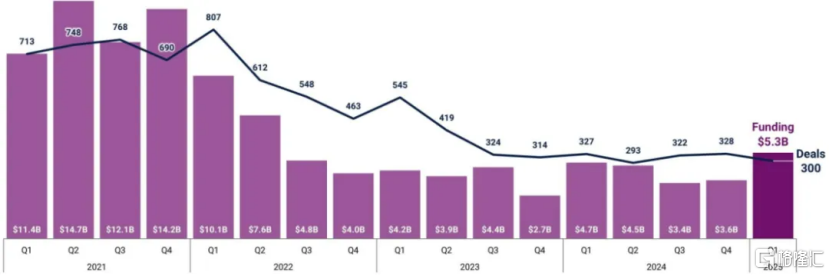
Group 1 - The core viewpoint of the article highlights the rapid scaling of AI applications in the healthcare sector, driven by government policies and the urgent need for technological integration in the industry [1] - The global digital healthcare market is experiencing a strong rebound in investment, with a 47% quarter-on-quarter increase in funding to reach $5.3 billion in Q1 2023, marking the highest quarterly peak since Q2 2022, despite a 9% decrease in the number of transactions [2][4] - China's digital healthcare market is particularly noteworthy, with Q1 2023 investment amounting to 5 billion yuan, reflecting a remarkable 150% increase compared to the previous quarter [2] Group 2 - iFlytek Healthcare has launched the "Spark Medical Model V2.5 International Version" and upgraded its AI health assistant app, marking a significant leap in its core capabilities and global strategy [5][6] - The new model features six core capabilities, including vast medical knowledge Q&A and complex language understanding, with a revolutionary "fast-slow thinking" mechanism that enhances decision-making in complex medical scenarios [6][7] - The iFlytek Xiaoyi app now covers over 1,600 diseases and 50,000 drugs, achieving a 97% medical OCR recognition rate and 98% coverage of mainstream domestic test reports, significantly improving diagnostic accuracy and report readability [7][8] Group 3 - iFlytek Healthcare's expansion into Hong Kong serves as a strategic launchpad for global market penetration, leveraging its bilingual capabilities and unique market position as the first "medical model stock" listed on the Hong Kong Stock Exchange [10][11] - The company has established a robust market presence, covering over 69,200 grassroots institutions and completing over 1 billion AI-assisted diagnoses, reinforcing its technological leadership [11][12] - iFlytek Healthcare's diversified business model has shown significant growth, with G-end revenue increasing by 10% to 391 million yuan, B-end revenue surging by 103.4% to 132 million yuan, and C-end revenue growing by 56.6% to 211 million yuan [12][13] Group 4 - The global AI healthcare market is projected to grow from $13.7 billion in 2022 to $155.3 billion by 2030, at a compound annual growth rate of 35.5%, indicating substantial growth potential for iFlytek Healthcare [14][15] - The company's strategic initiatives and technological advancements are expected to enhance its market valuation, as evidenced by the 50% increase in the Hang Seng Healthcare Index since the beginning of the year [17][18] - Institutional recognition of iFlytek Healthcare's unique value proposition has increased, with several firms issuing buy or hold ratings based on its clear commercialization prospects and validated growth momentum [18]
微脉冲刺港股:年营收6.5亿亏1.9亿 源码元璟及微光创投是股东
Sou Hu Cai Jing· 2025-06-27 04:36
Core Viewpoint - 微脉公司 has submitted its prospectus for an IPO on the Hong Kong Stock Exchange, indicating its intention to raise capital for further development in the AI healthcare sector [2]. Group 1: Company Overview - 微脉公司 is headquartered in Hangzhou and focuses on AI-driven full-cycle management services in healthcare, aiming to connect hospitals, doctors, and patients [4][6]. - The company has developed CareAI, one of China's first AI medical management platforms, utilizing a multi-agent system and hybrid model architecture [6][9]. Group 2: Financial Performance - In 2022, 2023, and 2024, 微脉公司的 revenue was 512 million, 628 million, and 653 million RMB respectively, with gross profits of 88.2 million, 118.3 million, and a loss of 129.7 million RMB [11][12]. - The company reported annual losses of 414.1 million, 149.6 million, and 193.1 million RMB for the years 2022, 2023, and 2024, with profit margins of -81%, -23.8%, and -29.6% respectively [13][14]. Group 3: Revenue Breakdown - In 2024, the revenue from full-cycle management services accounted for 72% (470 million RMB), while sales from healthcare products contributed 19.4% (126 million RMB), and insurance brokerage services made up 8.6% (56.3 million RMB) [12][13]. Group 4: Investment and Shareholding Structure - 微脉公司 has established two platforms in the British Virgin Islands to hold incentive shares, with ownership stakes of 6.03% and 5.85% [2]. - Major shareholders include iChoice Holding with 24.35%, Source Code I with 9.45%, and Yuanjing Capital I with 6.31% [23][24].

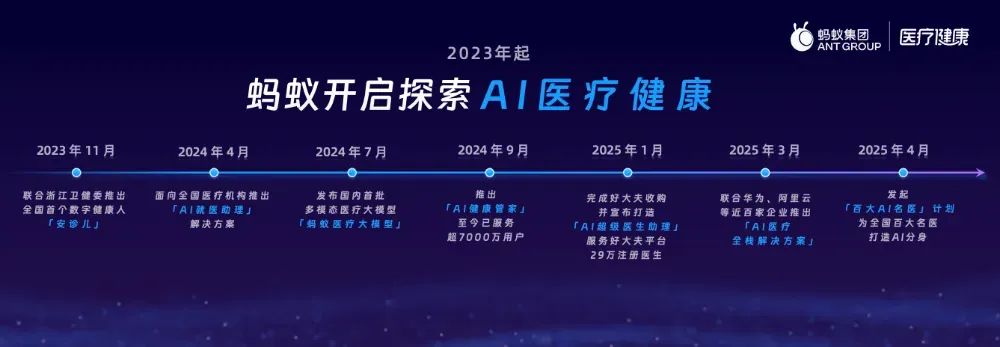
蚂蚁再入无人区:AI健康管家AQ,是“普惠医疗”的终极答案?
硬AI· 2025-06-26 14:49
Core Viewpoint - The article discusses the launch of Ant Group's independent AI health application AQ, which aims to address the trust deficit in the healthcare information space by providing a reliable health management service for families [1][11]. Group 1: Product Structure of AQ - AQ is built around a three-pronged value core: professionalism, comprehensiveness, and credibility [2]. - The application evolves from traditional health searches to a dynamic consultation model, allowing for multi-turn questioning to provide more targeted health advice [3]. - AQ's underlying engine is the Ant Medical Model, which has been trained on over a trillion tokens of medical data and has outperformed similar models in key metrics [5][6]. Group 2: Comprehensiveness of AQ - AQ serves as an open "super hub" connecting fragmented healthcare ecosystems, linking over 5,000 public hospitals and nearly a million doctors [7]. - It integrates data from various wearable devices and health management tools, creating a self-reinforcing loop that enhances user engagement and health monitoring [7]. Group 3: Credibility of AQ - The credibility of AQ is supported by a large internal medical annotation team and endorsements from top medical experts, ensuring alignment between AI capabilities and clinical practices [8][9]. - AQ has received the highest safety ratings from national authorities, establishing a robust trust framework that is difficult for competitors to replicate [9]. Group 4: Strategic Ambitions of AQ - AQ aims to tackle the uneven distribution of healthcare resources in China, with AI avatars of top doctors significantly increasing their service capacity [11]. - The application also seeks to empower grassroots healthcare providers, enhancing their diagnostic accuracy and overall service capabilities [11][12]. - AQ represents a strategic initiative to create a comprehensive national health management platform, focusing on technology, service, and trust [12]. Group 5: Industry Implications - The exploration of AQ is expected to set a significant precedent for the future direction of the AI healthcare industry [13].

蚂蚁再入无人区:AI健康管家AQ,是“普惠医疗”的终极答案?
Hua Er Jie Jian Wen· 2025-06-26 13:50
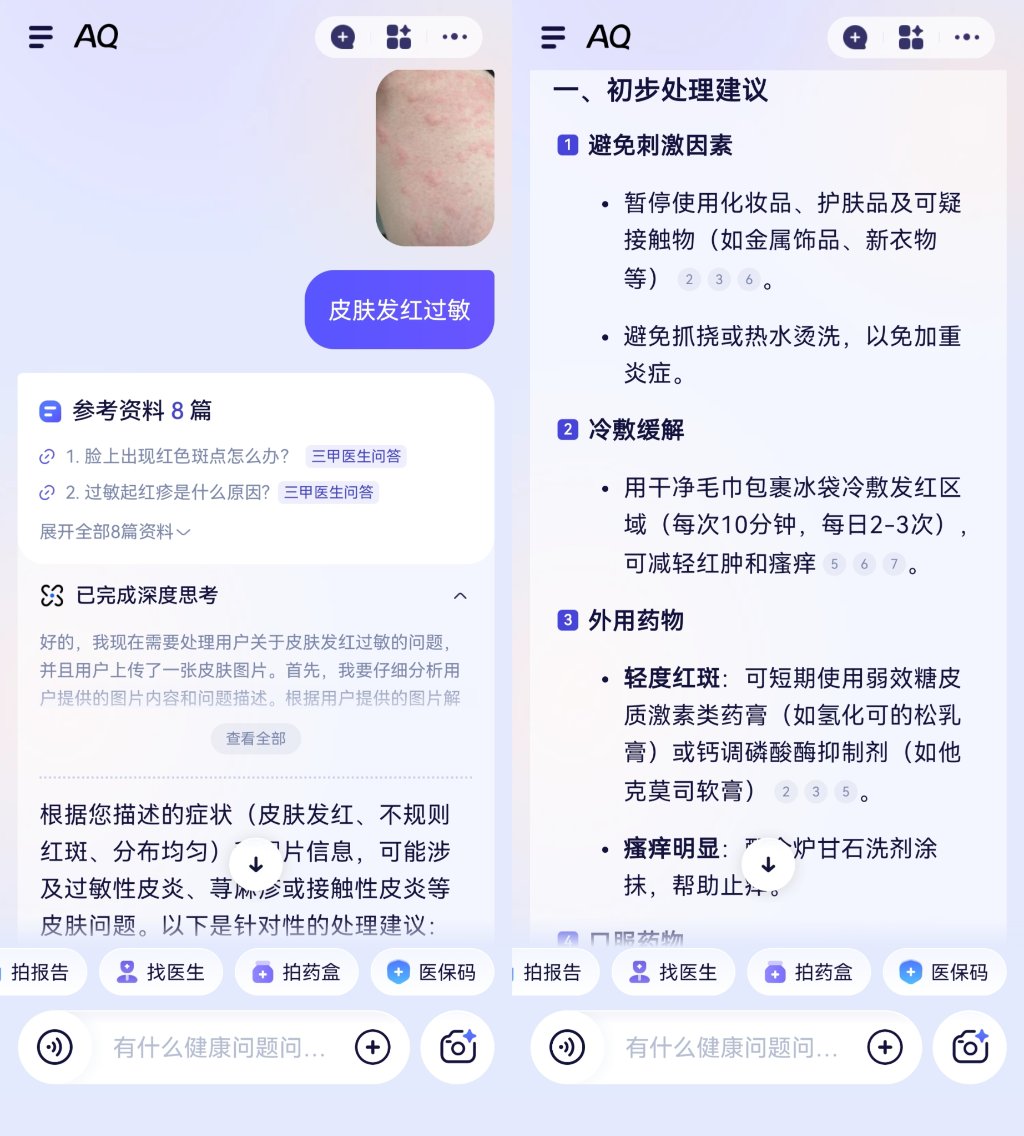
Core Insights - Ant Group has launched an independent AI health application, AQ, to address the trust deficit in health information online, aiming to become a reliable health manager for families rather than just a search engine [1][10] - AQ represents a strategic elevation for Ant Group, transitioning from a value-added service within the payment ecosystem to a core strategic business unit [1] Group 1: Product Structure - AQ is built on a "three-in-one" value core focusing on professionalism, comprehensiveness, and credibility [2] - The application evolves from a static "question-answer" model to a dynamic consultation model, capable of multi-turn questioning to provide targeted health advice [3] - AQ utilizes a powerful multimodal recognition capability to process unstructured data such as images and reports, enhancing the quality of health information input [3][4] Group 2: Comprehensive Connectivity - AQ serves as an open "super hub" connecting fragmented healthcare ecosystems, linking over 5,000 public hospitals and nearly one million doctors for consultations [6] - It integrates data from various health management devices and mainstream wearable technology, creating a robust self-reinforcing loop for health monitoring and consultation [8] Group 3: Credibility and Trust - Ant Group has invested significantly in building a trust system, which includes a large medical annotation team and collaboration with top experts for AI training [9] - The credibility framework is supported by compliance certifications and assessments from authoritative institutions, ensuring the AI's alignment with clinical practices [9] Group 4: Ambitions and Market Impact - AQ aims to tackle the uneven distribution of medical resources in China, addressing the challenge where 7.8% of tertiary hospitals handle over 50% of outpatient visits [10] - The application enhances the capacity of top specialists through AI avatars, significantly increasing their service reach and providing scalable access to expert resources for remote patients [11] - AQ also aims to empower grassroots doctors, improving their diagnostic accuracy and overall healthcare service capabilities [11][10] Group 5: Future Outlook - The launch of AQ is seen as a strategic move to create a comprehensive national health management platform, integrating technology, service, and trust [11] - The success of AQ will depend on maintaining trust while exploring commercialization and managing vast amounts of personal health information [11][12]
医渡科技(02158)2025财年爆点:经调整EBITDA持续盈利 AI医疗长跑加速度
智通财经网· 2025-06-26 03:26
Core Insights - Yidu Technology reported total revenue of 715 million RMB for the fiscal year ending March 31, 2025, with adjusted EBITDA showing a 25.6% year-on-year increase, indicating sustained profitability after a previous loss [1] - The company reduced its annual loss to 135 million RMB, a 38.9% decrease compared to the previous year, supported by improved operational efficiency and enhanced synergy across business segments [1] - The order backlog reached 789 million RMB, reflecting strong demand for the company's services [1] Business Performance - The AI for Medical segment generated revenue of 346 million RMB, a 10.3% increase year-on-year, with a total of 110 clients from well-known hospitals and 44 clients from regulatory bodies [3] - The AI for Life Science segment achieved revenue of 247 million RMB, with 132 active clients and an 87.51% revenue retention rate among the top 20 clients, including 16 of the top 20 multinational pharmaceutical companies [4] - The AI for Care segment reported revenue of 122 million RMB, with significant participation in health insurance projects, covering over 6.09 million people in Shenzhen and more than 15 million in Beijing [5] Technological Advancements - The YiduCore algorithm engine processed over 6 billion authorized medical records, covering more than 4,000 hospitals and providing insights into thousands of diseases [1] - The company developed an AI platform that integrates multiple large models to enhance various medical scenarios, achieving deployment in over 30 top-tier hospitals within three months [2] - The iEDC solution for clinical data management significantly improved data governance processes, while the iRecruitment tool enhanced patient recruitment accuracy by over three times [5] Future Outlook - Yidu Technology plans to deepen the application of AI in healthcare, focusing on product iteration and operational efficiency to drive the intelligent upgrade of the medical industry [6]
医渡科技(02158)2025财年业绩:大模型加速落地!30家三甲医院实现多场景突破
智通财经网· 2025-06-25 09:53
Group 1 - The core viewpoint of the articles highlights the significant progress and achievements of Yidu Technology in the AI healthcare sector, showcasing a reduction in annual losses and advancements in AI technology applications [1][2] - In the fiscal year 2025, Yidu Technology reported revenues of RMB 715 million, with annual losses reduced to RMB 135 million, marking a substantial year-on-year loss reduction of 38.9% [1] - YiduCore, the company's core algorithm engine, has processed and analyzed over 1.15 billion patient visits and 6 billion authorized medical records, developing insights into thousands of diseases and covering over 90 disease categories in its specialized disease database [1] Group 2 - The AI platform has gained high recognition from clients due to its technical depth and adaptability to various scenarios, achieving significant penetration across different customer segments [2] - The AI platform has been deployed in over 30 top-tier hospitals, with the AI diagnostic assistant serving a total of 26,000 patients from February to June 2025 [2] - Notable collaborations include the launch of China's first liver cancer diagnostic intelligent system in partnership with a team led by Academician Teng Gaojun, demonstrating the platform's capability in specialized medical applications [2]
对话医渡科技宫如璟:创新药板块大涨是行业估值的回归
Xin Lang Cai Jing· 2025-06-24 14:24
Core Insights - The 2025 Summer Davos Forum will be held in Tianjin from June 24-26, focusing on the theme of "Entrepreneurial Spirit in the New Era" [1] Group 1: AI in Healthcare - AI technology can significantly enhance the quality of medical diagnosis and treatment by integrating years of patient medical history into a visual timeline, allowing doctors to better understand patient conditions [3] - The AI decision support system can provide multiple treatment suggestions for complex cases, aiding doctors in making more accurate clinical decisions [3] - Clinical trial costs have been reduced by 30%-40% due to the integration of AI and data platforms, which can automate many previously manual processes [3] Group 2: Industry Challenges and Opportunities - The healthcare industry is challenging to navigate, with recent market and policy changes prompting the company to adopt a cautious approach to commercialization [4] - The recent activity in the secondary market for innovative drugs reflects a valuation correction, recognizing China's potential as a research-driven market [4] - The Chinese biopharmaceutical ecosystem is expected to grow, with more companies pursuing international collaborations and contributing to global healthcare [4] Group 3: Future Outlook - Future healthcare scenarios envision the integration of historical medical data with wearable devices, providing a comprehensive understanding of individual health and 24/7 personalized health advice through AI [5] - AI is expected to significantly lower new drug development costs, helping more drugs avoid the "orphan drug" dilemma [5] - Insurance coverage is anticipated to expand, with initiatives like the company's "Hui Min Bao" providing coverage for a wide range of patients, including those with pre-existing conditions [5]
杨德龙:全球资本纷纷流入中国资产 带来估值回升机会
Xin Lang Ji Jin· 2025-06-10 04:08
Group 1: Market Trends - The Shanghai and Shenzhen stock markets have shown a sustained upward trend, with the Shanghai Composite Index successfully breaking through the 3400-point mark [1] - The humanoid robot and AI medical sectors have performed exceptionally well, leading the market rally [1] - The market is expected to experience a rotation in performance across different sectors in the second half of the year, with technology stocks likely to remain dominant [1] Group 2: Consumer Sector - The liquor sector, particularly Moutai, has faced challenges with wholesale prices dropping below 2000 yuan, impacting overall demand [2] - New consumption brands favored by younger consumers, such as Pop Mart and Mixue Ice City, are experiencing significant growth, reflecting changing consumer habits [2] - Traditional consumer stocks, like branded liquor and traditional Chinese medicine, are currently undervalued and may attract long-term investors due to rising dividend rates [2] Group 3: Pharmaceutical Sector - The pharmaceutical sector has shown signs of recovery, particularly in innovative drugs, driven by favorable policies and improved profitability [3] - The aging population in China is expected to increase demand for pharmaceuticals, making this sector a key beneficiary [3] - AI applications in healthcare are also contributing to the growth of the AI medical sector, enhancing overall market performance [3] Group 4: Trade and Economic Policy - China's goods trade import and export value reached 17.94 trillion yuan in the first five months, with a year-on-year growth of 2.5% [4] - The government is expected to continue implementing policies to stabilize foreign trade and enhance quality [4] - Ongoing trade negotiations between China and the U.S. aim to normalize trade relations, which would benefit both economies [4] Group 5: Foreign Investment - Global smart capital is increasingly focusing on the Chinese market, with institutions like Morgan Stanley and Deutsche Bank raising their growth forecasts for China [5] - The influx of foreign capital into A-shares and Hong Kong stocks is accelerating, driven by supportive monetary and fiscal policies [5] - The valuation of Chinese assets is being re-evaluated, attracting significant international interest [5] Group 6: Technology Sector - The convergence of breakthroughs in artificial intelligence technology and its industrial applications is enhancing the valuation of Chinese tech companies [6] - The ongoing tech bull market is expected to continue throughout the year, driving market focus upward [6] - The engineering talent pool in China is contributing to the competitive advantage of its manufacturing sector [6]
机构研究周报:“转型牛”日益清晰,收益率曲线平坦化或延续
Wind万得· 2025-06-08 22:13
Core Viewpoints - The Chinese stock market is increasingly showing a "transformation bull" pattern, with a strategic outlook favoring 2025 [1][5] - The liquidity in June is expected to remain balanced and abundant, with a flat yield curve anticipated to persist for a longer duration [21] Focused Commentary - The recent phone call between the leaders of China and the U.S. has helped to ease bilateral relations, particularly in trade and technology sectors, which is expected to improve market sentiment [3][4] - Historical data indicates that after such calls, A-shares and Hong Kong stocks typically perform positively, with significant gains observed in Hong Kong stocks within a month following the communication [3] Equity Market Insights - The "transformation bull" market in China is characterized by reduced marginal impacts from valuation contractions and a systematic decrease in risk perception, driven by government policies aimed at stabilizing asset prices and boosting demand [5] - The market sentiment is expected to improve further due to the continuation of U.S.-China dialogue and the focus on other policy matters by the U.S. administration [6] Industry Research - The pharmaceutical sector is anticipated to rebound in 2025, with particular emphasis on innovative drugs and AI healthcare as key investment areas [13] - The demand for electricity coal is expected to strengthen, leading to a potential rebound in coal prices, with major coal companies showing attractive dividend yields and low valuations [14] - Concerns over subsidy reductions may negatively impact the home appliance sector, while the market remains optimistic about structural opportunities in technology and resource sectors [16] Macro and Fixed Income - The yield curve is expected to remain flat, with the central bank potentially resuming government bond purchases in the second half of the year [21] - There is an expectation of further comprehensive interest rate cuts as macroeconomic policies remain supportive [22] - The U.S. job market shows resilience, which may delay interest rate cuts, impacting global economic conditions [23] Asset Allocation - The market is entering a new "volatility" cycle, with a focus on low-volatility dividends, technology autonomy, and sectors like military and pharmaceuticals for hedging [25]