
饮料制造

Search documents
量化大势研判:预期成长优势差继续扩大
Minsheng Securities· 2025-08-04 06:40
Quantitative Models and Construction Methods 1. Model Name: Quantitative Market Trend Judgment Framework - **Model Construction Idea**: The framework identifies the dominant market style by comparing the intrinsic attributes of assets, which are tied to their industry lifecycle stages. It prioritizes assets based on the sequence of growth rate (g) > return on equity (ROE) > dividend yield (D) to determine the most advantageous assets and focuses on the most promising sectors[5][6][9] - **Model Construction Process**: 1. Define five style stages for equity assets: external growth, quality growth, quality dividend, value dividend, and distressed value[5] 2. Compare assets globally to identify advantageous ones based on their intrinsic characteristics[5] 3. Use the priority sequence g > ROE > D to evaluate whether good assets exist and whether they are overvalued[5][6] 4. Focus on sectors with the most advantageous characteristics in the current market[5][6] - **Model Evaluation**: The framework has demonstrated strong explanatory power for A-share market style rotations since 2009, achieving an annualized return of 26.70%[16] 2. Model Name: Asset Comparison Strategy - **Model Construction Idea**: This model categorizes assets into primary and secondary groups. Primary assets include actual growth, expected growth, and profitability assets. Secondary assets are prioritized based on crowding levels and fundamental factors[9] - **Model Construction Process**: 1. Classify assets into primary (expected growth, actual growth, profitability) and secondary (quality dividend, value dividend, distressed value) categories[9] 2. Allocate market funds to primary assets when any of them show an advantage; otherwise, shift to secondary assets[9] 3. Rank secondary assets by crowding levels and fundamental factors, with the order: quality dividend > value dividend > distressed value[9] --- Model Backtesting Results 1. Quantitative Market Trend Judgment Framework - Annualized return: 26.70% since 2009[16] - Historical performance: Positive excess returns in most years, with limited effectiveness in 2011, 2012, 2014, and 2016[16][19] - Excess returns by year: - 2009: 51% - 2010: 14% - 2013: 36% - 2017: 27% - 2020: 44% - 2022: 62%[19] --- Quantitative Factors and Construction Methods 1. Factor Name: Expected Growth (gf) - **Factor Construction Idea**: Measures the expected growth rate based on analysts' forecasts, regardless of the industry lifecycle stage[6] - **Factor Construction Process**: 1. Use analysts' forecasted growth rates as the primary input[6] 2. Calculate the spread (Δgf) between top and bottom groups to assess the trend of expected growth[21] - **Factor Evaluation**: The factor has shown consistent expansion, with top groups driving the increase, indicating analysts' optimism about high-growth sectors[21] 2. Factor Name: Actual Growth (g) - **Factor Construction Idea**: Focuses on performance momentum (Δg) during transition and growth phases[6] - **Factor Construction Process**: 1. Calculate the spread (Δg) between top and bottom groups based on actual growth rates[25] 2. Monitor the trend of Δg to identify growth opportunities in the market[25] - **Factor Evaluation**: The factor has shown gradual expansion, with opportunities in sectors maintaining strong momentum despite a slowdown in top-tier growth[25] 3. Factor Name: Profitability (ROE) - **Factor Construction Idea**: Evaluates valuation levels using the PB-ROE framework, focusing on mature industries[6] - **Factor Construction Process**: 1. Calculate the PB-ROE residuals for each industry[40] 2. Rank industries based on residuals to identify undervalued high-ROE sectors[40] - **Factor Evaluation**: The factor's advantage has declined, and its crowding level remains low, suggesting limited opportunities in the current market[28] 4. Factor Name: Quality Dividend (DP+ROE) - **Factor Construction Idea**: Combines dividend yield (DP) and ROE to identify high-quality dividend-paying industries[6] - **Factor Construction Process**: 1. Calculate DP and ROE scores for each industry[43] 2. Combine the scores to rank industries and select the top-performing ones[43] - **Factor Evaluation**: The factor has shown significant excess returns in specific years, such as 2016, 2017, and 2023[43] 5. Factor Name: Value Dividend (DP+BP) - **Factor Construction Idea**: Combines dividend yield (DP) and book-to-price ratio (BP) to identify undervalued dividend-paying industries[6] - **Factor Construction Process**: 1. Calculate DP and BP scores for each industry[47] 2. Combine the scores to rank industries and select the top-performing ones[47] - **Factor Evaluation**: The factor has demonstrated strong excess returns in years like 2009, 2017, and 2021-2023[47] 6. Factor Name: Distressed Value (PB+SIZE) - **Factor Construction Idea**: Identifies industries with low price-to-book ratios (PB) and small market capitalization (SIZE), focusing on stagnation and recession phases[6] - **Factor Construction Process**: 1. Calculate PB and SIZE scores for each industry[51] 2. Combine the scores to rank industries and select the lowest-scoring ones[51] - **Factor Evaluation**: The factor has shown significant excess returns during periods like 2015-2016 and 2021-2023[51] --- Factor Backtesting Results 1. Expected Growth (gf) - Δgf continues to expand, driven by top-tier groups, indicating analysts' optimism about high-growth sectors[21] 2. Actual Growth (g) - Δg shows gradual expansion, with opportunities in sectors maintaining strong momentum despite a slowdown in top-tier growth[25] 3. Profitability (ROE) - ROE advantage continues to decline, with low crowding levels and limited opportunities in the current market[28] 4. Quality Dividend (DP+ROE) - Significant excess returns in 2016, 2017, and 2023[43] 5. Value Dividend (DP+BP) - Strong excess returns in 2009, 2017, and 2021-2023[47] 6. Distressed Value (PB+SIZE) - Significant excess returns during 2015-2016 and 2021-2023[51]
一瓶苦味啤酒花碳酸水热销,不爱喝酒的年轻人,主动为“酒味”买单
3 6 Ke· 2025-08-04 03:36
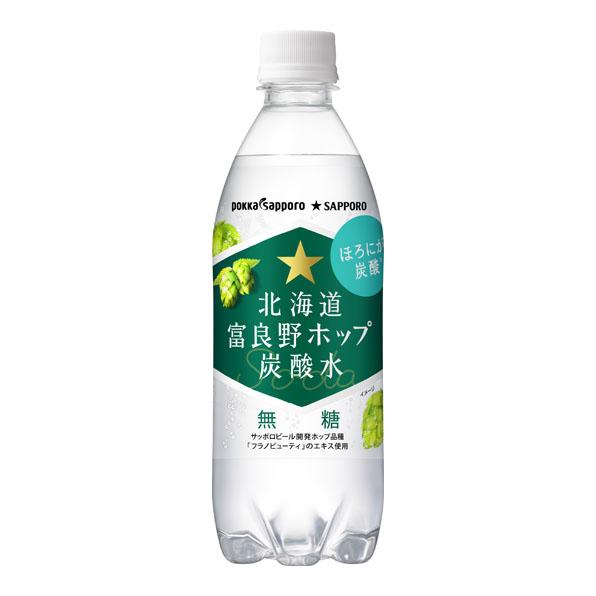
富良野啤酒花碳酸水,图片来源:Pokka Sapporo 其实,佐藤喝的不是啤酒,而是一瓶添加了啤酒花的碳酸水。 以上场景虽然来自虚构,但这瓶啤酒花碳酸水却是真实存在的,这就是日本啤酒厂商札幌推出的"北海道富良野啤酒花碳酸水"(下文简称"啤酒花碳酸 水")。 啤酒花碳酸水持续增长的关键,在于开创了一种新的饮用场景。札幌集团旗下食品饮料公司Pokka Sapporo品牌管理部负责人鶴谷哲司称:"那些主打清爽 口感的风味气泡水,秋冬季节的销售可能会面临较大的压力。而啤酒花碳酸水的优势,在于满足人们需要提神的场景,或'肝脏休息日'等场景下的需 求。"[2] 下午三点,日本上班族佐藤就已经在办公室里"喝上了"。 只见他慵懒地靠在椅背上,开瓶,一阵气泡快速破裂发出的滋滋声后,他端起瓶咕咚咕咚地喝下两口,接着放松地吐出一口气,气息中混合着啤酒花的香 气和淡淡的苦味。回味了几秒之后,他把瓶子放到一边,满足地擦了擦嘴角,挺起身来继续工作。瓶身上札幌啤酒的金色五角星logo,在下午三点窗外阳 光的照射下好像闪闪发光。 这款听上去有些猎奇的产品,在日本已开辟出一块细分市场。 2022年,札幌首次推出啤酒花碳酸水。2024年3月, ...

稀缺!绩优+滞涨,7股被盯上!这个行业,热度空前
Zheng Quan Shi Bao· 2025-08-02 04:17
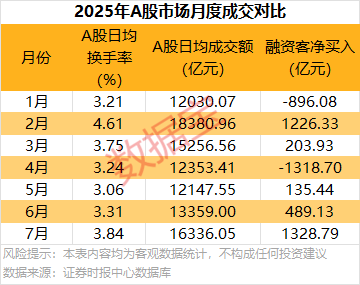
Market Overview - In July, the Shanghai Composite Index recorded a cumulative increase of 3.74%, marking the highest level for the same period in nearly five years [1] - A-share market's average turnover rate and average daily trading volume reached 3.84% and 1.63 trillion yuan respectively, both hitting new highs since March [1] - Net purchases by financing clients in July amounted to nearly 132.9 billion yuan, the highest monthly figure this year, continuing a three-month streak of net buying [1] - Northbound trading volume reached 444.5 billion yuan, 1.5 times that of June, setting a new monthly record for the year [1] Institutional Ratings - In July, 60 institutions conducted a total of 1,482 "buy" ratings, covering 720 stocks across 31 industries, with 10 industries having 20 or more stocks rated [3] - The electronics sector led with 99 stocks, with a 6.59% increase in the Shenwan primary electronics index in July [5] - The pharmaceutical and biotechnology sector followed with over 70 stocks, achieving nearly a 14% increase in the Shenwan primary pharmaceutical index [6] Key Stocks - Among the 720 stocks, 64 received five or more "buy" ratings, with 11 stocks receiving at least 10 ratings. Dongpeng Beverage topped the list with 34 ratings [7] - WuXi AppTec received 18 "buy" ratings, ranking second, while Ecovacs Robotics received 14 [8] - Dongpeng Beverage's stock price fell by 10.43% in July, despite a 37.22% year-on-year increase in net profit for the first half of 2025 [9][11] - WuXi AppTec's stock price increased by 38.42% in July [9] Performance of Selected Stocks - Jiangfeng Electronics saw a stock price decline of nearly 7% in July, but its net profit for the first half of 2025 is expected to increase by around 60% [11] - Perfect World experienced a stock price drop of over 3% in July, with a significant turnaround in performance for the first half of the year [11] - Western Mining's stock price increased by 2.41%, with a 15.35% year-on-year growth in net profit for the first half of 2025 [12]


记者直击娃哈哈案香港判决
第一财经· 2025-08-02 01:09
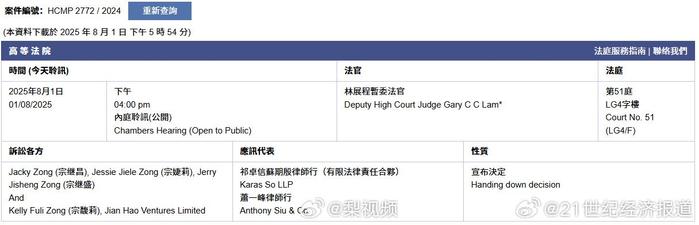
2025.08. 02 本文字数:416,阅读时长大约1分钟 作者 | 第一财经 航宇 莫子昊 朱斌 裁决书显示,法官下令娃哈哈董事长宗馥莉暂不得动用香港汇丰银行帐户内的资产。 香港诉讼律师徐瀚冰对第一财经记者表示,在存在目前的物权争议情况下,保全相关资产,有助于维 护现状,以等待杭州法院的判决。本案管辖权约定在杭州法院,但是信托的适用法律是香港法律,内 地法院通常会参考香港律师的专家报告,来证明信托是否成立。 微信编辑 | 七三 第 一 财 经 持 续 追 踪 财 经 热 点 。 若 您 掌 握 公 司 动 态 、 行 业 趋 势 、 金 融 事 件 等 有 价 值 的 线 索 , 欢 迎 提 供 。 专 用 邮 箱 : bianjibu@yicai.com (注:我们会对线索进行核实。您的隐私将严格保密。) 8月1日下午4点,娃哈哈遗产争夺案在香港高等法院进行公开聆讯,第一财经记者下午2:30前往法 院等候旁听,数十名记者和其他公众人士在现场排队,到下午4点,法院保安通知法庭不会开门,原 被告双方及其代表律师、法官均未现身,裁决书则上载至香港法院网页。 推荐阅读 特朗普称已收到访华邀请,外交部回应 ...

香港高院裁定宗馥莉暂不得挪用汇丰18亿美元资产
2 1 Shi Ji Jing Ji Bao Dao· 2025-08-01 17:40
Core Viewpoint - The ongoing inheritance dispute involving the late founder of Wahaha Group, Zong Qinghou, has led to a court ruling preventing his daughter, Zong Fuli, from accessing $1.8 billion in a HSBC account until the legal proceedings are resolved [1][2]. Group 1: Legal Proceedings - Three alleged illegitimate children of Zong Qinghou filed a lawsuit in the Hong Kong High Court, seeking disclosure of the asset movements in a HSBC account and requesting a freeze on any transactions by Zong Fuli [1][2]. - The High Court issued a non-judicial injunction, prohibiting Zong Fuli from withdrawing or transferring any assets from the HSBC account until the outcome of the litigation in mainland China [1][2]. - The plaintiffs are Zong Jichang, Zong Jieli, and Zong Jisheng, while the defendant is Zong Fuli, the only daughter of Zong Qinghou and current chairperson of Wahaha [1][2]. Group 2: Financial Details - As of May 31, 2024, Jian Hao Ventures Limited, a company registered in the British Virgin Islands and previously managed by Zong Qinghou, holds approximately $1.799 billion in the HSBC account, primarily consisting of bonds, fixed-income assets, and some cash [2]. - The plaintiffs allege that Zong Qinghou had instructed the establishment of a special trust fund in 2023, initially valued at around $2 billion, with each of the three plaintiffs designated to receive $700 million [2][3]. - The plaintiffs claim that Zong Fuli transferred approximately $1.1 million from the account to a trading company in Hangzhou without authorization, which they argue constitutes "malicious appropriation of inheritance" [3].
VITASOYINT'L(00345.HK)连续4日回购,累计斥资6602.37万港元
Zheng Quan Shi Bao Wang· 2025-08-01 13:42
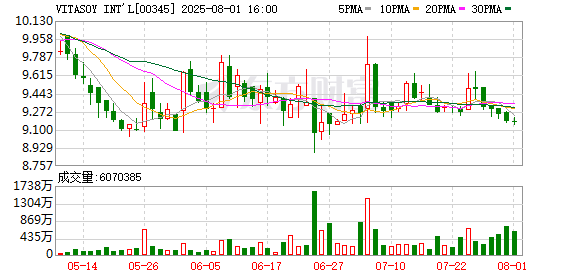
Core Viewpoint - VITASOY INT'L has been actively repurchasing its shares, with a total of 30 buybacks this year, indicating a strategy to support its stock price amidst recent declines [2][3]. Share Buyback Summary - On August 1, VITASOY repurchased 1.844 million shares at a price range of HKD 9.140 to HKD 9.170, totaling HKD 16.89 million [2]. - The stock closed at HKD 9.170 on the same day, reflecting a decrease of 0.11%, with total trading volume of HKD 55.66 million [2]. - Since July 29, the company has conducted buybacks for four consecutive days, acquiring a total of 7.168 million shares for HKD 66.02 million, during which the stock price fell by 1.50% [2]. Year-to-Date Buyback Activity - Year-to-date, VITASOY has executed 30 buybacks, totaling 23.224 million shares and an aggregate repurchase amount of HKD 217 million [3]. - Detailed buyback data shows varying prices and volumes, with the highest repurchase price recorded at HKD 9.700 and the lowest at HKD 9.000 [4].

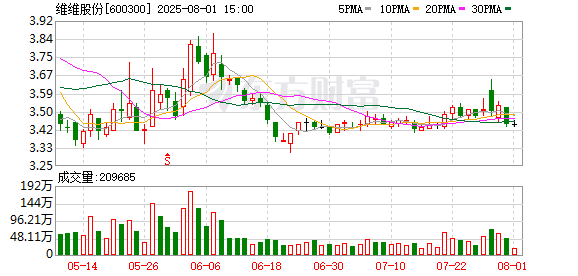
维维股份:近日公司推出草本饮料系列产品——维维百分植养生水
Mei Ri Jing Ji Xin Wen· 2025-08-01 10:43
Group 1 - The company has a diverse product portfolio including "Weiwei" soybean powder, "Weiwei" soybean milk powder, "Weiwei" grain cereal, "Weiwei" soybean drinks, "Weiwei" sparkling water, "Weiwei" grains and oils, "Bai Fen Zhi" soybean milk powder, "Tianshan Snow" dairy products, "Weiwei Liuchao Song" flour, "Yiqingyuan" tea, and "Hanyuan" liquor [2] - Recently, the company launched a herbal beverage series called "Weiwei Bai Fen Zhi Yang Sheng Shui," which includes four flavors: burdock and monk fruit water, hibiscus and rose water, apple and astragalus water, and red bean and coix water [2] - The new product line emphasizes simple recipes, premium ingredients, meticulous craftsmanship, light health benefits, and fun packaging, promoting ancient Chinese health wisdom and extracting natural plant nutrition to advocate a healthy lifestyle and inherit Chinese health culture [2]

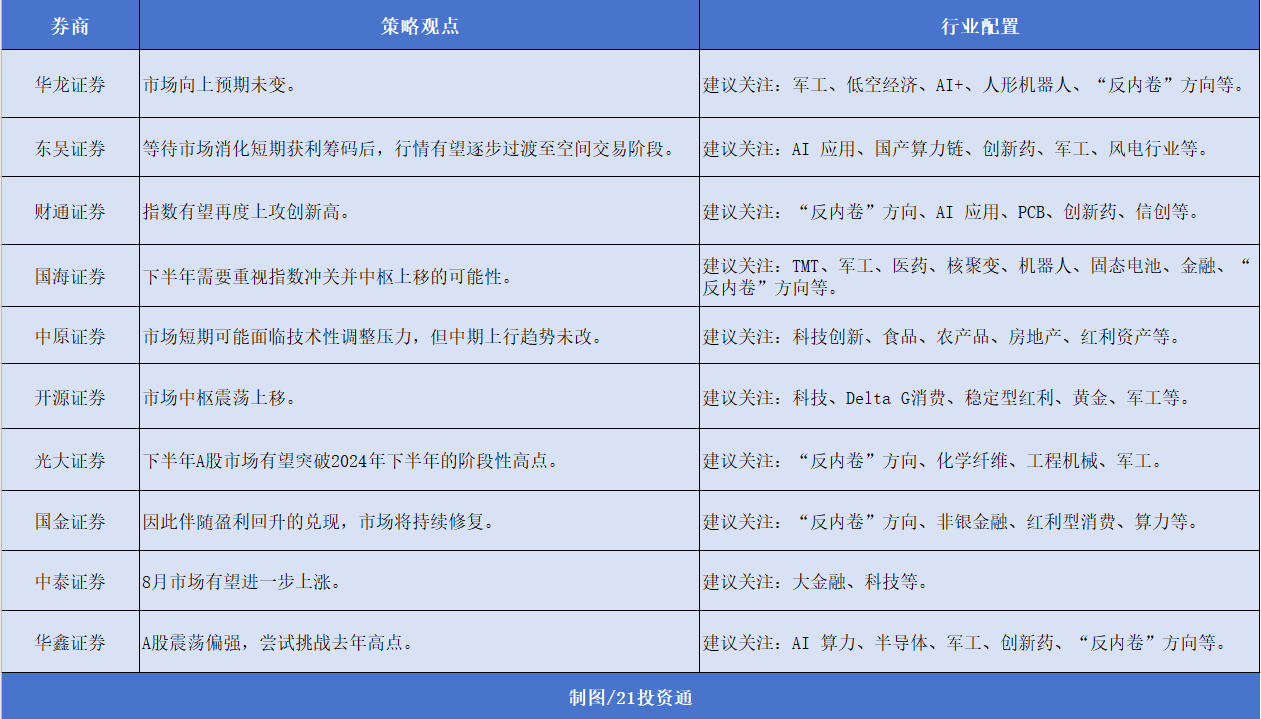
8月券商金股出炉 市场震荡蓄势后有望上行
2 1 Shi Ji Jing Ji Bao Dao· 2025-08-01 09:58
Market Overview - On the first trading day of August, the three major indices experienced slight declines, with the Shanghai Composite Index down 0.37%, the Shenzhen Component Index down 0.17%, and the ChiNext Index down 0.24% [1] - The total trading volume in the Shanghai and Shenzhen markets was 1.60 trillion yuan, a decrease of 337.7 billion yuan compared to the previous trading day [1] - In July, the A-share market showed an upward trend, with the Shanghai Composite Index rising 3.74%, the Shenzhen Component Index rising 5.20%, and the ChiNext Index rising 8.14% [1] Liquidity and Market Sentiment - Liquidity has played a significant supporting role, and the A-share market is expected to rise after a period of consolidation [2][3] - Multiple institutions believe that the market's upward movement is supported by both policy and liquidity, with a focus on the gradual improvement of risk appetite [3] - The market is likely to experience a consolidation phase before transitioning to a space trading phase, as investors digest short-term profits [3] Industry Performance - In July, 28 out of 31 primary industries saw gains, with the top three performing sectors being steel (up 16.76%), pharmaceuticals (up 13.93%), and building materials (up 13.36%) [1] - The banking sector experienced the largest decline at -1.95%, followed by public utilities at -0.77% and transportation at -0.22% [1] Investment Strategies - Institutions recommend focusing on sectors benefiting from "anti-involution" policies and performance improvements, such as coal, steel, photovoltaics, and building materials [4] - There is also a positive outlook on technology growth sectors, including AI applications, computing power, and infrastructure [4] Recommended Stocks - Dongfang Caifu (300059.SZ) was highlighted as a top pick, receiving six recommendations from various brokerages due to its strong performance in brokerage and fund distribution businesses [6][7] - Other stocks with multiple recommendations include Dongpeng Beverage (605499.SH), Luoyang Molybdenum (603993.SH), Wanhua Chemical (600309.SH), Muyuan Foods (002714.SZ), and Daikin Heavy Industries (002487.SZ), each receiving three recommendations [6][9][10][12][13]





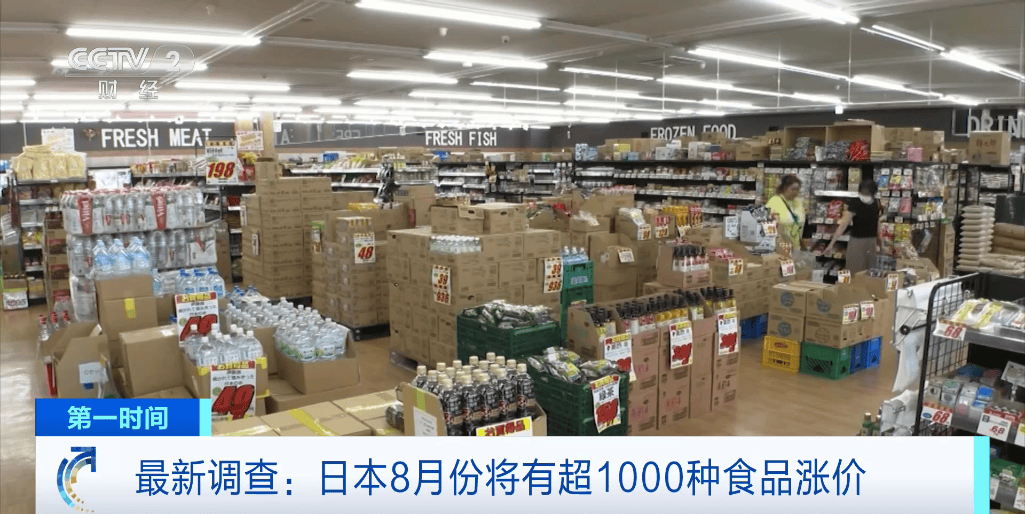
最新调查:日本8月将有超1000种食品涨价!原因几何?
Sou Hu Cai Jing· 2025-08-01 08:00
Core Insights - In August, over 1,000 food items in Japan are set to increase in price, with an average rise of 11% [1][3] - This marks the third consecutive month where more than 1,000 food items have seen price hikes in Japan [3] Group 1: Price Increase Details - A recent survey by Teikoku Databank revealed that 1,010 food items will see price increases, which is approximately 1.5 times the number from the same period last year [3] - The price increase includes dairy products, processed foods, and frozen foods [3] Group 2: Contributing Factors - The current wave of food price increases is attributed to rising costs of raw materials, electricity, labor, and logistics [5] - In the first 11 months of this year, the number of food items confirmed to increase in price is expected to reach 19,400, a 50% increase compared to the same period last year [5] Group 3: Historical Context - The last significant food price surge in Japan occurred in 2023, with over 32,000 food items experiencing price increases, the highest in 30 years [5] - Factors contributing to the previous surge included substantial increases in raw material prices and the depreciation of the yen, which raised import costs [5]
积极探索“两山”转化路径 打造水产业集群高地——湖北十堰书写新时代“水文章”
Zhong Guo Chan Ye Jing Ji Xin Xi Wang· 2025-08-01 00:36
Core Viewpoint - Hubei Shiyan is transforming its ecological water resources into economic value, achieving over 40 billion yuan in comprehensive water economy output, thus becoming a new engine for high-quality regional economic development [1][4]. Group 1: Water Economy Development - The city has developed a water economy with 355 enterprises, achieving a total output value exceeding 40 billion yuan, with Danjiangkou City contributing 18 billion yuan [4]. - The water economy in Shiyan has seen a year-on-year growth of 9.7% in the first four months of 2025, reaching a total output value of 14.2 billion yuan [4]. - The integration of water resources into agriculture has led to the development of 450,000 acres of water-friendly agriculture, significantly increasing farmers' incomes [3]. Group 2: Industrial Innovation and Transformation - The establishment of a modern industrial cluster is underway, with a focus on logistics and supply chain optimization to reduce costs for food and beverage companies [5][7]. - The creation of a water resource processing industry cluster aims to expand the scale of water resource processing, forming an integrated industry chain from source water to functional beverages [6]. - The transformation of traditional products, such as Huangjiu, into trendy brands has increased their market valuation to 1.33 billion yuan, reflecting the shift in consumer demographics [8]. Group 3: Environmental and Quality Standards - Danjiangkou Reservoir maintains high water quality, with 107 out of 109 monitoring indicators meeting Class I standards, supporting the high-quality development of the water industry [2]. - The establishment of a long-term mechanism for water quality protection and industrial development is being implemented to ensure sustainable growth [9]. - The region is enhancing its public brand influence, with "Wudang Mountain Water" and "Danjiangkou" becoming recognized names in the green food and beverage industry [9].
