
锂电池

Search documents
中国五部门:到2027年在多个行业领域建设一批零碳工厂
Zhong Guo Xin Wen Wang· 2026-01-19 16:25
Core Viewpoint - The Chinese government has issued guidelines for the construction of zero-carbon factories, aiming to cultivate a number of such factories in various industries by 2027, with a broader expansion into traditional high-energy industries by 2030 [1][2] Group 1: Goals and Timeline - By 2026, a selection of zero-carbon factories will be identified to serve as benchmarks [1] - By 2027, zero-carbon factories will be developed in sectors such as automotive, lithium batteries, photovoltaics, electronics, light industry, machinery, and computing facilities [1] - By 2030, the initiative will expand to include industries like steel, non-ferrous metals, petrochemicals, building materials, and textiles, exploring new decarbonization pathways for traditional high-energy industries [1] Group 2: Construction Pathways - Establish a carbon emission accounting management system to enable accurate carbon calculations [2] - Accelerate the green and low-carbon transformation of energy structures to achieve source reduction of carbon emissions [2] - Significantly enhance energy efficiency to achieve process decarbonization [2] - Conduct carbon footprint analysis of key products to promote collaborative carbon reduction across the entire industry chain [2] - Improve digital and intelligent levels to enable smart carbon control [2] - Implement carbon offsetting and information disclosure to achieve zero-carbon status and continuous improvement [2]
五部门发文建设零碳工厂:鼓励配置新型储能,开展绿电直连
中关村储能产业技术联盟· 2026-01-19 13:36
Core Viewpoint - The article discusses the "Guiding Opinions on the Construction of Zero Carbon Factories" issued by the Ministry of Industry and Information Technology, emphasizing the importance of reducing carbon emissions through technological innovation, structural adjustments, and management optimization in industrial settings [2][3]. Summary by Sections Phase Goals - By 2026, a selection of zero carbon factories will be identified to serve as benchmarks [3]. - By 2027, a batch of zero carbon factories will be cultivated in industries such as lithium batteries, photovoltaics, automotive, electronics, light industry, machinery, and computing facilities, establishing an industrial ecosystem for zero carbon factory construction [3]. - By 2030, the initiative will expand to include industries like steel, non-ferrous metals, petrochemicals, building materials, and textiles, exploring new decarbonization pathways for traditional high-energy industries [3]. Construction Paths - Establish a carbon emission accounting management system to accurately quantify emissions and removals, including direct and indirect emissions from production activities [4][15]. - Accelerate the transition to a green and low-carbon energy structure, encouraging factories to utilize zero carbon electricity, heat, hydrogen, and fuel supplies [4][15]. - Significantly improve energy efficiency through systematic optimization of production processes, aiming for compliance with national energy consumption standards [4][16]. Supply Chain and Digitalization - Promote zero carbon supply chain management by analyzing carbon footprints of key products and improving carbon emission reduction across the entire supply chain [5][18]. - Enhance digital and intelligent management levels by establishing digital energy and carbon management centers using technologies like IoT and big data for precise measurement and control of energy consumption and emissions [5][19]. Carbon Offsetting and Reporting - Implement carbon offsetting strategies and information disclosure to achieve and maintain near-zero carbon emissions, including participation in cross-border carbon trading [5][19]. - Encourage regular publication of sustainability reports, ESG reports, and zero carbon factory construction reports to disclose carbon emissions and construction progress [6][19]. Implementation Requirements - Strengthen organizational implementation by local industrial and information departments to develop specific plans for zero carbon factory construction [20]. - Improve the standard system to provide scientific and reasonable technical bases for zero carbon factory management and evaluation [21]. - Promote comprehensive services for energy saving and carbon reduction, facilitating technology transfer and market services for industrial enterprises [21].


每经热评丨1200亿元大单不可戏言 容百科技董事长从头到尾真不知情?
Mei Ri Jing Ji Xin Wen· 2026-01-19 13:08
Group 1 - The core point of the article is that Rongbai Technology announced a significant contract worth over 120 billion yuan, which raised regulatory concerns due to the lack of clarity and certainty in the contract details [1][2] - The company predicts it will supply approximately 3.05 million tons of lithium iron phosphate to CATL from Q1 2026 to 2031, with a total sales amount exceeding 120 billion yuan [1] - The announcement has been criticized for being misleading, as the 120 billion yuan figure is an estimate rather than a fixed contractual amount, and the actual procurement quantities and pricing remain uncertain [2][3] Group 2 - The contract's average annual supply volume is stated to exceed 500,000 tons, but the current production capacity of Guizhou Xinren is only 60,000 tons, raising questions about feasibility [2] - The pricing structure is not fixed, relying on a formula that includes lithium carbonate costs and processing fees, which adds to the uncertainty of the actual sales [2] - The announcement process has been called into question, as it was not signed off by the chairman, leading to concerns about the company's internal governance and the reliability of its disclosure practices [3][4]


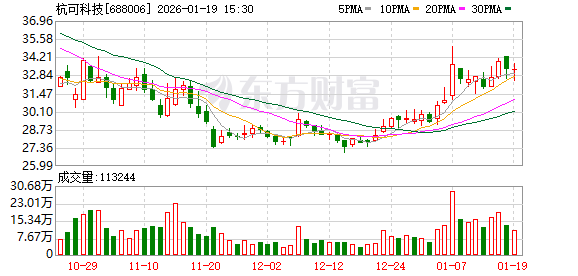
杭可科技:公司具体业绩及市场拓展情况请查看公司在法定披露媒体上发布的定期报告
Zheng Quan Ri Bao· 2026-01-19 12:37
Core Viewpoint - Hangke Technology is committed to providing intelligent, high-precision, safe, and environmentally friendly lithium battery formation, testing, and logistics system solutions for the global new energy industry since its establishment [2] Company Performance and Market Expansion - The company focuses on the design, research and development, production, sales, and service of the lithium battery production backend system [2] - For specific performance and market expansion details, the company refers investors to its periodic reports published on legal disclosure media [2]

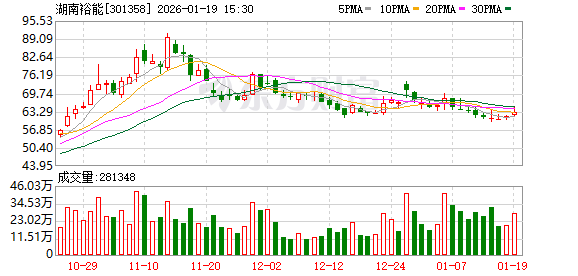
湖南裕能:2025年净利同比预增93.75%~135.87%
Mei Ri Jing Ji Xin Wen· 2026-01-19 11:53
(文章来源:每日经济新闻) 每经AI快讯,1月19日,湖南裕能(301358.SZ)公告称,湖南裕能预计2025年度归属于上市公司股东的净 利润为11.50亿元~14.00亿元,比上年同期增长93.75%~135.87%。报告期内,新能源汽车及储能市场快 速发展,带动锂电池正极材料需求增长,公司磷酸盐正极材料产品销量大幅增长,新产品契合下游升级 需求。同时,原材料价格回升,一体化布局推进和成本管控有效提升盈利能力。 ...

五部门发布《关于开展零碳工厂建设工作的指导意见》
Zheng Quan Ri Bao Wang· 2026-01-19 11:46
Core Viewpoint - The Ministry of Industry and Information Technology, along with four other departments, has issued guidelines for the construction of zero-carbon factories, emphasizing a phased approach to prioritize industries with urgent decarbonization needs and lower decarbonization difficulties [1] Group 1: Goals and Phased Implementation - The guidelines propose a gradual cultivation of zero-carbon factories, starting with industries that primarily consume electricity and have a pressing need for decarbonization [1] - By 2026, a selection of zero-carbon factories will be identified to serve as benchmarks [1] - By 2027, zero-carbon factories will be developed in sectors such as automotive, lithium batteries, photovoltaics, electronics, light industry, machinery, and computing facilities, aiming to create a comprehensive ecosystem for zero-carbon factory construction [1] Group 2: Expansion and Long-term Vision - By 2030, the initiative will expand to include industries like steel, non-ferrous metals, petrochemicals, building materials, and textiles, exploring new pathways for decarbonization in traditional high-energy-consuming sectors [1] - The guidelines aim to promote comprehensive service models and solutions for zero-carbon factory design, financing, renovation, and management, significantly enhancing product lifecycle and supply chain management capabilities [1] - The ultimate goal is to achieve a steady decline in carbon emissions from factories [1]
亿纬获评全球首个圆柱电池灯塔工厂!
起点锂电· 2026-01-19 10:56
Core Insights - EVE Energy's Jingmen base has been awarded the world's first cylindrical battery lighthouse factory certification, showcasing advanced technology integration and over 40 smart solutions [2] - The lighthouse factory concept, selected by the World Economic Forum and McKinsey, represents the highest standards in global smart manufacturing and digitalization [2] - EVE Energy has achieved a 15% reduction in the carbon footprint of its products through renewable energy use, recycling materials, and energy-saving technology upgrades [3] Group 1: Technological Advancements - The lighthouse factory utilizes a combination of physical simulation and AI process models, reducing R&D experimental iterations by 75% and significantly shortening the time from R&D to mass production [2] - Automation in key production processes has reached 100%, with unmanned material delivery and an intelligent scheduling system that analyzes global orders in seconds, balancing capacity and materials automatically [2] - The factory has established China's first 300ppm high-speed production line, capable of producing 300 cylindrical battery cells per minute with a first-pass yield rate exceeding 97% [2] Group 2: Quality Control and Safety - An AI vision system achieves a detection efficiency of 0.3 seconds per cell, ensuring 100% inspection and strict quality control with zero missed judgments [2] - The factory promotes human-machine collaboration, transforming production line personnel into algorithm "conductors" [3] - Monitoring of factory operations is enhanced through smart sensors and drones, with AI models providing real-time risk alerts to ensure zero accidents in production [3] Group 3: Industry Impact - EVE Energy's lighthouse factory exemplifies a feasible path to achieving breakthroughs in manufacturing efficiency and green performance through cutting-edge technologies [3] - The company is positioned to play a more critical role in the global energy transition, contributing Chinese wisdom and solutions to the world [3]

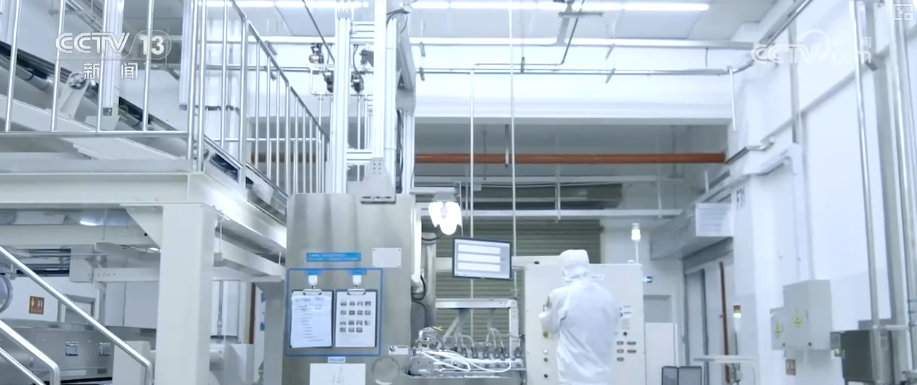
培育零碳工厂深挖节能降碳潜力 推动重点行业减碳增效与绿色低碳转型
Yang Shi Wang· 2026-01-19 09:21
Core Viewpoint - The article discusses the joint issuance of the "Guiding Opinions on the Construction of Zero Carbon Factories" by several Chinese government agencies, aiming to enhance energy conservation and carbon reduction in key industries, thereby promoting green and low-carbon transformation and fostering new productive forces [1]. Group 1: Definition and Concept - Zero carbon factory construction involves reducing carbon dioxide emissions through technological innovation, structural adjustments, and management optimization, aiming for near-zero emissions rather than absolute zero [4]. Group 2: Implementation and Timeline - The guiding opinions outline a phased approach for cultivating zero carbon factories, with benchmark factories to be selected starting in 2026, followed by the development of zero carbon factories in sectors such as automotive, lithium batteries, photovoltaics, and electronics by 2027, and expanding to traditional high-energy industries like steel and petrochemicals by 2030 [6]. Group 3: Construction Pathways - Six major directions for construction are proposed, including establishing a carbon accounting system, optimizing energy structure, enhancing energy efficiency, conducting carbon footprint analysis, enabling smart carbon control through digitalization, and implementing carbon offsetting and information disclosure for continuous improvement [9]. - The guiding opinions also emphasize organizational implementation, standard system improvement, and the promotion of comprehensive energy-saving and carbon reduction services [9]. Group 4: Current Initiatives - Some regions in China have already initiated pilot projects for near-zero carbon factories, with over 30 related group standards developed and implemented, laying the foundation for nationwide promotion [9].
锂电池行业月报:产业链价格总体上涨,板块可关注
Zhongyuan Securities· 2026-01-19 08:24
Investment Rating - The report maintains an investment rating of "Outperform the Market" for the lithium battery industry [5][9]. Core Insights - The lithium battery sector experienced a price increase across the supply chain, with significant growth in raw material prices, particularly lithium carbonate and lithium hydroxide, which rose by 64.40% and 77.51% respectively from early December 2025 to mid-January 2026 [5][41]. - In December 2025, China's new energy vehicle (NEV) sales reached 1.71 million units, marking a year-on-year growth of 7.14% and a monthly market share of 52.26%, driven by supportive policies and improved cost-performance of new energy vehicles [5][14]. - The report highlights that the overall industry outlook remains positive, with expectations for continued growth in both the NEV and lithium battery sectors in 2026, despite a projected slowdown in sales growth due to base effects and tax incentives [5][14]. Summary by Sections Market Review - In December 2025, the lithium battery index fell by 1.04%, underperforming the CSI 300 index, which rose by 2.28% during the same period [2][9]. - The report notes that 48 stocks in the lithium battery sector rose, while 56 fell, with a median decline of 0.87% among the stocks [9]. New Energy Vehicle Sales and Industry Prices - NEV sales in December 2025 were 1.71 million units, with a year-on-year increase of 7.14% and a month-on-month decrease of 6.02% [5][14]. - The total installed capacity of power batteries in December 2025 was 98.1 GWh, reflecting a year-on-year growth of 30.11% [5][14]. - The report indicates that the prices of upstream raw materials have generally increased, with battery-grade lithium carbonate and lithium hydroxide prices significantly rising [5][41]. Industry and Company News - The report includes various industry updates, such as the launch of new battery production lines by major companies like CATL and the establishment of new manufacturing facilities in Europe [54].

锂电池行业月报:产业链价格总体上涨,板块可关注-20260119
Zhongyuan Securities· 2026-01-19 08:04
Investment Rating - The report maintains an investment rating of "Outperform" for the lithium battery industry [5][6]. Core Insights - The lithium battery sector has experienced a general price increase across the supply chain, with significant growth in raw material prices, particularly lithium carbonate and lithium hydroxide, which have risen by 64.40% and 77.51% respectively since early December 2025 [5][6]. - In December 2025, China's new energy vehicle (NEV) sales reached 1.71 million units, marking a year-on-year increase of 7.14% and maintaining a monthly sales share of 52.26%, driven by supportive policies and improved cost-performance of new energy vehicles [5][14]. - The report highlights that the overall industry outlook remains positive, with expectations for continued growth in both the NEV and lithium battery sectors, despite a projected slowdown in sales growth rates for 2026 due to base effects and tax incentives [5][14]. Summary by Sections Market Review - In December 2025, the lithium battery index fell by 1.04%, underperforming the CSI 300 index, which rose by 2.28% during the same period [2][9]. - The report notes that 48 stocks in the lithium battery sector rose while 56 fell, with a median decline of 0.87% among the stocks [9]. New Energy Vehicle Sales and Industry Prices - NEV sales in December 2025 totaled 1.71 million units, with a year-on-year growth of 7.14% and a month-on-month decline of 6.02% [5][14]. - The total installed capacity of power batteries in December 2025 was 98.1 GWh, reflecting a year-on-year increase of 30.11% [5][14]. - The report indicates that the prices of key raw materials, including battery-grade lithium carbonate and lithium hydroxide, have seen substantial increases, with prices reaching 157,000 CNY/ton and 150,000 CNY/ton respectively [5][14]. Industry and Company News - The report mentions significant developments in the industry, including the launch of new production lines and the expansion of battery manufacturing capacities by major companies [54]. - Notable announcements include the establishment of a new battery cell production facility by Volkswagen in Germany and the opening of a large battery manufacturing plant by Envision AESC in the UK [54].