汽车制造业

Search documents
2025年北京规上工业增加值同比增长6.5% 出口交货值同比增长6.4%
Bei Jing Shang Bao· 2026-01-21 02:27
Core Insights - In 2025, Beijing's industrial added value above designated size increased by 6.5% year-on-year in real terms [1] Industry Performance - The computer, communication, and other electronic equipment manufacturing sectors grew by 20.2% and 17.7% respectively, driven by new energy vehicles, consumer electronics, and integrated circuits [1] - The electricity and heat production and supply industry saw a growth of 5.5% [1] - The pharmaceutical manufacturing sector experienced a decline of 8.6% [1] - The five major equipment manufacturing industries grew by 4.9% [1] Export Performance - The value of industrial exports above designated size reached 211.34 billion yuan, marking a growth of 6.4% [1] - The automotive manufacturing and specialized equipment manufacturing sectors grew by 24.6% and 10.8% respectively [1]
上海:2025年GDP同比增长5.4%
财联社· 2026-01-21 01:39
Core Viewpoint - In 2025, Shanghai's economy is projected to achieve a GDP of 56,708.71 billion yuan, reflecting a year-on-year growth of 5.4% at constant prices, driven by advancements in various industries and a focus on high-quality development [2][3]. Group 1: Industrial Production - The industrial added value in Shanghai is expected to grow by 5.0% year-on-year, with the total output value of above-scale industries increasing by 4.6% [3]. - Key sectors such as railway, shipbuilding, aerospace, and other transportation equipment manufacturing are projected to see a significant output growth of 15.8% [3]. - The three leading industries in manufacturing are anticipated to grow by 9.6%, with integrated circuit manufacturing expected to rise by 15.1% and artificial intelligence manufacturing by 13.6% [3]. Group 2: Service Sector Growth - The added value of the tertiary industry is projected to increase by 6.0%, with the information transmission, software, and IT services sector leading at a growth rate of 15.3% [4]. - The financial sector is expected to grow by 9.7%, while transportation, warehousing, and postal services are projected to grow by 5.3% [4]. Group 3: Fixed Asset Investment - Fixed asset investment in Shanghai is expected to grow by 4.6%, with industrial investment leading at a remarkable growth rate of 20.0% [5]. - Investment in urban infrastructure is projected to increase by 11.2% [5]. Group 4: Market Consumption - The total retail sales of consumer goods are expected to reach 16,600.93 billion yuan, reflecting a year-on-year growth of 4.6% [6]. - Categories such as cultural and office supplies are projected to see a retail growth of 30.4%, while home appliances and audio-visual equipment are expected to grow by 24.3% [6]. Group 5: Financial Market Activity - The major financial markets in Shanghai are projected to achieve a transaction volume of 40,589.5 billion yuan, with a year-on-year growth of 11.2% [8]. - The Shanghai Gold Exchange is expected to see a transaction volume increase of 44.1%, while the Shanghai Stock Exchange is projected to grow by 32.2% [8]. Group 6: Trade Performance - The total import and export volume is expected to reach 45,100 billion yuan, with exports projected to grow by 10.8% [9]. - The "new three types" of products are expected to see an export growth of 17.4%, with electric vehicle exports increasing by 13.8% [9]. Group 7: Consumer Prices and Income - The consumer price index (CPI) is projected to rise by 0.1%, while the core CPI is expected to increase by 0.7% [10]. - The per capita disposable income is expected to reach 91,987 yuan, reflecting a growth of 4.1% [10].

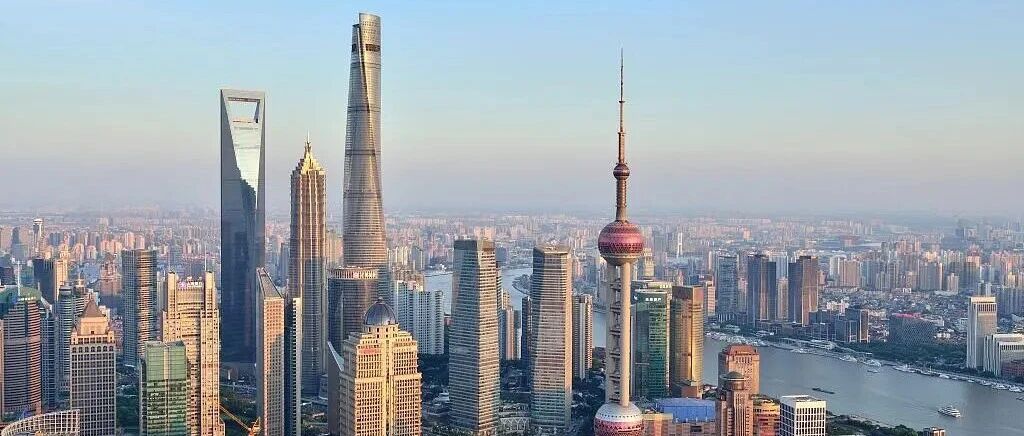
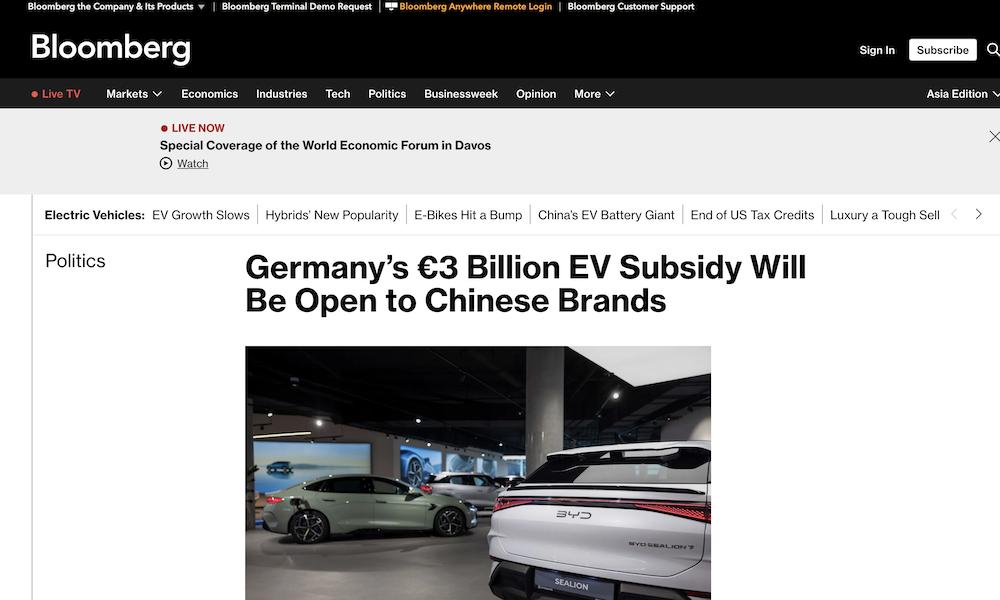
重磅利好,中国电车能领德国补贴了,两国为新能源出海开政策绿灯
3 6 Ke· 2026-01-21 01:39
Core Viewpoint - Recent policy changes in Germany and Canada are creating favorable conditions for Chinese electric vehicle manufacturers to expand internationally, particularly in the European and North American markets [1][2][5]. Group 1: Germany's Policy Changes - The German government has announced a €3 billion (approximately ¥24.5 billion) subsidy plan for electric vehicles, providing up to €6,000 (approximately ¥49,000) for households purchasing new electric cars, which is open to all manufacturers, including Chinese brands [1][2]. - This subsidy aims to boost electric vehicle sales and support the automotive industry after a significant drop in demand following the end of previous subsidy programs [5]. - The German Federal Environment Minister emphasized the need to embrace competition rather than impose restrictions, indicating a welcoming stance towards Chinese automotive manufacturers [5]. Group 2: Canada's Policy Adjustments - Canadian Prime Minister Justin Trudeau announced the cancellation of a 100% tariff on Chinese electric vehicles and introduced an annual quota of 49,000 vehicles that will benefit from a 6.1% most-favored-nation tariff rate [1][8]. - This quota corresponds to the export volume from China to Canada before the imposition of additional tariffs, with expectations for gradual increases over the years [10]. - Trudeau highlighted China's undeniable advantages in the electric vehicle sector, aiming to learn from innovative partners to enhance Canada's competitive automotive industry [10]. Group 3: Export Growth of Chinese Automakers - In 2025, China's total automobile exports are projected to reach 8.32 million units, marking a 30% year-on-year increase, continuing a five-year growth trend [11]. - The export value is expected to grow from $34.5 billion (approximately ¥240.1 billion) in 2021 to $142.4 billion (approximately ¥991 billion) in 2025, reflecting a 21% increase [11]. - Notably, the export volume of new energy vehicles is anticipated to double, reaching 2.615 million units in 2025, with significant contributions from major automakers like BYD and Chery [11][16]. Group 4: Performance of Major Chinese Automakers - Chery is expected to lead in export volume in 2025, with 1.34 million units, while BYD's exports are projected to reach 1.05 million units, a 144% increase from the previous year [16][18]. - SAIC Group is also set to export 950,000 units, leveraging its joint ventures and brand portfolio [18]. - New entrants like Leap Motor and Xpeng are showing remarkable growth, with exports increasing by 600% and 150%, respectively, indicating a strong competitive presence in the international market [19][20]. Group 5: Industry Implications - The evolving international landscape for Chinese automakers signifies a historic shift from "bringing in" to "going out," enhancing the global influence of Chinese automotive brands [21]. - The advancements in technology, such as smart cabins and battery innovations, are contributing to the transformation of the global automotive industry [21]. - The current complex international environment and restructuring of the global automotive landscape suggest that Chinese automotive exports are likely to maintain a robust trajectory, becoming a key driving force in global mobility transformation [21].




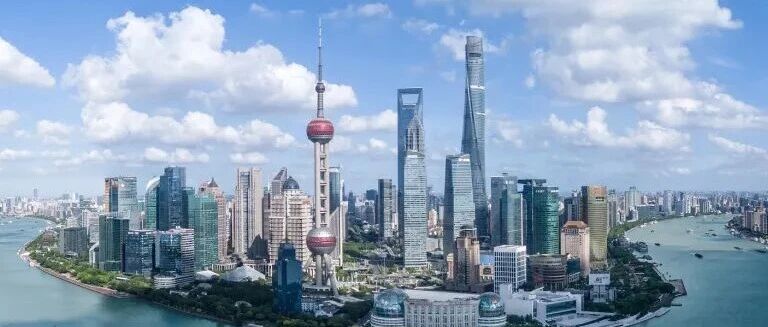
上海:2025年GDP同比增长5.4%
第一财经· 2026-01-21 01:28
Economic Overview - In 2025, Shanghai's GDP reached 56,708.71 billion yuan, reflecting a year-on-year growth of 5.4% at constant prices [1] - The primary industry added value was 99.39 billion yuan, growing by 2.0%; the secondary industry added value was 11,650.62 billion yuan, growing by 3.5%; and the tertiary industry added value was 44,958.70 billion yuan, growing by 6.0% [1][3] Industrial Production - The industrial added value in Shanghai grew by 5.0% year-on-year, with total industrial output value increasing by 4.6% [6] - Key sectors such as railway, shipbuilding, aerospace, and other transportation equipment manufacturing saw a 15.8% increase in output value, while electrical machinery and equipment manufacturing grew by 11.1% [6] - The three leading manufacturing industries experienced a 9.6% increase, with integrated circuit manufacturing growing by 15.1% and artificial intelligence manufacturing by 13.6% [6] Service Sector Growth - The tertiary industry added value increased by 6.0%, with the information transmission, software, and IT services sector growing by 15.3% [9] - The financial sector's added value reached 8,979.66 billion yuan, marking a 9.7% increase [9] Fixed Asset Investment - Fixed asset investment in Shanghai grew by 4.6%, with industrial investment surging by 20.0%, significantly outpacing the overall investment growth [12] - Urban infrastructure investment increased by 11.2% [12] Market Consumption - The total retail sales of consumer goods reached 16,600.93 billion yuan, with a year-on-year growth of 4.6% [15] - Categories such as cultural and office supplies saw a retail growth of 30.4%, while home appliances and audio-visual equipment grew by 24.3% [15] Financial Market Activity - Major financial markets in Shanghai achieved a transaction volume of 40,589.5 billion yuan, reflecting an 11.2% year-on-year increase [18] - The balance of deposits in financial institutions reached 24.50 trillion yuan, growing by 11.3% [18] Trade Performance - The total import and export volume reached 4.51 trillion yuan, with exports growing by 10.8% to 2.02 trillion yuan [21] - The "new three types" of products saw an export growth of 17.4%, with electric vehicle exports increasing by 13.8% [21] Consumer Prices and Income - The consumer price index (CPI) rose by 0.1%, while the core CPI increased by 0.7% [24] - The per capita disposable income reached 91,987 yuan, growing by 4.1% year-on-year [25]
海马汽车:公司氢能汽车7X-H已在海南投放50台开展示范运营
Ge Long Hui· 2026-01-21 01:13
Core Viewpoint - The company has launched its hydrogen energy vehicle 7X-H in Hainan, with 50 units deployed for demonstration operations, achieving a cumulative mileage of over 1.5 million kilometers, validating product reliability and safety [1] Group 1: Product Development - The hydrogen energy vehicle 7X-H is currently in the demonstration operation phase [1] - The company is advancing the Haikou hydrogen energy dedicated line as planned for demonstration operations [1] - The Haima EX00 series is positioned as a B-end customized travel product, available in both charging and battery-swapping versions, with some charging version models already delivered to partners [1] Group 2: Export Strategy - The company plans to leverage free trade port policies to establish its Hainan base as an export hub targeting the "Belt and Road" market [1] - The company aims to steadily enhance the scale of its export business [1] Group 3: Market Position - As the only complete vehicle manufacturer in Hainan, the company intends to seize historical opportunities presented by the closure of the market to support industry development and plan its own layout [1]

华创证券:中国电动汽车出口有望迎来更安全、更稳定的发展机遇
Zheng Quan Shi Bao Wang· 2026-01-21 00:55
Core Insights - A new agreement on electric vehicle imports was reached between China and Europe, while Canada announced the restoration of the most-favored-nation tax rate for Chinese electric vehicles within quotas, indicating a more secure and stable development opportunity for China's electric vehicle exports [1] Industry Summary - China's automobile export market shows significant potential with rapid growth and high return on equity (ROE), serving as crucial support for the valuation and growth of the automotive sector [1] Company Recommendations - Companies recommended for investment include BYD (002594), Geely Automobile, and Great Wall Motors (601633) [1] - Additional companies to watch include Leap Motor, Changan Automobile, SAIC Motor (600104), and Chery Automobile [1]

中国经济将继续是全球经济增长最大引擎(权威论坛)
Sou Hu Cai Jing· 2026-01-21 00:16
Economic Performance - In 2025, China's GDP exceeded 140 trillion yuan, marking a 5.0% growth compared to 2024, showcasing the economy's resilience and innovative momentum [13][14][23] - The economic growth is attributed to a dual approach of "stabilization" and "transformation," focusing on preventing risks while directing resources towards new productive forces [14][15] Innovation and Development - Innovation is positioned as the core driver of China's economic growth, with a shift from traditional factor-driven growth to enhancing total factor productivity [17][18] - China maintains a strong momentum in sectors like artificial intelligence, robotics, and renewable energy, achieving a top ten ranking in the global innovation index [18][19] Trade and Global Cooperation - China's foreign trade demonstrates strong resilience, supported by a complete industrial system and innovative drivers, contributing to high-quality development [19][20] - The country continues to promote an open global economy, implementing policies like zero tariffs in Hainan Free Trade Port, enhancing its attractiveness to global resources [20][21] Long-term Economic Outlook - China's contribution to global economic growth remains around 30%, with expectations of continued positive trends supported by a robust industrial system and innovation capabilities [22][23] - The international community holds a favorable view of China's economic prospects, with organizations like the IMF and World Bank raising growth forecasts for 2026 [23][24]
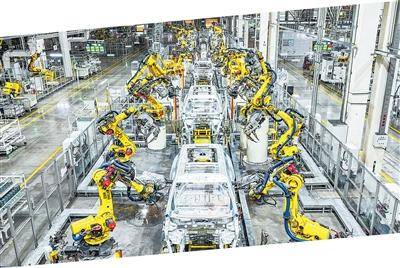
智能化迈出“破冰”行动 汽车产销再创历史新高
Jing Ji Ri Bao· 2026-01-20 19:59
Core Insights - In 2025, China's automotive industry demonstrated remarkable resilience and vitality, achieving record production and sales figures of 34.53 million and 34.40 million vehicles, respectively, marking year-on-year growth of 10.4% and 9.4% [1] - The year marked a significant shift in the market, with new energy vehicles (NEVs) surpassing 50% of domestic new car sales, establishing themselves as the mainstream product in the automotive market [2][3] - The automotive export volume exceeded 7 million units, with NEV exports reaching 2.615 million units, reflecting a strong competitive edge in international markets [11] NEV Market Dominance - NEVs accounted for 50.8% of domestic new car sales in 2025, indicating that for every two new cars sold, one was an NEV [3] - NEV production and sales reached 16.626 million and 16.49 million units, respectively, with year-on-year growth of 29% and 28.2%, maintaining a global leadership position for 11 consecutive years [3] - The competitive landscape has shifted, with domestic brands capturing nearly 70% of the passenger car market share, reversing the dominance of joint venture brands [3][4] Technological and Policy Support - The growth of NEVs is attributed to supportive policies, technological advancements, and a robust supply chain, with over 11.5 million vehicles replaced under the trade-in policy, generating sales exceeding 1.6 trillion yuan [5] - Technological innovations have led to significant improvements in vehicle performance, such as a 30% reduction in battery costs and a 40% increase in battery lifespan [6] - The establishment of a comprehensive supply chain has positioned China as a leading supplier of battery materials and power batteries globally, with 70% and 60% market shares, respectively [6] Smart Driving Developments - The approval of the first L3-level conditional autonomous driving models in December 2025 marked a pivotal moment in China's autonomous driving industry, transitioning from technology validation to mass production [7] - The penetration rate of vehicles equipped with L2-level driving assistance features reached 64%, with a year-on-year growth of 21.2% in the first three quarters of 2025 [9] - The integration of AI technologies into smart driving systems has accelerated advancements, with new models emerging that enhance driving experiences and product forms [9][10] International Expansion and Localization - In response to intensified domestic competition, Chinese automakers are accelerating their international expansion, with exports reaching 7.098 million units in 2025, a 21.1% increase [11] - Localization strategies are being implemented in key markets such as Southeast Asia and Europe, with several Chinese brands establishing manufacturing bases to enhance competitiveness [12] - Collaborations with multinational companies are facilitating the entry of Chinese automotive supply chains into global markets, strengthening China's position in the global automotive value chain [12] Market Competition Restructuring - The introduction of compliance guidelines aims to curb price wars and establish a more orderly competitive environment in the automotive industry [13] - Measures to address "involution" in the market have begun to take effect, with a shift from price competition to a focus on technology, quality, and service [13][14] - The automotive industry is transitioning from a phase of scale expansion to one of quality enhancement, necessitating a comprehensive approach to market regulation and competition [15]
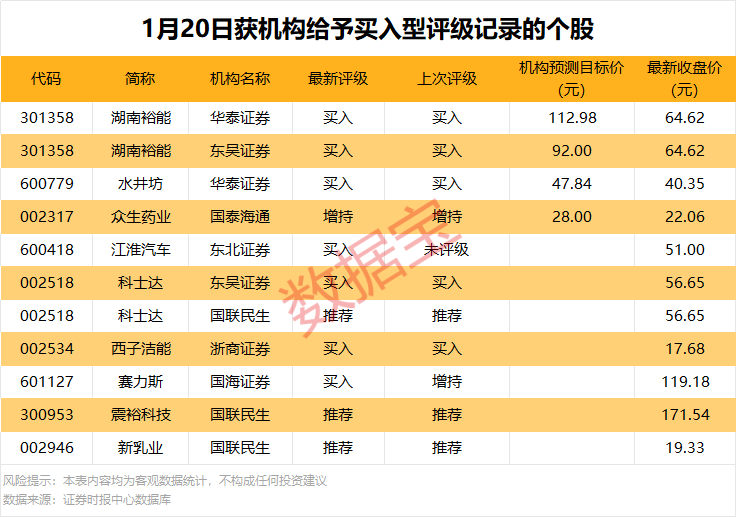
股市直播|300044大幅预亏,将被实施退市风险警示;9股今日获机构给予买入型评级
Zheng Quan Shi Bao Wang· 2026-01-20 14:14
Market Overview - The three major A-share indices collectively closed lower on January 20, with a total market turnover of approximately 2.8 trillion yuan, and over 2,200 stocks rose, including 63 stocks hitting the daily limit [1] Institutional Ratings - A total of 11 buy ratings were issued by institutions today, covering 9 stocks, with Hunan YN and Keda receiving 2 buy ratings each [2] - Among the stocks with buy ratings, 6 companies provided earnings forecasts for 2025, with Hunan YN expected to see a net profit increase of 114.81% year-on-year, followed by Zhenyu Technology and Keda with expected increases of 106.74% and 59.82% respectively [2] Industry Focus - The power equipment industry was the most favored by institutions, with 4 stocks including Hunan YN and Keda listed [2] - The automotive and food & beverage industries also attracted institutional attention, each having 2 stocks featured [2] Institutional Trading - In the top trading list, 17 stocks had net buying amounts exceeding 10 million yuan, with Hunan Baiyin leading at 80.83 million yuan, followed by Tongyu Communications at 55.55 million yuan [4] - Among the net selling stocks, Sanwei Communication faced the highest net sell of 194 million yuan [4] Northbound Capital - 12 stocks on the northbound trading list saw net buying, with Tongyu Communications leading at 97.57 million yuan, followed by Tiantong Co. and Hunan Baiyin, both exceeding 60 million yuan [6] Company Announcements - ST Saiwei (300044) announced an expected net profit loss of 720 million to 1.02 billion yuan for 2025, influenced by litigation and arbitration judgments [7] - Kangxin New Materials (600076) plans to acquire 51% of Wuxi Yubang Semiconductor Technology for 392 million yuan, marking its expansion into the semiconductor sector [8] - Huadian Technology (601226) signed a procurement contract worth approximately 374 million yuan for a wind-solar hydrogen project [8] - China Merchants Energy (601872) plans to build 4 container ships with a total investment of up to 1.324 billion yuan [9] - Anhui Construction (600502) received project bids totaling 13.76 million yuan for two projects [9]





德国四大车企,股价持续下跌
第一财经· 2026-01-20 11:01
消息面上,据新华社报道,美国总统特朗普17日在社交媒体上发文,宣布2月1日起对丹麦、挪威、瑞 典、法国、德国、英国、荷兰和芬兰等反对美国得到格陵兰岛的欧洲国家加征10%的关税。 记者| 肖逸思、莫一格 当地时间1月20日,德国DAX指数开盘持续走低,德国四大车企股价集体下跌,截至当日上午10点50 分,保时捷、大众汽车、梅赛德斯-奔驰均跌超1%,宝马跌0.75%。 前一个交易日,德国四大车企均跳空低开,梅赛德斯-奔驰、宝马集团、大众汽车、保时捷股价收盘分 别下跌2.18%、3.43%、2.27%、2.68%。 编辑 | 钉钉 ...