自动驾驶

Search documents
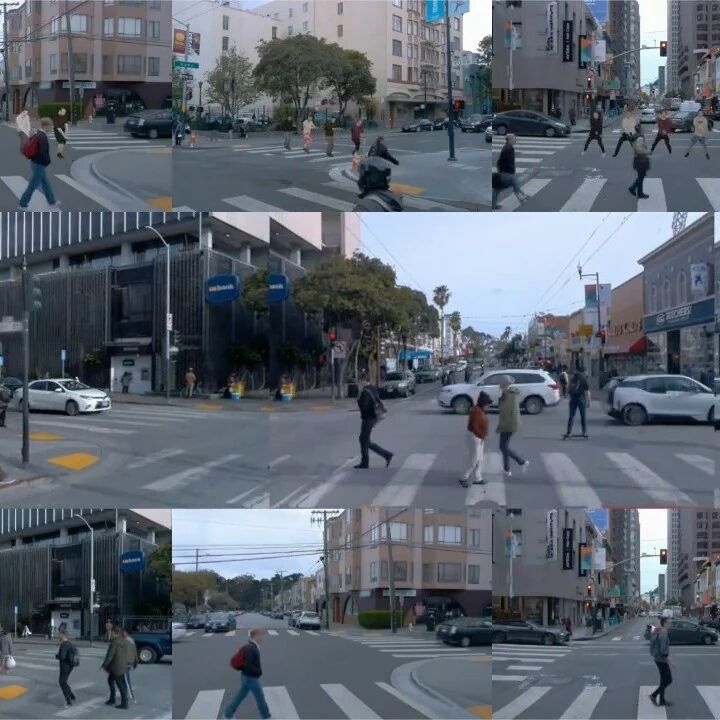
共一分享!复旦DriveVGGT:面向自动驾驶,高效实现多相机4D重建
自动驾驶之心· 2026-01-20 00:39
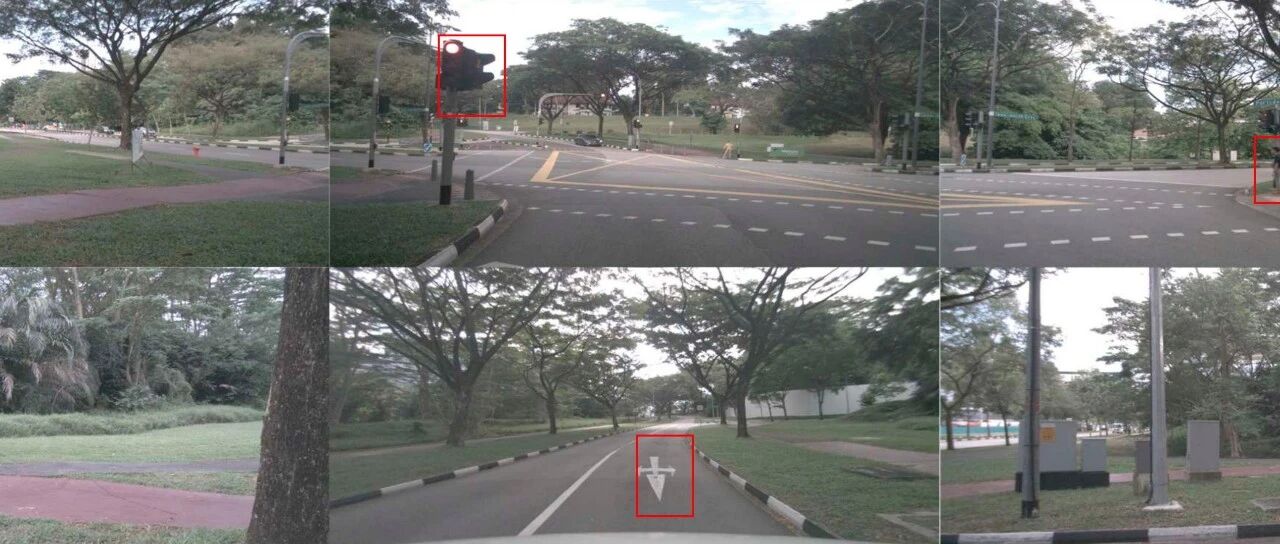
Core Viewpoint - The article discusses the development of DriveVGGT, a 4D reconstruction framework specifically designed for autonomous driving, which integrates prior knowledge to enhance geometric prediction consistency and inference efficiency in multi-camera systems [3][4][7]. Group 1: Key Innovations - DriveVGGT incorporates three critical new priors for autonomous driving: low camera view overlap, known intrinsic and extrinsic camera parameters, and fixed relative positions of cameras [3]. - The framework features a Temporal Video Attention (TVA) module that processes multi-camera video independently to leverage the temporal continuity of single-camera sequences [4]. - A Multi-Camera Consistency Attention (MCA) module is introduced to establish consistency across different cameras while ensuring that each token focuses only on adjacent frames, balancing effectiveness and efficiency [4]. Group 2: Application and Impact - The explicit introduction of relative camera pose priors in DriveVGGT significantly improves the geometric prediction consistency and inference efficiency in autonomous driving scenarios [7]. - The framework aims to address the challenges faced by traditional visual geometric models in low-overlap multi-camera environments, enhancing the overall performance of autonomous driving systems [7].

国泰海通|计算机:上海发布“模速智行”行动计划,自动驾驶产业驶入加速赛道
国泰海通证券研究· 2026-01-19 14:03
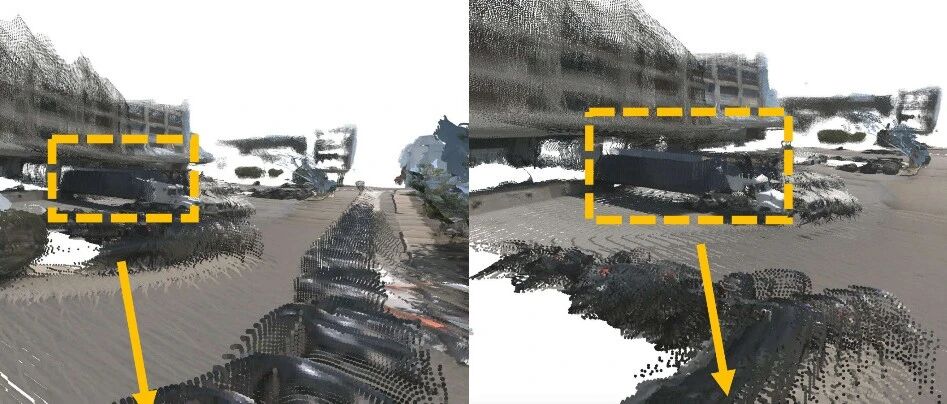
Core Viewpoint - The "Mosu Zhixing" action plan aims to accelerate the transformation of intelligent connected technology innovation into industrial competitiveness, promoting the commercialization of high-level autonomous driving in Shanghai [1][3]. Group 1: Action Plan Overview - On January 7, 2023, three departments in Shanghai jointly issued the "Mosu Zhixing" action plan to seize opportunities in automotive intelligence development and foster a new ecosystem for intelligent connected vehicles [1]. - The plan emphasizes a model-driven approach, application demonstration, industrial collaboration, and policy support to advance the construction of the leading area for high-level autonomous driving [1][3]. Group 2: 2027 Goals - By 2027, China aims to establish a globally leading high-level autonomous driving area, with L4 technology implemented in rental and heavy truck scenarios, achieving over 6 million passenger trips and over 800,000 TEU in cargo [2]. - The plan includes the establishment of a digital twin training platform, with 2,000 square kilometers of open testing areas and over 5,000 kilometers of roads covering various scenarios [2]. Group 3: Diverse Application Scenarios - The action plan promotes the simultaneous advancement of passenger vehicles, commercial vehicles, and unmanned equipment [2]. - In the passenger vehicle sector, there will be organized intelligent taxi demonstration operations and pilot projects for L3 vehicles, while commercial vehicles will focus on technology applications in key urban areas and transport hubs [2]. Group 4: Innovation Ecosystem and Policy Support - The plan calls for the Shanghai Economic and Information Commission to advance key technology breakthroughs, cultivate quality enterprises, and promote collaboration in intelligent driving model research [3]. - It emphasizes the need for comprehensive support through policies, finance, talent, and regional collaboration to facilitate the development of the intelligent connected vehicle industry [3].

喜娜AI速递:今日财经热点要闻回顾|2026年1月19日
Xin Lang Cai Jing· 2026-01-19 12:00
Group 1 - Trump's threat to impose tariffs on Denmark and other European countries has led to significant market volatility, with European stock markets declining and a surge in demand for safe-haven assets like gold and silver [2][7] - The China Securities Regulatory Commission (CSRC) has outlined key tasks for 2026, focusing on market stability, regulatory enforcement, and promoting the development of listed companies [2][7] - Five leading solar companies, including Tongwei Co. and Longi Green Energy, have announced a combined expected loss exceeding 28.9 billion yuan due to industry challenges such as supply-demand imbalances and rising raw material costs [2][7] Group 2 - Tesla's CEO Elon Musk has announced the restart of the Dojo 3 project, with the new AI5 chip expected to have five times the computing power of the current HW4 chip, impacting the rollout of full self-driving capabilities [3][8] - Rare earth prices have been rising, with a projected supply-demand gap of 140,000 tons by 2030, driven by strong demand from the global electric vehicle sector [3][8] - Several small and medium-sized banks have raised deposit rates as part of a strategy to attract deposits amid low net interest margins, although future rates may stabilize or slightly decrease [3][9] Group 3 - Rongbai Technology is under investigation by the CSRC for misleading statements regarding a significant contract, raising concerns about its ability to fulfill orders due to production capacity issues [4][9] - The minimum margin requirement for financing purchases on the Shanghai and Shenzhen stock exchanges has been increased from 80% to 100% for new contracts, aimed at controlling market leverage risks [4][9] - The 2025 Hurun Report has ranked Cambrian as the top AI company in China, valued at 630 billion yuan, with an increasing number of AI chip companies listed, reflecting a shift towards domestic computing power independence [5][10]




计算机行业“一周解码”:AI商业化加速落地,核心科技自主可控需求再燃
Bank of China Securities· 2026-01-19 10:24
Investment Rating - The report rates the computer industry as "Outperform the Market" [2] Core Insights - The commercialization of AI is accelerating, with significant developments in intelligent agents and video generation technologies [2][10][12] - Ant Group and Google have launched a Universal Commercial Protocol (UCP) to standardize AI-driven commercial interactions, enhancing seamless collaboration across various systems [10][11] - Kuaishou's Keling AI has achieved a monthly revenue of over $20 million (approximately 140 million RMB) as of December 2025, indicating rapid commercialization in the video generation sector [12][13] - Alibaba's Qianwen App has integrated deeply with its ecosystem, transitioning AI capabilities from simple chat functions to executing complex tasks, marking a new era in AI applications [15][16] - Shanghai's "Mosu Zhixing" initiative aims to scale L4 autonomous driving applications by 2027, establishing a leading position in the global smart connected vehicle industry [19][20] - The U.S. has threatened storage chip manufacturers with a 100% tariff unless they increase domestic production, highlighting the geopolitical dynamics in the semiconductor industry [22][23] Summary by Sections AI Commercialization - Ant Group and Google have introduced UCP, a new open standard for intelligent agents that facilitates seamless commercial interactions across various platforms [10][11] - Kuaishou's Keling AI has seen a significant increase in revenue, reaching an annual run rate of $240 million (approximately 1.68 billion RMB) by December 2025, driven by enhanced product capabilities and computational power [12][13][14] Integration of AI in Ecosystems - Alibaba's Qianwen App has integrated with major services like Taobao and Alipay, enabling it to perform real-world tasks such as ordering food and booking travel, thus evolving into a comprehensive AI assistant [15][16][17] Autonomous Driving Initiatives - Shanghai's "Mosu Zhixing" plan aims for large-scale deployment of L4 autonomous driving technology by 2027, with specific targets for passenger and freight transport [19][20][21] Semiconductor Industry Dynamics - The U.S. Commerce Secretary has warned storage chip manufacturers of potential tariffs, emphasizing the need for increased domestic production and the strategic importance of semiconductor independence [22][23]



尹同跃放狠话:奇瑞全面对标特斯拉FSD,更要超越特斯拉【附自动驾驶行业市场分析】
Qian Zhan Wang· 2026-01-19 09:40
Group 1 - Chery is actively benchmarking Tesla's Full Self-Driving (FSD) system, aiming not only to match but to surpass it [2] - The company is sending personnel to the U.S. to experience Tesla's FSD and Grok model combination, identifying gaps to accelerate its progress [2] - Autonomous driving is becoming a core competitive advantage for automakers, serving as a key component of technological barriers and a driver for business model upgrades [2] Group 2 - The SAE defines six levels of autonomous driving from L0 to L5, with L5 representing full automation where the system can handle all driving tasks without human intervention [4] - Level 2 advanced driver assistance systems (ADAS) have become mainstream, with penetration rates in China's passenger car market rising from 23.5% in 2021 to 42.4% in the first half of 2023 [6] - The Ministry of Industry and Information Technology in China has granted the first L3 conditional autonomous driving vehicle licenses, marking a significant step towards clearer responsibilities and real-world applications [8] Group 3 - NVIDIA's CEO predicts that in the next decade, a significant portion of vehicles will be autonomous or highly autonomous, potentially reaching a scale of one billion vehicles, all powered by AI [8]
百度逆势上涨创阶段新高,萝卜快跑与AutoGo在阿布扎比推全无人驾驶出行服务
Ge Long Hui· 2026-01-19 09:18
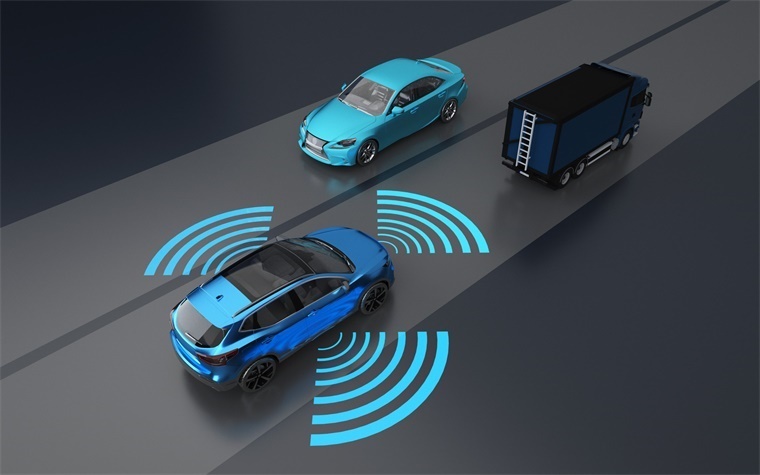
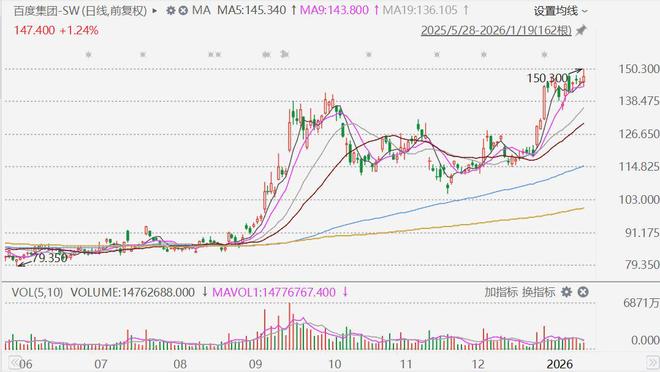
Core Viewpoint - Baidu Group-SW (9888.HK) experienced a notable stock price increase, reaching a high of 150.3 HKD, marking the highest level since August 2023, before closing at 147.4 HKD, up 1.24% [1] Group 1 - Baidu's subsidiary, Luobo Kuaipao, has officially launched a fully autonomous driving service for the public in Abu Dhabi in collaboration with UAE-based AutoGo [1] - This marks the first time Luobo Kuaipao has introduced a public-facing fully autonomous driving service overseas [1]
摸底GS重建在自动驾驶业内的岗位需求......
自动驾驶之心· 2026-01-19 09:04
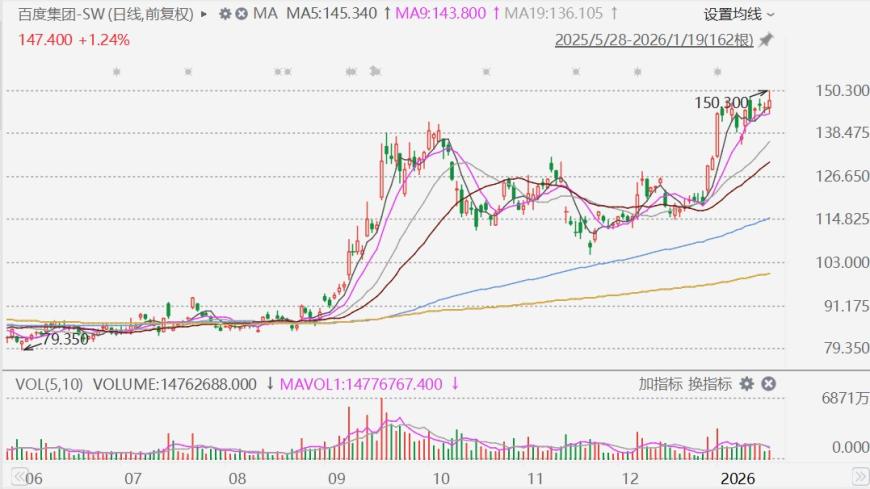
Core Viewpoint - The article discusses the growing demand for algorithm teams in the field of 3DGS (3D Geometric Scene) for autonomous driving, emphasizing the need for skilled professionals to support closed-loop simulation and scene reconstruction [2][3]. Group 1: Industry Demand and Job Roles - Companies are looking to hire 5-20 algorithm team members to support the optimization of closed-loop simulations [3]. - There is a specific need for cloud data production roles, such as static road surface reconstruction from a BEV perspective, indicating a growing market for these skills [3]. - The field is relatively new, making it challenging for beginners to find effective learning resources, highlighting a gap in the market for educational programs [3]. Group 2: Educational Initiatives - The article introduces a course titled "3DGS Theory and Algorithm Practical Tutorial," designed to provide a comprehensive learning path for 3DGS technology [3]. - The course covers various aspects of 3DGS, including background knowledge, principles, algorithms, and important research directions, aiming to equip participants with a solid understanding of the technology stack [8][9][10][11][12]. Group 3: Course Structure and Content - The course is structured into six chapters, starting with foundational knowledge in computer graphics and progressing to advanced topics like feed-forward 3DGS [8][9][10][11][12]. - Each chapter includes practical assignments and discussions to enhance understanding and application of the concepts learned [10][11][12]. - The course is set to begin on December 1st and will last approximately two and a half months, featuring offline video lectures and online Q&A sessions [15]. Group 4: Target Audience and Prerequisites - The course is aimed at individuals with a background in computer graphics, visual reconstruction, and programming, particularly those familiar with Python and PyTorch [17]. - Participants are expected to have a foundational understanding of probability and linear algebra, ensuring they can engage with the course material effectively [17].
港股异动丨百度逆势上涨创阶段新高,萝卜快跑与AutoGo在阿布扎比推全无人驾驶出行服务
Ge Long Hui· 2026-01-19 08:38
Core Viewpoint - Baidu Group's stock price increased against market trends, reaching a new high since August 2023, driven by the launch of its fully autonomous driving service in Abu Dhabi [1] Group 1: Stock Performance - Baidu's stock rose by 3.23% during trading, reaching 150.3 HKD, before closing up 1.24% at 147.4 HKD [1] Group 2: Business Development - Baidu's subsidiary, Luobo Kuaipao, partnered with UAE's AutoGo to officially launch a fully autonomous driving commercial operation for the public in Abu Dhabi [1] - This marks Luobo Kuaipao's first overseas launch of a public-facing fully autonomous driving service [1]
一个自驾算法工程师的具身智能思考
自动驾驶之心· 2026-01-19 03:15
Core Viewpoint - The relationship between autonomous driving and embodied intelligence is explored, highlighting that while they share technical similarities, their mass production challenges and development cycles differ significantly [1]. Generalization - Autonomous driving focuses on scene generalization, requiring a comprehensive understanding of current scenarios to make decisions, such as knowing when to brake or not based on the presence of obstacles [2]. - The current challenges in autonomous driving stem from insufficient scene recognition capabilities, leading to corner cases that complicate L2 assisted driving, as evidenced by incidents like Waymo's vehicle entering a gunfight scene [2]. Embodied Intelligence - Embodied intelligence emphasizes behavior generalization rather than being a generalist or social expert, focusing on robustly completing specific tasks under various disturbances [3]. - The commercial application of autonomous driving represents a terminal point, while embodied intelligence's application is more diverse, akin to branches growing from a tree [4][5]. Commercial Viability - The commercial rollout of autonomous driving is fraught with challenges, as it aims to replace a single scenario (from point A to B) with high safety requirements, resulting in high R&D barriers and strong reusability [5]. - The commercial landscape for autonomous driving has seen ups and downs, with companies like Cruise halting operations due to frequent accidents, while others like Waymo and Baidu are gradually expanding their services [5]. - Tesla's L2 assisted driving has reignited interest in commercial applications, benefiting from the safety net provided by human drivers [5]. Application Scenarios - Embodied intelligence can find various commercial applications across different development stages, with existing industrial robots already operating on assembly lines and service robots showing promise in specific tasks [6]. - The safety constraints for embodied intelligence applications are relatively relaxed compared to autonomous driving, allowing companies to pursue application scenarios more aggressively [6].

华科&小米SparseOccVLA:统一的4D场景理解预测和规划,nuScenes新SOTA......
自动驾驶之心· 2026-01-19 03:15
Core Insights - The article discusses the development of SparseOccVLA, a new Vision-Language-Action model that effectively bridges the gap between Vision Language Models (VLMs) and Semantic Occupancy, addressing challenges in autonomous driving scenarios [2][3][32] Group 1: Model Development - SparseOccVLA utilizes a lightweight Sparse Occupancy Encoder to generate compact yet information-rich sparse occupancy queries, serving as the sole bridge between visual and language inputs [3][14] - The model integrates a language model-guided Anchor-Diffusion planner, which features decoupled anchor scoring and denoising processes, significantly enhancing planning performance and stability [3][20] Group 2: Performance Metrics - SparseOccVLA demonstrates superior performance in various benchmarks, achieving a 7% relative improvement in the CIDEr metric on the OmniDrive-nuScenes dataset compared to the current best methods [3][23] - In the Occ3D-nuScenes dataset, SparseOccVLA also surpasses state-of-the-art performance in future occupancy prediction [24] Group 3: Technical Challenges - Traditional VLMs face issues such as token explosion and limited spatiotemporal reasoning capabilities, while Semantic Occupancy models struggle with dense representations that are difficult to integrate with VLMs [4][9] - The article highlights the limitations of existing methods in effectively combining VLMs and occupancy models, which have developed independently in the autonomous driving field [4][11] Group 4: Experimental Results - The experimental results indicate that SparseOccVLA requires significantly fewer tokens (as low as 300) to achieve competitive performance compared to methods that require over 2500 tokens, ensuring efficient inference [23] - The model's ability to recognize both tangible objects and non-geometric elements, such as traffic lights and lane markings, is attributed to its end-to-end design that retains visual signals from the original images [31]