茶饮

Search documents
霸王茶姬第三季度海外GMV大涨75%,门店数量达7338家
Nan Fang Nong Cun Bao· 2025-12-01 14:07
Core Viewpoint - Bawang Chaji reported significant growth in overseas GMV, with a 75% increase, while facing challenges in the domestic market, leading to a mixed financial performance in Q3 2025 [1][31]. Financial Performance - As of September 30, 2025, Bawang Chaji's total GMV reached 79.30 billion yuan, with net revenue of 32.08 billion yuan and an adjusted net profit of 5.03 billion yuan [3][12]. - The company has achieved profitability for 11 consecutive quarters [5]. - Revenue increased from 4.92 billion yuan in 2022 to 46.4 billion yuan in 2023, and is projected to grow by 167% to 124.06 billion yuan in 2024 [6]. - Net profit turned positive in 2023, reaching 8 billion yuan, and is expected to rise to 25.15 billion yuan in 2024, a year-on-year increase of over 213% [7][8]. - For the first three quarters of 2025, total revenue reached 99.33 billion yuan, accounting for 80% of the projected full-year revenue for 2024, with net profit at 18.01 billion yuan, representing 71.6% of the expected annual figure [9][10]. Market Challenges - Despite the overall profitability, Q3 revenue declined by 9.4% year-on-year, and net profit fell by 22.3% [12][13]. - Domestic GMV decreased by 6.16% to 76.29 billion yuan, with franchise store revenue down 14.77% to 28.12 billion yuan [18][19]. - Active membership dropped by 21.26% to 35.2 million [19]. Competitive Landscape - The decline in domestic performance is attributed to intensified competition from food delivery platforms, leading to price wars in the market [21][22]. - Bawang Chaji maintained its pricing strategy, with core products priced starting at 16 yuan, which may have led to a temporary loss of price-sensitive customers [23][24]. Product Development - The slow pace of new product launches has further contributed to the decline in GMV, with fewer than 10 new products introduced this year compared to over 30 by competitors [26][28]. Overseas Expansion - In contrast to domestic challenges, Bawang Chaji's overseas GMV surged by 75.3% to over 3 billion yuan, marking a significant growth engine for the company [31][33]. - The company opened 54 new overseas stores in Q3, expanding into the Philippines and Vietnam, bringing the total overseas store count to 262 [34][35]. - The overseas market is becoming increasingly competitive, with other brands also expanding into the U.S. market, indicating a broader trend of Chinese tea brands seeking international growth [38][41].


让娃哈哈能每小时产54000瓶的狠人,去古茗管供应链了
3 6 Ke· 2025-12-01 11:52
Core Insights - The appointment of Pan Jiajie as Senior Vice President of Supply Chain at Guming signifies a strategic move to enhance supply chain capabilities in the competitive tea beverage industry [1][12][14] Company Overview - Guming has established a competitive advantage in its supply chain, particularly in the challenging fresh fruit tea segment, with a robust infrastructure and operational capabilities [8][10] - The company has built the largest cold chain storage and logistics network among domestic ready-to-drink tea brands, ensuring high coverage and efficiency in distribution [10][11] Industry Context - The tea beverage industry is entering a phase of stock competition, with overall store growth stagnating and product differentiation becoming increasingly difficult [12][14] - Supply chain efficiency and stability are becoming critical for maintaining profit margins and supporting further expansion in a price-competitive market [12][14] Pan Jiajie's Background - Pan Jiajie has extensive experience in the beverage industry, having worked at Wahaha since 1994 and held various key positions, culminating in his role as Vice President [4][6] - His expertise includes improving production efficiency, stabilizing product quality, and optimizing costs, which are essential for Guming's current operational needs [7][13] Strategic Implications - The introduction of Pan Jiajie aligns with Guming's goal to expand to 20,000 stores by 2027, necessitating deeper cost control and enhanced operational resilience [12][13] - His experience in cost optimization and systematic operations management is expected to help Guming navigate the complexities of a larger supply chain network [13][14]
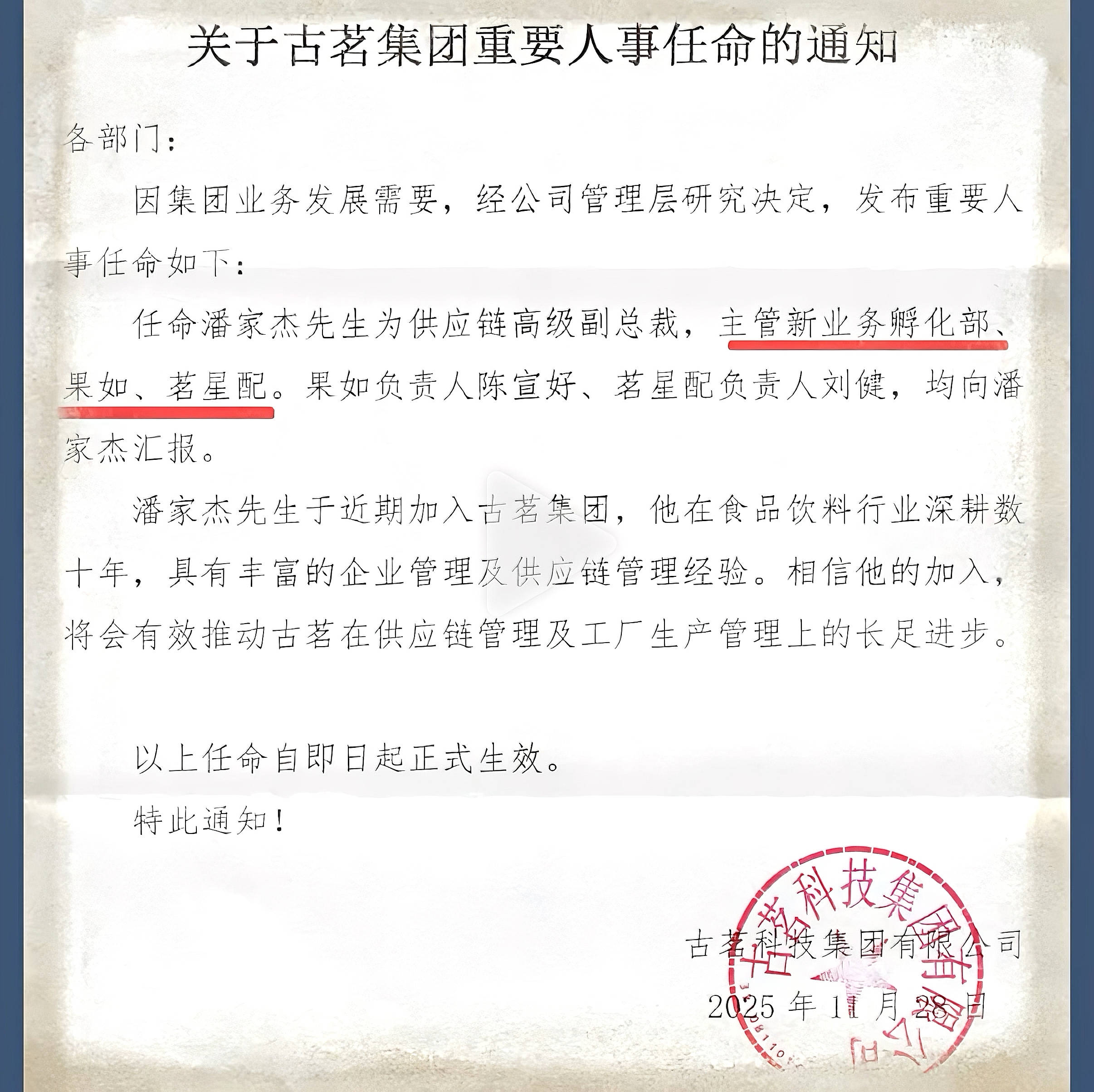
娃哈哈“老臣”潘家杰已加入古茗,主管供应链
Xin Lang Cai Jing· 2025-12-01 11:50
公开信息显示,潘家杰1994年加入娃哈哈,2004年任娃哈哈供应部副部长,2015年任娃哈哈集团物资供 应部部长。2019年,潘家杰从娃哈哈集团副总裁职位升为娃哈哈集团副总经理,负责娃哈哈集团的整体 运营工作。在娃哈哈内部,潘家杰是核心管理层,且在集团多年,被内部员工视作"老臣"。 责任编辑:何俊熹 新浪财经"酒价内参"重磅上线 知名白酒真实市场价尽在掌握 12月1日,新浪财经从知情人士处获悉,原娃哈哈集团董事、常务副总经理潘家杰,近日已加入古茗担 任供应链高级副总裁,主管新业务孵化部、果如、茗星配。果如负责人陈宣好、茗星配负责人刘健,均 向潘家杰汇报。 ...
外卖买奶茶必须点一堆小料和面巾纸商家才肯送,1点点蜜雪冰城们学奢侈品搞上“配货”了?
3 6 Ke· 2025-12-01 07:56
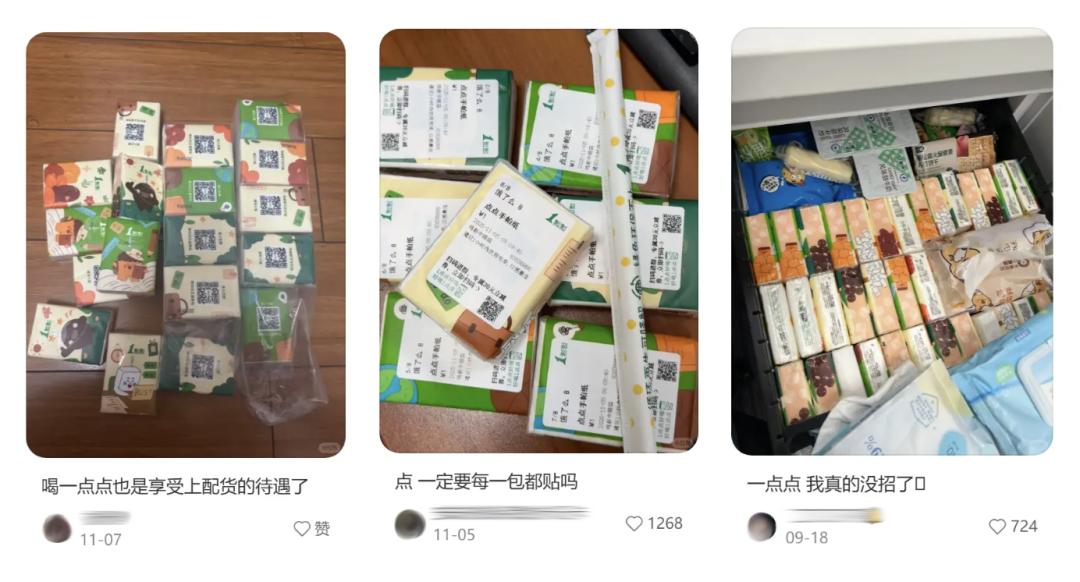
Core Insights - The phenomenon of "milk tea配货" (matching orders) has evolved from a criticized practice to a necessary skill for consumers, particularly in the context of rising delivery thresholds and costs [1][2][28] Group 1: Delivery Thresholds and Consumer Behavior - The delivery thresholds for milk tea have increased, with many brands now requiring minimum orders of 20 to 25 yuan, making it difficult for individuals to order single cups [1][19][25] - Consumers are increasingly forced to purchase additional items, such as handkerchiefs, to meet these thresholds, leading to a situation where they buy items they do not necessarily need [4][16][21] - The trend of "配货" has become common across various brands, with many offering low-cost items to help customers reach the minimum order amount [19][28] Group 2: Brand Strategies and Market Dynamics - Brands like 一点点 (Yidiandian) have introduced handkerchiefs as a low-cost item to help customers meet delivery thresholds, which has been well-received by consumers [4][6][10] - The pricing strategy for handkerchiefs is designed to be straightforward, avoiding complex pricing that could confuse consumers [8][14] - Despite the popularity of handkerchiefs, there are complaints about their quality, indicating that while they serve a purpose, they are not necessarily a premium product [10][30] Group 3: Financial Implications for Brands - The increase in delivery thresholds is partly a response to the shrinking profit margins for milk tea brands due to high competition and delivery costs [28][34] - Brands are facing rising costs, with delivery fees increasing significantly, which impacts their overall profitability [30][34] - The need to set higher delivery thresholds is a strategy to ensure profitability amidst rising operational costs and competitive pricing [35][37]
异动盘点1201 | 亨得利复牌后涨超10%,铜业股集体走强;美股加密货币概念股普涨,白银股上涨
贝塔投资智库· 2025-12-01 04:05
Group 1: Stock Movements and Market Reactions - Hengdeli (03389) resumed trading and rose over 10% after announcing a voluntary cash offer at HKD 0.14 per share for all issued shares, excluding those already owned by the offeror and Mr. Feng Jiaqiao [1] - Anjuke Food (02648) increased nearly 5% following a report from Huachuang Securities after attending its 2025 first extraordinary general meeting, where management addressed operational and product channel strategies [1] - Copper stocks collectively surged, with Jiangxi Copper (00358) up 8.08%, China Daye Nonferrous Metals (00661) up 8.6%, and others, driven by a significant rise in LME copper futures, which exceeded USD 11,200, marking a historical high [1] Group 2: Industry-Specific Developments - Lichun Resources (02245) rose over 3% as reports indicated a major Chinese-controlled nickel smelter in Indonesia is cutting production due to tailings management issues [2] - Yuhua Education (06169) saw a nearly 1.89% increase after reporting a revenue of RMB 2.497 billion for the year ending August 31, 2025, a 5.4% year-on-year increase, with adjusted net profit rising 95.6% to RMB 914 million [2] - Jiantao Laminates (01888) increased nearly 7% as AI-driven demand for high-end PCBs surged, leading to price increases for key materials [2] Group 3: Strategic Partnerships and Collaborations - ZTE Corporation (00763) rose over 11% following reports of an upcoming AI phone launch in collaboration with ByteDance [2] - JD Health (06618) increased nearly 4% as demand for respiratory disease testing kits surged with the flu season, indicating a growing market for health-related products [3] - Xindong Company (02400) rose over 3% after announcing a strategic cooperation agreement with Golden Arc, including a financing agreement for USD 40 million [3] Group 4: Financial Performance Highlights - Bawang Tea (CHA.US) rose 6.09% after reporting Q3 results with a total GMV of RMB 7.93 billion and net income of RMB 3.208 billion, with overseas GMV increasing by 75.3% year-on-year [7]

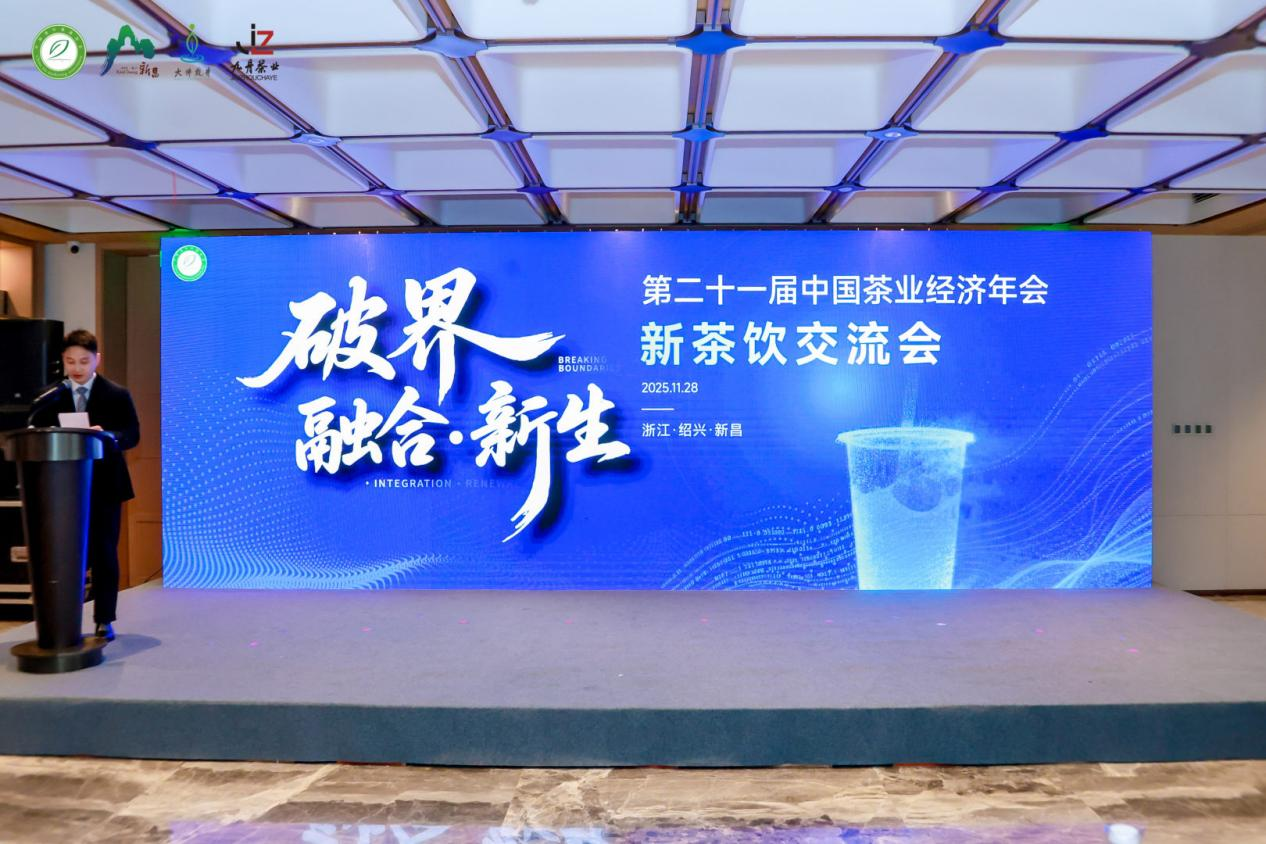
茶饮跃迁迎新势,破界融合焕新生——第二十一届中国茶业经济年会新茶饮交流会成功举办
Zhong Guo Jin Rong Xin Xi Wang· 2025-12-01 03:54
Core Insights - The 21st China Tea Economy Annual Conference focused on the theme "Breaking Boundaries, Integration, and Rebirth," gathering representatives from new tea beverage brands, supply chain companies, research institutions, and industry experts to discuss innovation and international expansion in the tea industry [2][19] - The event highlighted the transformation of traditional tea consumption towards multi-scenario and experiential approaches, emphasizing the importance of collaboration in driving the tea industry's value [3][10] Industry Trends - The new tea beverage sector is experiencing a shift from single product competition to collaborative innovation across the entire industry chain, which is crucial for high-quality development and integration with new consumer trends [10][19] - The conference featured reports from key industry figures, including the founder of Gu Ming and representatives from Nestlé and the Chinese Academy of Agricultural Sciences, showcasing the latest advancements in raw material application, flavor development, and supply chain integration [10][11] Cultural and Educational Initiatives - The launch of the book "New Style Tea Beverage: Eastern Flavor" represents a significant step in summarizing theoretical and practical aspects of the new tea beverage industry, highlighting the collaborative efforts of various brands and organizations [13][15] - The book aims to present the innovation logic and cultural expressions of the Chinese new tea beverage industry, providing valuable insights for future development [13][15] Collaborative Efforts - The event served as a platform for deep exchanges among industry leaders, focusing on cultural expression, supply chain efficiency, and international development directions for new tea beverages [17][19] - The China Tea Circulation Association plans to continue fostering innovation and collaboration within the industry to enhance the quality and global presence of Chinese tea culture [19]

霸王茶姬20251128
2025-12-01 00:49
Summary of BaWang Tea Ji Conference Call Company Overview - **Company**: BaWang Tea Ji - **Industry**: Beverage (Tea) Key Financial Performance - **Net Revenue**: 50.028 billion RMB under non-GAAP, with a net profit margin of 15.7% [2][3] - **Total GMV**: 79.295 billion RMB for Q3 2025 [3] - **Total Net Income**: 32.08 billion RMB for Q3 2025, a decrease of 9.4% year-over-year and 3.7% quarter-over-quarter [3][9] - **Gross Profit**: 17.265 billion RMB with a gross margin of 53%, an improvement from 50% year-over-year [4][9] Market Expansion - **Global Store Network**: Expanded to 7,300 stores, with 300 new stores added in Q3 2025, including 54 overseas [2][3] - **Overseas Market Growth**: GMV increased by 75.3% year-over-year and 27.7% quarter-over-quarter to 3.003 billion RMB [2][7] - **New Markets**: Successfully entered the Philippines and Vietnam, with ongoing expansions in Malaysia, Thailand, and Indonesia [2][7] Product Innovation - **New Product Launches**: Plans to introduce low-caffeine jasmine green tea latte, expected to be a top seller [2][4] - **Awards**: BoYa Jasmine Green Milk Tea won the 2025 World Beverage Innovation Award for Best Natural or Organic Drink [4] - **Regional Product Strategy**: PG Oolong Milk Tea performed well, validating the effectiveness of regional product strategies [5] Membership and Franchise Network - **Registered Members**: Total of 222 million members as of Q3 2025, an increase of 15 million quarter-over-quarter and 36.7% year-over-year [2][6] - **Franchise Stability**: Store closure rate maintained at a low of 0.3% for three consecutive quarters, indicating strong confidence among franchise partners [6] High-Quality Development Strategy - **Strategic Focus Areas**: - **Brand**: Upgrading brand and launching themed stores - **Product**: Implementing Product 4.0 upgrades to enhance quality and core ingredients - **Experience**: Innovating across categories and reshaping the membership system - **Channel**: Expanding global network and promoting flagship store development [2][8] Additional Insights - **Domestic Market Performance**: In the Asia-Pacific region, net revenue was 32.083 billion RMB, with franchise tea shop revenue accounting for 87.6% and self-owned tea shop revenue growing by 63.8% to 3.967 billion RMB [4][9] - **Challenges**: Despite the overall decline in the Greater China region's GMV by 6.2% to 76.292 billion RMB, the company continues to show resilience and growth in overseas markets [4][9]
价格战打不死霸王茶姬
3 6 Ke· 2025-12-01 00:20
前段时间,一份忧喜参半的财报,给上市半年的霸王茶姬浇了盆冷水。 一边是收入规模与盈利能力出现下滑。今年三季度,霸王茶姬营收同比下滑9.4%,经调净利润同比下降22%。 另一边,部分经营指标却稳中有升,其闭店率连续三季度保持0.3%[1],远低于行业2%-10%;注册会员数同比增长36.7%至2.2亿,今年前三季度累计增加 了4500万名新会员。 即使是放在热点不断的新式茶饮市场,霸王茶姬都是相当特别的存在。它曾用最短的时间跻身全国前三大营收规模的茶饮品牌,是六大新茶饮公司里,唯 一选择在纳斯达克上市,挑战苛刻的华尔街的那一个。 这种特殊性赋予了其远超于同行的市场关注度。财报发布后,霸王茶姬遭遇的诘问总结起来就一句话——高增长的时代是否已经结束? 但如果拆解霸王茶姬的财报与其这一年的业务动作,会发现一个截然不同的答案。 不打价格战 今年上半年,六大茶饮上市公司的收入总额超过300亿,占整个茶饮市场规模近十分之一。 茶饮市场已经进入饱和的存量竞争阶段。前一年各茶饮企业都曾出现单店收入/GMV增速赶不上门店增速的情况,好在今年有外卖大战,为失速边缘的茶 饮行业兜了一次底。 同行的快反衬出了霸王茶姬的慢。今年其开店计 ...

外卖大战影响下 霸王茶姬三季报营收、净利双降 董事长曾表示不打“价格战”
Sou Hu Cai Jing· 2025-11-30 06:55
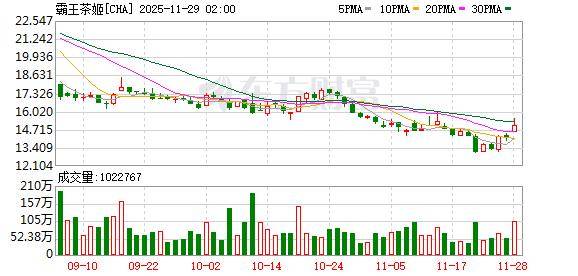
Core Insights - Bawang Chaji (CHA.US) reported a decline in both revenue and net profit for Q3, with revenue at 3.208 billion yuan, down 9.4% year-on-year, and net profit at 394 million yuan, down 35.77% year-on-year [2] - The company's GMV (Gross Merchandise Volume) also decreased, reaching 7.93 billion yuan, a decline of 4.48% year-on-year [2] Domestic Market Performance - The domestic market showed weak performance, with GMV in China at 7.629 billion yuan, down 6.16% year-on-year [2] - Franchise store revenue fell to 2.812 billion yuan, a decrease of 14.77% year-on-year [2] - The number of active members dropped to 35.2 million, down 21.26% year-on-year [2] International Market Performance - The international business was a highlight, with GMV reaching 300 million yuan, a growth of 75.28% year-on-year [2] - The company added 54 new overseas stores, bringing the total to 262, with operations in seven countries including Malaysia, Singapore, and the USA [2] - However, international operations only accounted for 3.79% of total GMV [2] Competitive Landscape - Bawang Chaji attributed the domestic performance decline to intensified subsidy competition among food delivery platforms [3] - The company has refrained from participating in the "takeout war," maintaining a single product price around 20 yuan, while competitors have reduced prices significantly [3] - The company has slowed its product launch pace, introducing fewer than 10 new products since 2025, which is atypical in the fast-paced beverage industry [3] Future Strategy - The CEO emphasized a commitment to not engage in price wars and to focus on high-value brand strategies, technological innovation, and operational efficiency [3] - Plans to enrich the product matrix and launch a 4.0 menu to explore new consumption scenarios and enhance specialty stores were announced [3] Financial Actions - Bawang Chaji will issue its first cash dividend, distributing approximately 177 million USD [3] - As of November 28, the stock price was 14.99 USD per share, reflecting a 6.09% increase [3]
原娃哈哈常务副总经理潘家杰入职古茗,担任供应链高级副总裁 | 独家
36氪未来消费· 2025-11-29 12:23
Core Insights - The article discusses the recent appointment of Pan Jiajie as the Senior Vice President of Supply Chain at Guming, highlighting the company's ongoing expansion needs and strategic focus on supply chain management [4][6]. Group 1: Leadership Changes - Pan Jiajie, formerly a senior executive at Wahaha Group, has joined Guming to oversee new business incubation and supply chain operations [4]. - His extensive experience in supply chain management at Wahaha, where he held various leadership roles, is expected to benefit Guming as it continues to grow [5][6]. Group 2: Company Performance and Strategy - Guming has achieved the highest growth rate among six newly listed tea beverage companies in the first half of the year [6]. - The company plans to expand its brand store count by no less than 3,000 by 2025, with a target of reaching 20,000 stores by 2027 [6][7]. - Guming's strategy focuses on maximizing regional density and leveraging supply chain advantages to maintain cost control while rapidly introducing new products [6]. Group 3: Market Position and Challenges - Guming's expansion into first-tier cities is anticipated as a natural progression, necessitating the recruitment of more supply chain talent [7]. - Wahaha Group is currently facing internal turmoil due to ownership disputes and trademark issues, leading to a significant reduction in its workforce [7].