
零售

Search documents
全球大公司要闻 | 苹果Siri迎革命性升级,小米汽车业务实现盈利
Wind万得· 2026-03-25 01:05
Group 1 - Xiaomi Group reported a record revenue of 116.917 billion yuan for Q4 2025, a year-on-year increase of 7.3%, with adjusted net profit of 6.349 billion yuan, down 23.7% [2] - For the full year 2025, Xiaomi's total revenue reached 457.287 billion yuan, up 25% year-on-year, and adjusted net profit was 39.2 billion yuan, an increase of 43.8%, both hitting new highs [2] - Xiaomi's automotive business achieved annual profitability for the first time, with an operating profit of 900 million yuan [2] - The company plans to invest over 200 billion yuan in R&D over the next five years, and there may be potential product price increases due to unexpected memory price hikes [2] Group 2 - ARM plans to sell its own chips for the first time, aiming for annual sales of $15 billion in the AI sector within five years [3] - Li Auto's board approved a share repurchase plan of up to $1 billion, reflecting strong confidence in its strategic roadmap and future value creation [3] - Apple is upgrading its Siri voice assistant and testing a standalone Siri app, with a new version expected to be unveiled at the June 8 global developer conference [3] Group 3 - Alibaba's DAMO Academy launched the new flagship CPU, Xuantie C950, which achieved a score of over 70 in the SPECint2006 benchmark, setting a new record for RISC-V CPUs [6] - Nongfu Spring reported a total revenue of 52.553 billion yuan for 2025, a year-on-year increase of 22.5%, with net profit attributable to shareholders of 15.868 billion yuan, up 30.9% [6] - China Telecom achieved a net profit of 33.2 billion yuan for 2025, a slight increase of 0.5%, with strong growth in its digital industry business [6] Group 4 - Haidilao reported a revenue of 43.225 billion yuan for 2025, a year-on-year increase of 1.1%, but core operating profit decreased by 13.3% [8] - JD.com made progress in AI research and development, open-sourcing its foundational model JoyAI-LLM Flash, which performed well in 19 authoritative benchmark tests [7] Group 5 - OpenAI's valuation reached $730 billion after a new round of financing, with plans to raise an additional $10 billion from investors [10] - Microsoft partnered with NVIDIA to develop AI tools for the nuclear energy sector and expanded its AI infrastructure by leasing data centers [10] - Amazon acquired Fauna Robotics to enter the consumer humanoid robot market and plans to launch Robotaxi services later this year [11] Group 6 - Nintendo reduced its production target for the Switch 2 game console to 4 million units due to lower-than-expected sales, particularly in the U.S. market [13] - Samsung Electronics achieved over 60% yield in its 2nm process technology, comparable to TSMC [13] - Toyota completed its acquisition of Toyota Industries, which will accelerate its electrification transformation [13]






8点1氪:美国提出15点结束冲突方案,拟停火1个月;张雪峰因心源性猝死抢救无效去世;Token中文名定了:词元
36氪· 2026-03-25 00:22
Group 1 - The U.S. government is considering a one-month ceasefire proposal to facilitate negotiations on a 15-point plan to end the conflict with Iran, which includes demands for Iran to dismantle its nuclear capabilities and cease support for regional allies [3][4] - The proposal suggests that Iran could receive comprehensive relief from international sanctions and support for its civilian nuclear program in exchange for compliance with U.S. demands [4] - The plan is being promoted by advisors to former President Trump, including Jared Kushner and Steve Witkoff [4] Group 2 - The international oil prices have continued to rise, with Brent crude surpassing $100 per barrel, increasing by 4.63%, and WTI crude rising by 4.19%, nearing $92 per barrel [12] - The number of commercial vessels passing through the strategically important Strait of Hormuz has dropped by 95% since the outbreak of the conflict, indicating significant disruptions in global energy transport [18] Group 3 - Arm Holdings Plc plans to sell its own chips for the first time, aiming to generate approximately $15 billion in annual revenue within five years, with Meta Platforms as its first major customer [9] - Xiaomi Group reported a revenue of 457.29 billion yuan for 2025, marking a 25% year-on-year increase, with a net profit of 39.17 billion yuan, up 44% [24] - The Chinese cosmetics market is projected to exceed 1 trillion yuan by 2025, with domestic brands accounting for nearly 60% of the market share [8] Group 4 - Meituan's customer service addressed issues regarding the automatic deletion of user photos on its app, attributing the problem to conflicts with third-party SDKs and assuring users that their data privacy was not compromised [7] - The price of gold jewelry has been affected by fluctuations in international gold prices, with brands like Chow Tai Fook delaying price adjustments due to recent declines [7] Group 5 - The Chinese electric vehicle market is experiencing a surge in sales, driven by rising oil prices, with over 1.5 million companies related to electric vehicles currently operating in China [34] - The number of registered electric vehicle-related companies in China has shown a consistent upward trend, with significant increases in registration numbers over the past few years [34]






国泰海通 · 晨报260325|策略、交运、批零社服
国泰海通证券研究· 2026-03-24 14:00
Historical Review - The oil crisis typically begins with geopolitical conflicts and escalates due to anticipated disruptions in oil supply, driven by factors such as production cuts, embargoes, and sanctions, resulting in short-term price spikes and a long-term upward shift in price levels [2] - The macroeconomic impact often leads to inflation followed by stagnation or stagflation; the 1970s oil crisis and the Russia-Ukraine conflict both caused inflationary pressures in the U.S., but the economy in the 1970s fell into recession and stagflation, while in 2022, only a technical recession occurred, remaining at a level of real inflation [2] - Market narratives have evolved, reflecting a learning effect; the crises of the 1970s shifted from valuation model failures and wage-inflation spirals to a focus on real assets and supply-side reforms, while 2022 centered around Federal Reserve tightening policies and energy transitions [2] - Asset performance during crises shows that commodities like oil benefit directly, while gold reflects pre-war risk aversion and post-war trends depend on the dollar and U.S. Treasury yields; equities face valuation pressures, particularly in growth sectors, while bonds initially decline due to risk aversion but may rise with inflation expectations [2] Comparison of Past and Present - Similarities include the current position of the U.S. inflation cycle and concerns about debt vulnerabilities extending to developed economies like Japan [3] - Differences lie in the foundation of global economic growth, with current inflation levels at historical lows, central bank policies focusing more on price stability, and reduced reliance on oil due to improved energy efficiency [3] - These similarities and differences reshape current asset pricing logic, with global central banks having more mature tools to control inflation, though the risk of stagflation remains a concern [3] Lessons from History - The uncertainty surrounding the prospects of U.S.-Iran-Israel conflicts has led to a significant rise in oil prices, with a strong consensus on inflation but divided opinions on stagnation; asset price volatility has increased due to the unpredictable nature of conflicts and policy paths [4] - Since the conflict began in late February, asset performance has aligned closely with historical patterns, favoring oil, energy stocks, and defensive assets, indicating high market risk aversion and a shift in trading logic from "secondary inflation" to "stagflation" expectations [4] - Future investment strategies should focus on areas with stronger certainty, including strategic security in energy and supply chains, technology sectors aligned with future industry trends, and gold as a long-term beneficiary of weakened dollar credibility [4]

8点1氪:13年来首次,国家对油价临时调控;影石回应被大疆起诉;雷军称小米新一代SU7锁单超过3万台
36氪· 2026-03-24 01:19
Core Viewpoint - The article discusses the first temporary price control on domestic gasoline and diesel in China since the implementation of the current pricing mechanism in 2013, triggered by a surge in international oil prices due to geopolitical tensions [4][5]. Group 1: Oil Price Adjustment - The National Development and Reform Commission announced a temporary adjustment to domestic fuel prices starting from March 23, 2023, due to significant increases in international oil prices, particularly from the Middle East [4]. - The price adjustment will see gasoline and diesel prices increase by approximately 0.87 yuan and 0.95 yuan per liter, respectively, which is less than the increase that would have occurred without the intervention [4]. - This measure aims to alleviate the burden on downstream users and ensure stable economic operations and social welfare [4][5]. Group 2: Economic Implications - Experts believe that this timely action by the government is crucial for maintaining stable economic operations in the face of rising international oil prices [5]. - The adjustment reflects the government's commitment to managing economic stability amid external pressures, particularly from the ongoing conflict in the Middle East [5]. Group 3: Market Oversight - The National Development and Reform Commission will guide fuel production and sales companies to ensure market supply and will enhance market supervision to prevent violations of the national pricing policy [4].

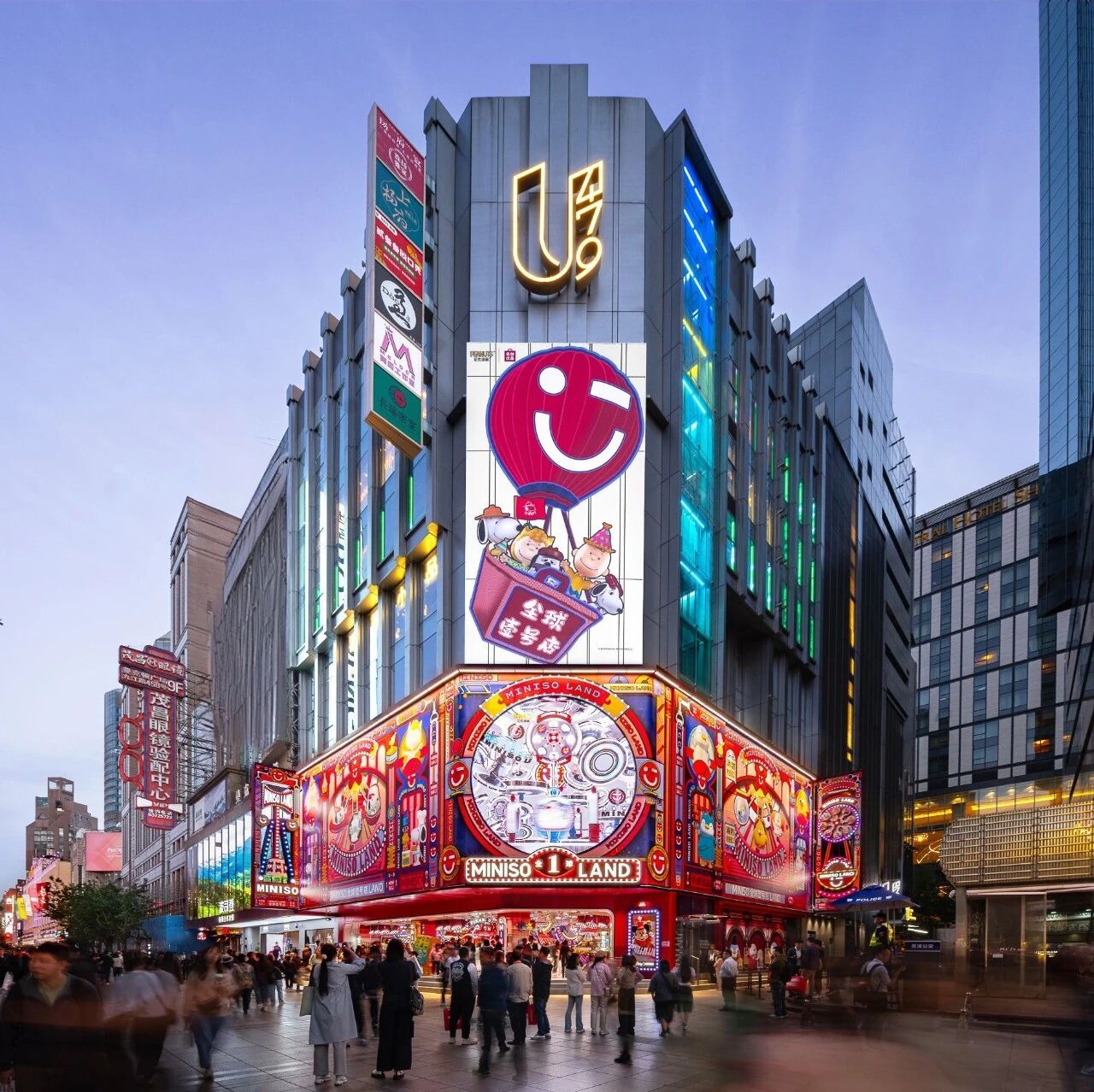
营收暴涨26%,利润却腰斩:名创优品到底做错了什么?
美股研究社· 2026-03-23 12:32
Core Viewpoint - The financial report of Miniso reveals a significant contrast between revenue growth and profit decline, indicating a potential transformation in its growth model from pure retail to a mixed capital-retail entity [1][2][16]. Group 1: Financial Performance - Miniso reported a revenue of 21.4 billion yuan, representing a year-on-year growth of approximately 26%, which is notable in the current retail environment [1]. - However, net profit plummeted by nearly 50%, raising concerns about the sustainability of its growth [1][5]. - The profit decline is attributed primarily to investment losses related to Yonghui Supermarket, indicating that the core retail business remains intact [5][6]. Group 2: Strategic Transformation - The financial report suggests that Miniso is transitioning from a "pure retail" model to a "capital + retail" mixed model, which introduces new uncertainties and reshapes market pricing logic [2][5]. - Historically, Miniso's success was driven by an efficient supply chain, rapid turnover, and high-cost performance, focusing on efficiency rather than capital [5][11]. - The shift towards investment activities, such as the stake in Yonghui Supermarket, indicates a strategic move to secure stable offline traffic and supply chain synergies [5][6]. Group 3: Market Valuation and Investor Sentiment - The market has begun to reassess Miniso's valuation, reflecting concerns over the company's future profitability and the impact of investment losses on its financial stability [7][9]. - Investors typically categorize retail companies into two valuation types: stable cash flow companies and growth expansion companies. Miniso has historically been viewed as a growth expansion company, but the recent profit fluctuations challenge this perception [8][9]. - The introduction of investment losses complicates the valuation process, leading to potential "diversification discounts" as investors struggle to separate the core retail business from investment activities [8][9]. Group 4: Structural Changes and Future Outlook - Three structural changes are critical for Miniso's future: the nature of its revenue growth, the complexity of its profit generation, and the potential distraction from its core business due to investment activities [11][12]. - The 26% revenue growth raises questions about whether it is driven by natural store growth or aggressive expansion strategies, which may not be sustainable in the long term [12]. - The company's profitability model is evolving, introducing uncertainties that could distort net profit figures and affect cash flow stability [13][14]. - Miniso's international expansion efforts could either enhance its growth trajectory or dilute focus and resources, posing risks to its operational efficiency [14][16]. Conclusion - Miniso's financial report indicates a shift from a high-certainty retail company to one with increased uncertainty due to its mixed business model [16][17]. - The market is now evaluating whether Miniso can maintain its growth trajectory while managing the complexities introduced by its investment strategies [17][18].

社服零售行业周报:1-2月服务消费较快增长,LABUBU电影正式官宣
HUAXI Securities· 2026-03-23 08:20
Investment Rating - The industry rating is "Recommended" [4] Core Insights - The service consumption market is experiencing rapid growth, with a total retail sales increase of 2.8% year-on-year in January-February, and a 3.7% increase in retail sales excluding automobiles [29][30] - The growth in service consumption is driven by policies aimed at expanding service consumption, leading to an increase in quality service supply and the emergence of new consumption formats [29][30] - The report highlights the potential for a turning point in the service industry, particularly in areas such as duty-free shopping, silver-haired tourism, and parenting consumption [3][49] Summary by Sections 1. Market Review - The consumer service index and retail index underperformed compared to the CSI 300 index, with declines of 3.01% and 5.02% respectively [11] - Key sub-sectors showed varied performance, with hotels increasing by 0.76% while restaurants and general retail saw declines of 5.30% and 5.59% respectively [11][15] 2. Industry & Company Dynamics 2.1 Industry News - The LABUBU movie, based on the popular IP THE MONSTERS, is being developed in collaboration with Sony Pictures, indicating a significant expansion of the brand into film [21] - New store formats in the tea beverage sector, such as Nai Xue's "Fiber Studio," are emerging to meet health-conscious consumer demands [20] 2.2 Industry Investment and Financing - Notable financing events include Chowbus raising $81 million in Series B funding to support Chinese restaurants in the U.S. market [22][26] - Lanestar, focusing on outdoor smart cooling technology, secured A+ round financing [22][26] 2.3 Key Company Announcements - Huazhu Group reported a revenue increase of 8.3% in Q4 2025, with a net profit growth of 35.1% [24] - China Duty Free Group achieved a revenue of 138.31 billion yuan in Q4 2025, marking a 2.81% increase [25] 3. Macroeconomic & Industry Data - The retail sales growth in January-February was supported by the long Spring Festival holiday, with urban and rural retail sales increasing by 2.7% and 3.2% respectively [29][30] - Online retail sales grew by 10.3%, accounting for 24.2% of total retail sales, indicating a strong shift towards e-commerce [30] 4. Investment Recommendations - Focus on high-growth sectors supported by policy and technology, including duty-free shopping, silver-haired tourism, and parenting consumption [3][49] - New consumption trends are expected to maintain their growth trajectory, with leading companies in sectors like trendy toys and health products positioned for growth [3][49]



社服零售行业周报:1-2月服务消费较快增长,LABUBU电影正式官宣-20260323
HUAXI Securities· 2026-03-23 06:49
Investment Rating - Industry rating: Recommended [4] Core Insights - The service consumption market is experiencing rapid growth, with a total retail sales increase of 2.8% year-on-year in January-February, and a 3.7% increase in retail sales excluding automobiles [1][31] - The growth in service consumption is driven by the continuous implementation of policies aimed at expanding service consumption, leading to an increase in quality service supply and the emergence of new consumption formats [1][31] - The report highlights the potential for a turning point in the service industry, driven by new policy demands in areas such as duty-free shopping, senior tourism, and childcare consumption [3][53] Summary by Sections 1. Market Review - The consumer service index and retail index underperformed compared to the CSI 300 index, with declines of 0.83% and 2.83% respectively [12] - The consumer service index decreased by 3.01%, while the retail index fell by 5.02% during the period [12] 2. Industry & Company Dynamics 2.1 Industry News - The LABUBU movie, based on the popular IP THE MONSTERS, is being developed in collaboration with Sony Pictures, marking a significant expansion of the brand into film [2][23] 2.2 Industry Financing - Notable financing events include Chowbus raising $81 million in Series B funding, focusing on the U.S. market for restaurant delivery [24][28] 2.3 Key Company Announcements - Huazhu Group reported a revenue of 6.5 billion yuan in Q4 2025, with a year-on-year increase of 8.3% [26] - China Duty Free Group achieved a revenue of 13.831 billion yuan in Q4 2025, reflecting a year-on-year growth of 2.81% [27] 3. Macro & Industry Data - The online retail sales grew by 10.3% year-on-year, accounting for 24.2% of total retail sales, indicating a strong trend towards e-commerce [32][31] - The jewelry market saw a 9.77% increase in gold consumption in Q4 2025, with significant growth in gold bars and coins [47][49] 4. Investment Recommendations - Focus on high-growth sectors supported by policies and technology, including duty-free shopping, senior tourism, and childcare consumption [3][53] - New consumption trends are expected to maintain their growth trajectory, with leading companies in sectors like trendy toys, tea beverages, and health products being highlighted as beneficiaries [3][53]
【政策解读】政策红利持续释放,零售行业迎来发展新机遇—《2026年政府工作报告》解读
Lian He Zi Xin· 2026-03-23 04:40
Investment Rating - The report indicates a positive outlook for the retail industry, driven by government policies aimed at boosting domestic consumption and enhancing consumer confidence [2]. Core Insights - The 2026 Government Work Report emphasizes the construction of a strong domestic market as a primary task, with a focus on implementing actions to stimulate consumption, which is crucial for the retail sector [2]. - The report highlights that the retail industry is expected to continue its recovery, although the pace and extent of recovery may vary across different formats, regions, and companies [2][11]. Demand-Side Policies - The report outlines that policies aimed at increasing residents' income and expanding personal consumption loans are expected to improve both consumer capacity and willingness to spend, thereby providing a solid foundation for retail market demand recovery [4]. - Data from the National Bureau of Statistics shows that China's total retail sales of consumer goods grew by 3.7% year-on-year in 2025, with significant growth in mid-to-high-end consumption categories [5]. Supply-Side Support - The report mentions that the government plans to support consumption upgrades through long-term special bonds and financial collaboration, which will enhance the operational quality of retail enterprises [6]. - The implementation of the "old-for-new" consumption policy has already benefited over 30 million people and generated sales of 204.5 billion yuan, indicating significant policy impact [7]. Market Expansion and Downstream Opportunities - The report discusses the government's initiative to create new consumption scenarios and stimulate the lower-tier market, which is expected to open up new growth spaces for the retail industry [8]. - The classification of the lower-tier market into core, growth, and basic areas allows for targeted strategies to enhance consumption potential in these regions [9][10]. Summary - The 2026 Government Work Report's systematic deployment around expanding domestic demand and boosting consumption is expected to improve the retail industry's development environment [11]. - The report anticipates that the retail sector will experience a warming trend, supported by steady recovery in consumer capacity, consumption upgrades, and the cultivation of new consumption scenarios [11].
日银三月议息按兵不动-中东冲突-油价冲击对日本市场的影响
2026-03-22 14:35
Summary of Key Points from the Conference Call Industry Overview - The focus is on the Japanese economy and the impact of high oil prices and geopolitical tensions in the Middle East on monetary policy and market dynamics [1][2][3]. Core Insights and Arguments - **Monetary Policy Outlook**: The Bank of Japan (BOJ) is expected to maintain its current interest rate policy, with potential rate hikes in April or June 2026. The likelihood of a June hike is favored due to a dovish committee stance and historical caution from Governor Ueda [1][4][5]. - **Impact of High Oil Prices**: Rising oil prices are expected to weaken domestic demand in Japan, leading to a more cautious BOJ approach. Conversely, the U.S. Federal Reserve is experiencing a drop in rate cut expectations due to inflation pressures [1][3][5]. - **Economic Recovery Drivers**: The recovery in Japan is shifting from consumer spending to corporate capital expenditure, driven by the AI industry revolution, which is expected to sustain macroeconomic growth above potential levels over the next two years [1][8]. - **Yen Depreciation**: The yen's safe-haven status is diminished due to high oil prices, with a critical intervention point at 160. Short-term fluctuations are influenced by geopolitical tensions and U.S. monetary policy [1][12][13]. - **Consumption Tax Cut**: A proposed consumption tax cut in 2027 could lower CPI by approximately 1.5 percentage points and provide a short-term GDP boost of about 0.2 percentage points, but it raises concerns about Japan's long-term fiscal stability [1][7]. Additional Important Content - **Investor Sentiment**: There is a divergence in expectations between domestic and foreign investors regarding BOJ policy adjustments, with domestic investors leaning towards a June hike due to concerns over domestic demand [4][5]. - **Oil Price Scenarios**: Three potential scenarios for oil prices are outlined: stabilization and gradual decline, prolonged high prices, and further spikes. Each scenario presents different implications for Japan's economic growth and inflation [6]. - **Sectoral Impact of Oil Prices**: A 10% increase in oil prices could reduce corporate profits by 1% to 1.25%, with varying effects across sectors. The Nikkei 225 index is projected to decline by approximately 8.4% for every 10% rise in oil prices [15][16]. - **Market Outlook**: Despite the oil price shock, there remains optimism for the Japanese stock market due to ongoing positive momentum from government policies and foreign investment inflows [16][17][18]. - **Valuation Perspective**: The current valuation of the Japanese stock market is seen as offering medium to long-term investment opportunities, especially if corporate governance and policy improvements continue [18].
轻工零售美妆-供给提质-需求升级
2026-03-22 14:35
Summary of Key Points from the Conference Call Industry Overview - The conference call focuses on the light industry retail beauty sector, highlighting trends in supply quality improvement and demand upgrades for 2026 [1][2]. Core Trends and Arguments - **Demand Trends**: - Emotional consumption is on the rise, driven by Generation Z, with a focus on emotional value as a core variable [1][7]. - K-shaped differentiation in consumption patterns, where rational consumption coexists with high-end recovery [8][9]. - Functional products are becoming dominant, with 61% of consumers attracted to brands due to unique product features [9]. - Increased preference for domestic brands, with 70% of consumers choosing them based on product strength rather than price [9][10]. - **Supply Innovations**: - Creation of new product categories, such as trendy toys and innovative beauty products, is driving demand [2][10]. - Development of new functionalities, like scented laundry detergents, has led to significant growth even in mature markets [11]. - Integration of AI technology, particularly in smart glasses and related supply chains, is seen as a key growth area [2][11]. Investment Opportunities - **Beauty and Aesthetic Medicine**: - The sector is transitioning from a high-growth phase to a weak recovery phase, with a focus on companies that can gain market share through management and brand strength [3][12]. - Key players include brands with strong brand positioning like Mao Geping and efficiency-driven companies like Proya and Shangmei [3][12][13]. - **Retail Sector**: - Traditional retail is undergoing transformation, with companies like "Fat Donglai" leading governance changes. These companies are expected to enter a performance recovery phase post-2026 [1][3]. - **Light Industry Manufacturing**: - Expected to benefit from a policy shift in real estate by 2026, with leading furniture companies maintaining growth during industry downturns [1][3]. Valuation and Market Conditions - The valuation of the sector is at historical lows, with a projected PE ratio of 10-20 times for 2026, indicating potential for capital inflow as market conditions improve [1][6]. Additional Insights - The consumer confidence index is recovering, suggesting that opportunities in the consumption sector will gradually be released in 2026 [5]. - The market is seeing a shift towards experience-based consumption, particularly in service sectors like tourism and new consumption formats [5]. - The online retail channel is growing faster than offline, but the gap is narrowing, indicating a potential balance in growth rates [5]. Conclusion - The light industry retail beauty sector presents multiple investment opportunities driven by evolving consumer preferences, supply innovations, and favorable market conditions. Key investment themes include emotional and functional consumption, technological advancements, and policy support for recovery [4][14].
