餐厅

Search documents
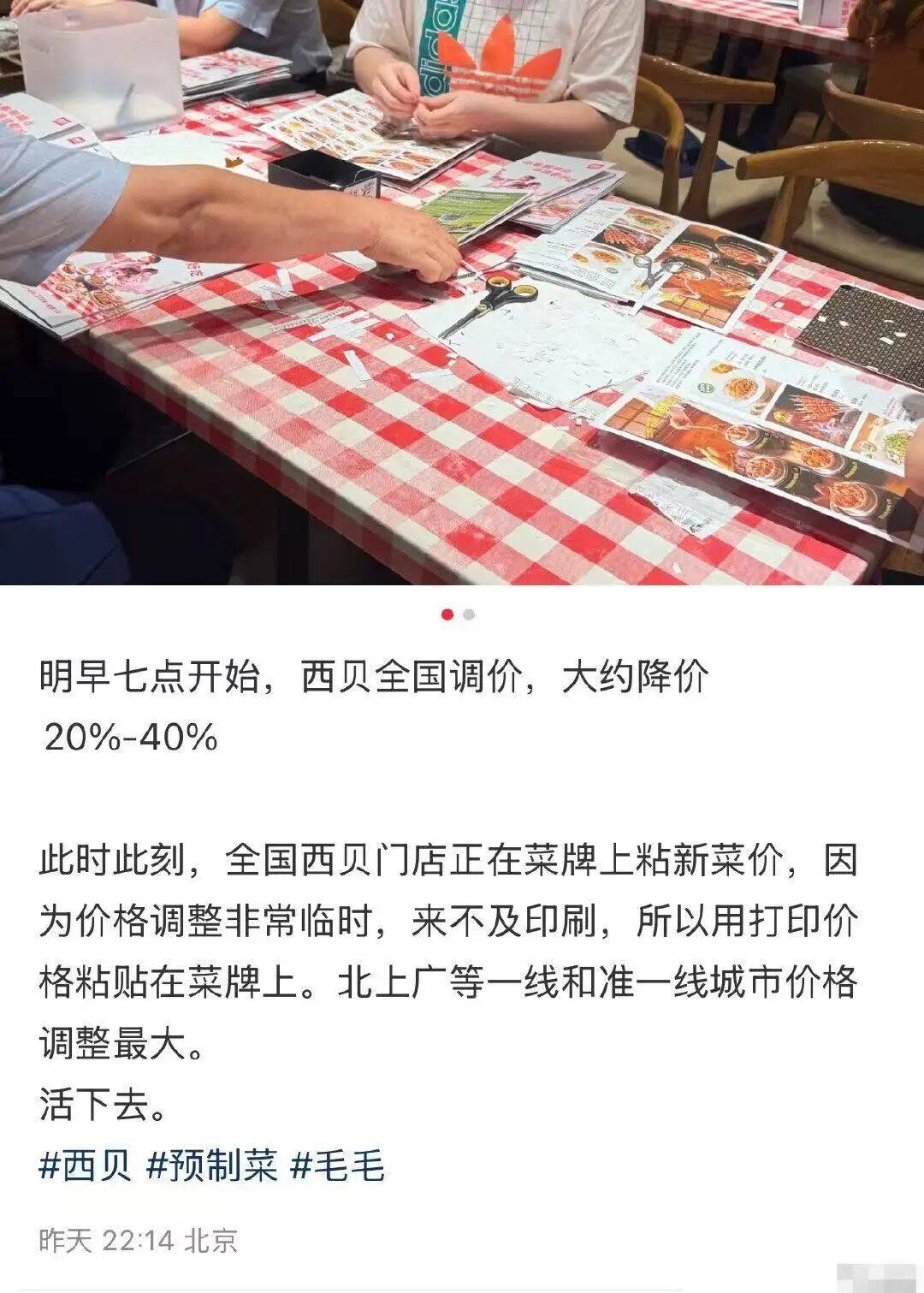
西贝大降价
Sou Hu Cai Jing· 2025-10-01 04:41
Core Insights - Xibei is facing a significant challenge and is attempting to implement measures for self-rescue amid recent controversies [1] Pricing Strategy - On October 1, Xibei will implement a substantial price adjustment across its nationwide stores, with price increases ranging from 20% to 40% [1] - The notification for the price change was sudden, leading to staff working to update old menus with new price tags [1] Menu Changes - A selection of dishes has seen varied price adjustments, with some items experiencing price reductions while others remain unchanged or have slight increases [5] - For example, the price of "葱香烤鱼" decreased from ¥89 to ¥79, reflecting an 11% reduction, while "鸡汤白玉山药炖豆腐" increased from ¥43 to ¥46, showing a 3% increase [5]

均价83元,高德扫街榜发布《国庆指南:全国TOP100餐厅》
Guo Ji Jin Rong Bao· 2025-09-30 06:04
Core Insights - The release of the "National Top 100 Restaurants" guide by Gaode coincides with the upcoming National Day holiday, highlighting popular dining options across China [1][2] - The guide emphasizes affordability, with an average price of 83 yuan per person for the listed restaurants, contrasting with typical luxury-focused food rankings [2][3] - Notably, the top-ranked restaurant is located in Beihai, Guangxi, showcasing local flavors and high customer engagement, with a score of 4.9 and significant online popularity [4] Summary by Categories Restaurant Distribution - A total of 45 cities across 31 provinces have restaurants featured in the guide, with Beijing leading with 11 entries [1] - Other notable cities include Changsha with 7 restaurants, Tianjin with 6, and Wuhan and Datong each with 5 [1] Pricing and Affordability - The average dining cost for the listed restaurants is 83 yuan, with options ranging from seafood to local snacks [2] - Specific examples include a seafood restaurant in Rizhao with an average cost of 87 yuan and a noodle shop in Shenyang with costs around 20 yuan [2] Unique Highlights - The top restaurant, "Yuexiang Xiaochu," is recognized for its local seafood dishes and has garnered over 1.5 million collections on Gaode, indicating strong local support [4] - Customer reviews emphasize the restaurant's authenticity and value, with many praising specific dishes like "Mianmian Ice" [4]
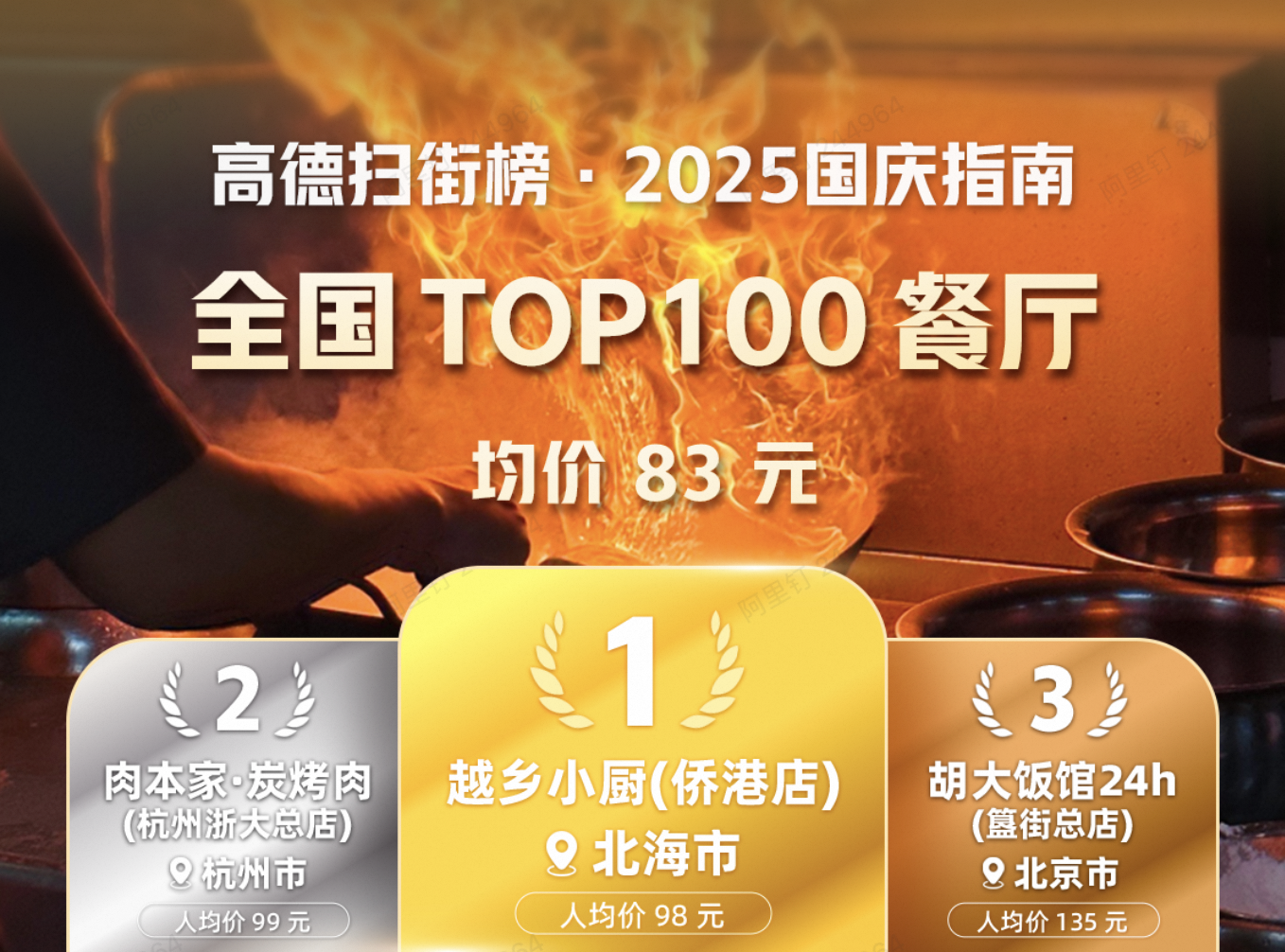
高德扫街榜发布《国庆指南:全国TOP100餐厅》 北京上榜11家
Zheng Quan Ri Bao Wang· 2025-09-29 11:47
Core Insights - The article highlights the release of the first national TOP100 restaurant list by Gaode, which serves as a significant food guide for the upcoming National Day holiday [1][2] - The list emphasizes affordability, with an average consumer price of 83 yuan for all listed restaurants [2] - The ranking showcases a decentralized trend, with restaurants from various cities, including Beijing, Changsha, and Tianjin, making the list [2] Summary by Categories - **Ranking and Locations** - Beijing leads with 11 restaurants on the list, while other cities like Changsha (7), Tianjin (6), and Wuhan (5) also feature prominently [1][2] - Notably, a seafood restaurant in Beihai, Guangxi, named "Yuexiang Xiaochu," topped the list, surpassing restaurants in major cities [1] - **Restaurant Characteristics** - The list includes a variety of cuisines, with a significant representation of hot pot and barbecue, totaling over 15 establishments [2] - Unique offerings from specific regions, such as Dalian's sea urchin dumplings and Shanghai's xiaolongbao, have gained national popularity [2] - **Consumer Engagement and Feedback** - The product manager of Gaode's street ranking indicated that the list was developed based on user feedback and aims to provide reliable dining options for travelers [3]
40岁云海肴创始人赵晗去世,研一创业,去年已卸任董事长
经济观察报· 2025-09-19 09:36
Core Viewpoint - The article discusses the sudden passing of Zhao Han, the founder of Yunhaiyao, and highlights his contributions to the restaurant industry, particularly in promoting Yunnan cuisine. It also addresses the challenges faced by the company, including a food safety incident and brand aging issues. Company Overview - Yunhaiyao is a leading restaurant chain specializing in Yunnan cuisine, particularly known for its steam pot chicken. The company was recognized as one of the "Top Ten Most Popular Restaurants" by CCTV in 2017 and reported annual revenue exceeding 1 billion yuan in 2020, positioning itself among the top tier of Chinese casual dining brands [2][3]. Founder Background - Zhao Han was born in 1985 in Kunming, Yunnan. He studied at Renmin University, where he founded Yunhaiyao during his graduate studies. The first restaurant opened in 2009 in Beijing, despite initial losses due to high operational costs and a niche market for Yunnan cuisine [3][4]. Business Expansion - The company shifted its business model to focus on opening restaurants in shopping centers, with 97% of its locations situated in such venues. This strategic move capitalized on the rapid growth of commercial real estate and the increasing popularity of shopping centers [4][5]. Product Development - Zhao Han aimed to create a comprehensive menu that showcased classic Yunnan dishes while appealing to a broader audience. Innovations included combining local ingredients with popular dishes to cater to diverse tastes across China [5]. Investment and Growth - In 2014, Yunhaiyao received investments from Sequoia Capital and other firms, which facilitated its rapid expansion. The company ventured into international markets, opening five locations in Singapore and planning to enter Malaysia in July 2024 [5][6]. Food Safety Incident - A significant food safety incident occurred in July 2024, when 171 employees of ByteDance in Singapore fell ill after consuming meals from Yunhaiyao, leading to a fine of 7,000 SGD (approximately 39,149.6 RMB) and the closure of the implicated restaurant [6][7]. Market Challenges - The company faces challenges such as brand aging and competition from emerging dining concepts like bistros that blend local cuisine with modern dining experiences. As of 2025, Zhao Han stepped back from executive roles, with Zhu Haiqin taking over leadership responsibilities [7].

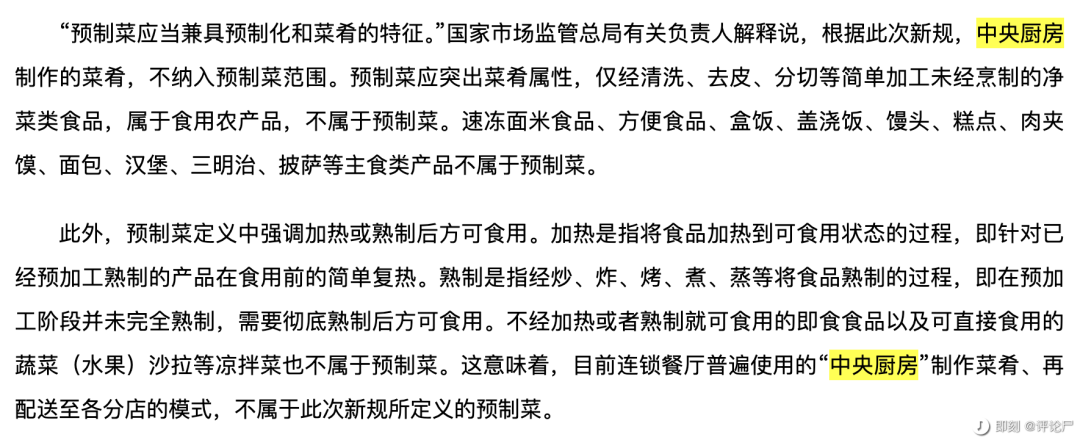
绿茶餐厅“现做”宣传遭质疑:广告语撤下,预制菜争议再起
Jing Ji Guan Cha Bao· 2025-09-19 05:25
Core Viewpoint - The controversy surrounding the "freshly made" advertising claim of Green Tea Restaurant has raised consumer trust issues, particularly after the removal of the "no pre-made dishes" slogan from their storefronts [1][2] Group 1: Company Overview - Green Tea Restaurant, founded in 2008 in Hangzhou, has rapidly expanded to over 500 locations across 21 provinces, 4 municipalities, 2 autonomous regions, and Hong Kong, covering more than 100 cities [1] - The company went public on the Hong Kong Stock Exchange in May 2023, reporting a revenue of 2.29 billion yuan for the first half of the year, a year-on-year increase of 23.1%, and a net profit of 234 million yuan, up 34% [1] Group 2: Operational Model - Green Tea Restaurant's operational model involves partnerships with 205 third-party food processing companies, allowing the restaurant to minimize upfront investments associated with building in-house central kitchens [2] - This model enables the restaurant to maintain consistent taste and quality while improving operational efficiency by outsourcing most of the food preparation process [2] Group 3: Consumer Trust and Regulatory Scrutiny - The removal of the "no pre-made dishes" slogan has led to accusations of misleading advertising, with consumers expressing concerns over their right to know about the use of pre-made dishes [2] - The China Securities Regulatory Commission has previously inquired about the food safety and the proportion of pre-made dishes used by Green Tea Restaurant, highlighting ongoing scrutiny of the company's practices [2]
“无预制菜” ,绿茶餐厅涂黑
盐财经· 2025-09-18 13:06
Core Viewpoint - The controversy surrounding "pre-made dishes" at Green Tea restaurants has led to a significant shift in consumer perception, with the term "freshly made" becoming a contentious issue in the restaurant industry [2][4]. Group 1: Consumer Perception and Reactions - Recent observations indicate that Green Tea restaurants have removed signage claiming "no pre-made dishes, freshly made" from their storefronts, raising questions about transparency [3]. - Consumers have expressed concerns over the use of pre-made dishes without prior notification, arguing that it infringes on their right to know [4]. - Social media discussions reveal a polarized view on pre-made dishes, with some consumers feeling misled by the restaurant's marketing strategies [4]. Group 2: Operational Practices and Supply Chain - Green Tea Group's prospectus reveals a partnership with 205 third-party food processing companies, allowing them to reduce upfront investment costs and enhance operational efficiency by outsourcing much of the food preparation [3][6]. - The reliance on pre-made dishes has been framed as a means to improve restaurant efficiency, although it contradicts the marketing narrative of freshly made food [4][6]. Group 3: Regulatory Scrutiny and Financial Performance - The China Securities Regulatory Commission has inquired about the food safety and proportion of pre-made dishes used by Green Tea restaurants, emphasizing the need for compliance in their supply chain practices [6]. - Green Tea Group reported a positive earnings forecast, expecting a net profit of approximately 247-254 million RMB for the first half of the year, marking an estimated growth of nearly 40% [7]. - The expansion of Green Tea restaurants has been significant, with over 500 locations established across various provinces and regions in China by August 2025 [7].
被曝“公筷喂狗” 顾客报警 西贝紧急回应:使用过的筷子、餐具、桌布等已全部丢弃
Mei Ri Jing Ji Xin Wen· 2025-09-17 06:37
Core Points - A recent incident at a West Restaurant in Wenzhou raised concerns about dining safety when a customer reported that another table had a pet dog being fed with restaurant chopsticks, prompting worries about hygiene [1][2] - The restaurant management acknowledged a policy against pets but admitted that staff oversight allowed the situation to occur during a busy dining period [2][3] - Following the incident, the restaurant took immediate action to discard used utensils and sanitize the premises, while also planning to improve customer monitoring to prevent similar occurrences in the future [3] Company Response - The restaurant's management confirmed that they have a policy prohibiting pets, except for service animals, and recognized the need for better enforcement of this policy [2][3] - The restaurant has initiated a review process to enhance staff training and customer interaction regarding pet policies [3] - The company aims to position itself as a family-friendly dining option, focusing on children's meals, which have become a significant growth area for the brand [3][4] Industry Context - The incident comes amid broader scrutiny of West Restaurant's practices, particularly regarding its children's meal offerings, which have been a focal point for customer feedback and recent adjustments [4] - The company has committed to transparency and improvement in its food preparation processes, particularly for children's meals, in response to public concerns [4] - West Restaurant operates nearly 400 locations across 62 cities in China and has recently expanded internationally with a new location in Los Angeles [4]

乌拉圭商业连续六季度增长
Shang Wu Bu Wang Zhan· 2025-09-13 16:51
Core Insights - Uruguay's commercial sector has experienced growth for six consecutive quarters, with a 2.2% year-on-year increase in sales for Q2 this year [1] Summary by Category Sales Performance - The best-performing sectors include hotels, real estate, and supermarkets, while restaurants, convenience stores, and personal care services have seen declines [1] Regional Growth - Montevideo's commercial activity grew by 2.4%, whereas inland regions only saw a growth of 1.1% [1] Business Impact - 70% of businesses reported a decline or stagnation, with small and medium-sized enterprises being the most affected; only large enterprises maintained moderate growth [1]
“免费续”里的精明账
Jing Ji Ri Bao· 2025-09-12 22:11
Core Insights - The trend of offering free refills in restaurants has expanded beyond fast food to mid-range and high-end dining establishments, enhancing customer satisfaction and perceived value [1][2] - Free refills serve as a marketing strategy that reduces consumer decision fatigue and encourages higher spending by shifting focus from individual item prices to the overall dining experience [2][3] Group 1: Consumer Perspective - Free refills eliminate the hesitation around small additional costs, allowing customers to enjoy their meals without worrying about portion sizes or extra charges [1][2] - The psychological effect of free refills transforms standard menu items into perceived value opportunities, leading to increased customer satisfaction and loyalty [1][2] Group 2: Business Perspective - From a cost perspective, the marginal cost of providing free refills is low, allowing restaurants to enhance their reputation without significant financial burden [2][3] - Free refills can lead to an increase in average transaction value as customers feel more inclined to order additional high-margin items when they perceive they are getting more for their money [2][3] Group 3: Market Dynamics - The effectiveness of free refills as a marketing strategy is contingent on the overall dining experience, including food quality, service, and ambiance, which remain critical factors for customer retention [3] - As health consciousness rises, the appeal of free refills may be limited, with many consumers opting for moderation rather than unlimited consumption [3]
没人吵得过罗永浩
Hu Xiu· 2025-09-12 07:59
Core Viewpoint - The conflict between Luo Yonghao and Jia Guolong, the owner of Xibei, fundamentally revolves around differing interpretations of the term "pre-made dishes" [3][6]. Group 1: Consumer Perception and Pricing - Luo Yonghao's view of "pre-made dishes" relates to consumer expectations and psychology, where high prices and poor taste lead to low perceived value [6]. - Xibei's pricing is considered high, which contributes to consumer dissatisfaction, especially when the quality does not meet expectations [12][13]. - The average cost for a meal at Xibei for 2-3 people is around 200 yuan, which is perceived as expensive for casual dining [15]. Group 2: Brand Positioning and Strategy - Jia Guolong aims to position Xibei as a popular brand akin to McDonald's, targeting a large-scale operation with a "people-friendly" approach [23][25]. - Successful brands in China that have reached a scale of 10,000 stores typically maintain a price point around 20 yuan, which contrasts with Xibei's higher pricing strategy [27][28]. - Xibei's brand strategy has been inconsistent over the years, leading to confusion among consumers regarding its identity and offerings [31][34]. Group 3: Market Response and Brand Image - The reaction of Xibei to criticism mirrors past corporate responses, focusing on legal actions rather than addressing consumer sentiment [38]. - The brand's image has been negatively impacted by perceptions of being both expensive and low quality, which is a significant challenge for recovery [42]. - To navigate the current crisis, Xibei must clarify its brand identity and target audience rather than relying on legal measures or operational transparency [43].