外卖

Search documents
多家大厂驰援香港;阿里、美团、滴滴披露三季度财报|一周未来商业
Mei Ri Jing Ji Xin Wen· 2025-11-30 23:19
E-commerce and New Retail - Alibaba Group donated 20 million HKD following a fire in Hong Kong, while ByteDance and Didi contributed 10 million HKD each. Pinduoduo also donated 10 million HKD and launched a public welfare section for firefighting supplies [1] - Alibaba's Q2 revenue for FY2026 reached 247.8 billion CNY, a 5% year-on-year increase, with cloud revenue growing 34% and AI-related products seeing triple-digit growth for nine consecutive quarters [2] - JD Industrial has received approval for an IPO on the Hong Kong Stock Exchange, with projected revenues of 14.135 billion CNY in 2022, increasing to 20.4 billion CNY in 2024 [3] Logistics and Supply Chain - Jitu Express launched its first industrial-grade automated sorting system in Thailand, improving sorting efficiency by over 100% and achieving a sorting accuracy of over 99% [4] Life Services - Meituan reported a Q3 loss of 14.1 billion CNY in its core local business segment due to irrational competition in the food delivery industry, with expectations of continued losses in Q4 [5][6] - Didi's Q3 order volume reached 4.685 billion, a 13.8% year-on-year increase, with a net profit of 1.5 billion CNY [7] - Taobao Flash Sale announced the cancellation of late fee deductions, expanding to 60 cities, aiming to enhance rider protection and user experience [8] Innovation and Investment - Ruiyun Cold Chain completed nearly 100 million CNY in A+ round financing, focusing on digital capabilities and international expansion [9] - Soul App submitted a listing application to the Hong Kong Stock Exchange, reporting a revenue CAGR of over 15% from 2022 to 2024 and achieving stable profitability since 2023 [10][11]


美团亏160亿,外卖大战激烈,王兴称难以为继
Sou Hu Cai Jing· 2025-11-30 22:39
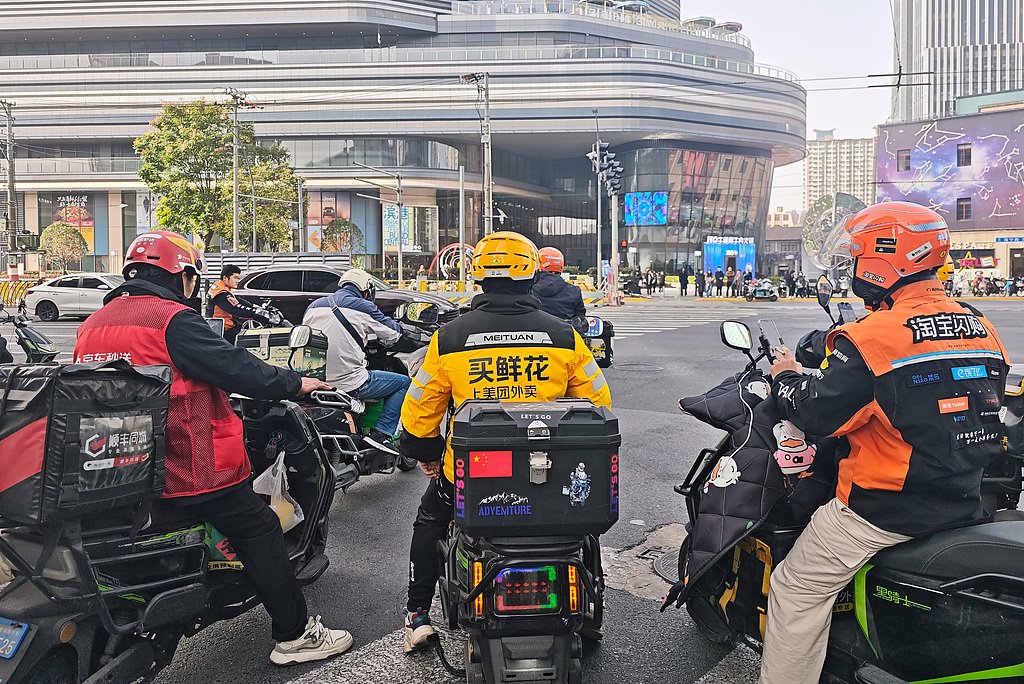
Core Viewpoint - The intense competition in the food delivery market has led to significant financial losses for major players like Meituan, Alibaba, and JD, with aggressive subsidy strategies impacting profitability and market dynamics [1][3][11]. Group 1: Market Dynamics - In Spring 2024, JD entered the food delivery sector, prompting Alibaba's Taobao to follow suit, leading to a fierce competition that forced all players to increase spending [1]. - By Summer, the market saw unprecedented subsidy levels, with consumers benefiting from numerous promotions, while businesses struggled with the financial implications of these strategies [3]. - The competition has resulted in a significant increase in marketing expenses for all three major companies, with Meituan's spending rising from 18 billion to 34.3 billion, and Alibaba's from 32.5 billion to 66.5 billion year-on-year [3][11]. Group 2: Financial Performance - Meituan reported a core local business operating loss of 14.1 billion in Q3, with expectations of continued losses into Q4, indicating a challenging financial landscape [5]. - Alibaba's CFO indicated that the company would tighten its spending on flash purchase business after a peak in Q3, suggesting a potential shift in strategy to mitigate losses [5][9]. - All three companies reported significant losses in Q3, with Meituan losing 16 billion, while Alibaba and JD also faced substantial financial challenges, leading to a bleak outlook for the industry [15][17]. Group 3: Competitive Strategies - Meituan's market share remains strong, particularly in mid-to-high price orders, with two-thirds of orders over 15 yuan and 70% of orders over 30 yuan being processed through its platform [7]. - Despite the ongoing competition, Meituan's leadership emphasized a commitment to avoiding low-quality, price-driven competition, focusing instead on long-term value creation [13][15]. - The industry is witnessing a shift towards more sustainable practices, with companies beginning to reconsider their aggressive subsidy strategies in light of regulatory pressures and financial realities [9][17].

外卖大战半年烧钱近800亿:一场没有赢家的商业困局
Sou Hu Cai Jing· 2025-11-30 21:06
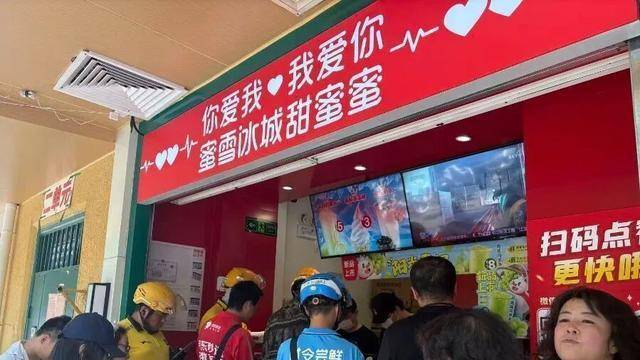
Group 1: Subsidy War Among Giants - The three major platforms, Meituan, Alibaba, and JD, collectively spent nearly 800 billion yuan on food delivery subsidies in the second and third quarters of 2025, with a single quarter's expenditure reaching 444 billion yuan, a 48% increase quarter-on-quarter [3] - The subsidy war has led to a significant decline in profits for all three companies, with Meituan's CEO indicating that the food delivery business will continue to face substantial losses in the fourth quarter [4] - Alibaba's 500 billion yuan subsidy plan has been extended over three years, indicating a long-term strategy despite a reduction in fourth-quarter spending [4] Group 2: Company-Specific Strategies and Financial Impact - Alibaba views food delivery as a traffic entry point rather than a profit tool, using subsidies to convert food delivery users into consumers of higher-margin businesses, resulting in a peak daily order of 1.2 billion after four months of its flash purchase service [5] - Meituan's marketing expenses surged from 180 billion yuan to 343 billion yuan, leading to a record quarterly loss of 160 billion yuan, with its profit margin plummeting from 25.1% to 5.7% [6][7] - JD has adopted a more restrained approach, focusing on supply chain optimization and improving unit economics, resulting in a decrease in market share but an increase in user engagement [8] Group 3: Impact on Merchants and Riders - Merchants are suffering from a "false prosperity," with total order volume increasing by 7% but actual revenue declining by 4% during the subsidy war [9] - Delivery riders face increased work intensity and risks, with income pressures expected to rise once subsidies decrease, leading to potential income drops due to oversupply in the labor market [9] Group 4: Industry Implications and Regulatory Response - The prolonged subsidy war has led to market saturation and inefficiencies, with a 10% decline in soft drink production indicating a distortion in the supply chain [10] - Regulatory bodies have intervened, urging platforms to cease low-price competition and focus on service optimization, highlighting the need for a shift from a scale-driven approach to sustainable business models [10]


聊聊这周的五个热点
表舅是养基大户· 2025-11-30 13:56
Group 1 - The article discusses the current market situation, highlighting a vacuum period before significant events such as the Federal Reserve meeting and economic work conference [2][4] - A-shares experienced their worst monthly performance in the second half of the year, with a decline of -2.2% in November, marking it as the third worst performance of the year [8][10] - The upcoming quarterly adjustment of major indices in A-shares is expected to impact trading, particularly for the CSI 300 index, which has a tracking product scale exceeding 1.3 trillion [12][14] Group 2 - Meituan reported a significant net loss of 16 billion in Q3, marking its first quarterly loss in three years, with a total loss of nearly 30 billion compared to the previous year [15][18] - The article notes a surge in commodity prices, with gold surpassing 4200 USD and silver rising over 5%, while the Chicago Mercantile Exchange experienced a system outage [20][22] - The IPO market is showing signs of normalization, with the upcoming listing of GPU leader companies indicating a structural shift towards technology sectors [24][27] Group 3 - Public fund assets have surpassed 37 trillion, reaching a new historical high, but there is no significant influx of retail investors into the market [30][31] - The article highlights a decline in mixed fund shares, indicating that retail investors are not rushing into the market, and a shift towards ETFs and index funds is observed [31][33]

Q3之后,美团险胜会不会是外卖大战的终局?
Sou Hu Cai Jing· 2025-11-30 13:04
Core Insights - Meituan reported Q3 revenue of 95.5 billion yuan, a 2% year-on-year increase, but incurred a quarterly loss of 18.6 billion yuan, raising concerns about its high expenditure in the competitive food delivery market [2][3] - Despite the significant loss, Meituan's user base and engagement metrics improved, with over 800 million transaction users and a more than 20% year-on-year increase in daily active users [4][5] - The company aims to maintain its market dominance in food delivery, viewing the ongoing price war as a necessary strategy to protect its core business [6][8] Financial Performance - The substantial quarterly loss of 18.6 billion yuan is notable, especially compared to the profit from the same period last year, indicating a strategic investment in user retention and market share [3][9] - Meituan's cash reserves stood at approximately 141.3 billion yuan, providing a buffer for continued investment in the competitive landscape [11][12] - The increase in sales and marketing expenses by 90.9% to 34.3 billion yuan was primarily due to higher rider subsidies, reflecting a focus on strengthening its delivery infrastructure [15][16] Market Dynamics - The competitive landscape is shifting, with other players like Alibaba also reporting losses, suggesting that the price war may be nearing its end [13][14] - Meituan's market share in high-value orders remains strong, with over 66% in orders priced above 15 yuan, indicating a solid customer base that is less price-sensitive [21][22] - The ongoing battle for market share may lead to a "tragic victory" for Meituan, where the costs incurred could ultimately solidify its market position despite short-term losses [15][24] Strategic Outlook - The company is expected to benefit from a potential reduction in competitor subsidies, which could enhance user retention and profitability in the long run [25][30] - Meituan's operational efficiency in delivery services remains a competitive advantage, making it difficult for new entrants to disrupt its market position [18][20] - The future of the food delivery market may hinge on innovation and user experience rather than just price competition, as seen in other industries [36][39]
拆解2025最大商战:阿里效益改善,抖音暗发力,市场回不到原点
Sou Hu Cai Jing· 2025-11-30 06:00
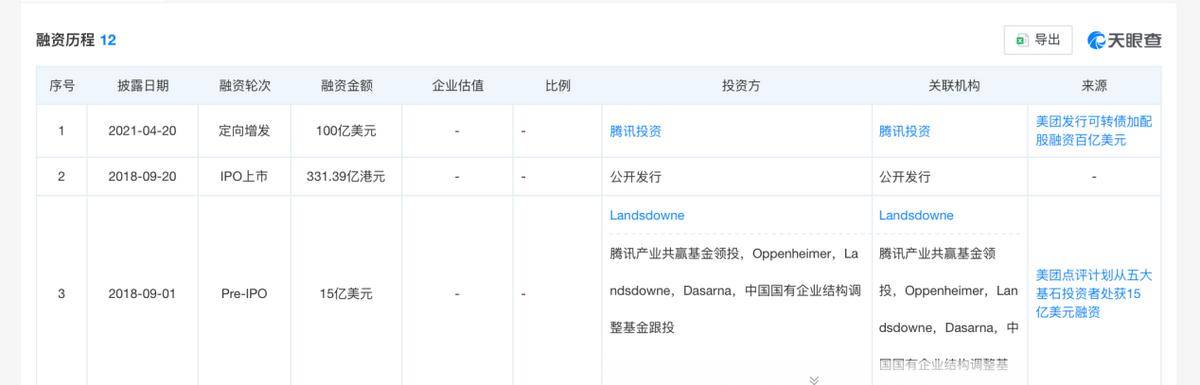
Core Insights - Both Alibaba and Meituan reported significant losses in their recent Q3 financial results, indicating a fierce competitive landscape in the Chinese e-commerce and food delivery markets [2][3] - Alibaba's adjusted EBITA dropped from 443 billion RMB to 105 billion RMB year-on-year, while Meituan's revenue was 955 billion RMB with an operating loss of 141 billion RMB and an adjusted net loss of 160.1 billion RMB, compared to a net profit of 128.29 billion RMB in the same period last year [2][3] - The cash burn for both companies exceeded 300 billion RMB in Q3, with Alibaba's cash reserves allowing for a lower percentage of cash burn compared to Meituan, highlighting an asymmetrical battle [2][3] Financial Performance - Alibaba's Q3 revenue for its China e-commerce group was 114.77 billion RMB, a 16% increase year-on-year, while Meituan's revenue was 955 billion RMB, reflecting the ongoing competition in the market [7] - The adjusted net loss for Meituan in Q3 was 160.1 billion RMB, a stark contrast to the previous year's adjusted net profit of 128.29 billion RMB [2][3] Market Dynamics - The market share for food delivery services has not reverted to previous levels despite the cessation of subsidies, indicating a shift in consumer behavior and market dynamics [3] - The competitive landscape is evolving, with new players like Douyin (TikTok) entering the local commerce space, further intensifying the competition [3] Strategic Developments - Alibaba's strategy has shifted towards a more focused approach, consolidating its resources under the "all in one" strategy, which aims to enhance operational efficiency and user engagement [8] - The company is actively investing in its instant retail segment, with a clear roadmap to expand scale, improve efficiency, and optimize product offerings [15][17] User Behavior Changes - The concept of "good loss" is emerging, where losses are seen as investments in long-term user habits and market positioning, similar to Amazon's strategy during its growth phase [9][10] - Instant retail is expected to create irreversible changes in consumer habits, with Alibaba's efforts in this area driving significant increases in active users and revenue growth [12][14] Competitive Outlook - The ongoing battle between Alibaba and Meituan is characterized by aggressive strategies from both sides, with Alibaba's investments in instant retail putting pressure on Meituan's market share and profitability [17] - The competition is likely to remain intense, with both companies adapting to the evolving market landscape and consumer preferences [17]

美团财报出炉!预计四季度亏损趋势将延续
Zhong Guo Zheng Quan Bao· 2025-11-30 05:57
Core Insights - Meituan reported a slight revenue increase of 2% to 95.488 billion yuan in Q3 2025, but experienced a net loss of 18.632 billion yuan, a shift from profit to loss year-on-year [1] - The loss was primarily attributed to intense market competition in the core takeaway business and an expansion of losses in new business segments [1] Local Business Segment Pressure - Revenue from the core local business segment decreased by 2.8% to 67.447 billion yuan, with operating profit turning into a loss of 14.071 billion yuan compared to a profit in the same period last year [2] - The overall net loss for Meituan in Q3 reached 18.632 billion yuan, contrasting with a profit of 12.865 billion yuan in the same quarter of 2024 [2] - Meituan anticipates that the trend of operating losses will continue into Q4 due to ongoing competitive pressures [2] - In response to competition, Meituan is accelerating supply-side innovation and improving service quality, achieving record high daily active users and monthly transaction users in the takeaway segment [2] - Meituan's market share in takeaway orders is gradually recovering, with over two-thirds of orders above 15 yuan and over 70% of orders above 30 yuan attributed to Meituan [2] New Business Growth and International Expansion - The new business segment saw a revenue increase of 15.9% to 28.041 billion yuan, but operating losses expanded by 24.5% to 1.278 billion yuan [4] - Meituan's grocery retail businesses, such as "Xiaoxiang Supermarket" and "Kuaidui," are experiencing strong growth while improving operational efficiency [4] - The international brand Keeta achieved profitability in Hong Kong and is accelerating global expansion, with Keeta's Hong Kong operations becoming profitable in October, ahead of the three-year target [4] - Keeta's successful performance reflects Meituan's execution capabilities in global markets, with plans to pilot operations in Brazil [4] Strategic Focus and Challenges - Meituan plans to continue investing in grocery retail and international business to enhance long-term competitiveness [5] - The increase in losses from new businesses highlights the need for Meituan to balance expansion with profitability [5] - While strong growth in new businesses and international profitability provides a diversified buffer, domestic competitive pressures require careful resource management [5]
我国已成为首个国内有效发明专利拥有量超过500万件的国家|首席资讯日报
首席商业评论· 2025-11-30 04:48
Group 1 - China has become the first country with over 5 million valid domestic invention patents, with PCT international patent applications ranking first globally for six consecutive years. The value added by patent-intensive industries reached 16.87 trillion yuan, accounting for 13.04% of GDP [2] - The total brand value of Chinese brands in the global top 5000 reached 1.81 trillion USD, ranking second globally [2] - The direct output value of geographical indication products is close to 970 billion yuan, showing a good growth trend [2] Group 2 - The movie "Zootopia 2" has achieved a single-day box office of over 600 million yuan [3] - The overall box office has surpassed 500 million yuan for the first time in 279 days, indicating a recovery in the market, largely attributed to "Zootopia 2" [10] Group 3 - Blue Arrow Aerospace's "Zhuque-3" launch has been temporarily postponed due to force majeure, despite being in the final preparation stage [4] - The establishment of a Commercial Space Administration by the National Space Administration aims to promote high-quality development in the commercial space industry, benefiting the entire industry chain [6] Group 4 - Yushu Technology has completed its IPO counseling work, indicating it has met the prerequisites for IPO application [7][8] - Meituan's Keeta business in Hong Kong has become profitable as of October this year, reflecting the effectiveness of its localization strategy [9] Group 5 - The Hainan Free Trade Port's processing value-added tax exemption policy has resulted in over 11 billion yuan in internal sales, with 860 million yuan in tax exemptions, expanding from initial industries to include pharmaceuticals, coffee, and jewelry [11] - The China Charity Federation reported a total donation expenditure of over 48.2 billion yuan over the past six years [5] Group 6 - Xpeng Motors has reported malicious dissemination of fake videos related to its brand, emphasizing the need for legal action against such activities [12] - The ongoing "cancellation wave" of Chinese tourists traveling to Japan has been triggered by political tensions, with a 56% increase in flight cancellations compared to the previous month [13] - Zijin Mining has donated 20 million HKD to support disaster relief and reconstruction efforts in Hong Kong following a fire [14]

科技周报|史上最严充电宝新规将落地;阿里吴泳铭称三年内AI泡沫不存在
Di Yi Cai Jing· 2025-11-30 02:41
Group 1: Charging Power Bank Regulations - The Ministry of Industry and Information Technology has released a draft for the "Mobile Power Safety Technical Specifications," which is considered the strictest safety standard for power banks [2] - The new regulations introduce rigorous safety tests for battery cells, including puncture tests, thermal abuse tests, and overcharging tests, and mandate the inclusion of an LCD screen or a connected app to display battery health and usage metrics [2] - It is estimated that nearly 70% of existing production capacity may exit the market due to the inability to meet the new technical requirements, and overall industry costs are expected to rise by 20% to 30% [2] Group 2: Meituan's Third Quarter Financial Results - Meituan reported a revenue of 95.49 billion yuan for the third quarter, a year-on-year increase of 2%, but faced an adjusted net loss of 16 billion yuan compared to a net profit of 12.83 billion yuan in the same period last year [3] - The significant profit fluctuation is attributed to increased direct subsidies in the food delivery sector to counter irrational competition [3] - The food delivery industry is returning to rationality, with major competitors like Alibaba and JD reducing their investments in similar areas [3] Group 3: Alibaba's Third Quarter Financial Performance - Alibaba's revenue for the third quarter was 247.8 billion yuan, a 5% year-on-year increase, but operating profit fell by 85% to 5.365 billion yuan [4] - Alibaba Cloud's revenue grew by 34% to 39.824 billion yuan, marking a new high, while AI-related product revenue has seen triple-digit year-on-year growth for nine consecutive quarters [4] - CEO Wu Yongming expressed optimism about the future of AI and indicated that the company may increase its infrastructure investment beyond the previously planned 380 billion yuan [4] Group 4: Investment Trends in AI Technology - The investment logic in the technology sector is shifting from "technology faith" to "value verification," emphasizing the need for a clear market demand for innovations [9] - AI unicorns are facing challenges such as cost overruns and difficulties in monetization, necessitating collaboration between academia and industry to facilitate technology application [9] - Experts suggest that while disruptive technologies may emerge, market-driven logic will become increasingly important in the second phase of AI development [9] Group 5: Semiconductor Developments - Sanan Optoelectronics' subsidiary has successfully launched silicon carbide chips for electric vehicles, marking a significant achievement in domestic automotive semiconductor capabilities [10] - The adoption of these chips by Li Auto indicates recognition of their performance, reliability, and delivery capabilities, which will support the development of high-voltage platform models [10] Group 6: Smart Factory Initiatives - The Ministry of Industry and Information Technology has released a list of 15 companies, including Gree and Haier, recognized for their leading smart factory initiatives [11] - The initiative aims to cultivate a tiered system of smart factories, enhancing China's manufacturing capabilities and establishing benchmarks for intelligent manufacturing [11]
观察|“外卖大战”两个季度三巨头烧钱近800亿元,能否带来良性竞争
Xin Lang Cai Jing· 2025-11-30 01:17
Group 1 - The core point of the article highlights the significant financial losses reported by the three major players in the food delivery industry, namely Meituan, Alibaba, and JD.com, due to intense competition and high marketing expenditures [2][3][4] - Meituan reported a record net loss of 16 billion yuan in Q3, marking its largest loss since its IPO, compared to a profit of 12.8 billion yuan in the same period last year [2] - Alibaba's net profit for the same quarter fell by 52% to 20.99 billion yuan, while JD.com saw a 55% decline in net profit to 5.3 billion yuan [2][3] Group 2 - The marketing expenses for Meituan surged by 90.9% to 34.3 billion yuan in Q3, primarily due to increased spending on promotions and user incentives in response to fierce competition [3] - JD.com's marketing expenses rose by 110.5% to 21.1 billion yuan, with a significant portion allocated to its new food delivery business [3] - Alibaba's sales and marketing expenses reached 66.5 billion yuan, up from 32.5 billion yuan year-on-year, indicating substantial investment in its e-commerce operations [3] Group 3 - The total expenditure on food delivery by the three companies in Q2 and Q3 is estimated to exceed 74.4 billion yuan, with Q3 alone accounting for 44.4 billion yuan, reflecting a 48% increase in spending [4] - Despite the high expenditures, the competitive landscape remains challenging, with companies like Alibaba indicating a potential reduction in spending in the upcoming quarters [4][5] - Meituan's CEO expressed that while losses may have peaked, the company will continue to invest to maintain its market leadership without engaging in price wars [2][4] Group 4 - The intense competition has led to a situation where merchants experience increased order volumes but decreased actual revenue, indicating a "growth without profit" scenario [7] - The average daily order volume for merchants increased by 7%, but their actual revenue declined by approximately 4%, highlighting the adverse effects of the subsidy wars [7] - The ongoing subsidy competition has raised concerns about market saturation and the sustainability of such aggressive pricing strategies in the long term [9]