智能电动汽车

Search documents
注销!蔚来,最新回应!
中国基金报· 2025-07-07 12:03
Core Viewpoint - NIO's joint venture with JAC Motors has been dissolved, which is related to NIO obtaining independent production qualifications [2][4]. Group 1: Termination of Cooperation - The dissolution of Jianglai Advanced Manufacturing Technology (Anhui) Co., Ltd. confirms the end of manufacturing cooperation between NIO and JAC Motors, which began in 2016 [4]. - In 2021, NIO and JAC Motors signed a joint venture agreement to further their collaboration in electric vehicle manufacturing and established Jianglai Company for manufacturing management and supply chain management [5]. Group 2: Independent Production Qualification - By 2024, NIO acquired its own factory and production qualifications, leading to the termination of its manufacturing cooperation with JAC Motors [5]. - NIO's founder, Li Bin, introduced the new manufacturing facility, which features the industry's first domestically developed steel-aluminum hybrid production line, set to begin operations in August 2024 [11]. Group 3: Future Collaborations - Despite the end of manufacturing cooperation, NIO and JAC Motors will continue to collaborate in other areas of smart electric vehicles, including a strategic cooperation framework for battery swapping [6][5]. Group 4: Market Performance - As of July 7, the stock price of JAC Motors was reported at 41.27 CNY per share, with a total market capitalization of 901.3 billion CNY [7]. - NIO's stock price was reported at 26.75 HKD per share, with a total market capitalization of 605.8 billion HKD [12].


吴晓波×李斌:一场关于中国智能制造未来的深度对话丨明日直播
吴晓波频道· 2025-07-04 17:22
Core Viewpoint - The article highlights the rapid growth and global leadership of China's smart electric vehicle industry, particularly focusing on NIO's F2 factory as a benchmark for innovation in manufacturing [1][5]. Industry Overview - In 2024, China's production and sales of new energy vehicles are expected to exceed 12 million units, representing year-on-year growth of 34.4% and 35.5% respectively, maintaining its position as the world's largest market for new energy vehicles for nine consecutive years [1]. - The NIO F2 factory is located in the Hefei NeoPark and covers an area of 1,720 acres, showcasing remarkable efficiency with the first vehicle rolling off the production line just 17 months after construction began [5]. NIO F2 Factory Innovations - The factory operates as a fully integrated AI factory, utilizing the "TianGong" intelligent manufacturing management system to achieve 100% paperless operations, enhancing production efficiency by 10% and supporting nearly 3.7 million personalized configuration combinations, with a turnaround time from order to delivery of just 14 days [5][6]. - Key features of the factory include: - A leading 6,900-ton high-speed steel-aluminum hybrid stamping line with a mold change time of just 3 minutes, reducing carbon emissions by 85,000 tons annually [5][6]. - 941 robots in the body shop achieving 100% automation, with a precision of ±0.5 mm in the assembly of four doors completed in 98 seconds [7]. - The world's first "cube" vehicle storage and retrieval platform in the painting workshop, intelligently managing 753 vehicle bodies [8]. - The "Flying Land" intelligent assembly island in the final assembly workshop enabling flexible production of multiple vehicle models with top-tier assembly precision [9]. Future Insights - The upcoming live session will feature a discussion between NIO's founder and industry observers, focusing on the future of intelligent manufacturing and the transformation of China's manufacturing sector from follower to leader [11].


固态电池迎来产业化关键阶段,智能车ETF泰康(159720)近1周新增规模居可比基金第一
Xin Lang Cai Jing· 2025-07-04 07:33
Group 1 - The smart car ETF Taikang (159720) experienced a pullback, tracking the CSI Smart Electric Vehicle Index (H11052), which fell by 0.80% [1] - Among the constituent stocks, Sitwei (688213) led with a rise of 4.87%, while Yihui Lithium Energy (300014) saw the largest decline at 4.81% [1] - As of July 3, the smart car ETF Taikang (159720) saw a weekly growth of 1.3629 million yuan, ranking first among comparable funds [1] Group 2 - According to the "2025 China Automotive Industry Consumption Insight Report," the penetration rate of new energy vehicles in China reached 48% in 2024, an increase of 12 percentage points from 2023 [2] - The competition among new energy vehicle companies is expected to intensify, leading to an accelerated industry reshuffle [2] - Solid-state batteries are entering a critical stage of industrialization, with short-term oxide semi-solid batteries already achieving commercialization [2] - The rise of solid-state batteries is anticipated to create significant market opportunities in new materials and equipment, enhancing the range and safety of smart vehicles [2] Group 3 - The smart car ETF Taikang closely tracks the CSI Smart Electric Vehicle Index, which includes listed companies involved in various aspects of the smart electric vehicle industry [2]
小米YU7 首批大定车主调研报告
3 6 Ke· 2025-07-01 11:50
Group 1: User Demographics - The survey revealed that 83% of the respondents are male, with an average age of 31.5 years, and 69% are aged between 26 to 35 years, indicating a strong influence of the younger generation in the consumer market for Xiaomi YU7 [1][4] - The majority of respondents (66%) are married, with 50.98% of them raising preschool children, highlighting the family-oriented nature of the core user group [1] - The educational background of respondents shows that 58.5% hold a bachelor's degree and 23% have a master's degree, with over 30% working in the IT, communication, electronics, and internet sectors, indicating a high level of education and tech sensitivity among users [4] Group 2: Purchase Behavior - 62% of respondents are first-time car buyers, while 33% of repeat buyers are existing Xiaomi car owners, with 78.8% of them being former Xiaomi SU7 owners [8][14] - The average budget for purchasing a car is 292,300 yuan, with nearly half of the respondents budgeting between 260,000 to 300,000 yuan [18] - 57.5% of respondents compared the Xiaomi YU7 with the Tesla Model Y before making their purchase decision, indicating the competitive landscape [21] Group 3: Purchase Decision Factors - Key reasons for choosing the Xiaomi YU7 include "commuting," "daily leisure," and "weekend travel," aligning with the younger demographic's lifestyle [15] - The main considerations for purchasing the Xiaomi YU7 were "exterior design," "dual zero-gravity seats," and "sky screen," reflecting a consumer preference for experiential features [26][29] - 74.5% of respondents felt that the pricing of the Xiaomi YU7 met their expectations, while 15% expressed concerns about certain features, particularly regarding configuration [34][50] Group 4: Brand Perception - Respondents primarily associate the Xiaomi brand with value for money, technology, and youthfulness, which aligns with their perceptions of the Xiaomi YU7 as well [38][40] - 98.5% of respondents have used Xiaomi products, with a significant portion using smart home appliances and wearable devices, indicating strong brand loyalty and ecosystem integration [45][49] - The Xiaomi YU7's overall satisfaction rate among users is 88%, slightly higher than that of the Xiaomi SU7, which stands at 55% [37]

民营经济人士谈民营经济促进法:助力企业行稳致远
Zhong Guo Xin Wen Wang· 2025-07-01 04:09
Group 1 - The "Private Economy Promotion Law" provides a stable legal and policy environment for private enterprises, enhancing their confidence in innovation and development [1][2][3] - The law includes measures to support technological innovation, such as funding subsidies and tax incentives, which alleviate the financial burden on companies like Xiaopeng Motors [1] - Stronger intellectual property protection under the law allows companies to focus on R&D without fear of losing competitive advantages [1] Group 2 - The law creates a fair competitive environment for private enterprises, allowing them to compete on equal footing with state-owned enterprises [2] - Companies like Jintanglang have already experienced benefits from the law, such as improved project payment speeds [2] - The concept of "co-opetition" is emphasized, where companies should collaborate while competing to enhance the overall industry ecosystem [2] Group 3 - The law enhances certainty in the development of the private economy, encouraging entrepreneurs to focus on solving operational challenges [3] - Compliance with regulations is highlighted as essential for the sustainable development of companies, particularly in the context of new employment models [3] - The law aims to protect the rights and interests of laborers, ensuring that businesses operate within legal boundaries [3]
科股早知道: 推进防洪水库建设,机构称水利投资整体延续高景气态势
Sou Hu Cai Jing· 2025-06-30 00:21
Group 1: Virtual Asset Trading in Hong Kong - Tianfeng International Securities has upgraded its securities trading license to provide virtual asset trading services, marking a significant step for traditional financial institutions in the virtual asset sector [1] - The Hong Kong Securities and Futures Commission regulates virtual asset activities, while the Hong Kong Monetary Authority oversees currency payment areas such as stablecoins and digital currencies [1] - The recent developments in the stablecoin market, driven by regulatory frameworks, suggest a focus on cross-border payment and digital currency businesses, highlighting investment opportunities in companies with blockchain technology [1] Group 2: Water Conservancy Investment - The Chinese government has issued opinions to enhance flood control infrastructure, including the construction of flood control reservoirs and the improvement of existing ones [2] - Water conservancy investment is expected to maintain a high growth trend, with projected national investment reaching 1,352.9 billion yuan in 2024, a 12.8% increase year-on-year [2] - The "14th Five-Year" water transport development plan aims to add 2,500 kilometers of high-grade inland waterways, indicating a strong policy and funding support for major engineering projects [2] Group 3: Xiaomi's YU7 Vehicle Launch - Xiaomi's YU7 vehicle received over 289,000 pre-orders within the first hour of its launch, exceeding market expectations [3][4] - The YU7 is expected to attract tech-savvy consumers due to its advanced technology configurations, particularly in smart driving and battery performance [4] - The launch of YU7 is anticipated to drive collaborative development across the supply chain, benefiting key sectors such as lidar suppliers, smart driving system developers, and high-performance battery manufacturers [4] Group 4: IPO of Vision Technology - Vision Technology's IPO application has been accepted by the Shanghai Stock Exchange, aiming to raise 2.015 billion yuan [5] - The company has completed seven rounds of financing, with its latest round in February 2023, and is recognized as a unicorn with a valuation exceeding 10 billion yuan [5] - The core product, silicon-based OLED microdisplay technology, is positioned as a critical hardware component for XR devices, aligning with the explosive growth of the AI industry and the demand for advanced human-computer interaction [5]
赛力斯汽车完成50亿元B+轮融资;三花智控登陆港交所,最新市值1049.13亿港元丨06.21-06.27全球投融资周报
创业邦· 2025-06-29 00:45
Core Viewpoint - The article provides an overview of the latest trends in investment and financing activities in the domestic market, highlighting key sectors, regional distributions, and significant financing events. Group 1: Investment Overview - This week, there were 78 disclosed financing events in the domestic primary market, a decrease of 33 compared to the previous week. The total disclosed financing amount reached 14.27 billion RMB, with an average financing amount of 396 million RMB [5]. - The most active sectors in terms of financing events were artificial intelligence, intelligent manufacturing, and materials, with 18, 18, and 9 events respectively [7]. Group 2: Sector Analysis - In terms of disclosed financing amounts, the automotive and transportation sector led with a total financing scale of approximately 8.96 billion RMB, including a 5 billion RMB Series B financing for "Sirius Automotive," which focuses on the research and development of new energy electric vehicles [7]. - The artificial intelligence sector followed with a disclosed financing total of 2.67 billion RMB, highlighted by "Galaxy General," which secured 1.1 billion RMB in Series A financing [9]. Group 3: Regional Distribution - The disclosed financing events were primarily concentrated in Jiangsu, Guangdong, and Beijing, with Jiangsu and Guangdong each reporting 16 events, and Beijing reporting 12 events [13]. - The financing amounts in these regions included 7.90 billion RMB from Jiangsu, 11.20 billion RMB from Guangdong, and 13.13 billion RMB from Beijing [16]. Group 4: Stage Distribution - The stage distribution of disclosed financing events showed that there were 56 early-stage events, 17 growth-stage events, and 5 late-stage events [17]. Group 5: Major Financing Events - Significant financing events included a seed round investment exceeding 3 billion RMB for "Zaojia Intelligent," a Series A+ round of 1.1 billion RMB for "Galaxy Commercial," and a Series B round of 100 million USD for "Gentle Monster China" [20][21]. Group 6: IPO Activity - A total of 11 companies were monitored for IPOs this week, with the highest market capitalization being "Sanhua Intelligent Control" at 104.91 billion HKD. Among these, 8 companies had previously received VC/PE or CVC investments [28]. Group 7: M&A Activity - There were 16 disclosed completed M&A events this week, an increase of 1 compared to the previous week, primarily in the intelligent manufacturing, healthcare, and artificial intelligence sectors. Notably, Dongguan Holdings and Dongguan Jin控 acquired 20% of Dongguan Securities for 2.27 billion RMB [34][36].
小米YU7首秀炸场后,股价再破新高,花旗中金纷纷期待科技生态“帝国”的成型
Tai Mei Ti A P P· 2025-06-27 14:29
Core Insights - Xiaomi's first SUV model, YU7, achieved remarkable sales, with over 200,000 orders in just 3 minutes and nearly 290,000 in 1 hour, indicating strong market demand and confidence in the brand [2][3][4] - The company is transitioning from a smartphone manufacturer to an ecosystem giant, aiming to reshape the growth paradigm of Chinese tech enterprises [2][4] Sales Performance - The YU7's launch surpassed the sales performance of BMW's entire lineup in China over five months, and it is expected to exceed Xiaomi's annual sales target for electric vehicles [2][3][4] - As of May 21, 2025, the cumulative delivery of the SU7 series exceeded 258,000 units, with the SU7 becoming the best-selling model in its price range [8][9] Product Features - The YU7 is positioned in the mid-to-high-end SUV market, featuring advanced technology such as laser radar, an 800V high-voltage platform, and a range of 835 km, which outperforms competitors like the Tesla Model Y [4][6] - The pricing strategy for the YU7 is competitive, with the standard version priced at 253,500 RMB, which is lower than the Model Y [7] Market Strategy - Xiaomi's strategy includes a focus on technological innovation and quality assurance, with plans to enhance production capacity to meet the overwhelming demand for the YU7 [5][9][10] - The company is expanding its retail presence, with over 1,000 new stores opened in the first quarter, aiming for a total of around 20,000 stores by the end of the year [8] Future Outlook - Analysts predict that the demand for the YU7 will solidify Xiaomi's leadership in the high-end automotive market, with expectations for increased electric vehicle delivery forecasts for 2025 to 2027 [7][11] - Xiaomi's long-term vision includes significant investments in core technologies, with plans to allocate 200 billion RMB for research and development over the next five years [12][14] Ecosystem Development - The success of the YU7 is seen as a manifestation of Xiaomi's "ecosystem" strategy, integrating automotive, AIoT, and mobile technologies to create a comprehensive user experience [15] - The company is also advancing its self-developed chip plans, which are expected to enhance its automotive technology capabilities [5][14]
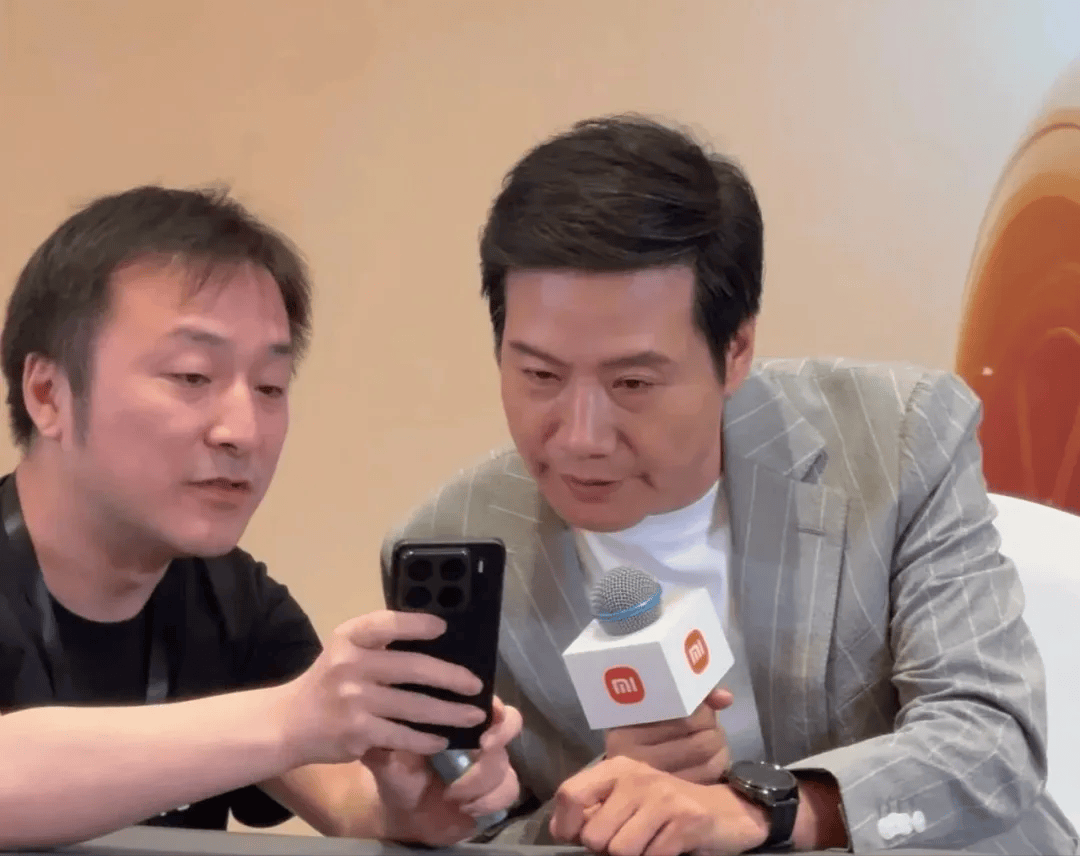
再次对标特斯拉,雷军深夜复盘小米YU7创造奇迹背后的热门问题
Bei Ke Cai Jing· 2025-06-27 06:45
Core Viewpoint - Xiaomi has achieved remarkable success in the automotive industry, with significant pre-orders for its new model, the YU7, indicating strong market demand and consumer trust in the brand [1][4]. Group 1: Pre-Order Success - Xiaomi received 196,000 orders within 2 minutes and over 289,000 orders within 1 hour of launching the YU7, showcasing an overwhelming market response [1]. - The stock price of Xiaomi surged nearly 10% following the announcement of these pre-orders, reaching a historical high of 61 HKD [1]. Group 2: Production and Delivery - CEO Lei Jun expressed excitement about the order volume, emphasizing the need to enhance production capacity to meet demand [3][4]. - The company aims to ensure product quality and timely delivery to maintain customer trust and satisfaction [4]. Group 3: Competitive Landscape - Lei Jun acknowledged the intense competition in the SUV market and highlighted the importance of product quality over marketing strategies [5]. - Comparisons between the YU7 and Tesla's Model Y were made, with Lei Jun recognizing the strengths of Model Y while asserting Xiaomi's commitment to innovation and quality [6][7]. Group 4: Supply Chain and Local Partnerships - Xiaomi's strategy includes prioritizing suppliers from the Beijing-Tianjin-Hebei region, with approximately 60-70% of suppliers located within this area [8]. - The company is focused on aligning with national strategies for industrial development and aims to contribute positively to the local economy [8]. Group 5: Future Outlook and Industry Position - Lei Jun emphasized the need for continuous improvement in capabilities and standards as Xiaomi transitions from a newcomer to a key player in the automotive industry [11][12]. - The company aims to leverage opportunities in the smart electric vehicle sector, positioning itself to compete effectively against established global brands [13][14].
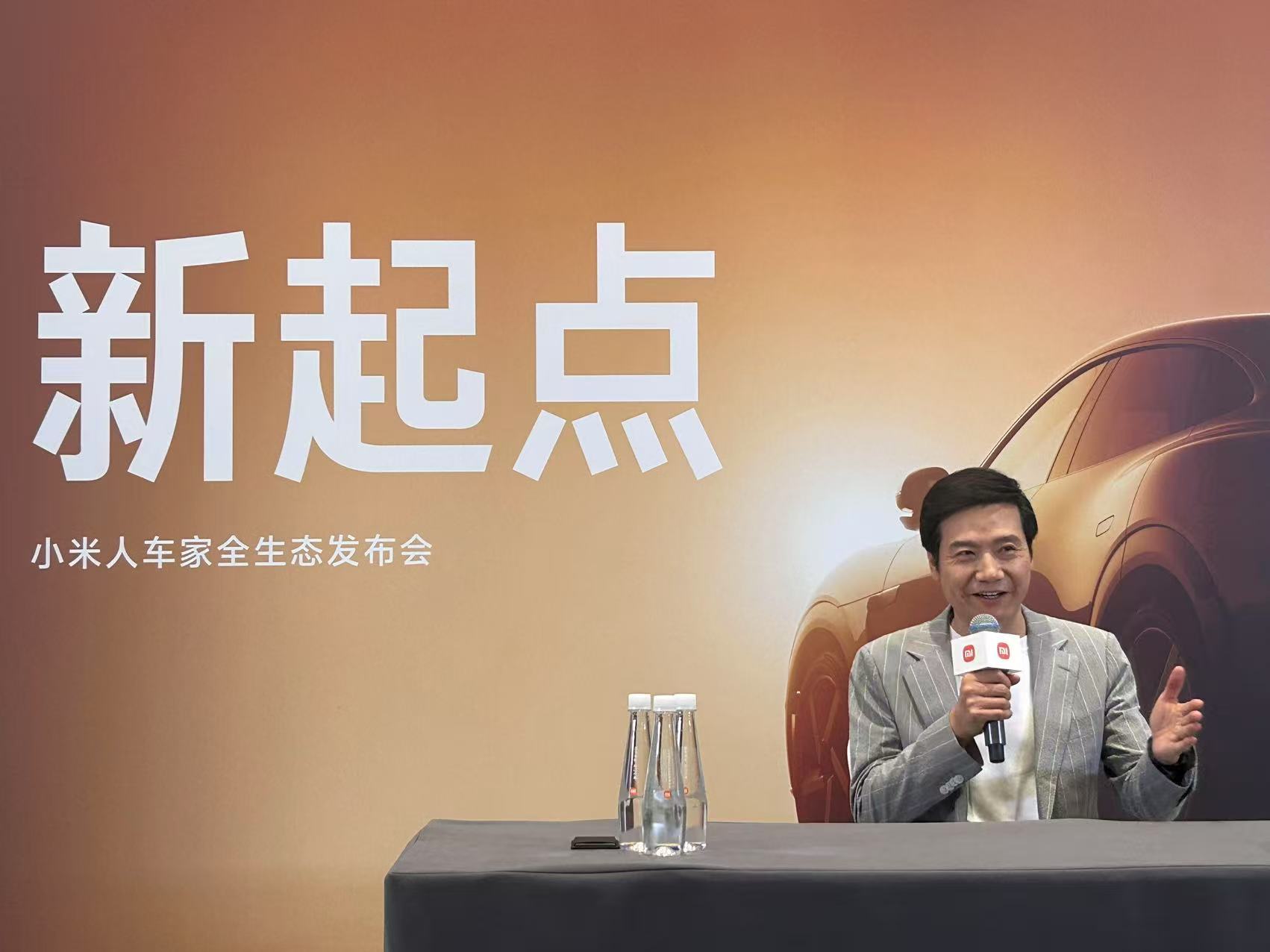
小米汽车胜在营销?雷军:我们在绝大部分层面都是领先的
Sou Hu Cai Jing· 2025-06-27 05:26
Core Insights - Xiaomi's Yu7 model achieved 196,000 pre-orders in just 2 minutes, with 122,000 locked orders, indicating strong market interest [1] - The company aims to position itself as a key player in the automotive industry, emphasizing high standards and a shift in mindset [3] - Xiaomi's self-developed V8S super electric motor is produced in-house to ensure quality and avoid reliance on third-party manufacturers [3] Company Strategy - Xiaomi plans to adopt a cautious approach in communications, recognizing that any misstep could be magnified in public perception [3] - The company is confident that the Yu7 will not cannibalize sales of the SU7, as it believes there are distinct consumer segments for sedans and SUVs [3] - Xiaomi is committed to technological innovation and quality improvement, opposing internal competition that detracts from these goals [3] Industry Context - The Chinese automotive industry is positioned to excel in areas such as chips, operating systems, AI, and consumer electronics, with the potential to surpass Japanese and German competitors [4] - The company has conducted a thorough analysis of Tesla's Model Y, acknowledging the need to learn from its success in various aspects beyond brand recognition [4] - Xiaomi prioritizes local suppliers from the Beijing-Tianjin-Hebei region in its manufacturing strategy, aiming to enhance the local economy [4]