新材料

Search documents
1300+份新材料报告下载:做新材料领域的「攻坚者」
材料汇· 2026-01-22 15:32
Core Viewpoint - The article discusses the rapid growth and investment opportunities in advanced packaging materials, highlighting the potential for domestic companies to replace foreign suppliers in critical sectors [7][8]. Market Overview - The global market for advanced packaging materials is projected to reach $2.032 billion by 2028, with the Chinese market expected to grow to 9.67 billion yuan by 2025 [8]. - Specific segments such as conductive adhesives are forecasted to reach $3 billion by 2026, while chip bonding materials are estimated to grow from approximately $4.85 billion in 2023 to $6.84 billion by 2029 [8]. Key Players - Domestic companies like Dinglong Co., Guofeng New Materials, and SanYue Technology are positioned to compete with international firms such as Fujifilm and Toray in the advanced packaging materials sector [8]. - The article lists various domestic and foreign companies involved in different segments of the advanced packaging materials market, indicating a competitive landscape [8]. Investment Strategies - The article outlines investment strategies across different stages of the new materials industry, emphasizing the importance of team assessment, industry analysis, and market entry barriers [10]. - It suggests that investments in mature products with established sales channels present lower risks and higher returns, while seed and early-stage investments carry higher risks [10]. Future Trends - The article anticipates significant growth in various new materials sectors, including epoxy resin and thermal interface materials, with projections indicating substantial increases in market size by 2027 and beyond [8]. - The focus on domestic substitution for critical materials is highlighted as a key trend, with potential for significant market disruption and opportunities for local companies [7][8].


从价值链到落地:新材料企业切入商业航天的低风险路径
材料汇· 2026-01-22 15:32
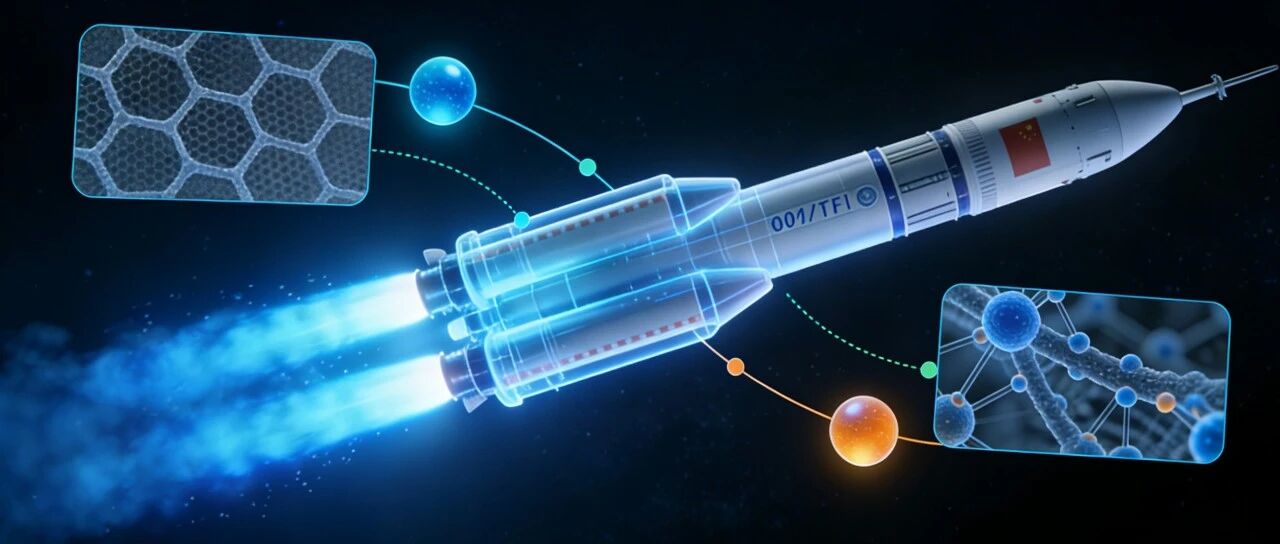
点击 最 下方 关注《材料汇》 , 点击"在看"和" "并分享 添加 小编微信 ,遇见 志同道合 的你 正文 引言 圜则九重,孰营度之? 惟兹何功,孰初作之? 斡维焉系,天极焉加? 八柱何当,东南何亏? 九天之际,安放安属? 隅隈多有,谁知其数? —屈原《天问》 两千多年前,屈原以汪洋恣肆的笔墨叩问天地万物,将人类对宇宙的敬畏与好奇镌刻进文明基因。 从"圜则九重,孰营度 之"的苍穹追问,到"日月安属?列星安陈"的星辰遐想,古人对宇宙的探索欲,在今日商业航天的浪潮中迎来了具象化的落 地。 曾经由国家主导的航天事业,如今已步入市场化、规模化爆发的新阶段, 低轨星座组网、可回收火箭、太空旅游 等赛道多 点开花,带动产业链上下游迎来千亿级市场增量。 但热潮之下,核心命题愈发凸显: 商业航天价值链的利润分布如何?新材料作为"性能基石与效率密钥",在各环节的赋能 逻辑与价值贡献是什么?跨界者、新进入者如何在同质化竞争中挖掘差异化机会? 这些问题,正是本文立足产业本质与材料特性,试图破解的核心议题——以新材料为锚点,拆解商业航天价值链,挖掘可 落地的价值机会,为产业链参与者提供决策参考。 一、商业航天价值链的核心逻辑与维度 ...
赛特新材发预减,预计2025年度归母净利润同比减少57.89%到71.93%
Zhi Tong Cai Jing· 2026-01-22 11:16
Core Viewpoint - The company, Sait New Materials (688398.SH), has announced a significant decrease in its expected net profit for the year 2025, projecting a reduction of 44.67 million to 55.50 million yuan, which translates to a year-on-year decline of 57.89% to 71.93% [1] Group 1: Reasons for Profit Decrease - The primary reasons for the profit decrease include a decline in the average selling price of the main product, vacuum insulation panels, due to macroeconomic conditions and market competition, leading to a decrease in gross margin [1] - The subsidiary, Weijiji, is currently in an investment phase, resulting in increased fixed asset depreciation expenses compared to the previous year [1] - The company has incurred higher financial expenses due to interest costs from convertible bonds and bank loans, contributing to the overall increase in financial costs [1] Group 2: Business Outlook and Strategies - Despite the profit decrease, the company reports a continued growth trend in the production and sales volume of vacuum insulation panels, driven by market demand [1] - The implementation of new refrigerator energy efficiency standards and the continuation of the old-for-new policy in 2026 are expected to create favorable conditions for the sustained increase in the penetration rate of the company's main products [1] - The company plans to actively respond to opportunities and challenges by optimizing its business layout, responding to downstream customer needs, accelerating the launch of new products, and expanding into new application areas [1] - There is a focus on enhancing daily operational management and deepening cost reduction and efficiency improvement efforts to boost overall profitability [1]

济宁:奋力突破工业经济“头号工程”
Da Zhong Ri Bao· 2026-01-22 06:18
Group 1 - The core focus of Jining is to build a strong industrial city by enhancing the industrial economy, emphasizing the importance of the real economy and manufacturing [1] - Jining plans to implement tailored industrial development action plans for 85 "chain master" enterprises, promoting innovation and collaborative development with small and medium-sized enterprises [1][2] - The city aims to cultivate high-quality enterprises and promote the integration of five industrial chains to release multiplier effects [1] Group 2 - Jining will intensify efforts to elevate its "232" advantageous industrial clusters, focusing on high-end equipment, high-end chemicals, new energy, new materials, new generation information technology, modern food, and modern medicine [2] - The high-end equipment cluster will concentrate on engineering machinery, automotive parts, and specialized equipment, aiming to create a leading smart manufacturing equipment hub [2] - The new energy cluster will expand the scale of energy storage batteries, power batteries, and photovoltaic components, with a goal to establish the largest new energy battery production base in Northern China [2] Group 3 - Jining will promote the upgrading of traditional industries such as coal, paper, tires, building materials, and textiles while also focusing on emerging industries like low-altitude economy and intelligent connected vehicles [3] - The city plans to develop high-quality industrial parks with a comprehensive development layout and enhance productive service industries through initiatives in commerce and logistics [3] - Jining aims to support the growth of service sectors such as research and design, accounting, legal services, and human resources, while fostering headquarters and building economies [3]
【要闻】何朝晖率队赴上海开展招商考察
Sou Hu Cai Jing· 2026-01-22 06:08
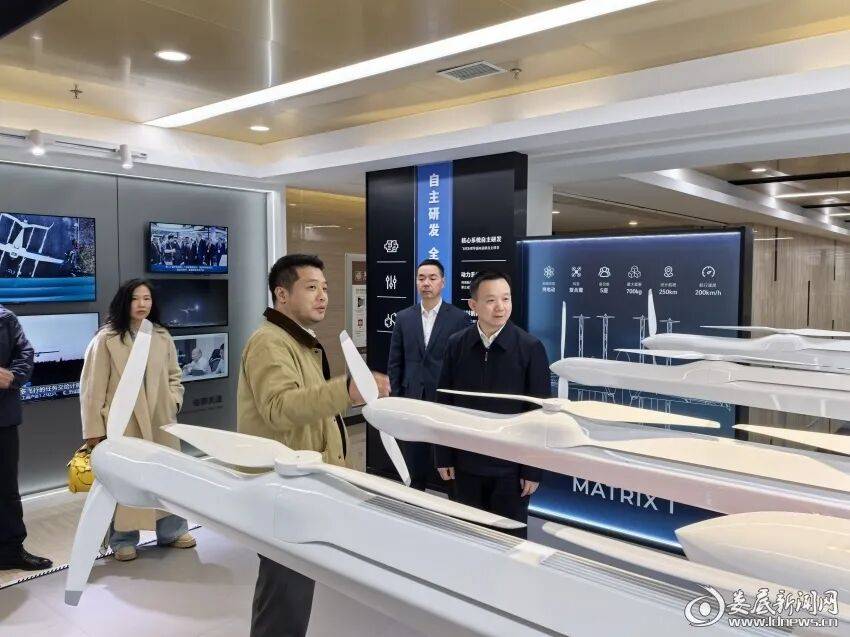
Group 1 - The mayor of Loudi, He Zhaohui, led a delegation to Shanghai from January 18 to 20 to explore investment opportunities, focusing on industrial collaboration, technological innovation, and regional cooperation [2][3] - During the visit, He Zhaohui highlighted Loudi's strengths in titanium materials, aiming to integrate local products into the supply chain of Commercial Aircraft Corporation of China (COMAC) to support large-scale production of key components [3] - Discussions were held with Shanghai Jiao Tong University regarding collaboration in material science, technology research and development, and talent cultivation, leveraging the Hunan Higher Research Institute platform [3] Group 2 - He Zhaohui promoted Loudi's advantages in developing a low-altitude economy to aviation technology companies, inviting them to explore establishing fixed logistics routes between Loudi and Changsha-Zhuzhou-Xiangtan [3] - The mayor requested more support from the provincial government office in Shanghai to facilitate regular and precise connections in industry, technology, and talent between Loudi and the Yangtze River Delta [4] - He Zhaohui emphasized the importance of optimizing the business environment and invited local entrepreneurs in Shanghai to invest in Loudi, aiming to create new development opportunities [4]
关于公开遴选邳州市战新产业投资基金合伙企业(有限合伙)子基金管理机构的公告
投中网· 2026-01-22 06:06
Core Viewpoint - The article discusses the establishment of the Pizhou Strategic Emerging Industry Investment Fund, which aims to promote high-quality development in strategic emerging industries in Pizhou City, with a total scale of 1 billion yuan [3]. Group 1: Fund Structure and Requirements - The fund will primarily invest in sectors such as semiconductor equipment and materials, high-end intelligent manufacturing, integrated circuits, new energy, new materials, and circular economy [4]. - The fund will adopt a limited partnership structure [5]. - Sub-funds are encouraged to register in Pizhou City, with the main fund contributing over 20% of the sub-fund's total raised capital [6]. - The duration of the sub-funds will generally not exceed 8 years, with possible extensions upon approval [8]. Group 2: Investment and Management Guidelines - The cumulative investment in a single sub-fund will not exceed 25% of its total raised capital, with specific exceptions [9]. - Management fees for sub-funds will be differentiated based on industry practices and fund size, with a cap on fees during investment and exit periods [10]. - Sub-funds must invest at least 1.5 times the actual contribution from the main fund into projects located in Pizhou City [11]. Group 3: Investment Decision and Restrictions - Investment decisions will be made by the sub-fund management based on market mechanisms, with representation from the main fund if its investment exceeds 25% [14]. - Sub-funds are prohibited from engaging in certain activities, including providing guarantees, investing in secondary market stocks (with exceptions), and other financial derivatives [16][17]. Group 4: Reporting and Evaluation - Sub-fund management must submit quarterly financial and operational reports to the main fund management within 35 days after each quarter [19]. - The main fund will conduct annual evaluations of sub-fund management operations, linking results to management fee payments and profit-sharing [21]. Group 5: Application and Selection Process - Interested institutions must submit an application report and undergo a multi-step selection process, including initial review, due diligence, and investment decision meetings [30][31][32][33]. - The final list of selected sub-fund management institutions will be publicly announced [34].

未来五年,德州将持续做强工业经济“头号工程”
Qi Lu Wan Bao· 2026-01-22 05:30
Group 1: Modern Industrial System Development - The core focus is on establishing a modern industrial system to support high-quality development, emphasizing advanced manufacturing as the backbone [1] - The strategy includes upgrading traditional industries towards high-end, intelligent, and green transformations during the "14th Five-Year Plan" period [1] - Key projects include enhancing the high-end chemical industry, food processing, and sports equipment manufacturing to create competitive industrial clusters [1] Group 2: Emerging Industry Cultivation - The plan aims to promote the scale and cluster development of emerging industries during the "14th Five-Year Plan" period [2] - Significant projects include the comprehensive layout of semiconductor industries and the establishment of national-level innovation platforms in the information technology sector [2] - The biopharmaceutical industry is targeted for growth, with support for major companies to create national strategic emerging industry clusters [2] Group 3: Future Industry Layout - A mechanism for increasing investment in future industries will be established, focusing on incubators and acceleration parks [3] - The hydrogen energy industry is highlighted, with plans to create a comprehensive industrial chain for fuel cells and related systems [3] - The artificial intelligence sector will see integration with various industries, supported by the development of AI equipment industrial parks and data centers [3]
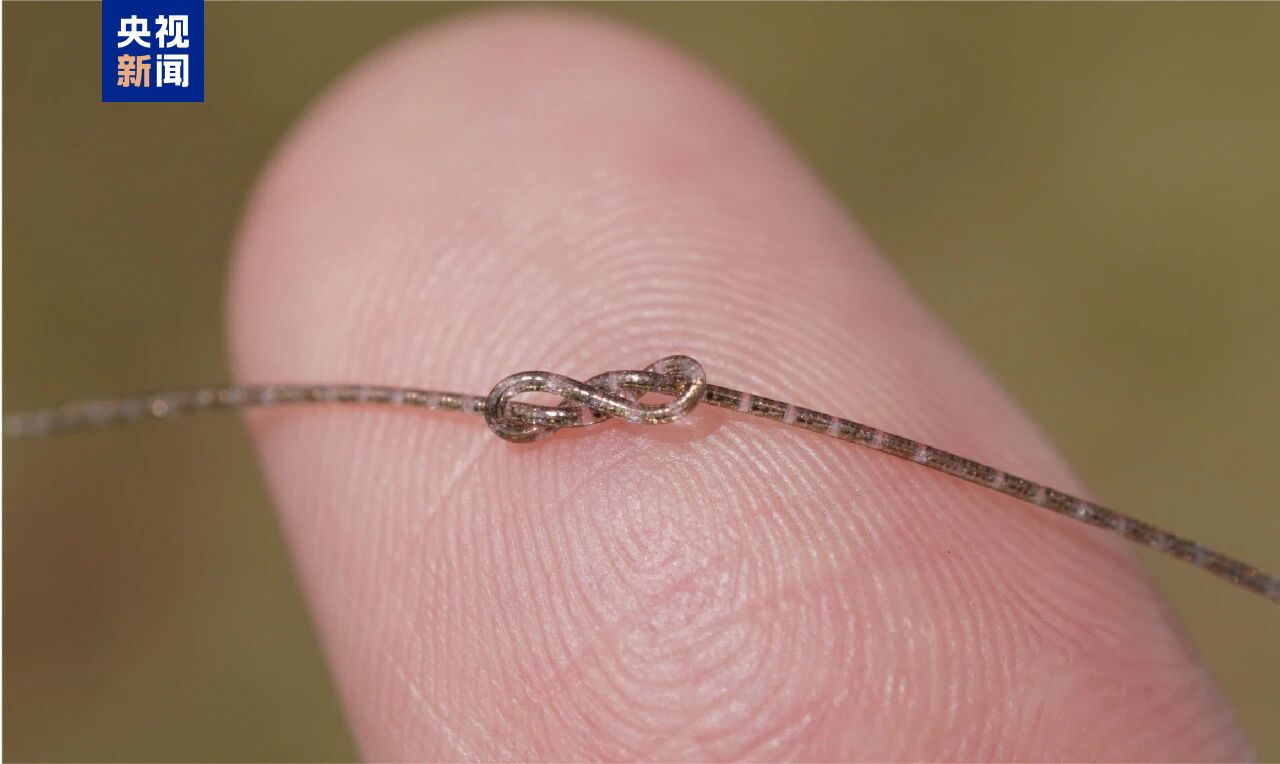
未来衣服会“思考”?会“计算”的新型纤维问世
Jing Ji Guan Cha Wang· 2026-01-22 03:34
Core Insights - A breakthrough in fabric technology has been achieved by Fudan University, creating a new type of fiber that integrates high-density microcircuits, enabling garments to have computing capabilities [1][3] - The innovative "spiral stacking" design allows for the integration of thousands of tiny electronic components within a soft fiber, making it compatible with existing chip technology for scalable production [3][4] Group 1: Fiber Characteristics - The new fiber is exceptionally soft and can be bent, tied, stretched, and even withstand pressure from heavy vehicles while maintaining functionality [3] - It features a closed-loop system that integrates sensing, power supply, information processing, and display capabilities, allowing it to operate independently [3] Group 2: Application Prospects - In the medical field, this technology can be used to create ultra-fine, soft brain-machine interface probes with good biocompatibility for stable long-term neural signal collection and processing [4] - In the wearable sector, it enables the production of truly soft, breathable "smart clothing" that can display patterns or sense external information [4] - In virtual reality, gloves made from this fiber can more realistically simulate the sensation of touching objects, enhancing the immersive experience [4] Group 3: Future Development - The research team has validated the feasibility of large-scale production of this technology and is working towards practical applications, which could provide critical support for industry transformation [4]
一系列举措将出台 推动“十五五”实现良好开局
Jing Ji Wang· 2026-01-22 02:48
Group 1 - The core viewpoint emphasizes the importance of expanding domestic demand and optimizing supply to achieve a dynamic balance and virtuous cycle in the economy, with a focus on a new development model driven by domestic demand and consumption [2][3] - The National Development and Reform Commission (NDRC) plans to develop a strategic implementation plan for expanding domestic demand from 2026 to 2030, aligning with the trends of demand upgrading and the new technological revolution [2] - The NDRC aims to strengthen the real economy by fostering innovation, creating new supply, and generating new employment opportunities, while promoting a modern industrial system focused on intelligence, greenness, and integration [3] Group 2 - The construction of a unified national market is a significant strategic deployment by the central government, with positive progress already made and a commitment to deepen this initiative [4][5] - Key metrics indicate improvements in inter-provincial trade and reduced logistics costs, reflecting a favorable trend in resource allocation and market transaction costs [4] - Future efforts will focus on institutional development, high-quality growth, and addressing persistent issues that hinder market efficiency, such as low-price competition and local protectionism [5][6] Group 3 - The NDRC forecasts that by 2026, China's economic structure will continue to improve, with new growth drivers emerging from sectors like renewable energy, aerospace, and artificial intelligence [7][8] - The digital economy is expected to contribute significantly to GDP, with projections indicating it could reach 49 trillion yuan, accounting for approximately 35% of GDP by 2025 [8] - Regional innovation hubs, particularly in areas like the Greater Bay Area and the Yangtze River Delta, are set to enhance their roles in driving economic development and technological innovation [9]
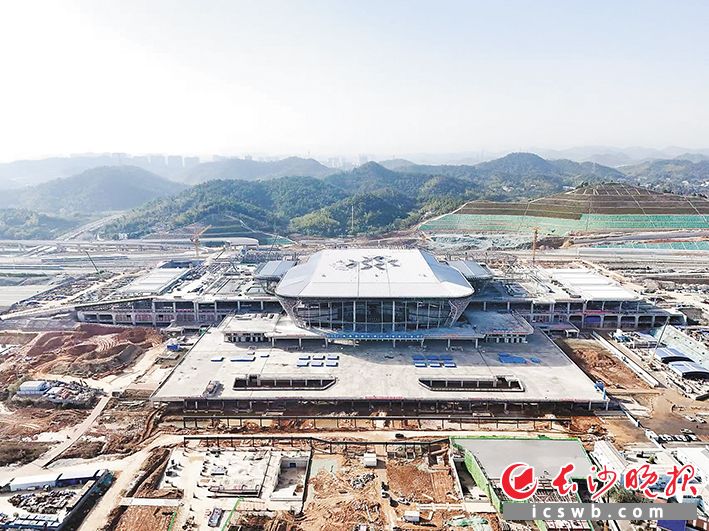
《湖南湘江新区国土空间规划(2021—2035年)》正式获批,成为未来十多年发展的空间蓝图
Chang Sha Wan Bao· 2026-01-22 02:38
Core Perspective - The approval of the "Hunan Xiangjiang New Area Land Space Planning (2021-2035)" marks a significant step towards establishing a modernized model for Xiangjiang, aligning with national strategies and local development goals [2][12]. Group 1: Development Framework - The planning outlines a comprehensive spatial layout characterized by "Five Mountains Integration, Eight Rivers into the River, One Core Leading, and Three Corridors Co-prospering," reflecting a new approach to development and protection [4]. - The ecological foundation of the area is emphasized, with five major mountain ranges and eight key rivers forming an ecological corridor that supports the region's unique landscape and provides high-quality recreational spaces [5]. Group 2: Economic and Innovation Strategy - The planning aims to establish a "dual-engine" development model, with the southern area focusing on the Xiangjiang Science City as a technology innovation hub and the northern area developing the Yugan New District for logistics and port industries [6]. - A "2+4+N" industrial system is proposed, combining two major national industry clusters with four pillar industries and various emerging sectors, ensuring a robust and diversified economic base [9]. Group 3: Public Services and Infrastructure - The planning prioritizes the enhancement of public services and transportation networks, aiming to create a "full-age friendly" urban environment that is accessible and equitable [10]. - A comprehensive transportation network is being developed, featuring efficient connections through high-speed rail and a dense urban road system, improving commuting experiences for residents [11]. Group 4: Future Vision - The ultimate goal is to position Xiangjiang New Area among the top national-level new areas by 2035, focusing on high-end manufacturing, urban integration, and ecological civilization [12][13].