
咖啡

Search documents
咖啡豆涨价创历史新高:咖农欢呼,咖啡店苦撑降成本
Di Yi Cai Jing· 2025-11-08 12:01
Core Viewpoint - The continuous rise in coffee futures prices presents opportunities for coffee farmers but poses challenges for the retail sector, particularly in the context of intense market competition and price wars [1][11]. Group 1: Coffee Futures Market - Coffee futures prices have seen significant increases, with a rise of over 70% from 188.5 cents/pound on January 2 to 336.4 cents/pound on December 10 of the previous year, surpassing gold price increases during the same period [3]. - As of November 8, coffee futures were reported at 388.38 cents/pound, reflecting a 2.46% increase, while the ICE Arabica coffee futures rose by 4.94% in the week ending November 7 [3]. - Factors contributing to the price surge include climate change affecting global production and unexpected weather events in major producing countries like Brazil, which has seen frost and drought conditions impacting yields [4][3]. Group 2: Supply and Demand Dynamics - The USDA projects that global Arabica coffee production will be 470,000 tons lower than the historical peak of 6.3 million tons in the 2018/2019 season, indicating a 7.5% decline [4]. - The demand for freshly brewed coffee has been increasing, creating a structural imbalance in the Arabica coffee market, where production is declining while demand is rising [4]. - The price increase has also been influenced by speculative trading and stockpiling by traders in response to supply concerns [4]. Group 3: Impact on Coffee Farmers - Coffee farmers in Yunnan, such as Cai Qing and Yu Zuguo, have experienced significant income growth due to rising coffee prices, with Cai's annual sales reaching 800,000 yuan and production increasing from 7 bags to 160 tons [7][8]. - The price of fresh coffee cherries in Yunnan has surged from 3.5-4.3 yuan/kg to around 7 yuan/kg, with market acquisition prices exceeding 60 yuan/kg, alleviating previous challenges faced by farmers [8][9]. - The increase in coffee futures prices has led to a renewed interest in coffee cultivation, with Yunnan's coffee planting area growing by 4% in 2024 [9]. Group 4: Retail Sector Challenges - The competitive landscape in the coffee retail market is intensifying, with local brands like Luckin Coffee and Manner rapidly expanding and offering lower-priced products, making it difficult for established brands like Starbucks to raise prices [11][12]. - Retailers are facing pressure to maintain low prices despite rising costs, leading to cost-cutting measures such as reducing staff and store sizes, and shifting towards online sales [12][13]. - The ongoing price competition and the need to attract customers with lower prices are testing the operational capabilities and financial strength of coffee retailers [13].




咖啡豆涨价创历史新高:咖农欢呼 咖啡店苦撑降成本
Di Yi Cai Jing· 2025-11-08 11:57
Core Insights - Starbucks has formed a strategic partnership with Boyu Capital to jointly operate its retail business in China, highlighting the competitive pressure from local brands like Luckin and Manner in the coffee market [1] - The coffee futures market has seen significant price increases, with prices reaching historical highs, impacting both coffee producers and retailers [2][3] Coffee Market Dynamics - Coffee futures prices have surged, with a notable increase from 188.5 cents per pound at the beginning of last year to a peak of 437.95 cents per pound in October, reflecting a rise of over 70% [2] - The USDA projects a decline in global Arabica coffee production, estimating a drop of 475,000 tons (-7.5%) from the historical peak of 6.3 million tons in the 2018/2019 season [3] - Weather events in major coffee-producing countries, particularly Brazil, have contributed to reduced production and increased futures prices [3] Impact on Coffee Farmers - Farmers like Cai Qing have experienced significant income growth due to rising coffee prices and partnerships with large companies like Starbucks, with annual sales reaching approximately 800,000 yuan [5] - The price of fresh coffee cherries in Yunnan has increased from 3.5-4.3 yuan to around 7 yuan per kilogram, driven by high futures prices [7] - The area under coffee cultivation in Yunnan is projected to grow by 4% in 2024, reversing a previous decline due to low prices [7] Retail Sector Challenges - The intense competition in the coffee market has led to aggressive pricing strategies, with some brands offering coffee for as low as 9 yuan, complicating pricing strategies for established brands [8][9] - Retailers are forced to cut costs by reducing staff and store sizes, as rising raw material costs from coffee futures do not allow for price increases [10] - The ongoing price war and the need to attract customers with lower prices are straining the operational capabilities of coffee retailers [10]
商业秘密|咖啡豆涨价创历史新高:咖农欢呼,咖啡店苦撑降成本
Di Yi Cai Jing· 2025-11-08 11:47
Core Insights - Coffee futures prices are rising, creating opportunities for coffee farmers but putting pressure on the retail sector [1][15] - Starbucks has formed a strategic partnership with Boyu Capital to operate its retail business in China, highlighting the competitive landscape in the coffee market [1] - The coffee market is experiencing intense competition, particularly from local brands like Luckin Coffee and Manner, which are expanding rapidly and engaging in price wars [1][13] Coffee Futures Market - Coffee futures prices have seen significant increases, with prices reaching 437.95 cents per pound on October 23, marking a historical high [4] - The price of coffee futures has risen over 70% from 188.5 cents per pound at the beginning of last year [4] - Factors contributing to the price surge include climate change affecting global production and speculative trading [5] Production and Supply Dynamics - The production of Arabica coffee is projected to decline, with the USDA estimating a decrease of 47,000 tons from the historical peak of 630,000 tons in the 2018/2019 season [5] - Weather events in Brazil, a major coffee producer, have led to reduced output, further driving up prices [5] - The demand for freshly brewed coffee is increasing, exacerbating the supply-demand imbalance in the Arabica coffee market [5] Impact on Coffee Farmers - Coffee farmers in Yunnan are benefiting from rising coffee prices, with some reporting significant increases in income due to higher market prices and partnerships with large companies like Starbucks [9][11] - The price of fresh coffee cherries in Yunnan has surged from 3.5 to 7 yuan per kilogram, reflecting the impact of high futures prices [11] - The area under coffee cultivation in Yunnan has increased by 4% in 2024, reversing a previous decline due to low prices [11] Retail Sector Challenges - The retail coffee sector is facing challenges due to rising raw material costs, with many retailers unable to raise prices due to intense competition [15] - Some coffee shops are reducing costs by using domestic coffee beans and minimizing operational expenses, such as reducing staff and store size [14][15] - The competitive landscape is forcing retailers to adopt low-price strategies, complicating their ability to maintain profitability amid rising costs [15]
张园“静安会客厅”洞见进博机遇
Sou Hu Cai Jing· 2025-11-08 02:00
Core Insights - The 8th China International Import Expo (CIIE) is boosting global economic recovery and confidence, with the Zhangyuan "Jingan Reception Hall" becoming a focal point for showcasing opportunities and innovations in the consumer market [1][4]. Group 1: Innovation and Business Models - Zhangyuan is implementing an innovative "First Release + Bonded" model, integrating its operational experience to connect domestic and international markets efficiently [3][4]. - Four international jewelry brands are utilizing Zhangyuan's specialized bonded warehouse to reduce operational costs and enhance global resource connectivity, transforming exhibition items into marketable products [4]. Group 2: Consumer Experience and Brand Engagement - The "Open China, Open Market" dialogue at Zhangyuan highlights how the current openness in China is creating new opportunities for multinational brands, emphasizing the importance of cultural experiences and emotional value in consumer engagement [9][10]. - The event features discussions on the significance of creating resonant cultural experiences for international brands, with insights from various industry experts [10]. Group 3: Women's Empowerment and Cultural Narratives - The "Jingan Reception Hall" is also focusing on women's empowerment through the launch of the "Zhangyuan Era Skirt Hero" IP, which aims to explore women's contributions and opportunities in a global context [11][12]. - The upcoming "Era Skirt Hero Forum" will further engage outstanding women across various sectors, promoting dialogue on women's roles in contemporary society [11]. Group 4: Market Dynamics and Future Prospects - The dual presence of international brands and domestic "Guochao" brands at the expo allows for sustained spillover effects, positioning Zhangyuan as a connector of opportunities and an experimental ground for innovations [14]. - By leveraging the "First Release" and "Bonded" strategies, Zhangyuan is solidifying its status as a new landmark for global product launches in Shanghai, contributing to the development of Jingan District as an international consumption center [14].

终于扛不住了?星巴克向9.9元低头?真相是:一场更狠的围剿
Sou Hu Cai Jing· 2025-11-08 00:39
Core Insights - Starbucks is selling a 60% stake in its China retail operations to Boyu Capital for a valuation of $4 billion, retaining 40% ownership and brand rights, indicating a strategic shift rather than a retreat from the market [1][3] - The total value of Starbucks' retail business in China is over $13 billion, highlighting the significance of the transaction beyond just the cash received [3][5] Transaction Details - The deal involves three components: cash from the sale of equity, potential value from the retained stake, and future brand licensing revenue, allowing Starbucks to focus on brand and intellectual property while shedding high-risk operational responsibilities [3][5] - This move is characterized as a "light asset transformation," enabling Starbucks to stabilize profits through brand licensing while distancing itself from daily operational challenges [3][5] Market Dynamics - The decision to "delegate" operations comes amid fierce competition in the Chinese coffee market, with local brands like Luckin Coffee and Kudi rapidly expanding and employing aggressive pricing strategies [5][7] - Despite maintaining same-store traffic growth, Starbucks has seen a decline in average transaction value, indicating a shift in consumer behavior towards more pragmatic spending [5][8] Strategic Partnership - Boyu Capital's selection as a partner is attributed to its extensive experience in the Chinese market, including high-end projects and successful investments in popular brands, which can provide operational synergies for Starbucks [7][8] - The partnership aims to expand Starbucks' store count in China from over 8,000 to 20,000, reflecting a significant growth ambition rather than a withdrawal [7][8] Future Strategy - Starbucks is not expected to engage in price wars but will instead focus on a differentiated strategy, maintaining high-end flagship stores while introducing lighter community and quick-service formats in lower-tier cities [8][10] - This approach aims to balance brand integrity with market demands, leveraging a mixed model of direct and franchise operations to optimize expansion costs [8][10] Industry Trends - Starbucks' transformation aligns with a broader trend among global consumer brands in China, moving towards lighter asset models and increased collaboration with local partners to enhance operational efficiency [10][14] - The shift emphasizes the importance of adapting to local market conditions, with a focus on brand development and product innovation while outsourcing operational responsibilities [10][14] Challenges Ahead - Key challenges include maintaining brand identity during rapid expansion and ensuring profitability in new store formats, as well as managing the balance between direct and franchise operations [12][14] - The collaboration between Boyu Capital's expertise and Starbucks' established brand framework is expected to address these challenges effectively [12][14]

四中全会精神在基层 | 记者手记:不产一粒生豆,昆山何以打造千亿元级咖啡产业?
Shang Hai Zheng Quan Bao· 2025-11-07 15:17
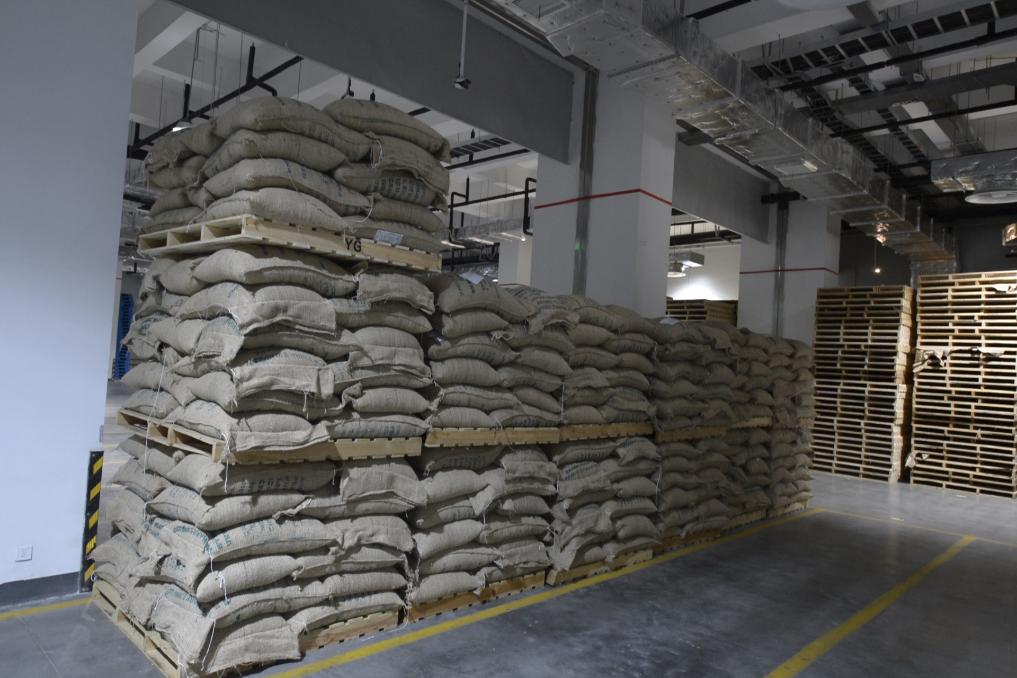
Core Insights - The coffee industry in Kunshan, Jiangsu, has rapidly developed into a billion-yuan industry despite not producing any raw coffee beans, with a significant increase in coffee-related activities and businesses [1][2] Group 1: Industry Development - Kunshan accounts for 60% of China's coffee bean roasting volume and over 60% of coffee bean imports, with more than 100 leading coffee companies establishing operations in the area [1] - Starbucks has opened its largest roasting facility outside the U.S. in Kunshan, which supplies coffee beans to over 8,000 stores nationwide, significantly reducing the time from bean arrival to delivery [2] - The establishment of the Asia-Pacific Coffee Bean Distribution Center addresses infrastructure gaps, allowing small and medium-sized roasting companies to purchase beans directly, thus reducing costs and accelerating industry concentration in Kunshan [3] Group 2: Cultural Integration - Coffee culture has become deeply integrated into Kunshan's urban fabric, with coffee shops proliferating across various locations, becoming a distinctive cultural symbol of the city [4] Group 3: Future Plans - Kunshan aims to position itself as an international coffee capital, focusing on creating a billion-yuan coffee industry scale and a "coffee+" cultural brand matrix, including initiatives to promote coffee in rural areas [5]
巨头下沉,幸运咖“反攻”一线:县城模式能否撬动新市场
Hua Xia Shi Bao· 2025-11-07 13:46
Core Insights - Lucky Coffee, a sub-brand of Mixue Group, is rapidly expanding in first-tier cities, contrasting with its previous focus on lower-tier markets [2][3][5] - The brand has increased its store count in Beijing from a few to nearly 100 this year, with Shenzhen experiencing a threefold growth in store numbers [2][3] - Lucky Coffee offers incentives for franchisees in high-tier cities, including waiving fees totaling 17,000 yuan for stores in major urban areas [2][4] Expansion Strategy - Lucky Coffee's core product pricing ranges from 5 to 10 yuan, significantly lower than competitors, allowing it to capture market share in lower-tier cities [3][5] - As of October 23, Lucky Coffee has signed over 9,000 stores nationwide, with a target of reaching nearly 10,000 [3][4] - The brand is focusing on smaller store formats (20-30 square meters) in first-tier cities to reduce operational costs for franchisees [4][6] Market Dynamics - The coffee market in lower-tier cities is becoming saturated, prompting Lucky Coffee to seek growth in first-tier cities where competition is fierce [5][6] - Major competitors like Luckin Coffee and Starbucks are also expanding aggressively into lower-tier markets, increasing pressure on Lucky Coffee [5][6] - The high-tier coffee market is perceived as nearing saturation, with a shift in growth potential towards lower-tier markets [6] Challenges Ahead - Lucky Coffee faces significant challenges in high-tier cities, including high operational costs and intense competition from established brands [6] - The brand's marketing and product innovation strategies are seen as lacking compared to competitors, which may hinder its ability to attract consumers in high-tier markets [6]
四中全会精神在基层丨记者手记:不产一粒生豆,昆山何以打造千亿元级咖啡产业?
Xin Hua She· 2025-11-07 12:48
Core Insights - The coffee industry in Kunshan, Jiangsu, has rapidly developed into a billion-yuan industry chain, accounting for 60% of China's coffee bean roasting volume and over 60% of bean imports, with more than 100 leading coffee companies established in the area [1][2]. Industry Development - The Starbucks China Coffee Innovation Park, the largest roasting facility outside the U.S., began operations in 2023, significantly reducing the time from bean arrival to roasting and distribution to stores across China to as little as 10 days [2]. - Kunshan's strategic location near Shanghai, the integration of the Yangtze River Delta, and an optimized business environment have attracted major coffee companies [2]. Infrastructure and Supply Chain - The establishment of the Asia-Pacific Coffee Bean Distribution Center addresses the infrastructure gap in the coffee supply chain, allowing small and medium-sized roasting companies to purchase beans directly, thus reducing costs [4][5]. - 90% of imported coffee beans can now undergo inspection upon arrival, cutting inspection times by two-thirds and streamlining the import process [4]. Economic Impact - The coffee culture has become a significant part of Kunshan's identity, with coffee shops proliferating throughout the city, contributing to its cultural landscape [5]. - Companies like Fei Fu Biotechnology (Jiangsu) Co., Ltd. are experiencing growth, with projected revenues of 20 million yuan this year, a 20% increase from the previous year, due to the favorable conditions in Kunshan [5]. Future Outlook - Kunshan aims to establish itself as an international coffee capital, targeting a billion-yuan scale for its coffee industry and developing a "coffee+" cultural brand matrix [5]. - Initiatives like "coffee going rural" are being promoted to introduce quality coffee beans to rural areas, enhancing local coffee culture [7].
出售60%股权、引入新伙伴博裕投资!星巴克中国“再出发”|画说热点
Sou Hu Cai Jing· 2025-11-07 12:45
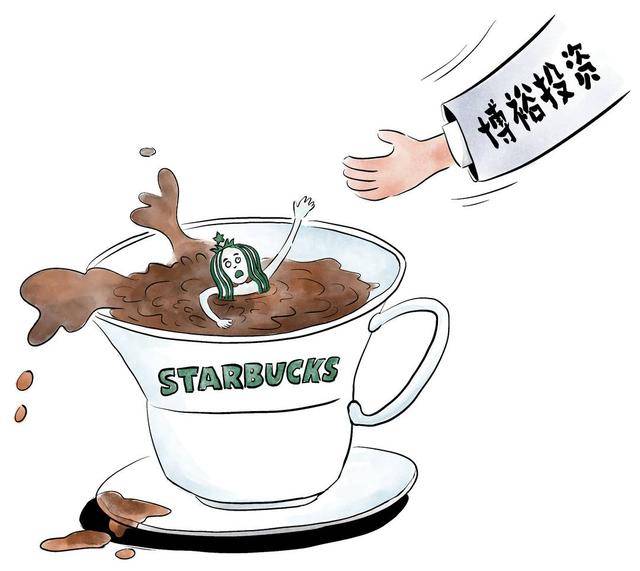
Core Insights - Starbucks has announced a strategic partnership with Chinese alternative asset management firm Boyu Capital to establish a joint venture for its retail operations in China [2][3] - Boyu Capital will hold up to 60% equity in the joint venture, while Starbucks retains 40% and continues to own and license its brand and intellectual property [2] - The estimated enterprise value of the joint venture is approximately $4 billion, with Starbucks projecting its total retail business value in China to exceed $13 billion [2] Group 1 - Boyu Capital, founded in 2011, has a diversified investment management platform and extensive experience in the consumer retail sector, having invested in over 200 companies [3] - The collaboration aims to leverage Boyu's local market insights and Starbucks' global leadership in the coffee industry to enhance product offerings and customer experiences in China [3] - Starbucks has over 60% of its stores located in the U.S. and China, with China being its second-largest market globally [3] Group 2 - In the most recent quarter, Starbucks reported a 1% increase in global same-store sales, marking the first positive growth in seven years, with a 2% increase in same-store sales in China contributing significantly [3]
以进博会链接全球原产地 瑞幸与世界共享中国咖啡产业发展机遇
Zheng Quan Ri Bao Wang· 2025-11-07 11:48
Core Insights - The 8th China International Import Expo (CIIE) commenced in Shanghai, showcasing the participation of various countries and brands, with Luckin Coffee being a highlighted coffee brand [1] - Luckin Coffee is expanding its global footprint by entering markets in Brazil and Indonesia, aiming to enhance trade cooperation and cultural exchange in the coffee industry [1][2] Group 1: Global Expansion and Trade Cooperation - Luckin Coffee has signed a five-year memorandum with Brazil for the procurement of 240,000 tons of coffee beans, valued at 10 billion yuan, establishing itself as the largest buyer of Brazilian coffee beans in China [1] - In 2024, Luckin's procurement accounted for approximately 60% of Brazil's coffee bean exports to China, indicating a significant market presence [1] Group 2: Local Development and Sustainability - The company has established a "Luckin Coffee Exclusive Fresh Coconut Island" in Indonesia, planning to procure 1 million tons of high-standard fresh coconuts over the next five years, providing economic stability for local coconut farmers [2] - Luckin Coffee is also investing in local coffee processing capabilities by building its first coffee fresh fruit processing plant in Yunnan in 2024, which will support local farmers through training in coffee cultivation and processing [2] Group 3: Cultural Exchange and Community Building - Luckin Coffee is committed to promoting coffee culture through initiatives such as the Brazil Coffee Culture Festival and the establishment of Brazilian coffee-themed stores and museums [2] - The company aims to create a "value community" by connecting consumers with coffee-producing regions, leveraging its 26,000 stores to enhance cultural exchange and mutual benefits [2]