
乡村旅游

Search documents
城乡居民收入差距缩小,浙江如何再谱乡村“致富经”?
2 1 Shi Ji Jing Ji Bao Dao· 2025-08-15 13:03
Core Viewpoint - The Zhejiang Provincial Government has officially issued an implementation plan aimed at promoting urban-rural integration and reducing disparities by leveraging the "Ten Million Project" by 2027, focusing on six key areas of development [1]. Group 1: Urban-Rural Integration and Economic Growth - The plan aims to achieve breakthroughs in urban-rural integration by enhancing the development of mountainous and island counties, improving county-level carrying capacity, invigorating rural development, increasing income for urban and rural residents, advancing integrated public services, and reforming mechanisms for common prosperity [1]. - In the first half of this year, the ratio of per capita disposable income between urban and rural residents in Zhejiang was 1.67, a slight decrease from the previous year, with rural income growth outpacing urban growth by 1 percentage point [1]. Group 2: Agricultural Development and Innovation - Zhejiang is focusing on developing efficient ecological agriculture and enhancing agricultural productivity through smart agriculture and the entire agricultural product supply chain [2][5]. - The introduction of the "Zhejiang Agricultural Code" has improved the traceability and branding of agricultural products, with plans to upgrade to "Zhejiang Agricultural Code 2.0" for better data connectivity and collaboration [3][4]. Group 3: Tourism and Cultural Integration - The integration of agriculture with tourism is being emphasized, with various villages developing unique tourism models, such as Lin Keng Village's focus on eco-cultural tourism and the establishment of a comprehensive agricultural heritage system [9][12]. - New tourism attractions, such as the "Parrot Theme Park" and the transformation of abandoned mining sites into cultural venues, are being developed to attract visitors and enhance local economies [13][14]. Group 4: Economic Impact and Employment - The agricultural industry in Zhejiang has created significant economic value, with over 126 agricultural product supply chains generating a total output value of 321.6 billion yuan and employing 4.7 million people [6]. - The panda pig farm in Jinhua has attracted 3 million visitors since its opening, generating 280 million yuan in revenue, with expectations to exceed 150 million yuan this year [8].

湖北谷城多点共建“堰河式”和美乡村 打造乡村共富圈
Ren Min Ri Bao· 2025-08-15 07:02
Core Insights - The development of Yanhhe Village in Hubei Province showcases the successful transformation from poverty to prosperity through rural tourism and sustainable practices [1][2] - The village has achieved significant economic growth, with a total tourism revenue exceeding 100 million yuan and an average per capita income of 38,000 yuan [1][2] Group 1: Economic Development - Yanhhe Village has a permanent population of 1,800, with approximately 85% engaged in rural tourism, leading to a total tourism revenue of over 100 million yuan last year [1] - The average per capita income of villagers reached 38,000 yuan, reflecting the positive impact of the tourism industry [1] - The village's agricultural products, including tea and mushrooms, generated sales of 3 million yuan last year [1] Group 2: Environmental Sustainability - The village transitioned from deforestation to afforestation, with 21,000 acres of previously barren land now covered in greenery, including 1,200 acres of tea gardens and 3,000 acres of economic forests [1][2] - The local leadership emphasized the principle that "lucid waters and lush mountains are invaluable assets," guiding the community towards sustainable development [1] Group 3: Community Engagement - The village's tourism strategy involves unified pricing for agricultural products and accommodations, fostering trust and participation among villagers [2] - Neighboring villages are learning from Yanhhe's model, with initiatives to develop their own agricultural industries, such as the chili pepper industry in Xiongjiagang Village [2] - A collaborative approach among seven surrounding villages has led to the establishment of shared tourism facilities and branding for agricultural products, enhancing collective economic benefits [2]
“点绿成金”的山东实践:青山复绿“金山”来
Xin Hua Wang· 2025-08-15 04:09
Group 1 - The article highlights the transformation of ecological resources into economic assets in Shandong province, showcasing initiatives like the issuance of "forest tickets" to leverage forest land for financial gain [1][5][6] - Shandong has established 32 national ecological civilization construction demonstration zones and 11 "green water and lush mountains are golden mountains and silver mountains" innovation bases, leading the nation in these efforts [1] - The "forest ticket" system allows villagers to convert their forest rights into tradable assets, enabling them to secure loans and invest in agricultural projects, thus enhancing their income [5][6] Group 2 - The article describes the successful case of Beicuiya Village, which transformed its ecological environment into a thriving tourism destination, attracting over 100,000 visitors and generating more than 5 million yuan in revenue by 2024 [3][4] - The village's tourism cooperative model allows villagers to earn income through various means, including land leasing and participation in tourism services, creating multiple revenue streams [4] - The initiative emphasizes community involvement in ecological protection and sustainable development, fostering a sense of responsibility among villagers towards their natural resources [2][3]
“绿色红利”富了百姓!“两山”理念“绿色密码”让茶园更绿、茶农日子更甜
Yang Shi Wang· 2025-08-15 02:55
Core Viewpoint - The New Anjiang River's water quality is crucial for the safety and development of the entire watershed, with efforts focused on balancing ecological protection and economic development in the region [1] Group 1: Ecological and Economic Development - The New Anjiang River has become a significant tourist attraction, receiving over 300,000 visitors annually, benefiting local fishing villages by shifting from fishing to tourism [4] - The implementation of fishery retirement and the cessation of fishing activities have significantly slowed the process of water eutrophication, with the region's tourism generating 77.68 billion yuan in comprehensive income from 7.166 million visitors [7] - Over 30 polluting enterprises have been eliminated, and more than 200 policies have been introduced, with an investment of 4.6 billion yuan for pollution control [9] Group 2: Water Quality Management - A smart system has been established to manage wastewater from boats, achieving near-zero discharge of sewage from passenger and cargo ships since 2018 [10] - The water quality at the cross-province boundary of the New Anjiang River has consistently met Class II surface water quality standards, supplying nearly 7 billion cubic meters of high-quality water to the downstream Qiandao Lake annually since 2012 [10] Group 3: Agricultural and Industrial Development - The ecological civilization construction is seen as a "green code" for common prosperity, with significant ecological and economic value emerging from the New Anjiang River basin [12] - Over 200 high-quality agricultural and cultural products have been launched under the "Shicai Binfen" regional public brand, with deep health tourism and ecological study tourism becoming new highlights [15] - The tea industry has transformed agricultural products into industrial products, increasing prices significantly, with 1 kg of tea powder priced at 800 yuan, showcasing the industrialization of traditional tea [17] Group 4: Future Prospects - The tea industry in Huangshan is attracting upstream enterprises for investment, leading to continuous upgrades in the industry, with an expected comprehensive annual output value of nearly 30 billion yuan in 2024 [19] - The "Two Mountains" concept is enhancing the ecological environment and improving the livelihoods of 800,000 tea farmers [19]
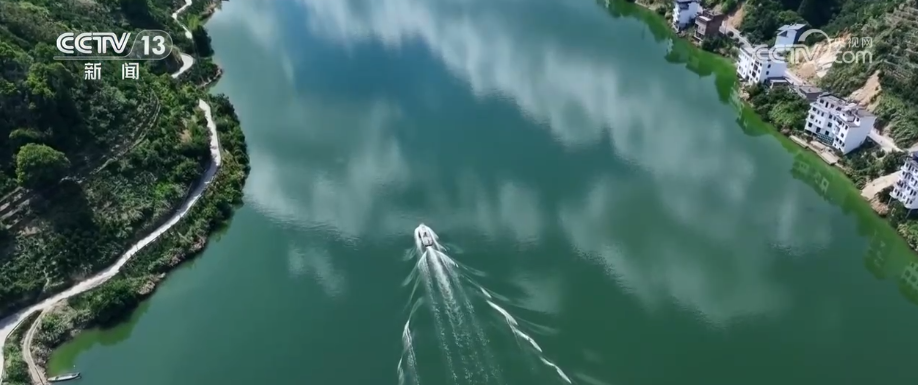
乡村旅游蓬勃发展 助力乡村全面振兴
Yang Shi Wang· 2025-08-15 00:24
Group 1 - The rural tourism market in China has been thriving this year, with local governments promoting the integration of agriculture, culture, and tourism to attract visitors and support rural revitalization [1] - In the first quarter of this year, rural tourism received a total of 707 million visitors and generated revenue of 412 billion yuan, indicating strong growth during holiday periods [1] - New business models and product upgrades in rural tourism are being driven by local initiatives, such as the cultural events in Guizhou and the agricultural tourism in Xinjiang [1] Group 2 - Hubei's Lichuan has developed summer tourism and health tourism, attracting over 5.4 million visitors this year and creating 100,000 jobs [2] - The variety of rural tourism products is expanding, with new brands emerging that enhance income opportunities for farmers [2] - By the end of 2024, over 30,000 towns and 500,000 villages in China are expected to have improved infrastructure, increasing the comfort and convenience of rural tourism [2]
活力中国调研行丨“以绿生金”造就“亿元村”——重庆奉节绿色发展见闻
Xin Hua Wang· 2025-08-14 10:05
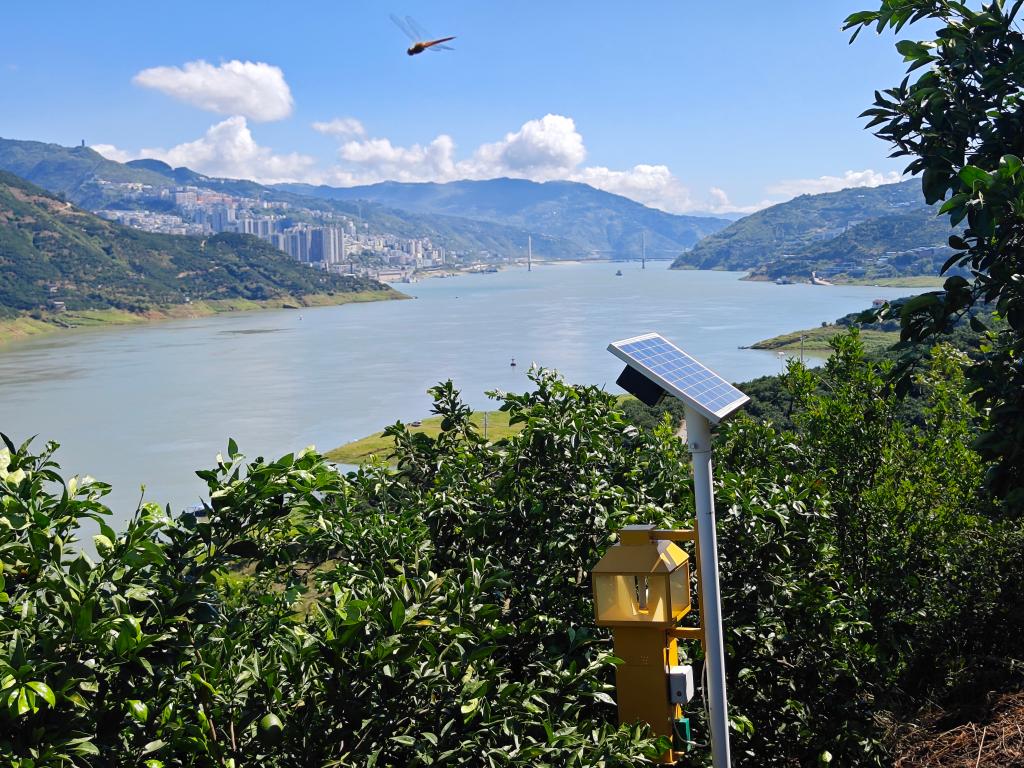
Core Insights - The article highlights how Chongqing's Fengjie County has transformed its ecological resources into economic benefits, creating "billion-yuan villages" through green development initiatives [1][3]. Group 1: Green Development Initiatives - Daba Village has been recognized as a national "One Village, One Product" demonstration village and a village with over 100 million yuan in specialty industry output, attributed to its lush green environment [3]. - The village has shifted from traditional crops like sweet potatoes and corn to cultivating 12,000 acres of navel oranges, generating an output value of 180 million yuan [3]. - Green planting techniques have been implemented, reducing chemical fertilizer use by over 300 tons and pesticide use by approximately 4,000 liters annually [3]. Group 2: Tourism and Economic Impact - The village has developed multiple tourism routes, attracting an average of 25,000 visitors annually, resulting in a tourism revenue of 2 million yuan [3]. - Local resident Fang Gang leveraged social media to promote the village's scenic beauty and navel oranges, selling hundreds of tons through live streaming [4]. Group 3: Historical Context and Transformation - Fengjie County was once a major coal-producing area, with a forest coverage rate dropping below 30% and severe soil erosion affecting 68% of the land [5]. - In 2016, the county closed all coal mines producing less than 90,000 tons annually, initiating a green transformation that restored the environment [6]. - The area has seen a significant recovery, with forest coverage now at 69.49% and ecological economic contributions accounting for 71.8% of GDP [6].
两年营收增长近20倍,看“土特产”如何变成“致富果”
Yang Shi Wang· 2025-08-13 02:08
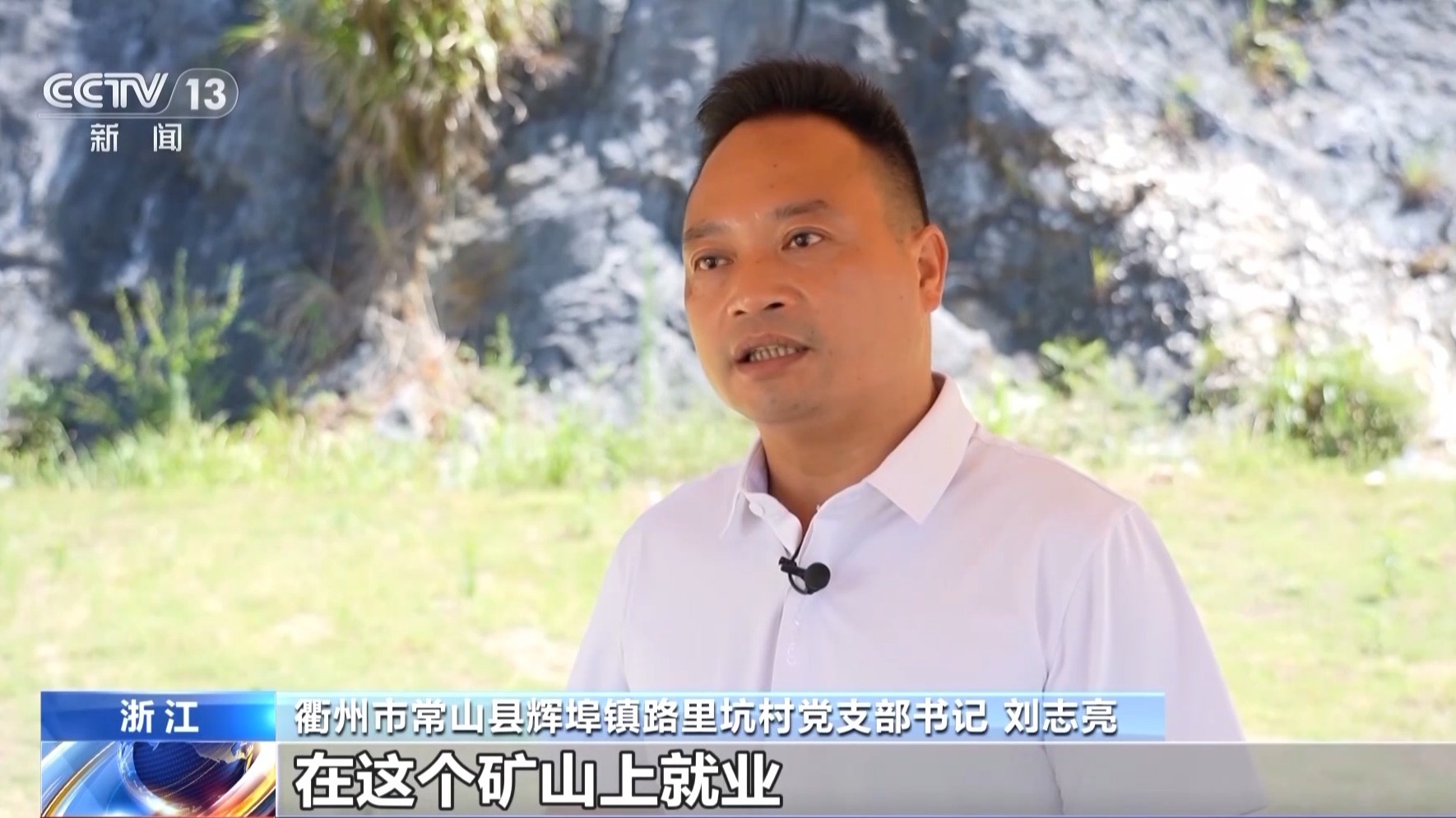
Group 1: Ecological Transformation - The village of Luli Keng in Changshan County has transitioned from a limestone mining economy to an eco-tourism model, benefiting from improved ecological conditions [1][8] - The implementation of the "Green Mountains and Clear Water are Gold and Silver Mountains" development philosophy in 2005 initiated the village's transformation towards rural tourism [6][8] - The closure of 165 limestone kilns and 201 calcium processing lines has significantly improved the local environment, allowing the village to recover from ecological degradation [8][10] Group 2: Tourism and Economic Growth - The village has seen a surge in tourism, with over 100,000 visitors in the first half of the year, generating nearly 2 million in revenue [12] - The integration of industrial relics with natural landscapes has led to the development of unique attractions, such as a cave restaurant that gained popularity on social media [10] - The local camping base has become a hub for educational experiences, attracting families and enhancing community engagement [2][12] Group 3: Agricultural Development - Changshan County is focusing on the standardized and green cultivation of Hu You (Pomelo) to improve product quality and marketability [20][23] - The establishment of the "Two Mountains Cooperative" has facilitated the consolidation of fragmented orchards, enabling farmers to access loans against land transfer contracts [20][23] - The introduction of market-driven initiatives has led to the successful launch of new Hu You products, with revenue from the dual pomelo juice series increasing nearly 20 times in two years [26][28]
职业经理人让乡村旅游更红火
Ren Min Ri Bao Hai Wai Ban· 2025-08-13 01:21
Core Insights - The article highlights the transformation of Pinghe Township in Wushan County, which has shifted from traditional agriculture to tourism, attracting a significant number of visitors and generating substantial income for local residents [1][2]. Group 1: Tourism Development - Pinghe Township has seen an influx of tourists, with approximately 100,000 visitors and a total tourism revenue exceeding 6.2 million yuan this year [2]. - The introduction of a rafting project has been pivotal, generating over 300,000 yuan in ticket sales since its launch on July 9 [2]. - Local residents have benefited from the tourism boom, with over 100 temporary jobs created in roles such as safety personnel for the rafting project [2]. Group 2: Professional Management Initiatives - Wushan County has initiated a pilot program to match 56 professional managers with 19 collective economic organizations across 10 townships to enhance local economic development [1][3]. - The role of professional managers is to leverage market-oriented operational thinking and management skills to revitalize rural resources and activate industrial potential [2][3]. - The county plans to cultivate 200 professional managers in the coming year, focusing on improving their compensation and evaluation systems to ensure their retention in rural areas [3]. Group 3: Local Economic Impact - The establishment of the Wushan County Golden Rice Source Agricultural Development Co., Ltd. by local villages aims to enhance collective economic strength and promote agricultural branding [3]. - The company reported sales exceeding 1.2 million yuan in the first half of the year, showcasing the potential for agricultural products to reach a broader market through initiatives like live-streaming sales [3].
看农文旅融合“七十二变”
Su Zhou Ri Bao· 2025-08-13 00:14
一株荷花,点亮一个市集,盘活万亩荷塘,催生一年一季的"荷香经济";一家民宿,依托一个家 庭,形成一个品牌,拓宽了四季轮回的农产品销路;一间村咖,深耕一方水土,融合湖山优势,重构了 一个村的文化密码…… 苏州深入践行"绿水青山就是金山银山"发展理念,促进农业、文化和旅游深度融合,吸引市场、人 才、技术向乡村聚集,推进乡村特色化、品牌化发展,打造了一个又一个宜居、宜业、宜游的美丽新乡 村。 如今,在苏州,乡村更美了、村民增收了、产业升级了。 千村美居 左手"田野",右手"浪漫"——吴江震泽众安桥村,稻田与民房之间一块"318此生必驾"标牌,向游 客诠释着一个村落的生活美学。 头枕318国道,东距上海120公里,北距苏州市区50公里,南距杭州100公里,众安桥村的自驾游优 势可谓得天独厚。上个周末,在村里放松了两天,上海游客钟先生一家准备返程。"在这里放空的感觉 很好,很舒适,等空了还要来。"钟先生还要来的理由,有开阔的农田、清澈的河道以及齐全的配套设 施等。 近年来,众安桥村以"水韵桑田稻花香"为主题,重点在改善生态环境、提升村容村貌上下功夫。环 境好了,村里进一步整合文化、旅游以及农业资源,形成一系列极具特色的 ...
“生态美”如何促进“共同富”——来自浙江省湖州市的调查
Jing Ji Ri Bao· 2025-08-12 22:22
Core Viewpoint - Huzhou has successfully implemented the "Two Mountains" theory, transforming its ecological advantages into economic benefits, thereby creating a new path for sustainable development and common prosperity [1][4]. Group 1: Ecological and Economic Transformation - Huzhou has shifted from a traditional industrial model to a sustainable development model, realizing a significant transformation in its economic structure [1][5]. - The city has achieved a remarkable increase in industrial output value, from 239.9 billion yuan in 2005 to 1,336.3 billion yuan in 2024, while reducing energy consumption per unit of GDP by approximately 48% [7]. - Huzhou has developed a modern green industry system, focusing on new energy vehicles and semiconductors, enhancing both ecological and economic value [6][7]. Group 2: Innovative Carbon Trading and Low-Carbon Initiatives - The "Carbon Daren" platform allows residents to convert low-carbon behaviors into carbon credits, with a trading price of around 66 yuan per ton, promoting local carbon reduction efforts [2][3]. - Huzhou has pioneered various ecological product value transformation transactions, including bamboo carbon trading and water conservation projects, establishing itself as a leader in ecological finance [4]. Group 3: Rural Development and Common Prosperity - Huzhou is addressing the "three major gaps" (urban-rural, regional, and income disparities) by leveraging ecological resources to develop rural tourism and new business models, such as the "Tianji Sen Valley" project [9][10]. - The city has cultivated numerous rural tourism projects, with 73 provincial and 8 national key tourism villages, attracting 1.2 billion visitors in 2024 [10][11]. Group 4: Environmental Governance and Legislation - Huzhou has established a comprehensive ecological civilization system, including local regulations and standards to protect and enhance its natural environment [3][4]. - The city has implemented the "Million Project" to improve rural living conditions, resulting in significant advancements in environmental quality and community engagement [12][13].