
酒店业

Search documents
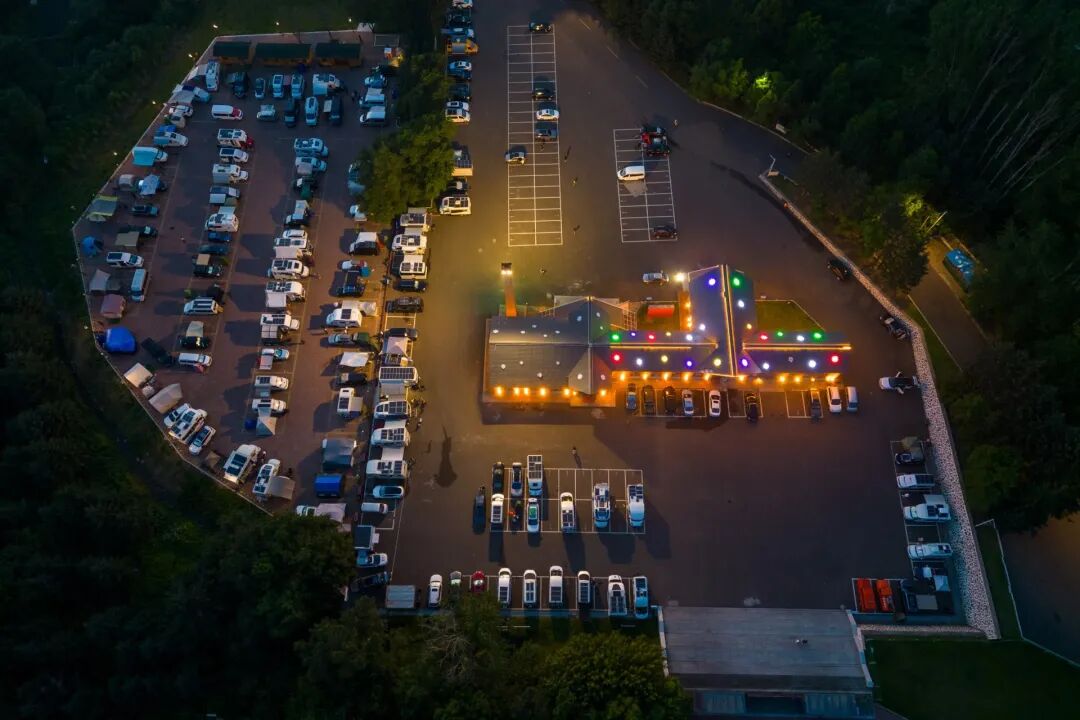
旺季竟然有不少空房,酒店老板有点慌:你们旅游的,不睡酒店睡车上?
3 6 Ke· 2025-10-17 01:45
Core Insights - The rise of car camping and the use of car mattresses during holidays is significantly impacting the hotel industry, as more travelers opt for sleeping in their vehicles instead of booking hotel rooms [1][5][6] - The competition landscape for hotels has shifted, with traditional competitors now including not only other hotels but also higher-end hotels, car camping options, and even tents [3][8] - The self-driving travel trend is growing rapidly, with a notable increase in rental car orders and self-driving tourism demand, indicating a shift in consumer preferences [4][5][6] Industry Impact - During the recent National Day and Mid-Autumn Festival holidays, many hotels reported higher vacancy rates despite high tourist traffic, attributed to the increasing number of travelers choosing to sleep in their cars [3][5] - The hotel industry is facing intense competition due to an oversupply of hotel rooms, with over 600 new hotel rooms added in the vicinity of one hotel, leading to a significant diversion of guests [8][10] - The average daily room rates for high-end hotels have dropped significantly, with some hotels reducing prices from around 1300 yuan to as low as 500 yuan to attract customers [8][9] Consumer Behavior - The trend of "living in cars" is becoming more popular, with many travelers sharing their experiences on social media, highlighting the cost-effectiveness and convenience of car camping [1][3] - The demand for camping-related products, such as inflatable mattresses and outdoor gear, has surged, indicating a shift in consumer spending towards self-sufficient travel options [4][6] - The demographic of self-driving travelers is diversifying, with significant growth among younger generations and older adults, suggesting a broadening appeal of this travel style [4][6] Market Dynamics - The hotel industry is experiencing a supply-demand imbalance, with the number of hotels increasing faster than the growth in customer demand, leading to heightened competition [10][11] - High-end hotels are adopting aggressive pricing strategies to maintain occupancy, which is adversely affecting mid-range hotels and local brands [9][10] - The shift towards self-driving and car camping is prompting hotels to rethink their value propositions and service offerings to better meet evolving consumer needs [11][12]

助力高校毕业生跨地区求职,覆盖全国约200个城市,规模达2600余家—— “青年驿站”何以成为求职加油站(人民眼·青年群体就业)
Ren Min Ri Bao· 2025-10-16 22:22
Core Points - The "Youth Station" initiative aims to support job-seeking university graduates by providing affordable accommodation and career services, emphasizing the importance of youth employment [1][2][3] - The program has expanded to approximately 200 cities with over 2,600 stations, serving more than 200,000 young job seekers [2] Group 1: Services Offered - The "Youth Station" provides free accommodation for up to 7 days for eligible job seekers, with facilities including independent bathrooms and essential amenities [4][5] - Young job seekers can access affordable meals at nearby community canteens, enhancing their overall experience while preparing for interviews [5] - The initiative includes a one-stop service for job information, career guidance, and networking opportunities, helping youth transition from education to employment [13][14] Group 2: Operational Mechanisms - The program utilizes a digital platform for easy application and booking, integrating with popular social media for convenience [6][8] - Various cities have tailored their "Youth Station" offerings based on local job market needs, ensuring strategic placement near employment hubs [8][9] - The initiative promotes collaboration with local hotels and businesses to optimize resources and provide flexible accommodation options [9][10] Group 3: Employment Support - "Youth Stations" feature job information boards and smart devices to assist with job matching and provide real-time updates on employment policies [14][15] - Training programs and workshops are organized to enhance job seekers' skills, covering topics like interview techniques and professional attire [15][16] - The initiative has successfully connected many young people with job opportunities, with a significant percentage securing employment after utilizing the services [5][7] Group 4: Community Engagement - The program encourages community involvement through events and activities that familiarize job seekers with local culture and job markets [17] - Initiatives like "perception tours" allow young job seekers to explore the city and understand its economic landscape, fostering a sense of belonging [17] - The "Youth Station" serves as a bridge between young talent and local employers, promoting long-term residency and career development in the host cities [17]
旺季竟然有不少空房,酒店老板有点慌:你们旅游的,不睡酒店睡车上?游客纷纷种草:怒省几大千
Mei Ri Jing Ji Xin Wen· 2025-10-16 15:09
Core Viewpoint - The rise of car camping and the use of mobile sleeping arrangements in electric vehicles are significantly impacting the traditional hotel industry, leading to increased competition and changing consumer preferences [1][3][5]. Group 1: Changes in Consumer Behavior - During the recent National Day and Mid-Autumn Festival holidays, the popularity of car camping surged, with discussions on social media platforms like Xiaohongshu reaching 110 million views [1]. - The proportion of self-driving trips is projected to reach 80% by 2025, indicating a shift in travel preferences towards more flexible and cost-effective options [1][3]. - The demand for car camping has led to a notable increase in related product sales, such as inflatable mattresses and outdoor gear, with some items seeing sales growth of over 80% [4][5]. Group 2: Impact on the Hotel Industry - Hotel occupancy rates are declining, with many hotels experiencing unprecedented levels of vacancy during peak seasons, attributed to competition from car camping and other alternative accommodations [3][5][8]. - The hotel industry is facing increased competition not only from other hotels but also from the growing number of available rooms, with over 600 new hotel rooms added in a specific area, leading to a significant diversion of guests [8][10]. - High-end hotels are engaging in price wars, with room rates dropping significantly to attract customers, which is squeezing the middle-tier hotels and altering the competitive landscape [9][10]. Group 3: Industry Trends and Future Outlook - The hotel industry is undergoing a transformation, moving from expansion to a focus on operational efficiency and service quality in response to changing consumer demands [11]. - The trend of short-distance and county-level travel is becoming more prominent, with lower-tier cities showing higher occupancy rates compared to major urban centers [10][11]. - The increasing comfort and features of electric vehicles, such as improved seating and air conditioning, are making car camping a more appealing option for travelers [6][10].
3.31亿起!富力从万达收购的豪华酒店,流向了法拍平台
Guo Ji Jin Rong Bao· 2025-10-16 13:29
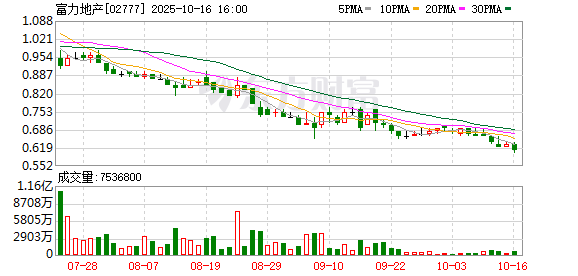
Core Viewpoint - The article discusses the auction of a commercial property, specifically the R&F Wanda Wenhua Hotel in Quanzhou, which is being sold at a significant discount compared to its market value, highlighting the ongoing challenges faced by R&F Properties in the hotel sector [2][4]. Group 1: Auction Details - The R&F Wanda Wenhua Hotel is set for judicial auction starting on November 3, with a starting price of 331 million yuan, which is 70% of its market value of 473 million yuan [2]. - The property has a land area of 183,400 square meters and a building area of 47,800 square meters, designated for hotel use but currently utilized for commercial, office, and guest room purposes [4]. - The hotel was opened in September 2012 and was previously known as Quanzhou Wanda Wenhua Hotel before being renamed in 2017 [4]. Group 2: Financial Background - The hotel was mortgaged to China Merchants Bank in 2018, with an estimated value of 655 million yuan, indicating a significant depreciation compared to the current auction price [4]. - R&F Properties has faced continuous losses in its hotel business since acquiring the asset package from Wanda in 2017, which had initially positioned the company as a leading luxury hotel owner [5]. Group 3: Market Trends - Since 2022, multiple hotels under R&F have been put up for sale, with significant losses reported on several transactions, including the sale of Beijing Wanda Jiahu Hotel for 550 million yuan, resulting in a loss of 6.53 million yuan compared to the acquisition cost [6]. - The London ONE project was sold at a 46% loss compared to its 2017 purchase price, reflecting the broader struggles within R&F's hotel portfolio [6]. - The Guangzhou R&F Airport Holiday Inn was auctioned earlier this year but failed to attract any bidders, indicating a challenging market environment for R&F's hotel assets [7][8].
市北区海伦路街道组织“人大代表营商会客厅”走访辖区重点企业活动
Sou Hu Cai Jing· 2025-10-16 12:49
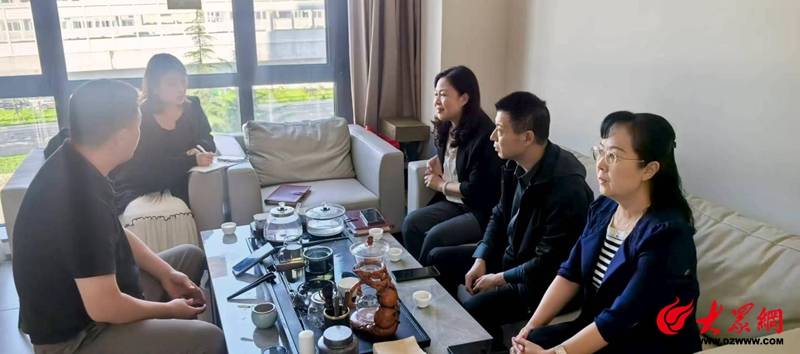
为推动"人大代表营商会客厅"活动持续开展,10月14日,海伦路街道办事处主任周文旭、人大工委主任战继红带 队走访青岛央和府公寓管理有限公司,同企业负责人进行了座谈,街道经济文化服务中心相关负责同志陪同。 青岛央和府公寓管理有限公司于2025年1月成立,在辖区经营的全季酒店(青岛南京路新都心店)和汉庭酒店(青岛新 都心清江路地铁站店)于2025年6月正式营业。座谈中,街道详细了解了酒店三季度的经营情况及发展诉求,并就 纳统需提报的材料为企业会计进行一对一指导。 下一步,街道将持续强化企业服务,畅通沟通渠道,精准对接需求,为企业纾困解难,推动辖区营商环境提质增 效。 ...
米其林酒店榜单,为何没人买账?
商业洞察· 2025-10-16 11:05
Core Viewpoint - The newly released Michelin hotel guide has received a lukewarm response from industry insiders, indicating a disconnect between the guide's intent and the actual needs of hotel guests [11][12][18]. Group 1: Michelin Hotel Guide Overview - On October 9, Michelin announced its first global hotel guide, featuring 2,457 hotels across nearly 100 destinations, with 1,742 receiving one star and 572 receiving two stars [3][9]. - Among the listed hotels, 64 are from China, including notable properties like the Ritz-Carlton in Jiuzhaigou and the Rosewood in Hong Kong, which received three stars [8][9]. Group 2: Industry Reaction - The hotel industry professionals expressed skepticism about the guide, viewing it as another marketing tool rather than a genuine reflection of guest needs [12][18]. - Many high-end hotel guests showed indifference towards the guide, suggesting that it lacks relevance and does not resonate with their expectations [14][16]. Group 3: Comparison with Restaurant Ratings - Unlike the Michelin restaurant ratings, which have a long-established credibility, the hotel guide is perceived as lacking depth and connection to consumer experiences [19][22]. - The hotel industry is saturated with awards and rankings, leading to a sense of "award fatigue" among hotel operators, making it difficult for any new guide to stand out [18][19]. Group 4: Future Considerations - For Michelin to establish credibility in the hotel sector, it must develop a clear and relatable evaluation system that resonates with both consumers and industry professionals [27][29]. - The guide should aim to articulate what makes a hotel experience memorable, similar to how it highlights exceptional dining experiences [29].

读完季琦三本书,悟道中国酒店“真善美”
3 6 Ke· 2025-10-16 05:51
Core Insights - The core idea of the articles revolves around the evolution of the Chinese hotel industry, emphasizing a shift from superficial innovations to a deeper philosophical approach in business practices, as articulated by the founder of Huazhu, Ji Qi [1][12]. Group 1: Industry Evolution - The Chinese hotel industry is transitioning from a phase of superficial changes, such as redesigns and trendy elements, to a more profound understanding of true innovation, which involves rethinking production factors and market needs [2][12]. - The industry has seen a proliferation of new brands and hotel groups, but many of these innovations are merely cosmetic and do not represent genuine advancements [2][12]. Group 2: Huazhu's Innovations - Huazhu has introduced several technically advanced innovations, such as fiber-optic access, modular design, and a "ten-second check-in" system, which reflect a continuous inquiry into real customer needs [3][4]. - The company's culture is rooted in authenticity, with a focus on understanding the true demands of customers rather than engaging in superficial trends [3][4]. Group 3: Business Philosophy - Ji Qi emphasizes the importance of a unique corporate philosophy as a competitive barrier, arguing that without philosophical guidance, technical innovations can easily be replicated [12][15]. - The concept of "至善" (ultimate goodness) is central to Huazhu's strategy, aiming to democratize quality experiences for consumers and create a win-win situation for all stakeholders, including customers, partners, and employees [6][7][8]. Group 4: Employee and Partner Relations - Huazhu prioritizes the interests of franchisees and suppliers, fostering a "community of destiny" that ensures mutual benefits and sustainable partnerships [7][8]. - The company invests in employee development, transforming staff into leaders and ensuring that service quality remains high during rapid expansion [8][9]. Group 5: Aesthetic and Balance - The pursuit of "尽美" (ultimate beauty) reflects a shift towards a more aesthetic and balanced approach in business, where simplicity and functionality are prioritized [9][10]. - Huazhu's competitive advantage lies in its ability to provide lasting comfort and experience rather than fleeting visual appeal, aligning with the fundamental needs of hotel guests [11][12]. Group 6: Future Directions - The future of the hotel industry will hinge on value innovation and the establishment of a unique corporate philosophy, moving away from mere technical advancements [12][14]. - The competitive landscape will evolve into an ecosystem-based competition, where collaboration and mutual growth among partners will be essential for long-term success [14][15].

美联储“褐皮书”:加征关税拉动物价继续上涨
Xin Hua Wang· 2025-10-16 00:38
美国联邦储备委员会15日发布的全国经济形势调查报告显示,受加征关税影响,9月初到10月中旬美国 所有联邦储备区物价继续上涨。 根据美国《联邦储备法》,美国全国划分为12个联邦储备区,每区设立一家联邦储备银行。该报告根据 12家联邦储备银行的最新调查结果编制而成,也称"褐皮书"。 报告显示,自9月初到10月中旬,许多联邦储备区由于进口成本以及保险、医疗保健和技术解决等服务 成本上升,导致投入成本增速加快。一些制造业和零售业公司已将更高进口成本完全转嫁给客户。 许多联邦储备区报告预计,经济不确定性加剧将拖累经济活动。有联邦储备区报告明确指出,政府长 期"关门"将给经济增长带来下行风险。 劳动力市场方面,"褐皮书"显示各地区、各行业劳动力需求普遍低迷。大多数联邦储备区报告称,由于 需求疲软、经济不确定性加剧和对人工智能技术投资增加,更多雇主通过裁员和自然减员的方式减少员 工人数。同时,由于近期移民政策变化,多地酒店业、农业、建筑业和制造业出现劳动力供应紧张状 况。 美联储每年发布8次"褐皮书",通过联邦储备银行对全美经济形势进行摸底。该报告是美联储货币政策 会议的重要参考资料。 由世界贸易组织和国际货币基金组织联合 ...
美联储重磅发布,降息突传大消息
Zheng Quan Shi Bao· 2025-10-16 00:11
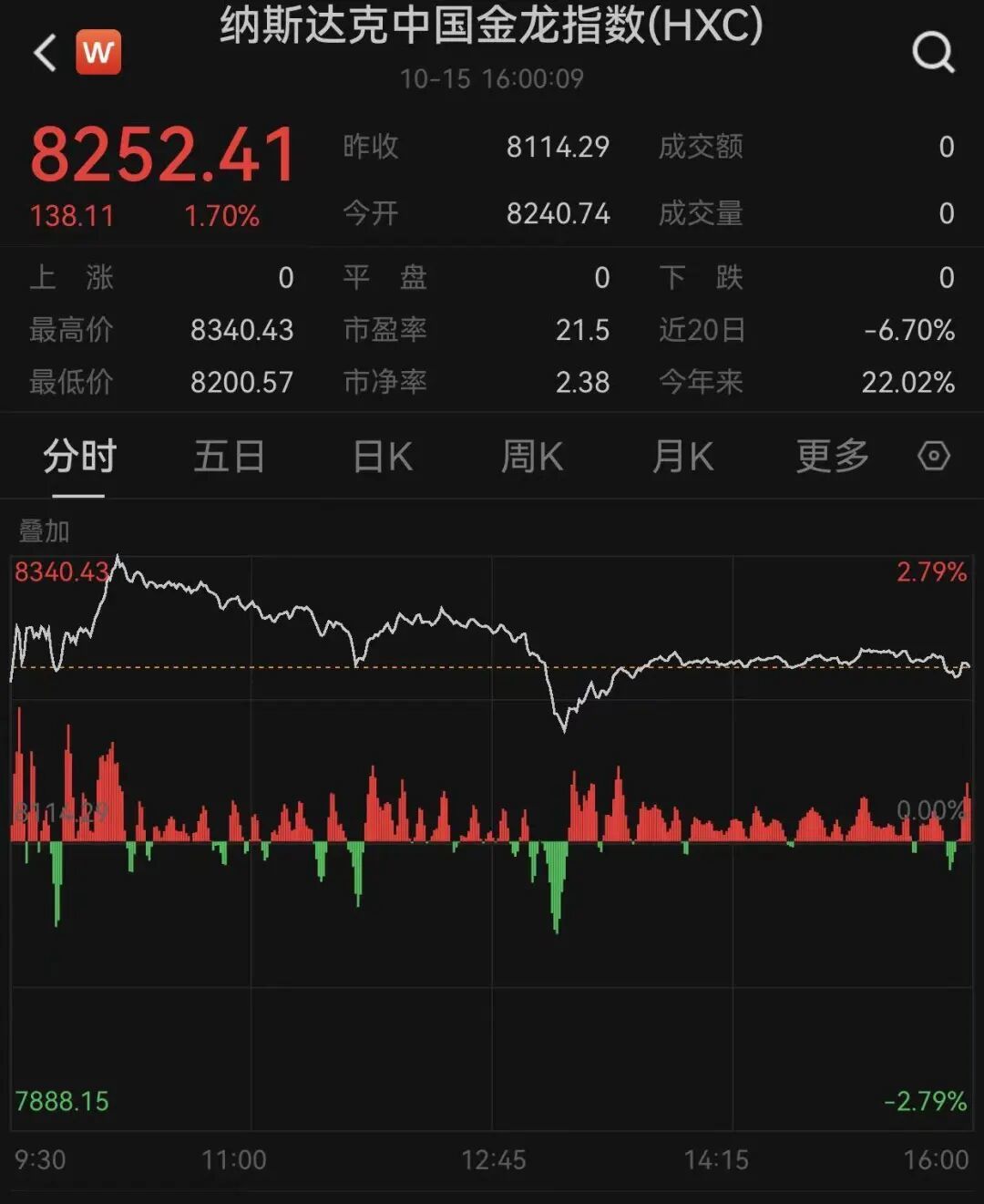
Market Performance - The three major US stock indices showed mixed results, with the Dow Jones Industrial Average down 0.04% at 46,253.31 points, the S&P 500 up 0.4% at 6,671.06 points, and the Nasdaq up 0.66% at 22,670.08 points [1] - Chinese concept stocks mostly rose, with the Nasdaq Golden Dragon China Index increasing by 1.7%. Notable individual stock performances included New Oriental rising over 10%, TAL Education up more than 4%, and Century Internet up over 4% [1] Gold Market - Gold prices continued to rise, surpassing $4,210 per ounce [2] Economic Indicators - The Federal Reserve's "Beige Book" reported a slight decline in overall consumer spending, particularly in retail goods, with domestic consumer demand remaining stable [3] - Manufacturing activity varied by region, with reports indicating challenges due to increased tariffs and weak overall demand. Agricultural, energy, and transportation activities generally declined [4] - Employment levels remained stable, but demand for labor was generally weak across regions and industries [4] - Input costs increased due to rising import costs and higher service costs, with many regions reporting cost increases attributed to tariffs [4] Federal Reserve Outlook - Federal Reserve officials indicated support for a rate cut in October, with expectations for a 25 basis point cut following the previous cut on September 17 [5]
甲骨文20251015
2025-10-15 14:57
Summary of Oracle Conference Call Company and Industry Overview - **Company**: Oracle Corporation - **Industry**: Technology, specifically focusing on Artificial Intelligence (AI) applications across various sectors including finance, human resources, sales, supply chain, customer support, and energy. Key Points and Arguments AI Efficiency and Transformation - Oracle AI significantly enhances efficiency in finance, HR, sales, supply chain, and customer support by optimizing processes, automating tasks, and enabling intelligent matching, allowing employees to focus on strategic tasks [2][4][8] - In the finance sector, AI reduces expense processing and forecasting cycles, saving several days each quarter [4][8] - AI-driven recruitment in HR shortens hiring times, freeing up substantial work hours for employees and managers [4][8] - Sales processes are accelerated through AI guidance, improving forecast accuracy and closing rates [4][8] - Customer support benefits from AI by halving the time required to resolve issues through automated ticket handling and self-service solutions [4][8] Energy Sector Applications - Oracle AI aids energy companies in upgrading infrastructure and building smarter grids, facilitating a transition to more economical, reliable, and sustainable energy sources [2][5][6] - A specific energy company in the Mid-Atlantic and Chicago serves over 10 million customers, leveraging advanced data technologies to enhance operational efficiency and meet growing energy demands [6] - Collaboration between technology and energy suppliers is essential to address challenges such as increasing electricity demand and system security [6] Customer Experience Enhancement - During power outages, proactive maintenance and timely communication improve customer experiences, with investments ensuring power restoration within 12 hours [9] - Data collection helps understand customer needs, enhancing service convenience [9] AI in Healthcare - A biopharmaceutical company utilizes Oracle AI for vector searches to identify bacterial resistance, reducing detection time from 5 days to 4 hours, significantly lowering infection mortality rates [3][24] - The technology enables rapid identification of antibiotic resistance, potentially saving 2,000 lives in Brazil by 2025 [24] Internal Applications and Organizational Impact - Oracle's internal use of AI has led to significant operational improvements, including reduced recruitment times and enhanced supply chain management [7][8] - AI is seen as a tool to empower employees, allowing them to focus on strategic tasks rather than routine operations [8][12] Collaboration and Partnership - The partnership between Oracle and Avis has shown strong cohesion, leading to rapid progress and shared success in achieving business goals [17] AI in Hospitality - Marriott employs AI to streamline employee tasks and enhance customer experiences, focusing on reducing friction for staff and providing personalized services to guests [18][19] - AI helps create a seamless experience for guests by integrating multiple systems during check-in processes [20] Future of AI in Healthcare - The expansion of Oracle's AI database is expected to facilitate the development of new antibiotics against superbugs, potentially reducing the time for drug development from 10 years to 2 years [27] - AI's role in healthcare is anticipated to grow, particularly in infectious disease management and personalized medicine [28][30] Additional Important Insights - Regulatory caution poses challenges for AI adoption in consumer and grid applications, necessitating pilot projects to demonstrate value [11] - Training employees to adapt to new technologies is crucial for ensuring safety and efficiency in utility companies [12] - AI is viewed as a means to enhance human interaction rather than replace it, particularly in customer service settings [23]
