人工智能等

Search documents
北京独角兽企业数量连续四年位列全球第三
Bei Jing Qing Nian Bao· 2025-09-28 18:20
Group 1 - Beijing has achieved "five global leading" indicators and formed "five innovation leadership" areas, significantly enhancing its innovation capacity, competitiveness, and influence as a key hub in the global innovation network [1] - Beijing has ranked first in the global "Nature Index - Research Cities" for eight consecutive years, with 431 highly cited scientists, and has been third in the "International Science and Technology Innovation Center Index" for three years [1] - The city has maintained an R&D expenditure intensity of around 6%, with basic research funding accounting for approximately 16%, aligning with leading innovative countries [1] Group 2 - Beijing is focusing on deep integration of technological and industrial innovation, forming three trillion-level industries and seven hundred billion-level industry clusters, with a goal to become the "Artificial Intelligence First City" [2] - The city has made significant progress in building world-class technology parks, with the "Three Cities and One District" area contributing about one-third of the city's GDP while occupying less than 4% of the land [2] - Beijing is leading reforms in the technology system, with 24 major reform measures implemented in Zhongguancun, fostering an environment where over 300 tech companies are established daily [2] Group 3 - The city is enhancing its global influence in technology innovation, with major international events and initiatives, including the HICOOL Global Entrepreneur Summit and the International Science Park Association World Congress [3] - The technology contract transaction amount from Beijing to Tianjin and Hebei has increased from 34.7 billion yuan in 2020 to 84.37 billion yuan in 2024 [3]
中国科技事业取得历史性成就
Ren Min Ri Bao· 2025-09-21 21:12
Core Viewpoint - The "14th Five-Year Plan" marks a significant milestone in China's technological development, showcasing historic achievements and transformations in the sector under strong leadership and collective efforts from society [1]. Group 1: Major Technological Achievements - The "Tiangong" space station has entered regular operation, and the "Chang'e 6" mission successfully returned samples from the moon's far side [2]. - 5G communication has achieved large-scale application, and the Beidou navigation system provides global precision services [2]. - The C919 large passenger aircraft has commenced commercial flights, and China's new energy vehicle production and sales remain the highest in the world [2]. - The first fourth-generation nuclear power plant has begun commercial operation, and China leads globally in installed capacity for solar and wind power [2]. Group 2: Advancements in Artificial Intelligence and Robotics - Multiple general-purpose AI models have emerged domestically, with some achieving accuracy rates exceeding 95% [3]. - Breakthroughs in humanoid robotics technology have been made, facilitating applications in automotive manufacturing, logistics, and power inspection [3]. - Brain-computer interface technology has begun assisting patients with paralysis and blindness, with domestic brain stimulators now fully commercialized [3]. Group 3: Strengthening of Basic Research - China's R&D investment is projected to exceed 3.6 trillion yuan in 2024, a 48% increase from 2020, with a research intensity of 2.68% [4]. - Basic research funding has reached 249.7 billion yuan, growing over 70% since 2020, leading to significant original achievements in various scientific fields [4]. - The number of high-impact scientific researchers has increased significantly, with 1,405 high-citation scientists in 2024, representing 20% of the global total [5]. Group 4: Technology Transfer and Innovation - The level of technology transfer in China has improved significantly, with the national technology contract transaction volume projected to reach 6.8 trillion yuan in 2024 [6]. - Pilot programs for technology transfer have led to a cumulative contract amount of 12.09 billion yuan, marking a 126.5% increase compared to the previous three years [7]. - Collaborative research initiatives between universities and enterprises have resulted in over 2,500 joint projects and the training of more than 2,000 engineering master's and doctoral students [7]. Group 5: Enhancements in Quality of Life through Technology - Significant advancements have been made in environmental protection, food security, transportation, and healthcare, contributing to improved living standards [9][10]. - Air quality in the Beijing-Tianjin-Hebei region has improved, with PM2.5 concentrations decreasing by 18% due to targeted research efforts [9]. - Innovations in agricultural technology have led to the development of high-yield crop varieties and advanced agricultural machinery, supporting food security [9]. - Breakthroughs in medical technology include the development of a global first 5.0T MRI machine and a dual-antibody drug for cervical cancer, enhancing healthcare accessibility [10].
浙江省级中试平台申报启动
Zhong Guo Hua Gong Bao· 2025-09-19 02:55
Group 1 - The Zhejiang Provincial Economic and Information Technology Department and the Provincial Finance Department have announced the organization of the 2025 provincial-level pilot platform application and recognition work, focusing on supporting fields such as new chemical materials, biomedicine, equipment manufacturing, and information technology [1] - In the new chemical materials sector, high-level pilot platforms will be established to conduct various experimental verifications, ensuring efficient, green, and safe production processes [1] - In the biomedicine sector, the use of technologies such as artificial intelligence and synthetic biology will accelerate the construction of intelligent and green pilot platforms, reducing innovation costs for startups [1] Group 2 - The "Guidelines for the Construction of Modern Pilot Platforms in Zhejiang Province (2025 Edition)" emphasizes the need to consider strategic planning, industrial foundation, market demand, resource endowment, spatial layout, and construction conditions when establishing pilot platforms [2] - The layout of pilot platforms will focus on industrial counties, high-tech zones, economic development zones, chemical parks, and other strategic areas to avoid redundant construction [2]
助力新兴产业发展,完善科技金融体系,这场发布会信息量大
Zhong Guo Zheng Quan Bao· 2025-09-18 14:32
Core Viewpoint - The Chinese government has made significant advancements in technology innovation during the "14th Five-Year Plan" period, enhancing the country's technological capabilities and fostering a robust innovation ecosystem that benefits the public and supports economic growth [1][2]. Investment in R&D - Total R&D investment in China is projected to exceed 3.6 trillion yuan in 2024, representing a 48% increase from 2020 [2] - R&D intensity is expected to reach 2.68%, surpassing the average level of EU countries [2] - The number of R&D personnel in China is the highest in the world [2] - Basic research funding is set to reach 249.7 billion yuan in 2024, a growth of over 70% since 2020 [2] - China has maintained the highest number of high-level international journal papers and international patent applications for five consecutive years [2] Emerging Industries Development - China is accelerating the transformation of traditional industries towards high-end, intelligent, and green technologies [3] - Major breakthroughs in new generation information technology and renewable energy have been achieved, with approximately 4.6 million 5G base stations established [3] - The cumulative sales of new energy vehicles have surpassed 40 million, maintaining the world's highest production and sales for ten consecutive years [3] Advanced Technology Layout - China is proactively developing frontier technologies such as artificial intelligence and brain-computer interfaces [4] - Several domestic general models in AI have reached international advanced levels, with some achieving over 95% accuracy [4] - Breakthroughs in humanoid robot technology and brain-computer interface applications have been made, benefiting patients with disabilities [4] Technology Transfer and Innovation - In 2024, 524 Chinese companies entered the global top 2000 in industrial R&D investment, an increase of 4.8 percentage points since 2020 [5] - The total value of technology contracts in China is expected to reach 6.8 trillion yuan in 2024, with continuous double-digit growth [5] - The establishment of a technology transfer system is being promoted, with numerous platforms and institutions supporting technology commercialization [6] Technology Finance System - Since 2021, 376 companies have been listed on the Sci-Tech Innovation Board, raising over 600 billion yuan [7] - A series of policies have been introduced to support the development of a technology finance system, aiming to mobilize nearly 1 trillion yuan in local and social capital [7][8] - The loan balance for technology-based SMEs reached 3.46 trillion yuan by mid-2023, with a year-on-year growth of 22.9% [7] Future Outlook - The next five years are deemed critical for achieving the goal of becoming a technology powerhouse, with a focus on original and leading technological breakthroughs [9] - The government plans to enhance the integration of technology and industry, promote large-scale applications of new technologies, and cultivate top-tier talent [9]
多个世界第一!“十四五”时期我国科技事业取得历史性成就(全文实录)
2 1 Shi Ji Jing Ji Bao Dao· 2025-09-18 09:29
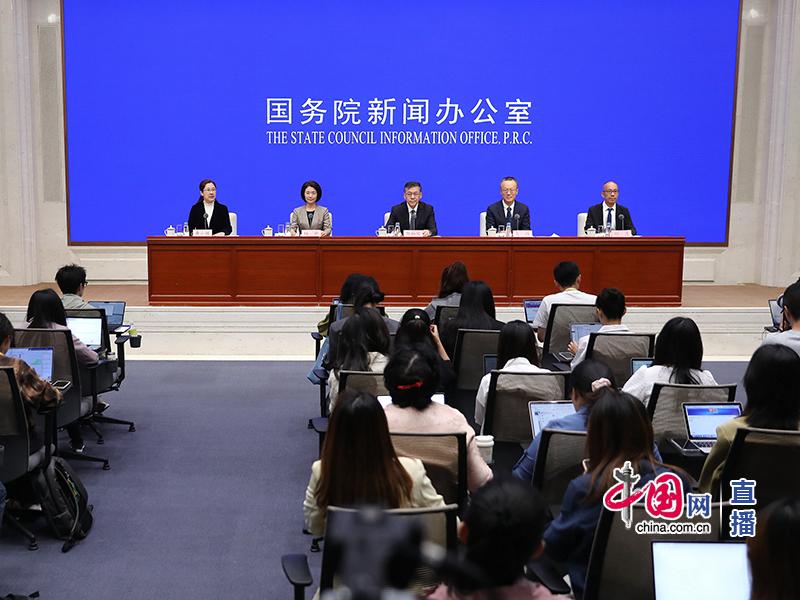
全文如下: 国务院新闻办新闻局局长、新闻发言人 寿小丽: 女士们、先生们,大家下午好!欢迎出席国务院新闻办新闻发布会。今天我们继续举行"高质量完成'十四五'规 划"系列主题新闻发布会。我们非常高兴邀请到科技部部长阴和俊先生,请他为大家介绍"十四五"时期科技创新发 展成就,并回答大家关心的问题。出席今天新闻发布会的还有:科技部副部长龙腾先生,副部长林新女士,副部 长邱勇先生。 下面,首先请阴和俊先生作介绍。 2025-09-18 15:00:47 科技部部长 阴和俊: 国务院新闻办公室于2025年9月18日(星期四)下午3时举行"高质量完成'十四五'规划"系列主题新闻发布会,请 科技部部长阴和俊介绍"十四五"时期科技创新发展成就,并答记者问。 各位新闻媒体朋友,女士们、先生们,大家下午好!感谢大家长期以来对科技工作的关心和支持。下面,我先介 绍一下"十四五"时期我国科技创新总体情况。 "十四五"是我国科技事业发展历程中具有里程碑意义的五年。党的二十大提出到2035年建成科技强国的战略目 标,习近平总书记在全国科技大会上发出了向科技强国挺进的总动员。在党中央坚强领导下,在全社会共同努力 下,我国科技事业取得历史性 ...

“只收梦想,不收租金”!“零租金”的风吹到多个大城市
第一财经· 2025-09-16 10:11
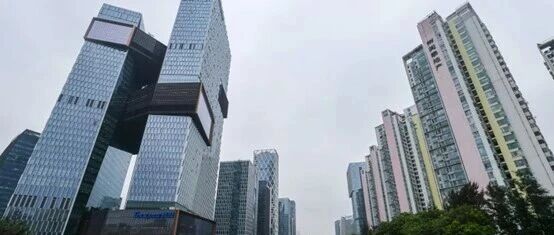
Core Viewpoint - The article discusses the emergence of a "zero rent" trend in major Chinese cities, where local governments and state-owned enterprises are offering rent-free office spaces to attract small and innovative enterprises, reflecting a shift in urban space management and operational logic [3][4][9]. Group 1: Zero Rent Initiatives - Shenzhen initiated a "zero rent" policy, allowing qualifying small and innovative enterprises to occupy 100,000 square meters of state-owned industrial park space rent-free for up to two years [5][6]. - Hangzhou and Suzhou followed suit, with Hangzhou's robot industrial park offering three years of rent-free space and Suzhou's plan providing two years of zero rent for various entrepreneurial teams [6][7]. - Guangzhou and Shanghai also launched similar initiatives, with Guangzhou offering 150,000 square meters of zero rent space and Shanghai providing free office and living spaces for young entrepreneurs [7][8]. Group 2: Competitive Landscape - The "zero rent" trend is driven by increasing vacancy rates and fierce competition among core cities to attract high-quality industries and innovative projects [9][10]. - Cities are targeting specific industries such as intelligent networking, biomedicine, and artificial intelligence, indicating a competitive environment where cities vie for innovative enterprises [10][11]. Group 3: Underlying Strategies - The zero rent offers are seen as a form of risk investment by local governments, with potential future agreements regarding tax requirements or equity stakes in the businesses [11][12]. - Guangzhou is exploring new models like "rent + equity" to support early-stage projects, aiming to build a new urban industrial ecosystem [12].
上海:真金白银破解基础研究“不敢投”难题
Ke Ji Ri Bao· 2025-09-14 23:38
Core Insights - Shanghai has made significant reforms and innovations in basic research, with funding for basic research expected to reach approximately 11% of total R&D expenditure in 2024, surpassing the national average of 6.91% but still below the international benchmark of 15% [1] Group 1: Policy Measures - The newly introduced measures aim to enhance corporate basic research capabilities and original innovation, focusing on key and future industries in Shanghai [1] - The "Explorer Program" was established in 2021 to bridge the gap between industry needs and basic scientific research, expanding from 2 to 22 participating companies across various sectors [2] - Financial incentives are provided for companies investing in basic research, with one-time subsidies ranging from 200 million to 1 billion yuan based on their annual investment levels [3][4] Group 2: Collaborative Initiatives - The measures support the use of large scientific instruments and major technological infrastructures, offering up to 1 million yuan in subsidies for related expenses [4] - A collaborative funding model is promoted, where the government and enterprises co-invest in research centers, focusing on key scientific and technological issues [5] - The establishment of public welfare foundations for basic research is encouraged, with matching support from the government for projects funded by these foundations [6] Group 3: Industry Engagement - Companies are increasingly encouraged to support basic research, with examples like Shanghai Titan Technology's establishment of a non-public fund to support frontier scientific projects [7] - The Shanghai State-owned Assets Supervision and Administration Commission is facilitating partnerships between state-owned, private, and foreign enterprises to enhance basic research funding [7]
武汉:规上工业总值突破1.67万亿 培育6个千亿产业
Di Yi Cai Jing· 2025-09-10 13:35
Economic Performance - Wuhan's GDP has shown significant growth, reaching a turning point of over 2 trillion yuan, with an annual increase of 550 billion yuan since the start of the 14th Five-Year Plan [1] - In the first half of 2025, the city's GDP is projected to grow by 5.5%, ranking 5th among 15 sub-provincial cities in both scale and growth rate [1] Industrial Development - Wuhan's industrial output value exceeded 1.67 trillion yuan during the first four years of the 14th Five-Year Plan, with an average annual growth rate of 7.1% [2] - The city's industrial investment surpassed 200 billion yuan, accounting for nearly 25% of total investment [1][2] - High-tech manufacturing value added has achieved an average annual growth rate of 16%, contributing over 90% to the growth of the industrial sector [2] Technological Innovation - Wuhan has established 2 national and 7 provincial manufacturing innovation centers, along with 21 provincial pilot platforms [2] - The city is focusing on advanced fields such as high-end chips, industrial mother machines, and humanoid robots, resulting in several world-leading innovations [2] Digital Transformation - The number of 5G base stations in Wuhan reached 56,500, a 4.5-fold increase compared to the end of the 13th Five-Year Plan [3] - The city has built 300 digital production lines and 122 intelligent workshops, leading the nation in digital transformation [3] Private Economy - The number of private enterprises in Wuhan has surpassed 1.17 million, doubling since the end of the 13th Five-Year Plan, with the private economy's contribution to GDP reaching 48.4% [3]
广州专精特新企业年营收超八千亿元,扶持政策再加码
Di Yi Cai Jing· 2025-08-29 10:48
Core Insights - Guangzhou's new policies aim to enhance support for specialized, refined, and innovative small and medium-sized enterprises (SMEs), with 77.8% of new listed companies in 2024 being specialized and innovative [1][4] - The average growth rate of specialized and innovative enterprises in Guangzhou over the past three years is 18.1%, significantly higher than the industry average, indicating their role as a new driving force for economic growth [1][4] Group 1: Policy Measures - The newly released measures include 25 support initiatives across seven areas: strengthening gradient cultivation, stimulating innovation, enhancing financial support, deepening digital transformation, promoting integrated development, optimizing comprehensive services, and reinforcing organizational guarantees [1][3] - A four-tier gradient cultivation system is proposed, targeting different stages of SME development to provide precise incentives [1][3] Group 2: Enterprise Statistics - By the end of 2024, Guangzhou has nurtured 6,399 specialized and innovative SMEs, 354 national-level "little giant" enterprises, and 136 provincial-level manufacturing champions, with total annual revenue exceeding 800 billion yuan [4] - Specialized and innovative enterprises contribute significantly to innovation, with an average of 8.66 patents per enterprise, and "little giant" enterprises averaging 40.93 patents, far exceeding similar-sized companies [4] Group 3: Financial and Talent Support - The city has established a capital market financing platform in collaboration with Shenzhen Stock Exchange, registering over 800 key industry enterprises and projects, and has hosted 28 financing matching events in 2024 [3] - Specialized and innovative "little giant" enterprises receive priority in talent programs, ensuring support in housing, medical care, and education for key personnel [3]
创新“置顶” 向“新”而行 透过三个关键词看外贸大省如何逆风“破题”
Yang Shi Wang· 2025-08-29 07:49
Core Viewpoint - Zhejiang's foreign trade has shown resilience despite challenges from the international trade environment, particularly the impact of U.S. tariffs, with a notable export scale exceeding 2 trillion yuan in the first seven months of the year, outpacing national growth rates [1][10]. Group 1: New Markets - Zhejiang's enterprises are actively exploring new markets in Southeast Asia, Central Asia, the Middle East, and Africa to compensate for declining orders from the U.S., with a significant increase in the number of companies venturing into these regions [3][8]. - The number of companies in Yiwu seeking to expand into new markets has more than doubled since April, indicating a strong shift in focus [3]. - Traditional markets like the U.S. are still perceived as high-profit, but companies are adapting by participating in exhibitions and utilizing digital marketing to reach new customers [5][10]. Group 2: New Channels - Cross-border e-commerce is emerging as a vital new channel for Zhejiang's foreign trade, with export growth through e-commerce platforms significantly outpacing traditional trade methods [12][17]. - Companies are increasingly optimizing their products for e-commerce, allowing for flexible pricing and reduced inventory pressure, which has proven beneficial amid external challenges [14][19]. - The government is facilitating this transition by establishing green channels and collaborating with global platforms to support businesses in entering the cross-border e-commerce space [16][17]. Group 3: New Products - High-tech products are becoming a key focus for Zhejiang's exports, with a reported export value of 199.9 billion yuan in the first seven months, reflecting an 8.7% increase [17]. - The rise of innovative products, such as AI glasses and smart devices, is indicative of a broader trend towards high-value exports, with significant growth in sectors like robotics and communication electronics [27][28]. - The establishment of funds targeting high-end equipment and new materials is aimed at fostering innovation and ensuring that products meet market demands [25][28].