
制造业

Search documents
30%?15%?不得扣?一张长图看懂“广宣费”延续政策
蓝色柳林财税室· 2026-01-25 02:02
Core Viewpoint - The article discusses the implementation of Announcement No. 7 by the State Administration of Taxation, effective from September 1, 2025, which allows eligible VAT general taxpayers to apply for refunds of the ending retained tax credits under specific conditions [10]. Group 1: Eligibility Conditions - Taxpayers must have a credit rating of A or B [12]. - No instances of fraudulent tax refund claims or issuance of false VAT invoices in the past 36 months [12]. - No more than one tax evasion penalty from tax authorities in the past 36 months [12]. - Taxpayers must not have enjoyed VAT immediate refund or deferred refund policies since April 1, 2019, unless specified otherwise by Announcement No. 7 [12]. Group 2: Specific Industry Taxpayers - For manufacturing and three other industries, taxpayers must have over 50% of their VAT sales from these sectors based on the previous 12 months [15]. - Taxpayers in real estate development must have over 50% of their VAT sales and prepayments from real estate activities based on the previous 12 months [19]. - Other industry taxpayers must meet specific criteria regarding their retained tax credits to apply for refunds [23]. Group 3: Policy Highlights - Taxpayers can apply monthly to the tax authority for refunds of ending retained tax credits [17]. - For real estate developers, if the new retained tax credits in the sixth month exceed 500,000 yuan, they can apply for a refund of 60% of the new increase [20]. - Other taxpayers can receive a 60% refund on new retained tax credits up to 100 million yuan, and 30% on amounts exceeding that [24][26].

加纳2025年12月生产者价格指数同比上涨1.9%
Shang Wu Bu Wang Zhan· 2026-01-24 14:46
Group 1 - The Producer Price Index (PPI) in Ghana increased by 1.9% year-on-year in December 2025, up from 1.3% in November 2025, but down significantly from 26.1% in December 2024, indicating a substantial decrease of 24.2 percentage points [1] - Month-on-month, the PPI decreased by 0.8% in December 2025 compared to November 2025, suggesting a slight decline in production prices during that month [1] - The mining and quarrying sector, which has a weight of 43.7%, saw its producer inflation rate rise from 2.3% in November to 3.3% in December, an increase of 1.0 percentage points [1] Group 2 - The manufacturing sector, with a weight of 35.0%, experienced a decrease in its inflation rate from 0.5% in November to 0.1% in December, a decline of 0.4 percentage points [1] - The transportation and storage sector continued to see a downward trend, with its inflation rate narrowing from -10.2% in November to -3.7% in December [1] - The Ghana Statistical Service provided recommendations for different economic entities, urging households to adjust purchasing decisions based on PPI trends and to focus on more stable-priced goods to protect real income [2]
肯尼亚媒体:中国出口增长是全球消费者对中国制造的“信任投票”
Xin Lang Cai Jing· 2026-01-24 14:28
Group 1 - The core viewpoint of the articles emphasizes that China's trade surplus is driven by global market demand, benefiting economies worldwide [1][2] - China's export growth reflects genuine demand from global consumers and businesses, indicating a "trust vote" in Chinese manufacturing [1] - Developing countries and emerging economies benefit from China's expanded exports, which provide essential products for infrastructure and energy transitions [1] Group 2 - A significant portion of China's exports consists of intermediate goods, aiding African enterprises in reducing costs and enhancing competitiveness, thus integrating deeper into the global value chain [1] - The International Monetary Fund's report highlights that Chinese investments have significantly increased local processing rates in African countries, promoting industrialization [1] - Affordable Chinese photovoltaic equipment is helping multiple developing countries alleviate power shortages and accelerate the transition to clean energy systems [1] Group 3 - Western developed economies also benefit from Chinese exports, with multinational companies embedding deeply into the Chinese manufacturing system, using China as a global production base [2] - Foreign enterprises in China account for nearly one-third of China's total exports, providing consumers with higher cost-performance products [2] - China is actively adjusting its economic structure to enhance domestic demand, with its large population and growing middle-income group presenting significant global growth opportunities [2]
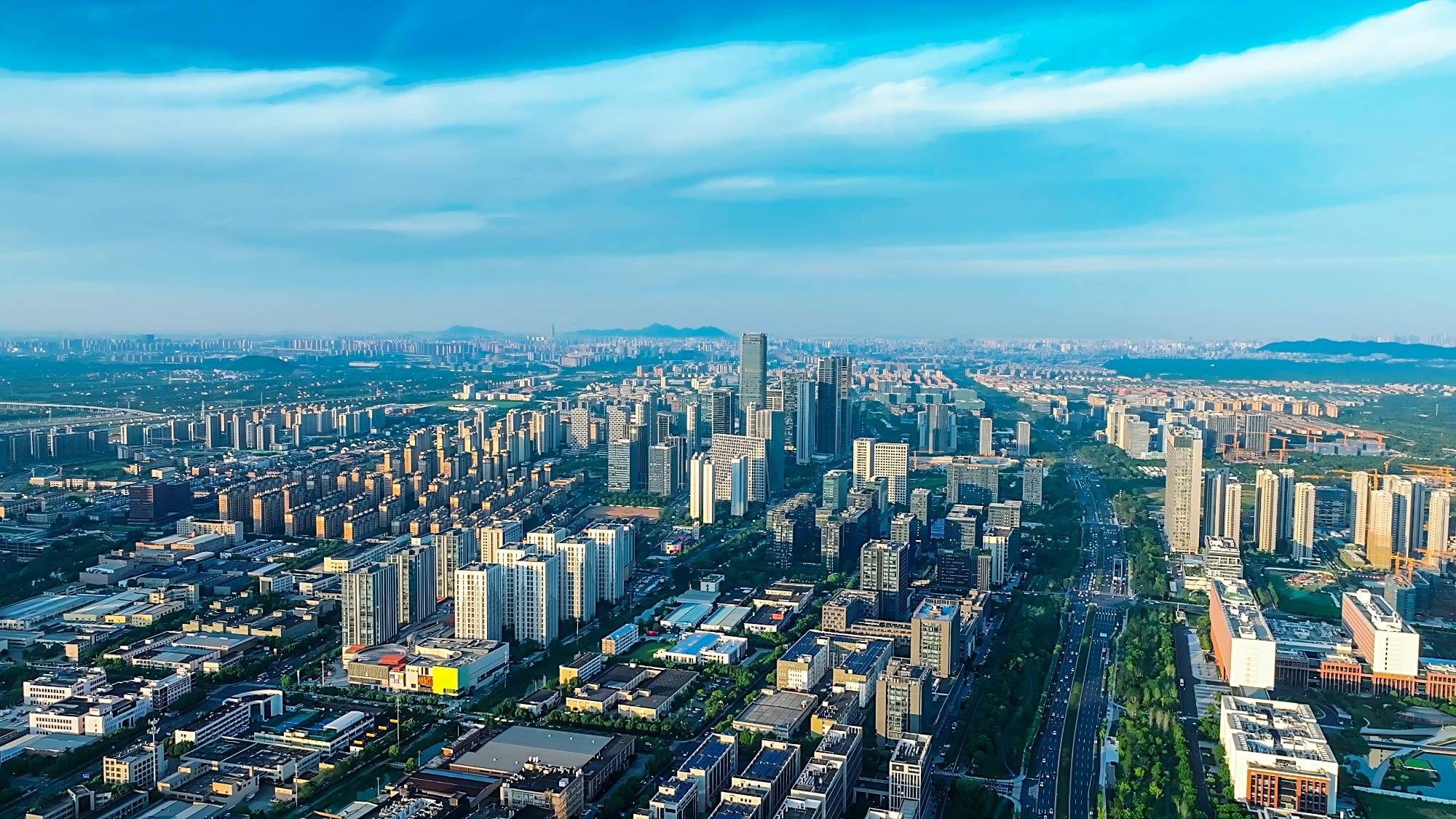
GDP突破3568亿元 杭州余杭发布2025年经济战报
Sou Hu Cai Jing· 2026-01-24 12:28
Economic Performance - The regional GDP of Yuhang District reached 356.8 billion yuan in 2025, with a year-on-year growth of 6.1%, maintaining its position as the top district in Zhejiang Province [1] - The total fiscal revenue of Yuhang District was 83.952 billion yuan, with general public budget revenue at 43.803 billion yuan, also ranking first in the province [1] Taxation and Economic Health - The tax ratio in Yuhang District approached 90%, indicating a mature economic structure and high marketization level, reflecting a healthy and stable economic development [1] Market Dynamics - In 2025, Yuhang District added 75,800 new market entities, bringing the total to over 330,000, leading in both total and incremental growth in Hangzhou [3] Income and Inequality - The per capita disposable income of residents in Yuhang District was 82,310 yuan, an increase of 4.4%, with an urban-rural income ratio of 1.47, continuing to rank among the best in the province and city [3] Industrial Growth - The added value of the service industry grew by 6.3%, with revenues from above-scale service industries nearing 1 trillion yuan; the added value of above-scale industrial sectors also increased by 6.1% [3] - Significant growth was observed in digital economy manufacturing, high-tech manufacturing, and strategic emerging industries, with 1,661 new provincial-level technology-based SMEs and over 3,200 effective national high-tech enterprises [3] Future Industry Development - Yuhang District is accelerating its industrial layout with emerging sectors such as artificial intelligence, brain-like intelligence, and low-altitude economy, supported by initiatives like the "Moyu Space" and the first civil drone test flight license in the province [3] Investment and Consumption - Fixed asset investment exceeded 100 billion yuan for three consecutive years, with major projects like the extension of Wenyi West Road and Yuhang International Sports Center progressing steadily [4] - The total retail sales of consumer goods grew by 6.4%, indicating sustained consumer vitality [4] - From January to November 2025, the import and export volume of goods reached 56.593 billion yuan, marking a growth of 12.0% [4] Future Goals - Yuhang District aims to achieve a regional GDP of 500 billion yuan, continuing its economic transition as a significant new center in Hangzhou [4]
2026年世界经济论坛年会闭幕,对话精神引领各方前行
Xin Lang Cai Jing· 2026-01-24 12:26
Core Insights - The 56th World Economic Forum annual meeting gathered nearly 3,000 leaders from politics, business, civil society, and academia to discuss the theme of "the spirit of dialogue" in a complex geopolitical context [1][3] - The meeting saw a record attendance of 400 high-level political leaders, including 65 heads of state and government, and aimed to foster open communication and consensus on pressing global challenges [1][3] - The forum emphasized the need for new collaborative mechanisms to address rising geopolitical tensions and the evolving social landscape, highlighting the importance of dialogue and cooperation [1][3] Group 1: Geopolitical and Economic Context - Geoeconomic confrontation has emerged as the primary global risk by 2026, necessitating the establishment of new collaborative frameworks [1][3] - Trust is identified as the fundamental cornerstone for deepening cooperation, with leaders warning of a crisis in trust affecting international institutions and global political dynamics [2][3] - The forum's report on geopolitical strength emphasizes the need for businesses to integrate geopolitical foresight into their operational models due to the current turbulent global landscape [2] Group 2: Innovation and Economic Growth - The latest report from the World Economic Forum provides real-time assessments of the global economic outlook, indicating resilience despite multiple challenges [5] - Discussions focused on removing market barriers, deepening integration, and expanding investment to enhance economic growth and security amid geopolitical pressures [5][6] - The forum announced initiatives aimed at retraining over 1 billion people globally, emphasizing the importance of skills development and job creation in response to technological advancements [9] Group 3: Technological Advancements and AI - AI and its supporting infrastructure have become central to development planning in both public and private sectors, with discussions on expanding technological inclusivity [6][12] - The forum highlighted the need for responsible and equitable deployment of AI technologies, balancing potential benefits with associated risks [13][16] - A new report on clean fuel investments predicts a rise from approximately $25 billion to over $100 billion annually by 2030, driven by demand and government targets [13] Group 4: Environmental Sustainability - The urgency of addressing climate crises was emphasized, with leaders warning of irreversible ecological consequences if critical climate thresholds are crossed [17][18] - A joint commitment by major manufacturing companies aims to unify sustainability data requirements to support small and medium enterprises in low-carbon transitions [17] - The forum's initiatives for 2026 will focus on protecting freshwater and marine ecosystems, with new partnerships and commitments to promote responsible actions [17]
“数字桥”畅联湘非贸易双向路
Xin Lang Cai Jing· 2026-01-24 04:12
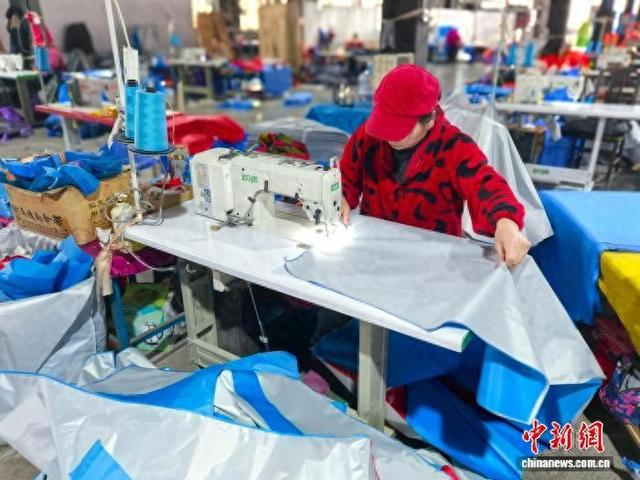
Group 1 - The core viewpoint of the article highlights the growing trade relationship between Hunan, China, and African countries, particularly through the use of e-commerce platforms, which facilitate faster and more efficient logistics for products like motorcycle umbrellas [1][3]. - Hunan Green Shade Umbrella Co., Ltd. is experiencing significant demand for its motorcycle umbrellas in Kenya, with plans to ship nearly 20,000 sets by 2025 and a customer satisfaction rate exceeding 95% [1]. - In 2025, Hunan's exports to African countries are projected to reach 58 billion RMB, marking a year-on-year increase of 5.8%, maintaining its position as the top exporter in Central and Western China for seven consecutive years [1]. Group 2 - The e-commerce platform Kilimall, known as the "African JD.com," has established a significant presence in Africa with a 20,000 square meter standardized overseas warehouse and around 2,000 community pickup points, achieving 100% online payment for orders and a nearly 70% repurchase rate [1]. - Local entrepreneurs in Africa, such as Patrick Musyoki, are leveraging e-commerce to reach global customers at lower costs, creating new business opportunities and providing consumers with a wider range of products [3]. - African products, including coffee beans from Ethiopia and Kenya, South African wines, and Moroccan nut oils, are increasingly accessible to consumers in Hunan through various trade channels, including the China-Africa Economic and Trade Expo [4].
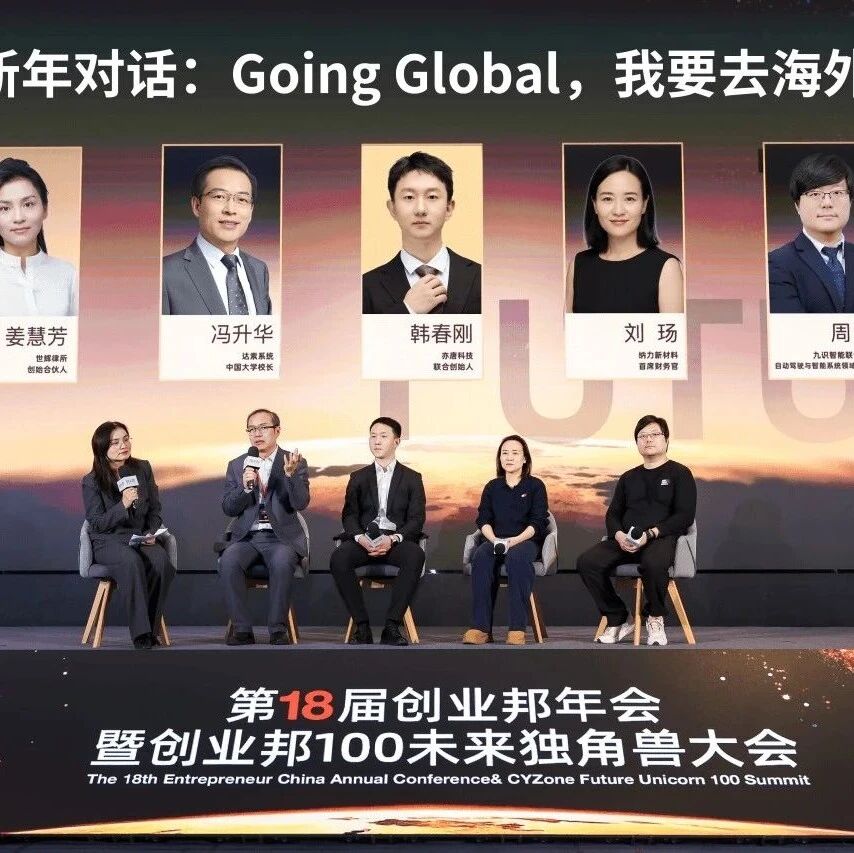
出海已是必答题,中国新势力如何带领产业“再全球化”?
创业邦· 2026-01-24 04:10
Core Viewpoint - The current wave of international expansion for Chinese technology companies has shifted from "lightweight" consumer products to hard technology breakthroughs, focusing on high-end manufacturing tools, software, and core materials, necessitating a comprehensive relocation of supply chains and production processes overseas [2][5]. Group 1: Industry Insights - The globalization logic for Chinese companies has fundamentally changed, making international expansion a mandatory strategy rather than an option [5]. - Companies like Dassault Systemes are pivotal in supporting Chinese enterprises by providing software that helps simulate and validate manufacturing processes before they are implemented abroad [8]. - The domestic market for high-end equipment, such as pick-and-place machines, is still largely dominated by international brands, indicating a significant opportunity for local companies to innovate and expand internationally [6]. Group 2: Strategic Considerations - Companies are considering international expansion primarily for two reasons: to complete the technology loop and to enhance industry resilience against market shocks [6][10]. - The strategy of companies like Nali New Materials involves not just selling materials but also providing technical services to ensure successful integration with international clients [10]. - The logistics and automation sector, represented by companies like RoboVan, emphasizes the importance of leveraging local partnerships and adapting to regulatory environments in target markets [12]. Group 3: Challenges and Solutions - Companies face significant challenges in adapting to local regulations and operational practices when entering foreign markets, which can lead to operational inefficiencies [15][16]. - The need for a skilled labor force in new markets is critical, and companies must negotiate labor agreements to ensure access to qualified workers [16]. - Compliance with international standards, such as carbon emissions regulations, is essential, and companies can utilize simulation technologies to preemptively address these challenges [18]. Group 4: Future Outlook - The future of international expansion for Chinese companies will rely on a combination of technological innovation and localized service offerings to create unique value propositions in global markets [20]. - Companies are encouraged to prioritize partnerships with established local firms to navigate regulatory landscapes effectively and enhance their market entry strategies [20].
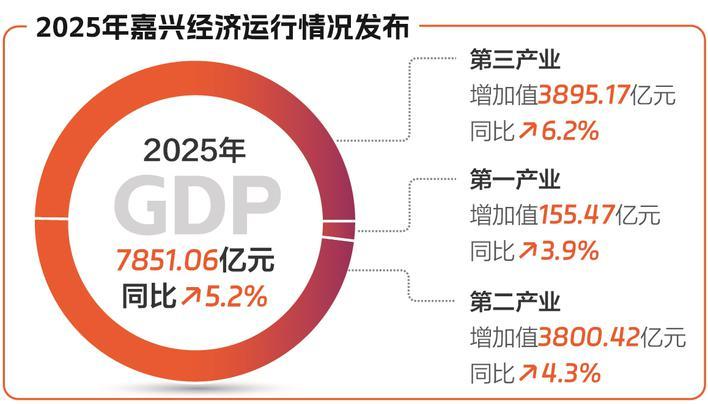
从2025年“成绩单”看嘉兴经济社会稳中提质
Xin Lang Cai Jing· 2026-01-24 00:00
Core Viewpoint - The economic performance of Jiaxing in 2025 shows a robust growth trajectory with a GDP of 785.1 billion yuan, reflecting a 5.2% year-on-year increase, indicating resilience and structural optimization in a complex environment [3][4]. Group 1: Stability - The 5.2% growth is attributed to effective responses to internal and external risks, showcasing Jiaxing's strong economic foundation and high-quality development pace [4]. - The agricultural sector remains a cornerstone, with grain planting area and total output reaching 2.39 million acres and 1.0361 million tons, respectively, maintaining the top position in the province for 20 consecutive years [4]. - Industrial production is stable, with a 5.4% increase in industrial added value, and over 60% of 34 major industry categories achieving positive growth [5]. - The third sector's added value growth reached 6.2%, further solidifying its dominant role in the economy [5]. - Jiaxing's foreign trade performed well, with total import and export value reaching 495.72 billion yuan, a 2.9% increase, ranking among the top four in the province [5]. - The Consumer Price Index (CPI) rose slightly by 0.1%, indicating overall price stability, which supports social harmony and livelihood security [5]. Group 2: Progress - The economic pulse of Jiaxing is characterized by structural breakthroughs and systematic reshaping of development momentum [6]. - High-tech manufacturing added value increased by 13.6%, with significant growth in digital economy sectors, indicating a shift towards quality improvement [6]. - Retail sales of consumer goods grew at the fastest rate in the province, with online retail sales surging by 55.8% [6]. - Investment in high-tech and digital economy sectors grew by 29.1% and 25.0%, respectively, reflecting a focus on future-oriented investments [7]. - Equipment investment surged by 33.3%, indicating a strong willingness for enterprise transformation and upgrading [7]. Group 3: Quality - Economic development in Jiaxing emphasizes improving the well-being of residents, with rural per capita disposable income reaching 54,939 yuan, a 5.1% increase, maintaining the top position in the province [8]. - The income gap between urban and rural residents has narrowed, with the ratio improving to 1.48, showcasing progress towards common prosperity [8]. - Logistics efficiency is highlighted by a 21.6% increase in highway freight volume and the highest growth in container throughput at Jiaxing Port among coastal ports in the province [8]. - Overall, Jiaxing's economy in 2025 reflects a positive trend of stability, progress, and quality enhancement, laying a solid foundation for high-quality development in the "14th Five-Year Plan" [8].
范波参加苏州工业园区代表团审议
Su Zhou Ri Bao· 2026-01-23 23:39
Group 1 - The core message emphasizes the importance of the government work report and the "14th Five-Year" planning outline, which are seen as clear, motivational, and aligned with the city's actual needs and public expectations [1] - The city aims to take on significant responsibilities, maintain a consistent vision, and ensure that planning goals are transformed into reality through hard work and innovation [1] - The achievements of the Suzhou Industrial Park in economic and social development by 2025 are acknowledged, with a focus on aligning development with national and provincial strategies [1] Group 2 - There is a strong emphasis on expanding platform functions and enhancing high-level openness, particularly through the China-Singapore cooperation brand and promoting high-quality inbound and outbound initiatives [2] - The integration of technological and industrial innovation is prioritized, with a focus on leveraging the Shanghai (Yangtze River Delta) International Science and Technology Innovation Center to gather global innovation resources [2] - The city aims to improve urban functionality and livability through intensive and sustainable development, modern governance, and a focus on people's well-being [2] Group 3 - The Suzhou Industrial Park is urged to focus on achieving annual targets and to implement a "three services" initiative to support enterprises, projects, and grassroots efforts [3] - Key areas of focus include maintaining stability in employment and production, providing assistance to vulnerable communities, and ensuring social stability and safety [3]
全国第三个、北方首个 山东跻身“十万亿俱乐部”
Shang Hai Zheng Quan Bao· 2026-01-23 18:13
Group 1: Economic Milestone - Shandong Province officially announced that its GDP will exceed 10 trillion yuan by 2025, reaching 10.3197 trillion yuan, making it the third province in China and the first in the north to join the "trillion-yuan club" [1] - The province achieved this milestone in just five years, showcasing its commitment to high-quality economic development [1] Group 2: Industrial Transformation - The achievement is attributed to systematic changes in the industrial sector, focusing on the real economy and innovation-driven transformation [2] - Traditional industries have seen significant transformation, with Shandong optimizing the layout of heavy industries like petrochemicals and steel, resulting in a capacity transfer of 23.56 million tons of crude steel and 26.96 million tons of refining capacity [2] - By mid-2025, the output value of new technology industries is expected to account for 55.2% of the industrial output above designated size, with over 35,000 high-tech enterprises and more than 50,000 technology-based SMEs [2] Group 3: Technological Advancements - Key technological breakthroughs include the commissioning of the world's first fourth-generation nuclear power plant and the global debut of 12-inch silicon carbide substrates, which are transitioning from concepts to industrial advantages [3] - The digital economy is becoming a core link between traditional industry transformation and the cultivation of new productive forces, with Shandong establishing itself as a national leader in industrial internet platforms [3] Group 4: Green and Low-Carbon Development - As the first national pilot zone for green and low-carbon high-quality development, Shandong's non-fossil energy power generation capacity reached 134 million kilowatts by Q3 2025, surpassing coal power for the first time [4] - The province has achieved a significant reduction in energy consumption per unit of GDP, creating a virtuous cycle of ecological protection, industrial upgrading, and economic growth [4] Group 5: Market and Government Synergy - The economic leap is a result of the synergy between an effective market and a proactive government, breaking down institutional barriers and aligning with market demands [5] - Shandong has optimized its business environment, with over 90% of government services available online, enhancing efficiency and reducing costs for enterprises [5] Group 6: Capital Market Performance - By the end of 2025, Shandong is expected to have 310 listed companies, a 33% increase from 2020, with 52 companies making it to the "China Top 500 Enterprises" list [6] - The province's import and export scale is projected to reach 3.53 trillion yuan, with exports growing over 60% since 2020, highlighting the importance of foreign trade in economic growth [6] Group 7: Future Industry Focus - Shandong's "14th Five-Year Plan" aims to build a modern industrial system, focusing on high-end transformation of traditional industries and emerging sectors like deep-sea aerospace and quantum technology [7][8] - The province is also committed to deepening market-oriented reforms and enhancing its position in the national value chain [8] Group 8: Challenges Ahead - Despite the achievements, Shandong faces challenges in further stimulating internal innovation and maintaining competitiveness in a dynamic regional landscape [9][10]