
可再生能源

Search documents
寒冬将至,乌克兰的能源 “生命线” 能否被德国总理握住?
Sou Hu Cai Jing· 2025-10-24 16:40
Core Insights - The meeting between Ukrainian President Zelensky and German Chancellor Merz has brought global attention back to Ukraine's energy crisis, which is critical as winter approaches [1] - Ukraine's energy infrastructure has been severely damaged due to the ongoing conflict, with 60% of natural gas production and electricity facilities destroyed, leading to a gas shortfall of 4.4 billion cubic meters this winter [1] - The humanitarian impact is dire, with reports indicating a 31% increase in civilian casualties in the first nine months of 2025 compared to the previous year [2] Group 1: Ukraine's Energy Crisis - Ukraine's energy crisis is exacerbated by the destruction of energy facilities, with significant financial requirements for repairs estimated at €758 million [1] - The government is delaying the start of the heating season to conserve natural gas and is accelerating the development of renewable energy, aiming for a 27% share in the energy mix by 2030 [5][6] - Ukrainian citizens are facing severe hardships, including lack of heating and water supply due to power outages [2] Group 2: International Response - Germany has committed to providing air defense support and leading efforts in energy equipment and financial aid to help Ukraine rebuild its energy system [4] - Discussions are ongoing regarding the use of frozen Russian assets to aid Ukraine, with Germany's support deemed crucial [4] - However, Germany faces its own energy crisis and internal divisions regarding the extent of support for Ukraine, balancing national energy security with international obligations [4] Group 3: Broader Implications - The energy crisis in Ukraine is not just a national issue but a global concern, affecting energy security and international relations [6] - The EU is encouraged to enhance support for Ukraine's energy system reconstruction through funding, technology, and equipment [6] - A call for Russia to cease attacks on Ukrainian energy infrastructure and engage in peaceful negotiations is emphasized, highlighting the need for a collaborative international approach to resolve the crisis [6][7]


“中国能源好物”发布 与世界共享科创成果
Zhong Guo Xin Wen Wang· 2025-10-24 16:18
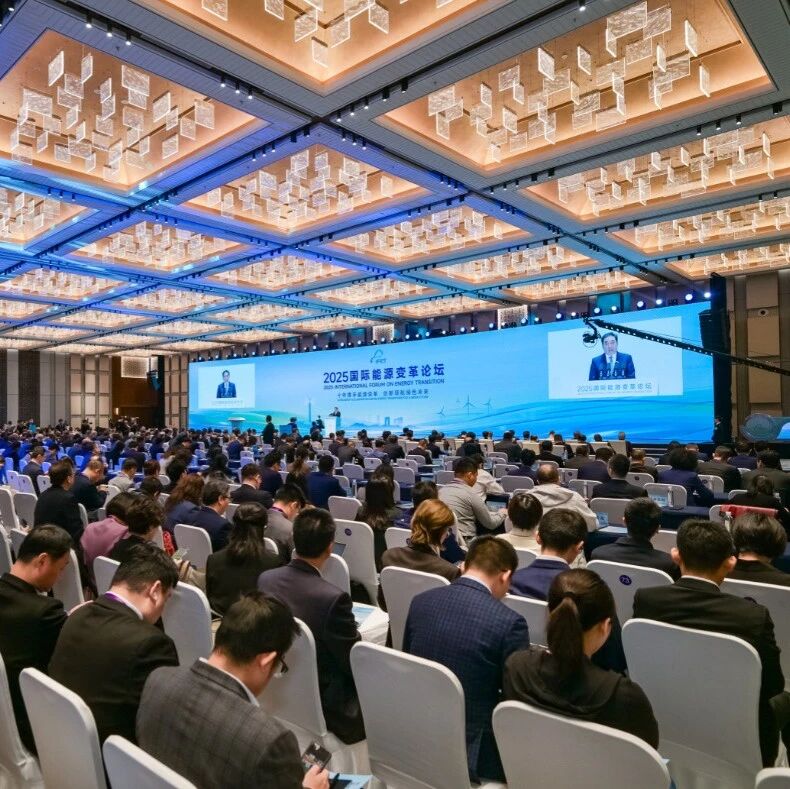
Core Viewpoint - The 2025 International Energy Transformation Forum was held in Suzhou, showcasing China's energy technology innovations and sharing them with the world [1] Group 1: Energy Technology Innovation - Over the past decade, China has significantly increased its investment in energy technology innovation, transitioning from a follower to a leader in the field [1] - China has become a global leader and source of energy technology innovation, with advancements in renewable energy and major projects in hydropower and nuclear power [1] Group 2: "China's Energy Good Products" - The forum released "China's Energy Good Products," which includes 60 items categorized into five major areas: renewable energy and nuclear technology innovation, clean and efficient use of traditional energy, multi-energy complementarity and comprehensive utilization, energy transmission and distribution, and smart energy digital applications [1] - Key products include 36 core products such as "Hualong One" and perovskite photovoltaic components, along with 24 solutions like integrated hydrogen energy systems and intelligent microgrids for industrial applications [1] Group 3: Global Energy Challenges - Current geopolitical factors are affecting global energy supply stability, with increasing regional development imbalances and urgent technological bottlenecks that need to be addressed [1] - The challenges faced are testing humanity's wisdom and collaborative capabilities, emphasizing the need for consensus and international cooperation in energy transformation [1]
2025年《财富》改变世界的公司
财富FORTUNE· 2025-10-24 14:03
Core Viewpoint - In an era of economic anxiety, companies that integrate social responsibility into their business models can thrive by positively impacting humanity and the planet, which in turn can enhance their profitability and resilience during uncertain times [2]. Group 1: Selection Criteria for Companies - The "Fortune Change the World" list aims to recognize companies that create a positive social impact through their core business strategies [3]. - Measurable social impact is a key factor in evaluating nominated companies, focusing on the scope, nature, and duration of their effects on specific social issues [4]. - The operational performance of these socially impactful initiatives is assessed, with a greater emphasis on their contributions to profitability and shareholder value rather than just reputation [5]. Group 2: Environmental Protection - Companies are increasingly aware of climate change and are leveraging their market power to help control carbon emissions [7]. - CrossBoundary Energy has secured over $680 million in contracts across 20 African countries and Australia, providing integrated solar, wind, and storage systems to major corporations [8]. - Carrier Global has shifted its focus to reducing energy footprints in heating and cooling, helping users avoid 490 million metric tons of greenhouse gas emissions since 2020 [8]. - GHGSat monitors methane leaks from industrial facilities using satellite technology, identifying over 20,000 leaks in 2024 [9]. - Ameresco is addressing high energy costs in Hawaii by deploying solar infrastructure, with a project expected to power 10,000 homes and reduce carbon emissions by 50,000 tons annually [10]. Group 3: Serving Vulnerable Groups - Companies that assist vulnerable populations not only contribute to social good but also demonstrate sustainable business acumen [24]. - Yum China has launched a "Food Bank" project, redistributing over 1,600 tons of food to those in need, which can feed 4,000 people for a year [27]. - GoodLeap has financed over $50 billion in home energy upgrades, helping 1.3 million households access green energy solutions [16]. Group 4: Enhancing Public Health and Safety - Companies are prioritizing nutritious food, accessible healthcare, and safer transportation as part of their business missions [35]. - New Seed has developed a corn variety with significantly higher iron, zinc, and protein content, benefiting over 1 million farmers and increasing their average income by 76% [37]. - Gilead's innovative HIV prevention drug has transformed HIV from a terminal illness to a manageable chronic condition [41]. Group 5: Economic Empowerment - Companies are creating opportunities for workers and providing essential tools, including AI, to enhance labor force capabilities [51]. - Mercado Libre has processed $197 billion in transactions in 2024, supporting hundreds of thousands of small businesses across 18 Latin American countries [55]. - Ascend Nano has provided "nano loans" to 2.5 million customers, helping them escape predatory lending practices [58].

新华社︱国际能源变革论坛 我国风光发电十年来新增装机占全球六成
国家能源局· 2025-10-24 13:40
Core Viewpoint - China has established the world's largest and fastest-growing renewable energy system, with significant advancements in wind and solar power generation capacity over the past decade [2] Group 1: Renewable Energy Development - In the last ten years, China's annual installed capacity for wind power has exceeded 100 million kilowatts, while solar power has surpassed 200 million kilowatts, and the combined capacity has reached over 300 million kilowatts [2] - Wind and solar installations currently account for nearly half of the global total, with new installations representing 60% of the global market [2] - The share of renewable energy in total power generation capacity has increased to approximately 60% [2] Group 2: Technological Innovation and Global Cooperation - China has become a leader and source of energy technology innovation, with significant projects in hydropower and nuclear power completed and operational in the past decade [2] - New business models and applications are flourishing, with artificial intelligence being integrated across various energy sectors, enhancing the scope of green electricity and energy applications [2] - China has engaged in green energy project cooperation with over 100 countries and regions, contributing to a 60% reduction in the average cost of wind power and an 80% reduction for solar power globally [2] Group 3: Environmental Impact - In the past year alone, China's production of wind and solar products has helped reduce global carbon dioxide emissions by approximately 2.65 billion tons [2]
我国风光发电十年来新增装机占全球六成
Xin Hua Wang· 2025-10-24 13:02
Core Insights - China has established the world's largest and fastest-growing renewable energy system, with wind and solar power installations surpassing 100 million and 200 million kilowatts respectively over the past decade [1] - The share of renewable energy generation capacity has increased to approximately 60%, with wind and solar installations accounting for nearly half of the global total [1] Group 1: Renewable Energy Development - Wind and solar power installations in China represent 60% of the global new capacity additions [1] - The country has become a leader in energy technology innovation, with significant projects in hydropower and nuclear power completed in the last decade [1] - New business models and applications of artificial intelligence are enhancing the energy sector, expanding the boundaries of green electricity and energy applications [1] Group 2: Global Collaboration and Impact - China has engaged in green energy project cooperation with over 100 countries and regions [1] - The average cost of wind and solar power generation has decreased by 60% and 80% respectively due to China's contributions [1] - In the past year, China's wind and solar products have helped reduce global carbon dioxide emissions by approximately 2.65 billion tons [1]
构建“全球零碳朋友圈”:2025零碳园区未来伙伴多边对话在苏州成功举办
中国能源报· 2025-10-24 10:11
Core Viewpoint - The concept of "zero-carbon parks" has gained momentum in China, becoming a key driver for green and low-carbon transformation, supported by national policies and local initiatives [2][3]. Group 1: Policy and Development - The establishment of zero-carbon parks is seen as a crucial step towards achieving China's dual carbon goals, with significant support from the National Development and Reform Commission (NDRC) [2][3]. - The "2025 Zero-Carbon Park Future Partners Multilateral Dialogue" event highlighted the importance of collaboration among various stakeholders, including government, research institutions, and financial entities, to promote the development of zero-carbon parks [2][4]. Group 2: Challenges and Opportunities - Experts noted that while there is clear direction and emerging standards for zero-carbon parks, the journey ahead is fraught with challenges that require systemic solutions [4][5]. - The construction of zero-carbon parks necessitates a comprehensive and revolutionary overhaul across energy supply, industrial structure, infrastructure, and operational management, presenting both significant challenges and opportunities for innovation [3][4]. Group 3: International Cooperation - The event initiated the China-ASEAN Zero-Carbon Park Future Cooperation Partners Project, aimed at enhancing green development exchanges and exploring suitable solutions for green development and emission reduction in various countries [7][9]. - Representatives from ASEAN countries shared their experiences and policies supporting renewable energy and zero-carbon park development, emphasizing the critical role of government incentives [12]. Group 4: Standards and Certification - The launch of the "Technical Guidelines for Zero-Carbon Park Construction" aims to fill the existing gaps in standards within the zero-carbon park sector, providing essential references for government decisions and corporate actions [14]. - The need for a unified, internationally recognized standard system in the zero-carbon park field was highlighted as a major obstacle to progress [11]. Group 5: Case Studies and Innovations - The New Jian Yuan Zero-Carbon Pavilion and the Suzhou Industrial Park Circular Economy Industrial Park serve as benchmarks for zero-energy buildings and near-zero carbon transformation, showcasing innovative practices in waste recycling and energy utilization [18][19]. - These projects illustrate a systemic green ecosystem where various components, such as waste treatment and renewable energy generation, are interconnected to achieve near-zero carbon status [19].

协鑫能科总裁:AI赋能下公司电力现货市场交易收益提升12%以上
Xin Lang Cai Jing· 2025-10-24 09:48
Core Insights - The vice chairman of GCL Group, Fei Zhi, highlighted the transformative impact of AI on the energy sector during the Global Renewable Energy Development Forum on October 23, 2023 [1] Group 1: AI Impact on Energy Sector - AI-driven technologies are enhancing the precision of system operations and trading, leading to reduced energy consumption costs [1] - The willingness and enthusiasm of users to adopt green energy have increased due to AI advancements [1] Group 2: Performance Metrics - GCL Technology's comprehensive energy system has seen an improvement in dispatch potential assessment accuracy by over 10% due to AI [1] - The revenue from electricity spot market trading has increased by over 12% [1] - The overall operating costs of distributed energy systems have decreased by approximately 3% [1]

国际零碳零废城市发展联盟成立
Xin Hua Cai Jing· 2025-10-24 09:46
Core Viewpoint - The establishment of the "International Zero Carbon Zero Waste City Development Alliance" aims to promote the synergistic development of "net zero emissions" and "zero waste cities" globally, facilitating green low-carbon transformation in urban areas [1][3]. Group 1: Alliance Objectives and Vision - The alliance focuses on creating a platform for policy dialogue, technological cooperation, capacity building, industrial linkage, and investment financing to support global cities in their green transitions [3]. - The vision includes building a "net zero and zero waste future city community" through global collaboration in climate governance, circular economy, and green technology innovation [3]. Group 2: Suzhou's Role and Achievements - Suzhou, as a key founding city of the alliance, has integrated the construction of a clean, low-carbon, safe, and efficient energy system into its economic and social development [3]. - Over the past decade, Suzhou's renewable energy installed capacity has increased from 300,000 kW to 6.53 million kW, representing a growth of 21 times [3]. - In 2024, Suzhou completed green electricity transactions of 4.63 billion kWh and green certificate transactions of 1.328 million, ranking first in Jiangsu Province [3]. Group 3: Forum Highlights - The forum, themed "Ten Years Hand in Hand for Energy Transformation Innovation Leading a Green Future," was co-hosted by the National Energy Administration, the International Renewable Energy Agency (IRENA), and the Jiangsu Provincial Government [4]. - During the forum, several key documents were released, including the "Global Energy Low Carbon Transition Development 2030 Suzhou Vision" and the "Energy Transformation Index Blue Book 2025," showcasing China's achievements in energy transition and technological innovation [4]. - The event attracted over 2,000 representatives from 36 countries and regions, including energy ministers, ambassadors, and leaders from international energy organizations [4].

国家能源局:我国风光发电装机规模占全球近一半
Xin Hua Cai Jing· 2025-10-24 06:44
Core Viewpoint - China is committed to promoting green development, with significant advancements in renewable energy capacity and international cooperation in energy transition [1][2]. Group 1: Renewable Energy Development - China's total installed capacity for wind and solar power accounts for nearly half of the global total, with new installations representing 60% of the global increase [1]. - Renewable energy generation capacity has increased to approximately 60% of the total energy mix [1]. - Since 2015, China's renewable energy investments have shown a stepwise growth, with annual new installations of wind and solar power exceeding 100 million, 200 million, and 300 million kilowatts [1]. Group 2: International Cooperation and Contributions - China has collaborated on green energy projects with over 100 countries and regions, contributing to a 60% reduction in the average cost of wind power and an 80% reduction in solar power generation costs globally [1]. - In the past year, China's wind and solar products have helped reduce global carbon dioxide emissions by approximately 2.65 billion tons [1]. Group 3: Energy Transition Challenges and Solutions - The global energy transition faces challenges such as geopolitical influences, regional development imbalances, and technological bottlenecks [2]. - There is a call for international cooperation to enhance energy supply security, overcome technological barriers, and promote equitable energy transitions [3]. Group 4: Sustainable Energy Access - Clean energy development is emphasized as a key approach to achieving energy justice, addressing energy poverty, and ensuring access to affordable, reliable, and sustainable modern energy for all [4]. - Multilateral development banks and financial institutions are encouraged to enhance financing support for energy transitions in developing countries, aiming to bridge the investment gap in clean energy [4].
年发电量突破10万亿千瓦时 落基山研究所李婷:中国已构建起全球最大可再生能源系统
Feng Huang Wang Cai Jing· 2025-10-24 03:40
Core Viewpoint - The "Zero Carbon Mission International Climate Summit 2025" aims to gather insights and strategies to address climate change, supporting China's carbon neutrality vision and global emission reduction goals [1]. Group 1: Current Climate Situation - The global atmospheric CO2 concentration is projected to reach its highest level in history by 2024, a level not seen for 3 to 5 million years [5]. - A report from over 230 countries and 160 scientists indicates that mass coral reef die-off has become the first breached climate tipping point, marking a new phase in the climate crisis [5]. Group 2: China's Green Transition Achievements - China has made significant progress in low-carbon transition, with solar power generation increasing 35 times and wind power generation increasing 9 times over the past decade [6]. - China has established the world's largest and fastest-growing renewable energy system, achieving an annual power generation exceeding 10 trillion kilowatt-hours [6]. - The success of China's green transition is attributed to the synergy of goals, policies, and market mechanisms, serving as a model for developing countries [6]. Group 3: Significance of 2025 - The year 2025 is highlighted as a pivotal year, marking the 10th anniversary of the Paris Agreement and the 5th anniversary of China's carbon peak and neutrality goals [7]. - New self-contribution targets from China indicate a comprehensive shift towards a cleaner, safer, and more efficient low-carbon energy system [7]. - The summit also reflects on the achievements in clean energy development and the collaborative efforts over the past five years, setting the stage for future cooperation [7].
