餐饮服务

Search documents
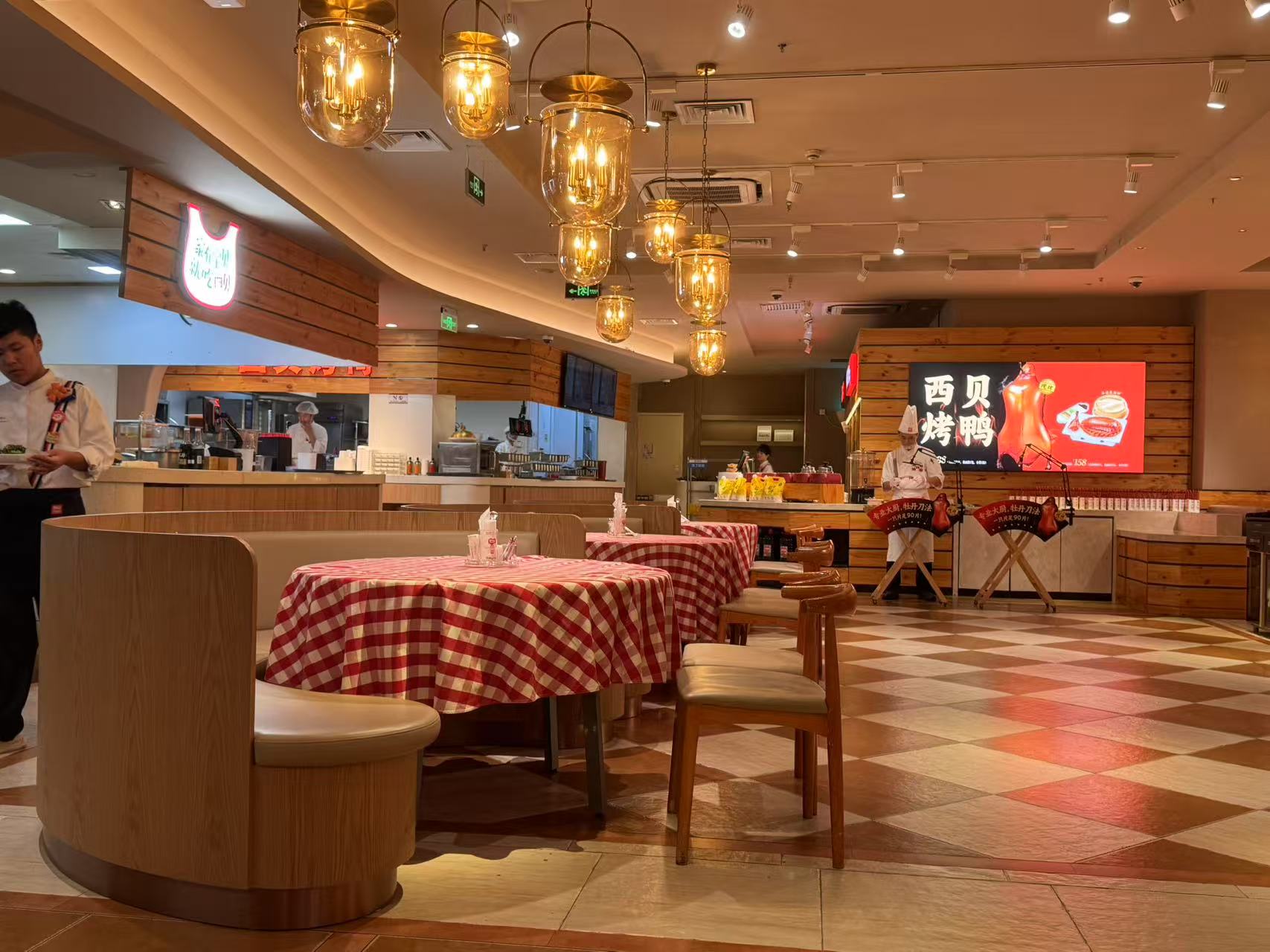
西贝回应“闭店”获华杉点赞“好人好公司”,网友回怼
Guan Cha Zhe Wang· 2025-11-12 13:25
Core Viewpoint - Recent discussions about Xibei's store adjustments have sparked public attention and questions, particularly regarding a wave of store closures across various cities, which the company claims are part of normal operational adjustments [1][3]. Store Adjustments - Xibei has reportedly experienced a "store closure wave," with locations in cities such as Suzhou, Beijing, Shantou, Nanjing, Shenzhen, Changsha, and Chongqing shutting down [1]. - The company stated that opening and closing stores is a normal practice in the restaurant industry, and it continues to dynamically adjust its store count based on operational conditions [1]. - Despite closures, Xibei is also opening new locations, including stores in Harbin and Jinan, with plans to open eight more by December 31 in cities like Shenzhen, Nanjing, and Beijing [1]. Self-Reform Initiatives - Xibei is undergoing significant self-reform to regain lost customers and reputation, focusing on service upgrades, menu adjustments, price optimization, and prioritizing food safety [3]. - On September 15, Xibei issued an apology and announced nine major adjustments, including switching to non-GMO soybean oil and ensuring fresh preparation of various dishes [4]. Price Adjustments - Starting October 1, Xibei implemented significant price reductions on over 30 dishes, with some items seeing price drops exceeding 20% [4]. - Specific examples include a reduction in the price of sesame oil scrambled eggs from 43 yuan to 33 yuan (23% decrease) and grassland tender grilled lamb chops from 119 yuan to 99 yuan (approximately 16.8% decrease) [4]. Marketing Strategies - Xibei has been actively using promotional strategies, such as distributing dining vouchers to attract customers, with campaigns like "Xibei Treats You to Dinner" offering 100 yuan vouchers for in-store consumption [6]. - The company has also introduced a new logo and branding strategy, testing a new color scheme in select locations to refresh its image [6]. Customer Feedback - Initial responses to Xibei's reforms have been mixed, with some consumers expressing willingness to give the brand another chance, while others remain skeptical about the effectiveness of the changes [8][9]. - Positive comments highlight the company's sincerity and improvements, while criticisms focus on lingering doubts about service quality and pricing transparency [8][9].


实探“闭店风波”后的西贝:继续发优惠券、客流量回暖
Di Yi Cai Jing· 2025-11-12 13:17
Core Insights - The company is actively using vouchers to regain lost customers after facing challenges in recent months [1][4] - There has been a noticeable improvement in customer traffic compared to previous downturns, with current restaurant occupancy rates around 60%-70% [1] - The company has acknowledged the impact of the pre-prepared food controversy and is making adjustments to its food preparation methods to better meet customer expectations [3][4] Customer Engagement - The ongoing promotion of a "50 yuan voucher" is aimed at encouraging customer visits, with the offer valid until December [4] - Despite the controversy, some families remain willing to dine at the company’s restaurants, citing the suitability of the food for children [4] - During peak dining times, customers in major cities have experienced wait times, indicating a resurgence in demand [4] Operational Adjustments - The company is increasing its workforce, including hiring part-time employees to manage the higher workload due to more dishes being prepared on-site [3] - The company has stated that the opening and closing of stores is a normal part of restaurant operations, with recent closures being part of a dynamic adjustment strategy [3]
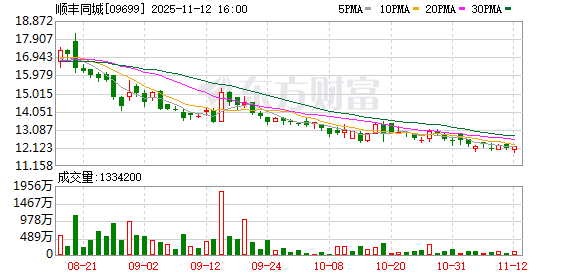
武汉市江岸区人民政府携手顺丰同城签署无人配送项目合作协议 推动武汉智慧城市应用加速落地
Zheng Quan Ri Bao· 2025-11-12 12:13
Group 1 - The 11th China Graduate Smart City Technology and Creative Design Competition was held at Wuhan University, focusing on promoting innovation in low-altitude economy and robotics [2] - The event featured multiple district governments promoting local advantages and industry foundations, with scholars and business representatives from the low-altitude economy field presenting reports [2] - Wuhan's Jiang'an District government signed a cooperation agreement with Yum China (Wuhan) and SF Express for an unmanned delivery project, marking a new chapter in "Smart Jiang'an" construction [2] Group 2 - The project utilizes drones, unmanned vehicles, building robots, and smart food delivery cabinets to overcome environmental limitations, providing residents with a convenient and safe unmanned delivery experience [2] - KFC and Pizza Hut, under Yum China, are responsible for standardizing food packaging and quality control, collaborating with SF Express to expand service coverage and improve delivery efficiency [3] - The delivery process involves drones and smart lockers for automatic landing and food storage, with users able to collect their orders via a pickup code, ensuring a contactless delivery experience [3] Group 3 - SF Express has developed a comprehensive "air + ground" unmanned delivery solution, enabling full automation and refined delivery processes [3] - The system includes multiple safeguards at merchant, delivery, and user levels, with dedicated drone takeoff and landing areas to support efficient order processing [3] - The logistics system, powered by SF Express's CLS and AI models, predicts order situations and optimally matches orders with transport resources [4] Group 4 - The "human-machine collaboration and multi-dimensional complementarity" operational model of SF Express is expected to expand into more urban service areas, supporting the development of smart cities [4]
顺丰同城无人配送项目落地武汉江岸区
Mei Ri Jing Ji Xin Wen· 2025-11-12 10:53
Core Viewpoint - The collaboration between the Jiang'an District Government of Wuhan, Yum China (Wuhan), and SF Express aims to establish a "Smart Jiang'an" initiative through the integration of various unmanned delivery technologies, enhancing delivery efficiency and sustainability [1] Group 1: Project Overview - The project involves a partnership to develop an unmanned delivery system that combines drones, unmanned vehicles, building robots, and smart food pickup cabinets [1] - The initiative is designed to provide a comprehensive "air + ground" delivery solution, ensuring full automation and precision in the delivery process [1] Group 2: Operational Benefits - The unmanned delivery system is not affected by weather changes or complex road conditions, allowing for stable service availability 24/7 [1] - Delivery efficiency is expected to improve by over 50% due to the implementation of this system [1] - The use of fully electric vehicles ensures zero carbon emissions throughout the delivery process [1] Group 3: Safety and Convenience - The contactless delivery method enhances food safety for consumers [1]
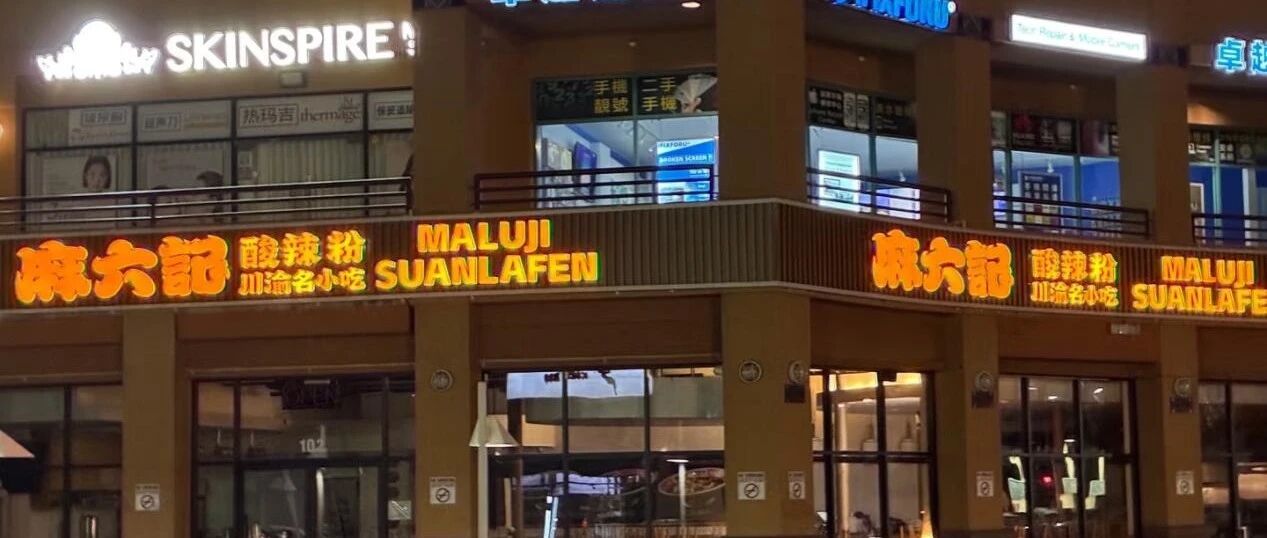
麻六记一门店引发多人腹泻,开业半个月被整改
新浪财经· 2025-11-12 10:11
Core Viewpoint - The recent complaints from multiple consumers regarding food safety issues at the Ma Liu Ji restaurant in Los Angeles have raised significant concerns about the establishment's hygiene and compliance with health regulations [3][5][8]. Summary by Sections Consumer Complaints - Numerous consumers reported experiencing symptoms such as vomiting and diarrhea after dining at the Ma Liu Ji location in Los Angeles, with some describing severe abdominal pain and fatigue [3][5]. - Social media posts highlighted issues with food quality, including complaints about overly salty dishes and unappetizing flavors, leading to adverse health effects the following day [5][7]. Health and Safety Violations - The restaurant, which opened on October 28, has been closed by local health authorities due to violations of health and safety regulations [8][10]. - The Los Angeles Public Health Department is actively investigating the situation, although specific details have not been disclosed [10]. Company Response - The official response from Ma Liu Ji has been limited, with customer service indicating that food safety issues are taken seriously and will be reported to the product department [11]. - A related account from the "Ma Liu Ji Spicy Noodles Diamond Plaza" location expressed regret over the complaints and announced a refund offer for affected customers [10][11]. Previous Issues - The brand has a history of food safety concerns, including a recall earlier this year due to moldy products, which has contributed to ongoing consumer dissatisfaction [13][14]. - Complaints on platforms like Black Cat Complaints have accumulated, with issues ranging from moldy products to foreign objects found in food [13][14]. Business Expansion Plans - Despite the current challenges, the brand aims to expand significantly, with plans to cover 80% of second and third-tier cities within three years, as stated by the founder [14].
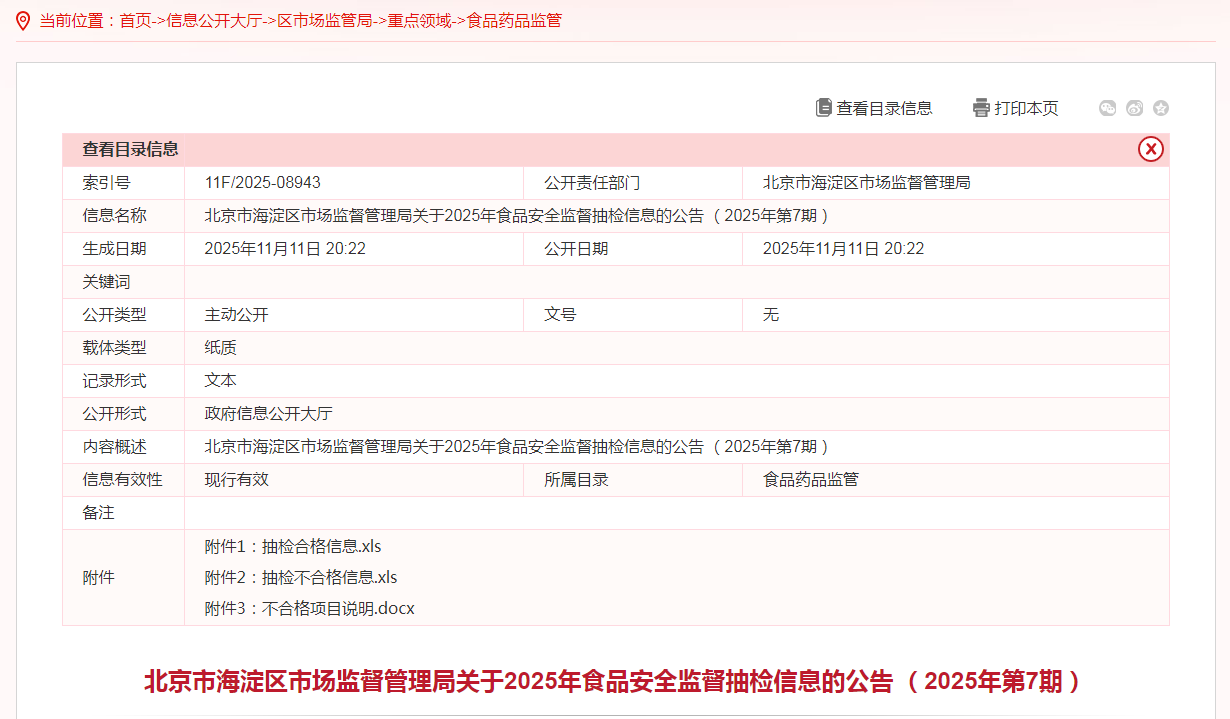
北京市海淀区市场监督管理局关于2025年食品安全监督抽检信息的公告 (2025年第7期)
Zhong Guo Zhi Liang Xin Wen Wang· 2025-11-12 08:47
Summary of Key Points Core Viewpoint The announcement from the Haidian District Market Supervision Administration in Beijing details the results of food safety inspections conducted from September 29 to October 28, 2025, revealing that out of 276 food samples tested, 256 were compliant while 20 were found to be non-compliant. Group 1: Overall Inspection Results - A total of 276 food samples, including edible agricultural products, were inspected [2][3] - Out of these, 256 samples were found to be compliant, resulting in a compliance rate of approximately 92.5% [3] Group 2: Non-Compliant Samples - The non-compliant samples included various products from different companies, with specific violations noted: - Beijing Jinfeng Chengxiang Technology Co., Ltd. had iron stick yam with residues of mefenoxam and manganese salt exceeding safety standards [3] - Beijing Dongfanghong Catering Co., Ltd. had chili peppers with residues of thiamethoxam exceeding safety standards [3][4] - Beijing Chaoshifa Chain Co., Ltd. sold flat-leaf onions with thiamethoxam exceeding safety standards [4] - Beijing Qianxi Longteng Technology Development Co., Ltd. had mangoes and ginger with pesticide residues exceeding safety standards [4][5] - Other non-compliant products included various vegetables and meats with issues such as excessive moisture and pesticide residues [5][6][8] Group 3: Regulatory Actions - The Haidian District Market Supervision Administration has initiated investigations and actions against the companies responsible for the non-compliant products [8][9]
上海市青浦区市场监督管理局2025年第27期食品安全监督抽检信息
Zhong Guo Zhi Liang Xin Wen Wang· 2025-11-12 08:46
Summary of Food Safety Supervision Inspection Information - The recent food safety supervision inspection conducted in the Qingpu District of Shanghai involved a total of 96 batches, with 88 batches passing and 8 batches failing the inspection [2][3] - The inspection results indicate that the authorities have initiated legal proceedings against the entities responsible for producing and selling the non-compliant food products [2] Non-compliant Products - The inspection identified several non-compliant products, primarily due to the presence of anionic synthetic detergents, with specific measurements exceeding the allowable limits, such as 0.076 mg/100 cm² for one product [3] - The non-compliant products were sourced from various establishments, including restaurants and community service centers, highlighting a range of food types involved in the violations [3][4] Compliant Products - The inspection also reported compliant products, which were tested for various food safety parameters, including the absence of harmful bacteria such as E. coli [3][4] - The compliant products were sourced from different food establishments, indicating a mix of local businesses adhering to food safety regulations [4][5]
*ST云网录得6天4板
Zheng Quan Shi Bao Wang· 2025-11-12 02:23
据天眼查APP显示,中科云网科技集团股份有限公司成立于1999年09月14日,注册资本86976.25万人民 币。(数据宝) 近日该股表现 | 日期 | 当日涨跌幅(%) | 换手率(%) | 主力资金净流入(万元) | | --- | --- | --- | --- | | 2025.11.11 | 1.83 | 11.28 | -2255.80 | | 2025.11.10 | 4.81 | 0.40 | 363.99 | | 2025.11.07 | 5.05 | 1.81 | 1102.45 | | 2025.11.06 | -2.94 | 6.81 | -1344.44 | | 2025.11.05 | 5.15 | 8.75 | 707.73 | | 2025.11.04 | 0.52 | 4.04 | -799.85 | | 2025.11.03 | 3.21 | 5.55 | 233.54 | | 2025.10.31 | 0.54 | 2.88 | 81.50 | | 2025.10.30 | 1.09 | 4.13 | 244.58 | | 2025.10.29 | -1.08 | 5.3 ...

顺丰同城无人配送项目落地江岸,打造“空中+地面”立体化无人智慧餐配方案
Zhong Guo Chan Ye Jing Ji Xin Xi Wang· 2025-11-12 02:22
Core Insights - The 11th China Graduate Smart City Technology and Creative Design Competition was held from November 8 to 10 at Wuhan University, focusing on promoting innovation in low-altitude economy and robotics [2] Group 1: Event Overview - The competition aimed to drive the transformation of innovative achievements in low-altitude economy and robotics in Wuhan [2] - Various district governments showcased their regional advantages and industrial foundations during the event [4] Group 2: Project Collaborations - On November 10, the Jiang'an District Government signed a cooperation agreement with Yum China (Wuhan) and SF Express for an unmanned delivery project, marking a new chapter in "Smart Jiang'an" [4] - The project will utilize drones, unmanned vehicles, building robots, and smart food cabinets to provide convenient and safe unmanned delivery services, overcoming environmental constraints like weather and traffic [4][6] Group 3: Delivery System Features - The unmanned delivery system integrates multiple devices to create a "sky and ground" delivery solution, achieving fully automated and refined delivery [7] - The system is designed to operate 24/7, improving delivery efficiency by over 50% while ensuring zero carbon emissions through electric drives [7] Group 4: Operational Efficiency - The collaboration between Yum China and SF Express focuses on standardizing food packaging and enhancing delivery efficiency, especially in challenging scenarios like bad weather or peak hours [9] - The delivery process involves drones and smart lockers for automated drop-off, with building robots handling the last-mile delivery [9][11] Group 5: Technological Integration - The "Smart Brain" system, developed by SF Express, utilizes AI and big data to optimize order predictions and resource allocation [12] - The system enhances operational capabilities, including equipment scheduling and real-time monitoring, to improve delivery network efficiency [13] Group 6: Broader Applications - SF Express has expanded the commercial application of unmanned delivery technology across various sectors, including medical emergencies and campus food delivery [15] - The collaboration aims to extend delivery services from ground to low-altitude, establishing a comprehensive smart delivery system [15]

早报|胖东来“柴怼怼”诋毁案宣判,获赔260万元;常州小米汽车拖下高速后起火;软银清仓英伟达套现58.3亿;巴菲特发表“谢幕信”
虎嗅APP· 2025-11-11 23:53
Group 1 - The U.S. Navy's Ford aircraft carrier strike group has entered the Caribbean Sea, marking a significant military deployment in the region [2] - Meta's Chief AI Scientist Yann LeCun plans to leave the company to start his own venture, coinciding with a major restructuring of Meta's AI operations [3] - SoftBank has fully divested from NVIDIA, raising $5.83 billion, and has also reduced its stake in T-Mobile, generating $9.17 billion [4] Group 2 - Apple has decided to delay the release of the next-generation iPhone Air due to lower-than-expected sales, impacting its supply chain [7][8] - Foxconn has dismantled a significant portion of its production lines in response to Apple's decision, with plans to cease operations by the end of the month [8] - The next iPhone Air is now expected to be redesigned and potentially launched in spring 2027 alongside other new models [9] Group 3 - The "Chai Dui Dui" defamation case against Pang Donglai resulted in a court ruling that ordered the defendants to pay a total of 2.6 million yuan in damages [10][12] - The court found that the defendants had spread false information about Pang Donglai's business practices, which misled the public and disrupted market order [12] Group 4 - Berkshire Hathaway's CEO Warren Buffett announced he will step down by the end of the year and accelerate his philanthropic efforts [13][14] - Buffett's departure marks a significant transition for the company, as he has been a key figure in its management for decades [14] Group 5 - The 2025 World Power Battery Conference will take place in Yibin, Sichuan, focusing on new opportunities in the battery industry [35] - The Shanghai Stock Exchange will host its International Investor Conference, providing a platform for foreign investors to engage with domestic entities [36]