
家具

Search documents
支持消费品以旧换新,今年第四批690亿元资金将于10月下达
Xin Lang Cai Jing· 2025-08-01 03:14
Group 1 - The National Development and Reform Commission (NDRC) has allocated 690 billion yuan in special bonds to support the consumption of old-for-new products, with plans to distribute another 690 billion yuan in October, completing the annual target of 3000 billion yuan [1][2] - The government aims to boost consumption as a primary task this year, with the old-for-new policy playing a significant role in this effort. The total amount of special bonds for this initiative has increased from 1500 billion yuan last year to 3000 billion yuan this year [2][3] - In the first half of the year, retail sales of consumer goods increased by 5.0% year-on-year, with significant growth in categories related to the old-for-new policy, such as home appliances and communication equipment, showing growth rates of up to 30.7% [3][4] Group 2 - The NDRC is focused on enhancing consumer capacity, stabilizing employment, and promoting high-quality development through various measures, including fostering new growth points in service consumption [4] - The NDRC emphasizes the importance of improving consumer willingness to spend by promoting domestic products and enhancing consumption infrastructure, such as charging stations and logistics systems [4]
“国补”来了!第三批690亿元资金下达
Sou Hu Cai Jing· 2025-07-30 11:37
Group 1 - The National Development and Reform Commission (NDRC) has issued the third batch of 69 billion yuan in ultra-long-term special bonds this year to support the consumption of old goods replacement [1][2] - Since 2025, 280 million people have applied for subsidies under the old goods replacement policy, leading to sales exceeding 1.6 trillion yuan [1] - Retail sales of major household appliances and related products have seen significant year-on-year growth, with increases of 30.7% for home appliances, 25.4% for audio-visual equipment, 24.1% for cultural and office supplies, and 22.9% for furniture [1] Group 2 - The NDRC plans to issue another 69 billion yuan in ultra-long-term special bonds in October to continue supporting local implementation of the old goods replacement policy [2] - The NDRC, in collaboration with the Ministry of Finance and the Ministry of Commerce, aims to ensure balanced and effective use of funds across regions and sectors [2] - Continuous improvement of policy implementation mechanisms is emphasized, including product quality and price regulation to prevent fraudulent practices [2]
唐山宴等河北3场景入选2024全国消费新场景典型案例
Sou Hu Cai Jing· 2025-07-30 10:02
长城网·冀云客户端讯(河北经济日报记者 袁立朋)近日,记者从河北省发展改革委获悉,我省唐山市唐山宴、廊坊市梦廊坊戏剧公园、廊坊市金 钥匙国际家具汇展中心3个场景成功入选《2024年度全国消费新场景典型案例》。 据介绍,国家发展改革委发布的《2024年度全国消费新场景典型案例》包括91个典型案例,唐山宴、梦廊坊戏剧公园、金钥匙国际家具汇展中心 因创新的消费体验和多业态有机融合特色成功入选。 唐山宴以沉浸式体验、餐饮直营运营模式为亮点,首创"馆店结合"模式,将活态博物馆与消费体验店相结合,打造"可吃、可看、可购、可体 验"的沉浸式全场景消费空间,构建了"吃住行游购娱"全链条消费体系,年均接待国内外游客500余万人次。 梦廊坊戏剧公园由丝绸之路国际艺术交流中心、只有红楼梦·戏剧幻城、水云间文化商街等多元业态构成,打造了一个沉浸式"梦幻之境",构建 起"可参与、可互动、可消费"的文化消费生态。 金钥匙国际家具汇展中心推动"直播+电商+物流"新业态发展,打造京雄集采服务中心、通州区安置房样板间、香河"香居"线上展厅、全屋定制VR 展示厅等代表性销售场景,突出情景式、沉浸式销售特色,同时提供研发设计、私人定制服务,推出" ...


拉美观察丨美关税大棒砸向巴西 50%税率撕裂美巴贸易互补性
Sou Hu Cai Jing· 2025-07-29 08:52
Group 1: Tariff Impact on Brazilian Industries - The U.S. has raised tariffs on Brazilian goods from 10% to 50%, affecting major exports such as orange juice, coffee, and aircraft manufacturing [1][4] - The Brazilian National Confederation of Industry estimates that this tariff increase will lead to a GDP decline of 0.37% in the U.S. and 0.16% in Brazil, with exports dropping by 52 billion Brazilian Reais and 100,000 job losses [4] - The most impacted sectors include aircraft, shipbuilding, and transportation equipment (22.3% export decline), tractors and agricultural machinery (11.31% decline), and poultry (11.3% decline) [4] Group 2: Specific Industry Concerns - The Brazilian Orange Juice Exporters Association warns that the new tariffs could lead to an "unsustainable state" for the industry, potentially causing harvest interruptions and factory chaos [5] - The Brazilian Coffee Exporters Association highlights that the new tariff will significantly increase the end price for American consumers, affecting over 300,000 coffee farming families in Brazil and 2.2 million coffee workers in the U.S. [6][8] - The Brazilian Aircraft Manufacturing Company estimates that each exported aircraft to the U.S. will incur an additional cost of approximately $9 million due to the tariffs, with potential total losses reaching 2 billion Reais [9] Group 3: Furniture and Other Industries - The Brazilian Furniture Industry Association reports that the U.S. market accounts for 30% of Brazil's finished furniture and mattress exports, with nearly 40% of related materials exported to the U.S. [10] - The furniture sector is experiencing order reductions, shipment pauses, and contract cancellations due to the impending tariff increase [10] Group 4: Broader Economic Implications - The tariff conflict is expected to exacerbate Brazil's economic challenges, including inflation and public debt, especially as the central bank has raised interest rates to 15% [17] - The ongoing trade dispute has led to public protests in Brazil, with citizens demanding respect for national sovereignty [17] Group 5: Diplomatic and Trade Relations - Brazil's government is actively seeking to mitigate the impact of the tariffs and has proposed credit support for affected businesses while exploring new export markets [18] - Analysts suggest that the tariff conflict reflects deeper political tensions, with the U.S. using tariffs as a tool to exert pressure on Brazil's domestic politics [19][20]
广州市上半年社会消费品零售总额5611.22亿元,同比增长5.9%
Zheng Quan Shi Bao Wang· 2025-07-29 08:32
Core Viewpoint - Guangzhou's consumer market shows resilience in the first half of the year, driven by policy support and new business models, achieving a retail sales total of 561.12 billion yuan, a year-on-year increase of 5.9%, which is 2.4 percentage points higher than the first quarter [1] Group 1: Retail Performance - Retail sales of new energy vehicles increased by 7.1%, while communication equipment saw a rise of 15.0% [1] - Home appliances and audio-visual equipment experienced a significant growth of 27.6%, and furniture sales surged by 3.3 times due to strong demand in subsidized categories [1] - Sports and entertainment goods grew by 33.0%, and cultural and office supplies increased by 50.7%, with electronic publications and audio-visual products doubling in sales [1] Group 2: Online Shopping Trends - Online retail sales of physical goods in the wholesale and retail sector rose by 16.4%, while accommodation and catering businesses saw a 10.9% increase in revenue through public networks [1] Group 3: Quality Goods Sales - Sales of quality goods such as gold, silver, jewelry, and cosmetics remained stable, with retail sales increasing by 16.3% and 3.7% respectively [1]
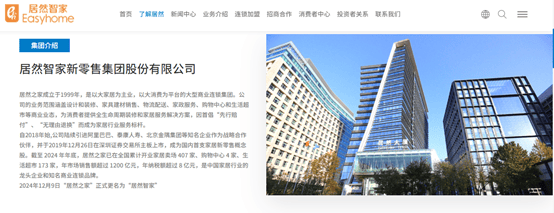
ESG解读|实控人猝然去世,居然智家战略执行连贯性与合规经营遭考验
Sou Hu Cai Jing· 2025-07-29 08:12
Core Viewpoint - The sudden death of Wang Linpeng, the actual controller and CEO of Juran Zhijia, raises concerns about the company's governance and strategic execution, especially following his recent return from a detention period [4][11][12]. Group 1: Company Events - On July 28, Juran Zhijia confirmed the death of Wang Linpeng, just five days after he was released from detention [4][6]. - Wang Linpeng had been under investigation by the Wuhan Municipal Jianghan District Supervisory Committee since April 18, leading to his detention [6][12]. - Following the announcement of his death, Juran Zhijia's stock price fell by 6.96%, closing at 2.88 yuan, with a total market value of 17.934 billion yuan [7]. Group 2: Governance and Compliance Issues - The investigation into Wang Linpeng raises questions about the company's compliance and governance, particularly regarding the legality of its reverse merger with Wuhan Zhongshang in 2019, which was valued at 35.65 billion yuan [9][12]. - The company has faced scrutiny over potential financial misconduct, including high valuations and significant cash-outs by Wang Linpeng, totaling over 4 billion yuan in profits from the listed company [9][12]. - The ongoing investigation and Wang's detention have led to a significant drop in the company's market value, with a loss of 5 billion yuan and a 22% decline over three months [12][14]. Group 3: Strategic Implications - Wang Linpeng's unexpected death creates uncertainty regarding the continuity of the company's strategic initiatives, including international expansion plans and supply chain restructuring [12][13]. - The company is experiencing management instability, with interim leadership stepping in during Wang's absence, which may hinder strategic execution [11][13]. - The freezing of 372 million shares held by Wang and his associates, representing a significant portion of the company's equity, adds to the governance challenges [13][14].

美关税大棒砸向巴西 50%税率撕裂美巴贸易互补性
Yang Shi Xin Wen Ke Hu Duan· 2025-07-29 07:33
Group 1: Trade Impact - The U.S. has raised tariffs on Brazilian imports from 10% to 50%, affecting a wide range of products including orange juice, coffee, and aircraft manufacturing [1][2] - Brazil's average tariff on U.S. goods is currently 2.7%, with a projected trade deficit of $43 billion in goods and $165 billion in services with the U.S. from 2024 to 2025 [1] - The Brazilian National Industry Confederation estimates that the new tariffs will lead to a 0.37% decrease in U.S. GDP and a 0.16% decrease in Brazilian GDP, with a potential loss of 52 billion Brazilian Reais in exports and 100,000 jobs in Brazil [2] Group 2: Sector-Specific Effects - The Brazilian orange juice export sector warns that the new tariffs could lead to an "unsustainable state," potentially causing harvest interruptions and factory chaos [3] - The Brazilian coffee export sector, which relies heavily on the U.S. market (16% of total exports), will face significant price increases, impacting over 300,000 coffee farming families and 2.2 million coffee workers in the U.S. [4] - The Brazilian aircraft manufacturing sector estimates that each exported plane to the U.S. will incur an additional cost of approximately $9 million due to the tariffs, with potential total losses reaching 2 billion Reais [5] Group 3: Furniture and Other Industries - The Brazilian furniture industry, which exports 30% of its products to the U.S., is experiencing order reductions and potential job losses for over 1.1 million workers due to the tariff increase [6][7] - The furniture sector has seen tariffs rise from an average of 3.5% to 50%, leading to significant disruptions in operations [7] Group 4: Political and Economic Reactions - Brazilian President Lula has condemned the U.S. tariffs as unacceptable interference in Brazil's sovereignty and has indicated plans for retaliatory measures [8] - The Brazilian government is actively seeking to negotiate with U.S. businesses to mitigate the negative impacts of the tariffs [11] - Analysts suggest that the tariff conflict reflects deeper political tensions, with the U.S. using trade measures as leverage against Brazil's domestic politics [12][13]

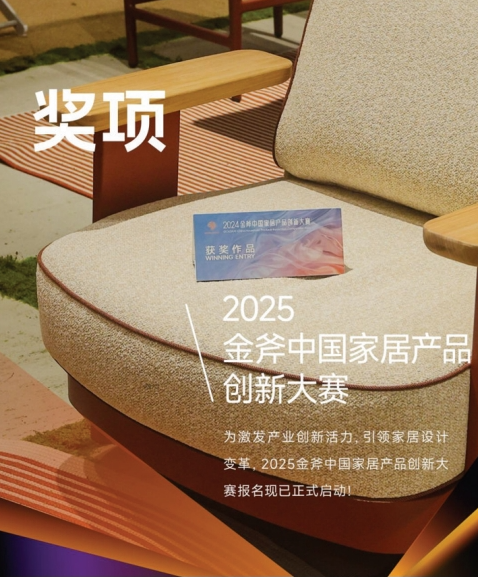
2025金斧中国家居产品创新大赛报名正式启动
Xiao Fei Ri Bao Wang· 2025-07-29 02:48
Group 1 - The 2025 Golden Axe China Home Products Innovation Competition has officially launched, aiming to gather top designers, manufacturers, and industry experts to discover future home masterpieces [2] - The competition is co-hosted by the China Furniture Association and Shanghai Bohua International Exhibition Co., Ltd., and is a national-level industry event focused on linking design, manufacturing, and market to promote innovation in the Chinese home furnishing industry [2] - The evaluation committee is led by the Design Working Committee of the China Furniture Association, consisting of experts from institutions, schools, and enterprises closely related to the development of the Chinese furniture industry [2] Group 2 - Participating products must be innovative products or solutions with independent intellectual property rights owned by the participants, and any plagiarism will result in immediate disqualification [3] - Each participating unit can register multiple products, but each product can only be registered once, and must submit relevant patents, quality, and qualification proofs [3] - Winners will receive the Golden Axe trophy and certificate, and will be invited to join the Design Working Committee of the China Furniture Association, with the results being publicized through official media and multimedia channels [2][3]
中国家具协会办公商用家具专业委员会成立
Xiao Fei Ri Bao Wang· 2025-07-29 02:47
Core Viewpoint - The establishment of the Office Commercial Furniture Professional Committee by the China Furniture Association marks a significant step towards enhancing the quality and brand recognition of the office furniture industry in China, aligning with the trends of digitalization and sustainable development [2][4][7] Group 1: Industry Significance - The furniture industry is a vital sector for people's livelihoods and economic stability, contributing positively to employment and economic growth [2] - Office commercial furniture is a key component of the furniture industry, evolving alongside China's economic development and social changes over the past four decades [2] - The industry is transitioning into a new era focused on quality and brand leadership, with an emphasis on digitalization and sustainability [2] Group 2: Committee Objectives - The committee aims to strengthen technological innovation, enhance industry standardization, promote brand development, and ensure fair market practices [4] - Plans include creating a technology-driven honor evaluation system and facilitating participation in national honor evaluations [4] - The committee will also work on improving the standardization of emerging products and technologies, and support enterprises in building their brands through various initiatives [4] Group 3: Regional Development - The city of Shenzhou is positioning itself as a key player in the northern furniture market, focusing on high-quality development of the green intelligent home industry [3] - Shenzhou aims to optimize its service model and enhance its industrial ecosystem to support enterprise growth and market expansion [3] - Future infrastructure developments, such as the Xiongshan High-speed Railway station, are expected to improve connectivity and facilitate market access [3] Group 4: Industry Insights - The conference featured discussions on international brand development and the importance of understanding overseas market demands [5][6] - Companies like Saint-Ao and Jinhu Group are focusing on quality control and technological innovation to meet the evolving needs of global clients [5][6] - The green intelligent home industry in Shenzhou has undergone significant development, supported by favorable policies and a strong industrial foundation [6] Group 5: Future Outlook - The successful hosting of the conference indicates a new phase for the office commercial furniture industry, with a focus on quality improvement and sustainable development [7] - The Office Commercial Furniture Professional Committee will concentrate on creating a long-term win-win mechanism, promoting intelligent, green, high-end, and international development [7]
中家协发布2025年1-5月中国家具行业经济运行简报
Xiao Fei Ri Bao Wang· 2025-07-29 02:47
Core Viewpoint - The Chinese furniture industry is experiencing a differentiated pattern of recovery in domestic demand while facing pressure in external demand, with significant growth in domestic retail sales and ongoing challenges in exports [1][2][3] Domestic Sales - In the first five months of 2025, the domestic retail sales of furniture reached 75.74 billion yuan, a year-on-year increase of 21.4%, surpassing the growth rate of total retail sales of social consumer goods by 16.4 percentage points [1][2] - The growth in domestic sales is driven by the optimization of real estate policies and the implementation of a consumption upgrade policy, leading to a diversification and quality enhancement of furniture products [1] Export Performance - In May 2025, the furniture industry exported 5.98 billion USD, a year-on-year decrease of 9.2%, with the decline rate increasing by 2.2 percentage points compared to April [3] - Cumulatively, from January to May 2025, the total export value was 28.98 billion USD, down 8.2% year-on-year, with the decline rate widening by 0.3 percentage points compared to the previous four months [3] Revenue and Profitability - The revenue of large-scale furniture enterprises (with annual main business income above 20 million yuan) totaled 248.87 billion yuan from January to May 2025, a year-on-year decrease of 3.9%, marking the fifth consecutive month of decline [2] - The total profit for these enterprises was 7.92 billion yuan, down 27.9% year-on-year, although the profit margin improved slightly to 3.1%, still below the manufacturing industry average by 1.2 percentage points [2] Investment Trends - Fixed asset investment in the furniture industry grew by 13.4% year-on-year in the first five months of 2025, an increase of 0.7 percentage points compared to the previous four months [3] - However, investment returns significantly declined by 78.8% year-on-year, indicating substantial short-term return pressure [3] Overall Industry Outlook - The furniture industry is undergoing a phase of adjustment characterized by both differentiation and transformation, necessitating further innovation and structural optimization for high-quality development in the future [1]