
先进材料

Search documents
国企渝进 | 渝富控股集团:揭秘产业投资“链式密码”
Sou Hu Cai Jing· 2025-12-31 07:42
Core Viewpoint - The development of new quality productivity is essential for promoting high-quality development, with state-owned enterprises playing a crucial role in this process, particularly in Chongqing as a strategic hub for western development [2]. Group 1: Investment Strategy - Chongqing Yufu Holding Group's investment strategy is centered around the "33618" modern manufacturing cluster system, focusing on proactive engagement rather than passive task acceptance [3]. - Since the 14th Five-Year Plan, Yufu has invested over 120 billion yuan in advanced manufacturing and strategic emerging industries, targeting more than 400 companies in the industrial chain [3]. - The core logic of Yufu's investments is to "invest heavily, invest in strong companies, and invest in chain leaders," aiming to enhance the entire industrial chain [3]. Group 2: Empowering Key Industries - Yufu's investment in the smart connected electric vehicle sector, particularly in the company Seres, exemplifies effective industry empowerment, with a total investment of 6.55 billion yuan [4]. - This "patient capital" has attracted over 13.7 billion yuan in social capital, demonstrating confidence in the market and supporting the entire development cycle of the enterprise [4]. - Seres has achieved a market value exceeding 200 billion yuan, becoming the second-largest car manufacturer in China and a benchmark for the electric vehicle industry in the western region [4]. Group 3: Electronics Manufacturing Cluster - In the new generation of electronic information manufacturing, Yufu has invested 26.3 billion yuan in the BOE project over a decade, leading to significant economic and industrial benefits [6]. - The B8 project has generated 16.2 billion yuan in investment returns, while the B12 project has attracted over 86 billion yuan in industrial chain investments, creating a complete high-end display industry cluster in Chongqing [6]. - Yufu's investments in semiconductor companies further strengthen Chongqing's industrial chain in this sector [6]. Group 4: Future-Oriented Investments - Yufu is focusing on future-oriented sectors, leading investments in aerospace and industrial software, aiming to establish a high-end equipment manufacturing base and a cloud operation headquarters in Chongqing [8]. - The company is also promoting key enterprises in advanced materials, solidifying Chongqing's industrial foundation in new energy and materials [8]. Group 5: Market-Oriented Mergers and Acquisitions - Yufu has effectively utilized investment mergers and acquisitions to strategically restructure existing assets, completing four significant investments in recent years [9]. - Notable actions include a 2.115 billion yuan investment to acquire a stake in Longxin General, aiding a local advanced manufacturing company in overcoming debt challenges [9]. - These "rescue-style mergers" not only revitalize existing assets but also enhance the integrity and resilience of local industrial chains [9]. Group 6: Comprehensive Industry Empowerment - Yufu's investment approach has evolved from simple financial investment to comprehensive industry empowerment, injecting development momentum into invested enterprises [10]. - The company leverages its financial resources to optimize financing structures and reduce costs, while also facilitating collaborations between upstream and downstream partners [10]. - Yufu's chain investment strategy exemplifies the role of state capital in shaping modern industrial systems, positioning Chongqing as a significant advanced manufacturing center [10].


东方风来故里新——广安市“十四五”发展成就纪实
Zhong Guo Fa Zhan Wang· 2025-12-30 04:37
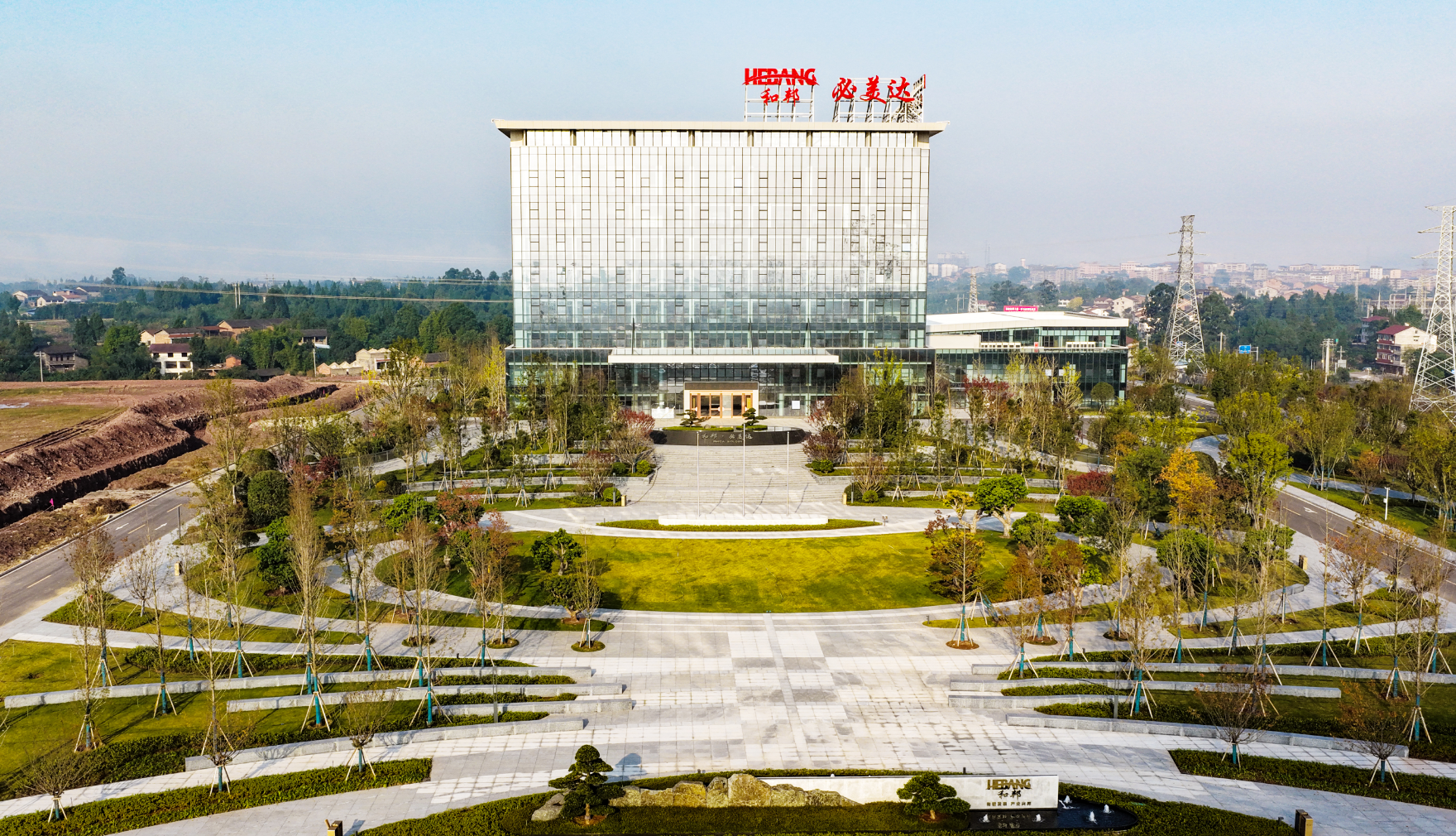
Core Insights - The article highlights the significant economic growth and development achievements of Guang'an during the "14th Five-Year Plan" period, showcasing a GDP increase from 130.1 billion to an expected 1.7 trillion, crossing four hundred billion milestones in five years [3]. Economic Development - Guang'an's GDP has shown remarkable growth, with figures rising from 130.1 billion to an expected 1.7 trillion, indicating a strong economic trajectory [3]. - The region has successfully navigated numerous challenges, including the pandemic and economic pressures, while achieving substantial economic milestones [5][11]. - The establishment of the Sichuan-Chongqing High Bamboo New District has led to over 100 reform outcomes and a 98.2% industrial investment growth rate, positioning Guang'an as a model for regional development [8][9]. Strategic Initiatives - Guang'an has implemented four major strategies: "Same City Integration," "Quality Towns and Prosperous Villages," "Quality Leadership," and "Industry Support," aimed at accelerating the construction of a cooperative demonstration zone with Chongqing [20]. - The city has focused on project-driven growth, with 457 projects totaling over 700 billion in investments, and has seen a significant increase in funding for development projects [23][24]. Industrial Growth - Guang'an is witnessing a transformation in its industrial landscape, with major projects like the 16.7 billion investment in the HeBang Biological annual production facility for glyphosate, marking the largest single project since the city's establishment [36]. - The region is enhancing its industrial capabilities by developing green chemical, equipment manufacturing, and health industries, while also fostering new emerging sectors [39][40]. Infrastructure Development - Guang'an is investing heavily in transportation infrastructure, with over 600 billion allocated to improve connectivity, including highways and railways, enhancing its strategic position near Chongqing [51]. - The city is also focusing on urban and rural integration, with initiatives to improve public amenities and enhance the quality of life for residents [52][53]. Social Welfare and Education - Guang'an is prioritizing social welfare, with over 70% of fiscal spending directed towards improving living standards, education, and healthcare services [65]. - The establishment of Guang'an Polytechnic University and partnerships with renowned institutions aim to enhance educational resources and opportunities for local students [27][30]. Cultural and Environmental Initiatives - The city is actively promoting cultural heritage and environmental sustainability, with projects aimed at revitalizing local culture and enhancing the urban landscape [49][50]. - Guang'an is also focusing on creating a vibrant tourism sector, leveraging its historical significance and natural beauty to attract visitors [48].
我们坚信:每一个数据背后,都是一个待解的商业谜题
QYResearch· 2025-12-29 08:18
Core Viewpoint - Data is not merely for recording the past but serves as a key to understanding supply and demand changes, industry structure, and technology diffusion [1] Group 1: Market Research and Insights - The company provides standardized research and customized projects across multiple industries, continuously publishing structured insights and report highlights for easy reference [3] - A reusable path identified in past research involves reading demand direction from data slopes and adjusting rhythm and risk boundaries based on industry structure and technology diffusion speed [3] - The consumer-grade NAS market is expected to grow from $3.1 billion to $7.4 billion from 2023 to 2030, with a CAGR of 12.8%, indicating a high slope market suitable for expansion-driven investment [3] Group 2: Industry Trends and Recommendations - The ion liquid sector shows a "highly concentrated, steadily strengthening" structural characteristic, with a projected CAGR of 9.1% from 2025 to 2031, suggesting a focus on differentiated scenarios and localized services [4] - For sectors in the "S-curve acceleration phase," such as PAA negative electrode glue, a high-frequency monitoring approach is recommended to mitigate disturbances from technology and supply sides, with a CAGR of 26% from 2025 to 2031 [4] Group 3: Strategic Approaches - The company identifies three strategic prototypes: scaling, efficiency, and acceleration, with technology factors being crucial in reading market patterns [5] - The IoT operating system is projected to grow at a CAGR of 33.3% from 2024 to 2031, driven by the resonance of application readiness and ecosystem maturity, indicating a shift from pilot projects to scalable replication [5] Group 4: Service Offerings - The company offers a full-chain service from "problem to value," providing standardized industry reports that support rapid decision-making on market size, structure, competitive landscape, pricing, and risks [6] - Customized research, due diligence, feasibility studies, and IPO support are provided for various scenarios, ensuring actionable recommendations and templates for clients [6] Group 5: Research Methodology - The company emphasizes starting all analyses from business problems and falsifiable hypotheses, using multi-source evidence to stabilize conclusions and integrate them into business processes [7] - The approach includes causal identification and quasi-experimental design to elevate observable correlations to executable causations, ensuring consistency and comparability across industries [7] Group 6: Client Feedback and Practices - The company archives client feedback and service improvement mechanisms on its website, facilitating standardized citation and reference for enterprises in their reports [8] - A "Q&A case" section showcases systematic answers to typical industry questions, allowing clients to track long-term issues using the same metrics and assumptions [8] Group 7: Expert Insights - Analysts emphasize that data serves as clues rather than answers, with the responsibility to transform clues into evidence and actions, subject to market validation [9] - Observing data slopes, identifying concentration patterns, and assessing technology diffusion speeds are fundamental methods for translating data into market rules [9]
合理设定目标、找到最佳路径 提升发展新质生产力实践本领与能力
Yang Shi Wang· 2025-12-29 07:23
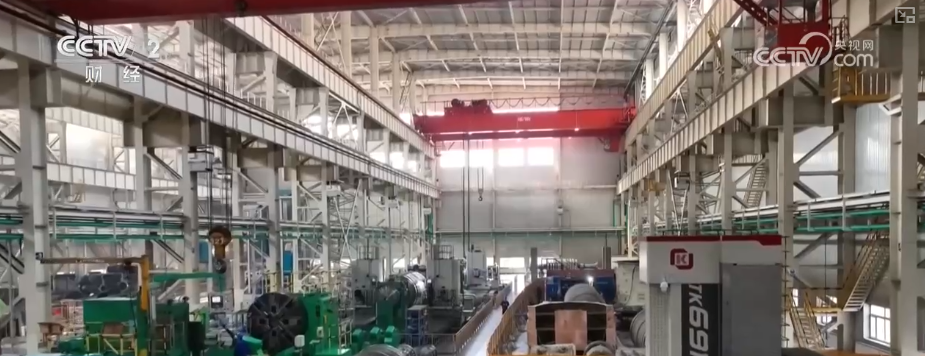
Group 1 - The core viewpoint emphasizes the need for tailored development of new productive forces, adhering to practical realities and specific analyses [1][4] - The National Development and Reform Commission (NDRC) advocates for a unified national strategy to optimize major productivity layouts and prevent redundant construction and "involution" competition [4] - Local advantages should be leveraged, encouraging regions to identify their roles in the national development framework and set reasonable goals based on their resources and industrial foundations [7] Group 2 - A modern infrastructure system is to be constructed, focusing on new infrastructure, comprehensive transportation systems, new energy infrastructure, and modern water networks [12] - There is a push for breakthroughs in key core technologies across various sectors, including integrated circuits, industrial mother machines, high-end instruments, basic software, advanced materials, and biomanufacturing [14] - Policies will be implemented to promote green finance and consumption, facilitating the green and low-carbon transformation in key areas such as industry, urban construction, transportation, and energy [17] Group 3 - The establishment of an open, shared, and secure national integrated data market and technology market is prioritized, alongside the development of technology finance to enhance capital market functions [19]
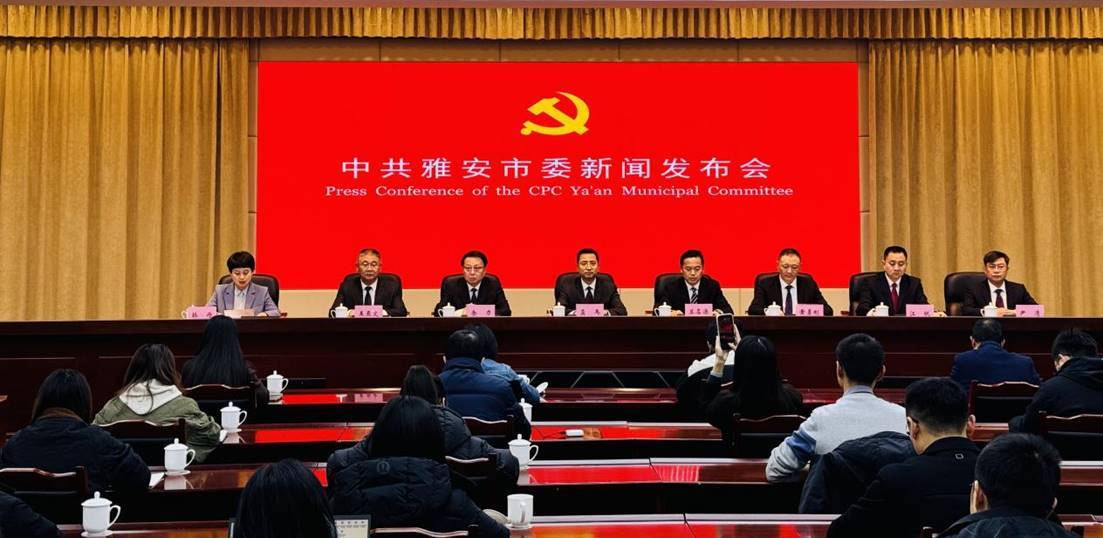
雅安“十五五”期间科技创新“四向发力” 激活新质生产力核心动能
Xin Lang Cai Jing· 2025-12-29 04:48
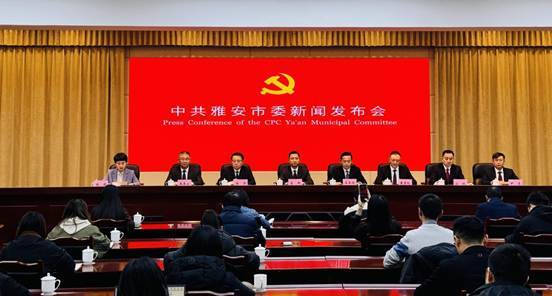
Core Viewpoint - The Yaan municipal government is focusing on "technology innovation + achievement transformation" to drive high-quality development, as outlined in the recent municipal party committee meeting [1]. Group 1: Key Strategies for Technological Innovation - The municipal science and technology system will concentrate on four key areas to implement the meeting's spirit: 1. Strengthening breakthroughs in critical core technologies, particularly in artificial intelligence, advanced materials, and biomedicine, while enhancing existing innovation platforms and collaborating with regional innovation centers [2][3]. 2. Deepening transformation by promoting a "small but beautiful" model for achievement transformation, addressing local needs, and improving the management of technological funding [3]. 3. Fostering innovation to enhance the competitiveness of industrial chains by constructing innovation consortia and pilot platforms, and collaborating with local universities for technology development [4]. Group 2: Talent and Resource Development - The government aims to solidify talent and intellectual support by optimizing educational and research collaboration, enhancing vocational education, and reforming the technology system to attract top talent [4]. - The goal is to integrate technological innovation deeply into the industrial framework, thereby injecting strong and sustainable technological momentum into the cultivation of new productive forces during the "14th Five-Year Plan" period [4].
国家发改委:全链条推进集成电路、工业母机、生物制造等重点领域关键核心技术攻关取得决定性突破
Bei Jing Shang Bao· 2025-12-29 03:44
Core Viewpoint - The article emphasizes the importance of cultivating new quality productivity through high-level technological self-reliance and innovation, highlighting the role of technological breakthroughs in driving this development [1] Group 1: Strengthening Basic Research - The need to enhance basic research by balancing free exploration and goal-oriented approaches, increasing investment ratios, and providing stable support to generate more foundational research outcomes from "0 to 1" [1] Group 2: Promoting Original Innovation - The focus on strengthening original innovation by optimizing the environment for groundbreaking and disruptive innovations, aiming to produce more significant original achievements and foster original ideas, technologies, and industries [1] Group 3: Tackling Key Core Technologies - The emphasis on addressing key core technologies through leveraging the advantages of a new national system, implementing extraordinary measures, and advancing critical fields such as integrated circuits, industrial mother machines, high-end instruments, basic software, advanced materials, and biomanufacturing to achieve decisive breakthroughs [1]
四川雅安:“十五五”期间实施三大攻坚 奋力“再造一个工业雅安”
Xin Lang Cai Jing· 2025-12-27 06:22
Core Viewpoint - The government of Ya'an aims to optimize its modern industrial system and enhance industrial development levels during the "14th Five-Year Plan" period, targeting an industrial added value to GDP ratio of approximately 30% by the end of the "15th Five-Year Plan" [1] Group 1: Achievements During the "14th Five-Year Plan" - Ya'an's industrial output value has successfully surpassed 100 billion yuan, with significant increases in the proportion of industrial and manufacturing sectors in GDP [3] - Over 200 industrial projects with investments exceeding 100 million yuan have been established, enhancing the city's development momentum [3] - The advanced materials industry has exceeded 50 billion yuan in scale, and there are 83 national and provincial "specialized, refined, distinctive, and innovative" enterprises [3] - The city has created 22 national and provincial green factories and 5 green parks, with energy consumption per unit of industrial output decreasing by over 14% [3] Group 2: Strategic Directions for the "15th Five-Year Plan" - The city will focus on three main areas: strengthening industrial chains, promoting open collaboration, and accelerating the integration of high-end, digital, and green transformations [4][5] - Ya'an plans to attract over 50 industrial projects with investments exceeding 100 million yuan annually and aims to establish a cluster of over 150 "specialized, refined, distinctive, and innovative" enterprises [4] - The city will leverage its unique geographical advantages to deepen regional cooperation, particularly with the Sichuan-Tibet industrial collaboration base and the Chengdu-Chongqing economic circle [4] - Efforts will be made to achieve full digital transformation of industrial enterprises by 2027 and to create 20 green manufacturing demonstration units [5]
“十四五”期间,烟台全市改革呈现多点突破、全面发力
Qi Lu Wan Bao· 2025-12-26 02:09
Core Viewpoint - Yantai City is actively implementing comprehensive reforms during the "14th Five-Year Plan" period, aiming to enhance economic development and establish itself as a leading city in northern China with a GDP exceeding 1 trillion yuan [1][2]. Economic Development and Reform - Yantai's GDP has crossed three trillion yuan milestones, becoming the first prefecture-level city in northern China to exceed 1 trillion yuan in 2023 [2]. - The city has developed a modern industrial system, with 252 enterprises contributing nearly 70% of the industrial output value while representing less than 10% of the total number of industrial enterprises [2]. - Yantai has been recognized for its strategic emerging industries, with the establishment of several significant industrial clusters, including one valued at 300 billion yuan and another at 200 billion yuan [2]. Institutional and Market Reforms - The city has implemented significant reforms in state-owned enterprises, reducing the number from 19 to 12 and optimizing their operations [3]. - Yantai's state-owned enterprises are expected to see asset growth of 111%, revenue growth of 119%, and profit growth of 15% compared to the end of the "13th Five-Year Plan" [3]. Business Environment and Financial Reforms - Yantai has introduced over 600 innovative measures to improve the business environment, addressing more than 6,300 feedback requests from enterprises [4]. - The city has maintained its position as the top city in China for fiscal transparency for eight consecutive years [4]. Regional Development and Urban Planning - Yantai is advancing urban planning reforms, with significant projects underway to improve urban infrastructure and living conditions for nearly 500,000 households [5]. - The city has established 126 rural revitalization zones to support agricultural and rural development [6]. Green and Low-Carbon Development - Yantai has been recognized as a national pilot city for carbon peak initiatives and has made significant strides in clean energy development [7]. - The city has achieved air quality standards for eight consecutive years and has been awarded the International Garden City Gold Award [7]. Social Development and Public Services - Yantai has implemented reforms in education, healthcare, and social security, with a focus on improving employment support for key demographics [8]. - The city has achieved a 95% coverage rate for preschool education and has established a comprehensive elderly care service system [8]. Safety and Governance - Yantai has developed a robust social governance framework, receiving recognition as a model city for social governance modernization [9]. - The city has established a collaborative mechanism between government and judicial bodies to enhance legal and social stability [9]. Party Leadership and Reform Direction - Yantai emphasizes the integration of party leadership in all reform processes, ensuring alignment with national and provincial directives [11]. - The city is committed to continuous reform efforts, focusing on systemic integration and practical outcomes to support its development goals [12].
新一批16个省级特色产业园授牌 广东首设人工智能与机器人特色产业园
Nan Fang Ri Bao Wang Luo Ban· 2025-12-26 01:47
Core Insights - The 2025 Provincial Industrial Park (Yangjiang) Industrial Chain Collaborative Development Conference highlighted the recognition of 16 new provincial characteristic industrial parks, marking a breakthrough in the artificial intelligence and intelligent robotics sectors [1][2] Group 1: Industrial Park Development - The total number of characteristic industrial parks in the province has reached 70, covering all 21 cities and involving 17 industrial cluster directions, including 7 strategic pillar industries and 6 strategic emerging industries [1] - The newly recognized parks demonstrate stronger systemic and coordinated regional and industrial layouts, with coverage across 13 cities including Guangzhou, Shenzhen, and Zhuhai [2] Group 2: Sectoral Focus - The new characteristic industrial parks encompass 13 industrial cluster directions such as software and information services, advanced materials, and intelligent robotics, reflecting both upgrades to traditional industries and forward-looking layouts for future sectors [2][3] - The Guangzhou Science City AI Emerging Characteristic Park has attracted leading companies like Jiadu Technology and Southern Power Grid Research Institute, showcasing strong innovation capabilities in industrial software and smart transportation [2] Group 3: Traditional Industry Revitalization - The Yadi electric vehicle production base in Qingyuan has achieved an annual output value of 6.885 billion yuan, with a year-on-year growth of 23.3%, becoming the county's leading pillar industry [4] - The Renhua Industrial Park in Shaoguan focuses on resource recycling, contributing 72.1% of the park's industrial output value in 2023 through a complete recycling chain [4] Group 4: Green Transformation - The Zhanjiang Economic and Technological Development Zone is developing a green petrochemical cluster, with Zhongke Refining achieving a production value of 69.1 billion yuan in the first three quarters [5] - Zhanjiang has been selected as a national pilot for low-carbon hydrogen energy transition, emphasizing systematic decarbonization in manufacturing [5] Group 5: Historical Context - The conference coincided with the 20th anniversary of the establishment of provincial industrial parks, which have seen significant growth and now support over 2.4 trillion yuan in annual industrial output [5]

滨州经济技术开发区绘就 “科创经开” 新图景
Qi Lu Wan Bao· 2025-12-25 23:55
Group 1 - The core viewpoint emphasizes the importance of high-level innovation platforms in driving technological advancements and industrial upgrades in the Binzhou Economic and Technological Development Zone [1][9] - The development zone is focusing on building a comprehensive innovation system that includes high-level talent, integrated production clusters, and a high-quality innovation ecosystem [1] - The zone is actively promoting the construction of five key areas and leveraging existing industrial foundations to attract investments in specialized industries such as new energy vehicle components, aerospace, and biomedicine [1][2] Group 2 - Binzhou has established the largest aluminum industry cluster globally, with the development zone serving as a key area for high-end aluminum and equipment manufacturing [2] - The establishment of the Shandong Province Advanced Manufacturing Laboratory for aluminum industry marks a significant milestone in technological innovation and green development [2] - The zone has also seen the approval of several key laboratories and engineering centers, enhancing its research capabilities in advanced manufacturing [2] Group 3 - The development zone is committed to supporting the growth of technology-based enterprises by facilitating project approvals and funding applications, with over 2 million yuan allocated for various projects [3] - It has initiated a technology and finance service program to alleviate financing challenges for small and medium-sized tech enterprises, with expected loan amounts reaching 64 million yuan [3] - The zone is also focused on building innovation platforms and guiding enterprises in applying for key laboratory constructions [3] Group 4 - The industrial upgrade is seen as a backbone for high-quality development, with a focus on smart manufacturing and technological transformation [4] - The development zone has cultivated a modern industrial system centered on high-end aluminum and automotive components, alongside emerging industries like aerospace and new energy [4] - The success of Dyson Wheel Technology Co., which has implemented numerous smart upgrades, exemplifies the positive impact of technological innovation on production efficiency [4][5] Group 5 - The introduction of advanced robotic systems in manufacturing processes has significantly improved efficiency and product quality while reducing waste and costs [5][6] - The company has developed lightweight aluminum wheels through innovative design and advanced manufacturing techniques, enhancing performance and meeting industry demands [6] - Dyson Wheel Technology has received multiple accolades for its technological advancements and product quality, establishing itself as a leader in the industry [6][7] Group 6 - The development zone is recognized for its exemplary smart manufacturing practices, with several projects and companies being acknowledged as provincial champions [7] - The zone plans to implement numerous technical transformation projects and enhance the integration of artificial intelligence with manufacturing processes [7] - The focus on cultivating high-quality projects and expanding the influence of smart manufacturing is expected to drive further industrial advancements [7] Group 7 - The integration of industry, academia, and research is crucial for transforming technological innovations into productive forces, fostering a cycle of innovation and industrial development [8] - Successful projects in aluminum-based composite materials and semiconductor materials highlight the effectiveness of this collaborative approach [8] - The development zone aims to create a conducive environment for talent development, technology research, and the commercialization of innovations [8] Group 8 - The Binzhou Economic and Technological Development Zone is positioned to continue its growth trajectory by leveraging innovation and industrial integration [9][10] - The zone's achievements in securing funding and project approvals underscore its leadership in technological advancement and industrial transformation [9][10] - Future initiatives will focus on deepening the integration of technological innovation with industrial upgrades to enhance productivity and economic growth [9][10]