电商平台

Search documents
闲鱼卖家售“基金投资指南”引集体投诉
Sou Hu Cai Jing· 2026-01-26 08:51
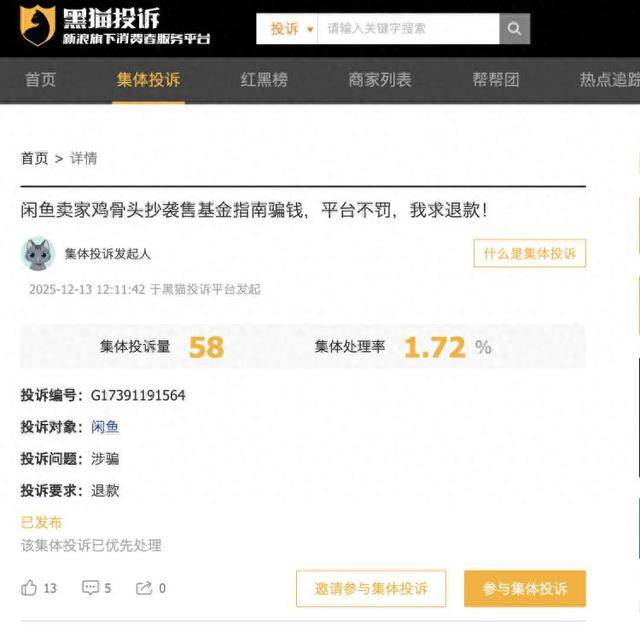
近日,在新浪旗下消费者服务平台"黑猫投诉"上,一起针对闲鱼卖家的集体投诉引发关注。超过50名消 费者联合投诉闲鱼店铺"基骨头指南铺"售卖"基金投资指南",提供抄袭拼凑的内容,涉嫌欺骗。面对消 费者提供的多项证据,闲鱼平台被指处置态度消极,整体投诉处理率仅为1.72%,并以"证据不足"为由 未对卖家进行有效处罚。 上游新闻调查发现,在闲鱼平台上除了"基金投资指南"等商品外,还有大量"抄底战法""炒股秘籍"等涉 金融投资类商品,消费者对此类商品甚至无法正常举报。 记者发现,尽管涉事的"基骨头指南铺"目前在闲鱼平台已无法搜索到,但平台上类似打着"金融投 资""炒股秘籍"旗号的商品仍然泛滥。 付费指南疑为抄袭拼凑 据黑猫投诉平台集体投诉发起人"洞察喵"描述,其于2025年10月14日在闲鱼店铺"基骨头指南铺"花费66 元购买了一份"基金指南"虚拟商品。卖家发送的文档声称提供基金投资建议,但内容空洞,无实质性指 导。投诉人后续发现,该指南内容完全抄袭自其他基金博主的视频和直播内容,仅为"文字汇总版"。 更关键的是,投诉人指出,该店铺并无任何金融从业相关资质,属于"无证提供金融咨询"。其通过小红 书等平台大肆引流,在两个 ...


拼多多年货节,何以装下中国火锅的万千风味?
Xin Jing Bao· 2026-01-25 23:52
Core Insights - The article highlights the booming Chinese hot pot market, driven by regional flavors and the e-commerce platform Pinduoduo, which facilitates the distribution of local delicacies across the country [1][2][12] Group 1: Regional Flavors and E-commerce - Pinduoduo's "Duoduo Good Specialty" initiative enables the delivery of diverse regional hot pot ingredients, such as Hainan's coconut chicken and Ningxia's lamb, to consumers nationwide [1][2] - The integration of local flavors into the hot pot culture reflects a significant shift in Chinese dining, allowing for a blend of tastes from different regions [2][12] Group 2: Success Stories of Local Entrepreneurs - Entrepreneur Yu Hua has successfully scaled his coconut chicken business on Pinduoduo, achieving nearly 200,000 orders annually by leveraging the platform's marketing and logistics [3][4][5] - The story of Lao Tang illustrates the rise of Chaozhou-style hot pot, with his business thriving by ensuring quality through direct sourcing and innovative processing techniques [6][7] - Niu Qinglei transformed the sales model for Salt Lake sheep, utilizing e-commerce to expand his market reach and significantly increase sales, particularly during peak seasons [9][10][11] Group 3: Consumer Preferences and Market Trends - The demand for diverse hot pot ingredients is growing, with consumers increasingly favoring fresh, high-quality products that cater to various regional tastes [6][7][12] - Pinduoduo's promotional strategies, such as the "Billion Subsidy" program, allow businesses to offer competitive pricing while maintaining product quality, attracting a loyal customer base [5][8] - The evolving consumer preferences indicate a shift towards healthier options, with a rising interest in organic and antibiotic-free ingredients in hot pot dishes [7][12]

中国老板在南非,正在电商“淘金”
3 6 Ke· 2026-01-24 09:36
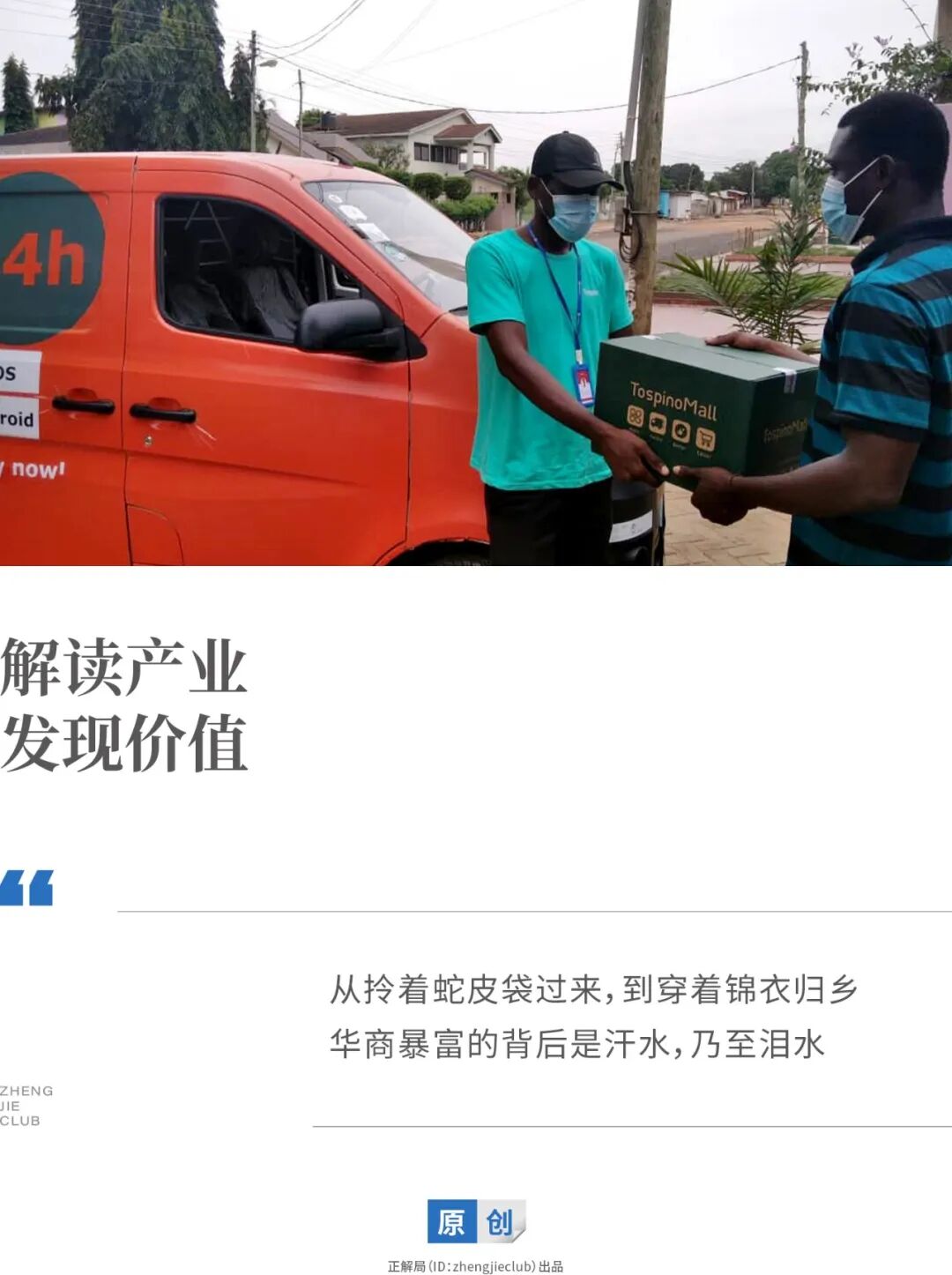
Core Insights - Chinese entrepreneurs, particularly the second generation, are increasingly focusing on the South African market, specifically targeting the new middle class [4][5][21] - The shift from traditional commerce to e-commerce is evident, with Chinese businesses adapting to the preferences of South Africa's new middle class, which seeks unique and high-end products [21][28] Group 1: Historical Context - Chinese businesses have been present in South Africa since before the end of apartheid in 1994, initially serving the old middle class, primarily white and a small portion of black individuals [10][11] - The end of apartheid led to significant economic changes, with a large portion of wealth being concentrated in the hands of a small percentage of the population, creating opportunities for new entrepreneurs [15][18] Group 2: Market Dynamics - The South African e-commerce market is rapidly growing, with projections indicating that by 2027, the e-commerce penetration rate will reach 59.7% [25] - The new middle class in South Africa, despite economic disparities, has a strong purchasing power and a desire for diverse consumer goods, particularly in electronics and home decor [19][20][21] Group 3: E-commerce Strategies - Chinese entrepreneurs are leveraging their established supply chains to enter the e-commerce space, focusing on niche markets and high-margin products [28][31] - Successful examples include entrepreneurs like Huang Yueshe, who operates an online store targeting middle-class families with an average transaction value of 320 RMB and a gross margin of around 60% [5][28] Group 4: Challenges and Risks - The logistics and operational challenges in South Africa, including high transportation costs and security risks, pose significant hurdles for e-commerce businesses [35][36] - Crime rates affecting logistics, such as vehicle thefts, remain a concern for businesses operating in the region, impacting overall operational costs and safety [36][38]
美国亚马逊公司拟于下周启动第二轮裁员
Sou Hu Cai Jing· 2026-01-24 09:20
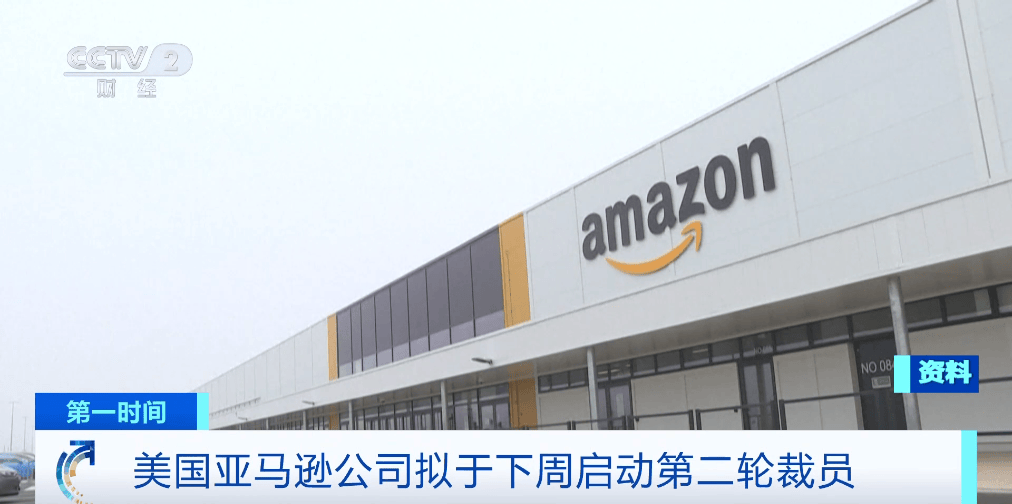
若此次裁员计划全部落实,3万人的规模将占亚马逊企业员工总数近10%,这也将成为亚马逊成立以来规模最大的一次裁员,超过其在2022年裁 撤约2.7万个岗位。 据知情人士透露,此轮裁员预计与去年10月裁撤约1.4万个岗位规模相当,最快可能于下周二开始。目前亚马逊方面拒绝对此发表评论。 (央视财经《第一时间》)据路透社23日报道,美国电子商务平台亚马逊公司计划于下周启动第二轮裁员,作为其整体削减约3万名公司员工计 划的一部分。 转载请注明央视财经 编辑:潘煦 ...

2026年,淘宝天猫优化营商环境“放大招”!商家的增长红利来了!
Xin Lang Cai Jing· 2026-01-23 13:10
Core Insights - Taobao Tmall is enhancing its business environment in 2026 with new initiatives aimed at supporting merchants and driving growth [2][4][24] Group 1: Business Environment Optimization - In 2026, Taobao Tmall will implement ten new measures to optimize the business environment, including an AI fake image recognition model and a return mismatch mutual trust mechanism [4][35] - The AI fake image governance will help detect fraudulent return requests using AI-generated images, protecting merchants from losses [4][35] - The return mismatch mutual trust mechanism aims to address common malicious refund behaviors, expanding the number of merchants involved and providing them with exclusive rights [7][37] Group 2: Service as a Growth Driver - The focus of competition in the e-commerce sector is shifting from mere traffic and price wars to deeper competition based on product quality and service [40][41] - Taobao Tmall is promoting a "service equals growth" strategy, providing merchants with a clear path to achieve sustainable growth through improved service offerings [39][40] - The platform will enhance the real experience score system, rewarding merchants for good service across various dimensions such as product quality and logistics speed [45][46] Group 3: Merchant Support and Recognition - High-scoring merchants (above 4.8) will be invited to participate in a "good service" list, increasing their visibility and potential customer engagement [47] - A new customer service certification system will be introduced, allowing specialized customer service representatives to gain recognition and improve customer satisfaction [49] - Increased investment in AI services will enable merchants to better understand customer needs and enhance operational efficiency [21][50] Group 4: Performance Metrics - In 2025, merchants with high service levels saw user repurchase rates and net GMV double compared to those with lower service levels [52] - The introduction of the real experience score has significantly accelerated growth for high-scoring merchants, with sales growth rates for those scoring above 4.8 being 2.2 times higher than average [52][53]

2025年宏观经济回顾与2026年展望:于变局中开新局,寻求新均衡的2026
Zhong Cheng Xin Guo Ji· 2026-01-23 08:12
1. Report's Industry Investment Rating - No relevant information provided 2. Core View of the Report - In 2025, China's economy achieved a growth target of around 5% despite challenges, but it also faced structural pressures. In 2026, the economy is expected to grow at 4.8%, likely showing a "low - then - high" trend. To achieve the economic growth target in 2026, comprehensive macro - policies are needed, including fiscal, monetary, and various industry - specific policies [3][7][48] 3. Summary by Relevant Catalogs 3.1 2025 Review: A Year of "Reconstruction" Amid Interwoven Multiple Variables - **Growth Trend**: In 2025, China's economy showed a "high - then - low" pattern. The real GDP grew 5.0% year - on - year, with nominal growth at 4.0%. Final consumption contributed over half (52%) to GDP growth, but there is room for improvement. Investment weakened, with capital formation contribution declining [9] - **Economic Structure**: The economy maintained a "strong supply, weak demand" pattern. Industrial production grew at about 6%. "Two - new" policies supported the economy in the first half, but domestic demand lacked momentum in the second half. Investment, especially fixed - asset investment, declined, with real estate and infrastructure investment hitting new lows [10] - **Structural Reconstruction**: - **Macroeconomic Narrative**: DeepSeek's technological breakthrough led to a re - evaluation of Chinese assets, especially technology assets, and changed the economic growth narrative [17] - **Export Resilience**: Exports were affected by US tariffs but remained resilient. The export support shifted from Europe and the US to emerging markets, with high - value - added capital and intermediate goods being the main export items [20] - **New and Old Kinetic Energy Conversion**: The real estate industry continued to adjust, gradually returning to its livelihood nature. New kinetic energy, such as high - tech industries, played an increasing role in economic growth. "Anti - involution" governance promoted the transformation of emerging industries [25][26] 3.2 Four Constraints on the Economy's Path to a "New Equilibrium" - **Global Political and Economic Landscape**: The global political and economic landscape is evolving rapidly. Sino - US competition intensifies in non - trade areas, and geopolitical frictions with non - US countries are increasing [32] - **Micro - entity Behavior**: The behavior of micro - entities has not emerged from the "post - pandemic" paradigm. Residents' preventive savings are likely to be normalized, and enterprises' investment willingness is still low. Local governments face fiscal and debt constraints [32][35][36] - **New and Old Kinetic Energy Conversion**: The transformation from old to new kinetic energy brings downward pressure, fiscal, and employment gaps. New industries are not yet able to fully replace old ones [40] - **High - quality Supply**: The supply of high - quality products and services is insufficient, leading to a mismatch between supply and demand and restricting the release of domestic demand [44] 3.3 2026 Outlook: Expected Economic Growth of 4.8%, with Potential Marginal Improvement in Macro - micro Temperature Difference - **Overall Economic Growth**: In 2026, the economy is expected to show a "low - then - high" trend. Under the neutral scenario, the GDP growth rate is expected to be around 4.8%, with quarterly rates of 4.6%, 4.8%, 4.9%, and 4.9% respectively [7][48] - **Sector - specific Outlook**: - **Production**: Industrial production is expected to remain resilient, with an expected 5.5% increase in industrial added value. The service industry is also expected to grow, with the service production index rising 5.6% [52] - **Exports**: Although there is a base effect, exports are supported by multiple factors. With potential "tactical" easing of Sino - US trade frictions and demand from emerging markets, the export growth rate is expected to be 4.5% [53] - **Investment**: Investment is likely to stop falling and stabilize. Infrastructure and emerging industries will be the main drivers, with overall investment growth expected to reach 2% and narrow - sense infrastructure investment growing by 8% [57] - **Real Estate**: In the short term, the real estate market is still in the inventory - clearing stage, but investment decline is expected to narrow to 10% [58] - **Consumption**: Consumption is expected to have a weak recovery, with total social retail sales growing by 4%. Service consumption has greater growth potential, while commodity consumption is restricted by policy and base effects [60] - **Prices**: The effects of "anti - involution" governance will continue to show, and PPI and CPI are expected to have a mild recovery, potentially improving the macro - micro temperature difference [62] 3.4 Policy Recommendations for Achieving the 2026 Economic Growth Target - **Fiscal and Monetary Policy**: In 2026, the deficit rate should be kept above 4%, and the general fiscal expenditure may reach about 15 trillion yuan. There may be one interest rate cut and 1 - 2 reserve requirement ratio cuts [7][67][69] - **Expanding Domestic Demand**: For consumption, expand subsidies to service consumption, promote full implementation of holidays, and improve the service consumption environment. For investment, play the role of government investment and use the national venture capital guidance fund to attract private capital [70][71] - **Increasing High - quality Supply**: Encourage innovation in products and services, and relax market access to increase high - quality supply [74] - **Cultivating New Kinetic Energy**: Focus on key "choke - point" technologies, strengthen the role of enterprises in innovation, and promote the cluster - based development of strategic emerging industries [74] - **Stabilizing the Real Estate Market**: Improve the "commercial housing + affordable housing" dual - track system, and promote the coordinated development of supply and demand in the real estate market [76] - **Debt Management**: Optimize the debt structure and efficiency, and build a long - term debt management mechanism [77] - **External Response**: Implement a more diversified and in - depth opening - up strategy, expand the foreign trade "circle of friends", and support enterprises to go global [79] - **Reform and System - building**: Promote economic, fiscal, and tax system reforms, and release institutional dividends [81]
商务部:2025年重点跨境电商进口平台零售额增长5.6%
Ren Min Wang· 2026-01-23 06:13
Group 1 - The core viewpoint of the articles emphasizes the steady growth and development of China's e-commerce sector, projecting it to remain the largest online retail market globally by 2025, contributing to consumption, industrial transformation, international cooperation, and social benefits [1][2][3] Group 2 - In 2025, the online retail sales of physical goods in China are expected to grow by 5.2%, contributing 36.2% to the total retail sales of consumer goods [1] - Digital products are highlighted as a key consumption driver, with online sales of mobile phones and smart robots increasing by 20.5% and 18%, respectively [1] - Online service consumption is projected to grow by 22% in 2025, with significant increases in online ticket purchases for sports events (63.3%), tourism products (40.6%), and in-store dining (23.7%) [1] Group 3 - The "Digital Commerce Promotes Agriculture" initiative is enhancing connections between e-commerce platforms and agricultural enterprises, with nearly 500 events facilitating order matching and digital transformation [2] - Rural and agricultural online retail sales are expected to grow by 6.7% and 9.9%, respectively, while textile and pharmaceutical e-commerce transaction volumes are projected to increase by 6.6% and 3.8% [2] - The logistics and express delivery sectors are also benefiting, with express business volume anticipated to grow by 11.5% in 2025 [2] Group 4 - The "Silk Road E-commerce" initiative is expanding, with new partnerships established with countries like Kenya, Bangladesh, and Egypt, and an upgraded cooperation mechanism with Kazakhstan, increasing partner countries to 36 [3] - The initiative includes 40 global e-commerce events covering over 100 countries, resulting in more than 240 cooperation intentions [3] - The retail sales of key cross-border e-commerce import platforms are projected to grow by 5.6% in 2025 [3]
32岁程序员猝死:底薪3千24小时待岗,抢救时被拉入工作群;大清洗!大众裁员3.5万人,包括1/3高管;阿里旗下芯片公司平头哥拟独立上市
雷峰网· 2026-01-23 00:28
Group 1 - Volkswagen plans to cut 35,000 jobs, including one-third of its executives, aiming to save €1 billion by 2030 through management restructuring and production platform integration [4][5] - The restructuring is a response to industrial slowdown, intense competition from China, and high tariffs, marking a significant shift towards a more agile and efficient operational model [5] - The core brand group will reduce its board members from 29 to 19 by summer 2026, with each brand having four board members responsible for key areas [4] Group 2 - A 32-year-old programmer died after being overworked, highlighting the extreme demands of the tech industry, where he was expected to be on standby 24/7 with a low base salary of around 3,000 yuan [7][8] - The incident has raised concerns about work-life balance and the pressures faced by employees in the tech sector, with reports of excessive workloads and a culture that blurs the lines between work and personal life [7][8] Group 3 - Alibaba's chip company, Pingtouge, is reportedly planning to go public, having developed a range of AI and storage chips since its establishment in 2018 [11] - The company has launched several products, including AI inference chips and SSD controllers, and is positioned to cover the entire data center chip stack [11] Group 4 - Domestic GPU company, Shanghai Suiruan Technology, has received approval for its IPO on the STAR Market, aiming to raise 6 billion yuan for AI chip development and industrialization [18] - The company has developed multiple generations of AI chips and is recognized as a leading player in China's cloud AI chip market [18] Group 5 - JD.com launched a gold phone case priced from 11,299 yuan, which sold out quickly, indicating strong consumer interest in luxury and investment products [14] - The product is marketed as a high-value item, combining aesthetics with investment potential, reflecting trends in consumer behavior towards luxury goods [14] Group 6 - Kimi, a company led by Zhang Yutong, plans to release a new model soon, having developed leading open-source models with minimal resources [16][17] - The company emphasizes efficiency and innovation in AI model training, having achieved significant advancements in processing speed and algorithm performance [17] Group 7 - Nvidia has overtaken Apple as TSMC's largest customer, accounting for approximately 13% of TSMC's total revenue, signaling a shift in the tech industry towards AI-driven demand [33] - TSMC is reportedly adjusting its supply priorities, increasing chip prices for Apple, which may impact Apple's future production capabilities [33] Group 8 - Apple is set to launch a new Siri chatbot in iOS 27, which will compete with other AI chat applications, integrating advanced features and potentially charging users for its services [35][36] - The new Siri will utilize a customized model based on Google's Gemini, enhancing its capabilities in natural language processing and task execution [36] Group 9 - Meta's Threads platform has surpassed 400 million monthly active users and will begin rolling out ads globally, leveraging AI for personalized advertising [42] - The introduction of ads aims to enhance user engagement and provide businesses with effective advertising solutions on the platform [42]

淘宝天猫发布营商环境10大新举措
Zheng Quan Shi Bao Wang· 2026-01-22 08:41
Core Insights - Taobao Tmall announced new measures to enhance the business environment for merchants, including the launch of an AI-based after-sales fake image recognition model and a return mismatch mutual trust mechanism [1] Group 1: New Initiatives - The company introduced 10 new initiatives aimed at reducing costs and increasing efficiency for merchants [1] - Specific measures include the establishment of a detailed dispute resolution mechanism tailored to different industries and scenarios [1] Group 2: Financial Impact - By 2025, the optimization measures are expected to significantly reduce costs and enhance efficiency for merchants [1] - The integrity system has reportedly helped merchants recover over 4 billion yuan in losses [1] - Stores with a real experience score above 4.8 have seen transaction growth rates 2.2 times higher than those of ordinary service merchants with scores between 4.5 and 4.8 [1]
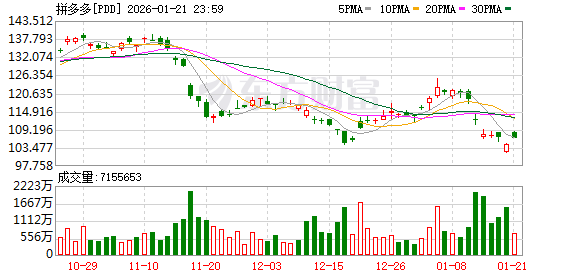
Temu土耳其办公地点遭“现场检查”,拼多多回应称对合规经营有信心
Xin Hua Cai Jing· 2026-01-21 15:58
Group 1 - The Turkish Competition Authority conducted a "site inspection" at Temu's office in Turkey, confirming the action but stating it does not indicate a formal investigation has been initiated [2] - Temu acknowledged the inspection and stated it would fully cooperate with local authorities, with some computer equipment taken by enforcement officers [2] - This inspection is not the first of its kind, as Temu's European headquarters in Dublin was also inspected by local authorities in December of the previous year [2] Group 2 - The Turkish government announced the cancellation of the previous tax exemption policy for packages valued under 30 euros, aiming to protect local production and market competition, with the new regulation expected to take effect in early February [3] - Temu, owned by Chinese e-commerce group Pinduoduo, has been rapidly expanding in European markets and has established a local entity in Turkey with an office in Istanbul [3]