
航空航天器及设备制造

Search documents
国家统计局:7月份高技术制造业利润由6月份下降0.9%转为增长18.9%
Zheng Quan Shi Bao Wang· 2025-08-27 01:43
Core Insights - In July, industrial production above designated size in China maintained stable growth, contributing to a reasonable rebound in price levels [1] - The implementation of a series of policies has led to a continuous recovery in corporate profitability [1] Industry Performance - High-tech manufacturing profits shifted from a decline of 0.9% in June to a growth of 18.9% in July, accelerating the overall profit growth of industrial enterprises by 2.9 percentage points compared to June [1] - The aerospace manufacturing sector saw a profit increase of 40.9%, driven by advancements in technology and development in China's aerospace industry [1] - In the semiconductor sector, profits surged significantly with integrated circuit manufacturing up by 176.1%, semiconductor device manufacturing by 104.5%, and discrete semiconductor device manufacturing by 27.1% [1] - The biopharmaceutical industry also experienced steady high-quality development, with profits in biological drug manufacturing increasing by 36.3% and chemical drug formulation manufacturing by 6.9% [1]
商务部:落实外企国民待遇,扩大增值电信等领域开放试点
Di Yi Cai Jing· 2025-08-26 14:01
Group 1 - The consensus among foreign enterprises is that "investing in China is investing in the future" [2][9] - From January to July this year, the number of newly established foreign-invested enterprises in China increased by 14.1% year-on-year, with a total of 36,133 new enterprises [9] - China's total import and export value for goods reached 25.7 trillion yuan, a year-on-year increase of 3.5% [12] Group 2 - The 25th China International Investment and Trade Fair (CIFIT) will be held from September 8 to 11 in Xiamen, focusing on "Investing in China" and featuring approximately 12,000 square meters of exhibition space [7] - Nearly 100 multinational company executives and representatives from international investment institutions have confirmed their participation in the CIFIT, indicating China's significant investment potential [8] - The fair will also see participation from over 110 countries and regions, with the UK being the guest country, sending a delegation of nearly 200 people [7] Group 3 - The Chinese government is committed to high-level opening-up and will continue to expand pilot programs in various sectors, ensuring national treatment for foreign enterprises [6][11] - Recent policies have led to a steady increase in foreign investment confidence, with significant inflows into high-tech industries such as e-commerce services and aerospace manufacturing [9][10] - The government has implemented 20 measures to stabilize foreign investment, including the removal of restrictions on foreign investment in the manufacturing sector [10]

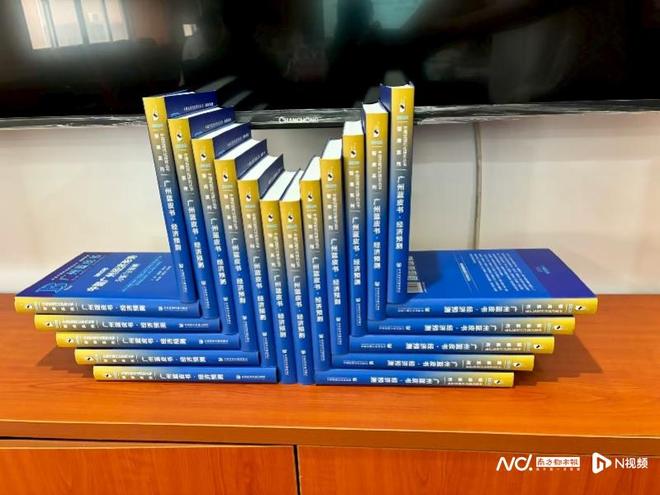
广州蓝皮书:固投主引擎亟待重构 建议用政策资金撬动大项目
Nan Fang Du Shi Bao· 2025-08-19 16:32
Economic Overview - The GDP growth rate of Guangzhou for 2024 is projected at 2.1%, lower than the initial expectations for the "14th Five-Year Plan" period and slightly below the national average growth rate [1] - The economic growth is expected to recover moderately in 2025, maintaining a growth rate between 3% and 4% [1] Industrial Sector - The added value of the automotive manufacturing industry decreased by 18.2%, significantly contributing to the slowdown in the growth of the secondary industry, which only grew by 0.7% in 2024 [1] - Despite challenges, the aerospace and equipment manufacturing industry saw a 16.3% increase in added value, and the cosmetics manufacturing industry grew by 47.4% due to policy support and brand cultivation [2] - Overall profits of large-scale industrial enterprises in Guangzhou fell by 3.9%, with inventory levels remaining high and accounts receivable collection periods extending from 58.4 days to 63.7 days [2] Consumer Sector - The tertiary industry achieved an added value of 22,858.58 billion yuan, growing by 2.6%, making it the fastest-growing sector [3] - Retail sales of social consumer goods reached 11,055.77 billion yuan, showing only a slight increase of 0.03%, significantly lower than pre-pandemic levels [3] - Notable growth in specific consumer categories includes furniture (55.4%), home appliances (4.5%), and building materials (10.9%), driven by policies encouraging upgrades [3] Investment Landscape - Fixed asset investment in Guangzhou grew by only 0.2%, with real estate development investment declining by 7.4% [5] - Industrial investment, particularly in manufacturing, increased by 13.6%, with high-tech manufacturing investment rising by 14.3% [5] - The number of new investment projects increased, but large projects (over 50 billion yuan) saw a significant decline, indicating a lack of strong support from major projects [5] Recommendations - The blue paper suggests enhancing project reserves and construction progress to stimulate investment and development [6] - It emphasizes leveraging special bonds and policy funds to activate major projects and structural investments [6]
广州蓝皮书:固投主引擎亟待重构,建议用政策资金撬动大项目
Nan Fang Du Shi Bao· 2025-08-19 12:45
Economic Overview - The "Blue Book" predicts Guangzhou's GDP growth rate for 2024 to be 2.1%, lower than the initial expectations for the "14th Five-Year Plan" and slightly below the national average growth rate [1] - The economic growth is attributed to the gradual decline of traditional growth drivers and the nascent stage of new growth drivers, leading to a relatively low economic growth phase [1] - A moderate recovery in economic growth is expected in 2025, with a forecasted growth rate of 3% to 4% [1] Industrial Sector - The added value of the secondary industry in Guangzhou is projected to be 783.945 billion yuan in 2024, with a mere 0.7% year-on-year growth, indicating insufficient growth momentum during the transition period [3] - The automotive manufacturing sector experienced a significant decline, with a year-on-year decrease of 18.2%, which is the primary reason for the slowdown in the added value of the secondary industry [3] - Despite challenges, emerging sectors show promise, such as aerospace manufacturing, which grew by 16.3%, and the cosmetics manufacturing sector, which saw a 47.4% increase in added value [3][4] Consumer Sector - The tertiary industry in Guangzhou achieved an added value of 22,858.58 billion yuan in 2024, growing by 2.6%, making it the fastest-growing sector and contributing 73.66% to the GDP [5] - Retail sales of social consumer goods reached 1,105.577 billion yuan, with a minimal increase of 0.03%, significantly lower than pre-pandemic growth rates [5] - Structural highlights include substantial growth in furniture (55.4%), home appliances (4.5%), and building materials (10.9%), driven by policies promoting replacement [5] Investment Landscape - Fixed asset investment in Guangzhou grew by only 0.2% in 2024, remaining at a historical low, with real estate development investment declining by 7.4% [7] - Industrial investment, particularly in manufacturing, showed resilience with a 13.6% year-on-year increase, continuing a trend of double-digit growth since 2022 [7] - The number of new investment projects increased, but large projects (over 50 billion yuan) saw a significant decline, highlighting a lack of substantial industrial investment [7][8] Recommendations - The "Blue Book" suggests enhancing project reserves and construction progress to stimulate investment and development [8] - It emphasizes leveraging special bonds and policy funds to activate major projects and structural investments [8] - The report advocates for increasing capital and expansion in the manufacturing sector to unleash industrial investment potential [8]
固定资产投资规模继续扩大
Guo Jia Tong Ji Ju· 2025-08-19 01:11
Core Insights - National fixed asset investment (excluding rural households) reached 288,229 billion yuan from January to July, showing a year-on-year growth of 1.6% [1] Group 1: Equipment Investment - The "Two New" policies have led to a significant increase in equipment purchase investment, which grew by 15.2% year-on-year, outpacing overall investment growth by 13.6 percentage points, contributing 2.2 percentage points to total investment growth [2] Group 2: Manufacturing Investment - Manufacturing investment has seen a robust increase, growing by 6.2% year-on-year, which is 4.6 percentage points higher than the overall investment growth, contributing 1.5 percentage points to total investment growth. Notably, consumer goods manufacturing investment rose by 10.8%, while equipment manufacturing investment increased by 4.8%. High-tech manufacturing sectors such as aerospace and equipment manufacturing saw investment growth of 33.9% and 16.0%, respectively [3] Group 3: Infrastructure Investment - Infrastructure investment has shown a steady growth of 3.2% year-on-year, exceeding overall investment growth by 1.6 percentage points, with a contribution rate of 43.0% to total investment growth, an increase of 6.0 percentage points from the first half of the year. Key sectors include water transportation (18.9% growth), water management (12.6% growth), and railway transportation (5.9% growth) [4] Group 4: Green Energy Investment - Green energy investment has surged, with the electricity, heat, gas, and water production and supply sector growing by 21.5% year-on-year, contributing 1.4 percentage points to total investment growth. Investments in solar, wind, nuclear, and hydropower collectively increased by 21.9% [5] Group 5: High-Tech Service Investment - High-tech service investment has expanded, growing by 6.2% year-on-year, which is 4.6 percentage points higher than overall investment growth. This sector now accounts for 5.1% of total service industry investment, up by 0.4 percentage points from the same period last year, with information service investment increasing by 32.8% [6] Group 6: Project Investment - National project investment (excluding real estate development) grew by 5.3% year-on-year, surpassing overall investment growth by 3.7 percentage points. Projects with total planned investments of 100 million yuan and above saw a 4.1% increase, contributing 2.3 percentage points to total investment growth. Private sector project investment (excluding real estate) rose by 3.9%, with notable growth in accommodation and catering (19.6%), infrastructure (8.8%), and cultural, sports, and entertainment sectors (8.1%) [7]
中国市场依旧是外企长期投资沃土
Guo Ji Jin Rong Bao· 2025-08-18 02:32
Group 1: Core Insights - The Chinese government has issued measures to encourage foreign investment, focusing on project service support, land allocation, financial support, and innovation to attract long-term foreign investment [1] - In the first half of this year, China established 30,014 new foreign-invested enterprises, a year-on-year increase of 11.7%, with actual foreign investment reaching 423.23 billion yuan, showing significant growth [1][2] - Major economies like Switzerland, Japan, and the UK have increased their investments in China by over 37%, with Switzerland's investment soaring by 68.6% [1] Group 2: Policy Environment - China actively opposes trade protectionism and unilateralism, promoting globalization and enhancing the convenience of international trade and investment [2] - The negative list for foreign investment access has been reduced from 190 items to 29 nationwide and 27 in free trade zones, with the 2024 version eliminating restrictions in the manufacturing sector [2] - The "2025 Action Plan for Stabilizing Foreign Investment" aims to expand pilot projects in telecommunications and healthcare, encouraging foreign equity investments [2] Group 3: Legal Environment - China has improved its foreign investment protection mechanisms, having formulated over 500 regulations to ensure fair treatment for foreign enterprises [3] - Continuous improvements in government procurement, intellectual property protection, and tax incentives enhance the business environment for foreign companies [3] - The country boasts advanced infrastructure and a complete supply chain, significantly reducing logistics costs and improving resource efficiency for foreign enterprises [3] Group 4: Economic Growth and Consumer Market - China's economy grew by 5.3% in the first half of the year, demonstrating resilience, with the IMF raising its growth forecast to 4.8% [4] - Retail sales reached 24.5458 trillion yuan, a year-on-year increase of 5.0%, indicating a robust consumer market [4] - There is significant potential for consumption growth, with urbanization and rising incomes expected to further expand market opportunities for foreign enterprises [5][6] Group 5: Investment Trends - In 2022, China saw 59,000 new foreign-invested enterprises, with actual foreign investment reaching 116.2 billion USD, marking six consecutive quarters of growth [7] - The service sector has become the new engine for attracting foreign investment, with its share rising to over 87%, while manufacturing's share has declined to below 12% [7] - High-tech industries accounted for 34.6% of foreign investment last year, with significant growth in e-commerce, pharmaceuticals, and aerospace sectors [8] Group 6: R&D and Innovation - Foreign companies are increasingly establishing R&D centers in China, reflecting a shift from market-driven to innovation-driven investment strategies [9] - Major cities like Shanghai and Beijing are becoming hubs for foreign R&D, with significant growth in the number of recognized foreign R&D centers [9] - This trend allows foreign companies to enhance their competitiveness by leveraging local talent and resources [9] Group 7: Integration and Collaboration - Nearly 70% of multinational companies are deepening their integration with Chinese industries through subsidiaries in economic development zones [10] - Foreign investment contributes significantly to China's industrial value added and tax revenue, creating over 30 million jobs [12] - The investment return rate for foreign enterprises in China is approximately 9%, among the highest globally, with many companies reporting profitability [12] Group 8: Future Opportunities - The upcoming 2025 negative list will further lower barriers for foreign investment in various sectors, including technology and finance [13] - Policies will enhance land allocation and tax incentives for foreign reinvestment, promoting a more favorable investment environment [13] - Strengthening service functions and inter-departmental coordination will facilitate foreign companies' reinvestment in China [14]
五个关键词解码7月经济
Ren Min Ri Bao· 2025-08-16 02:05
Economic Overview - In July, major economic indicators maintained overall stability, with new growth drivers emerging, supporting steady economic development despite existing risks and challenges [1] - The macroeconomic policies are showing effectiveness, leading to expanded market demand and enhanced market vitality [1] New Quality Productivity - The added value of high-tech manufacturing above designated size increased by 9.3% year-on-year in July, outpacing the overall industrial growth by 3.6 percentage points [2] - The digital economy is rapidly developing, with the added value of digital product manufacturing increasing by 8.4% year-on-year in July [2] - Production of green low-carbon products is also on the rise, with new energy vehicles, lithium-ion batteries, and wind turbine generators seeing production increases of 17.1%, 29.4%, and 19.3% respectively [2] Foreign Trade - In July, the total value of goods imports and exports grew by 6.7% year-on-year, with exports increasing by 8% and imports by 4.8% [3] - The diversification of trade is evident, with exports to ASEAN, the EU, and Belt and Road countries growing by 14.8%, 8.2%, and 11.7% respectively from January to July [3] - The export of integrated circuits surged by 21.8%, reflecting enhanced international competitiveness due to improved R&D capabilities [3] Consumption - Retail sales of consumer goods increased by 3.7% year-on-year in July, with service retail sales growing by 5.2% from January to July [4] - The "old-for-new" policy has positively impacted sales, with significant growth in retail sales of home appliances, furniture, and communication equipment [4] - Tourism and leisure-related consumption saw rapid growth during the summer, with double-digit increases in retail sales for travel services and recreational activities [5] Investment - Fixed asset investment grew by 1.6% year-on-year from January to July, with actual growth (adjusted for price factors) estimated between 4% and 5% [6] - Manufacturing investment rose by 6.2%, significantly outpacing overall investment growth [6] - Investment in high-tech industries, particularly in aerospace and information services, saw substantial increases of 33.9% and 32.8% respectively [6] Price Trends - In July, the Consumer Price Index (CPI) showed positive changes, with a month-on-month increase of 0.4% [7] - The core CPI, excluding food and energy, rose by 0.8% year-on-year, indicating a strengthening market demand [7] - The Producer Price Index (PPI) saw a month-on-month decline of 0.2%, but the rate of decline has narrowed, marking the first reduction in the decline since March [7]
向新、向好、向未来!一组数据见证中国经济“含新量”
Yang Shi Xin Wen Ke Hu Duan· 2025-08-15 07:24
Core Insights - China's new quality productivity is steadily growing, contributing to high-quality development and injecting new momentum into the economy [1][5] Group 1: Technological Advancements - In 2024, China's R&D expenditure is expected to exceed 3.6 trillion yuan, with an intensity of 2.68%, surpassing the EU and approaching OECD averages [1] - High-tech industries are experiencing rapid growth, with the value added in the integrated circuit manufacturing and electronic materials sectors increasing by 26.9% and 21.7% year-on-year in July [2] - The digital economy is expanding quickly, with the value added in the digital product manufacturing sector growing by 8.4% year-on-year in July [3] Group 2: Green Development - In July, the production of new energy vehicles and lithium-ion batteries increased by 17.1% and 29.4% year-on-year, respectively [4] - The production of green materials such as carbon fiber and bio-based chemical fibers grew by 43.8% and 19.8% year-on-year [4] - The comprehensive utilization of waste resources saw a year-on-year increase of 11.7% in July [5] Group 3: Investment Trends - Investment in aerospace and equipment manufacturing increased by 33.9% year-on-year from January to July, while investment in computer and office equipment manufacturing grew by 16% [6] - The service sector, particularly in information services and R&D, is also experiencing significant growth, with double-digit revenue increases reported [8] Group 4: Economic Resilience - From January to July, the total retail sales of consumer goods grew by 4.8% year-on-year, indicating stable consumer demand [8] - Despite challenges, China's foreign trade remains resilient, with a 7.3% increase in goods exports during the same period [8][12] - The contribution rate of final consumption expenditure to economic growth reached 52% in the first half of the year, an increase of 7.5 percentage points compared to the previous year [11] Group 5: Policy Impact - The implementation of proactive macroeconomic policies has effectively stimulated production demand and supported stable economic growth [13][14] - The construction of a unified national market and the promotion of integrated domestic and international trade are expected to enhance economic vitality [12]
国家统计局:中国投资增长面临的压力是阶段性的
Zhong Guo Xin Wen Wang· 2025-08-15 07:24
Group 1 - The core viewpoint is that China's fixed asset investment grew by 1.6% year-on-year in the first seven months of the year, reflecting a decline compared to the first half of the year, but the pressure on investment growth is considered to be temporary [1][2] - The actual growth of fixed asset investment, excluding price factors, is around 4%-5%, indicating that the nominal growth rate decline is influenced by short-term factors such as extreme weather and a complex external environment [1] - Manufacturing investment showed a significant increase, with a year-on-year growth of 6.2% in the first seven months, outpacing the overall investment growth rate [1] Group 2 - Investment in key sectors, particularly in energy and green transition, has seen rapid growth, with solar, wind, nuclear, and hydropower investments collectively increasing by 21.9% year-on-year [2] - The overall investment scale in China continues to expand, and the investment structure is optimizing, with significant potential for future investment due to the gap in per capita capital stock compared to developed countries [2]
前7月投资增长1.6%,国家统计局:投资承压是阶段性的
2 1 Shi Ji Jing Ji Bao Dao· 2025-08-15 04:39
Economic Data Summary - In the first seven months of the year, fixed asset investment (excluding rural households) reached 28.82 trillion yuan, with a year-on-year growth of 1.6%, which is a decline of 1.2 percentage points compared to the first half of the year [1] - Private fixed asset investment saw a year-on-year decrease of 1.5% [1] - In July, fixed asset investment (excluding rural households) decreased by 0.63% month-on-month [1] Sector-Specific Investment Trends - Manufacturing investment grew by 6.2% year-on-year, although this represents a decline of 1.3 percentage points from the first half of the year [1][2] - Infrastructure investment increased by 3.2%, down 1.4 percentage points from the first half of the year [1] - Real estate development investment fell by 12%, with the decline widening by 0.8 percentage points compared to the first half of the year [1] Future Outlook and Policy Recommendations - The nominal growth rate of investment has declined, but the actual growth rate, after excluding price factors, is estimated to be around 4% to 5% [1][2] - The investment structure is continuously optimizing, driven by innovation and large-scale equipment updates, which are favorable for economic transformation [2] - There is significant potential for future investment, as China's per capita capital stock remains lower than that of developed countries [3] - To stabilize investment, it is suggested to enhance public investment in certain areas and implement policies to support the real estate market, including inventory reduction and liquidity improvement for developers [3]