潮玩

Search documents
参考消息特稿|“中国IP”群体崛起展现跨文化吸引力
Xin Hua She· 2026-01-01 01:33
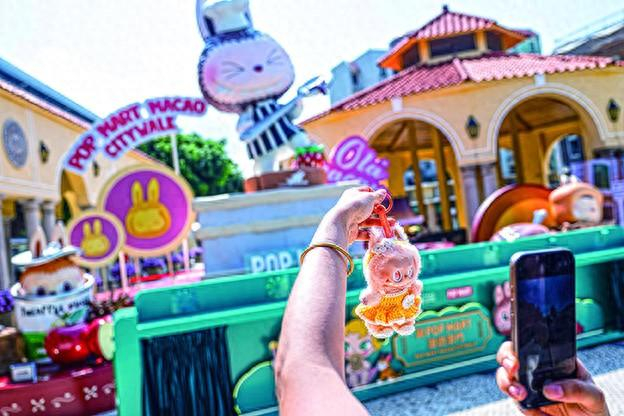
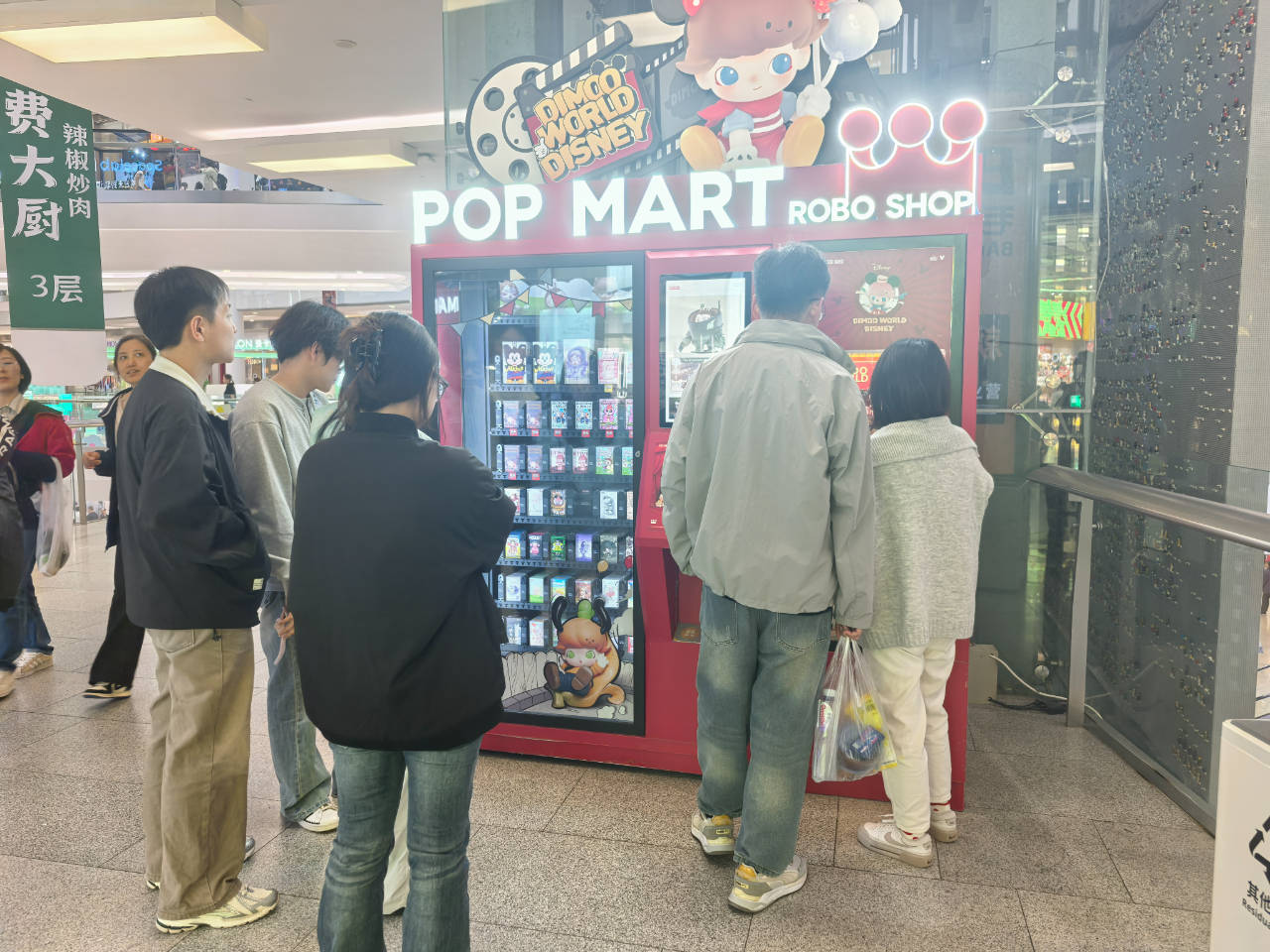
Core Insights - The article highlights the rise of "Chinese IP" on the global stage, showcasing its strong cross-cultural appeal and adaptability in various forms of media and consumer products [1][2][3]. Group 1: Market Expansion - In 2025, "Chinese IP" is expected to shine globally, with significant events like the appearance of LABUBU at the Macy's Thanksgiving Day Parade, marking a milestone for Chinese brands in international markets [2]. - Bubble Mart has expanded its presence to over 60 physical stores and 100 robot stores in the U.S. since starting its overseas expansion in 2018, covering more than 20 countries and regions [2]. - The Americas market for Bubble Mart saw a revenue increase of over 1200% year-on-year in Q3 2025, indicating a rapid growth trajectory [5]. Group 2: Cultural Integration - LABUBU's success reflects a shift in global perceptions of Chinese culture, moving beyond traditional symbols to a more dynamic representation of Chinese creativity and diversity [2][5]. - The international appeal of brands like Laopuhuang, which combines traditional craftsmanship with modern aesthetics, has led to a significant increase in overseas revenue, with a 455.2% year-on-year growth in the first half of 2025 [5][7]. - The "China Travel" initiative has gained traction, with 15.89 million foreign visitors from January to August 2025, a 52.1% increase year-on-year, showcasing a growing interest in Chinese culture [7]. Group 3: Evolution of Chinese IP - The journey of "Chinese IP" has evolved from "borrowing ships" to "building ships," and now to "leading ecosystems," indicating a maturation of China's cultural output [8][12]. - The initial phase focused on traditional content and copyright licensing, while recent developments have seen a shift towards creating original content and platforms for global audiences [9][11]. - The emergence of platforms like ReelShort and others for short dramas signifies a new phase where Chinese companies are replicating successful cultural models abroad [11]. Group 4: Economic and Technological Support - The growth of "Chinese IP" is supported by China's economic development, technological innovation, and a robust entertainment consumption demand [12][15]. - The cross-border e-commerce sector has seen significant growth, with imports and exports reaching approximately 2.06 trillion yuan in the first three quarters of 2025, a 6.4% increase [15]. - The strong manufacturing capabilities in China provide essential support for the production of high-quality cultural products, enabling brands like LABUBU to meet global market demands effectively [15][16].

参考消息特稿|中国消费品牌成全球出海“新势力”
Xin Hua She· 2026-01-01 01:33
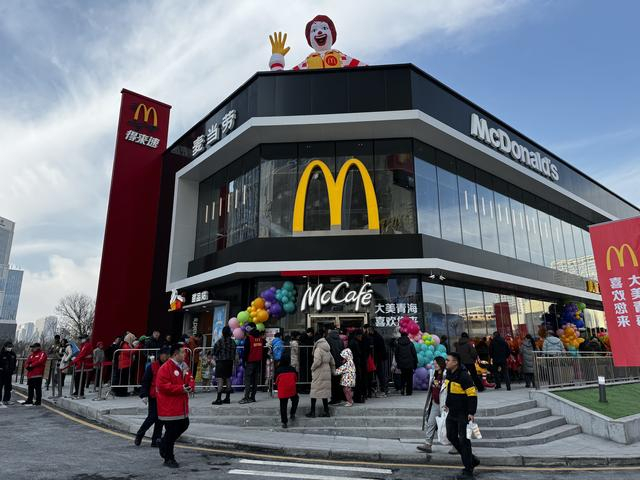
Group 1 - McDonald's has opened its first store in Qinghai, completing its coverage in all provincial-level administrative regions in China after 35 years of operation [1][3] - The Qinghai store features a drive-thru model, catering to local consumer preferences and is part of a broader strategy to expand in the region [3][4] - The opening of McDonald's in Qinghai is seen as a reflection of the ongoing "first store" economy, with local government initiatives supporting international brand entries [4] Group 2 - Chinese brands like Mixue Ice City and Bawang Tea are increasingly expanding internationally, marking a shift towards a dual market strategy of "bringing in" and "going out" [4][9] - Mixue Ice City has opened its first store in Hollywood, USA, and has established a presence in 12 countries with over 4,700 overseas outlets [4][5] - Bawang Tea has successfully entered the U.S. market, achieving significant sales on its opening day, and has over 200 international locations [5] Group 3 - The entry of international brands like McDonald's has historically been viewed as a symbol of urban development in China, but consumer perceptions are evolving towards valuing product quality and experience over brand origin [10][11] - The Chinese consumer market is transitioning from scarcity to diversity, with local brands like Luckin Coffee gaining market share through innovative business models [11] - The narrative of Chinese brands moving towards global markets signifies a shift from being a "follower" to becoming a "leader" in the global economy, showcasing China's confidence in its cultural and economic value [11][9]


年终盘点|不只是LABUBU!中国潮玩走向全球
Sou Hu Cai Jing· 2025-12-31 19:46
Core Viewpoint - The潮玩 (trendy toy) market is experiencing significant growth, driven by "emotional consumption," with LABUBU's global success marking a pivotal moment in 2025 [2][3]. Group 1: Market Growth and Trends - The潮玩 market in China is projected to grow from 229 billion in 2020 to 763 billion by 2024, with expectations to surpass 1 trillion by 2026 [5]. - In 2025, emotional consumption has become a key trend, leading to a surge in潮玩 popularity, particularly following LABUBU's breakout success [2][3]. - The潮玩 industry has seen a rapid increase in new registrations, with 9,787潮玩-related companies established in 2025, bringing the total to 25,000 [5]. Group 2: Company Performance - Bubble Mart reported a revenue of 138.8 billion in the first half of 2025, a 204.4% increase year-on-year, with an adjusted net profit of 47.1 billion, up 362.8% [3]. - LABUBU's segment, THE MONSTERS, generated 48.1 billion in revenue, achieving a staggering 668% year-on-year growth [3]. - Bubble Mart's international revenue showed remarkable growth, with the Americas experiencing a 1,142.3% increase and Europe seeing a 729.2% rise [8]. Group 3: International Expansion - Bubble Mart participated in the Macy's Thanksgiving Day Parade in New York, becoming the first Chinese brand to feature an original潮玩 IP in the event [6]. - The company has seen long queues at its overseas stores, indicating strong demand for LABUBU products [6]. - Other潮玩 brands like 52TOYS and TOP TOY are also expanding internationally, with TOP TOY planning to open over 1,000 stores in 100 countries within five years [9]. Group 4: Development of Proprietary IP - The success of LABUBU has prompted潮玩 brands to focus on developing proprietary IP, which offers greater brand autonomy compared to licensed IP [10]. - TOP TOY's revenue from proprietary IP remains low, with only 610,000 generated in the first half of 2025, compared to 6.15 billion from licensed IP [10]. - Both 52TOYS and TOP TOY are increasing their investment in proprietary IP, with 52TOYS launching multiple original潮玩 IPs in 2025 [12]. Group 5: Marketing Strategies - The rise of明星营销 (celebrity marketing) has become a significant strategy for潮玩 brands, with various brands collaborating with popular figures to boost visibility and sales [16]. - Brands are recognizing that while celebrity endorsements can drive initial interest, sustained success requires effective brand management and product quality [16].
从“潮玩小镇”迈向“潮创小镇”,东莞石排有何新打法?
Nan Fang Du Shi Bao· 2025-12-31 17:06
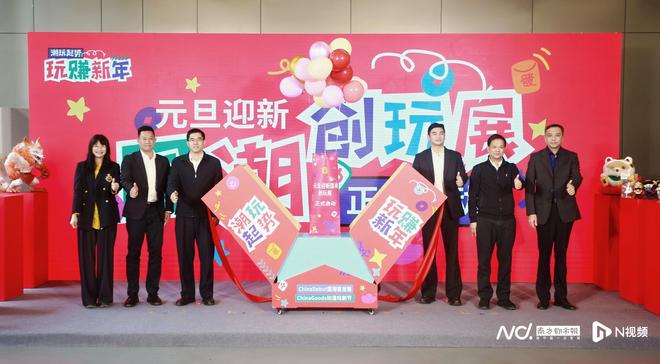
Core Insights - The "New Year National Trend Creative Play Exhibition" in Dongguan aims to enhance B-end industry expansion and boost C-end consumer demand through five key highlights: new product launches, content debuts, company exhibitions, stage play premieres, and brand openings [1][15] Group 1: Event Overview - The exhibition is themed around resource gathering, development planning, atmosphere creation, and year-round sustainability [1] - The event features a matrix of "five major theme pavilions + full-chain scenarios" to connect B-end industry resources and enhance C-end consumer experiences [4] Group 2: Economic Impact - The "Manga Expo" held in Shipaizhen has generated an online and offline sales volume of 180 million yuan (approximately 25.5 million USD) since its inception [3][13] - The event is expected to attract around 342,000 visitors, effectively integrating creative and manufacturing strengths in the toy industry [13][15] Group 3: Future Plans - The Shipaizhen Manga Center plans to implement a "1+4+12" annual operation system, featuring a flagship international animation expo and four seasonal theme exhibitions, along with monthly activities to maintain consumer engagement [6][11] - By 2026, the center aims to become the largest and most diverse toy selection center in the country, promoting continuous B-end industry connections and innovative C-end consumer experiences [8] Group 4: Investment and Development - An investment of 18 million yuan (approximately 2.5 million USD) is planned to support the ongoing operations of the park and enhance the local toy industry ecosystem [9][11] - The focus will be on attracting quality toy enterprises and enhancing the overall industry ecosystem through improved services and support for key business needs [11][15]
创新动能持续迸发,出海路径多元拓展!盘点2025外贸新机遇
Sou Hu Cai Jing· 2025-12-31 16:34
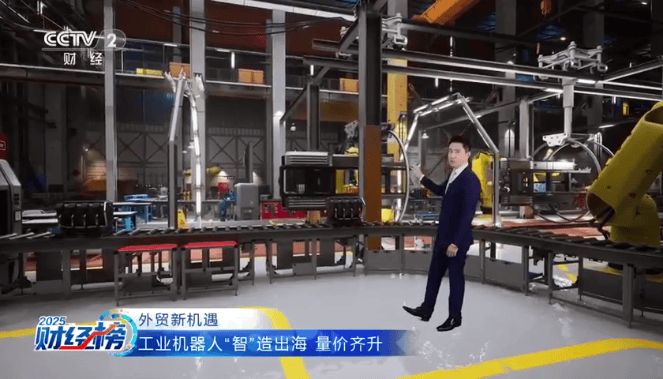
Group 1: Economic Outlook - China's foreign trade is showing resilience and growth, with a focus on key sectors and expanding trade partnerships, including free trade zones and ports, providing a "Chinese solution" to global economic changes [1] Group 2: Industrial Robotics - China's industrial robot exports have seen significant growth, with a 54.9% increase in export value and a 29.2% increase in export volume in the first three quarters of the year. The average export price rose from $7,916 per unit in 2024 to $10,025.66 in the first half of 2025, marking a 26.66% year-on-year increase [3] Group 3: Innovative Small Products - Chinese small products, such as a portable electric screwdriver priced at $70, are gaining popularity in overseas markets, achieving significant sales figures, including approximately 250 million RMB on a single e-commerce platform in the U.S. These products are characterized by innovative designs and patents, addressing specific user needs [5] Group 4: Cultural and Creative Exports - The Chinese潮玩 (trendy toys) market is expanding globally, with brands like Bubble Mart opening 154 stores in 18 countries. In the first three quarters of 2025, exports of trendy toys exceeded 50 billion RMB, reaching over 200 countries, enhancing China's cultural soft power and foreign trade competitiveness [8] Group 5: Brand Collective Stores - Yiwu Selection's first overseas store opened in Nairobi, Kenya, featuring over 20 local brands and achieving sales of over 1.2 million RMB on the first day. This model of "brand authorization + localized operation + digital management" is being replicated in multiple countries, promoting a shift from "dispersed exports" to "brand cluster exports" [10] Group 6: Service Exports Growth - China's inbound tourism is being leveraged for service exports, with visa-free policies leading to 20.886 million foreign visitors in the first three quarters. The optimization of tax refund policies has boosted "China shopping," with a 285% increase in travelers utilizing tax refunds. Travel service exports grew by 54.4% [12]
2025年十四大事件
Xin Lang Cai Jing· 2025-12-31 16:02
Core Insights - The year 2025 marks a significant "paradigm shift" in the global business landscape, transitioning from visions of AI, consumption, and geopolitics into practical industrial applications [1][40]. Group 1: AI and Technology Developments - DeepSeek's emergence and Manus's $1 billion sale to Meta signify a pivotal moment in China's AI technology sector, reducing reliance on foreign models and initiating a trend towards open-source large models [2][41]. - The rapid competition in the AI field has led to numerous emerging competitors for DeepSeek, including Doubao, Qianwen, Lingguang, and Antifufu, alongside established players like Baidu and Kimi [4][43]. - AI models have evolved from mere chat tools to autonomous decision-making agents, with companies shifting from "buying models" to "nurturing agents" for task execution [6][45]. Group 2: Economic and Market Trends - The low-altitude economy in China is projected to exceed 1.5 trillion yuan, with cities like Shenzhen and Guangzhou pioneering eVTOL urban routes and drone deliveries becoming standard for logistics giants [8][46]. - The year 2025 is recognized as the year of humanoid robots entering factories, with significant orders surpassing 10,000 units, indicating a shift from experimental technology to industrial-grade products [10][49]. - Global trade dynamics are shifting, with the normalization of tariff battles between the US and Europe against Chinese electric vehicles and solar industries, prompting a "global localization" strategy among Chinese firms [12][51]. - The introduction of solid-state batteries in China, including the first national standards, addresses electric vehicle charging anxieties and strengthens China's position in the global renewable energy value chain [13][52]. Group 3: Consumer Behavior and Cultural Shifts - The establishment of the Hainan Free Trade Port marks a critical step in China's institutional openness, attracting global capital and talent [15][54]. - The rise of the "silver economy" in response to China's aging population is expected to create a trillion-yuan market for elder care products and services [28][67]. - The backlash against high-priced pre-made dishes, highlighted by public figures like Luo Yonghao, reflects a growing consumer demand for transparency and value, signaling the end of the "arrogant brand era" [24][63]. - The decline of the Labubu toy series from a speculative investment to a more accessible product illustrates a shift in consumer sentiment towards value-driven purchases [29][72]. Group 4: Capital and Investment Trends - The focus of global capital is shifting from generic large models to investments in "sovereign AI" infrastructure, with data centers becoming strategic national assets [16][57]. - Starbucks' decision to sell part of its Chinese operations to local investors signifies the end of the era where foreign brands dominated the market solely through globalization [34][73].

Labubu部分二手价格,跌破官方发售价
财联社· 2025-12-31 14:04
Core Viewpoint - The article discusses the significant decline in the resale prices of popular products from Pop Mart due to increased production capacity and large-scale restocking, leading to a shift in consumer purchasing behavior. Group 1: Price Decline of Popular Products - The resale prices of several popular products from Pop Mart have dropped sharply, with some second-hand items falling below their official retail prices [2][4] - For example, the average resale price of the "Frontline High Energy" blind box peaked at 639.3 yuan, representing a 5.5 times premium, but by December 31, it had plummeted to 116.1 yuan, a decrease of 81.8% [2] - Similarly, the hidden version "Ben Wo" saw its average resale price drop from 4522.5 yuan to 569.9 yuan, a decline of 87.4% [2] Group 2: Impact of Restocking on Prices - The "Heart Code" series saw its average resale price peak at 174.9 yuan shortly after release but fell to 97.1 yuan by December 31, only 1.2 times the official price [6] - The "Mokoko" series also experienced a price drop from a peak of 1150.6 yuan to 332.9 yuan, a decrease of 71.1% after restocking [8] Group 3: Changes in Consumer Purchasing Behavior - As the popularity of products waned, purchasing methods shifted from waiting for live-stream restocks to more accessible online and offline sales, allowing consumers to queue in stores for purchases [10] - The increase in production capacity has been significant, with Pop Mart reporting a tenfold increase in plush toy production capacity compared to the previous year, expecting to reach a monthly delivery capability of 50 million units by December [10] Group 4: Stock Performance and Market Sentiment - Following the rise of the Labubu character, Pop Mart's global influence grew, and its stock price peaked at 339.8 HKD per share in late August [12] - However, concerns over the sustainability of growth due to the rapid decline in IP popularity led to a stock price correction, with shares closing at 187.7 HKD, a drop of approximately 44.8% from the peak [12]


2025年十四大事件
首席商业评论· 2025-12-31 13:49
Core Insights - The year 2025 marks a significant paradigm shift in China's and the global business landscape, transitioning from vision to industrial implementation of AI, consumption, and geopolitical changes [3][4]. Group 1: AI and Technology Developments - DeepSeek's emergence in early 2025 signifies a pivotal moment for China's AI technology sector, reducing reliance on foreign models and initiating a trend towards open-source large models [5]. - The rapid competition in the AI field has led to the emergence of numerous competitors, including Doubao, Qianwen, and Lingguang, alongside established players like Baidu and Kimi [7]. - AI has evolved from a simple chat tool to a productivity employee, marking the beginning of an era of automated decision-making [10]. Group 2: Economic and Market Trends - The low-altitude economy is projected to exceed 1.5 trillion yuan in 2025, with cities like Shenzhen and Guangzhou leading the way in eVTOL operations and drone deliveries becoming standard for logistics giants [11]. - The year 2025 is recognized as the year of humanoid robots entering factories, with significant orders surpassing 10,000 units, indicating a shift from experimental technology to industrial applications [14][16]. - Global trade dynamics are shifting, with the normalization of tariff battles between the US and Europe against Chinese electric vehicles and solar industries, prompting a move towards localized global strategies [18][20]. - The introduction of solid-state batteries in China is set to revolutionize the electric vehicle market, addressing energy storage concerns and enhancing safety [21][23]. Group 3: Consumer Behavior and Cultural Shifts - The "silver economy" is emerging as a key driver of domestic demand, with policies targeting the aging population leading to a surge in consumption in this sector [38][40]. - The rise of GLP-1 drugs is reshaping health and lifestyle industries, significantly impacting consumer habits and the broader economic landscape [41]. - The decline of speculative trends in collectible toys, such as Labubu, reflects a shift in consumer sentiment towards value-driven purchases rather than hype [42][44]. - The backlash against high-priced pre-made dishes, highlighted by public figures like Luo Yonghao, indicates a growing demand for transparency and value in branding [35][37]. Group 4: Corporate Strategies and Capital Trends - Starbucks' decision to sell part of its Chinese operations to local investors marks the end of the era where foreign brands dominated solely through globalization, necessitating a more localized approach [45][46]. - The capital landscape is shifting towards investments in sovereign AI infrastructure, with data centers becoming critical national assets [27]. Group 5: Overall Business Landscape - The events of 2025 illustrate a transition to a new business paradigm where technology, market efficiency, consumer sovereignty, and localized capital strategies are paramount [48][49][52][54].

互联网传媒行业周报:泡泡玛特、巨人网络等已到布局期 阿里云验证AI全栈自研价值
Xin Lang Cai Jing· 2025-12-31 12:55
Group 1: Investment Opportunities in Consumer Sectors - The core investment targets in the self-consumption sector, including gaming giants and companies like Pop Mart and Cloud Music, are currently trading at a PE ratio of less than 20x for 2026, indicating a high margin of safety [1] - The structural consumption dividend from young domestic users willing to pay for enjoyment remains intact, suggesting a favorable investment environment [1] Group 2: Gaming Industry Insights - The Z generation now accounts for 65% of domestic users, and the potential of female-oriented gaming segments is still underestimated [1] - The overseas market expansion is expected to unlock new growth avenues, with companies like Giant Network showing strong daily active user (DAU) growth and potential for IP development [1] - The upcoming Spring Festival is anticipated to catalyze further DAU increases for titles like "Supernatural Action," which has already launched in regions like Hong Kong and Macau [1] Group 3: Trends in Toy Industry - Pop Mart is experiencing overly pessimistic market expectations regarding single IPs, with expansion into new IPs and regions (especially North America) being crucial for mid-term growth [2] - The company has opened 171 stores globally, indicating significant room for growth in both breadth and density [2] - The lifecycle of IPs is being extended through successful product innovation and iteration, maintaining fan engagement [2] Group 4: Music Industry Analysis - Tencent's two music companies are valued at an average PE of 17x for 2026, indicating they are significantly undervalued given the stable demand for subscription services among young users [3] - The market's reaction to the impact of Soda Music is overly negative, as Tencent focuses on acquiring top-tier copyrights and creating differentiated content [3] Group 5: Other Entertainment Companies - Companies like Zhiyu City are showing low PE ratios with high growth potential, with expectations of entering the Hong Kong stock market in 2026 [4] - The AI narrative in the internet sector is being validated by companies like Alibaba Cloud, with expectations for AI model chips and applications to drive valuations [4] - Various companies are exploring AI applications across advertising, video, and product exports, indicating a broad trend towards AI integration in entertainment [4]

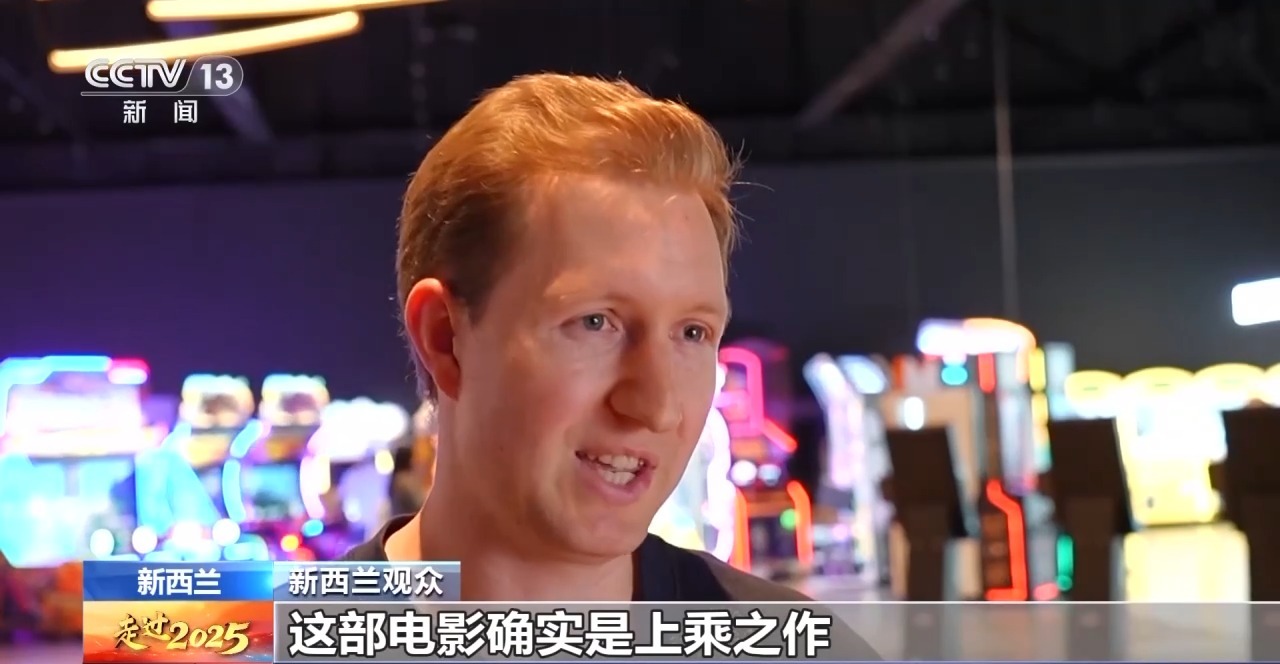
视频丨从电影到潮玩 中国文化之美“圈粉”世界
Yang Shi Xin Wen Ke Hu Duan· 2025-12-31 12:41
Group 1 - In 2025, Chinese culture is gaining global recognition, showcasing a more open and inclusive attitude, with diverse cultural IPs becoming popular worldwide [1][6] - The animated film "Ne Zha" achieved a record-breaking box office of over 15.9 billion RMB, becoming the highest-grossing animated film in history, highlighting the appeal of traditional Chinese cultural elements [1] - The rise of Chinese cultural products, such as the popular toy "Labubu," reflects a growing trend in "spiritual" and "emotional" consumption, leading to a global buying frenzy [3] Group 2 - A variety of Chinese pop culture products that blend ancient and modern elements are gaining popularity, stimulating a surge in tourism to China, with foreign influencers showcasing their experiences on social media [6] - Tourists from various countries express admiration for China's unique blend of traditional and futuristic elements, enhancing their cultural appreciation [6][8] - The exploration of Chinese culture through travel experiences, such as learning traditional crafts and wearing Hanfu, is attracting a younger global audience [6]